
Key Takeaways
- Solar-powered irrigation pumps offer a sustainable and cost-effective solution for farmers, reducing reliance on fossil fuels.
- The main components of these systems include solar panels, a water pump, and a control system.
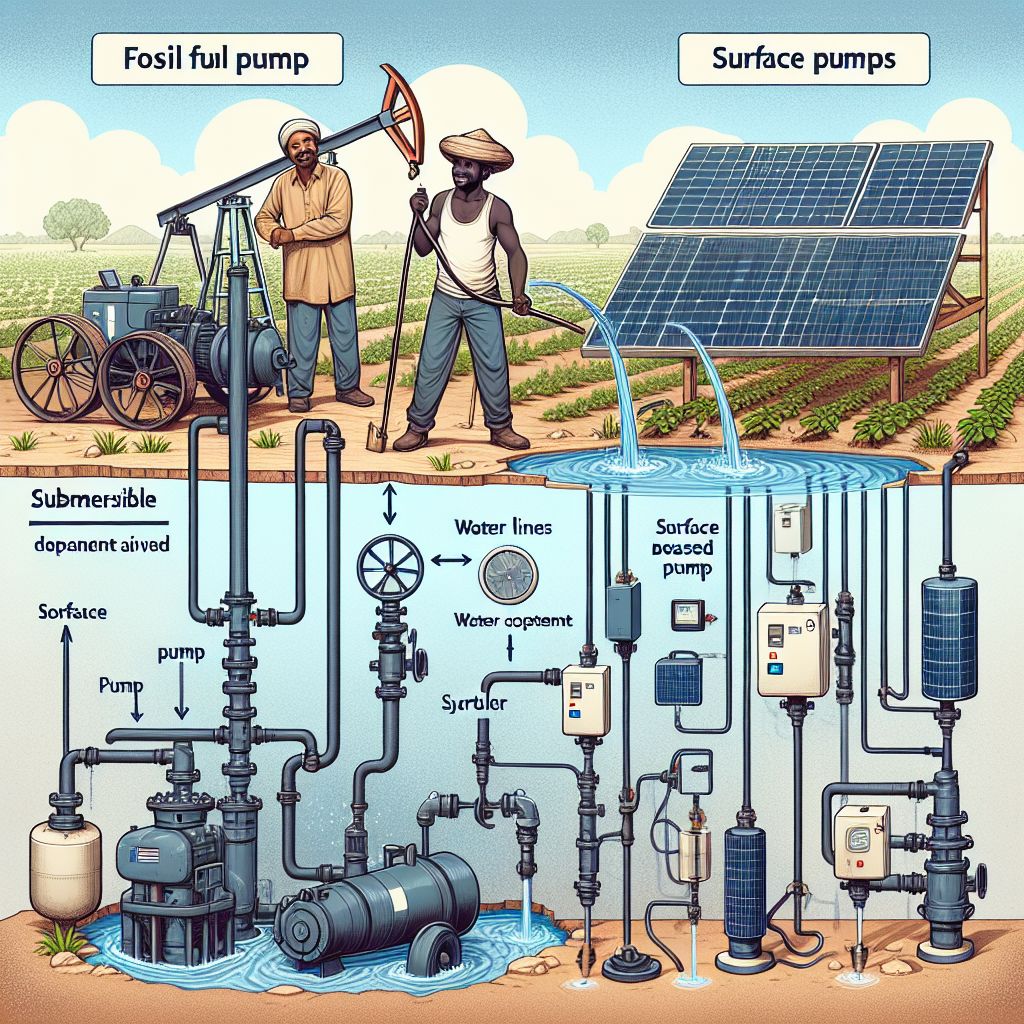
- Solar pumps can be classified into two main types: submersible pumps and surface pumps, each suitable for different water sources.
- Installing a solar-powered system requires careful assessment of water needs and initial investment but leads to long-term savings.
- Real-world examples demonstrate the effectiveness and benefits of solar-powered pumps in diverse agricultural settings.
Introduction to Solar-Powered Pumps in Agriculture
As the world increasingly turns towards sustainable energy solutions, solar-powered pumps have emerged as a game-changer in the agricultural sector. These pumps use solar panels to convert sunlight into energy, powering irrigation systems that are crucial for farming. By harnessing the power of the sun, farmers can effectively move water to their fields without the need for traditional fuel sources. This not only reduces costs but also minimizes environmental impact.
The Need for Sustainable Irrigation Solutions
Water is the lifeblood of agriculture, yet traditional irrigation systems often rely on electricity or diesel, both of which contribute to greenhouse gas emissions. In many rural areas, access to electricity is limited or non-existent, making solar-powered solutions not just a sustainable choice but a necessary one. By switching to solar-powered pumps, farmers can ensure a reliable water supply while also promoting environmental sustainability.
“Solar-powered irrigation systems have the potential to transform agriculture by making it more sustainable and less dependent on fossil fuels.”
Most importantly, solar-powered pumps offer a viable solution for regions with abundant sunlight but scarce water resources. They provide an efficient way to distribute water across large areas, improving crop yields and ensuring food security. Besides that, these systems are increasingly accessible, with costs decreasing as technology advances.
Economic and Environmental Benefits
Switching to solar-powered irrigation systems comes with several economic and environmental benefits. Firstly, the initial investment in solar technology is offset by the long-term savings on fuel and electricity costs. Farmers can reduce or even eliminate their energy bills, leading to significant cost savings over time. Additionally, solar-powered pumps require minimal maintenance, further reducing operational costs.
Environmentally, solar pumps help reduce the carbon footprint of agricultural operations. They rely on clean, renewable energy, thus decreasing reliance on fossil fuels. This transition not only benefits the planet but also enhances the sustainability of farming practices. By adopting solar-powered systems, farmers contribute to the global effort to combat climate change.

Understanding Solar-Powered Irrigation Systems
To effectively utilize solar-powered pumps, it’s essential to understand how these systems work. At their core, solar irrigation systems consist of several key components that work together to move water from a source to the fields. Let’s delve into these components and how they function.
Components of Solar-Powered Pumps
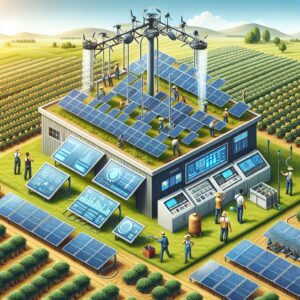
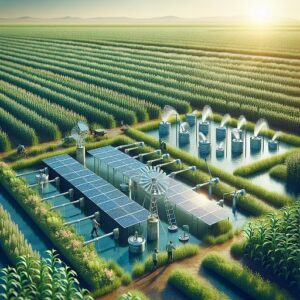
The primary components of a solar-powered irrigation system include solar panels, a water pump, and a control system. The solar panels capture sunlight and convert it into electricity, which powers the water pump. The control system regulates the flow of electricity and ensures that the pump operates efficiently.
Solar panels are typically mounted on rooftops or in open fields to maximize exposure to sunlight. They come in various sizes and capacities, depending on the water needs and the size of the agricultural operation. The water pump, on the other hand, can be either submersible or surface-mounted, depending on the water source.
How Solar Energy is Harnessed for Water Pumping
Solar energy is harnessed through photovoltaic cells in the solar panels. These cells absorb sunlight and generate direct current (DC) electricity. The electricity is then converted to alternating current (AC) by an inverter, making it suitable for powering the water pump. This process is efficient and allows for the continuous operation of the irrigation system during daylight hours.
Moreover, advanced solar-powered systems can be equipped with battery storage, allowing them to operate even during cloudy days or at night. This ensures a consistent water supply, regardless of weather conditions. With advancements in technology, solar-powered pumps have become more efficient and reliable, making them an ideal choice for modern agriculture.
Types of Solar Pumps: Submersible vs. Surface
Solar-powered pumps are broadly categorized into two types: submersible pumps and surface pumps. Each type has its specific applications and benefits.
Submersible pumps are designed to operate underwater, making them ideal for deep wells or boreholes. They are highly efficient and can lift water from significant depths, making them suitable for areas with deep water tables.
Surface pumps, on the other hand, are installed above ground and are used for shallow water sources, such as rivers or lakes. They are easier to maintain and are often used in conjunction with storage tanks to ensure a steady water supply. For more on optimizing your irrigation system, explore solar irrigation system challenges.
Choosing the right type of pump depends on several factors, including the depth of the water source, the volume of water needed, and the specific requirements of the farm. By understanding these factors, farmers can make informed decisions and optimize their irrigation systems for maximum efficiency.
Advantages of Solar-Powered Irrigation Systems
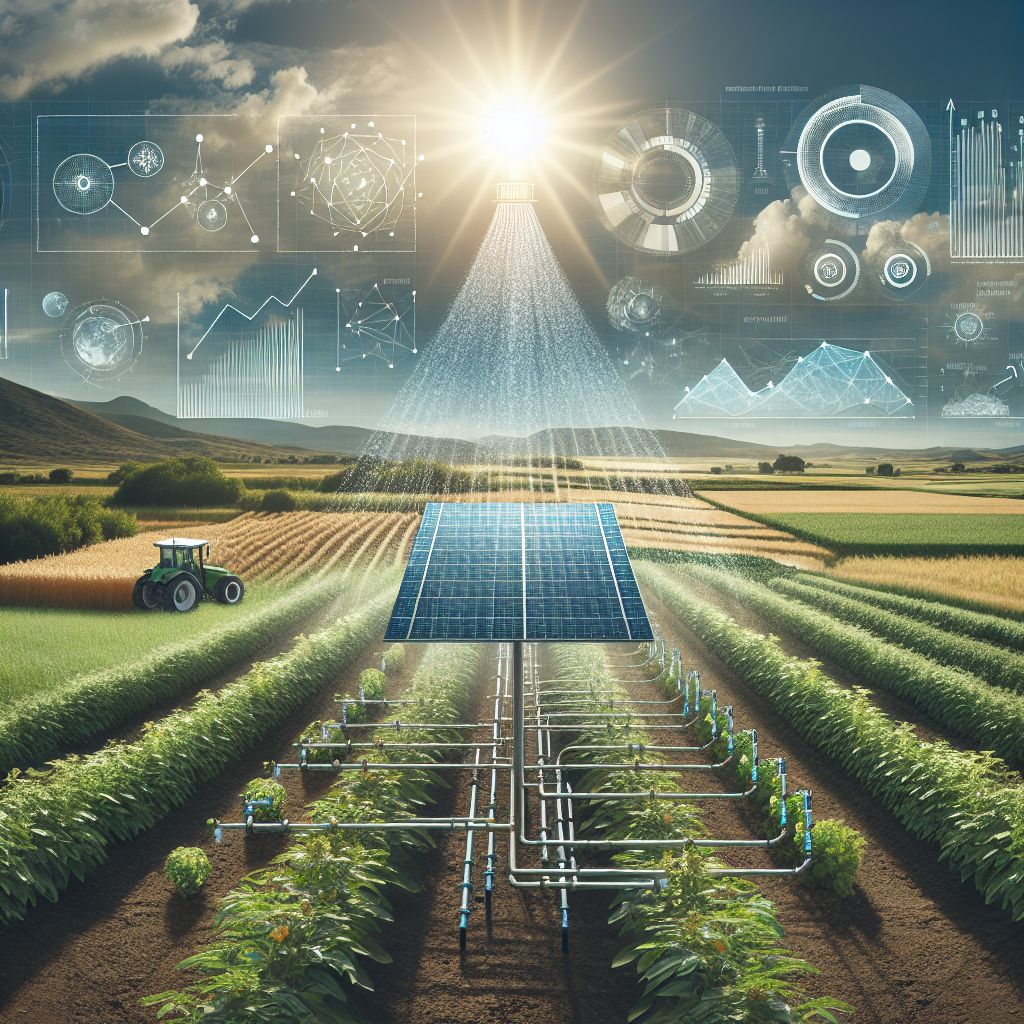
Solar-powered irrigation systems bring a host of advantages to the table, making them an attractive option for modern farmers. These systems not only address the need for sustainable agricultural practices but also provide economic benefits that can transform farming operations. For more information on how these systems can be efficient even under challenging conditions, check out this article on solar irrigation system efficiency.
Most importantly, they offer a viable solution for remote areas where access to electricity is limited. By harnessing solar energy, farmers can ensure a reliable and continuous water supply, regardless of location.
Cost Savings and Economic Viability
One of the most compelling reasons to adopt solar-powered irrigation systems is the significant cost savings they offer. Unlike traditional irrigation systems that rely on electricity or diesel, solar-powered pumps draw energy from the sun, which is free and abundant. This means farmers can drastically reduce or eliminate their energy bills.
Moreover, the initial investment in solar technology is quickly offset by these savings, making solar-powered systems economically viable in the long run. Farmers can expect a return on investment within a few years, depending on the size and scale of their operations.
Environmental Impact and Sustainability
Solar-powered irrigation systems are a sustainable alternative to conventional systems. They reduce reliance on fossil fuels, thereby decreasing greenhouse gas emissions. This transition not only benefits the environment but also aligns with global efforts to combat climate change.
Furthermore, solar energy is a renewable resource, ensuring a sustainable water supply for agricultural operations. By adopting solar-powered systems, farmers contribute to a greener and more sustainable future for the planet.
Minimal Maintenance Requirements
Another advantage of solar-powered irrigation systems is their low maintenance requirements. Once installed, these systems require minimal upkeep, reducing operational costs and downtime. Solar panels are designed to withstand harsh weather conditions and have a long lifespan, often exceeding 25 years.
Additionally, modern solar-powered pumps are equipped with advanced monitoring systems that alert farmers to any issues, ensuring timely maintenance and repairs. This reliability makes solar-powered systems an ideal choice for farmers looking to optimize their irrigation operations.
Reduction in Operational Hazards
Traditional irrigation systems that rely on electricity or diesel come with inherent risks, such as electrical hazards or fuel leaks. Solar-powered systems eliminate these risks, as they operate on clean and safe solar energy. This not only ensures the safety of farmers and workers but also reduces the risk of environmental contamination.
By adopting solar-powered irrigation systems, farmers can create a safer and more efficient working environment, further enhancing the sustainability of their operations.

Components of Solar-Powered Irrigation Systems
Understanding the components of solar-powered irrigation systems is crucial for effective implementation. These systems consist of several key elements that work together to ensure efficient water distribution.
Solar Panels Functionality
Solar panels are the heart of any solar-powered irrigation system. They capture sunlight and convert it into electricity, which powers the water pump. The efficiency of the system depends on the size and capacity of the solar panels, as well as their placement to maximize sunlight exposure. For more details on selecting the right panels, consider these factors to consider.
Typically, solar panels are mounted on rooftops or in open fields, angled to capture the maximum amount of sunlight throughout the day. The electricity generated is then used to power the water pump, ensuring a continuous and reliable water supply for irrigation. For more information on overcoming potential solar irrigation system challenges, check out this article.
Here’s a table comparing the different solar panel you can use in with an Irrigation system.:
|
Solar Panel Type |
Efficiency |
Cost per Watt |
Pros |
Cons |
|---|---|---|---|---|
|
Monocrystalline |
17-22% |
$1.00 – $1.50 |
– Highest efficiency. 1, 3 |
– Most expensive option. 1, 3 |
|
Polycrystalline |
13-17% |
$0.90 – $1.20 |
– Lower cost than monocrystalline. 1, 3 |
– Slightly lower efficiency. 1, 3 |
|
Thin-Film |
10-13% |
$0.70 – $1.00 |
– Lowest cost. 1, 3 |
– Lowest efficiency. 1, 3 |
When choosing solar panels for use in Agriculture, consider factors such as the system’s power requirements, available space, budget, and local climate conditions. The right choice will depend on the specific needs of your irrigation project.
Pumping Mechanism and Types
The pumping mechanism is another critical component of solar-powered irrigation systems. There are two main types of pumps used: submersible pumps and surface pumps. Each type has its specific applications and benefits.
Submersible pumps are designed to operate underwater, making them ideal for deep wells or boreholes. They are highly efficient and can lift water from significant depths, making them suitable for areas with deep water tables. On the other hand, surface pumps are installed above ground and are used for shallow water sources, such as rivers or lakes. They are easier to maintain and are often used in conjunction with storage tanks to ensure a steady water supply.
Storage and Distribution Systems
Storage and distribution systems play a crucial role in ensuring a consistent water supply for irrigation. These systems include storage tanks, pipelines, and distribution networks that deliver water to the fields.
|
Component |
Function |
|---|---|
|
Storage Tanks |
Hold water for use during cloudy days or at night |
|
Pipelines |
Transport water from the source to the fields |
|
Distribution Networks |
Ensure even water distribution across the fields |
These components work together to optimize the irrigation process, ensuring that crops receive the right amount of water at the right time. By integrating storage and distribution systems with solar-powered pumps, farmers can enhance the efficiency and effectiveness of their irrigation operations.
In conclusion, understanding the components and functionality of solar-powered irrigation systems is essential for successful implementation. By choosing the right components and optimizing their placement and operation, farmers can maximize the benefits of solar-powered irrigation and contribute to a more sustainable future.
Implementing Solar-Powered Systems on Farms
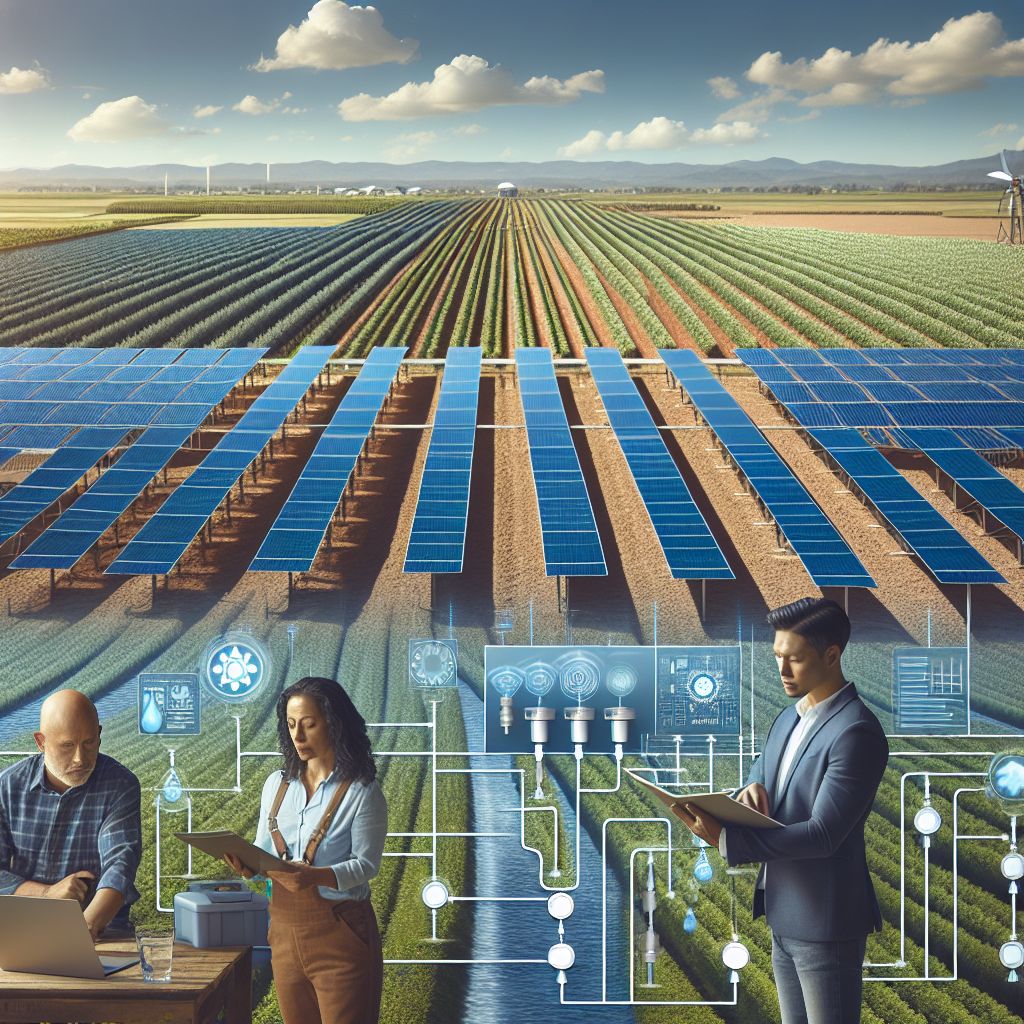
Implementing solar-powered systems on farms requires careful planning and consideration. From assessing water needs to determining system size, several factors must be taken into account to ensure successful implementation.
Most importantly, farmers must consider their specific water needs and the size of their operations. This will determine the size and capacity of the solar panels and pumps, as well as the layout of the distribution network.
“Successful implementation of solar-powered irrigation systems requires careful planning and consideration of various factors, including water needs and system size.”
Therefore, farmers should work with experienced professionals to design and install their solar-powered systems. This will ensure that the system is tailored to their specific needs and operates efficiently.
Assessing Water Needs and System Sizing
Assessing water needs is the first step in implementing a solar-powered irrigation system. Farmers must determine the volume of water required for their crops and the frequency of irrigation. This information will help in selecting the appropriate size and capacity of the solar panels and pumps.
System sizing is also crucial, as it determines the efficiency and effectiveness of the irrigation system. By choosing the right size and capacity, farmers can ensure that their solar-powered system meets their water needs and operates efficiently.
Besides that, farmers should consider the layout of their fields and the distribution network. This will help in designing a system that delivers water evenly across the fields, ensuring optimal crop growth and yield.
Installation Process and Initial Investment
The installation process of solar-powered irrigation systems involves several steps, from selecting the right components to setting up the distribution network. Farmers should work with experienced professionals to ensure that the system is installed correctly and operates efficiently.
The initial investment in solar technology may seem significant, but the long-term benefits far outweigh the costs. By reducing energy bills and maintenance costs, farmers can expect a return on investment within a few years.
Moreover, government incentives and subsidies are often available to support the adoption of solar-powered systems, further reducing the initial investment and making these systems more accessible to farmers.
Integrating Technology: Automation and Control
Automation and control systems have revolutionized the way farmers manage their solar-powered irrigation systems. By integrating advanced technology, farmers can monitor and control their irrigation processes remotely, ensuring optimal water distribution and crop growth.
Most importantly, automation allows for precise irrigation scheduling, reducing water waste and improving efficiency. Farmers can use sensors to monitor soil moisture levels and adjust irrigation schedules accordingly, ensuring that crops receive the right amount of water at the right time. This not only conserves water but also enhances crop yields and quality.
Real-World Success Stories
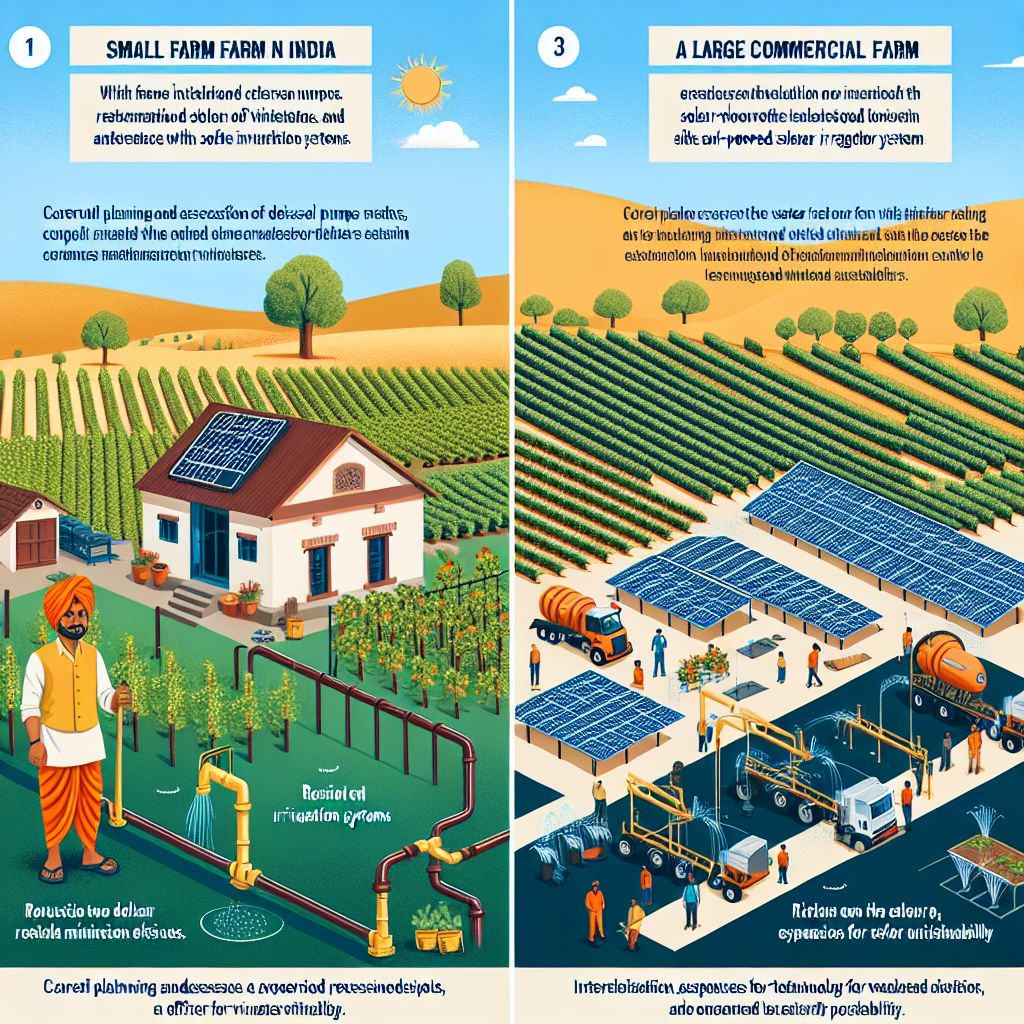
Solar-powered irrigation systems have proven successful in various agricultural settings, from small family farms to large commercial operations. These real-world examples demonstrate the effectiveness and benefits of adopting solar-powered technology in agriculture.
Case Studies from Small and Large Farms
In India, a small-scale farmer named Rajesh transformed his farm by installing a solar-powered irrigation system. Previously reliant on diesel pumps, Rajesh faced high fuel costs and frequent maintenance issues. By switching to solar, he reduced his operational costs and increased his crop yields by 30%. This success story highlights the potential of solar-powered systems to empower small farmers and improve their livelihoods.
On a larger scale, a commercial farm in California implemented a solar-powered irrigation system to manage its extensive vineyards. The farm faced challenges with rising electricity costs and sought a sustainable solution. By adopting solar technology, the farm reduced its energy expenses by 50% and enhanced its environmental sustainability, setting a benchmark for other large-scale operations.
Lessons Learned and Best Practices
From these success stories, several lessons and best practices emerge. Firstly, careful planning and assessment of water needs are crucial for successful implementation. Farmers should work with experienced professionals to design systems that meet their specific requirements and optimize efficiency.
Secondly, integrating technology such as automation and control systems can significantly enhance the effectiveness of solar-powered irrigation systems. By leveraging advanced technology, farmers can monitor and manage their systems more efficiently, leading to improved water conservation and crop yields.

Conclusion: Embracing a Sustainable Future for Farming
Solar-powered irrigation systems represent a promising solution for sustainable agriculture. By harnessing the power of the sun, farmers can reduce their reliance on fossil fuels, lower their operational costs, and contribute to a more sustainable future.
Moreover, solar-powered systems offer a viable option for remote areas with limited access to electricity, ensuring a reliable water supply for agricultural operations. As technology advances and costs decrease, these systems will become increasingly accessible to farmers worldwide.
In conclusion, embracing solar-powered irrigation systems is a step towards a more sustainable and efficient future for farming. By adopting these systems, farmers can enhance their productivity, reduce their environmental impact, and contribute to global efforts to combat climate change.
Is Using Solar-Powered Pump a good investment for a farmer.
Investing in a solar-powered irrigation system can be a wise decision for farmers seeking to enhance their operations and reduce costs. While the initial investment may seem significant, the long-term benefits, including reduced energy expenses and maintenance costs, make it a financially sound choice.
Frequently Asked Questions (FAQ)
Here are some common questions about solar-powered irrigation systems, providing further insights into their functionality and benefits.
What are solar-powered pumps?
Solar-powered pumps are devices that use solar panels to convert sunlight into electricity, which powers a water pump. These pumps are used in irrigation systems to move water from a source to agricultural fields, providing a sustainable and cost-effective solution for farmers.
How much does it cost to install a solar-powered irrigation system?
The cost of installing a solar-powered irrigation system varies depending on the size and capacity of the system, as well as the specific requirements of the farm. On average, installation costs can range from $5,000 to $20,000, but government incentives and subsidies may be available to offset these expenses.
Can solar-powered pumps work during cloudy weather?
Yes, solar-powered pumps can work during cloudy weather, although their efficiency may be reduced. Many systems are equipped with battery storage, allowing them to operate even when sunlight is limited. This ensures a consistent water supply, regardless of weather conditions.
How long do solar-powered pumps last?
Solar-powered pumps are designed to be durable and long-lasting, with a typical lifespan of 15 to 25 years. Solar panels, in particular, have a long lifespan and can continue to generate electricity efficiently for decades with minimal maintenance.
What are the maintenance requirements for solar-powered pumps?
Solar-powered pumps require minimal maintenance compared to traditional systems. Regular cleaning of solar panels to remove dust and debris is recommended to ensure optimal performance. Additionally, periodic checks of the pump and control system can help identify and address any issues promptly, ensuring the system operates efficiently.

Leave a Reply