
Key Takeaways
- Solar irrigation systems offer a renewable and cost-effective energy source for farmers, reducing reliance on traditional power sources.
- High initial costs and investment barriers can be mitigated through government subsidies and innovative financing solutions.
- Weather dependence is a challenge, but adopting weather-resilient practices can enhance system reliability.
- Technical expertise is crucial for maintenance, but accessible training programs can equip farmers with necessary skills.
- Land requirement for solar panels can be optimized with creative installation designs, maximizing available space.
Challenges in Adopting Solar Irrigation Systems
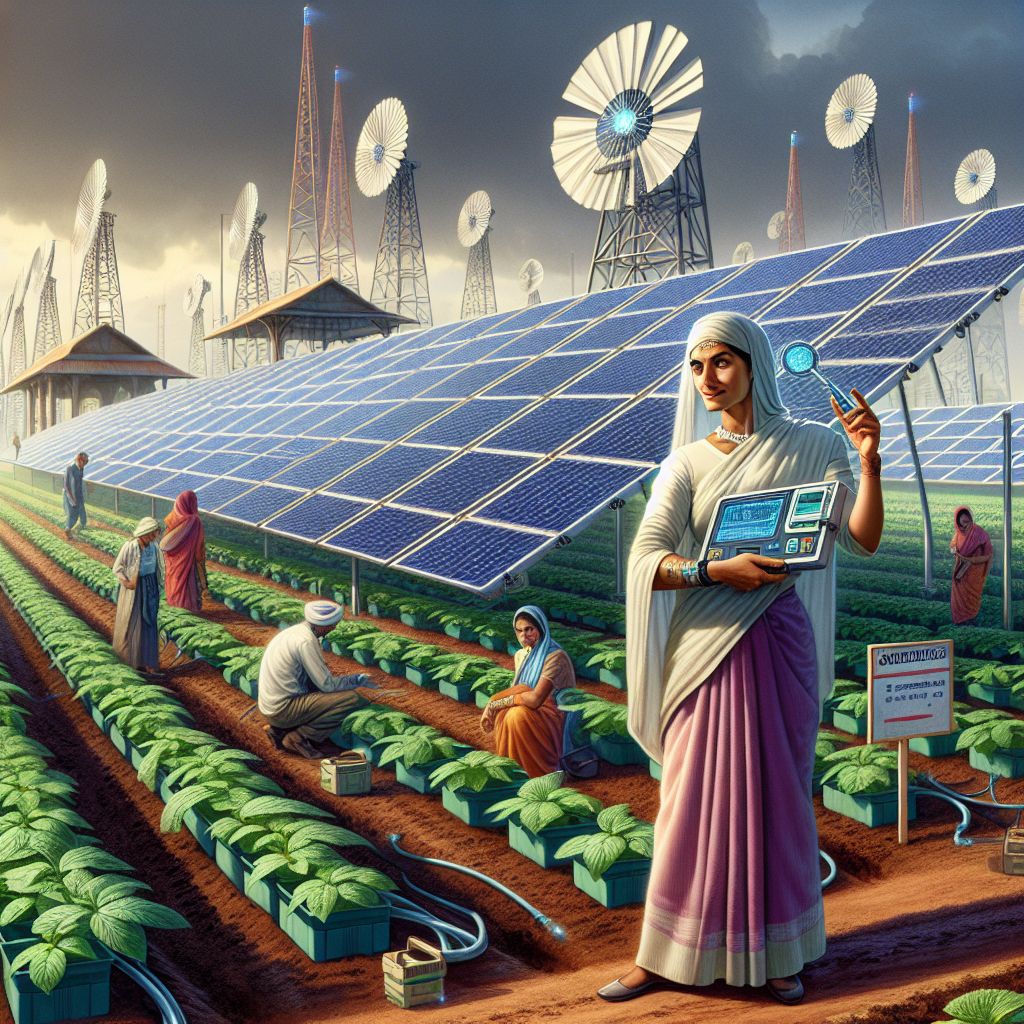
Solar irrigation systems present a promising solution for sustainable farming, offering renewable energy to power water pumps. However, adopting these systems is not without its challenges. Understanding these hurdles is the first step towards overcoming them and empowering farmers worldwide.
High Initial Costs and Investment Barriers
The initial setup of a solar irrigation system can be daunting for many farmers. The costs can range from $3,000 to $10,000 depending on the size and capacity of the system. For small-scale farmers, this represents a significant financial hurdle.
To address this, governments and organizations are stepping in with subsidies and financial aid. For instance, the Indian government offers up to 60% subsidies for solar irrigation systems under the PM-KUSUM scheme. Farmers should actively seek out such opportunities to alleviate the financial burden.
“The high upfront cost of solar irrigation systems is a major barrier, but with proper financial planning and government support, it’s a viable investment for sustainable agriculture.”
Besides that, innovative financing models like pay-as-you-go or leasing options can also help farmers manage costs more effectively. These models allow farmers to pay in installments, making the investment more manageable.
Weather Dependence and Seasonal Variability
Solar panels rely on sunlight to generate power, making them inherently dependent on weather conditions. During cloudy or rainy days, the efficiency of solar panels can significantly decrease, affecting the irrigation schedule.
Farmers can mitigate this by integrating battery storage systems that store excess energy generated during sunny days. This stored energy can then be used during less favorable weather conditions, ensuring a steady supply of power for irrigation.
Land Requirement for Installation
Installing solar panels requires a considerable amount of space, which can be a challenge for farmers with limited land resources. Efficient land use is essential to balance farming activities with solar panel installation.
One innovative solution is the use of floating solar panels on water bodies, such as ponds or reservoirs. This not only saves valuable land space but also reduces water evaporation, providing dual benefits.
Technical Expertise and Maintenance Needs
Operating and maintaining a solar irrigation system requires technical knowledge that many farmers may not possess. Regular maintenance is crucial to ensure the system operates efficiently and has a long lifespan.
Therefore, providing farmers with training and resources is essential. Many organizations offer workshops and training programs to equip farmers with the necessary skills. By gaining this expertise, farmers can maintain their systems effectively and troubleshoot minor issues independently.
Government Policies and Support
Government policies play a crucial role in promoting the adoption of solar irrigation systems. Many countries are recognizing the potential of solar energy in agriculture and are implementing supportive policies. These policies often include subsidies, tax incentives, and grants to reduce the financial burden on farmers.
For example, in Kenya, the government has launched initiatives to support the use of solar energy in agriculture. These initiatives aim to make solar irrigation systems more accessible to smallholder farmers, thus boosting agricultural productivity and sustainability.
Potential for Global Expansion
The potential for global expansion of solar irrigation systems is immense. As the world shifts towards renewable energy sources, more countries are likely to adopt solar irrigation systems to meet their agricultural needs. This is particularly true for regions with abundant sunlight, such as Africa, South Asia, and parts of Latin America, where sustainable farming with solar technology can significantly reduce fossil fuel dependency.
Here’s a table discussing the key challenges farmers face in adopting solar irrigation systems:
|
Challenge |
Description |
Sources |
|---|---|---|
|
High Initial Investment |
The setup of a solar power irrigation system can be expensive, posing a significant financial barrier for many farmers, especially smallholders | |
|
Weather Dependency |
Solar panels rely on sunlight, making the system less effective during cloudy days or seasons with limited sunshine | |
|
Land Requirement |
Solar panels require substantial space for installation, which may compete with land available for cultivation | |
|
Technical Expertise |
Installation and maintenance of solar irrigation systems often require specialized technical knowledge, which may not be readily available in rural areas | |
|
Energy Storage |
Effective energy storage systems can be complex and costly, impacting the system’s reliability during non-sunny periods | |
|
Water Management |
There’s a risk of overexploitation of groundwater resources due to zero pumping costs, potentially leading to depletion in water-stressed areas | |
|
Capacity Building |
Farmers and local technicians often need training to properly operate and maintain the solar equipment | |
|
Integration with Existing Practices |
Some farmers may resist adopting new technologies if they don’t seamlessly integrate with established irrigation methods | |
|
Monitoring and Regulation |
Ensuring responsible use of solar irrigation systems requires effective monitoring and regulation, which can be challenging to implement | |
|
Carbon Footprint Concerns |
While solar is clean energy, changes in farming practices due to solar adoption might inadvertently increase overall carbon emissions |
Practical Solutions for Farmers
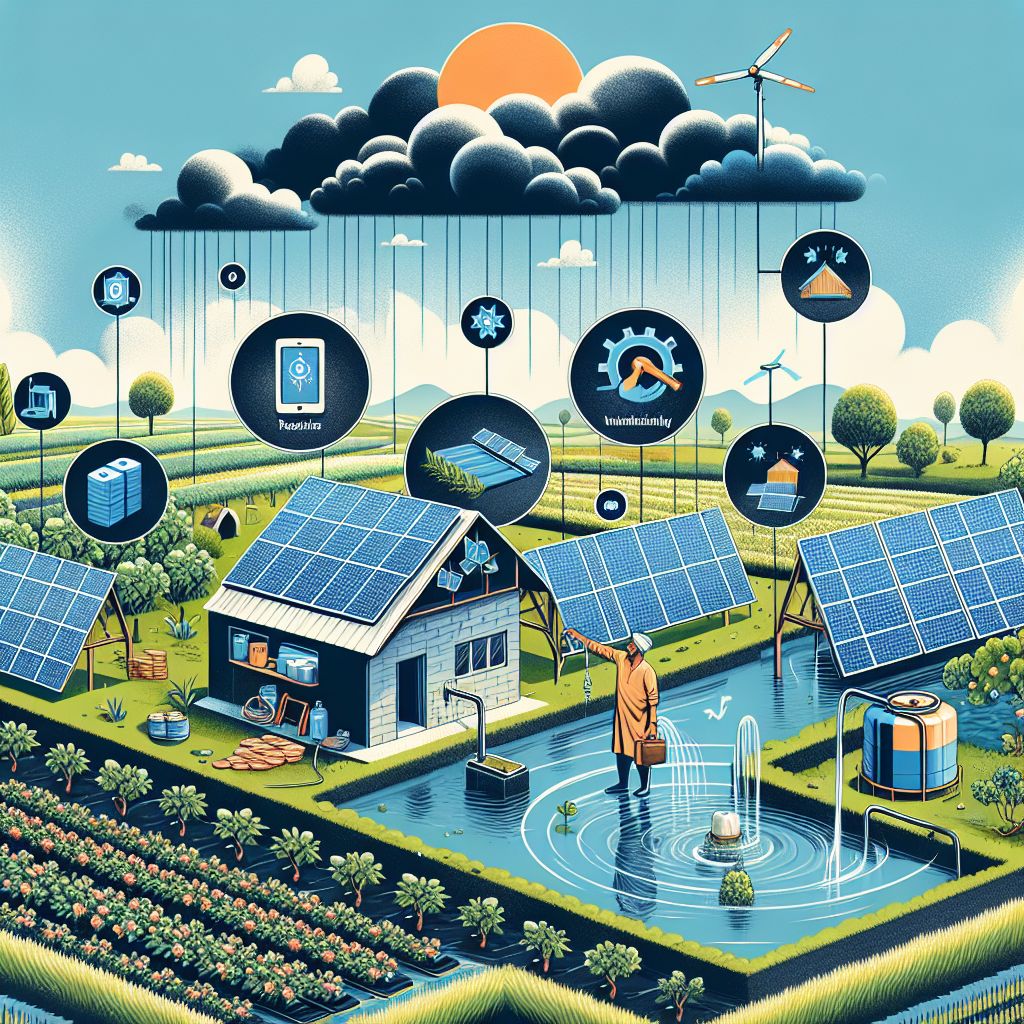
For farmers looking to adopt solar irrigation systems, there are practical solutions to overcome common challenges. By leveraging available resources and support, farmers can successfully integrate solar energy into their agricultural practices. To learn more about the pros and cons of solar irrigation systems, explore further resources.
One of the most effective ways to do this is by collaborating with local agricultural cooperatives and organizations. These entities often provide valuable information, resources, and support to help farmers navigate the transition to solar irrigation systems.
Securing Financial Assistance and Subsidies
Securing financial assistance is a critical step for farmers interested in solar irrigation systems. Farmers should explore various funding options, including government subsidies, grants, and low-interest loans, to reduce the initial investment costs.
Additionally, partnering with financial institutions that offer tailored financing solutions for agricultural projects can provide the necessary capital for installation and maintenance.
Adopting Weather-Resilient Practices
To ensure the reliability of solar irrigation systems, farmers should adopt weather-resilient practices. This includes using energy storage solutions, such as batteries, to store excess energy generated during sunny periods for use during cloudy days.
Furthermore, implementing water-saving techniques, such as drip irrigation, can optimize water usage and improve the efficiency of solar-powered systems.
Maximizing Space through Innovative Designs
Farmers can maximize their available space by exploring innovative solar panel installation designs. Options such as floating solar panels on water bodies or integrating panels with existing farm structures can help conserve valuable land for agricultural activities.
Accessing Technical Training and Support
Accessing technical training and support is essential for farmers to effectively operate and maintain solar irrigation systems. Farmers should take advantage of training programs offered by agricultural organizations and government agencies to gain the necessary skills and knowledge.
By building technical expertise, farmers can ensure their systems run smoothly and address any issues that arise promptly, minimizing downtime and maximizing productivity.
Here’s a table discussing potential solutions to the challenges farmers face when adopting solar irrigation systems:
|
Challenge |
Solution |
Sources |
|---|---|---|
|
High Initial Investment |
– Government subsidies or grants for solar irrigation adoption | |
|
Weather Dependency |
– Hybrid systems combining solar with grid or diesel backup | |
|
Land Requirement |
– Use of more efficient, high-output solar panels | |
|
Technical Expertise |
– Training programs for farmers and local technicians | |
|
Energy Storage |
– Implementation of water storage tanks as an energy alternative | |
|
Water Management |
– Installation of smart meters and sensors for water usage monitoring | |
|
Capacity Building |
– Collaboration with agricultural extension services for training | |
|
Integration with Existing Practices |
– Gradual adoption strategies to ease transition | |
|
Monitoring and Regulation |
– Implementation of IoT-based monitoring systems | |
|
Carbon Footprint Concerns | – Life cycle assessments to optimize overall environmental impact |
Benefits of Solar Irrigation Systems
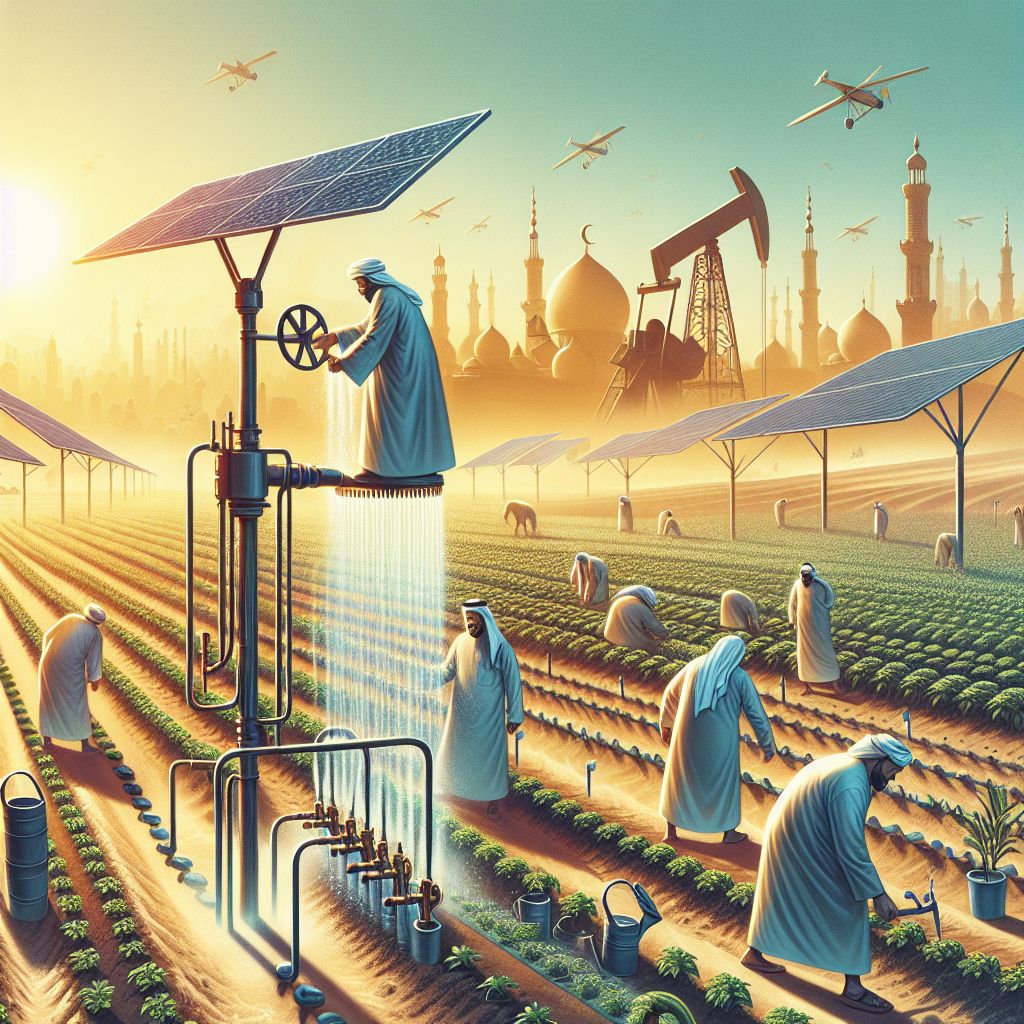
Solar irrigation systems offer numerous benefits that can significantly enhance agricultural productivity and sustainability. By harnessing the power of the sun, farmers can reduce their reliance on traditional energy sources and decrease their carbon footprint.
Moreover, solar irrigation systems provide a cost-effective solution for powering water pumps, reducing operational costs over time. This allows farmers to invest more in other areas of their operations, leading to increased crop yields and profitability.
Renewable and Cost-effective Energy Source
Solar irrigation systems provide a renewable energy source that taps into the sun’s power, making it a sustainable option for farmers. Unlike conventional energy sources, solar power reduces dependency on fossil fuels, which are both costly and environmentally damaging.
Over time, the cost savings from reduced fuel consumption and electricity bills can be substantial. Farmers can redirect these savings into other essential areas, such as crop development and farm infrastructure improvements, boosting their overall productivity.
Environmental and Climate Benefits
By using solar energy, farmers contribute to a reduction in greenhouse gas emissions, playing a part in mitigating climate change. Solar irrigation systems produce no direct emissions during operation, making them an environmentally friendly choice.
Furthermore, solar-powered irrigation can help conserve water resources. Advanced irrigation techniques, such as drip irrigation, when powered by solar energy, ensure that water is used efficiently, reducing waste and preserving vital water supplies.
Enhanced Crop Growth and Production
Reliable access to irrigation is crucial for consistent crop growth. Solar irrigation systems provide a steady and reliable source of water, ensuring that crops receive the hydration they need, even in remote areas with limited access to electricity.
This can lead to increased crop yields and improved food security. With better irrigation, farmers can cultivate more land, diversify their crops, and potentially extend growing seasons, leading to higher profitability and sustainability.
Future Prospects for Solar Irrigation
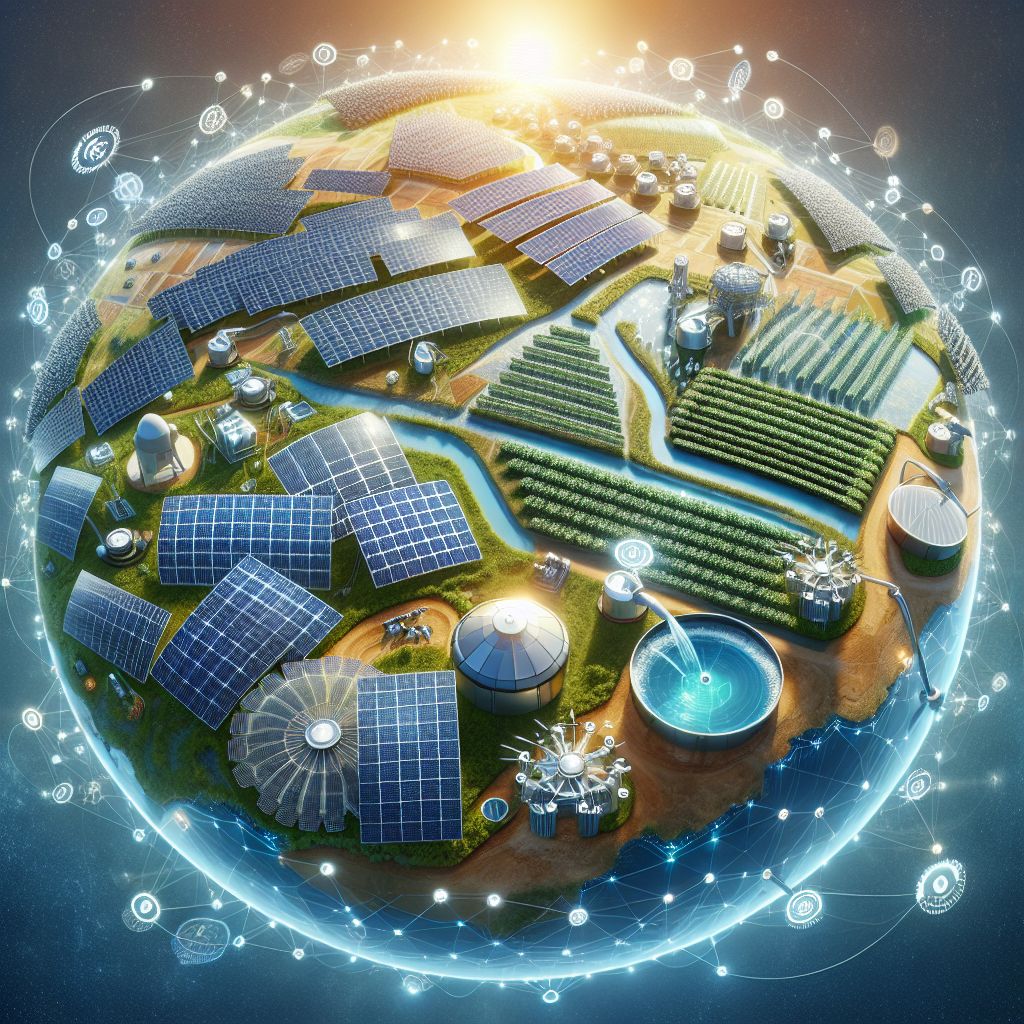
Technological advancements are driving the evolution of solar irrigation systems. Innovations such as more efficient solar panels, improved battery storage, and smart irrigation technologies are enhancing the performance and reliability of these systems.
For instance, the development of bifacial solar panels, which can capture sunlight from both sides, is increasing energy generation efficiency. This means more power can be produced even in less than ideal weather conditions.
Moreover, smart irrigation systems that use sensors and data analytics to optimize water usage are being integrated with solar power. This not only conserves water but also ensures crops receive the right amount of water at the right time.
- Improved solar panel efficiency
- Advanced battery storage solutions
- Integration with smart irrigation technologies
Government Policies and Support
Government support is crucial for the widespread adoption of solar irrigation systems. Many countries are implementing policies that provide financial incentives and technical assistance to farmers, making solar systems more accessible.
For example, in India, the PM-KUSUM scheme offers subsidies for solar pumps, encouraging farmers to transition to renewable energy. Similar initiatives in other countries are helping farmers overcome financial barriers and embrace solar irrigation.
Potential for Global Expansion
As the benefits of solar irrigation become more widely recognized, there is significant potential for global expansion. Regions with high solar potential, such as Africa and South Asia, are particularly well-suited for solar irrigation systems.
With continued advancements in technology and supportive policies, solar irrigation systems are poised to become a key component of sustainable agriculture worldwide.
Frequently Asked Questions (FAQ)
Here are some common questions about solar irrigation systems and how they can benefit farmers:
What are the initial steps to implement a solar irrigation system?
To implement a solar irrigation system, start by assessing your farm’s water needs and solar potential. Next, research available solar irrigation products and consult with suppliers or experts to choose the right system for your farm. Finally, secure financing or subsidies to cover the initial costs and arrange for installation by qualified professionals.
How do weather changes affect solar irrigation systems?
Weather changes can impact the efficiency of solar panels, as they rely on sunlight to generate power. During cloudy or rainy days, energy production may decrease. To mitigate this, consider installing battery storage systems to store excess energy for use during less favorable weather conditions.
Are there government programs available to assist farmers financially?
Yes, many governments offer programs to assist farmers with the costs of solar irrigation systems. These may include subsidies, grants, or low-interest loans. It’s essential to research and apply for these programs to reduce the financial burden of adopting solar technology.
What maintenance is required for a solar irrigation system to stay efficient?
Regular maintenance is crucial to keep a solar irrigation system running efficiently. This includes cleaning solar panels to ensure maximum sunlight absorption, checking connections and wiring for any issues, and monitoring the system’s performance. Scheduled maintenance by professionals can also help identify and address potential problems early.







Leave a Reply