

Key Takeaways
Solar-powered irrigation systems can significantly reduce energy costs, with savings of up to 75% on electricity bills.
Drip irrigation systems are the most efficient when combined with solar power, offering precision watering and reducing water waste.
Initial investment in solar panels may be high, but long-term savings and environmental benefits make it worthwhile.
Solar-powered systems can be adapted to different climates, providing reliable energy in remote areas.
Proper installation and maintenance of solar panels ensure maximum efficiency and longevity of the system.
Choosing Solar-Powered Irrigation Systems for Farmers
In today’s world, sustainable farming is more crucial than ever. Farmers are increasingly turning to renewable energy sources like solar power to enhance their irrigation systems. But why is solar-powered irrigation such a game-changer for farmers? Let’s explore the benefits and options available to make an informed decision.
Why Solar-Powered Irrigation Matters
Solar-powered irrigation systems are transforming the agricultural landscape by providing a sustainable and cost-effective solution for water management. Traditional irrigation methods often rely on fossil fuels or grid electricity, which can be expensive and environmentally damaging. Solar energy, on the other hand, is abundant and free once the initial setup is complete. This makes it an attractive option for farmers looking to reduce their carbon footprint and operating costs.
Energy Cost Savings and Efficiency
The most compelling reason for adopting solar-powered irrigation is the potential for significant energy cost savings. By harnessing the power of the sun, farmers can reduce their reliance on costly electricity or diesel fuel. For instance, a typical solar-powered irrigation system can cut energy costs by up to 75%, making it a financially savvy choice.
Besides that, solar systems are incredibly efficient. They generate the most energy during the sunniest parts of the day, which coincides perfectly with the peak irrigation needs of crops. This synergy between solar energy production and irrigation demands ensures that water is delivered when it’s needed most, without wasting resources.
Environmental Impact and Sustainability
Beyond cost savings, solar-powered irrigation systems offer substantial environmental benefits. By reducing the reliance on fossil fuels, these systems help decrease greenhouse gas emissions, contributing to a healthier planet. Moreover, solar panels have a long lifespan, often exceeding 25 years, which minimizes the need for frequent replacements and reduces waste.
Most importantly, using solar energy aligns with global efforts to combat climate change and promote sustainable agriculture. By investing in solar-powered irrigation, farmers can play a vital role in preserving natural resources and ensuring food security for future generations.

Top Irrigation Systems Suitable for Solar Panels
When it comes to pairing irrigation systems with solar panels, certain types stand out for their compatibility and efficiency. For instance, solar-powered water pumps are an excellent choice for reducing costs and eliminating fuel dependency. Let’s take a closer look at the top irrigation systems that work seamlessly with solar power.
Drip Irrigation Systems: Precision Watering
Drip irrigation systems are a perfect match for solar power due to their precision and efficiency. These systems deliver water directly to the plant roots, minimizing evaporation and runoff. This targeted approach not only conserves water but also ensures that crops receive the exact amount they need to thrive.
When powered by solar panels, drip irrigation systems become even more effective. The consistent energy supply from solar panels allows for uninterrupted operation, ensuring that plants receive a steady water supply, even in remote areas with limited access to electricity.
Benefits:
Water Efficiency: Drip irrigation systems can save up to 50% more water compared to traditional irrigation methods.
Solar Compatibility: Solar panels can power pumps that deliver water through the drip system, further enhancing efficiency.
Healthy Crops: By delivering water at the plant’s root zone, plants grow healthier and stronger.
Integrating solar energy with drip irrigation not only sustains crops but also lowers the operational costs, making it a logical choice for farmers looking to adopt eco-friendly practices.
Center Pivot Irrigation: Large Field Coverage
For farmers with large fields, center pivot irrigation systems offer an efficient solution. These systems consist of a rotating sprinkler arm that covers a circular area, making them ideal for expansive farmland. When combined with solar power, center pivot systems provide reliable irrigation without the high energy costs associated with traditional methods.
The key to success with center pivot irrigation lies in optimizing the solar panel setup to match the system’s energy requirements. By carefully calculating the number of panels needed and positioning them for maximum sun exposure, farmers can ensure that their center pivot system operates smoothly and efficiently.
Benefits:
Scale and Coverage: Perfect for large farms, with the capability of irrigating hundreds of acres efficiently.
Reduced Labor: Automated systems require less manpower, freeing up resources for other tasks.
Compatibility with Solar Energy: Like drip systems, center pivot systems can be powered by solar energy, which reduces reliance on grid electricity.
The ability to cover a large area efficiently, combined with the use of solar power, makes center pivot irrigation an attractive option for farmers with large fields.
Old-School Furrow Irrigation: A Reliable Way to Water Your Crops
Though it might be seen as an outdated method by some, furrow irrigation has stood the test of time, proving to be a reliable and cost-effective way to irrigate crops. This technique involves digging shallow channels (or furrows) between crop rows, allowing water to flow down these paths, reaching the plants’ root systems.
Benefits:
Cost-Effective: Generally less expensive to implement than more modern methods, especially for traditional farmers.
Simplicity: Requires fewer technical components, making it easier for farmers with limited resources.
Solar Synergy: With solar-powered pumps, furrow irrigation systems can efficiently distribute water, especially in areas with limited access to electricity.
While furrow irrigation may not be as precise as drip systems, its simplicity and reliability have maintained its popularity, proving beneficial for many farmers.
Here’s a table comparing top irrigation systems suitable for solar panels:
|
System Type |
Key Features |
Efficiency |
Best Application |
Sources |
|---|---|---|---|---|
|
Drip Irrigation |
– Precise water delivery |
High water efficiency (20-60% reduction in use) |
– Small to medium gardens | |
|
Center Pivot |
– Large area coverage |
Moderate efficiency |
– Large agricultural fields | |
|
Furrow Irrigation |
– Simple design |
Lower efficiency compared to drip |
– Traditional farming |
Drip Irrigation: This system is particularly effective in conserving water and minimizing evaporation and runoff. It delivers water directly to the plant roots, promoting healthier growth and reducing disease risks associated with excess moisture on foliage. The integration of solar power enhances its sustainability by eliminating electricity costs and enabling use in remote areas without grid access 1, 2.
Center Pivot: This system employs rotating arms to irrigate large fields efficiently. It can be powered by solar panels, which helps reduce operational costs. Center pivot systems are particularly beneficial for flat terrains where extensive coverage is needed 6.
Furrow Irrigation: While this traditional method is less efficient than modern systems, it remains a reliable option for many farmers. It involves creating furrows between crop rows and allowing water to flow through them. Solar-powered pumps can enhance its effectiveness by providing a renewable energy source for water delivery 1, 6.
Factors to Consider When Integrating Solar Panels
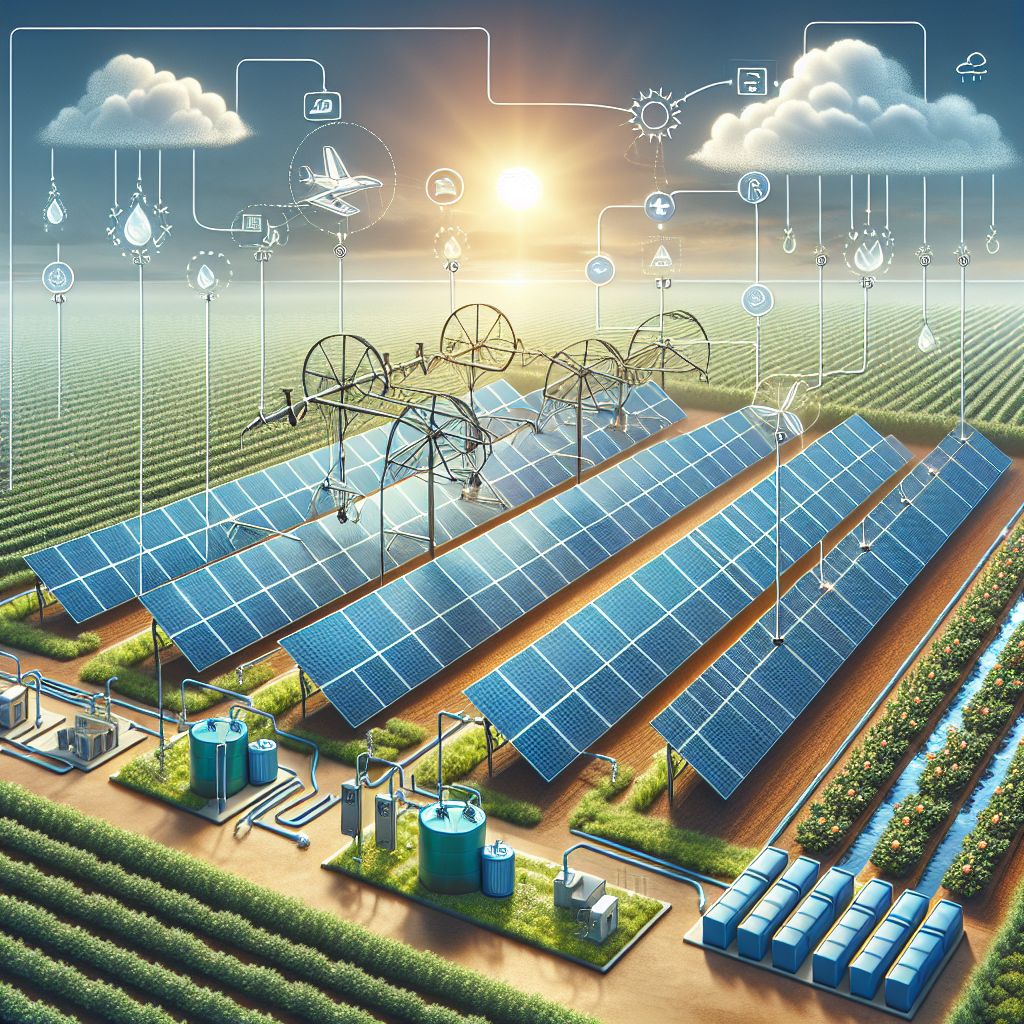
Integrating solar panels into your irrigation system can revolutionize the way you power your agricultural practices, fostering a shift towards sustainability and efficiency. By evaluating energy requirements, conducting site assessments, selecting the right technology, and considering economic and regulatory factors, you can capitalize on solar power’s advantages. As you embark on this journey, the long-term benefits of reduced energy costs, environmental conservation, and sustainable farming practices will not only support your bottom line but also contribute to a greener planet.
Initial Investment and Long-Term Savings
Investing in solar-powered irrigation systems requires a significant initial outlay, but the long-term savings can be substantial. The cost of installing solar panels and compatible irrigation systems varies depending on the size and complexity of the setup. Typically, a small-scale system may cost around $5,000 to $10,000, while larger installations can exceed $50,000. Despite this, the return on investment is promising, as farmers often recoup their expenses within a few years through reduced energy costs.
Once installed, solar-powered systems offer virtually free energy. Unlike traditional irrigation systems that rely on costly electricity or diesel, solar panels harness the sun’s energy, resulting in minimal ongoing expenses. This allows farmers to allocate their resources to other critical areas, such as crop improvement and expansion.
Adaptability to Different Climates
Solar-powered irrigation systems are incredibly adaptable, making them suitable for a variety of climates. In regions with abundant sunshine, solar panels can generate enough energy to power irrigation systems year-round. However, even in areas with less consistent sunlight, solar systems can be paired with battery storage to ensure a continuous energy supply during cloudy days.
Maintenance and Reliability
One of the key advantages of solar-powered irrigation systems is their low maintenance requirements. Unlike traditional systems that often require regular servicing and repairs, solar panels are designed to be durable and reliable. Routine cleaning and periodic inspections are usually sufficient to keep the system running efficiently.
Installation and Implementation Tips for Farmers
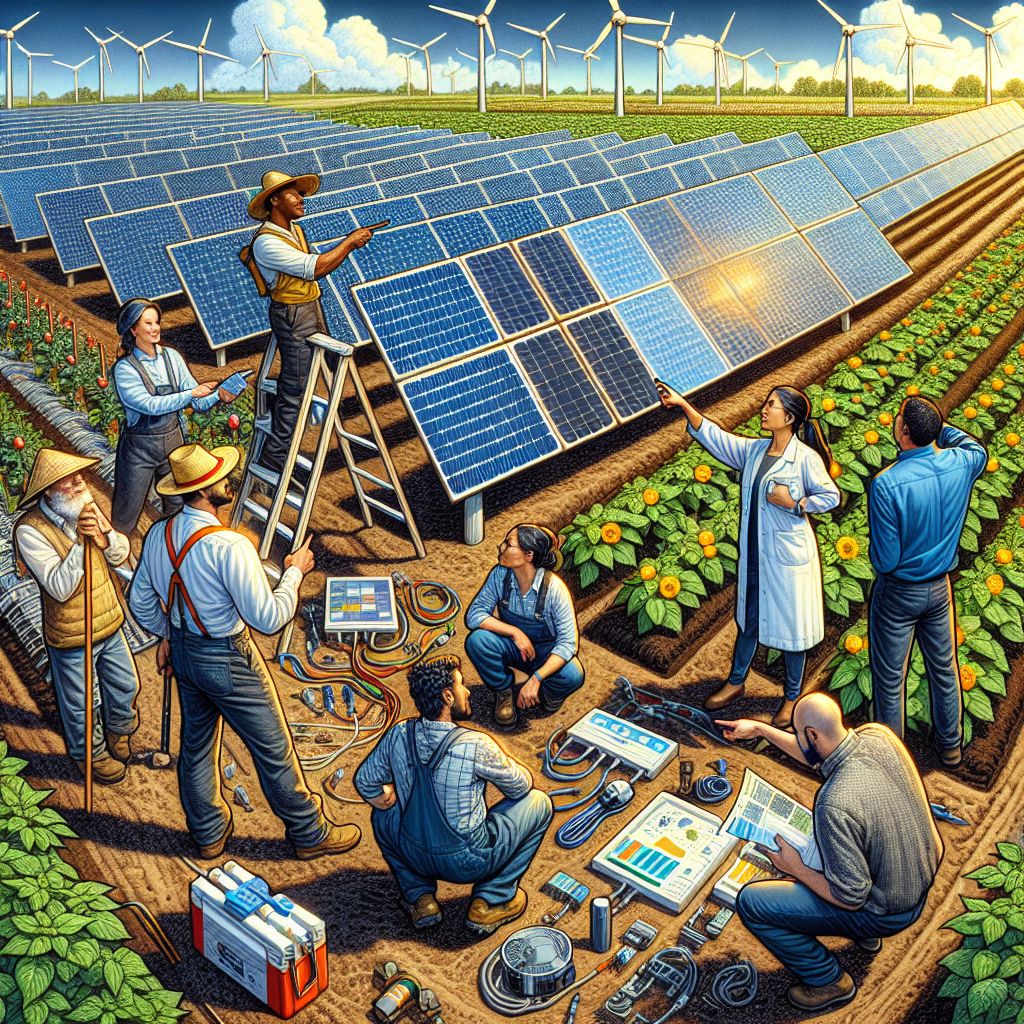
To maximize the benefits of solar-powered irrigation, proper installation and implementation are crucial. Here are some tips to help farmers get started:
Conduct a thorough site assessment to determine the best location for solar panels, ensuring they receive maximum sun exposure.
Choose a reputable installer with experience in solar-powered irrigation systems to ensure a seamless setup.
Consider integrating battery storage to provide a backup energy source during cloudy periods.
By following these steps, farmers can optimize their solar-powered irrigation systems for efficiency and longevity.
Additionally, it is essential to stay informed about local regulations and incentives for renewable energy. Many regions offer tax credits, grants, or subsidies to encourage the adoption of solar power, which can help offset initial installation costs.
Selecting the Right Solar Panels
Choosing the appropriate solar panels is a critical step in setting up a solar-powered irrigation system. Different types of panels offer varying levels of efficiency, cost, and suitability for specific applications. Here’s a breakdown of the most common types:
Understanding the characteristics of each type can help farmers make informed decisions based on their specific needs and budget. For more insights, explore how solar panels can power an irrigation system.
“The right solar panel choice can make or break the efficiency of your irrigation system. It’s crucial to balance cost with performance.” – Sustainable Agriculture Expert
Monocrystalline Solar Panels: High Efficiency in Limited Spaces
Monocrystalline solar panels are known for their high efficiency and durability. They are made from a single crystal structure, which allows them to convert sunlight into electricity more effectively than other types. This makes them an excellent choice for farmers with limited space, as fewer panels are needed to achieve the desired energy output. For more information on selecting the right solar panels, check out key factors and best choices for farmers.
Although monocrystalline panels tend to be more expensive upfront, their superior efficiency can lead to greater long-term savings.
Example: A farmer in California installed monocrystalline panels on a small plot of land and achieved a 20% increase in energy output compared to polycrystalline panels.
This example illustrates the potential benefits of investing in high-efficiency panels, particularly for those with space constraints.
Polycrystalline Solar Panels: Cost-Effective Energy Solution
Polycrystalline solar panels offer a more cost-effective alternative to monocrystalline panels. They are made from multiple silicon crystals, resulting in a slightly lower efficiency. However, their lower production costs make them an attractive option for farmers seeking to minimize initial expenses.
Thin-Film Solar Panels: Flexibility and Versatility
Thin-film solar panels are the most flexible and versatile option. They are lightweight and can be installed on a variety of surfaces, making them ideal for unconventional or mobile applications. While they generally have lower efficiency compared to crystalline panels, their adaptability can be advantageous in certain situations.
For instance, thin-film panels can be used on greenhouse roofs or other structures where traditional panels may not be feasible. Their ability to conform to curved surfaces also opens up new possibilities for creative installations.
Here’s a table comparing the different solar panel you can use with an irrigation system:
|
Solar Panel Type |
Efficiency |
Cost per Watt |
Pros |
Cons |
|---|---|---|---|---|
|
Monocrystalline |
17-22% |
$1.00 – $1.50 |
– Highest efficiency. 1, 3 |
– Most expensive option. 1, 3 |
|
Polycrystalline |
13-17% |
$0.90 – $1.20 |
– Lower cost than monocrystalline. 1, 3 |
– Slightly lower efficiency. 1, 3 |
|
Thin-Film |
10-13% |
$0.70 – $1.00 |
– Lowest cost. 1, 3 |
– Lowest efficiency. 1, 3 |
Polycrystalline panels offer a good balance between cost and efficiency, making them suitable for medium-scale irrigation projects. They perform well in most conditions and are a popular choice for many agricultural applications 3.
Thin-film panels, while less efficient, are more affordable and flexible. They can be a good option for portable irrigation systems or installations where weight is a concern. Their lower efficiency means you may need more panels to achieve the same power output as crystalline options 3.
When choosing solar panels for an irrigation system, consider factors such as the system’s power requirements, available space, budget, and local climate conditions. The right choice will depend on the specific needs of your irrigation project.
Optimal Positioning for Maximum Sun Exposure
To ensure maximum energy production, it’s essential to position solar panels correctly. Ideally, panels should face south in the northern hemisphere and north in the southern hemisphere to capture the most sunlight throughout the day. Additionally, panels should be tilted at an angle that matches the latitude of the location for optimal performance.
System Monitoring and Maintenance
Regular monitoring and maintenance are key to keeping solar-powered irrigation systems running smoothly. Farmers should periodically check the panels for dirt or debris, which can reduce efficiency. It’s also important to inspect connections and wiring to ensure everything is functioning correctly.
Many modern solar systems come with monitoring software that allows farmers to track energy production and identify potential issues remotely. This technology can help detect problems early, minimizing downtime and maximizing productivity.
Success Stories from the Field
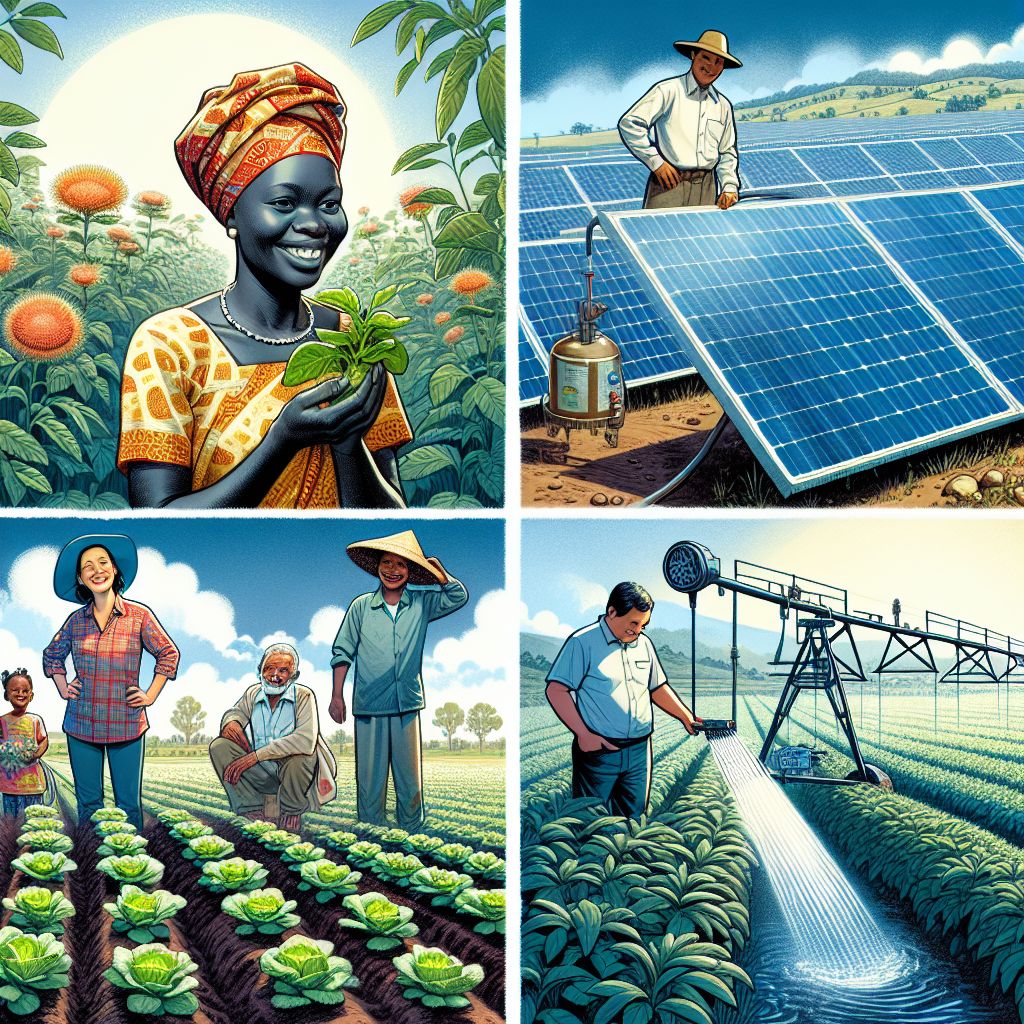
Solar-powered irrigation systems have already made a significant impact on farms around the world. Let’s explore some real-life success stories that demonstrate the potential of this technology.
In Kenya, a smallholder farmer named Mary adopted a solar-powered drip irrigation system for her vegetable farm. Within a year, she saw a 50% reduction in water usage and a 30% increase in crop yield. The consistent water supply allowed her to grow crops during the dry season, boosting her income and improving food security for her family.
Another inspiring example comes from India, where a group of farmers pooled resources to install a shared solar-powered irrigation system. This collaborative approach reduced costs for individual farmers and provided a reliable water source for their crops. As a result, the community experienced increased agricultural productivity and improved livelihoods.
Case Study: Efficient Water Management
In the arid regions of Australia, a farmer named John faced challenges with water scarcity. By switching to a solar-powered drip irrigation system, John managed to reduce water consumption by 40% while maintaining crop health. The solar panels provided a consistent energy source, allowing the system to operate even during peak sun hours when water demand was highest. This not only conserved water but also reduced his operational costs significantly.
Case Study: Cost Reduction and Increased Yield
In Mexico, a cooperative of small farmers invested in a solar-powered center pivot irrigation system. The initial costs were shared among the members, making the technology accessible. Over two years, the cooperative observed a 25% increase in crop yield due to improved water distribution and reduced dependency on expensive diesel pumps. The solar panels paid for themselves within three years through energy savings alone.
These stories highlight the transformative impact solar-powered irrigation can have on agriculture, particularly in resource-limited settings.
Conclusion and Future Opportunities
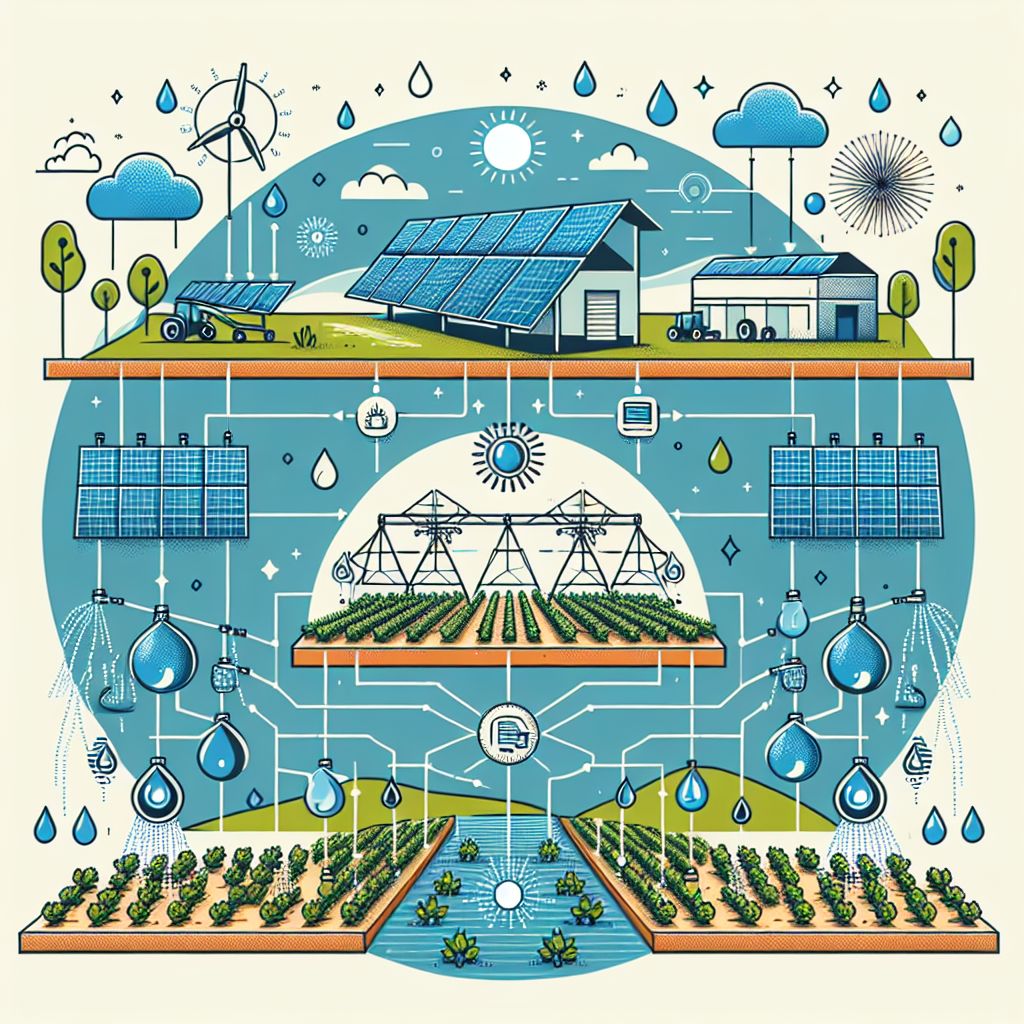
Solar-powered irrigation systems represent a promising solution for sustainable agriculture. They offer a dual benefit of reducing energy costs and minimizing environmental impact, making them an attractive option for farmers worldwide. As technology advances and costs continue to decrease, the adoption of solar-powered systems is expected to grow, further driving innovation and efficiency in the agricultural sector.
Summary of Benefits
The benefits of solar-powered irrigation systems are clear: substantial energy cost savings, enhanced water management, and a positive environmental impact. These systems empower farmers to be more resilient in the face of climate change and resource scarcity, ensuring food security for future generations.
Encouragement to Adopt Solar Solutions in Farming
Transitioning to solar-powered irrigation is a step towards sustainable farming practices. By embracing this technology, farmers can reduce their carbon footprint and contribute to a more sustainable planet. The initial investment may seem daunting, but the long-term benefits and savings make it a worthwhile endeavor. For those interested in learning more about this technology, this solar irrigation system guide offers valuable insights.
Farmers should explore local incentives and funding opportunities to offset installation costs. Many governments and organizations offer support for renewable energy projects, making it easier for farmers to adopt solar-powered systems.
“Adopting solar-powered irrigation is not just an investment in your farm; it’s an investment in the future of agriculture.” – Agricultural Sustainability Advocate
Which is the Most Efficient Combination of an Irrigation System and Solar Panel
For most farmers, the combination of a drip irrigation system with monocrystalline solar panels offers the highest efficiency. Drip irrigation provides precise water delivery, minimizing waste, while monocrystalline panels offer high energy output, even in limited spaces. This combination ensures optimal performance and resource conservation.
Farmers with larger fields may benefit from center pivot systems paired with polycrystalline panels, balancing cost and efficiency for extensive coverage.
Frequently Asked Questions (FAQ)
As farmers consider transitioning to solar-powered irrigation, they often have several questions. Here are some of the most common inquiries:
How do solar panels power irrigation systems?
Solar panels convert sunlight into electricity, which powers the pumps and controllers in an irrigation system. This electricity can be used immediately or stored in batteries for use when the sun isn’t shining.
What types of irrigation systems work best with solar energy?
Drip and center pivot irrigation systems are highly compatible with solar power. Drip systems are efficient for targeted watering, while center pivot systems are suitable for large fields.
Both types can be powered by solar energy, reducing reliance on traditional power sources and lowering operational costs. For more information on how this works, you can explore this solar power irrigation system guide.
Are solar-powered irrigation systems cost-effective?
Yes, while the initial investment may be high, solar-powered systems offer significant long-term savings. Farmers often see a return on investment within a few years due to reduced energy costs.
What are the steps to add Solar Panels to an existing Irrigation System?
Adding solar panels to an existing irrigation system involves several steps:
Conduct a site assessment to determine solar potential and system requirements.
Select appropriate solar panels and inverters based on energy needs.
Hire a professional installer to ensure proper setup and integration.
Monitor and maintain the system regularly to maximize efficiency.
Example: A farmer in India successfully integrated solar panels into an existing furrow irrigation system by following these steps, resulting in a 30% reduction in energy costs. For more information, check out our solar irrigation guide.
By carefully planning and executing the integration process, farmers can enhance the sustainability and efficiency of their irrigation systems.







Leave a Reply