

Key Takeaways
Solar irrigation systems use solar panels to power water pumps, providing a reliable and sustainable water source for crops.
Initial setup costs for solar irrigation can range from $3,000 to $10,000, but long-term savings on energy costs make it a worthwhile investment.
Solar irrigation reduces dependence on fossil fuels, lowering greenhouse gas emissions and promoting environmental sustainability.
Farmers can benefit from government incentives and tax credits to help offset the initial costs of installing solar irrigation systems.
Regular maintenance involves cleaning solar panels and checking pump functionality to ensure efficient operation.
What is Solar Irrigation?
Solar irrigation is a method of using solar energy to power water pumps for agricultural purposes. By converting sunlight into electricity through solar panels, these systems provide a sustainable and eco-friendly way to irrigate crops. This technology is especially beneficial for farmers in remote areas where access to traditional power sources is limited.
Basics of Solar Irrigation
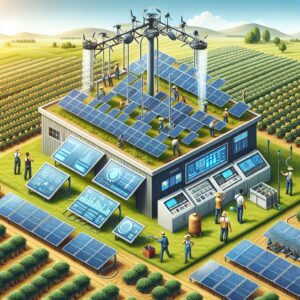
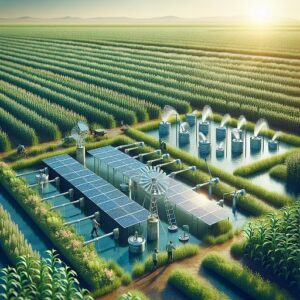
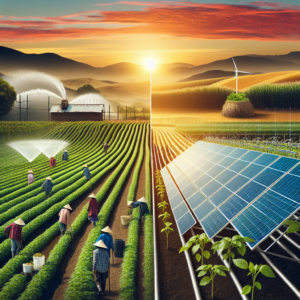
Solar irrigation systems harness the power of the sun to operate water pumps. These pumps draw water from sources like wells, rivers, or reservoirs and distribute it to fields through various irrigation methods. The main components include solar panels, a controller, a water pump, and an irrigation system.
The process begins with solar panels capturing sunlight and converting it into electrical energy. This energy is then used to power the water pump, which moves water to where it is needed. The controller manages the flow of electricity to ensure the system operates efficiently.
“Solar-powered irrigation systems offer several advantages, including reduced dependence on diesel or electric pumps, lower energy costs, and diminished greenhouse gas emissions.”
Components of a Solar Irrigation System
A solar irrigation system consists of several key components:
Solar Panels: These capture sunlight and convert it into electrical energy.
Controller: This device regulates the flow of electricity from the solar panels to the water pump.
Water Pump: The pump moves water from the source to the irrigation system.
Irrigation System: This includes drip lines, sprinklers, or other methods for distributing water to crops.
Types of Solar Irrigation Systems
There are several types of solar irrigation systems, each suited to different needs and conditions:
Direct Solar-Powered Systems: These systems use solar panels to power the pump directly during daylight hours. They are simple and cost-effective but depend on sunlight availability.
Battery-Storage Systems: These systems store excess solar energy in batteries, allowing the pump to operate even when the sun is not shining. This provides greater flexibility but adds to the initial cost.
Hybrid Systems: These combine solar power with other energy sources, such as diesel generators or grid electricity. This ensures a reliable water supply regardless of weather conditions.

Benefits of Solar Irrigation
Solar irrigation offers numerous benefits that make it an attractive option for sustainable farming. These benefits include cost savings, environmental impact, and energy independence.
Cost Savings
One of the most significant advantages of solar irrigation is the potential for cost savings. While the initial setup costs can be high, ranging from $3,000 to $10,000, the long-term savings on energy costs make it a worthwhile investment. Solar energy is free and abundant, reducing or eliminating the need for expensive fossil fuels.
Environmental Impact
Solar irrigation systems contribute to environmental sustainability by reducing greenhouse gas emissions. Traditional irrigation methods often rely on diesel or electric pumps, which produce carbon emissions. By switching to solar power, farmers can lower their carbon footprint and promote cleaner air and water. Learn more about how solar panels reduce energy costs for farm irrigation systems.
Energy Independence
Solar irrigation provides farmers with greater energy independence. By generating their own power, they are less reliant on external energy sources and less vulnerable to price fluctuations. This stability can lead to more predictable operating costs and improved financial planning.
Here’s a table discussing more key benefits of solar irrigation for sustainable farming:
|
Benefit |
Description |
|---|---|
|
Cost Savings |
Reduces or eliminates electricity costs related to irrigation, resulting in substantial long-term savings. 1, 4, 6 |
|
Environmental Impact |
Decreases reliance on fossil fuels, reducing carbon emissions and promoting cleaner air. 1, 6 |
|
Water Efficiency |
Advanced sensors and controllers optimize water usage, minimizing waste and improving crop yields. 1, 4, 6 |
|
Low Maintenance |
Requires minimal upkeep compared to conventional systems, reducing the risk of breakdowns. 1, 6 |
|
Energy Independence |
Provides a stable and predictable power source, protecting farmers from rising fuel prices and electricity tariffs. 1, 6 |
|
Increased Crop Yields |
Can lead to up to 20% higher yields due to optimized irrigation practices. 4, 6 |
|
Labor Reduction |
Automatic watering systems decrease manual labor, potentially reducing operational costs by 20%. 4 |
|
Remote Access |
Allows farmers to control irrigation remotely and access real-time data on soil conditions. 3 |
|
Versatility |
Can be installed in remote areas without access to the power grid, increasing farming possibilities. 3, 5 |
|
Scalability |
Systems can be scaled up or down based on farm size and needs, offering flexibility. 2, 6 |
Solar irrigation systems combine cost-effectiveness with environmental sustainability, making them an increasingly popular choice for modern farmers. They not only reduce operational expenses but also contribute to more efficient water management and increased crop productivity.

How to Implement Solar Irrigation on Your Farm
Implementing solar irrigation on your farm involves several steps, from assessing your water needs to choosing the right system and installing it. By following these steps, you can ensure a successful and efficient solar irrigation setup.
First, you need to understand your farm’s specific water requirements. This includes determining the amount of water needed for your crops, the best irrigation method, and the optimal placement of solar panels and pumps. Once you have this information, you can choose the most suitable solar irrigation system for your farm.
Next, you’ll need to select the appropriate solar panels and other components. The installation process involves setting up the solar panels, connecting them to the controller and pump, and integrating the irrigation system. Regular maintenance is crucial to keep the system running smoothly and efficiently.
Assessing Your Water Needs
Before you can implement a solar irrigation system, you need to assess your farm’s water needs. This involves understanding the water requirements of your crops, the size of your fields, and the availability of water sources.
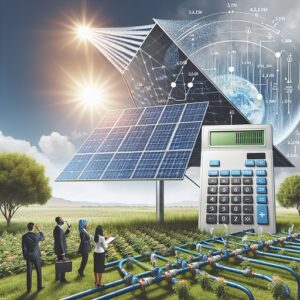
Start by calculating the daily water needs of your crops. This will depend on factors such as the type of crop, soil type, and climate. You can use tools like crop water requirement calculators to get accurate estimates. Additionally, consider the efficiency of your current irrigation system and identify any areas where water usage can be optimized.
Choosing the Right Irrigation System for Your Farm
Once you have assessed your water needs, the next step is to choose the right irrigation system for your farm. There are several types of irrigation systems to consider, each with its own advantages and disadvantages.
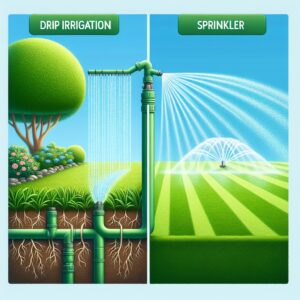
Drip irrigation is highly efficient and delivers water directly to the plant roots, minimizing water wastage. Micro sprinklers are suitable for small to medium-sized fields and provide uniform water distribution. Low-elevation precision application (LEPA) sprinklers are ideal for larger fields and use less energy.
When selecting an irrigation system, consider factors such as the size of your fields, the type of crops you grow, and the availability of water sources. It’s also essential to choose a system that can be easily integrated with solar power.
What Are the Different Solar Panels You Can Use with an Irrigation System
There are several types of solar panels that you can use with an irrigation system. The most common types are monocrystalline, polycrystalline, and thin-film solar panels. Each type has its own advantages and is suitable for different applications.
Monocrystalline solar panels are highly efficient and have a longer lifespan. They are ideal for farms with limited space as they generate more power per square foot. Polycrystalline panels are slightly less efficient but are more affordable, making them a popular choice for larger installations. Thin-film panels are lightweight and flexible, making them easy to install on various surfaces.
Here’s a table showing the three main types of solar panels that can be used with an irrigation system for farmers,
|
Solar Panel Type |
Advantages |
Disadvantages |
|---|---|---|
|
Monocrystalline |
– Highest efficiency (15-22%) 2, 3 |
– Most expensive option 2, 3 |
|
Polycrystalline |
– More affordable than monocrystalline 1, 3 |
– Lower efficiency compared to monocrystalline 3 |
|
Thin-Film |
– Cheapest option 1, 4 |
– Lowest efficiency (10-13%) 1, 4 – Shortest lifespan 4 |
Installation Process
The installation process for a solar irrigation system involves several steps. First, you’ll need to set up the solar panels in a location that receives maximum sunlight. This may involve mounting the panels on rooftops, ground mounts, or tracking systems that follow the sun’s path.
Next, connect the solar panels to the controller, which regulates the flow of electricity to the water pump. The controller ensures that the pump operates efficiently and prevents overloading. Once the controller is connected, install the water pump and integrate it with your chosen irrigation system. For more detailed steps on implementing solar power in agriculture, check out this guide. Finally, test the system to ensure everything is working correctly and make any necessary adjustments.
Maintenance and Troubleshooting Tips
Regular maintenance is essential to keep your solar irrigation system running smoothly. This includes cleaning the solar panels to remove dust and debris, checking the connections for any signs of wear or damage, and inspecting the water pump for any issues.
If you encounter any problems with your system, start by checking the solar panels and connections. Ensure that the panels are clean and receiving adequate sunlight. Next, check the controller and water pump for any signs of malfunction. If the issue persists, consult a professional for further assistance.

Case Studies: Successful Implementation of Solar Irrigation
To illustrate the benefits of solar irrigation, let’s look at some case studies of successful implementations. These examples highlight how different types of farms have adopted solar irrigation and the positive impact it has had on their operations.
Diversified Crop Farms
On diversified crop farms, solar irrigation has proven to be a game-changer. For example, a farm in California growing a variety of fruits and vegetables implemented a solar-powered drip irrigation system. The system reduced their water usage by 30% and lowered their energy costs significantly. The farm also received tax credits and incentives, further offsetting the initial investment.
Remote Area Farms
In remote areas, where access to electricity is limited, solar irrigation has provided a reliable water source. A farm in Kenya, for instance, installed a solar-powered water pump to irrigate their maize and bean crops. The system allowed them to increase their yield and improve food security in the region. The farm also benefitted from reduced fuel costs and decreased reliance on diesel generators.
Small Scale Farms
For small scale farms, solar irrigation can be particularly beneficial. These farms often have limited resources and need cost-effective solutions to maintain productivity. By implementing solar-powered drip irrigation, small farms can achieve significant water savings and reduce their dependency on expensive and unreliable energy sources.
An example is a small farm in India that grows vegetables and herbs. The farm installed a solar-powered drip irrigation system, which reduced water consumption by 40% and cut energy costs by 50%. This allowed the farm to reinvest the savings into expanding their operations and improving crop quality.

Conclusion
Solar irrigation is a powerful tool for promoting sustainable farming. By harnessing the sun’s energy, farmers can reduce their reliance on fossil fuels, lower their energy costs, and minimize their environmental impact. Whether you are a small-scale farmer or managing a large agricultural operation, solar irrigation offers numerous benefits that can enhance your productivity and sustainability.
Implementing a solar irrigation system involves several steps, from assessing your water needs to selecting the right components and ensuring proper maintenance. By following the guidelines and tips provided in this guide, you can successfully set up and maintain a solar irrigation system on your farm.
Frequently Asked Questions (FAQ)
What is the initial cost of setting up a solar irrigation system?
The initial cost of setting up a solar irrigation system can vary depending on the size and complexity of the system. On average, you can expect to spend between $3,000 and $10,000. This includes the cost of solar panels, the controller, the water pump, and the irrigation system.
While the upfront investment may seem high, the long-term savings on energy costs and the availability of government incentives can help offset these costs.
Solar panels: $1,000 – $3,000
Controller: $200 – $500
Water pump: $500 – $2,000
Irrigation system: $1,000 – $4,500
Additionally, ongoing maintenance costs are relatively low, making solar irrigation a cost-effective solution in the long run.
Can you hook up solar panels to an existing irrigation system?
Yes, you can hook up solar panels to an existing irrigation system. This process typically involves connecting the solar panels to a controller, which then powers the existing water pump. It’s important to ensure that the pump is compatible with solar power and that the system is configured correctly for efficient operation.
If you are unsure about the compatibility of your existing system, consulting with a professional can help you determine the best approach for integrating solar power.
Can solar irrigation systems work in cloudy or rainy climates?
Solar irrigation systems can still work in cloudy or rainy climates, although their efficiency may be reduced. Solar panels generate electricity from sunlight, so less sunlight means less power. However, modern solar panels are designed to be efficient even in low-light conditions.
To ensure consistent operation, you can use battery storage systems to store excess energy generated during sunny periods. This stored energy can then be used to power the irrigation system when sunlight is limited.
What maintenance is required for solar irrigation systems?
Regular maintenance is crucial to keep your solar irrigation system running efficiently. Key maintenance tasks include:
Cleaning solar panels regularly to remove dust and debris.
Inspecting connections and wiring for signs of wear or damage.
Checking the water pump for any issues or malfunctions.
Ensuring the controller is functioning correctly.
By performing these maintenance tasks, you can extend the lifespan of your system and ensure optimal performance.
Are there any government incentives for using a solar irrigation system?
Yes, many governments offer incentives to encourage the adoption of solar irrigation systems. These incentives can help offset the initial costs and make the investment more affordable. Common incentives include funding options and grants.
Tax credits for purchasing and installing solar equipment.
Grants and subsidies for renewable energy projects.
Low-interest loans for financing solar irrigation systems.
It’s important to research the specific incentives available in your region and take advantage of any programs that can help reduce your costs. For more information on how solar panels can power various farm operations, visit this guide.
In conclusion, solar irrigation is a sustainable and cost-effective solution for modern farming. By investing in this technology, you can improve your farm’s efficiency, reduce your environmental impact, and achieve greater energy independence. With the right planning and maintenance, a solar irrigation system can provide long-lasting benefits for your agricultural operations.

Leave a Reply