

Key Takeaways on Solar Panels Farm Operations Benefits, Uses & Efficiency
Solar panels can save farms significant amounts of money on energy costs.
Using solar energy reduces the farm’s carbon footprint and promotes environmental sustainability.
Solar panels can power various farm operations including irrigation systems and automated equipment.
High-efficiency solar panels maximize energy production and improve farm productivity.
Farmers can generate additional revenue by selling excess electricity back to the grid.
Introduction to Solar Panels on Farms
Solar energy, acquired from the sun’s rays, offers a clean and abundant source of power for agricultural operations. Through photovoltaic (PV) panels installed on farm buildings, land, or specialized structures, farmers can capture sunlight and convert it into electricity. This electricity can then be used to power various on-farm activities, including irrigation systems, barn lighting, and automated equipment.
“By integrating solar panels into cropland, pastureland, or livestock grazing areas, farms can maximize land use efficiency and enhance agricultural productivity simultaneously.”
Solar panels on farms are not just about reducing electricity bills. They represent a shift towards sustainable farming practices that benefit both the environment and the economy. Let’s explore how solar panels fit into modern agriculture and the numerous benefits they bring.
The Future of Farming with Solar Energy
The future of farming is bright with solar energy. As we face increasing challenges related to climate change and resource scarcity, integrating renewable energy sources like solar power into agricultural operations is becoming essential. Solar energy provides a reliable and sustainable power source that can help farms operate more efficiently and reduce their environmental impact.
Besides that, advancements in solar technology are making it easier and more cost-effective for farmers to adopt solar energy. Innovations such as high-efficiency solar panels and smart energy management systems are enhancing the viability of solar power for agricultural use.
How Solar Panels Fit into Modern Agriculture
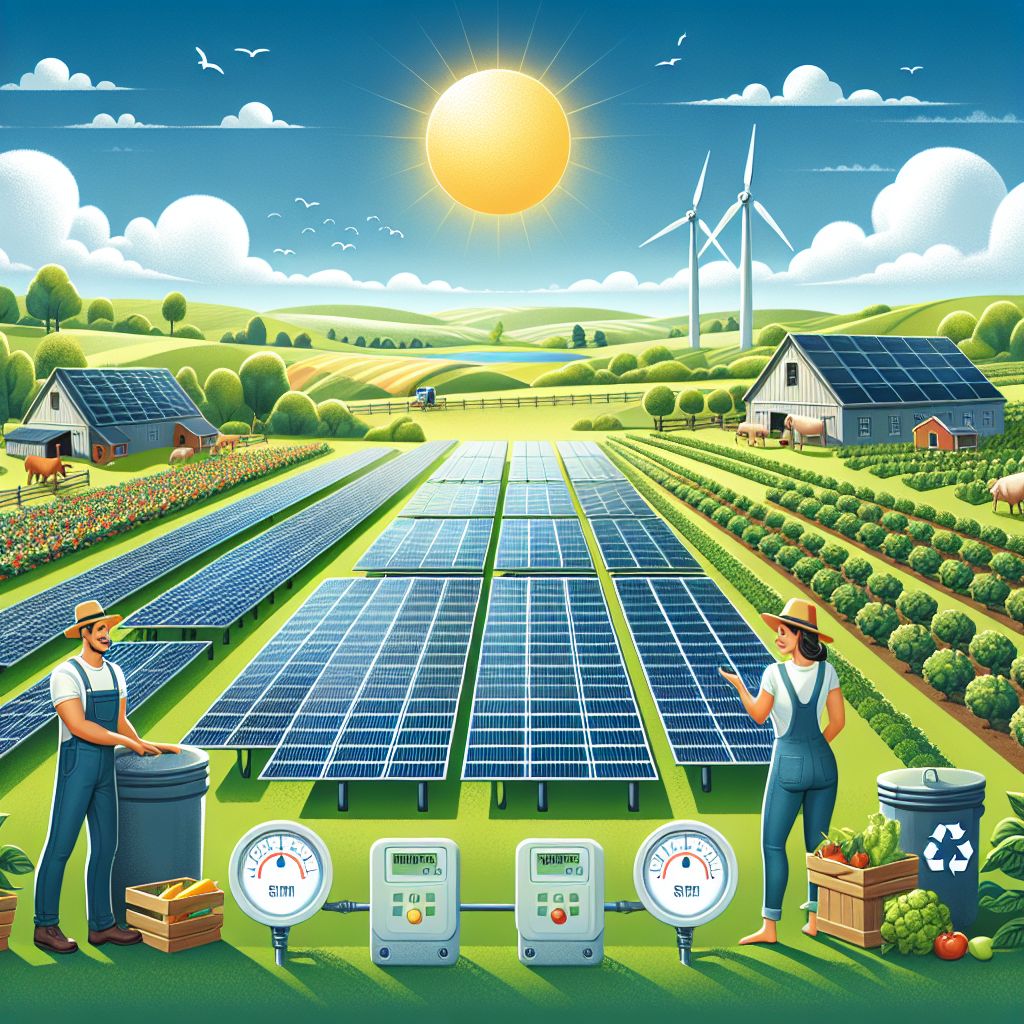
Solar panels can be seamlessly integrated into modern agricultural practices. They can be installed on rooftops of farm buildings, mounted on the ground, or even integrated into the landscape through agrivoltaic systems. Agrivoltaics involves the simultaneous use of land for both solar energy production and agriculture, allowing farmers to optimize land use and improve overall farm productivity.
Moreover, solar energy can power various aspects of farm operations, from irrigation systems and barn lighting to automated machinery and electric fences. This versatility makes solar power an attractive option for farmers looking to enhance their operations while reducing reliance on fossil fuels.
Understanding Solar Farm Technology
Solar farm technology has come a long way in recent years. Modern solar panels are designed to be more efficient, durable, and adaptable to different environmental conditions. High-efficiency panels, for example, can generate more electricity from limited space, making them ideal for farms with space constraints.
Here’s a table describing the three types of solar panels and their advantages and disadvantages for powering an irrigation system on a farm:
|
Solar Panel Type |
Advantages |
Disadvantages |
|---|---|---|
|
Monocrystalline |
– Highest efficiency (15-22%) 2, 3 |
– Most expensive option 2, 3 |
|
Polycrystalline |
– More affordable than monocrystalline 1, 3 |
– Lower efficiency compared to monocrystalline 3 |
|
Thin-Film |
– Cheapest option 1, 4 |
– Lowest efficiency (10-13%) 1, 4 – Shortest lifespan 4 |
In addition to the panels themselves, solar farm technology includes inverters, which convert the direct current (DC) electricity generated by the panels into alternating current (AC) electricity that can be used by farm equipment. Energy storage solutions, such as batteries, can also be integrated into solar farm systems to store excess electricity for use during periods of low sunlight.
Benefits of Solar Panels on Farms
As the global shift toward sustainability continues to accelerate, the agricultural sector is embracing innovative solutions to address environmental challenges and improve operational efficiency. One such solution is the adoption of solar panels on farms. The integration of solar energy systems into agricultural practices not only offers numerous benefits for farmers but also contributes significantly to the preservation of natural resources. Let’s take a look at some of these benefits.
Cost Savings and Economic Viability
One of the most significant benefits of solar panels on farms is cost savings. While the initial investment in solar infrastructure may require upfront funds, the long-term savings from reduced energy costs can outweigh these initial expenses. Solar installations have low operational and maintenance costs compared to traditional energy sources, leading to substantial savings over their lifespan.
Furthermore, various financial incentives and assistance programs are available to help offset the initial costs of solar adoption. These incentives can include tax credits, grants, and low-interest loans, making solar energy more accessible and affordable for farmers.
Energy Independence
By generating their own electricity, farms can achieve a greater degree of energy independence. This reduces reliance on external energy providers and protects against fluctuating energy prices. Energy independence also enhances the resilience of farm operations, ensuring a stable and reliable power supply even during grid outages.
“Solar energy systems generate electricity without emitting greenhouse gasses, helping farms to operate more sustainably.”
Environmental Conservation
Solar energy offers significant environmental benefits. Unlike fossil fuels, solar power generates electricity without producing greenhouse gas emissions or other pollutants. This helps reduce the farm’s carbon footprint and contributes to global efforts to combat climate change.
Lower Carbon Footprint
Transitioning to solar power allows farms to lower their carbon footprint significantly. By replacing fossil fuel-based energy sources with clean solar energy, farms can reduce their greenhouse gas emissions and contribute to a healthier environment. This is particularly important as agriculture is often a significant source of emissions due to activities such as fuel consumption and fertilizer use.
Preservation of Natural Resources
The need to preserve natural resources has never been more urgent. Farms are increasingly facing challenges such as water scarcity, soil degradation, and the effects of climate change. Solar panels play a pivotal role in mitigating these issues through various means:
Reduction of Carbon Footprint: By harnessing solar energy, farms reduce their reliance on fossil fuels, which are often a major source of greenhouse gas emissions. This transition not only helps in combating climate change but also contributes to cleaner air and a healthier ecosystem.
Water Conservation: Traditional farming methods, especially those reliant on electricity generated from fossil fuels, consume significant amounts of water. Solar-powered irrigation systems can optimize water use, ensuring that crops receive the necessary hydration without excessive waste. Additionally, solar panels can be installed above crops, reducing evaporation losses and keeping the soil cooler.
Improved Soil Health: By minimizing the use of chemical fertilizers and promoting organic farming practices, solar energy helps maintain soil health. The reduced carbon emissions associated with solar power also contribute to less soil acidification, leading to better crop yields over time.
Support for Sustainable Agriculture Practices
The integration of solar panels into farming practices is a significant step toward achieving sustainable agriculture. Solar energy not only powers the farm but also promotes innovative farming techniques:
Energy Independence: With solar panels generating their own electricity, farmers can reduce reliance on external energy sources, thereby lowering energy costs. This independence allows farmers to allocate their budget towards other sustainable practices, such as organic farming, biodiversity preservation, and regenerative agriculture.
Diversification of Income: Farmers can diversify their income streams by selling excess electricity produced by their solar panels back to the grid. This income can be reinvested into sustainable practices, such as crop rotation and soil improvement initiatives, which further bolster the health of the farm ecosystem.
Promotion of Innovative Technologies: The use of solar energy paves the way for the adoption of advanced agricultural technologies. For example, solar-powered sensors and drones enable farmers to monitor crop health and optimize resource use, resulting in reduced waste and improved yield.
Enhanced Market Appeal
Consumers are increasingly looking for sustainable and environmentally friendly products, and solar panels on farms can significantly enhance a farm’s market appeal:
Consumer Demand for Sustainability: As awareness of environmental issues grows, consumers are more inclined to support businesses that demonstrate a commitment to sustainability. By integrating solar energy into their operations, farms can position themselves as leaders in environmentally responsible practices, attracting eco-conscious consumers.
Certification and Branding Opportunities: Farms that utilize solar power can pursue certifications such as USDA Organic or Certified Sustainable, which can enhance their brand image and make their products more attractive in the marketplace. These certifications signal to consumers that the farm is committed to sustainable practices, further elevating its market position.
Improved Product Quality: Many studies suggest that crops produced through sustainable practices are not only healthier but can also have better flavors and nutritional profiles. By utilizing solar energy and implementing sustainable practices, farmers can enhance the overall quality of their products, leading to higher demand and better prices.
Besides that, solar energy systems can help farms meet sustainability goals and comply with environmental regulations, enhancing their reputation and market appeal.

Uses of Solar Panels on Farms
Solar panels are revolutionizing the agricultural landscape, offering farmers the opportunity to power their operations sustainably and economically. From powering essential machinery to optimizing irrigation systems and enhancing safety through effective lighting, the uses of solar panels on farms are diverse and impactful. By embracing solar energy, farmers not only secure their own financial future but also contribute to a more sustainable and environmentally friendly agricultural industry.
Powering Farm Operations
Many farming activities require significant energy consumption, from operating machinery to processing crops. Solar panels offer a renewable and cost-effective way to power these essential operations. By installing solar power systems, farmers can improve their energy independence, reduce reliance on fossil fuels, and decrease energy costs dramatically.
Reduced Operational Costs
The initial investment in solar panels may seem daunting, but the long-term savings on electricity bills can be substantial. With solar energy, farmers can not only cover their electrical needs but also sell excess energy back to the grid, creating an additional revenue stream. This is particularly beneficial for large farms that consume considerable energy.
Energy Storage Solutions
With the integration of battery storage systems, farmers can store excess energy generated during sunny days and utilize it during nighttime or cloudy weather. This ensures a consistent power supply, maximizing the efficiency of solar panels while supporting farm operations around the clock.
Irrigation Systems
Efficient watering is critical for crop production, and solar panels can play a vital role in powering irrigation systems. Traditionally, irrigation has required a significant amount of energy, often resulting in high electricity costs that can eat into a farmer’s profits. Solar energy provides a practical solution to this challenge.
Solar-Powered Pumps
Solar panels can be used to power water pumps directly, eliminating the need for grid electricity or fossil fuels. These solar-powered pumps are particularly advantageous for farms located in remote areas where access to the electrical grid is unreliable or impossible. Farmers can install submersible pumps or surface pumps powered by solar energy, ensuring efficient and sustainable irrigation practices tailored to their specific soil and crop needs.
Enhanced Sustainability
Utilizing solar power for irrigation not only lowers energy costs but also enhances sustainability. With a reduced carbon footprint, farmers can contribute to environmental preservation. Moreover, solar panels work in harmony with drip or smart irrigation systems, which provide precise water delivery, minimize waste, and improve crop yields.
Barn and Facility Lighting
Adequate lighting is essential for the smooth operation of any farm. From providing a safe working environment for employees to facilitating essential tasks, effective lighting solutions have become a pivotal aspect of farm management. Solar panels offer an innovative approach to powering barn lights and facility lighting systems.
Energy-Efficient Lighting Solutions
Solar-powered LED lights are gaining popularity for barn and facility lighting. These lights are not only energy-efficient but also last longer than traditional bulbs, further reducing maintenance costs. With solar panels installed on the barn’s roof or nearby structures, farmers can illuminate their facilities without incurring hefty electricity bills.
Enhancing Safety and Productivity
By ensuring well-lit barns and workspaces, farmers can enhance safety for workers and livestock, especially during nighttime operations. Reliable lighting allows for extended working hours, ultimately increasing productivity. Additionally, solar lights can be integrated with motion sensors to provide targeted lighting, conserving energy when it is not needed.
Automated Equipment
Solar energy can power a wide range of automated equipment on farms, from tractors and harvesters to milking machines and feeding systems. By utilizing solar power, farmers can reduce their reliance on diesel fuel and other non-renewable energy sources. This not only lowers operational costs but also minimizes environmental impact.
For instance, solar-powered tractors are becoming increasingly popular. These tractors use solar panels to charge their batteries, allowing them to operate without emitting harmful pollutants. Additionally, solar-powered milking machines can help dairy farms run more efficiently and sustainably. Learn more about the benefits of solar batteries in agriculture.
Agrivoltaics and Dual-Use Systems
Agrivoltaics, or the practice of using land for both solar energy production and agriculture, is a revolutionary approach that maximizes land use efficiency. By installing solar panels above crops or grazing areas, farmers can generate electricity while still producing food or raising livestock.
This dual-use system offers several benefits. For example, the shade provided by solar panels can reduce water evaporation and protect crops from extreme weather conditions. Moreover, the panels can create a more favorable microclimate for certain crops, potentially increasing yields. Learn more about the best solar panels for farmers to optimize your agricultural practices.
Integration with Cropland
Integrating solar panels with cropland involves strategically placing panels to ensure they do not interfere with crop growth. This can be achieved by installing panels at a height that allows sufficient sunlight to reach the crops underneath. Additionally, the panels can be spaced in a way that minimizes shading while maximizing energy production.
Some crops, such as leafy greens and certain herbs, thrive in partial shade, making them ideal candidates for agrivoltaic systems. By carefully planning the layout and orientation of solar panels, farmers can create a symbiotic relationship between energy production and agriculture.
Shade Provision for Livestock
Solar panels can also provide shade for livestock, improving animal welfare and productivity. Shade helps protect animals from heat stress, which can negatively impact their health and growth. By installing solar panels in grazing areas, farmers can create shaded zones where animals can seek refuge during hot weather.
“By integrating solar panels into livestock grazing areas, farms can improve animal welfare while generating clean energy.”
Water Conservation
Solar panels can contribute to water conservation efforts on farms. The shade provided by the panels reduces water evaporation from soil and crops, helping to retain moisture. This is particularly beneficial in arid regions where water scarcity is a significant concern.
Moreover, solar-powered irrigation systems can optimize water usage by delivering precise amounts of water to crops based on their needs. These systems can be integrated with sensors and automated controls to ensure efficient and sustainable water management.
Generating Additional Revenue Streams
In addition to reducing energy costs, solar panels can create new revenue streams for farms. By participating in net metering programs or selling excess electricity back to the grid, farmers can generate additional income. This financial incentive can help offset the initial investment in solar infrastructure and contribute to the farm’s overall profitability.
Net Metering Programs
Net metering programs allow farmers to earn credits for the excess electricity their solar panels produce. These credits can be used to offset future electricity bills, providing significant cost savings. In some cases, farmers may even receive payments for the surplus energy they supply to the grid.
Participating in net metering programs can make solar energy more financially attractive and accessible for farmers. It also encourages the adoption of renewable energy sources, contributing to a more sustainable energy landscape.
Selling Excess Electricity
Besides net metering, farmers can sell excess electricity generated by their solar panels to utility companies or other buyers. This can be done through power purchase agreements (PPAs) or feed-in tariffs, which provide a fixed payment for the electricity supplied to the grid.
By selling excess electricity, farmers can create a steady revenue stream that supports their operations and enhances their financial stability. This additional income can be reinvested in the farm, further promoting sustainability and innovation.
Efficiency of Solar Panel Farm Operations
Efficiency is a critical factor in the success of solar panel farm operations. High-efficiency solar panels, advanced materials, and smart energy management systems all contribute to maximizing energy production and ensuring long-term sustainability.
High-Efficiency Solar Panels
High-efficiency solar panels are designed to convert a higher percentage of sunlight into electricity compared to standard panels. This means that they can generate more power from the same amount of sunlight, making them ideal for farms with limited space. For more information on choosing the right solar panels, check out the best solar panels for farmers.
Several factors contribute to the efficiency of solar panels, including the quality of the materials used, the design of the cells, and the technology employed. For example, monocrystalline panels are known for their high efficiency and durability, making them a popular choice for agricultural applications.
“By increasing the efficiency of solar panels, farms can generate more electricity from limited space, optimize energy production, and achieve higher returns on investment.”
Advanced Materials
Advanced materials play a crucial role in enhancing the performance and longevity of solar panels. Innovations in materials science have led to the development of panels that are more efficient, durable, and resistant to environmental factors such as temperature fluctuations and mechanical stress. Learn more about agrivoltaics and solar panels in agriculture.
For instance, some modern solar panels use multi-junction cells, which can capture a broader spectrum of sunlight and convert it into electricity more effectively. These advanced materials contribute to higher energy yields and improved overall performance.
Maximizing Energy Conversion
Maximizing energy conversion involves optimizing various aspects of the solar panel system, from the angle and orientation of the panels to the efficiency of the inverters. Proper installation and maintenance are essential to ensure that the panels operate at their peak performance. Learn more about the science behind monocrystalline solar panels.
Regular cleaning and inspection can help maintain the efficiency of solar panels by removing dust, debris, and other obstructions that can reduce energy output. Additionally, using tracking systems that adjust the panels’ position to follow the sun can further enhance energy conversion.
Smart Solar Energy Management Systems
“Smart energy management systems can monitor and control the performance of solar panels, ensuring optimal energy production and usage.”
Smart solar energy management systems use advanced software and sensors to monitor and control the performance of solar panels. These systems can track energy production, identify inefficiencies, and optimize energy usage based on real-time data.
By integrating smart energy management systems, farmers can ensure that their solar panels operate at maximum efficiency and make informed decisions about energy consumption and storage. This can lead to significant cost savings and improved overall performance. Learn more about the benefits of solar for farmers.
Optimizing Energy Production
Optimizing energy production involves maximizing the amount of electricity generated by solar panels while minimizing losses. This can be achieved through various strategies, such as using high-efficiency panels, implementing tracking systems, and maintaining the panels regularly.
Additionally, optimizing the layout and orientation of the panels can help ensure that they receive maximum sunlight throughout the day. By carefully planning the installation, farmers can enhance the efficiency and productivity of their solar energy systems.
Integrated Energy Storage Solutions
Energy storage solutions, such as batteries, are essential for maximizing the benefits of solar energy on farms. These systems store excess electricity generated during periods of high sunlight and release it when needed, ensuring a stable and reliable power supply.
By integrating energy storage solutions, farmers can reduce their reliance on the grid and improve the resilience of their operations. This is particularly important in remote areas where grid access may be limited or unreliable. Learn more about the benefits of solar for farmers.
Long-term Sustainability
Durability and resilience of solar panels
Maintaining efficiency over time
Continuous innovation and improvement in solar technology
Ensuring the long-term sustainability of solar panel farm operations involves selecting durable and resilient panels, maintaining them regularly, and staying updated with the latest advancements in solar technology. By doing so, farmers can maximize the lifespan and performance of their solar energy systems, contributing to a more sustainable and profitable agricultural operation. For instance, innovations such as solar lithium-ion batteries are making significant improvements in efficiency and reliability.
Durability and Resilience
Solar panels are designed to withstand harsh environmental conditions, including extreme temperatures, high winds, and heavy snowfall. The durability and resilience of solar panels are crucial for their long-term performance and reliability on farms. High-quality panels are built with robust materials that can endure mechanical stress and resist degradation over time.
For example, tempered glass and corrosion-resistant frames are commonly used in solar panels to enhance their durability. Additionally, many panels come with warranties that cover performance and workmanship for 25 years or more, providing farmers with peace of mind and assurance of their investment.
Maintaining Efficiency Over Time
Maintaining the efficiency of solar panels over time requires regular monitoring and maintenance. Dust, dirt, and debris can accumulate on the surface of the panels, reducing their ability to capture sunlight and generate electricity. Therefore, periodic cleaning is essential to ensure optimal performance.
Besides that, farmers should regularly inspect the panels and associated components for any signs of damage or wear. Early detection of issues such as loose connections, shading from nearby vegetation, or inverter malfunctions can prevent significant drops in efficiency and costly repairs.

Success Stories: Solar Farms in Action
Real-world examples of successful solar farms can provide valuable insights and inspiration for farmers considering solar energy adoption. These case studies highlight the benefits, challenges, and best practices associated with solar farm operations.
Case Studies of Successful Solar Farms
One notable example is the Happy Valley Farm in California, which installed a 500 kW solar panel system to power its irrigation pumps and processing facilities. The farm has reported significant savings on electricity bills and a reduction in its carbon footprint. The solar panels also provide shade for crops, reducing water evaporation and improving crop yields.
“By integrating solar panels into their operations, Happy Valley Farm has achieved both economic and environmental benefits, demonstrating the potential of solar energy in agriculture.”
Another example is the Green Acres Dairy Farm in Wisconsin, which implemented a solar-powered milking system. The farm’s 100 kW solar array generates enough electricity to power the milking machines and other equipment, resulting in lower energy costs and a more sustainable operation.
Lessons Learned and Best Practices
From these case studies, several key lessons and best practices emerge. First, careful planning and site assessment are essential to ensure optimal placement and orientation of solar panels. Second, regular maintenance and monitoring are crucial for maintaining efficiency and performance. Finally, leveraging financial incentives and assistance programs can make solar energy more affordable and accessible for farmers.
Conclusion: Is Solar Panels Worth the Investment for Farmers
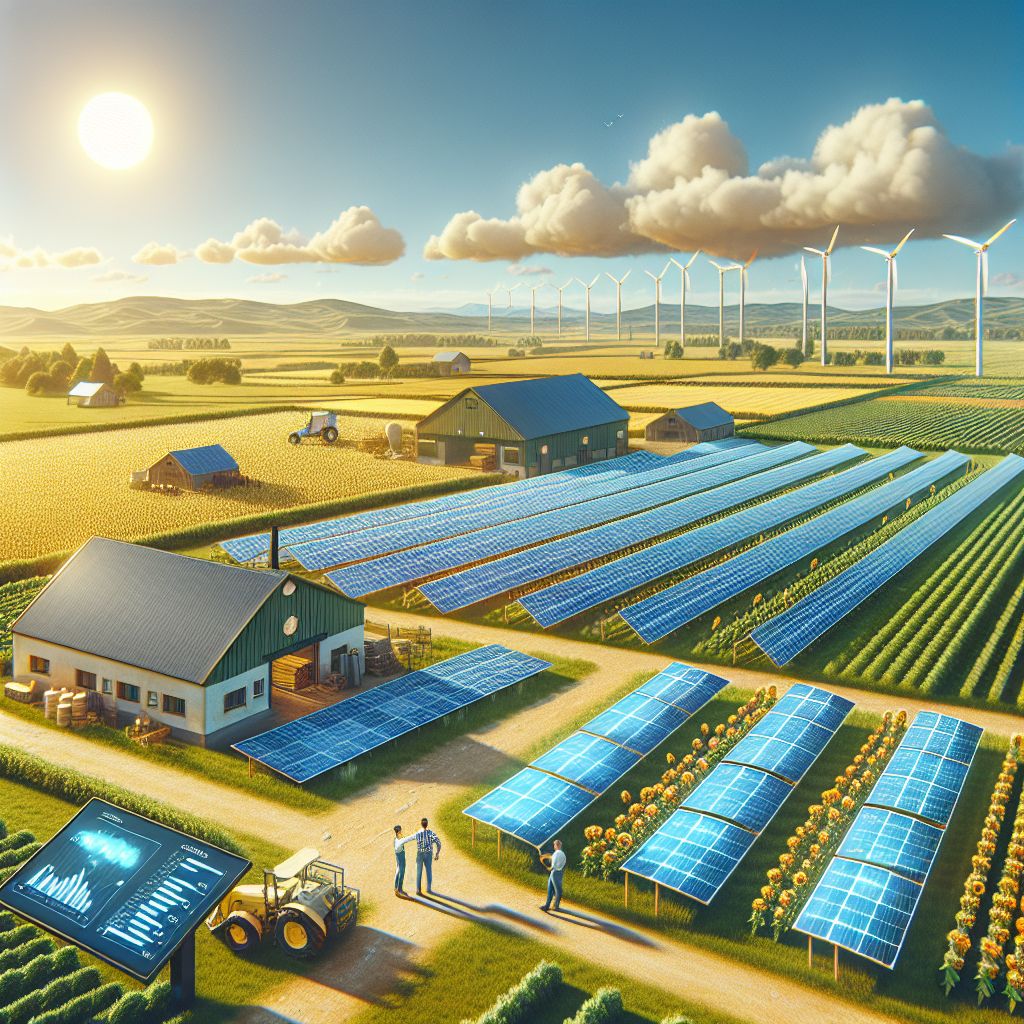
Investing in solar panels can offer numerous benefits for farmers, including cost savings, energy independence, and environmental sustainability. While the initial investment may be substantial, the long-term advantages often outweigh the costs. By adopting solar energy, farmers can enhance the resilience and efficiency of their operations, contribute to a cleaner environment, and create new revenue streams.
Solar panels can significantly reduce energy costs over time.
They provide a reliable and sustainable power source for various farm operations.
Solar energy helps reduce the farm’s carbon footprint and promotes environmental conservation.
High-efficiency solar panels and smart energy management systems optimize energy production.
Financial incentives and assistance programs can help offset the initial investment costs.
Therefore, for many farmers, solar panels represent a worthwhile investment that supports both economic and environmental goals.
Frequently Asked Questions
What is the average cost of setting up a solar farm on agricultural land?
The cost of setting up a solar farm on agricultural land can vary widely depending on factors such as the size of the installation, the type of panels used, and local labor costs. On average, farmers can expect to spend between $1,000 and $3,000 per kilowatt of installed capacity. For a 100 kW system, this translates to an investment of $100,000 to $300,000.
How do solar panels impact crop yields?
Solar panels can have both positive and negative impacts on crop yields, depending on how they are integrated into the farm. Agrivoltaic systems, which combine solar energy production with agriculture, can provide shade that reduces water evaporation and protects crops from extreme weather conditions. This can lead to improved crop yields for certain plants. However, improper placement of panels that excessively shade crops can negatively impact growth.
Therefore, careful planning and site assessment are essential to ensure that solar panels enhance rather than hinder crop production.
Proper placement of solar panels can improve water retention and protect crops from extreme weather.
Some crops thrive in partial shade provided by solar panels.
Excessive shading should be avoided to prevent negative impacts on crop growth.
Is it possible to transition an existing farm to solar energy?
Yes, it is possible to transition an existing farm to solar energy. This process involves assessing the farm’s energy needs, evaluating suitable locations for solar panel installation, and designing a system that meets those needs. Farmers can work with solar energy providers and consultants to develop a customized plan for integrating solar power into their operations.
Additionally, financial incentives and assistance programs can help offset the costs of transitioning to solar energy, making it a viable option for many existing farms. Learn more about the benefits of solar for farmers.
What are the environmental benefits of solar panels?
Solar panels generate electricity without emitting greenhouse gases.
They reduce reliance on fossil fuels and decrease the farm’s carbon footprint.
Solar energy helps conserve natural resources and promotes sustainable farming practices.
By adopting solar energy, farms can contribute to environmental conservation and support global efforts to combat climate change.
What maintenance do solar panels need?
Solar panels require minimal maintenance, but regular cleaning and inspection are essential to ensure optimal performance. Dust, dirt, and debris can accumulate on the surface of the panels, reducing their efficiency. Therefore, periodic cleaning is necessary to keep the panels operating at their best. For more information on solar panel efficiency, you can read this article on agrivoltaics and solar panels.
Besides that, farmers should regularly inspect the panels and associated components for any signs of damage or wear. Early detection of issues such as loose connections, shading from nearby vegetation, or inverter malfunctions can prevent significant drops in efficiency and costly repairs.







Leave a Reply