
Key Takeaways
Solar-powered greenhouses can drastically cut down on energy expenses, saving you money in the long run.
They reduce dependence on fossil fuels, making your gardening practices more eco-friendly.
Solar energy lessens the carbon footprint of your greenhouse, contributing to a healthier planet.
With solar power, you can lengthen the growing season and enhance crop quality.
While the initial setup costs are higher, the long-term benefits outweigh the expenses.
Solar Power Greenhouse Benefits, Setup & Advantages
Imagine being able to grow your favorite fruits and vegetables all year long while significantly reducing your energy bills. That’s the potential of solar-powered greenhouses. By tapping into the sun’s renewable energy, you can create a sustainable and efficient growing environment.
If you’re looking to make your gardening efforts more environmentally friendly, solar-powered greenhouses are a great investment. They provide a host of benefits for growing plants and also have a positive impact on the environment. Let’s explore how you can use solar power for your greenhouse.
Using Solar Power in Greenhouses
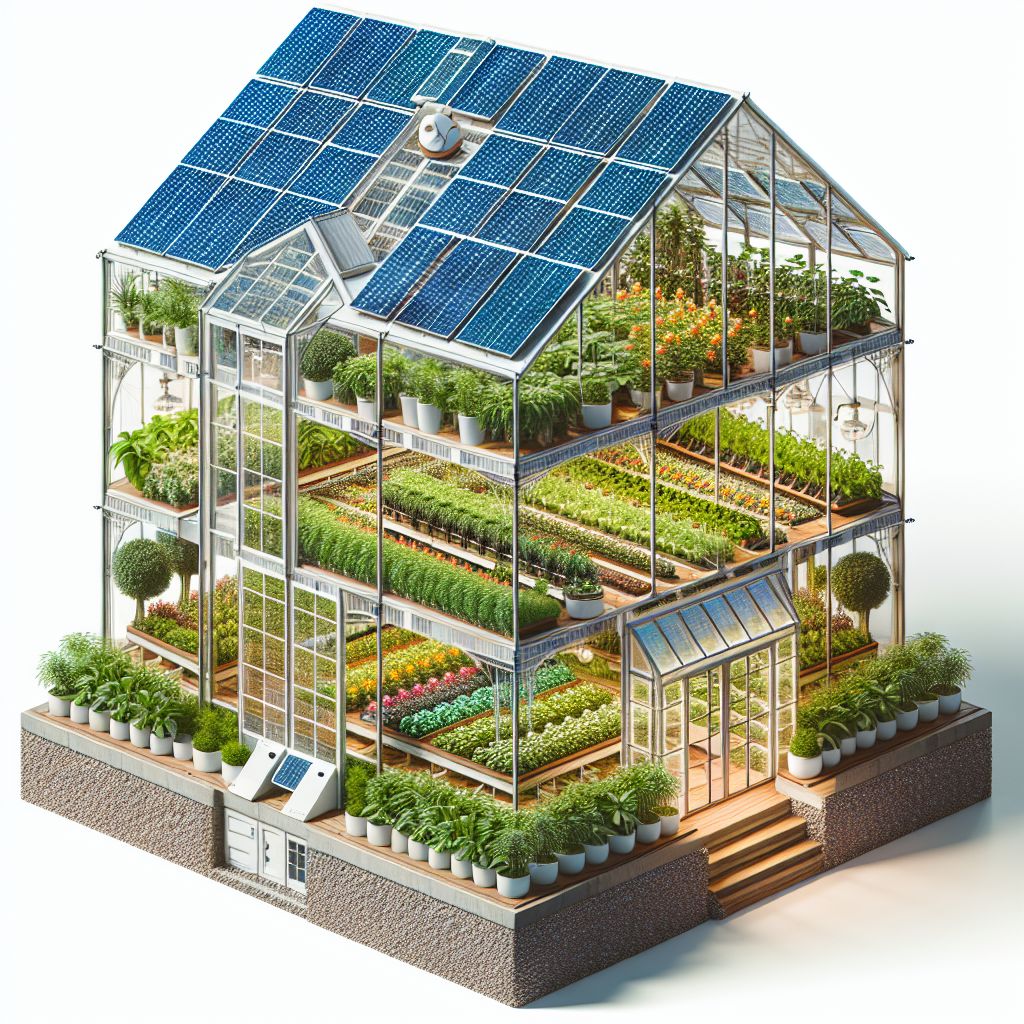
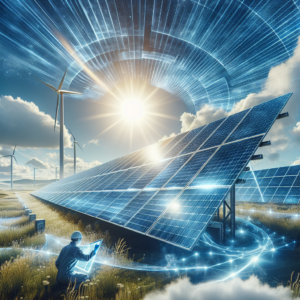
Solar power is a renewable energy that uses sunlight to produce electricity. In the case of greenhouses, this involves using solar panels to run various systems like heating, cooling, and lighting. It all starts with installing solar panels, which are usually placed on the greenhouse roof or on nearby structures.
The panels soak up the sun and transform it into direct current (DC) energy. This energy is then sent through an inverter, which changes it into alternating current (AC) energy that can be utilized to power your greenhouse systems. The end result is a self-sufficient greenhouse that relies less on external power sources.
Why You Should Consider a Solar-Powered Greenhouse
If you’re looking for a green thumb’s dream, look no further than a solar-powered greenhouse. Not only can they save you money, but they also have a lower impact on the environment, making them a great choice for eco-conscious gardeners.

The Energy Efficiency and Cost Savings of Solar-Powered Greenhouses
The energy efficiency of solar-powered greenhouses is one of the biggest benefits. By using renewable energy, you can significantly decrease your dependence on traditional power sources.
Reduced Running Expenses
For greenhouse operations, power bills can be a major burden. But, solar power can significantly reduce these costs. Once the solar panels are set up, the power they produce is free, lowering your monthly energy bills.
Consider this, a regular greenhouse could be spending hundreds of dollars monthly on electric bills. If you transition to solar power, you can save a significant amount of money in the long run. The initial cost of solar panels is offset by these long-term savings.
Lessening the Reliance on Fossil Fuels
Conventional greenhouses are typically dependent on fossil fuels for heat and electricity. This not only adds to the emission of greenhouse gases but also leaves your operations at the mercy of fluctuating fuel costs. Solar-powered greenhouses remove this reliance.
By harnessing the power of the sun, you establish a more reliable and foreseeable source of energy. This diminishes your susceptibility to market fluctuations and allows you to keep your operational expenses steady.
Here’s a table comparing the energy efficiency and cost savings of solar-powered greenhouses:
Solar-powered greenhouses offer significant energy efficiency and cost savings compared to conventional greenhouses. They use renewable solar energy, consuming only 1-2 kWh/sq ft/year, which is considerably less than traditional setups (4). While the initial investment is higher due to solar technology, the long-term benefits include substantially reduced energy bills and a positive return on investment over time (1, 2).
|
Aspect |
Solar-Powered Greenhouses |
Conventional Greenhouses |
|---|---|---|
|
Energy Source |
Renewable solar energy |
Grid electricity or fossil fuels |
|
Energy Efficiency |
High; uses 1-2 kWh/sq ft/year 4 |
Lower; higher energy consumption |
|
Initial Costs |
Higher due to solar technology 2 |
Lower initial setup costs |
|
Long-term Costs |
Higher ongoing energy expenses | |
|
Return on Investment |
Positive ROI over time 2 |
No energy-related ROI |
|
Environmental Impact |
Higher; relies on non-renewable sources | |
|
Energy Independence |
High; can operate off-grid 2 |
Dependent on external power sources |
|
Maintenance Costs |
Low for passive systems; moderate for active 3 |
Varies based on energy systems used |
|
Temperature Control |
Efficient; uses passive and active solar heating 3 |
Relies on artificial heating/cooling |
|
Lighting Costs |
Reduced; utilizes natural sunlight 1 |
Higher; often requires artificial lighting |
Eco-Friendly Benefits
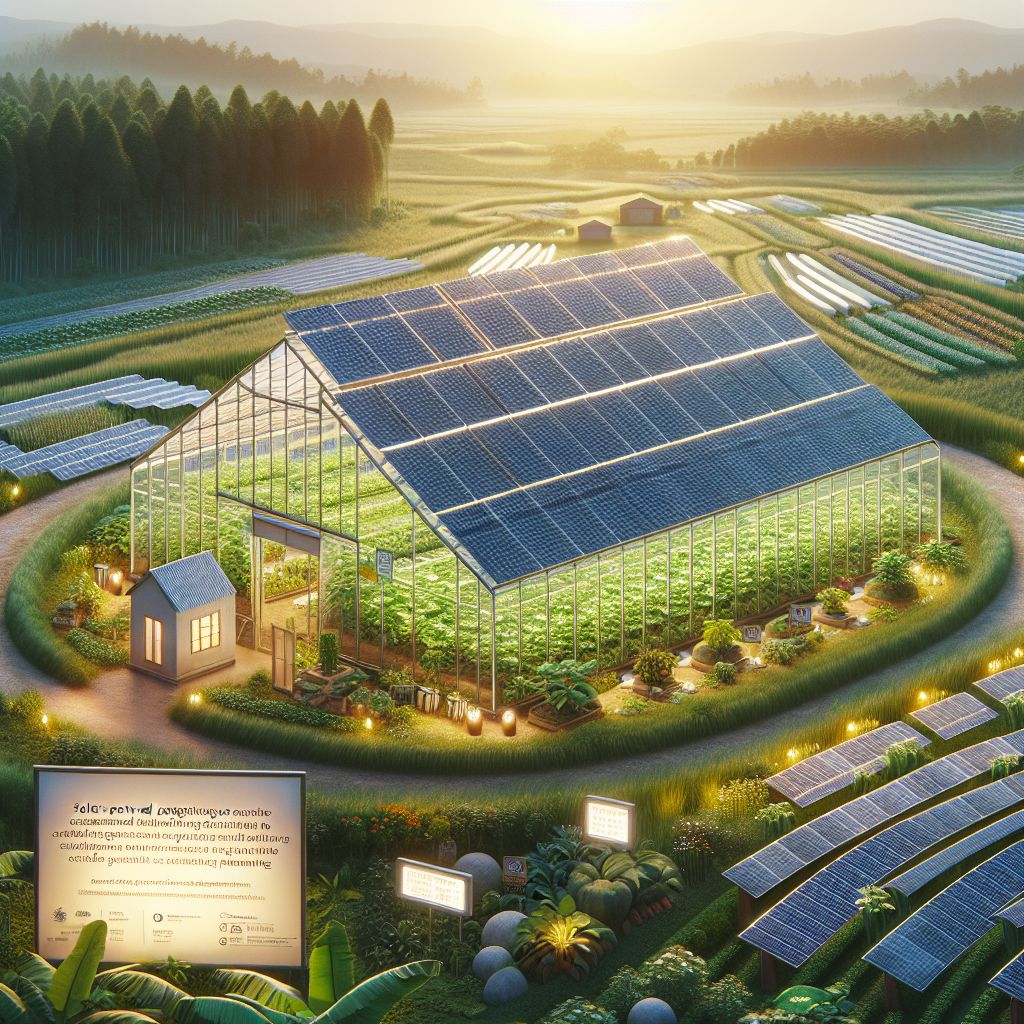
Not only are solar-powered greenhouses cost-effective, but they also provide substantial eco-friendly benefits. They assist in minimizing carbon emissions and encourage the use of sustainable farming methods.
“Solar-powered greenhouses contribute to sustainable agriculture by reducing the carbon footprint of farming practices and conserving resources such as water.”
Reducing Carbon Footprint
One of the key advantages of solar power is its capacity to lower carbon emissions. Conventional energy sources like coal and natural gas emit large amounts of carbon dioxide into the atmosphere. In contrast, solar power generates clean energy without any emissions. For those interested in implementing this technology, exploring the best solar panels for a farm can be a great starting point.
Environmentally Friendly Farming
By using solar-powered greenhouses, we are promoting environmentally friendly farming. These types of greenhouses use renewable energy and thus conserve our natural resources and reduce pollution. This makes our gardening practices more eco-friendly and helps protect the planet for future generations.

Enhanced Crop Production
Besides cutting down on costs and lessening environmental harm, solar-powered greenhouses have a number of perks that are beneficial to crop growth. By using renewable energy to create a controlled environment, you can lengthen the growing season and enhance the quality of your crops.
Longer Growing Periods
Solar-powered greenhouses offer the distinct advantage of lengthening the growing season. Conventional greenhouses typically depend on external energy sources to keep the growing conditions ideal, which can be both costly and unsustainable. Solar power enables you to keep these conditions throughout the year without the burden of high energy expenses.
With solar power, you can control temperature, humidity, and light to create a setting that encourages plant growth even in winter. This allows you to cultivate crops that usually only grow in certain seasons throughout the year, raising your crop yield and ensuring fresh produce is available no matter the time of year. For more information on maximizing efficiency, check out the best solar panels for a farm.
Better Crop Quality
Not only do solar-powered greenhouses lengthen the growing season, but they also boost the quality of your crops. With a controlled and consistent growing environment, your plants will be healthier and your yields will be higher. By using solar energy, you can make sure that your greenhouse has the perfect temperature, light, and humidity levels for the best plant growth.
Take tomatoes, for instance. When grown in a solar-powered greenhouse, they receive a steady supply of light and heat, which makes them juicier and tastier. Leafy greens, on the other hand, can flourish under controlled conditions, yielding crisper, more nutritious vegetables.
“Greenhouses powered by solar energy can create a more reliable and steady environment for plants to grow in, which can result in greater produce and better quality crops.”
Getting Started with Solar Greenhouses: Setup and Installation
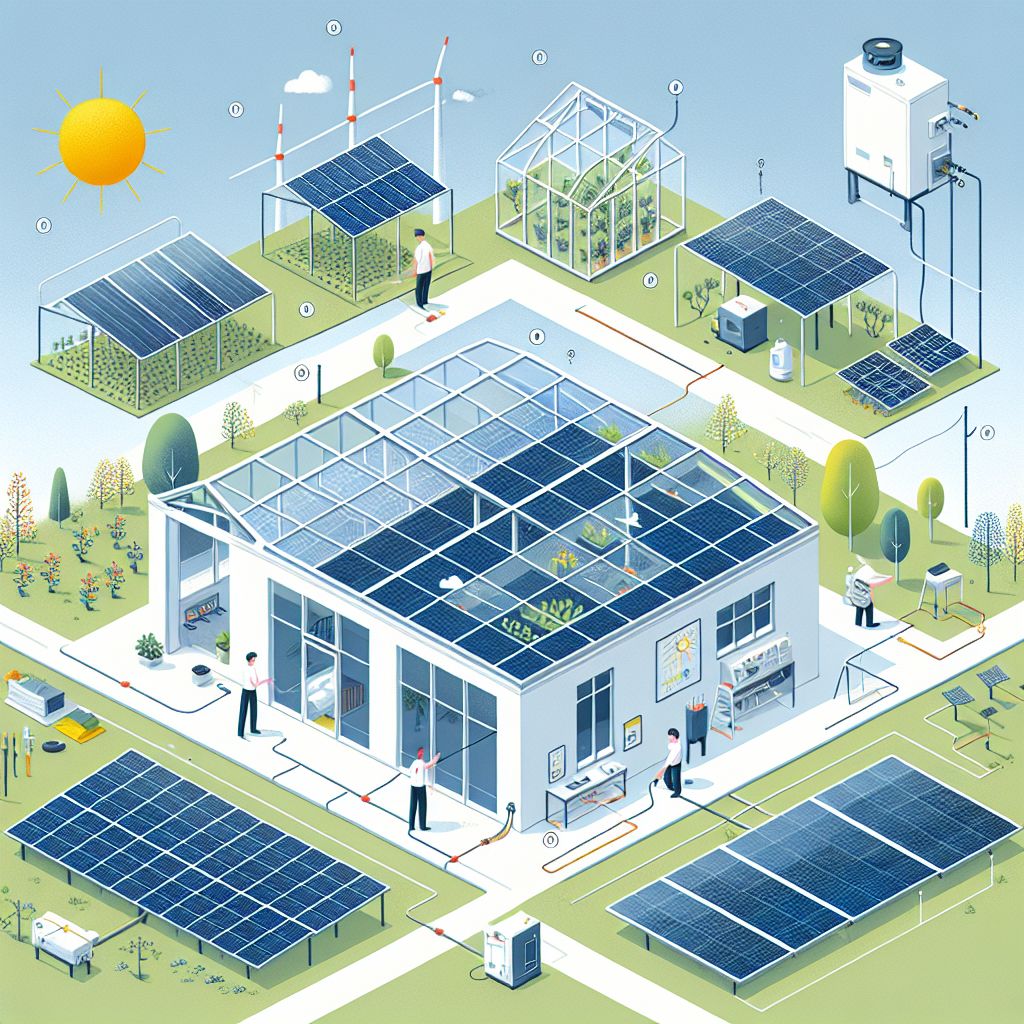
Setting up a solar greenhouse is a process that requires careful thought and planning. From picking the perfect location to selecting the most efficient solar panels, each step is important in ensuring your greenhouse operates at its best. Here’s a step-by-step guide to help you begin.
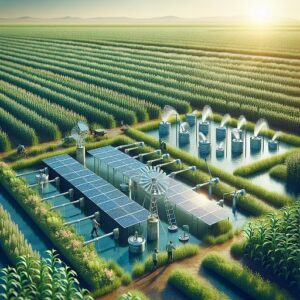
For instance, solar-powered irrigation can be a crucial component in maintaining an efficient and sustainable greenhouse environment.
Choosing and Preparing the Location
When you’re getting ready to install a greenhouse that uses solar power, the first thing you need to do is pick the perfect spot for it. You want to find a place that gets plenty of sun all day long. You also want to avoid putting it somewhere where there are tall buildings or trees that could block the sun from reaching your solar panels.
After you’ve selected the location, the following step is to get the land ready. Make sure that the site is flat and doesn’t have any trash. Preparing the site correctly is crucial for the sturdiness and performance of your greenhouse.
Picking the Perfect Solar Panels
Deciding on the perfect solar panels is crucial for the success of your solar-powered greenhouse. There are a variety of solar panels on the market, each with its own pros and cons. Here are a few options to think about:
Monocrystalline Panels: These panels are highly efficient and have a long lifespan. They are perfect for greenhouses with limited space.
Polycrystalline Panels: These panels are slightly less efficient than monocrystalline panels but are more cost-effective. They are a great option for larger greenhouses.
Thin-Film Panels: These panels are flexible and lightweight, making them easy to install. However, they are less efficient and may require more space.
Here is a table showing the pros and cons of using different types of solar panels with an irrigation system on a farm:
|
Panel Type |
Pros |
Cons |
|---|---|---|
|
Monocrystalline Panels |
– High efficiency (15-22%), producing more power per square foot. 1, 2, 4 | |
|
Polycrystalline Panels |
– Lower upfront cost than monocrystalline. 1, 2 |
– Lower efficiency and shorter lifespan than monocrystalline. 2, 4 |
|
Thin-Film Solar Panels |
– Lowest upfront cost. 1, 2 |
– Lowest efficiency (7-13%). 2, 4 |
Setting up the Solar Power System
After choosing the right solar panels, the next step is setting them up. This process involves mounting the panels, connecting them to an inverter, and setting up the necessary wiring. It’s crucial to follow the manufacturer’s instructions and, if needed, consult with a professional to ensure proper setup. For more detailed guidance, check out this complete guide to solar powered greenhouses.
“Solar-powered greenhouses require regular upkeep and checks to ensure the solar panels and other technologies are functioning correctly.”
After the system is set up, it’s vital to keep an eye on it and maintain it regularly to get the best performance. This means cleaning the panels, inspecting the wires, and making sure the inverter is working as it should.

Benefits of Using Solar Power
There are many reasons why a solar-powered greenhouse is a good investment. From energy independence to flexibility, these advantages make your greenhouse more efficient and sustainable.
Self-Sufficiency in Energy
One of the biggest benefits of solar-powered greenhouses is self-sufficiency in energy. By producing your own electricity, you decrease your dependence on outside power sources. This not only reduces your energy costs, but also offers a more consistent and reliable energy supply.
Adaptability and Growth Potential
Greenhouses powered by solar energy are incredibly adaptable and can grow with your needs. No matter if you have a small greenhouse in your backyard or a large commercial one, solar energy can be adjusted to fit your specific needs. You can start small and gradually increase the size of your system as your needs increase.
Overcoming Obstacles
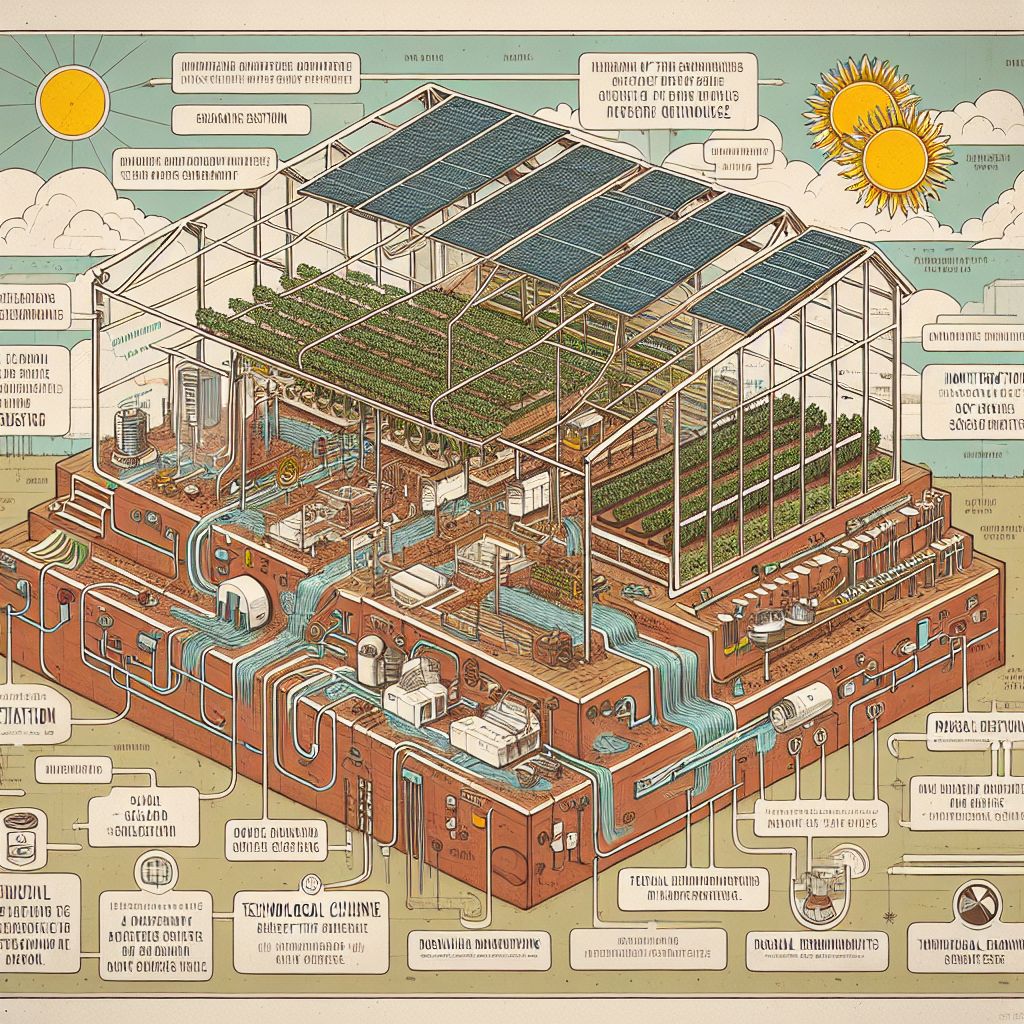
Solar-powered greenhouses can be a game changer, but like anything, they come with their own set of obstacles. Knowing what these obstacles are and how to tackle them can make or break your greenhouse. For instance, integrating solar-powered irrigation systems can address some of these challenges effectively.
Getting Started
The most significant hurdle you’ll face when setting up a solar-powered greenhouse is the upfront cost. Solar panels, inverters, and other necessary equipment can be pricey. However, there are several strategies to reduce these costs:
Government Incentives: Many governments offer incentives and rebates for installing solar power systems, which can significantly reduce the initial cost.
Financing Options: Various financing options are available, such as loans and leases, to help spread the cost over time.
DIY Installation: If you have the necessary skills, you might want to consider installing the system yourself to save on labor costs.
Maintenance and Monitoring
Solar-powered greenhouses require regular maintenance and monitoring to ensure optimal performance. This includes cleaning the solar panels, checking the wiring, and ensuring that the inverter is functioning correctly. While this might seem daunting, the long-term benefits far outweigh the effort.
Additional Considerations
Along with the initial setup and maintenance costs, there are other factors to consider. These include possible technical problems, concerns related to weather, and the requirement for continuous learning to keep up with the latest solar technologies.
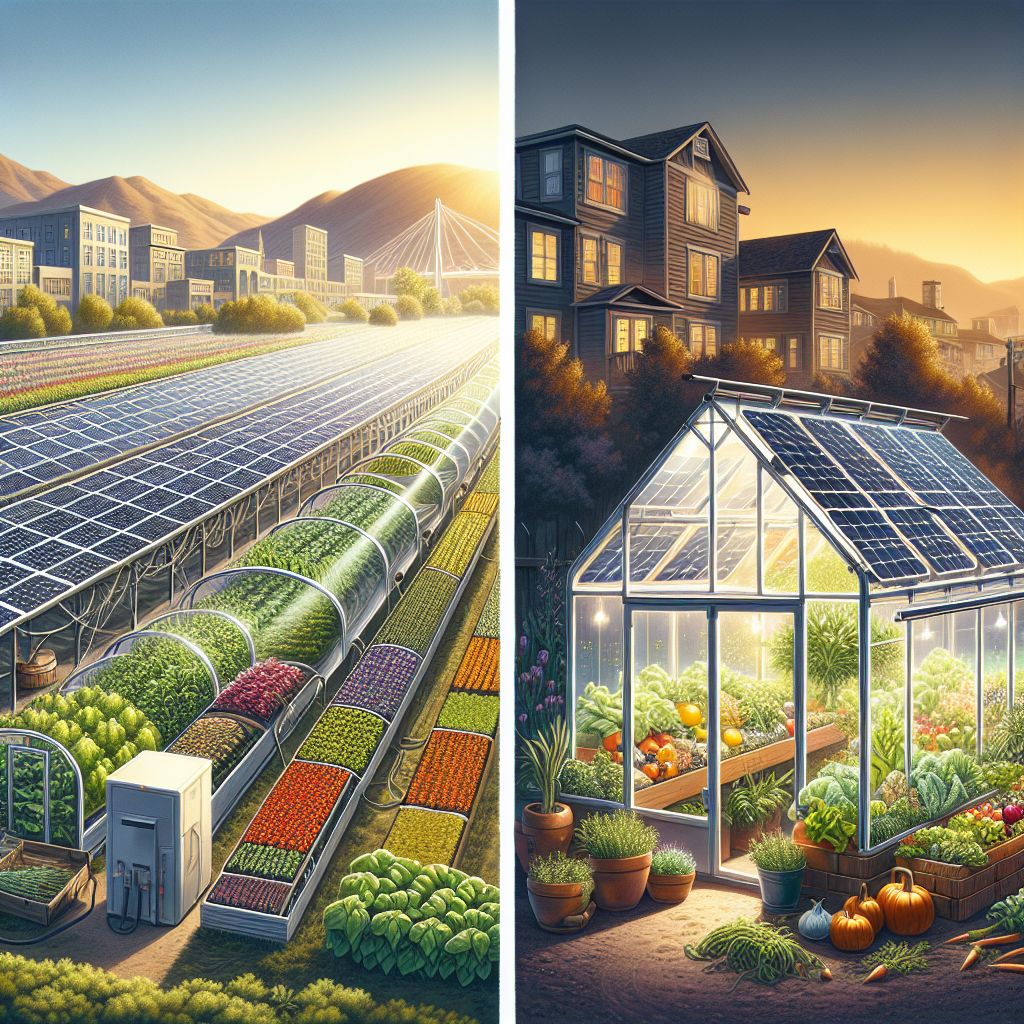
Impressive Success Stories
Let’s explore some success stories of solar-powered greenhouses to understand their benefits. These instances will show you how various configurations can yield extraordinary outcomes, such as using the best solar panels for a farm.
Business Greenhouses Powered by Solar
In the sunny state of California, a commercial greenhouse business made the switch to solar power to cut down on their energy costs and reduce their carbon emissions. By putting in a solar power system, they managed to save thousands of dollars each year on their electricity bills. The reliable energy supply also allowed them to keep the perfect growing conditions, leading to more produce and a better quality crop.
Small Solar Greenhouses
In a quaint Oregon town, a local green thumb converted their backyard greenhouse into a solar-powered sanctuary. By setting up a small solar panel system, they managed to cultivate a range of veggies and herbs throughout the year. The decreased energy expenses and enhanced crop quality made the investment worth it, and the gardener relished the bonus of aiding a greener future.

Conclusion
Greenhouses powered by solar energy are a fantastic method for sustainably cultivating plants and crops. You can lower your energy bills, enhance your yield, and help make the planet healthier by utilizing solar power. Despite the fact that setting up initially may necessitate a sizable investment, the long-term advantages are well worth the expense.
Embracing a Greener Tomorrow
As we envision a greener future, solar-powered greenhouses serve as an exciting prospect for environmentally friendly gardening. By adopting renewable energy sources and cutting-edge technology, we can build a greener, more sustainable world for our future generations.
Frequently Asked Questions
How much does it cost to establish a solar-powered greenhouse?
The cost of establishing a solar-powered greenhouse can fluctuate a lot depending on the greenhouse’s size and the solar panels’ quality. On average, the price for a full solar power system, including panels, inverters, and installation, ranges from $10,000 to $30,000. However, you can lower these costs with government incentives and financing options.
What kind of maintenance does a solar-powered greenhouse need?
Keeping a solar-powered greenhouse in top shape means regular maintenance. This involves cleaning solar panels to remove dust and debris, looking over the wiring for any signs of wear or damage, and making sure the inverter is working properly. Most maintenance tasks can be done by the greenhouse owner, but it’s also a good idea to plan for professional inspections from time to time.
Are solar-powered greenhouses effective in all climates?
While solar-powered greenhouses can operate in a wide range of climates, their effectiveness may be influenced by the level of sunlight exposure. In sun-rich environments, solar panels may produce enough power to run the greenhouse all year. In less sunny regions, additional power sources or battery storage may be required to augment the solar energy.
Solar panels provide consistent and reliable energy in sunny climates.
If you live in a cloudy or overcast region, you might want to consider using energy storage solutions.
Proper site selection is key to maximizing sunlight exposure.
How can solar power enhance crop quality?
Solar power enhances crop quality by providing a consistent and stable environment for growth. By using solar energy to control temperature, humidity, and lighting, you can create the perfect conditions for plant growth. This results in healthier plants, increased yields, and better-quality produce. A consistent energy supply also reduces plant stress, leading to more robust and flavorful crops.
Does the government offer any incentives for setting up solar-powered greenhouses?
Various governments provide incentives and rebates for the installation of solar power systems. These incentives can substantially lower the initial cost of setting up a solar-powered greenhouse. It is crucial to look into the programs available in your area and make use of any financial aid provided. Typical incentives include tax credits, grants, and low-interest loans.
To sum up, solar-powered greenhouses are a boon in many ways, from saving money and reducing environmental harm to increasing crop yield. By knowing how to set it up and tackling any potential hurdles, you can build a sustainable and efficient growth space that is good for you and the Earth. For more detailed information, check out this complete guide to solar powered greenhouses.

Leave a Reply