
Key Takeaways
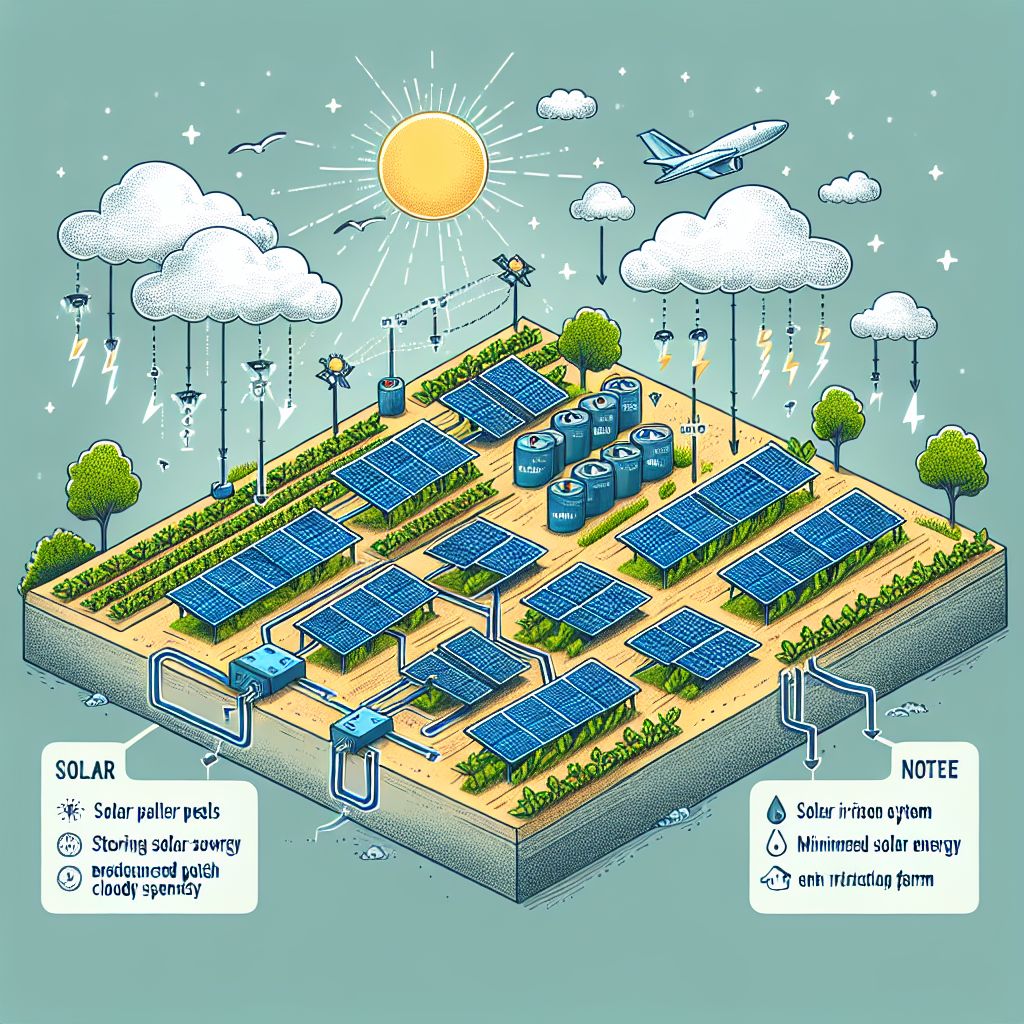
Adding batteries to solar irrigation systems ensures power availability even during nighttime and cloudy days.
Energy storage helps manage unexpected weather changes, maintaining consistent irrigation.
Using batteries maximizes solar energy utilization and reduces dependence on grid electricity.
Farmers can lower electricity bills and minimize energy wastage by integrating batteries into their systems.
Battery integration supports sustainable farming practices by reducing carbon footprints and reliance on fossil fuels.
Best Reasons to Add Batteries to Solar Irrigation Systems
Solar irrigation systems are revolutionizing the way we manage water resources in agriculture. However, the true potential of these systems can be unlocked by adding batteries. Let’s dive into why this upgrade is crucial for modern farming.
Why Solar Irrigation Systems Need an Upgrade
Solar irrigation systems rely on sunlight to generate power. While this is an excellent renewable energy source, it has its limitations. Sunlight isn’t available 24/7, and weather conditions can be unpredictable. Therefore, integrating batteries into these systems is a game-changer.
Reliable Power When You Need It
One of the most significant advantages of adding batteries to solar irrigation systems is the reliability of power. With batteries, you can store excess energy produced during sunny days and use it when the sun isn’t shining. This ensures that your irrigation system can operate continuously, regardless of the time of day or weather conditions.
Here are the key reasons for a farmer to add batteries to solar irrigation systems, explained in a table format:
|
Reason |
Explanation |
|---|---|
|
Continuous Operation |
Batteries allow irrigation to continue during nighttime or cloudy periods when solar panels are not generating power, ensuring consistent water supply to crops regardless of sunlight availability. 1, 4 |
|
Energy Storage |
Excess solar energy generated during peak sunlight hours can be stored in batteries for later use, maximizing the utilization of available solar power for irrigation needs. 1 |
|
Increased System Flexibility |
With battery storage, irrigation schedules can be optimized based on crop needs rather than being limited to daylight hours, allowing for more efficient water usage and crop management. 1 |
|
Remote Location Support |
For farms in areas without grid access, batteries are essential for maintaining irrigation operation when solar power is unavailable, ensuring reliable water supply in off-grid locations. 1, 3 |
|
Backup Power |
In case of prolonged periods without sunlight or system malfunctions, batteries provide a reliable backup power source to keep the irrigation system running, protecting crops from water stress. 1 |
|
Load Balancing |
Batteries help manage power fluctuations, providing a stable energy supply to pumps and other components, which can improve system efficiency and longevity of irrigation equipment. 1 |
|
Cost Savings |
While initial costs may be higher, batteries can reduce long-term operational expenses by decreasing reliance on grid power or diesel generators for backup, potentially lowering overall irrigation costs. 2, 4 |

Combatting Inconsistent Solar Energy Production
Solar energy production can be inconsistent due to various factors such as cloud cover, nighttime, and seasonal changes. Batteries address these inconsistencies by providing a stable power supply.
Power Availability During Night and Cloudy Days
Without batteries, solar irrigation systems can only operate when the sun is out. This limitation can be a significant drawback, especially during critical irrigation periods. Batteries store the energy generated during sunny days and release it when needed, ensuring that your crops receive water even at night or on cloudy days.
Energy Storage to Handle Unexpected Weather Changes
Weather can be unpredictable, and sudden changes can disrupt your irrigation schedule. Batteries provide a buffer against these uncertainties by storing energy that can be used during unexpected weather changes. This way, your irrigation system remains operational, and your crops stay healthy.

Enhanced Efficiency and Performance
Integrating batteries into your solar irrigation system can significantly enhance its efficiency and performance. By maximizing solar energy utilization and reducing dependence on grid electricity, you can achieve a more sustainable and cost-effective farming operation.
Maximizing Solar Energy Utilization
Solar panels often produce more energy than needed during peak sunlight hours. Without batteries, this excess energy goes to waste. Batteries store this surplus energy, ensuring that it is utilized effectively. This maximizes the efficiency of your solar irrigation system and reduces energy wastage.
“An efficient solar-powered farm is one that always has some electricity stored away for a rainy day.” – Elemental Green
Reducing Dependence on Grid Electricity
By storing solar energy in batteries, you can reduce your reliance on grid electricity. This not only lowers your electricity bills but also makes your farming operation more sustainable. Additionally, it provides energy security during power outages, ensuring that your irrigation system remains operational.
Boosting Annual Savings
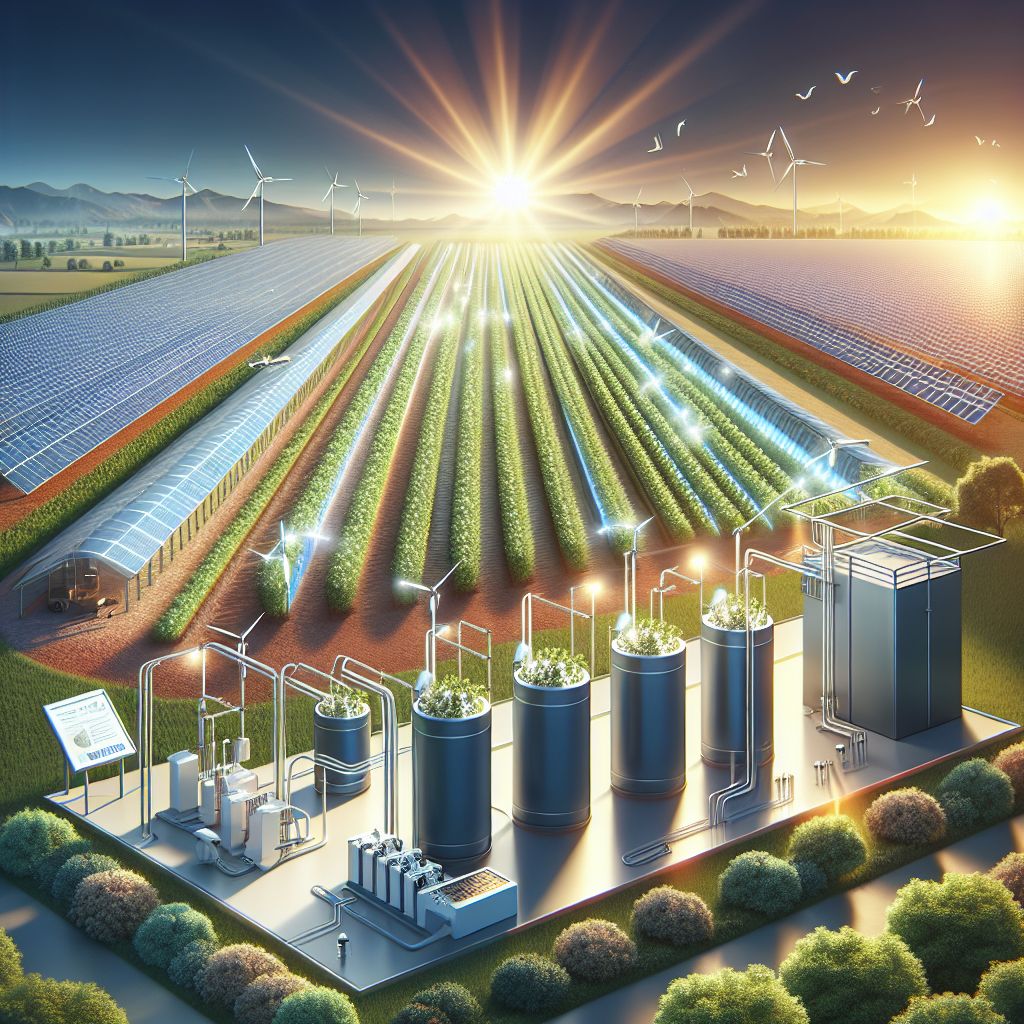
Incorporating battery storage into solar irrigation systems is a forward-thinking approach that can significantly enhance annual savings for farmers. As technology continues to evolve, making these systems more affordable and efficient, the agricultural industry stands to benefit greatly.
Transforming solar irrigation from a standalone solution to a dynamic, battery-integrated system can drive down costs, increase reliability, and support farmers in their quest for sustainability. For farms looking to boost productivity while being environmentally responsible, integrating battery storage into solar irrigation systems is not just an option—it’s a smart investment for the future.
By making this move, farmers not only secure their financial well-being but also contribute positively to the planet, paving the way for a sustainable agricultural future.
Minimizing Energy Wastage
Energy wastage is a common issue in solar irrigation systems without batteries. During peak sunlight hours, the system might generate more energy than needed, leading to wastage. By incorporating batteries, you can store this excess energy and use it later, minimizing wastage and ensuring efficient energy use. Learn more about the benefits of solar-powered irrigation systems.
For instance, during the hottest part of the day, your irrigation system might not need as much power. Instead of letting this surplus energy go to waste, batteries store it for use during the evening or on cloudy days. This not only optimizes your energy usage but also enhances the overall efficiency of your system.
Qualifying for Tax Credits and Incentives
Governments and organizations worldwide are encouraging the adoption of renewable energy solutions through tax credits and incentives. By integrating batteries into your solar irrigation system, you might qualify for these benefits, making your investment more cost-effective.
For example, in the United States, the federal government offers the Investment Tax Credit (ITC) for solar energy systems, which can also apply to battery storage when installed with solar panels. These incentives can significantly reduce the initial cost of your system, making it more affordable and attractive.

Supporting Sustainable Farming Practices
Sustainable farming is all about using resources efficiently and minimizing environmental impact. Adding batteries to your solar irrigation system supports these goals by reducing your carbon footprint and decreasing reliance on fossil fuels.
Let’s explore how batteries contribute to more sustainable farming practices.
Reducing Carbon Footprint
By storing and using solar energy efficiently, batteries help reduce the carbon footprint of your farming operations. This is because you rely less on grid electricity, which is often generated from fossil fuels. Consequently, your farm emits fewer greenhouse gases, contributing to a cleaner and healthier environment. Learn more about the types and uses of solar-powered sprinkler irrigation systems for farmers.
Moreover, using renewable energy sources like solar power aligns with global efforts to combat climate change. By adopting these practices, you not only improve your farm’s sustainability but also set an example for others in the agricultural community.
Decreasing Reliance on Fossil Fuels
Fossil fuels are finite resources that contribute to environmental degradation. By incorporating batteries into your solar irrigation system, you decrease your reliance on these harmful energy sources. Instead, you harness the power of the sun, a renewable and abundant resource.
This shift not only benefits the environment but also ensures a more stable and predictable energy supply for your farm. As fossil fuel prices fluctuate, renewable energy provides a more consistent and cost-effective alternative.

Types of Batteries for Solar Irrigation Systems
Choosing the right type of battery is crucial for the efficiency and longevity of your solar irrigation system. Let’s explore the different types of batteries available and their unique advantages.
Lithium-Ion Batteries
Lithium-ion batteries are popular for their high energy density and long lifespan. They are lightweight, require minimal maintenance, and can handle numerous charge-discharge cycles. These characteristics make them an excellent choice for solar irrigation systems.
However, they can be more expensive upfront compared to other battery types. Despite the higher initial cost, their efficiency and durability often result in lower long-term costs.
Lead-Acid Batteries
Lead-acid batteries are a more affordable option and have been used in various applications for decades. They are reliable and have a proven track record. However, they require regular maintenance and have a shorter lifespan compared to lithium-ion batteries.
These batteries are suitable for smaller solar irrigation systems where budget constraints are a significant consideration. Their lower initial cost makes them accessible, but it’s essential to factor in maintenance and replacement costs over time. For more information on the benefits and uses of solar-powered irrigation systems, check out this article on solar-powered sprinkler irrigation systems.
Flow Batteries
Flow batteries are an emerging technology that offers scalability and long cycle life. They store energy in liquid electrolytes contained in external tanks, making them ideal for large-scale solar irrigation systems.
While flow batteries can be more complex and expensive to install, their ability to scale up and provide consistent energy storage makes them a valuable option for extensive farming operations.
Here’s a table discussing three types of batteries you can use with a Solar Irrigation system, along with their pros and cons:
|
Battery Type |
Pros |
Cons |
|---|---|---|
|
Lithium-Ion |
– High energy density 1, 3 |
– Higher initial cost 2, 3 |
|
Lead-Acid |
– Low initial cost 1, 4 |
– Regular maintenance required 1, 4 |
|
Flow Batteries |
– Very long cycle life 1, 5 |
– High initial cost 1 |
When choosing a battery for a solar irrigation system, farmers should consider factors such as initial cost, lifespan, maintenance requirements, and performance in their specific climate conditions. The most suitable option will depend on the scale of the irrigation system, budget constraints, and long-term operational needs.

How to Integrate Batteries into Your Solar Irrigation System
Integrating batteries into your solar irrigation system involves several steps. It’s essential to assess your energy needs, choose the right battery type, consider installation factors, and follow maintenance guidelines. For a comprehensive guide on installation, you can refer to this solar power micro-sprinkler irrigation systems installation guide. Let’s break down each step.
Assessing Your Energy Needs
Before selecting a battery, you need to determine your energy requirements. This involves analyzing your irrigation system’s power consumption, peak usage times, and the amount of energy your solar panels generate.
Calculate your daily energy consumption.
Identify peak usage periods.
Evaluate the energy production of your solar panels.
By understanding your energy needs, you can select a battery that provides adequate storage capacity and meets your system’s demands.
How to Integrate Batteries into Your Solar Irrigation System
Integrating batteries into your solar irrigation system involves several steps. It’s essential to assess your energy needs, choose the right battery type, consider installation factors, and follow maintenance guidelines. For a comprehensive guide on installation, you can refer to this solar power micro-sprinkler irrigation systems installation guide. Let’s break down each step.
Assessing Your Energy Needs
Before selecting a battery, you need to determine your energy requirements. This involves analyzing your irrigation system’s power consumption, peak usage times, and the amount of energy your solar panels generate.
Calculate your daily energy consumption.
Identify peak usage periods.
Evaluate the energy production of your solar panels.
By understanding your energy needs, you can select a battery that provides adequate storage capacity and meets your system’s demands.
Choosing the Right Battery Type
Once you have assessed your energy needs, you can choose the appropriate battery type. Consider factors such as cost, maintenance requirements, lifespan, and energy density.
For instance, if you prioritize long-term efficiency and minimal maintenance, lithium-ion batteries might be the best choice. On the other hand, if budget constraints are a significant factor, lead-acid batteries could be more suitable.
Installation Considerations
Proper installation is crucial for the optimal performance of your battery-integrated solar irrigation system. Here are some key considerations:
Ensure adequate ventilation and cooling for the battery storage area.
Follow manufacturer guidelines for installation and safety.
Consider the system’s scalability and future expansion needs.
It’s often beneficial to work with a professional installer who can ensure that your system is set up correctly and safely.
Adding batteries to your solar irrigation system is a smart move that ensures reliability, efficiency, and sustainability. By following the steps outlined above, you can seamlessly integrate batteries into your existing system and reap the benefits of continuous power supply and cost savings.
Maintenance Tips
Proper maintenance is essential to ensure the longevity and efficiency of your battery-integrated solar irrigation system. Here are some tips to keep your system running smoothly:
Regularly check battery connections for corrosion and secure them tightly.
Monitor battery charge levels and ensure they do not drop too low.
Keep the battery storage area clean and free from dust and debris.
Follow the manufacturer’s guidelines for periodic maintenance and inspections.
By adhering to these maintenance tips, you can extend the lifespan of your batteries and maintain optimal performance for your solar irrigation system.

Case Studies of Successful Implementations
To illustrate the benefits of adding batteries to solar irrigation systems, let’s look at some real-world examples of successful implementations.
Small Farms Making a Big Impact
Take the example of a small organic farm in California. The farm integrated lithium-ion batteries into its solar irrigation system, allowing it to store excess energy produced during sunny days. This stored energy was then used during nighttime and cloudy days, ensuring a consistent water supply for the crops. As a result, the farm saw a significant reduction in electricity bills and improved crop yields due to reliable irrigation.
Additionally, the farm qualified for state and federal incentives, which helped offset the initial cost of the batteries. This successful implementation not only enhanced the farm’s sustainability but also demonstrated the financial viability of integrating batteries into solar irrigation systems.
Large-Scale Operations Using Battery Storage
A large-scale agricultural operation in Texas faced challenges with inconsistent power supply due to frequent grid outages. By incorporating flow batteries into their solar irrigation system, the farm was able to store large amounts of energy and maintain continuous irrigation even during power outages.
This upgrade not only ensured the health and productivity of the crops but also reduced the farm’s reliance on grid electricity. The farm’s carbon footprint decreased significantly, aligning with its commitment to sustainable farming practices.
These case studies highlight the transformative impact of adding batteries to solar irrigation systems, regardless of the farm’s size or location.
Conclusion and Next Steps
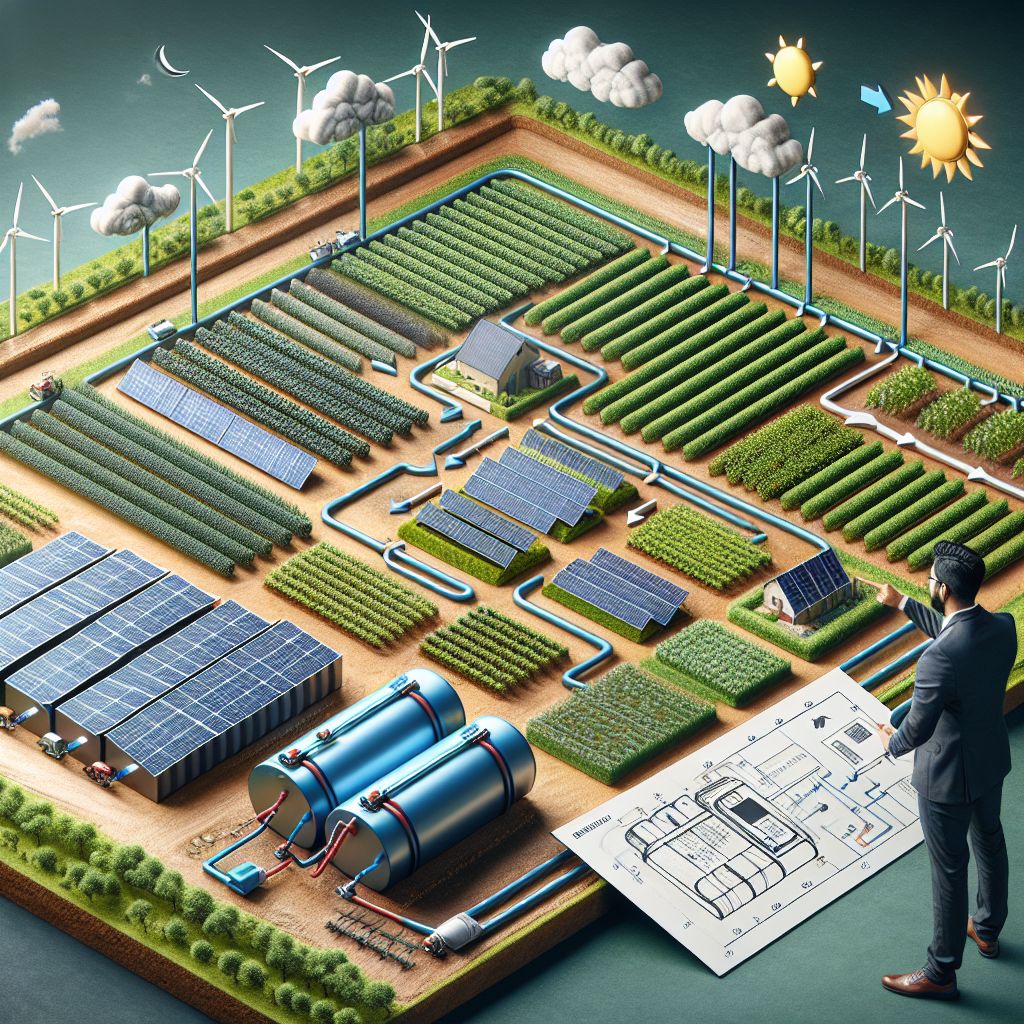
Integrating batteries into your solar irrigation system offers numerous benefits, from reliable power supply to enhanced efficiency and sustainability. By following the steps outlined in this article, you can make an informed decision and successfully implement batteries in your system.
Key Benefits Identified
Here are the key benefits of adding batteries to your solar irrigation system:
Ensures power availability during nighttime and cloudy days.
Manages unexpected weather changes effectively.
Maximizes solar energy utilization and reduces energy wastage.
Supports sustainable farming practices by reducing carbon footprint.
Qualifies for tax credits and incentives, making the investment more affordable.
Steps to Implement Batteries in Your System
To integrate batteries into your solar irrigation system, follow these steps:
Assess your energy needs by calculating daily consumption and peak usage periods.
Choose the right battery type based on cost, maintenance, lifespan, and energy density.
Consider installation factors such as ventilation, safety, and scalability.
Adhere to maintenance tips to ensure optimal performance and longevity.
Call to Action: Start Today!
Don’t wait to experience the benefits of adding batteries to your solar irrigation system. Start by assessing your energy needs and exploring the different battery options available. Reach out to a professional installer to ensure a seamless integration process. By taking these steps, you can enhance the efficiency, reliability, and sustainability of your farming operations.
Frequently Asked Questions (FAQ)
What are the main benefits of adding batteries to a solar irrigation system?
Adding batteries to a solar irrigation system ensures a reliable power supply during nighttime and cloudy days, maximizes solar energy utilization, reduces energy wastage, and supports sustainable farming practices. Additionally, it can help qualify for tax credits and incentives, making the investment more cost-effective. Learn more about the types and uses of solar-powered irrigation systems.
How do batteries help during cloudy or nighttime periods?
Batteries store excess energy generated during sunny days and release it when needed, ensuring that the irrigation system can operate continuously even during nighttime or cloudy periods. This ensures a consistent water supply for crops and improves overall system reliability. For more information on different types of solar-powered irrigation systems, check out this guide on solar-powered sprinkler irrigation systems.
Adding batteries to solar irrigation systems can significantly enhance their efficiency and reliability. Batteries store excess energy generated during the day, which can then be used during periods of low sunlight or at night. This ensures that the irrigation system can operate continuously, providing a consistent water supply to crops. Additionally, using batteries can reduce the reliance on grid power, leading to cost savings and a more sustainable farming operation. For more information on how solar panels and irrigation systems work together, check out this article on solar panels and drip irrigation systems.
Can I Use Multiple Battery Types in My Solar Irrigation System?
It’s generally not recommended to mix battery types within a single solar irrigation system. Different batteries have varying charge and discharge rates, capacities, and maintenance requirements. Mixing them can lead to inefficiencies and might even damage the batteries or reduce their lifespan. Stick with one type to ensure your system runs smoothly.
What is the Most Cost-Effective Battery Option for a Small Solar Irrigation System?
For a small solar irrigation system, lead-acid batteries are often the most cost-effective option due to their lower upfront cost. However, don’t just look at the initial price. Consider the total cost of ownership over the battery’s life, including replacement costs and maintenance. Sometimes, spending a bit more upfront on a lithium-ion battery can save you money in the long run.
Do Higher Temperatures Affect the Performance of Solar Irrigation System Batteries?
Yes, extreme temperatures can affect battery performance and lifespan. High temperatures can lead to increased discharge rates and can even cause damage to the battery cells. On the flip side, cold temperatures can reduce the battery’s capacity and slow down chemical reactions within the battery. It’s important to install your batteries in a location where they can remain within their recommended temperature range.
To mitigate temperature effects, ensure your battery storage area is insulated and, if necessary, climate-controlled. This will help maintain battery efficiency and prolong its life.



Leave a Reply