

Key Takeaways
Monocrystalline solar panels are made from a single silicon crystal, making them highly efficient.
These panels are more space-efficient, producing more power per square foot than other types.
The process of making monocrystalline cells involves purifying silicon and growing cylindrical ingots.
Monocrystalline panels perform well under low light conditions and have a longer lifespan.
While more expensive upfront, they offer significant savings on electricity bills over time.
The Science Behind Monocrystalline Solar Panels
In recent years, the shift towards renewable energy sources has gained unprecedented momentum, and solar energy stands at the forefront of this movement. Among the different types of solar panels available, monocrystalline solar panels have emerged as a popular choice for both residential and commercial applications. But what exactly are monocrystalline solar panels, and what makes them the preferred option for many? We will explore the science behind these innovative solar panels and their advantages over other technologies.
Introduction: Powering Up with Monocrystalline Solar Panels
Monocrystalline solar panels are among the most efficient and widely used types of solar panels available today. They are known for their sleek design and high performance, making them a popular choice for both residential and commercial installations.
These panels stand out because they are made from a single crystal of silicon. This unique structure allows them to convert sunlight into electricity more efficiently than other types of solar panels. Let’s dive into the science behind these powerful energy converters.
What is Monocrystalline Silicon?
Monocrystalline silicon, often referred to as single-crystal silicon, is a material that consists of silicon atoms arranged in a continuous, unbroken crystal lattice. This uniform structure is key to the high efficiency of monocrystalline solar panels.
In contrast to polycrystalline silicon, which is made up of multiple silicon crystals, monocrystalline silicon provides a more direct path for electrons to flow. This results in less resistance and higher efficiency in converting sunlight into electricity.
Silicon Ingot Formation
The journey of creating a monocrystalline solar panel begins with the formation of silicon ingots. These ingots are large, cylindrical blocks of silicon that serve as the raw material for making solar cells.
To form these ingots, high-purity silicon is melted in a crucible at extremely high temperatures. Once the silicon is in a molten state, a seed crystal is dipped into the liquid silicon and slowly pulled out while rotating. This process, known as the Czochralski method, allows the silicon to solidify around the seed crystal, forming a single, continuous crystal structure.
Purifying Silicon
Before silicon can be used to create solar panels, it must be purified to remove any impurities that could affect its performance. The purification process involves several steps, including chemical treatments and high-temperature processing.
One common method for purifying silicon is the Siemens process, which involves converting raw silicon into a gaseous form and then decomposing it back into pure silicon crystals. This results in silicon that is over 99.999% pure, making it ideal for use in monocrystalline solar panels.
Growing Cylindrical Ingots
After purification, the next step is to grow cylindrical ingots of silicon. The Czochralski method mentioned earlier is used for this purpose. The seed crystal is carefully dipped into the molten silicon and slowly pulled out, allowing the silicon to solidify into a single crystal.
This process requires precise control of temperature and rotation speed to ensure that the crystal grows uniformly. The resulting ingots are typically about 200mm to 300mm in diameter and can be several meters long.
The Role of Crystal Uniformity
The uniformity of the crystal structure in monocrystalline silicon is crucial for its performance. A single, continuous crystal lattice allows electrons to move more freely, reducing resistance and increasing efficiency. For more information on the benefits of solar panels, check out the cost efficiency of solar panels for farms.
This uniformity also reduces the likelihood of defects and impurities, which can negatively impact the performance of the solar cells. As a result, monocrystalline solar panels can achieve higher efficiency rates compared to other types of panels.
Single Crystal Structure
The single crystal structure of monocrystalline silicon provides several advantages. First, it allows for more efficient electron movement, which translates to higher energy conversion rates. Second, it reduces the likelihood of defects and impurities, leading to longer-lasting and more reliable solar panels.
Moreover, the single crystal structure gives monocrystalline panels their distinctive black appearance, which is often considered more aesthetically pleasing than the bluish hue of polycrystalline panels. For more information on the types and benefits of solar systems, check out this article on best solar irrigation systems.
Electrons Movement and Efficiency
The efficiency of a solar panel is largely determined by how well it can convert sunlight into electricity. In monocrystalline panels, the single crystal structure provides a clear path for electrons to move, reducing resistance and increasing efficiency. For more on the benefits and cost efficiency of solar panels, check out this article on solar panels benefits and cost efficiency.
When sunlight hits the solar cells, it excites electrons in the silicon, causing them to move and create an electric current. The uniform structure of monocrystalline silicon allows these electrons to move more freely, resulting in higher efficiency and better performance, even in low light conditions. For farmers, integrating solar panels with drip irrigation systems can be a smart combination to enhance agricultural productivity.
Challenges with Traditional Solar Panels
Traditional solar panels, such as polycrystalline and thin-film panels, face several challenges that monocrystalline panels can overcome. Polycrystalline panels, for example, are made from multiple silicon crystals, which creates more resistance and reduces efficiency.
Thin-film panels, on the other hand, are less efficient overall and require more space to produce the same amount of energy as monocrystalline panels. These limitations make monocrystalline panels a more attractive option for those looking to maximize their energy output and efficiency.
Polycrystalline vs Monocrystalline
When comparing polycrystalline and monocrystalline solar panels, several key differences stand out. Polycrystalline panels are made from multiple silicon crystals, resulting in lower efficiency and a bluish appearance. They are generally less expensive to produce but require more space to achieve the same energy output as monocrystalline panels.
Monocrystalline panels, on the other hand, are made from a single silicon crystal, providing higher efficiency and a sleek black appearance. While they are more expensive upfront, their higher efficiency and longer lifespan can lead to greater savings over time.
Space Requirements
One of the significant advantages of monocrystalline solar panels is their space efficiency. Because they can convert sunlight into electricity more efficiently, they require less space to produce the same amount of energy as other types of panels.
This makes them an ideal choice for residential rooftops and other installations where space is limited. By maximizing the available space, monocrystalline panels can help homeowners and businesses achieve their energy goals more effectively.

Benefits of Monocrystalline Solar Panels
Monocrystalline solar panels offer a host of benefits that make them an excellent choice for anyone looking to adopt solar energy. With their high efficiency, space-saving designs, long lifespan, aesthetic appeal, and outstanding performance even in less-than-ideal conditions, these panels present a smart investment for the environmentally conscious consumer. As more individuals and businesses recognize the importance of sustainability and reducing their carbon footprints, monocrystalline solar panels will undoubtedly play a significant role in the clean energy landscape of the future.
Here’s a table showing the key benefits of monocrystalline solar panels:
|
Benefit |
Description |
|---|---|
|
High Efficiency | Monocrystalline panels typically have efficiency ratings of 15-22%, converting more sunlight into electricity than other types. 1, 2, 4 |
|
Space Efficiency |
They generate more power per square foot, making them ideal for limited roof space. 1, 3, 4 |
|
Longevity |
Monocrystalline panels are highly durable and can last 25+ years with minimal efficiency loss. 2, 3, 4 |
|
Low-Light Performance |
They function well in low-light conditions, producing electricity even on cloudy days. 2, 4 |
|
Temperature Tolerance |
Monocrystalline panels are less affected by high temperatures compared to other types. 3 |
|
Aesthetic Appeal |
The panels have a sleek, uniform black appearance that many homeowners find visually appealing. 3, 4 |
|
Higher Power Output |
They generate more electricity relative to their size compared to other solar panel types. 1, 4 |
|
Ease of Installation |
Fewer panels are needed due to higher efficiency, simplifying the installation process. 1, 4 |
|
Strong Warranty |
Most manufacturers offer long, multi-decade warranties on monocrystalline panels. 1 |
This table highlights the main advantages of monocrystalline solar panels, showcasing their superior performance, longevity, and aesthetic qualities.
Monocrystalline solar panels are known for their high efficiency, often reaching efficiency rates of 17-22%. This means that a higher percentage of sunlight is converted into usable electricity compared to other types of solar panels. This efficiency is primarily due to the single crystal structure of the silicon, which allows electrons to move more freely and with less resistance.
In practical terms, this means that monocrystalline panels can generate more power from the same amount of sunlight, making them an excellent choice for those looking to maximize their energy output.
Energy Output per Square Foot
One of the standout features of monocrystalline solar panels is their high energy output per square foot. Because of their efficiency, these panels can produce more electricity in a smaller space compared to polycrystalline or thin-film panels. For more information on how solar panels can benefit farming, check out this guide on solar panels and furrow irrigation.
This is particularly beneficial for installations with limited space, such as residential rooftops or small commercial buildings. By generating more power per square foot, monocrystalline panels allow you to make the most of your available installation area.
For example, a typical monocrystalline solar panel can produce about 300 watts of power, whereas a polycrystalline panel of the same size might only produce around 250 watts. This higher energy output makes monocrystalline panels a more effective solution for maximizing energy production.
Low Temperature Coefficients
Temperature coefficient is a measure of how a solar panel’s efficiency changes with temperature. Monocrystalline solar panels have low temperature coefficients, meaning they perform better in hot conditions compared to other types of panels.
This is crucial because solar panels can become less efficient as temperatures rise. With a lower temperature coefficient, monocrystalline panels maintain their performance and efficiency even on hot, sunny days.
Space Efficiency
Besides their high energy output, monocrystalline solar panels are also space-efficient. This means they require less surface area to generate the same amount of electricity as other types of panels. This is particularly advantageous for installations with limited space.
For instance, if you have a small rooftop but want to generate a significant amount of power, monocrystalline panels are the way to go. Their compact size and high efficiency make them ideal for maximizing energy production in constrained spaces.
Suitability for Residential Rooftops
Monocrystalline solar panels are highly suitable for residential rooftops due to their efficiency and space-saving design. Homeowners looking to reduce their electricity bills and carbon footprint can benefit greatly from these panels.
The sleek black appearance of monocrystalline panels also adds an aesthetic appeal to homes. They blend well with various roof types and styles, making them a popular choice for residential installations.
Maximizing Limited Installation Space
For those with limited installation space, such as urban dwellers or small businesses, monocrystalline solar panels offer a practical solution. Their high efficiency means you can generate more power from a smaller area, making them ideal for maximizing energy production.
By installing monocrystalline panels, you can make the most of your available space and achieve your energy goals without needing a large installation area.
Durability and Longevity
Monocrystalline solar panels are known for their durability and long lifespan. They are made from high-quality materials and undergo rigorous testing to ensure they can withstand various environmental conditions.
Most monocrystalline panels come with warranties of 25 years or more, reflecting their long-term reliability. This durability makes them a sound investment for those looking to benefit from solar energy for many years to come.
Corrosion Resistance
Another advantage of monocrystalline solar panels is their resistance to corrosion. This is particularly important for installations in coastal areas or regions with high humidity, where corrosion can be a significant issue.
Monocrystalline panels are designed to withstand harsh environmental conditions, ensuring they continue to perform well even in challenging climates. This corrosion resistance contributes to their longevity and reliability.
Performance under Extreme Conditions
Monocrystalline solar panels are built to perform well under extreme conditions, whether it’s intense heat, heavy snowfall, or strong winds. Their robust construction and high-quality materials ensure they can handle various weather conditions without compromising performance.
This makes them a versatile and reliable choice for installations in diverse environments, from hot deserts to cold mountainous regions.
Environmental Impact
Switching to monocrystalline solar panels can have a significant positive impact on the environment. By generating clean, renewable energy, these panels help reduce reliance on fossil fuels and lower greenhouse gas emissions.
Moreover, the production process for monocrystalline panels has become more environmentally friendly over the years, with advancements in manufacturing techniques reducing waste and energy consumption.
Reduction in Greenhouse Gas Emissions
One of the most significant environmental benefits of monocrystalline solar panels is their ability to reduce greenhouse gas emissions. By generating electricity from sunlight, they produce no harmful emissions during operation.
This helps combat climate change and contributes to a cleaner, healthier environment. By installing monocrystalline panels, you can play a part in reducing your carbon footprint and promoting sustainable energy.
Lower Resource Utilization
Monocrystalline solar panels also contribute to lower resource utilization. Because of their high efficiency, they require less raw material to produce the same amount of energy as other types of panels.
This means fewer resources are needed for manufacturing, reducing the overall environmental impact. Additionally, advancements in recycling techniques have made it possible to recover and reuse materials from old solar panels, further minimizing waste.

Making Monocrystalline Solar Panels
The process of making monocrystalline solar panels involves several steps, each critical to ensuring the final product’s efficiency and performance. Let’s explore how silicon is transformed into high-performance solar cells.
From Silicon to Solar Cell
The journey begins with raw silicon, which is purified and transformed into high-purity silicon crystals. These crystals are then used to grow cylindrical ingots through the Czochralski method, ensuring a single, continuous crystal structure.
Once the ingots are formed, they are sliced into thin wafers, which serve as the foundation for solar cells. These wafers undergo several processing steps to enhance their electrical properties and prepare them for use in solar panels.
Creating Silicon Wafers
Creating silicon wafers involves slicing the cylindrical ingots into thin, flat discs. This process requires precision and care to ensure the wafers are uniform in thickness and free of defects.
After slicing, the wafers are polished and cleaned to remove any impurities or surface irregularities. This ensures they have the optimal properties for converting sunlight into electricity. For more information on solar panel benefits, check out this guide on solar-powered irrigation systems.
Processing and Testing
Once the silicon wafers are prepared, they undergo several processing steps to enhance their electrical properties. This includes adding a thin layer of anti-reflective coating to improve light absorption and applying electrical contacts to facilitate the flow of electrons.
Each wafer is then tested to ensure it meets strict quality standards. This testing involves measuring the efficiency, durability, and overall performance of the solar cells, ensuring they are ready for use in monocrystalline solar panels.

Case Studies of Successful Implementation
Monocrystalline solar panels have proven their worth in various applications, from residential rooftops to large commercial installations. Here are some real-world examples of how these panels are making a difference.
Residential Implementation
In a suburban neighborhood in California, a homeowner decided to install monocrystalline solar panels on their rooftop to reduce their electricity bills and carbon footprint. The installation consisted of 20 panels, each producing 300 watts of power.
Within the first year, the homeowner saw a significant reduction in their electricity bills, saving approximately $1,200 annually. Additionally, the solar system provided enough power to cover 80% of their household energy needs, showcasing the efficiency and effectiveness of monocrystalline panels.
Commercial Applications
A large retail chain in Texas opted to install monocrystalline solar panels on the rooftops of their stores to promote sustainability and reduce operational costs. Each store was equipped with a 100 kW solar system, consisting of high-efficiency monocrystalline panels.
The results were impressive. The solar installations generated enough power to cover 50% of the stores’ energy consumption, leading to substantial savings on electricity bills. Moreover, the company was able to market itself as an environmentally conscious brand, attracting eco-friendly customers and enhancing its reputation.
Future Prospects and Innovations
The future of monocrystalline solar panels looks promising, with ongoing advancements in technology and manufacturing processes. These innovations are set to improve efficiency, reduce costs, and make solar energy more accessible to a broader audience.
Advances in Manufacturing
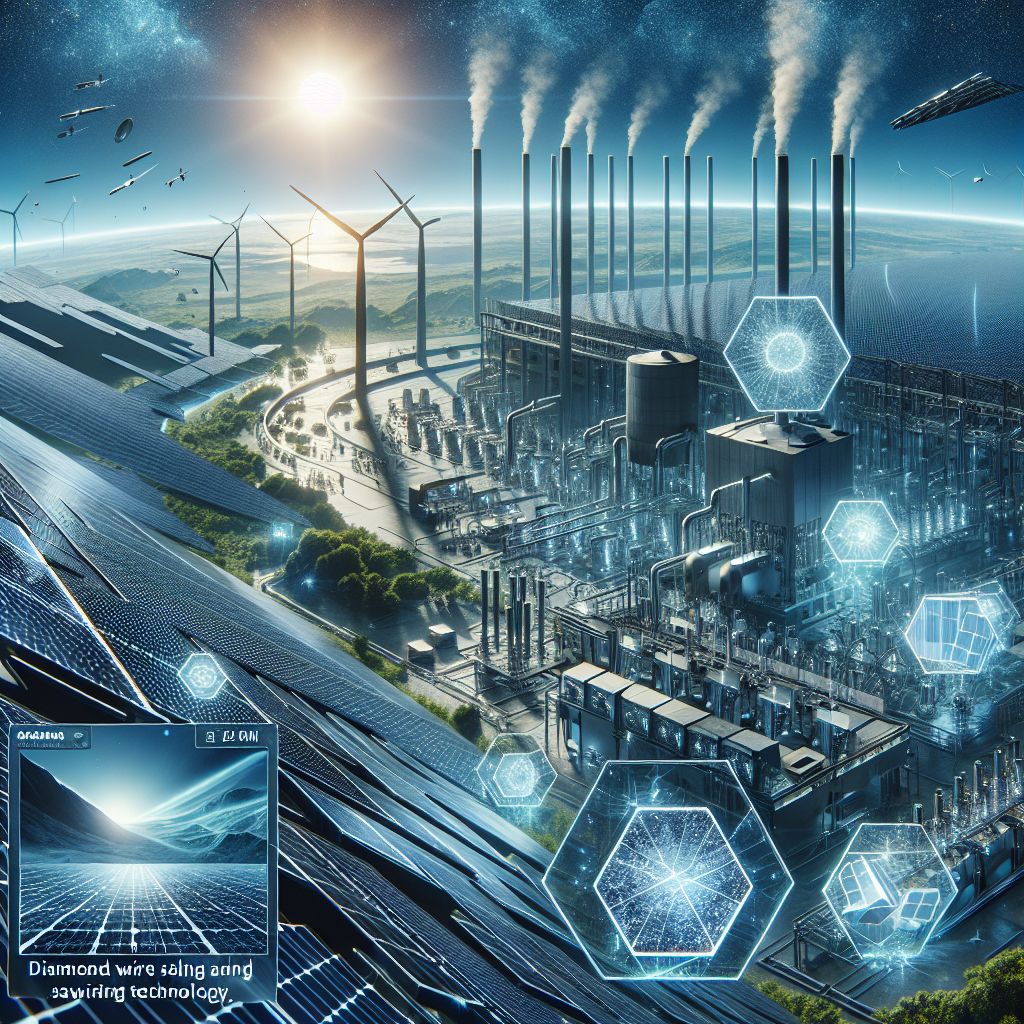
Recent advancements in manufacturing techniques have made it possible to produce monocrystalline solar panels more efficiently and at a lower cost. For example, the development of diamond wire sawing technology has significantly reduced the amount of silicon waste during the wafer slicing process.
This innovation not only lowers production costs but also reduces the environmental impact of solar panel manufacturing. As these technologies continue to evolve, we can expect further improvements in the affordability and accessibility of monocrystalline panels.
Potential for Efficiency Improvements
Researchers are continually exploring new ways to enhance the efficiency of monocrystalline solar panels. One promising area of research is the development of passivated emitter and rear cell (PERC) technology, which adds an additional layer to the solar cell to capture more sunlight and increase efficiency.
Another exciting development is the use of tandem cells, which combine multiple layers of different materials to capture a broader spectrum of sunlight. These innovations have the potential to push the efficiency of monocrystalline panels even higher, making them an even more attractive option for solar energy systems.

Final Thoughts: Embracing Solar Innovation
Monocrystalline solar panels represent the pinnacle of solar technology, offering high efficiency, durability, and aesthetic appeal. Their ability to generate more power from a smaller area makes them an ideal choice for a wide range of applications, from residential rooftops to large commercial installations.
As technology continues to advance, the future of monocrystalline solar panels looks brighter than ever. By embracing these innovations, we can harness the power of the sun more effectively and contribute to a cleaner, more sustainable future.
Frequently Asked Questions (FAQ)
What makes monocrystalline solar panels different from polycrystalline?
Monocrystalline solar panels are made from a single crystal of silicon, which provides a uniform structure that allows electrons to move more freely. This results in higher efficiency and better performance, especially in low light conditions.
Polycrystalline panels, on the other hand, are made from multiple silicon crystals, which creates more resistance and reduces efficiency. While they are generally less expensive, they require more space to produce the same amount of energy as monocrystalline panels.
Monocrystalline: Single crystal structure, higher efficiency, black appearance.
Polycrystalline: Multiple crystals, lower efficiency, bluish appearance.
How efficient are monocrystalline solar panels?
Monocrystalline solar panels are among the most efficient types of solar panels available, with efficiency rates typically ranging from 17% to 22%. This means they can convert a higher percentage of sunlight into usable electricity compared to other types of panels.
The high efficiency of monocrystalline panels is primarily due to their single crystal structure, which allows electrons to move more freely and with less resistance. This results in better performance and higher energy output, even in low light conditions. For those interested in sustainable farming, solar irrigation systems can also benefit from the high efficiency of monocrystalline panels.
In practical terms, this means that monocrystalline panels can generate more power from the same amount of sunlight, making them an excellent choice for those looking to maximize their energy output.
Moreover, advancements in technology, such as passivated emitter and rear cell (PERC) technology and tandem cells, have the potential to push the efficiency of monocrystalline panels even higher in the future.




Leave a Reply