
Key Takeaways
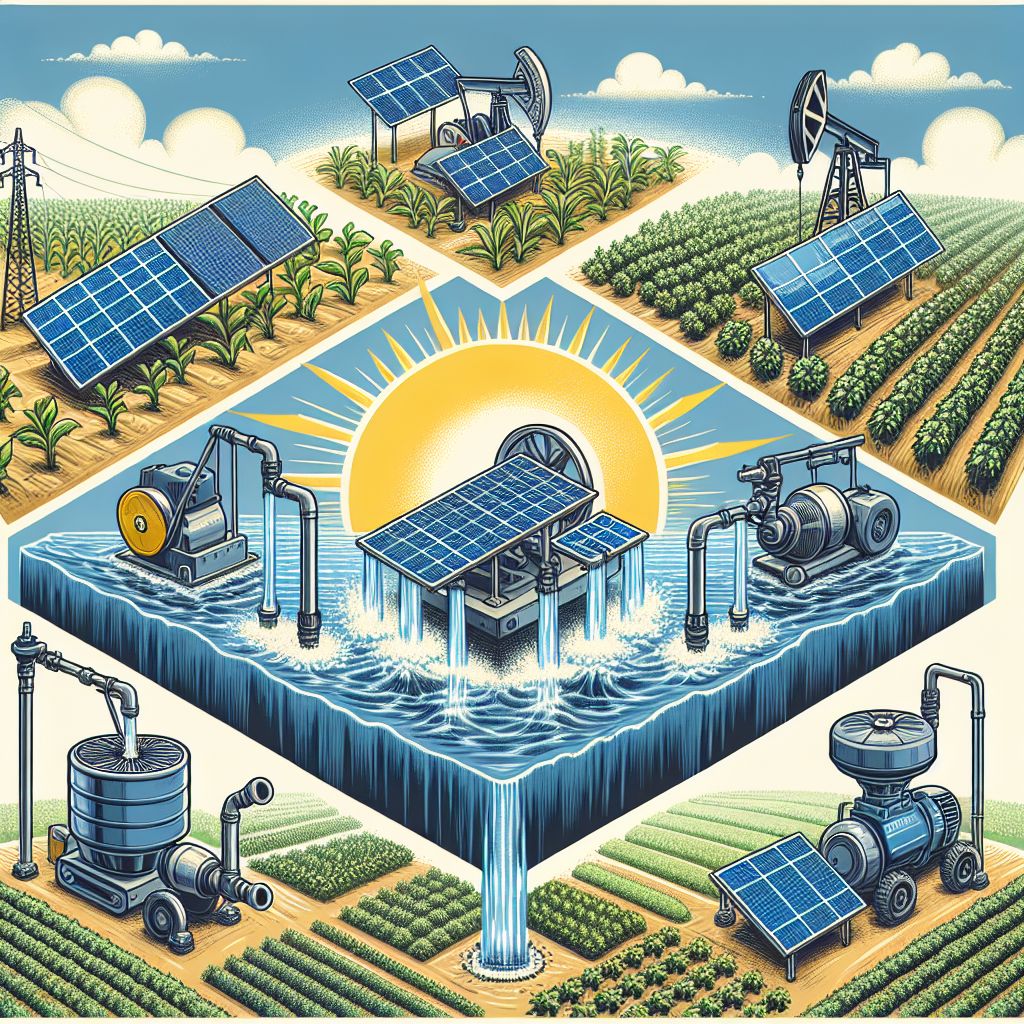
Solar surface water pumps offer a cost-effective solution for irrigation by reducing reliance on non-renewable energy sources.
These pumps are straightforward to install and can be tailored to different farm sizes and water needs.
They provide significant savings on fuel costs and maintenance compared to traditional diesel pumps.
Solar surface water pumps contribute to environmental sustainability by using clean, renewable energy.
There are various types of solar surface water pumps, each suited to specific irrigation requirements.
Science Behind Solar Surface Water Pumps: Irrigation Systems for Farmers
In recent years, solar surface water pumps have emerged as a revolutionary solution for irrigation. By harnessing the power of the sun, these pumps offer farmers a sustainable and cost-effective way to water their crops. Let’s dive into the science behind these incredible devices and understand how they can transform agricultural practices.
The Mechanism of Solar Surface Water Pumps
At the core of a solar surface water pump is the principle of converting solar energy into mechanical energy. This process involves several key components:
Solar Panels: High-efficiency solar panels capture sunlight and convert it into electricity.
Controller: The controller regulates the flow of electricity to ensure optimal pump performance.
Pump: The pump, powered by the electricity generated, extracts water from a surface source like a river or pond.
Here’s a table outlining the key components involved in converting solar energy into mechanical energy for a solar surface water pump used by farmers:
|
Component |
Function |
|---|---|
|
Solar Panels | |
|
Pump Controller |
Regulates pump operation, adjusts flow rate and pressure. 1, 3, 5 |
|
Inverter |
Converts DC power from solar panels to AC power (if required). 2, 4 |
|
Surface Water Pump | |
|
Control Electronics |
Enables automatic settings and remote monitoring. 1 |
|
Mounting Structure |
Supports and positions solar panels for optimal sunlight exposure. 1 |
|
Wiring and Connectors |
Transmit electrical energy between components. 1 |
|
Water Storage Tank |
The beauty of this system lies in its simplicity and efficiency. It requires minimal maintenance, operates without fuel costs, and is particularly effective in sunny, rural areas where traditional power sources may be scarce or unreliable (1, 2). This makes it an ideal solution for farmers looking to improve their water management practices in a sustainable and cost-effective manner.
These components work in harmony to provide a reliable and efficient irrigation system. The beauty of solar surface water pumps lies in their simplicity and effectiveness.
Cost-Effectiveness and Sustainability of Solar Pumps
One of the biggest advantages of solar surface water pumps is their cost-effectiveness. Traditional diesel pumps require constant refueling and maintenance, which can be expensive and time-consuming. Solar pumps, on the other hand, utilize free solar energy, drastically reducing operational costs.
Moreover, solar pumps contribute to environmental sustainability. By using renewable energy, they help reduce carbon emissions and dependence on fossil fuels. This makes them an eco-friendly choice for modern farming.
Types of Solar Surface Water Pumps
There are various types of solar surface water pumps available, each designed to meet specific irrigation needs. Understanding the different types can help you choose the right pump for your farm:
Centrifugal Pumps: Ideal for low to medium head applications and large water volumes.
Submersible Pumps: Suitable for deeper water sources, offering high efficiency and reliability.
Mono Pumps: Best for high head and low flow applications, often used in hilly terrains.
Benefits of Solar Surface Water Pumps for Farmers
Solar surface water pumps offer numerous benefits to farmers, making them a smart investment. Here are some key advantages:
Understanding the science behind solar panels can help farmers make informed decisions about integrating these systems into their irrigation practices.
Cost Savings: Significant reduction in fuel and maintenance costs compared to diesel pumps.
Environmental Impact: Reduced carbon footprint and contribution to sustainable farming practices.
Reliability: Consistent water supply without dependence on fuel availability.
Ease of Maintenance: Minimal maintenance requirements, saving time and effort.
Solar Surface Water Pumps: How They Work
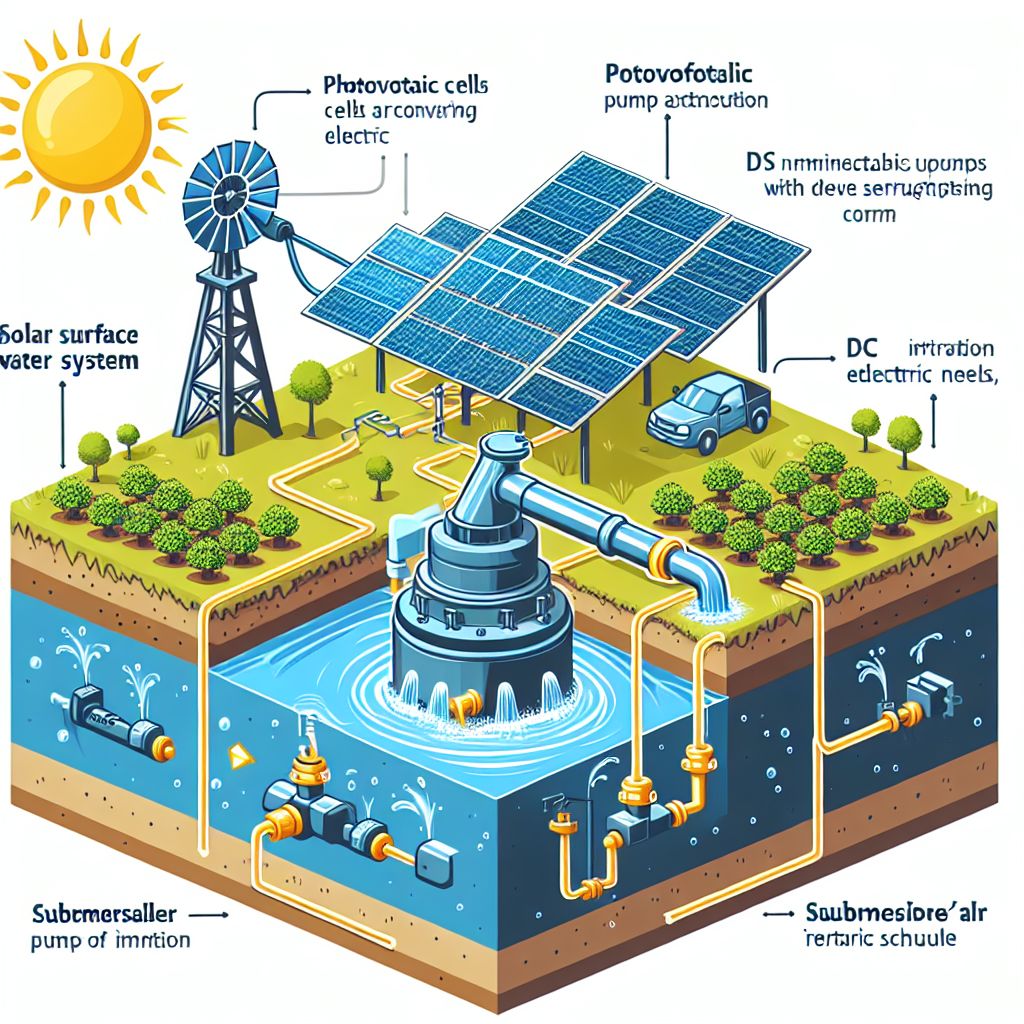
Understanding how solar surface water pumps work can help you make the most of this technology. Let’s break down the process into simple steps:
Photovoltaic Cells: Harnessing Sunlight
The journey begins with photovoltaic (PV) cells in the solar panels. These cells capture sunlight and convert it into direct current (DC) electricity. The efficiency of this conversion process determines the overall performance of the pump.
Electric Motors and Pump Mechanics
The DC electricity generated by the solar panels is then fed into an electric motor. This motor drives the pump, which extracts water from the surface source. The type of pump used (centrifugal, submersible, or mono) depends on the specific irrigation requirements.
Synchronization with Irrigation Schedules
One of the most important aspects of using solar surface water pumps is synchronizing them with your irrigation schedules. By doing so, you can ensure that your crops receive the right amount of water at the right time. This not only improves crop yield but also optimizes water usage.
Diverse Types of Solar Water Pumps
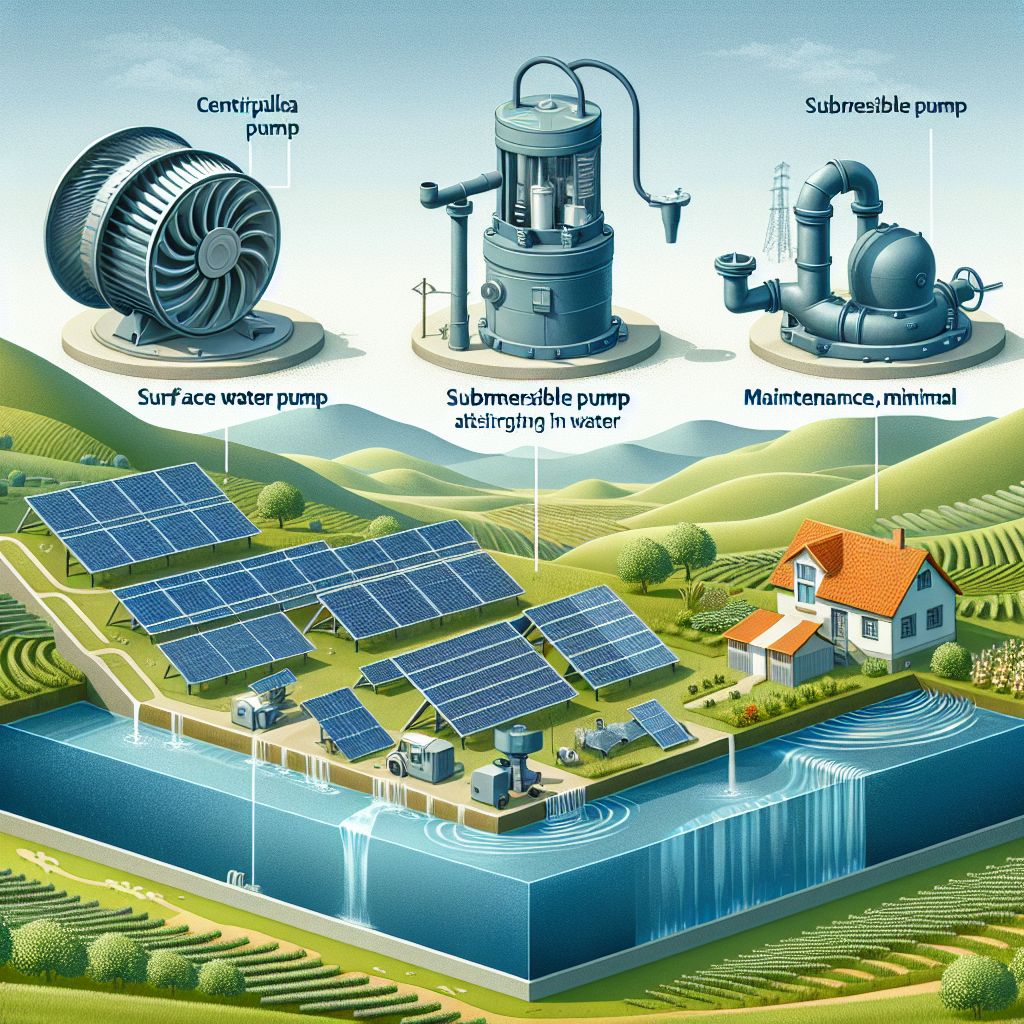
Choosing the right type of solar water pump is crucial for optimizing irrigation efficiency. Different pumps are designed to handle various water sources and irrigation requirements. Let’s explore the main types, including those powered by solar panels:
Centrifugal Pumps
Centrifugal pumps are ideal for low to medium head applications, meaning they work best when the water source is not too deep. These pumps can handle large volumes of water, making them suitable for irrigating extensive fields. They operate by using a rotating impeller to create a centrifugal force that moves water through the pump.
Submersible Pumps
Submersible pumps are designed to be placed underwater, making them perfect for deeper water sources such as wells. They are highly efficient and reliable, often used in areas where water needs to be lifted from significant depths. The pump and motor are enclosed in a single unit, which is submerged in the water, ensuring minimal noise and maintenance. For more information on how these systems can be enhanced, read about the best reasons to add batteries to solar irrigation systems.
For example, a farmer in a rural area with a deep well might choose a submersible pump to ensure a consistent water supply for their crops.
Mono Pumps
Mono pumps, also known as progressive cavity pumps, are best suited for high head and low flow applications. They are particularly effective in hilly terrains where water needs to be transported uphill. These pumps use a helical rotor to move water through a series of chambers, providing a steady flow even at high elevations.
In regions with uneven terrain, mono pumps can be a game-changer, ensuring that every part of the farm receives adequate water.

Primary Benefits for Farmers
Solar surface water pumps offer numerous benefits that make them an attractive option for farmers. Let’s delve into the primary advantages:
Cost Savings and Financial Incentives
Switching to solar surface water pumps can lead to significant cost savings. Traditional diesel pumps require regular refueling and maintenance, which can be expensive. Solar pumps, on the other hand, utilize free solar energy, reducing operational costs drastically.
Moreover, many governments offer financial incentives and subsidies for adopting renewable energy solutions. Farmers can take advantage of these programs to offset the initial investment in solar pumps.
Environmental Impact and Sustainability
Using solar surface water pumps contributes to environmental sustainability. These pumps rely on clean, renewable energy, reducing the carbon footprint associated with traditional diesel pumps. By minimizing the use of fossil fuels, solar pumps help combat climate change and promote eco-friendly farming practices.
Reliability and Ease of Maintenance
Solar surface water pumps are known for their reliability. Unlike diesel pumps, which depend on fuel availability, solar pumps provide a consistent water supply as long as there is sunlight. Additionally, solar pumps have fewer moving parts, resulting in minimal maintenance requirements. This means farmers can spend more time focusing on their crops rather than worrying about pump upkeep.
Case Studies: Real-World Applications
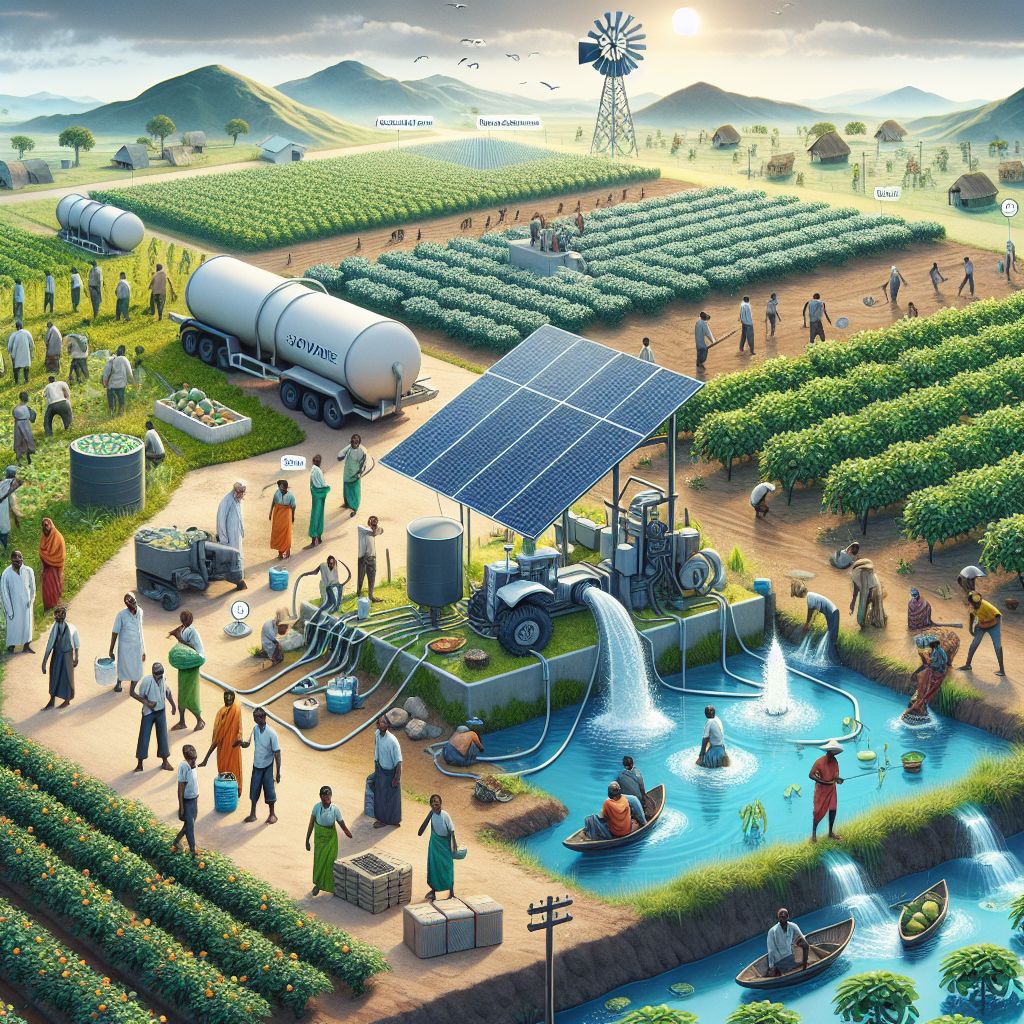
To understand the impact of solar surface water pumps, let’s look at some real-world applications and success stories from different regions:
Small-Scale Farms
In a small village in India, a group of farmers pooled their resources to install a solar surface water pump. This pump allowed them to irrigate their fields without relying on erratic electricity supply or expensive diesel fuel. As a result, their crop yields increased, and they were able to save money on fuel costs.
Large-Scale Agricultural Operations
In California, a large-scale agricultural operation switched to solar surface water pumps to irrigate their extensive orchards. The transition not only reduced their operational costs but also aligned with their commitment to sustainable farming practices. The solar pumps provided a reliable water supply, ensuring that their orchards remained productive even during drought conditions.
Success Stories from Different Regions
In Africa, solar surface water pumps have transformed the lives of many farmers. In regions with limited access to electricity, these pumps have enabled farmers to irrigate their fields efficiently. For instance, in Kenya, a community-based project installed solar pumps to support local farmers, leading to increased agricultural productivity and improved livelihoods.
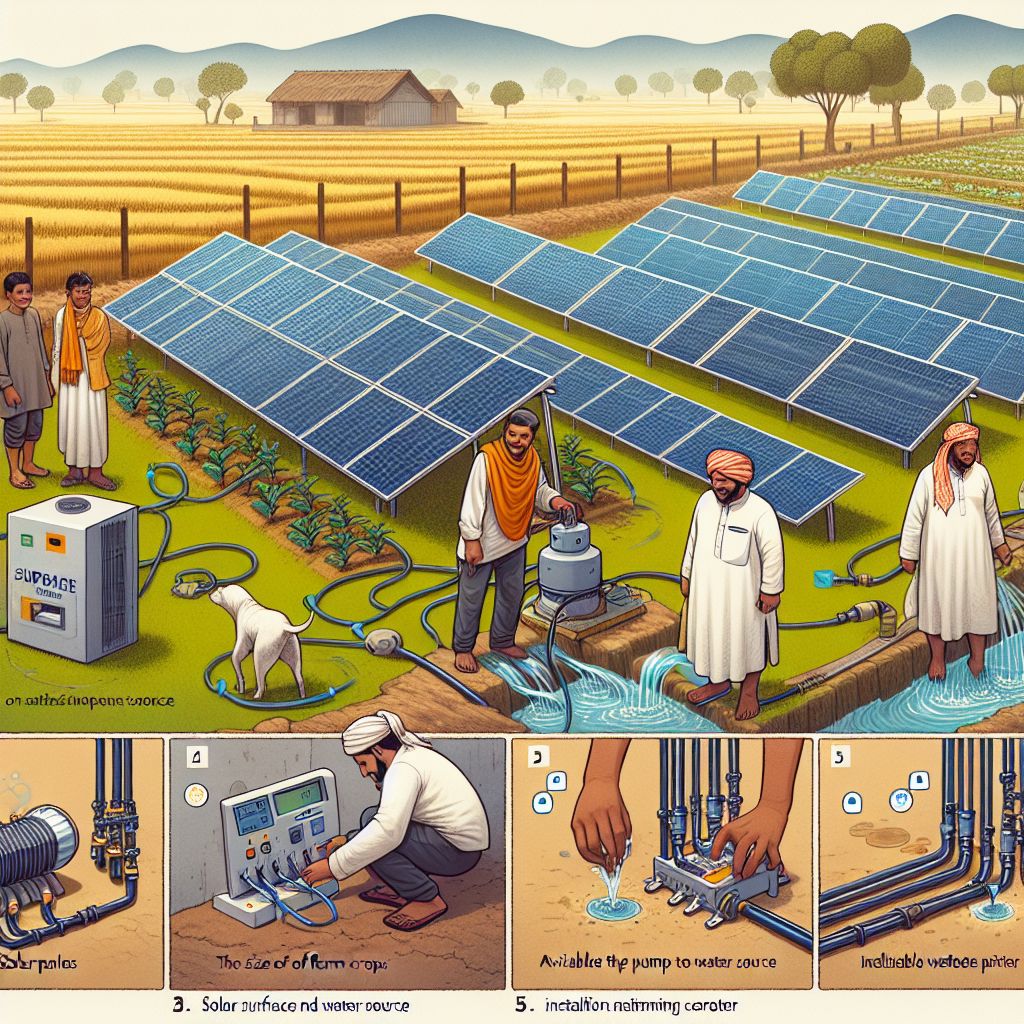
Implementing Solar Surface Water Pump Systems
Implementing a solar surface water pump system involves several key steps. Here’s a guide to help you get started:
Initial Assessment and Planning
The first step is to assess your farm’s water requirements and available water sources. Consider factors such as the size of your farm, the type of crops you grow, and the depth of your water source. This assessment will help you determine the type and size of the solar pump you need.
Installation Process
Once you’ve selected the appropriate solar pump, the installation process begins. This typically involves setting up the solar panels, connecting the pump to the water source, and installing the controller. It’s essential to follow the manufacturer’s instructions and seek professional help if needed to ensure proper installation.
Regular Maintenance and Monitoring
Although solar surface water pumps require minimal maintenance, regular monitoring is essential to ensure optimal performance. Check the solar panels for dirt and debris, inspect the pump for any signs of wear, and ensure that the controller is functioning correctly. Regular maintenance will extend the lifespan of your solar pump and keep your irrigation system running smoothly. For more information on maintaining your solar panels, you can read about the best solar panels for farmers.
Regular Maintenance and Monitoring
“Regular maintenance is the key to extending the lifespan of your solar surface water pump and ensuring efficient irrigation.”
While solar surface water pumps are known for their low maintenance requirements, regular checks are essential to keep them running smoothly. Start by inspecting the solar panels for any dirt or debris that might block sunlight. Clean them regularly to maintain optimal efficiency.
Next, examine the pump and its components. Look for any signs of wear or damage, such as cracks or leaks. If you notice any issues, address them promptly to prevent further damage. Additionally, ensure that the controller is functioning correctly and regulating the flow of electricity as intended. For more information on optimizing your system, consider the best reasons to add batteries to solar irrigation systems.
Monitoring your system regularly can help you catch potential problems early and keep your irrigation system running without interruptions. A little effort in maintenance can go a long way in preserving the efficiency and reliability of your solar surface water pump.

Conclusion
Solar surface water pumps are a game-changer for modern agriculture. By harnessing the power of the sun, these pumps offer a sustainable and cost-effective solution for irrigation. They reduce reliance on non-renewable energy sources, cut operational costs, and contribute to environmental sustainability. Whether you’re a small-scale farmer or managing a large agricultural operation, solar surface water pumps can help you achieve efficient and reliable irrigation.
Summarizing the Efficiency and Sustainability
In summary, solar surface water pumps are an efficient and sustainable choice for irrigation. They provide:
Cost savings on fuel and maintenance
Reliable water supply independent of fuel availability
Minimal environmental impact
Low maintenance requirements
By investing in solar surface water pumps, farmers can improve their productivity, reduce their carbon footprint, and contribute to a more sustainable future.
Encouraging Innovation in Agriculture
Embracing solar surface water pumps is just one example of how technology can revolutionize agriculture. As farmers, we must continue to explore and adopt innovative solutions that enhance productivity and sustainability. By staying informed about the latest advancements and being open to new technologies, we can ensure a prosperous and sustainable future for agriculture.
Frequently Asked Questions (FAQ)
To help you make an informed decision about solar surface water pumps, here are some frequently asked questions:
What are the initial costs of installing solar surface water pumps?
The initial costs of installing a solar surface water pump can vary depending on the size and type of the system. On average, you can expect to spend between $2,000 and $5,000 for a complete system, including solar panels, the pump, and installation.
How do solar pumps compare to traditional diesel pumps?
Solar pumps offer several advantages over traditional diesel pumps. They have lower operational costs since they use free solar energy, require less maintenance, and have a smaller environmental impact. While the initial investment may be higher, the long-term savings and benefits make solar pumps a more cost-effective and sustainable choice.
Can solar surface pumps work in cloudy weather?
Yes, solar surface pumps can work in cloudy weather, although their efficiency may be reduced. Modern solar panels are designed to capture sunlight even on overcast days. Additionally, some systems include battery storage to ensure a continuous water supply even when sunlight is limited.
Are there government subsidies available for solar pumps?
Many governments offer subsidies and financial incentives for adopting renewable energy solutions, including solar surface water pumps. These incentives can help offset the initial investment costs. Check with your local government or agricultural extension office to learn about available programs in your area.







Leave a Reply