

Key Takeaways
Solar irrigation systems utilize solar energy to power water pumps, reducing reliance on fossil fuels.
They significantly lower operational costs, making farming more profitable in the long run.
These systems help conserve water by delivering precise amounts needed for crops.
Initial investment can be high, but various financing options are available to assist farmers.
Case studies from Kenya, Australia, and India demonstrate the effectiveness and benefits of solar irrigation.
How Solar Irrigation is Transforming Farming
Solar irrigation systems are changing the face of farming. By using solar energy, these systems provide a sustainable and cost-effective way to irrigate crops. This technology not only reduces carbon emissions but also helps farmers save money and resources.
Introduction to Solar Irrigation Systems
Solar irrigation systems harness the power of the sun to operate water pumps. This eliminates the need for electricity or diesel, making it an eco-friendly solution. Farmers can use these systems to draw water from various sources like wells, rivers, or reservoirs and distribute it efficiently to their fields.
The Evolution of Irrigation: From Traditional to Solar-Powered
Traditional irrigation methods often rely on electricity or diesel-powered pumps. These methods are not only costly but also harmful to the environment. Solar irrigation systems, on the other hand, use photovoltaic (PV) panels to convert sunlight into electricity, which powers the water pumps.
Over the years, the technology has evolved significantly. Early solar irrigation systems were rudimentary and not very efficient. Today, advanced sensors and controllers optimize water usage, ensuring that crops receive the precise amount of water they need. Learn more about the downsides of solar irrigation systems for farms.
Environmental Impact: Reducing Carbon Footprint
One of the most significant advantages of solar irrigation systems is their positive impact on the environment. By reducing the reliance on fossil fuels, these systems help lower carbon emissions. This is crucial in the fight against climate change.
Besides that, solar irrigation systems promote sustainable water management. Traditional methods often lead to over-irrigation, which wastes water and degrades the soil. Solar systems, equipped with advanced sensors, deliver water based on the specific needs of the crops, thereby conserving this precious resource.
Financial Impact: Lowering the Cost to Higher the Bottom Line
While the initial investment in a solar irrigation system can be high, the long-term financial benefits are substantial. Farmers can save on fuel and electricity costs, which can significantly lower their operational expenses.
Moreover, many governments offer subsidies and financing options to help farmers transition to solar irrigation. These incentives can offset the initial costs, making it a more viable option for small and large-scale farmers alike.
Here’s a table summarizing the financial impact of solar irrigation systems:
|
Factor |
Impact on Costs |
Impact on Bottom Line |
Sources |
|---|---|---|---|
|
Initial Investment |
High upfront cost |
Short-term decrease in profits | |
|
Fuel/Electricity Costs |
Significantly reduced |
Long-term increase in profits | |
|
Maintenance Expenses |
Lower than diesel pumps |
Increased savings over time | |
|
Operational Costs |
Decreased |
Higher net income | |
|
Government Subsidies |
Reduces initial investment |
Faster return on investment | |
|
Financing Options |
Spreads cost over time |
Improved cash flow | |
|
Crop Yield |
Potential increase |
Higher revenue | |
|
Water Efficiency |
Reduced water costs |
Increased savings | |
|
Lifespan of Equipment |
Longer than traditional systems |
Lower replacement costs | |
|
Energy Independence |
No fuel price volatility |
More stable expenses |

The Mechanics of Solar Irrigation Systems
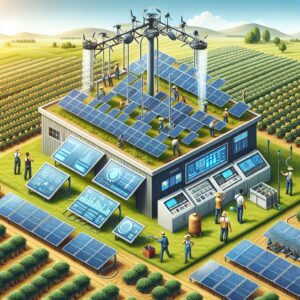
Understanding how solar irrigation systems work is crucial for anyone considering this technology. These systems consist of several key components: solar panels, pumps, and controllers.
Components: Solar Panels, Pumps, and Controllers
Solar panels are the heart of the system. They capture sunlight and convert it into electricity. This electricity powers the water pumps, which draw water from the source and distribute it to the fields. Controllers manage the entire process, ensuring that the system operates efficiently.
How Solar Panels Generate Electricity
Solar panels are made up of photovoltaic cells that convert sunlight into electricity. When sunlight hits these cells, it creates an electric field that generates a flow of electricity. This electricity is then used to power the water pumps.
The efficiency of solar panels has improved dramatically over the years. Modern panels can generate more electricity from the same amount of sunlight, making them more effective and reliable. For more information on how this technology is revolutionizing farming, check out solar irrigation systems.
Photovoltaic cells convert sunlight into electricity.
Electricity powers the water pumps.
Controllers manage the system’s efficiency.
Pumping and Water Distribution Mechanism
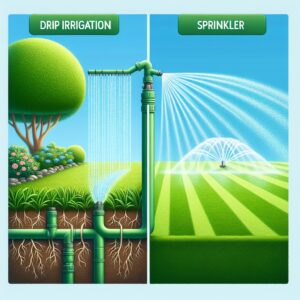
Once the electricity is generated, it powers the water pumps. These pumps draw water from the source, whether it’s a well, river, or reservoir, and distribute it to the fields. The water distribution mechanism can vary depending on the type of irrigation system used, such as drip irrigation or sprinkler systems.
Integration with Existing Irrigation Systems
One of the advantages of solar irrigation systems is their ability to integrate with existing irrigation setups. Farmers do not need to overhaul their entire system; they can simply replace the power source with solar energy. This makes the transition smoother and more cost-effective.

Benefits of Solar Irrigation Systems for Farmers
Solar irrigation systems offer numerous benefits, making them an attractive option for farmers looking to adopt sustainable practices. For a detailed overview of these advantages, check out the benefits of solar irrigation systems in agriculture.
Cost-Effectiveness Compared to Traditional Methods
Traditional irrigation methods can be expensive due to the high costs of fuel and electricity. Solar irrigation systems, on the other hand, use free and abundant solar energy. This significantly reduces operational costs, making farming more profitable in the long run.
Additionally, many governments offer subsidies and incentives to encourage the adoption of solar irrigation. These financial aids can help offset the initial investment, making it more accessible for farmers. For more information on agriculture funding options and grants, check out this resource.
Energy Independence and Reliability
Solar irrigation systems provide farmers with a significant level of energy independence. Traditional irrigation methods rely heavily on electricity or diesel, which can be costly and subject to supply fluctuations. Solar energy, however, is abundant and free, providing a reliable source of power.
Reduces dependency on the grid
Minimizes operational disruptions due to fuel shortages
Provides a consistent water supply
Most importantly, solar irrigation systems are particularly beneficial in remote areas where access to electricity is limited. By harnessing solar power, farmers can ensure a continuous water supply for their crops, regardless of their location.
For example, a farmer in a remote village in Kenya successfully transitioned to a solar irrigation system. Previously, he struggled with frequent power outages and high fuel costs. Now, he enjoys a steady water supply, leading to a 50% increase in crop yield and a significant reduction in expenses.
Enhanced Water Efficiency and Conservation
Solar irrigation systems are designed to optimize water usage, ensuring that crops receive the precise amount of water they need. This is achieved through advanced sensors and controllers that monitor soil moisture levels and weather conditions.
By delivering water directly to the root zone, solar irrigation systems minimize water wastage and reduce evaporation. This is especially important in regions facing water scarcity, as it helps conserve this valuable resource.
Longevity and Low Maintenance
Another key advantage of solar irrigation systems is their longevity and low maintenance requirements. Solar panels have a lifespan of 25-30 years, and they require minimal upkeep. Regular cleaning and occasional inspections are usually sufficient to keep the system running smoothly.
The durability of solar irrigation systems translates to long-term savings for farmers. Unlike diesel pumps, which require frequent maintenance and fuel, solar systems offer a hassle-free and cost-effective solution.
Here’s a table highlighting the benefits of solar irrigation systems for farmers:
|
Benefit |
Description |
Impact on Farmers |
|---|---|---|
|
Reduced Energy Costs |
Eliminates or significantly reduces fuel/electricity expenses | |
|
Lower Maintenance |
Fewer moving parts compared to diesel pumps | |
|
Environmental Sustainability |
Reduces carbon emissions and pollution |
Eco-friendly farming practices, potential for carbon credits 1, 4 |
|
Water Efficiency |
Can be integrated with smart irrigation technologies | |
|
Energy Independence |
Not affected by fuel price fluctuations or grid unreliability |
Stable energy supply, consistent irrigation 1 |
|
Government Incentives |
Subsidies and financing options often available |
Lower initial investment, faster return on investment 1 |
|
Increased Crop Yields |
More reliable irrigation leads to better crop health | |
|
Long-Term Cost Savings |
Solar panels have a long lifespan (20-25 years) | |
|
Scalability |
Can be sized to meet specific farm needs |
Flexible implementation for farms of various sizes 2 |
|
Off-Grid Operation |
Works in remote areas without grid access |
Expands irrigation possibilities in underserved regions 1 |

Challenges and Solutions in Implementing Solar Irrigation
While solar irrigation systems offer numerous benefits, there are also challenges that farmers may face when implementing this technology. However, with the right strategies and support, these challenges can be overcome.
Initial Investment and Financing Options
The initial cost of installing a solar irrigation system can be a significant barrier for many farmers. However, various financing options are available to help mitigate this challenge.
Governments and non-profit organizations often provide subsidies, grants, and low-interest loans to support the adoption of solar irrigation. Additionally, some companies offer leasing options, allowing farmers to pay for the system over time.
Technical and Installation Challenges
Installing a solar irrigation system requires technical expertise and proper planning. Farmers may face challenges related to site selection, system sizing, and installation procedures.
To address these issues, it is essential to work with experienced professionals who can provide guidance and support throughout the installation process. Training programs and workshops can also help farmers gain the necessary knowledge and skills.
Weather Dependence and Storage Solutions
Solar irrigation systems rely on sunlight, which can be inconsistent due to weather conditions. Cloudy days or prolonged periods of rain can affect the system’s performance.
To mitigate this issue, farmers can incorporate battery storage solutions to store excess energy generated on sunny days. This stored energy can then be used during periods of low sunlight, ensuring a continuous water supply.
Training and Knowledge Requirements
Adopting a solar irrigation system requires a certain level of knowledge and expertise. Farmers need to understand how to operate and maintain the system effectively.
Training programs and educational resources can play a crucial role in empowering farmers with the necessary skills. By staying updated with the latest advancements in solar irrigation technology, farmers can maximize the benefits of their systems.

Success Stories and Case Studies
Real-world examples demonstrate the effectiveness and benefits of solar irrigation systems. Here are three case studies from different regions that highlight the positive impact of this technology.
Case Study 1: Small-Scale Farm in Kenya
In a small village in Kenya, a farmer named John struggled with unreliable electricity and high fuel costs. With the help of a local NGO, he installed a solar irrigation system. The results were remarkable. John experienced a 50% increase in crop yield and a significant reduction in operational costs. The solar system provided a consistent water supply, even during dry seasons, improving his farm’s productivity and profitability.
Case Study 2: Large Agricultural Operation in Australia
An agricultural operation in Australia faced high electricity bills and frequent power outages. By switching to a solar irrigation system, the farm reduced its energy costs by 60%. The solar panels provided a reliable source of power, ensuring a continuous water supply for the crops. This transition not only improved the farm’s financial stability but also contributed to its sustainability goals.
Case Study 3: Community Farming Project in India
In India, a community farming project aimed to improve water access for local farmers. The project implemented solar irrigation systems across multiple farms, benefiting over 100 farmers. The solar systems reduced water wastage and increased crop yields, enhancing the overall productivity of the community. This initiative demonstrated the potential of solar irrigation to transform rural farming practices and uplift entire communities.

Future Trends and Innovations in Solar Irrigation
Advanced Sensor Technology and IoT Integration
Battery Storage Improvements
Government Policies and Subsidies
Collaborations and Partnerships in the Agri-Tech Sector
The future of solar irrigation looks promising, with continuous advancements in technology and increasing support from governments and organizations. Farmers can expect even more efficient and reliable systems that further enhance their productivity and sustainability.
Advanced sensor technology and IoT integration will enable real-time monitoring and control of irrigation systems, optimizing water usage and improving crop health. Battery storage improvements will ensure a consistent water supply, even during periods of low sunlight.
Government policies and subsidies will continue to play a crucial role in promoting the adoption of solar irrigation. By providing financial incentives and support, governments can encourage more farmers to transition to this sustainable technology.
Advanced Sensor Technology and IoT Integration
The future of solar irrigation is bright, particularly with the integration of advanced sensor technology and the Internet of Things (IoT). These innovations enable real-time monitoring and control of irrigation systems, optimizing water usage and improving crop health.
Advanced sensors can monitor soil moisture levels, weather conditions, and crop health. This data is then transmitted to a central system, allowing farmers to make informed decisions about when and how much to irrigate. This precision not only conserves water but also enhances crop yields.
IoT integration takes this a step further by connecting various devices and systems. For example, sensors can communicate with irrigation controllers, automatically adjusting water flow based on real-time data. This level of automation reduces manual labor and ensures that crops receive the optimal amount of water.
Battery Storage Improvements
Battery storage is a critical component of solar irrigation systems, especially in regions with inconsistent sunlight. Recent advancements in battery technology have made it possible to store excess energy generated on sunny days for use during cloudy periods or at night.
Improved battery storage solutions ensure a consistent water supply, regardless of weather conditions. This reliability is crucial for maintaining crop health and productivity, particularly in areas prone to drought or irregular rainfall.
Government Policies and Subsidies
Government policies and subsidies play a significant role in promoting the adoption of solar irrigation systems. Many governments offer financial incentives, such as grants, subsidies, and low-interest loans, to help farmers transition to this sustainable technology. For more details, read about the benefits of solar irrigation systems in agriculture.
These incentives can significantly offset the initial investment costs, making solar irrigation more accessible to small and large-scale farmers alike. Additionally, some governments provide technical support and training programs to ensure the successful implementation of these systems.
For example, the Indian government has launched the Pradhan Mantri Kisan Urja Suraksha evam Utthan Mahabhiyan (PM-KUSUM) scheme, which aims to install solar pumps and grid-connected solar power plants in rural areas. This initiative not only promotes sustainable agriculture but also enhances energy security for farmers.
Besides that, international organizations and NGOs often collaborate with governments to provide additional support and resources. These partnerships can help accelerate the adoption of solar irrigation and promote sustainable farming practices worldwide.
“The PM-KUSUM scheme has transformed the lives of many farmers in India by providing reliable and affordable access to water for irrigation. This initiative is a testament to the power of government support in promoting sustainable agriculture.” – Ministry of New and Renewable Energy, India
Collaborations and Partnerships in the Agri-Tech Sector
Collaboration and partnerships in the agri-tech sector are essential for driving innovation and promoting the adoption of solar irrigation systems. By working together, stakeholders can share knowledge, resources, and expertise to develop more efficient and reliable solutions.
Many companies and organizations are partnering with farmers to provide customized solar irrigation solutions. These partnerships often involve joint research and development efforts, pilot projects, and knowledge-sharing initiatives. By leveraging the strengths of each partner, these collaborations can accelerate the adoption of solar irrigation systems and enhance its effectiveness.
For example, the Solar Pump Irrigators’ Cooperative Enterprise (SPICE) in Kenya is a successful collaboration between farmers, NGOs, and private companies. This initiative has helped farmers transition from diesel-powered pumps to solar-powered systems, resulting in increased crop yields, reduced operational costs, and improved access to water.

Conclusion
Solar irrigation systems offer a sustainable and cost-effective solution for farmers, providing numerous environmental, financial, and operational benefits. By harnessing the power of the sun, these systems reduce reliance on fossil fuels, conserve water, and lower operational costs, making farming more profitable and sustainable.
Is upgrading to a Solar Irrigation System Worth the Investment for Farmers?
Upgrading to a solar irrigation system is a smart investment for farmers, despite the initial costs. The long-term savings on fuel and electricity, combined with government incentives and financing options, make it a financially viable choice. Moreover, the environmental benefits and improved water efficiency contribute to the overall sustainability of farming operations.
“The transition to solar irrigation has been a game-changer for our farm. We’ve seen a significant reduction in costs and an increase in crop yields. It’s a win-win for both our business and the environment.” – Farmer, Australia
Learn more about the benefits of solar irrigation systems in agriculture.
Therefore, farmers should consider the long-term benefits and explore available support options to make the transition to solar irrigation systems.
The Road Ahead for Sustainable Agriculture
The adoption of solar irrigation systems is a crucial step towards sustainable agriculture. As technology continues to advance and more farmers embrace this solution, we can expect to see significant improvements in agricultural productivity, resource conservation, and environmental sustainability.
Future trends, such as advanced sensor technology, IoT integration, and improved battery storage, will further enhance the efficiency and reliability of solar irrigation systems. Additionally, continued government support and collaborations in the agri-tech sector will play a vital role in promoting sustainable farming practices.
“The future of farming lies in sustainable practices like solar irrigation. By adopting these technologies, we can ensure food security, conserve resources, and protect our planet for future generations.” – Agri-Tech Expert
Farmers should stay informed about the latest advancements and take advantage of available resources and support to transition to solar irrigation systems and contribute to a more sustainable future.
Frequently Asked Questions (FAQ)
Here are some common questions and answers about solar irrigation systems to help you better understand this technology and its benefits.
How do solar irrigation systems work?
Solar irrigation systems use photovoltaic (PV) panels to capture sunlight and convert it into electricity. This electricity powers water pumps, which draw water from sources like wells, rivers, or reservoirs and distribute it to the fields. Advanced sensors and controllers optimize water usage, ensuring that crops receive the precise amount of water they need.
The system typically includes solar panels, pumps, controllers, and water distribution mechanisms. The solar panels generate electricity, which powers the pumps, and the controllers manage the entire process for optimal efficiency.
What are the main benefits of using solar irrigation?
Solar irrigation systems offer numerous benefits, including:
Reduced operational costs by eliminating the need for fuel or electricity
Environmental benefits through reduced carbon emissions and water conservation
Increased energy independence and reliability
Enhanced water efficiency and crop yields
Longevity and low maintenance requirements
Are there any disadvantages or limitations?
While solar irrigation systems offer many benefits, there are some challenges and limitations to consider:
High initial investment costs
Dependence on sunlight, which can be inconsistent due to weather conditions
Technical and installation challenges
Training and knowledge requirements for effective operation and maintenance
However, with proper planning, support, and resources, these challenges can be mitigated, making solar irrigation a viable and sustainable option for farmers.
How can farmers transition to solar irrigation systems?
Transitioning to solar irrigation systems can be a great move for farmers looking to reduce energy costs and environmental impact. Here are some steps they can take:
1. Assess Water Needs
Evaluate the crop type and water requirements.
Determine the irrigation method (drip, sprinkler, etc.) that suits the farm best.
2. Conduct a Site Analysis
Analyze the land for solar potential, considering factors like sun exposure, shading, and space availability for solar panels.
3. Research Solar Technologies
Explore different solar irrigation systems, such as:
4. Calculate Costs and Savings
Estimate the initial investment required for solar equipment and installation.
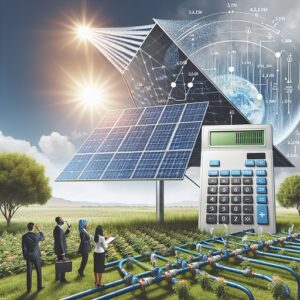
Consider long-term savings on energy costs and potential subsidies or grants for renewable energy projects.
5. Choose the Right Equipment
Select solar panels, pumps, and inverters that match the farm’s energy and water needs.
Look for reputable suppliers and manufacturers with good warranties and support.
6. Consult with Experts
Work with agronomists or solar energy consultants to design an effective system tailored to the farm’s unique needs.
Seek advice from farmers who have successfully made the transition.
7. Install the System
Hire qualified installers for the solar panels and irrigation system to ensure proper setup.
Consider training for farm staff on operating and maintaining the new system.
8. Monitor Performance
Regularly check the system’s performance and efficiency.
Make adjustments as needed to optimize water usage and energy consumption.
9. Stay Informed About Incentives
Keep up to date on government incentives, rebates, and tax credits for solar energy investments.
Explore local, state, and federal programs that support renewable energy adoption.
10. Engage with the Community
Share experiences and results with other local farmers.
Consider forming cooperatives to invest in larger solar projects or share resources.
By following these steps, farmers can successfully transition to solar irrigation systems, enhancing sustainability while potentially lowering operational costs.


Leave a Reply