
Key Takeaways
Modern solar panels are highly efficient and can generate electricity even in cloudy or cold climates.
Initial costs for solar installations can be offset by government incentives and long-term savings on energy bills.
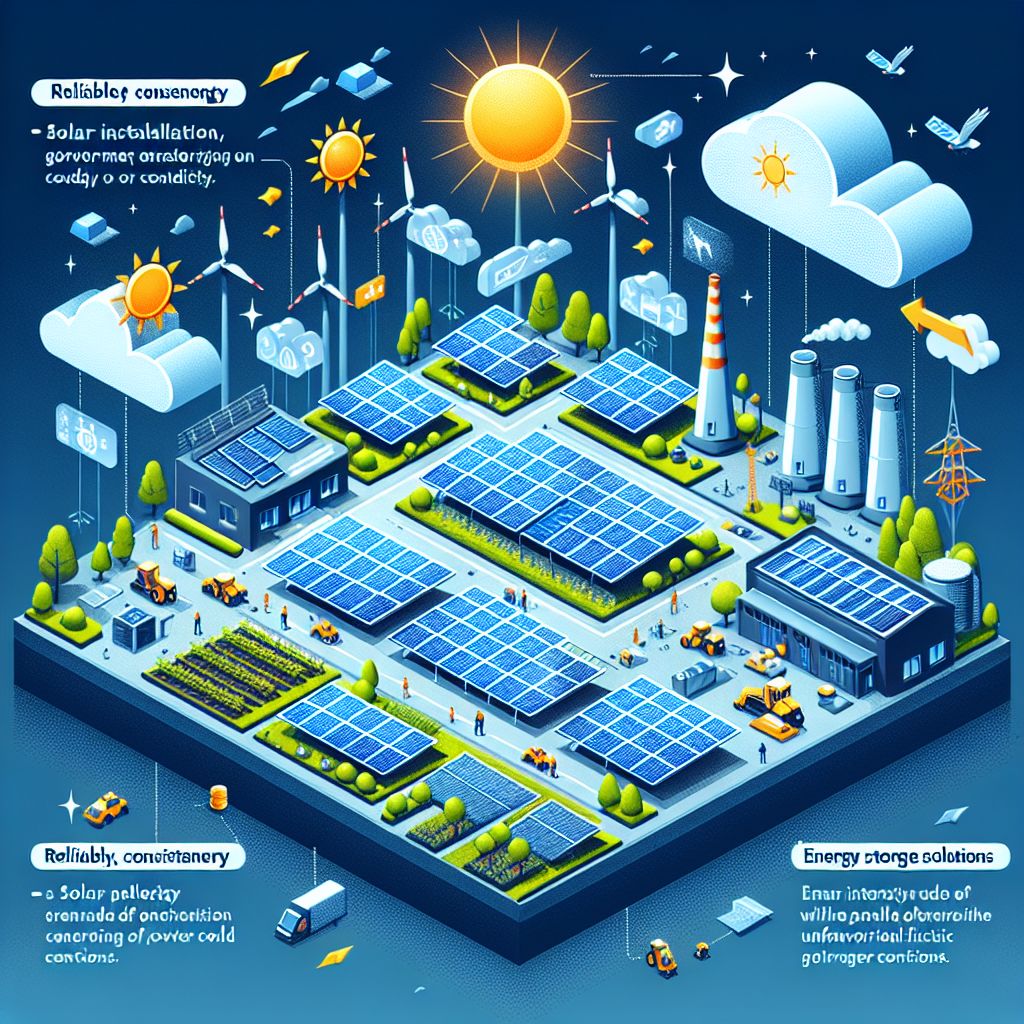
Solar power systems can be reliable and provide consistent energy, especially with the use of energy storage solutions.
Solar energy can be utilized even during nighttime and inclement weather with the right technology.
Implementing solar power on farms supports sustainable farming practices and reduces operational costs.
Essential Facts about Solar Power on Farms
Solar power on farms is a game-changer, offering numerous benefits that can transform agricultural operations. By harnessing the sun’s energy, farmers can reduce their reliance on traditional power sources, lower operational costs, and contribute to a more sustainable environment.
Overview of Solar Power Benefits for a Farmer
Solar power provides farmers with a reliable and renewable energy source. This means fewer interruptions in operations due to power outages and a significant reduction in energy costs. Additionally, solar power systems can be tailored to fit the specific energy needs of a farm, whether it’s for irrigation, lighting, or running machinery.
Initial Investment and Long-Term Savings
While the initial investment in solar power systems might seem daunting, it’s important to look at the bigger picture. Over time, the savings on energy bills can be substantial. For instance, a typical solar panel system can pay for itself within 5 to 10 years, depending on the size of the installation and the amount of sunlight the farm receives.
Moreover, various government incentives and subsidies are available to help offset the initial costs. These incentives can significantly reduce the upfront investment, making solar power a more accessible option for farmers.
Environmental Impacts on a Farm
Switching to solar power can have a positive impact on the environment. Solar energy is clean and renewable, meaning it doesn’t produce harmful emissions or deplete natural resources. By adopting solar power, farmers can reduce their carbon footprint and contribute to a healthier planet.
Myth: Solar Power is Inefficient on Farms
Solar Panel Efficiency Explained
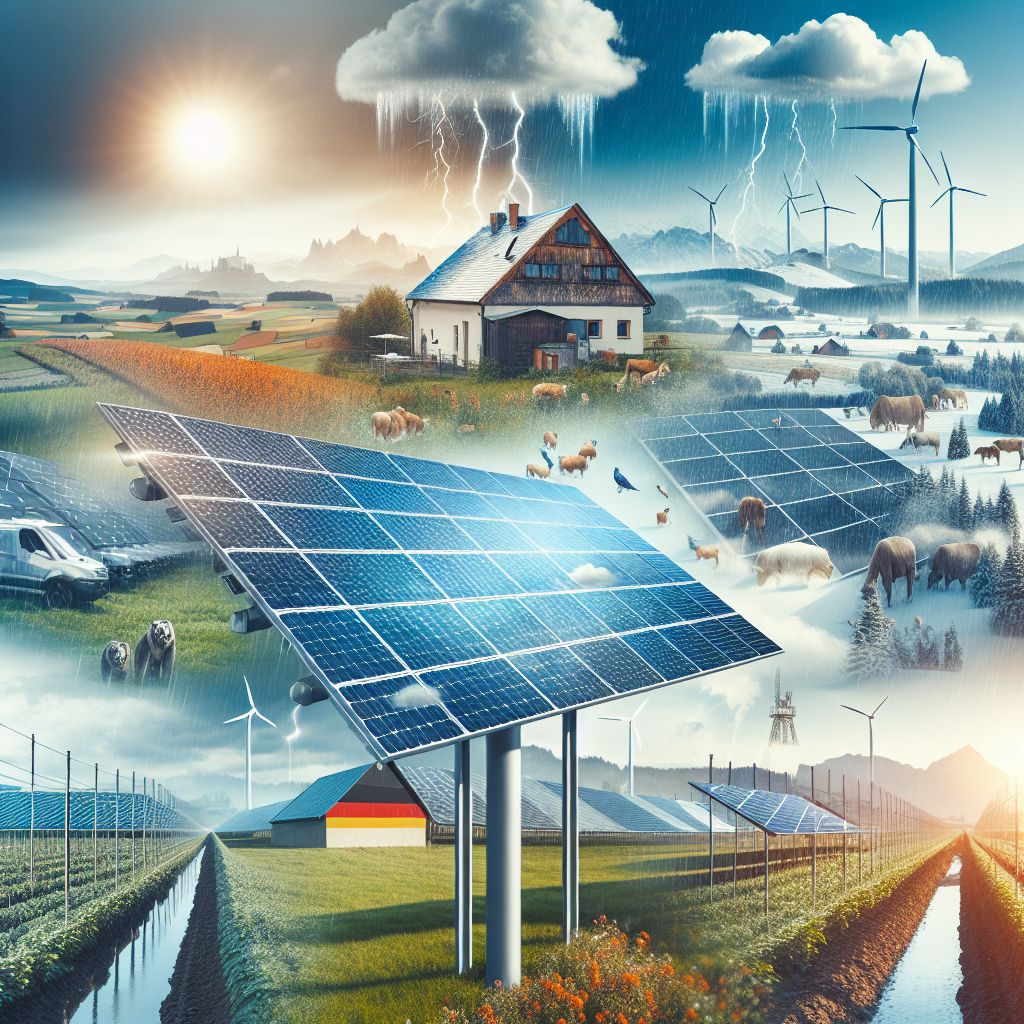
One common myth is that solar power is inefficient, especially in regions with less sunlight. However, modern solar panels are designed to be highly efficient, capable of generating electricity even on cloudy or cold days. The technology has advanced significantly, making it a viable option for farms regardless of their geographic location. Learn more about solar panels’ benefits and uses on farms.
Real-World Examples of Efficiency
Consider the example of a farm in Germany, a country not particularly known for its sunny weather. Despite the less-than-ideal conditions, the farm was able to generate a substantial amount of its energy needs through solar power. This example highlights that solar power can be effective even in less sunny climates.
Impact of Geographic Location
While it’s true that solar power production is higher in sunnier regions, advancements in technology have made it possible for solar panels to perform well in a variety of climates. Factors such as the angle of the panels, the type of solar cells used, and the overall system design can optimize energy production, making solar power a practical option for farms in diverse locations.
Myth: Solar Power is Too Expensive for Farmers
Breaking Down Costs
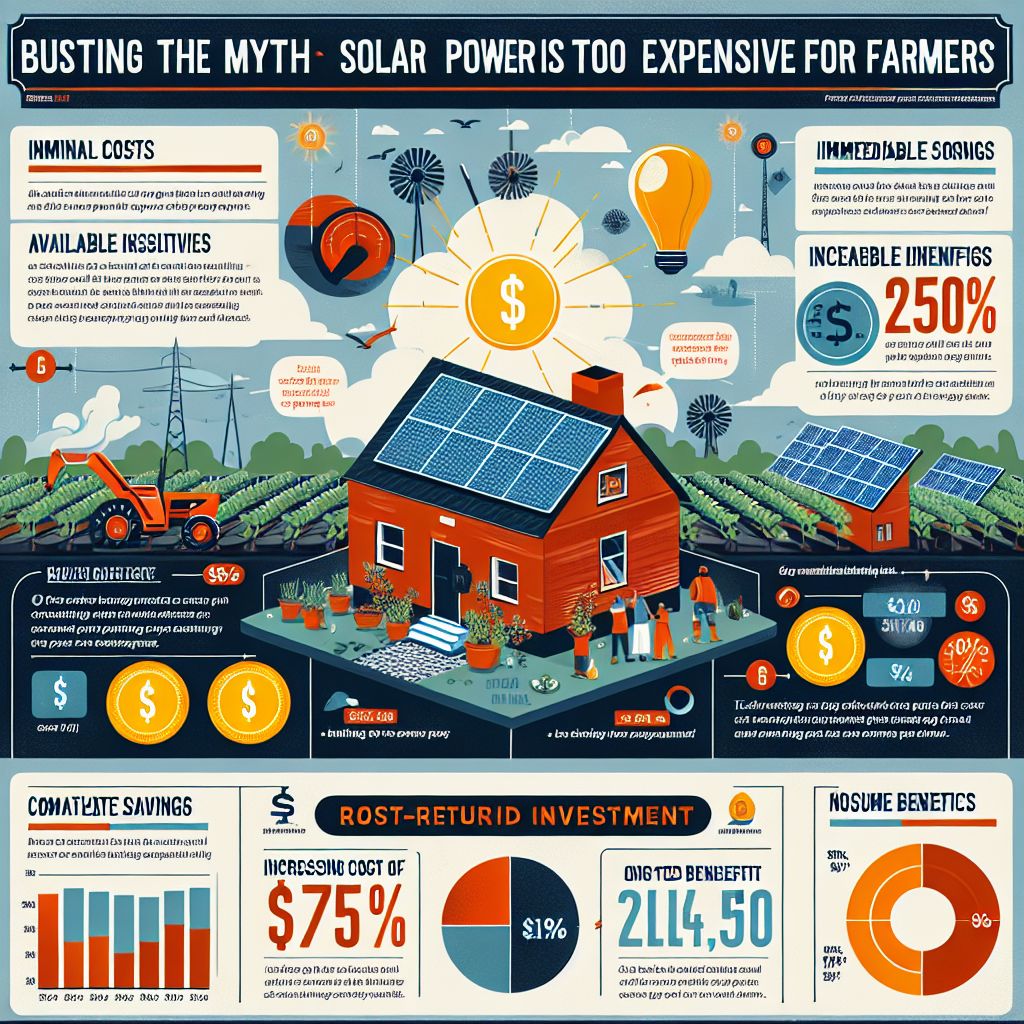
Another myth is that solar power is too expensive for farmers. While there is an initial cost associated with purchasing and installing solar panels, the long-term savings can be significant. On average, it costs between $10,000 to $30,000 to install a solar power system on a farm. However, this cost can be reduced through various financial incentives.
Available Incentives and Subsidies
There are numerous incentives and subsidies available to help farmers offset the initial costs of solar power installations. For example, the federal government offers tax credits that can cover up to 26% of the installation costs. Additionally, many states offer grants, rebates, and low-interest loans to support the adoption of renewable energy.
“In recent years, the cost of solar panels has significantly decreased, making them more accessible to homeowners and businesses alike. Additionally, there are various government incentives available to help offset the initial costs.”
Calculating Return on Investment
When calculating the return on investment (ROI) for solar power systems, it’s important to consider both the immediate and long-term benefits. Immediate savings come from reduced energy bills, while long-term benefits include increased property value and potential income from selling excess power back to the grid.
For instance, a farm that installs a solar power system might see a reduction in energy costs of up to 75%, depending on the size of the system and the farm’s energy needs. Over time, these savings can add up, making the initial investment well worth it.
Myth: Solar Power is Not Reliable
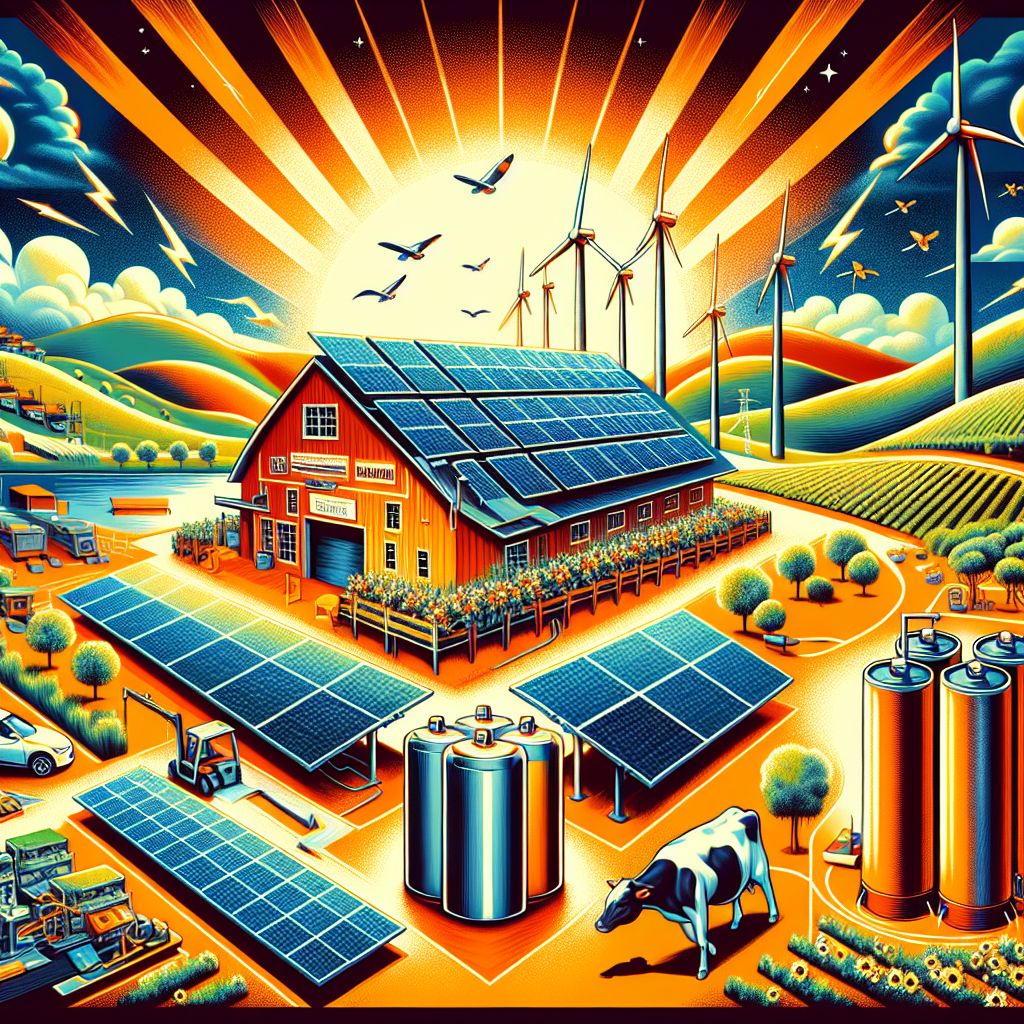
One of the biggest myths about solar power is that it isn’t reliable. However, modern solar power systems have come a long way in terms of reliability and performance. They can provide consistent and dependable energy for various farm operations.
Reliability of Modern Solar Systems
Today’s solar panels are built to last, often with warranties extending 25 years or more. These systems are designed to withstand various weather conditions, from intense heat to heavy snowfall. The durability and longevity of modern solar panels make them a reliable energy source for farms.
Energy Storage Solutions
Energy storage solutions, such as batteries, play a crucial role in enhancing the reliability of solar power systems. These batteries store excess energy generated during the day, which can then be used during nighttime or cloudy days. With advancements in battery technology, farms can now store more energy and use it more efficiently. For more insights, check out this article on solar energy myths debunked.
“Energy storage solutions, such as batteries, play a crucial role in enhancing the reliability of solar power systems. These batteries store excess energy generated during the day, which can then be used during nighttime or cloudy days.”
Real-World Reliability Cases
Consider the example of a dairy farm in California that switched to solar power. Despite initial concerns about reliability, the farm has been able to consistently power its operations, even during peak usage times. The integration of battery storage has ensured that the farm remains operational even during power outages.
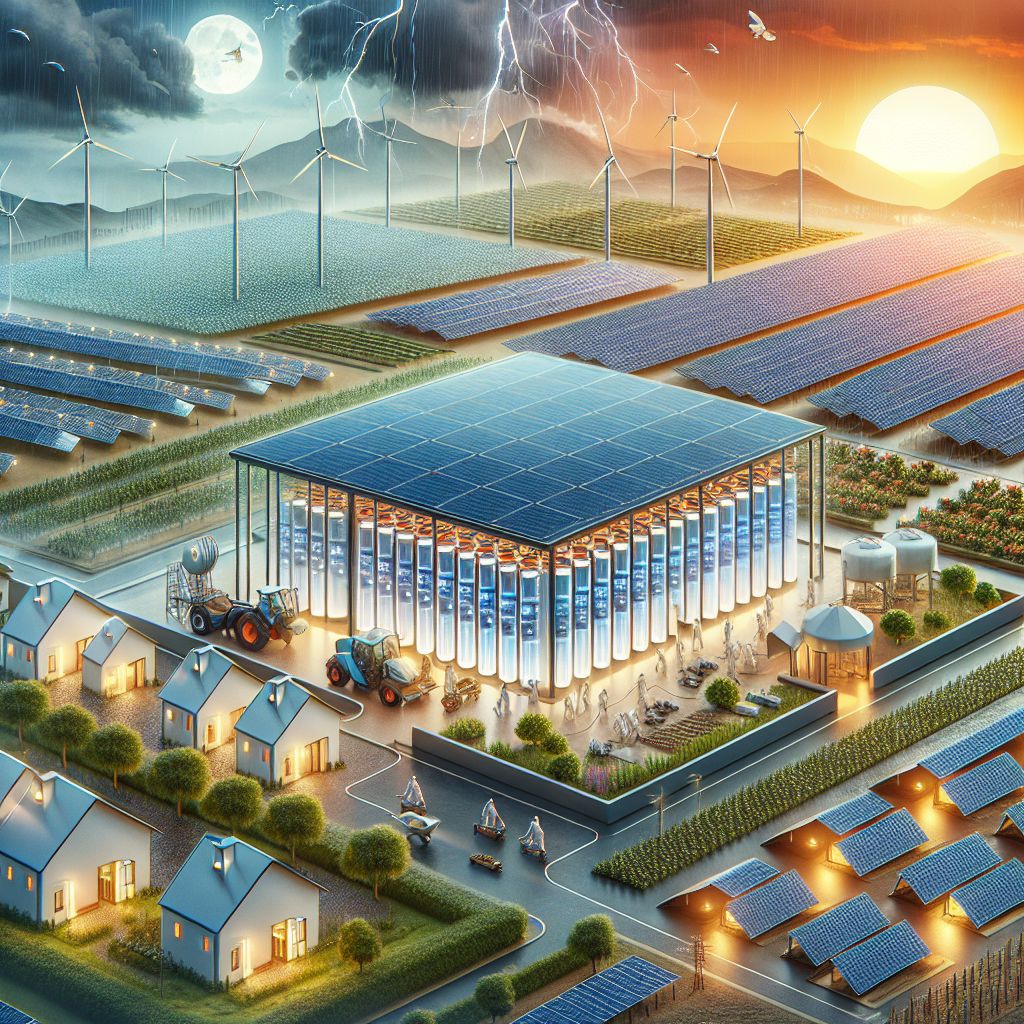
Myth: Solar Energy is Only Useful During Daylight Hours
Another common myth is that solar energy is only useful during daylight hours. While it’s true that solar panels generate electricity from sunlight, modern technology allows for the use of solar energy even when the sun isn’t shining. For instance, solar panels can power various farm operations efficiently, ensuring a consistent energy supply.
How is it Possible to Use Solar Energy During Nighttime
Solar energy can be used during nighttime through the use of battery storage systems. These batteries store excess energy generated during the day, which can then be used to power farm operations at night. This ensures a continuous supply of energy, regardless of the time of day.
Are You Able to Use Solar Power During Inclement Weather
Solar panels can still generate electricity during cloudy or rainy days, although at a reduced capacity. However, with the integration of battery storage, farms can store excess energy produced during sunny days and use it during periods of inclement weather. This ensures that farm operations remain uninterrupted. For more information, check out these solar myths debunked.
Is Battery Technology Good Enough to Run a Farm’s Operations
Yes, battery technology has advanced significantly in recent years. Modern batteries are capable of storing large amounts of energy and can efficiently power farm operations. They are designed to provide a stable and reliable energy supply, making them a viable option for farms looking to adopt solar power.
Here’s a table summarizing key facts and truths about solar power on farms, debunking common myths:
|
Myth |
Fact |
|---|---|
|
Solar farms take up too much agricultural land |
Solar farms use only about 1% of agricultural land and can be combined with farming through agrivoltaics. 1, 2 |
|
Solar panels are inefficient |
Modern solar panels have efficiency ratings around 20%, which is sufficient to generate significant power. 4 |
|
Solar farms harm the environment |
Solar farms have minimal environmental impact and can actually enhance biodiversity when properly managed. 1, 3 |
|
Solar doesn’t create enough jobs |
The solar industry is a major job creator, with millions of new clean energy jobs projected. 1 |
|
Solar farms are ugly eyesores |
Solar farms are designed to be low-profile and can incorporate landscaping to blend with surroundings. 1 |
|
Solar panels produce toxic waste |
Most solar panel materials are recyclable, and the industry is developing sustainable recycling programs. 1, 2 |
|
Solar can’t provide reliable power |
With proper energy storage and grid integration, solar can provide consistent electricity. 2, 3 |
|
Solar panels require extensive maintenance |
Solar panels are low-maintenance, typically only needing occasional cleaning. 3 |
|
Solar is not viable for widespread use |
Solar has enormous potential to meet global energy needs and is rapidly scaling up. 3 |
|
Solar panels decrease property values |
Studies show solar installations generally do not negatively impact nearby property values. 1 |
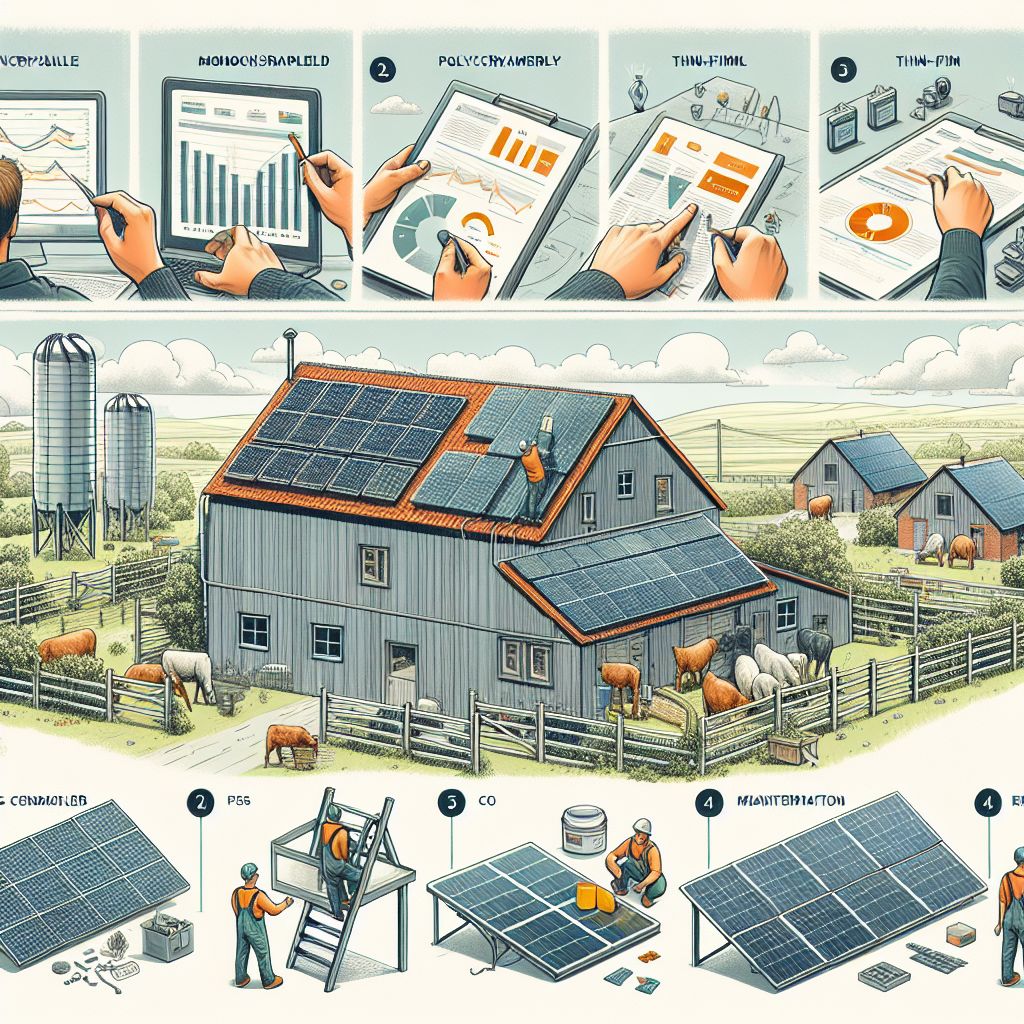
Practical Steps for Implementing Solar Power on Farms
Implementing solar power on a farm involves several steps, from assessing energy needs to choosing the right solar panels and ensuring proper installation and maintenance. Here are some practical steps to guide farmers through the process.
Assessing Energy Needs
The first step is to assess the farm’s energy needs. This involves evaluating the current energy usage and identifying areas where solar power can be most beneficial. Consider factors such as the size of the farm, the types of equipment used, and the overall energy consumption.
Choosing the Right Solar Panels for the Job
Once the energy needs have been assessed, the next step is to choose the right solar panels. There are various types of solar panels available, each with its own advantages and disadvantages. Factors to consider include efficiency, cost, and durability. It’s essential to select panels that can meet the farm’s energy requirements and withstand the local climate.
Here’s a table describing the top three types of solar panels that can be used to power irrigation system on a farm:
|
Solar Panel Type |
Advantages |
Disadvantages |
|---|---|---|
|
Monocrystalline |
– Highest efficiency (15-22%) 2, 3 |
– Most expensive option 2, 3 |
|
Polycrystalline |
– More affordable than monocrystalline 1, 3 |
– Lower efficiency compared to monocrystalline 3 |
|
Thin-Film |
– Cheapest option 1, 4 |
– Lowest efficiency (10-13%) 1, 4 – Shortest lifespan 4 – Requires the most space 1, 4– Degrades faster than crystalline panels 1, 4 |
Installation Process
The installation process involves setting up the solar panels and connecting them to the farm’s electrical system. This should be done by a professional installer to ensure proper setup and safety. The installer will also handle any necessary permits and inspections.
Maintenance and Monitoring
Regular maintenance and monitoring are crucial to ensure the solar power system operates efficiently. This includes cleaning the panels, checking for any damage, and monitoring the energy production. Many modern systems come with monitoring software that allows farmers to track their energy usage and production in real-time.
Advantages of Solar Power for Agriculture
Adopting solar power offers numerous advantages for agriculture, from reducing operational costs to supporting sustainable farming practices and enhancing energy independence.
Reducing Operational Costs
One of the most significant advantages of solar power is the reduction in operational costs. By generating their own electricity, farmers can significantly lower their energy bills. This can result in substantial savings over time, freeing up resources for other important aspects of farm management.
By adopting solar power, farmers can significantly lower their operational costs. This can result in substantial savings over time, freeing up resources for other important aspects of farm management.
Supporting Sustainable Farming Practices
Solar power supports sustainable farming practices by reducing the farm’s carbon footprint. By using renewable energy, farmers can decrease their reliance on fossil fuels and contribute to a cleaner, healthier environment. This not only benefits the planet but also enhances the farm’s reputation as an eco-friendly operation.
Enhancing Energy Independence
Solar power can also enhance a farm’s energy independence. By generating their own electricity, farmers are less dependent on external power sources. This can be particularly beneficial during times of energy shortages or price increases, providing a stable and reliable energy supply for farm operations.
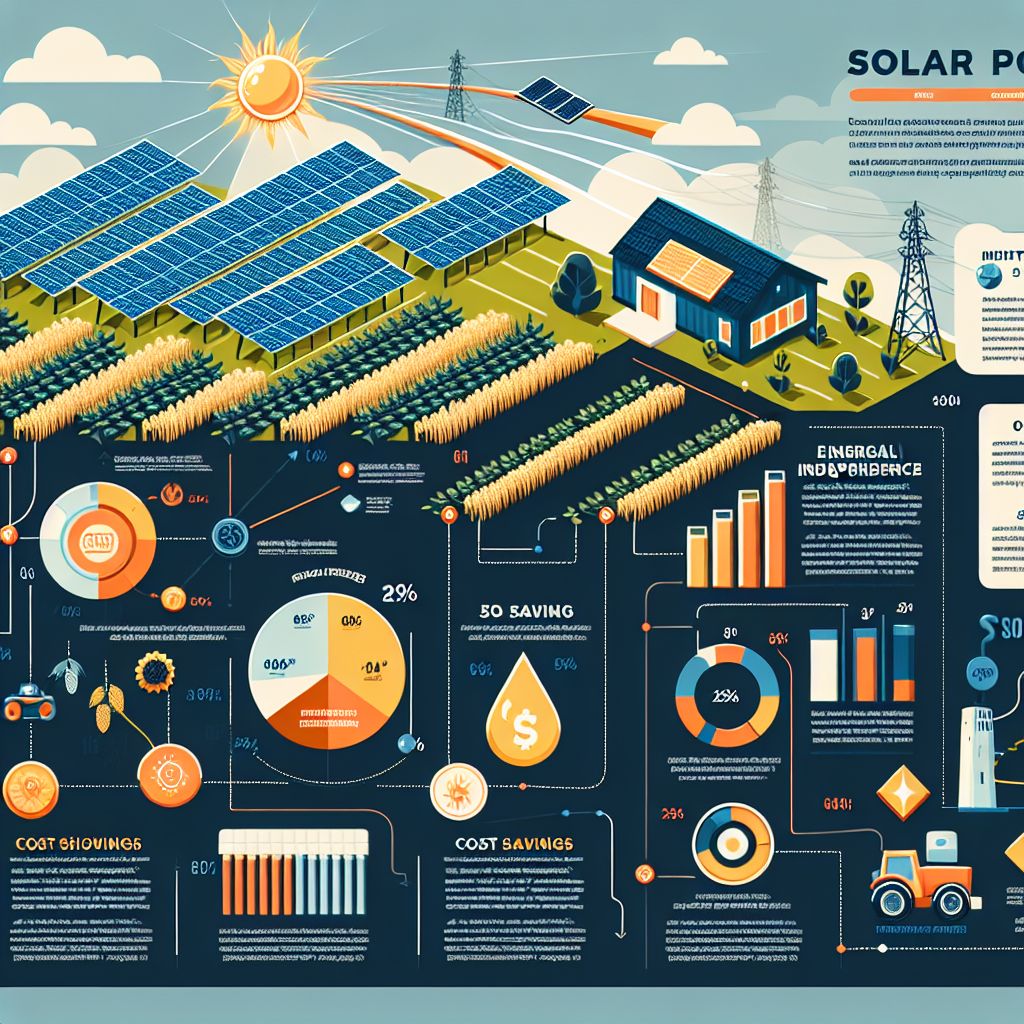
Conclusion
Solar power offers numerous benefits for farmers, from reducing operational costs to supporting sustainable farming practices and enhancing energy independence. By debunking common myths and understanding the true potential of solar energy, farmers can make informed decisions about adopting this renewable energy source. For more information, check out the benefits of solar irrigation systems in agriculture.
With the right information and resources, farmers can implement solar power systems that meet their specific needs and contribute to a more sustainable future. The long-term savings and environmental benefits make solar power a worthwhile investment for any farm.
“Solar energy is a clean, cost-effective, and reliable energy solution that can provide significant benefits for homeowners and businesses.”
It’s time to embrace the power of the sun and explore the possibilities that solar energy can bring to your farm. For more information, check out these solar energy myths debunked.
Summary of Solar Power Benefits
In summary, solar power provides numerous benefits for farms, including:
Reducing operational costs
Supporting sustainable farming practices
Enhancing energy independence
Providing a reliable and renewable energy source
Contributing to a cleaner, healthier environment
Encouragement to Explore Solar Options
I encourage all farmers to explore the options available for implementing solar power on their farms. With the right information and resources, you can make informed decisions that will benefit both your farm and the environment. Don’t let common myths and misconceptions hold you back from harnessing the power of the sun.
Consider the following steps to get started:
Assess your farm’s energy needs
Research available incentives and subsidies
Consult with a professional solar installer
Monitor and maintain your solar power system
By taking these steps, you can make the transition to solar power and enjoy the many benefits it has to offer. For more details, you can explore the downsides of solar irrigation systems for farms.
Frequently Asked Questions
Here are some common questions about solar power on farms:
Can Solar Panels Work During Winter?
Yes, solar panels can work during winter. While their efficiency may be slightly reduced due to shorter daylight hours and potential snow coverage, modern solar panels are designed to generate electricity even in cold climates. Regular maintenance, such as clearing snow off the panels, can help ensure optimal performance. For more information on how solar panels benefit farm operations, you can explore various resources available.
How Much Does It Cost to Install Solar Panels on a Farm?
The cost of installing solar panels on a farm can range from $10,000 to $30,000, depending on the size of the system and the specific energy needs of the farm.
Government incentives and subsidies can significantly reduce the upfront costs, making solar power more accessible to farmers.
Long-term savings on energy bills can offset the initial investment, making solar power a cost-effective solution.
It’s important to consult with a professional installer to get an accurate estimate based on your farm’s specific needs.
Are There Any Government Incentives for Farmers?
Yes, there are various government incentives available to help farmers offset the costs of installing solar power systems. These incentives can include tax credits, grants, rebates, and low-interest loans. It’s important to research the specific incentives available in your state and consult with a professional installer to take full advantage of these opportunities.
Does Solar Power Require a Lot of Maintenance?
No, solar power systems generally require minimal maintenance. Regular cleaning of the panels to remove dirt and debris can help ensure optimal performance. Additionally, periodic inspections by a professional can help identify and address any potential issues before they become major problems.
Most modern solar power systems come with monitoring software that allows you to track energy production and usage in real-time, making it easy to maintain and optimize your system.
In conclusion, solar power is a viable and attractive option for farmers looking to reduce their energy costs, support sustainable farming practices, and enhance their energy independence. By understanding the true potential of solar energy and debunking common myths, farmers can make informed decisions and harness the power of the sun to benefit their farms and the environment.
Solar power has become increasingly popular on farms, providing a sustainable and cost-effective energy solution. However, there are many myths surrounding its use. For instance, some believe that solar panels are ineffective in cloudy weather or that they require excessive maintenance. These misconceptions can deter farmers from adopting this beneficial technology. To gain a clearer understanding, it’s essential to explore resources that debunk these solar energy myths and provide accurate information.







Leave a Reply