

Article-at-a-Glance
- Solar-powered irrigation systems can significantly reduce water waste and energy costs on farms.
- These systems use solar panels to convert sunlight into electricity, powering water pumps efficiently.
- Implementing solar irrigation can improve crop yield and health by ensuring precise water delivery.
- Initial setup costs for solar irrigation are higher but are offset by long-term savings and sustainability.
- Governments often offer incentives and subsidies to encourage the adoption of solar-powered farming solutions.
Transforming Farm Irrigation with Solar Energy
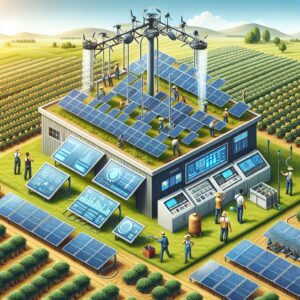
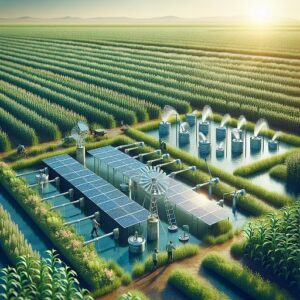
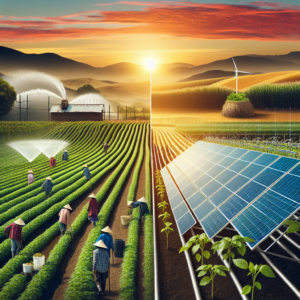
Imagine a farm where water flows precisely and effortlessly to nourish crops, all powered by the sun. This vision is not just a dream but a reality with solar energy irrigation systems. By harnessing the sun’s power, farmers can transform their watering practices, making them more efficient, cost-effective, and environmentally friendly.
The Power of Solar Solutions in Agriculture
Solar energy has become a game-changer in agriculture, offering a sustainable alternative to traditional energy sources. By using solar panels, farms can generate electricity to power water pumps, eliminating reliance on fossil fuels and reducing carbon emissions. This shift not only benefits the environment but also cuts down on energy costs, allowing farmers to invest more in their crops.
Solar irrigation systems are designed to optimize water usage, ensuring that crops receive the right amount of water at the right time. This precision helps improve crop yield and quality, which is crucial for feeding a growing global population. Moreover, these systems are scalable, making them suitable for farms of all sizes.
Significance of Efficient Water Management
Water is a precious resource, and its efficient management is essential for sustainable agriculture. Traditional irrigation methods often lead to water wastage due to evaporation, runoff, and inefficient delivery systems. In contrast, solar-powered irrigation systems use advanced technology to minimize waste and maximize efficiency.
By using sensors and controllers, solar irrigation systems can adjust water flow based on soil moisture levels and weather conditions. This smart technology ensures that crops receive the optimal amount of water, reducing the risk of overwatering or underwatering. As a result, farmers can conserve water, reduce costs, and improve crop health.
Environmental and Economic Benefits
Solar irrigation systems offer numerous environmental and economic benefits. By reducing reliance on fossil fuels, these systems help decrease greenhouse gas emissions and combat climate change. Additionally, they promote biodiversity by maintaining healthy soil and supporting diverse ecosystems.
Economically, solar irrigation systems provide long-term savings on energy and water costs. Although the initial investment may be higher than traditional systems, the reduction in operating expenses and potential government incentives make solar irrigation an attractive option for farmers. As more farmers adopt these systems, the cost of solar technology is expected to decrease, making it even more accessible.
Traditional Watering Practices on Farms
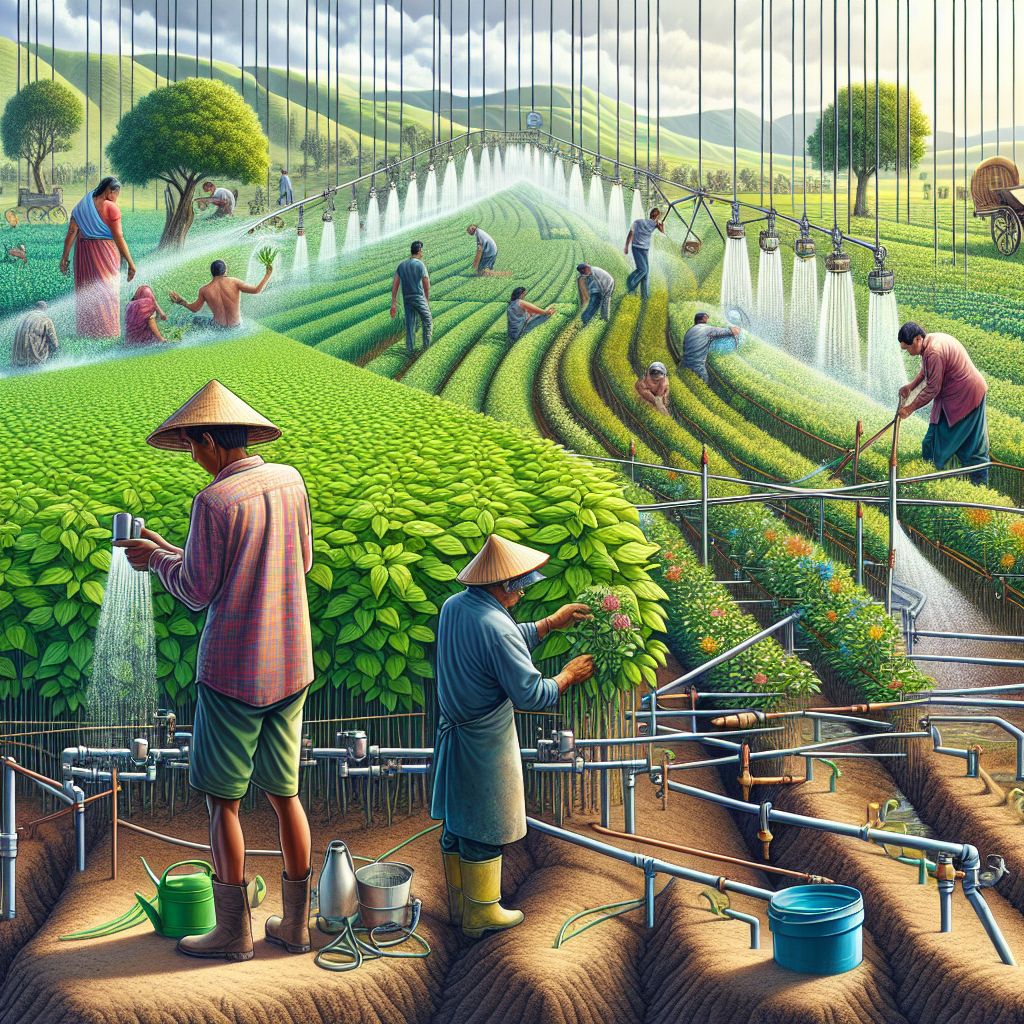
Before the advent of solar-powered irrigation, farmers relied on various traditional methods to water their crops. These methods, while effective to some extent, often faced challenges and limitations that hindered efficiency and sustainability.
Common Methods Used Historically
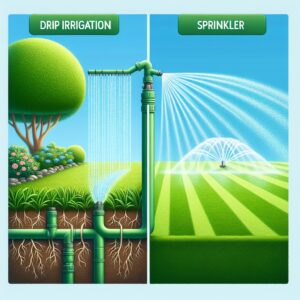
Historically, farmers have used several methods to irrigate their fields. These include surface irrigation, where water is distributed across the field by gravity; sprinkler systems, which mimic natural rainfall; and drip irrigation, which delivers water directly to the plant roots.
While these methods have been used for decades, they often require significant amounts of water and energy. For example, surface irrigation can lead to water loss through evaporation and runoff, while sprinkler systems may use more energy to operate pumps and distribute water.
Here is a comparison table discussing the different traditional irrigation methods historically used by farmers, focusing on their water and energy use, as well as their environmental impact:
|
Irrigation Method |
Description |
Water Use |
Energy Use |
Environmental Impact |
|---|---|---|---|---|
|
Surface Irrigation |
Water is distributed across the field by gravity. |
High water loss due to evaporation and runoff. 1 |
Consumes 75% of the overall energy in irrigation systems, mainly due to diesel pumps. 1 |
Accounts for 76% of total CO2 emissions from irrigation, with significant contributions from diesel pumps. 1 |
|
Sprinkler Systems |
Mimic natural rainfall by spraying water over crops. |
Can lead to water waste through wind drift and evaporation. 3 |
High energy consumption due to pump operation; energy use can be reduced by using low-pressure systems. 3 |
Highest CO2 emissions intensity among methods; improvements can reduce energy use by 50%. 1, 3 |
|
Drip Irrigation |
Delivers water directly to plant roots through a network of tubes. |
More efficient with minimal water loss, targeting only the plant root zones. 1 |
Lowest energy consumption among methods; consumes only 4% of total irrigation energy. 1 |
Lower CO2 emissions compared to other methods; effective in reducing both energy use and emissions when optimized. 1 |
Key Insights
- Surface Irrigation: This method is less efficient in terms of water conservation due to significant losses through evaporation and runoff. It also has a high environmental impact due to its reliance on diesel pumps for energy, leading to substantial CO2 emissions.
- Sprinkler Systems: While these systems can mimic natural rainfall, they require considerable energy, especially when using high-pressure systems. However, switching to low-pressure sprinklers can significantly reduce energy consumption and improve efficiency.
- Drip Irrigation: Known for its precision in water delivery, drip irrigation minimizes water waste and is the most energy-efficient method. It also has the lowest environmental impact in terms of CO2 emissions when compared to other irrigation methods.
By understanding these differences, farmers can make more informed decisions about which irrigation method best suits their needs while also considering environmental and economic impacts.
Challenges and Limitations Faced
Traditional irrigation methods come with several challenges and limitations. Water wastage is a significant concern, as inefficient delivery systems can lead to overwatering or underwatering of crops. This not only affects crop health and yield but also depletes valuable water resources.
Additionally, traditional systems often rely on non-renewable energy sources, contributing to greenhouse gas emissions and environmental degradation. The rising cost of energy further exacerbates the financial burden on farmers, making it difficult to maintain sustainable practices.
Introduction to Solar-Powered Watering Systems
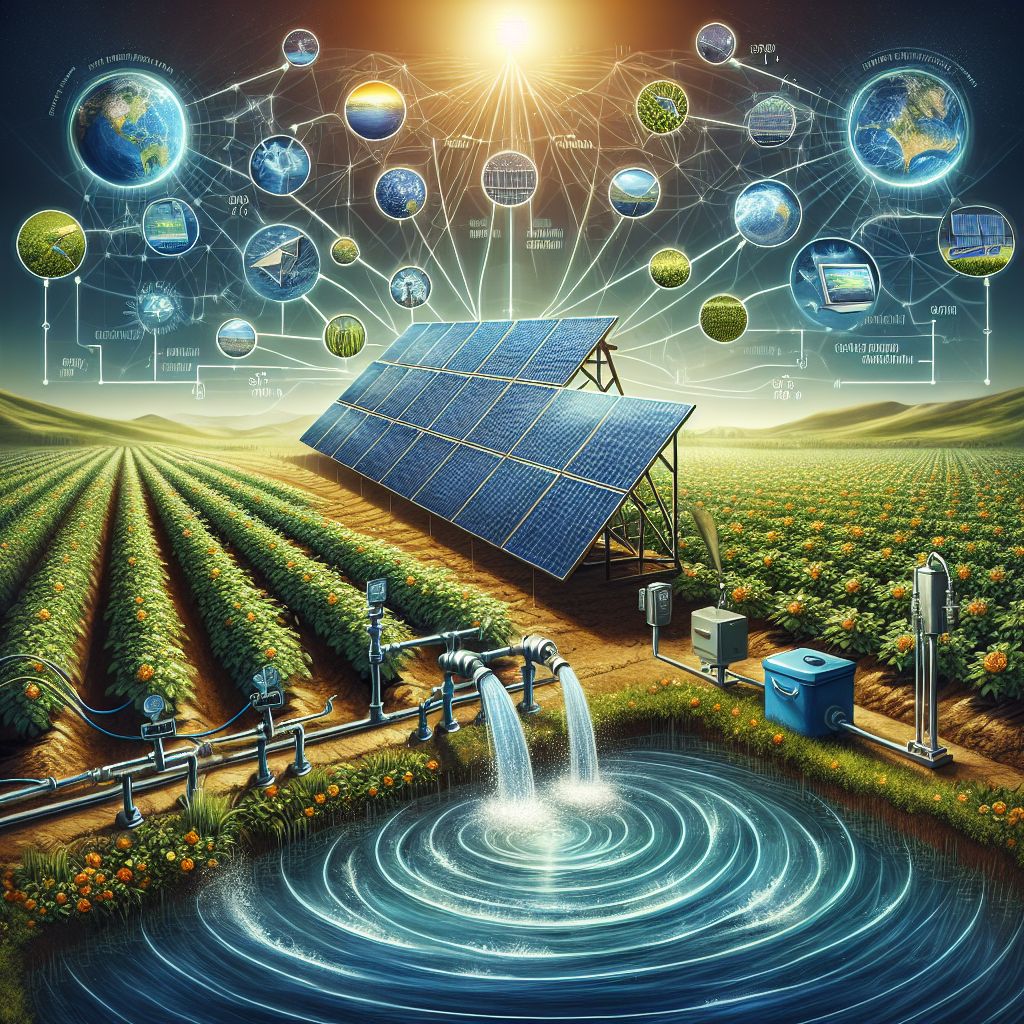
Solar-powered watering systems represent a revolutionary shift in farm irrigation practices. By harnessing the power of the sun, these systems offer a sustainable and efficient solution to the challenges faced by traditional methods.
Basics of Solar Irrigation Technology
At the heart of solar irrigation systems are solar panels, which capture sunlight and convert it into electricity. This electricity powers water pumps that draw water from sources such as wells, rivers, or reservoirs and deliver it to the fields.
These systems can be integrated with sensors and controllers to optimize water delivery based on real-time data. For example, soil moisture sensors can determine the exact water needs of crops, while weather sensors can adjust irrigation schedules based on rainfall predictions.
Most importantly, solar irrigation systems are designed to be adaptable and scalable, making them suitable for a wide range of agricultural applications. Whether you’re managing a small family farm or a large commercial operation, solar technology can help you achieve efficient and sustainable water management.
Key Components of Solar Watering Systems
Solar watering systems are composed of several essential components that work together to efficiently manage water resources. The primary component is the solar panel, which captures sunlight and converts it into electrical energy. This energy is then used to power a water pump, which draws water from a source such as a well, river, or reservoir.
In addition to solar panels and pumps, these systems often include a controller that regulates the operation of the pump based on various inputs. For instance, soil moisture sensors can provide data to the controller, allowing it to adjust the water flow according to the needs of the crops. This ensures that the right amount of water is delivered at the right time, minimizing waste and maximizing efficiency.
Here’s a table comparing the different solar panel you can use in with an Irrigation system.:
|
Solar Panel Type |
Efficiency |
Cost per Watt |
Pros |
Cons |
|---|---|---|---|---|
|
Monocrystalline |
17-22% |
$1.00 – $1.50 |
– Highest efficiency. 1, 3 |
– Most expensive option. 1, 3 |
|
Polycrystalline |
13-17% |
$0.90 – $1.20 |
– Lower cost than monocrystalline. 1, 3 |
– Slightly lower efficiency. 1, 3 |
|
Thin-Film |
10-13% |
$0.70 – $1.00 |
– Lowest cost. 1, 3 |
– Lowest efficiency. 1, 3 |
Monocrystalline panels are highly efficient and durable, making them ideal for high-performance irrigation systems that require consistent power output. Their higher cost is often offset by their superior performance in the long run 3.
Polycrystalline panels offer a good balance between cost and efficiency, making them suitable for medium-scale irrigation projects. They perform well in most conditions and are a popular choice for many agricultural applications 3.
Thin-film panels, while less efficient, are more affordable and flexible. They can be a good option for portable irrigation systems or installations where weight is a concern. Their lower efficiency means you may need more panels to achieve the same power output as crystalline options 3.
When choosing solar panels for use in Agriculture, consider factors such as the system’s power requirements, available space, budget, and local climate conditions. The right choice will depend on the specific needs of your irrigation project.
How Solar Energy Transforms Water Management
Solar energy transforms water management by providing a renewable and sustainable power source for irrigation systems. Unlike traditional methods that rely on fossil fuels, solar-powered systems harness the sun’s energy, reducing carbon emissions and promoting environmental sustainability.
Furthermore, solar energy enables precision irrigation, where water is delivered based on real-time data from sensors. This technology ensures that crops receive the exact amount of water they need, preventing overwatering or underwatering. As a result, farmers can conserve water resources, reduce costs, and improve crop health and yield.
Advantages of Solar Watering Systems
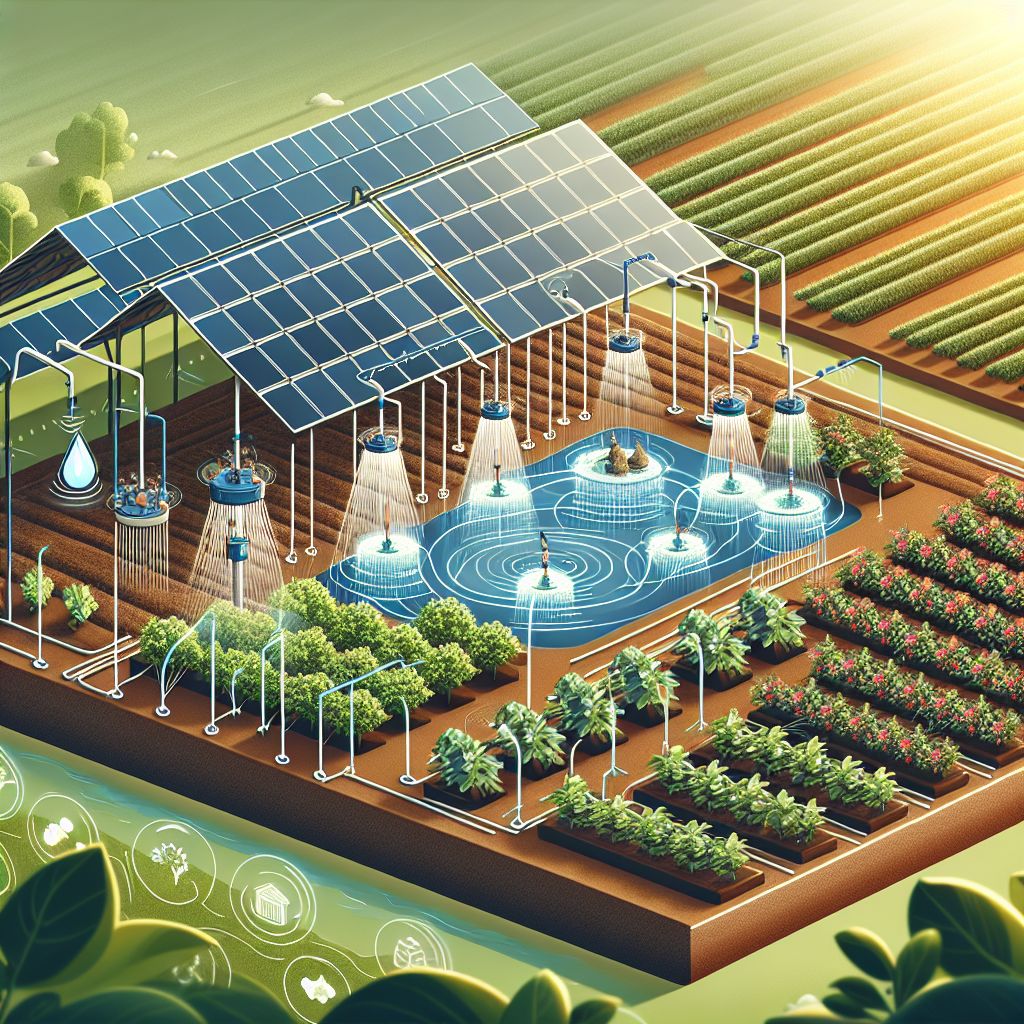
Solar watering systems offer numerous advantages over traditional irrigation methods. They provide a sustainable and eco-friendly solution to water management challenges, ensuring that farms can thrive while minimizing their environmental impact. For more on how solar technology supports smart farming and efficient solutions, visit our detailed guide.
One of the most significant advantages of solar irrigation is its ability to reduce energy costs. By using solar panels to generate electricity, farmers can eliminate their reliance on expensive fossil fuels and reduce their overall energy expenses. This cost-saving potential makes solar irrigation an attractive option for farmers looking to improve their bottom line.
Cost Efficiency Over Time
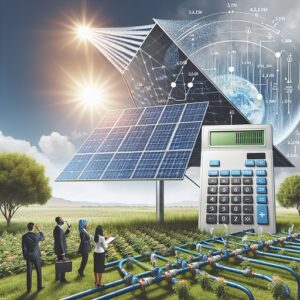
While the initial investment in solar irrigation systems may be higher than traditional systems, the long-term cost savings are substantial. Solar panels have a long lifespan and require minimal maintenance, making them a cost-effective choice for farmers.
Additionally, solar irrigation systems can help farmers save on water costs by optimizing water usage and reducing waste. By delivering water precisely where and when it’s needed, these systems ensure that every drop counts, leading to significant savings over time.
Environmental Impact and Sustainability
Solar irrigation systems contribute to environmental sustainability by reducing reliance on fossil fuels and decreasing greenhouse gas emissions. By harnessing the power of the sun, these systems promote clean energy and help combat climate change.
Moreover, solar irrigation systems support biodiversity by maintaining healthy soil and supporting diverse ecosystems. By using water efficiently, these systems help preserve natural resources and protect the environment for future generations.
Crop Health and Yield Improvements
One of the key benefits of solar irrigation systems is their ability to improve crop health and yield. By delivering water precisely where and when it’s needed, these systems ensure that crops receive the optimal amount of water for growth and development.
This precision irrigation helps prevent issues such as root rot and nutrient leaching, which can occur with overwatering. By maintaining ideal soil moisture levels, solar irrigation systems support healthy plant growth and increase overall crop yield.
Furthermore, solar irrigation systems can be integrated with other smart farming technologies, such as weather sensors and data analytics, to further enhance crop management and productivity.
Here’s a table comparing solar Irrigation systems to traditional irrigation methods, highlighting the advantages of solar technology for farmers:
|
Aspect |
Solar Irrigation |
Traditional Irrigation Methods |
|---|---|---|
|
Energy Source |
Fossil fuels or grid electricity. 2 | |
|
Cost Efficiency |
Lower long-term costs; eliminates or reduces electricity expenses. 1, 3 |
Higher ongoing costs due to fuel or electricity consumption. 2 |
|
Environmental Impact |
Higher carbon emissions, especially with diesel-powered systems. 2 | |
|
Water Efficiency |
Often less precise, leading to potential water waste | |
|
Maintenance |
Higher maintenance needs, especially for fuel-powered systems2 | |
|
Operational Reliability |
Consistent performance during daylight hours; can use batteries for nighttime operation4 |
Dependent on fuel availability or grid reliability |
|
Initial Investment |
Higher upfront costs, often offset by government incentives. 1, 3 |
Lower initial costs but higher long-term expenses |
|
Scalability |
Easily upgradable and customizable based on farm needs. 2 |
May require significant changes for scaling |
|
Remote Area Suitability |
Ideal for remote or off-grid locations. 4 |
May be challenging in areas without reliable grid access |
|
Smart Technology Integration |
Compatible with advanced sensors and automation for precise irrigation. 1, 3 |
Often lacks advanced monitoring and control features |
Key Advantages of Solar Watering Systems
- Cost Savings: Solar irrigation systems significantly reduce or eliminate energy costs associated with water management, leading to substantial long-term savings for farmers 1, 3.
- Environmental Benefits: By reducing reliance on fossil fuels, solar-powered systems help decrease carbon emissions and promote sustainable farming practices 1, 3.
- Water Conservation: Advanced sensors and smart controls in solar systems enable precise water distribution, minimizing waste and improving overall water efficiency 1, 3.
- Low Maintenance: Solar panels and electric pumps have fewer moving parts compared to traditional systems, resulting in lower maintenance requirements and costs 1, 3.
- Reliability: Solar systems provide consistent performance during daylight hours and can be coupled with battery storage for extended operation 4.
- Flexibility: Solar irrigation systems are easily scalable and can be customized to meet specific farm needs, making them suitable for various agricultural applications 2.
By adopting solar watering systems, farmers can not only reduce their operational costs but also contribute to more sustainable and environmentally friendly agricultural practices. The integration of smart technology further enhances the efficiency and precision of water management, leading to improved crop yields and resource conservation.

Case Studies: Successful Solar Farms
To understand the real-world impact of solar irrigation systems, let’s explore some successful case studies from around the world. These examples demonstrate the transformative potential of solar energy in agriculture and provide valuable insights into best practices for implementation.
In India, a country with a strong agricultural sector, solar irrigation systems have been widely adopted to address water scarcity and energy challenges. Farmers in regions such as Punjab and Gujarat have successfully implemented solar-powered pumps, leading to increased crop yields and reduced energy costs.
Examples from Around the World
In Africa, solar irrigation has proven to be a game-changer for smallholder farmers. In Kenya, for instance, the adoption of solar-powered water pumps has enabled farmers to irrigate their fields more efficiently, resulting in higher crop yields and improved food security.
Similarly, in Australia, solar irrigation systems have been embraced as a sustainable solution to water management challenges in the country’s arid regions. By using solar energy to power water pumps, Australian farmers have been able to reduce their reliance on non-renewable energy sources and promote environmental sustainability.
Lessons Learned and Best Practices
From these case studies, several lessons and best practices can be gleaned. First, it’s essential to assess the specific water needs of your crops and choose a solar irrigation system that meets those requirements. Consider factors such as the size of your farm, the type of crops you’re growing, and the availability of water sources.
Second, take advantage of government incentives and subsidies to offset the initial costs of implementing solar irrigation systems. Many governments offer financial support to encourage the adoption of renewable energy technologies in agriculture.
Finally, ensure that your solar irrigation system is properly maintained to maximize its efficiency and lifespan. Regularly check the condition of your solar panels, pumps, and sensors to ensure optimal performance and avoid any disruptions to your irrigation schedule.
Conclusion on the Future of Solar Watering Systems
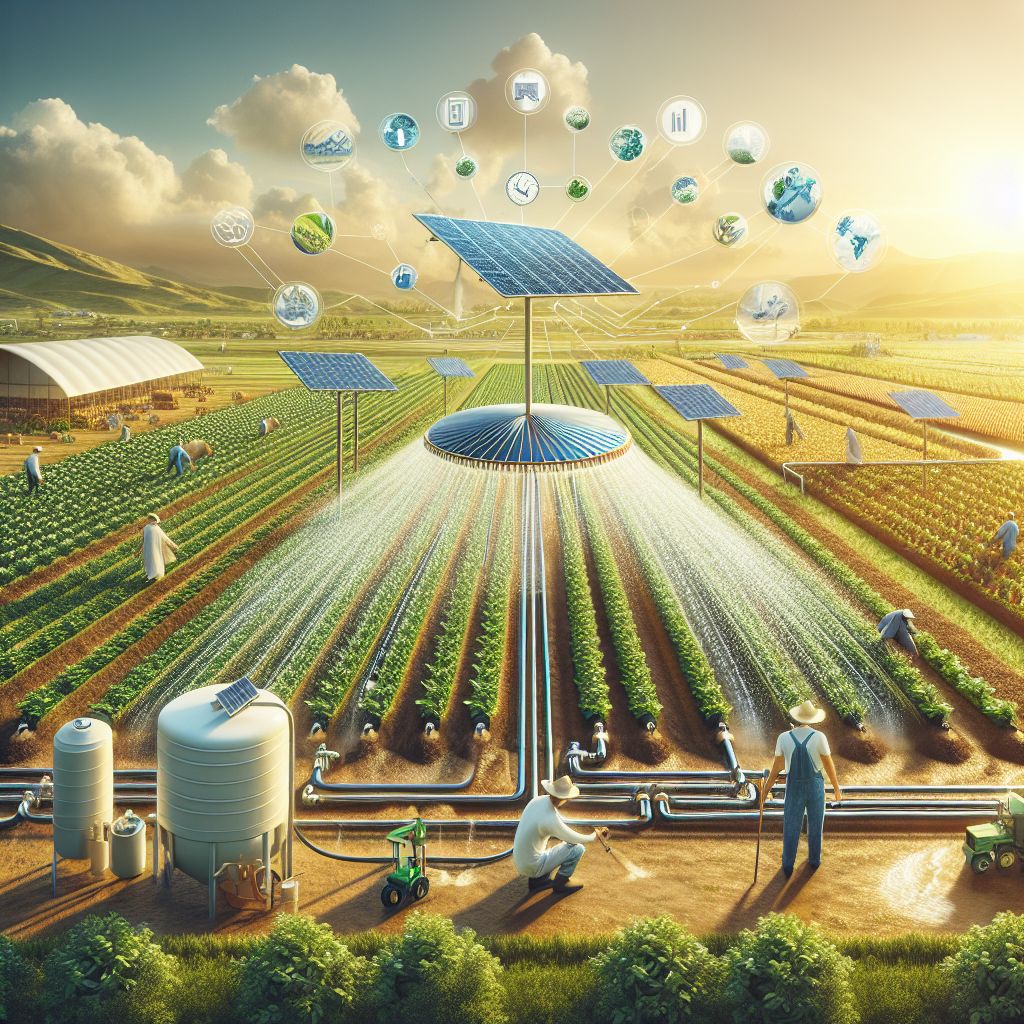
Solar watering systems represent a significant leap forward in sustainable agriculture. By leveraging the power of the sun, these systems provide an eco-friendly and cost-effective solution to the challenges of traditional irrigation methods. As more farmers adopt solar technology, the benefits extend beyond individual farms to the broader agricultural sector and the environment. For more insights on overcoming challenges, explore solar irrigation system challenges and solutions.
Long-Term Impact on Global Agriculture
The long-term impact of solar watering systems on global agriculture is profound. As the demand for food increases with a growing population, efficient and sustainable irrigation practices are crucial. Solar-powered systems offer a reliable and renewable energy source, reducing dependency on fossil fuels and minimizing carbon emissions.
Moreover, by optimizing water usage, solar irrigation systems help conserve vital water resources, ensuring their availability for future generations. This approach supports sustainable farming practices, contributing to food security and environmental conservation worldwide.
Is Solar Power a Good Investment for Farmers
Investing in solar power is a smart choice for farmers seeking to enhance their irrigation practices. While the initial costs may be higher than traditional systems, the long-term savings on energy and water expenses make it a financially sound decision. Additionally, solar technology is becoming more affordable, and government incentives can further reduce the upfront investment.
Farmers who adopt solar irrigation systems benefit from increased crop yields and improved efficiency, ultimately boosting their profitability. As solar technology continues to advance, the potential for even greater savings and sustainability grows, making it an attractive investment for the future.
Frequently Asked Questions
To help you better understand the benefits and considerations of solar irrigation systems, here are some frequently asked questions:
How does solar-powered irrigation work?
Solar-powered irrigation systems use solar panels to convert sunlight into electricity, which powers water pumps. These pumps draw water from sources like wells or rivers and deliver it to fields. Sensors and controllers optimize water delivery based on real-time data, ensuring efficient and precise irrigation. Learn more about the benefits of solar-powered irrigation systems.
What are the initial costs compared to traditional systems?
The initial costs of solar irrigation systems are generally higher than traditional systems due to the investment in solar panels and related technology. However, these costs are offset by long-term savings on energy and water expenses. Additionally, government incentives can help reduce the upfront investment.
Compared to traditional systems, solar irrigation offers significant cost savings over time, making it a worthwhile investment for farmers focused on sustainability and efficiency.
Are there government incentives for using a solar irrigation system?
Yes, many governments offer incentives and subsidies to encourage the adoption of solar-powered irrigation systems. These incentives can include tax credits, grants, and low-interest loans, helping to offset the initial costs and making solar technology more accessible to farmers.
Can solar irrigation systems be used for all types of farms?
Solar irrigation systems are versatile and can be used for a wide range of farms, from small family operations to large commercial enterprises. The scalability of solar technology allows it to be tailored to the specific needs and size of the farm, ensuring efficient water management for various crops and conditions.
What maintenance is required for solar irrigation systems?
Solar irrigation systems require minimal maintenance compared to traditional systems. Regularly cleaning solar panels to remove dust and debris ensures optimal energy conversion. Additionally, checking the condition of pumps, sensors, and controllers helps maintain system efficiency and prevent disruptions.

Leave a Reply