

Key Takeaways: Solar Panels and Sustainable Irrigation
- Solar-powered irrigation significantly reduces energy costs by cutting reliance on traditional electricity sources.
- These systems are environmentally friendly, reducing carbon footprints and utilizing renewable energy.
- Solar irrigation improves water management, ensuring efficient water usage and distribution.
- Key components include solar panels, pumps, and controllers that work together to optimize irrigation.
- Proper design and implementation are crucial for maximizing the benefits of solar-powered irrigation systems.
Solar Panels Transforming Irrigation System Efficiency
Solar panels have become a game-changer in the realm of agriculture, particularly in the design and efficiency of irrigation systems. By harnessing the power of the sun, farmers can now irrigate their fields without the hefty energy bills associated with traditional methods. This transformation is not just about cost savings; it’s about creating a sustainable future for farming.
The Need for Modern Irrigation Solutions
Modern agriculture faces a myriad of challenges, from unpredictable weather patterns to rising energy costs. Farmers need reliable and efficient irrigation solutions to ensure crop productivity and sustainability. Traditional irrigation methods often rely on electricity or diesel, both of which are costly and have a significant environmental impact. Therefore, there’s an urgent need to adopt more sustainable practices.
“In many regions, farmers are turning to solar-powered irrigation systems to address these challenges. By using renewable energy, they are able to cut costs and reduce their environmental footprint significantly.”
Solar-powered irrigation systems offer a promising solution. They not only reduce energy costs but also provide a reliable water supply, even in remote areas where electricity access is limited. This makes them an ideal choice for modernizing irrigation practices.
How Solar Power Enhances Farm Operations
Solar power enhances farm operations in several ways. Firstly, it provides a consistent and reliable source of energy. Unlike traditional power sources, solar energy is abundant and available during peak irrigation times. This ensures that crops receive the water they need, precisely when they need it.
“Farmers using solar-powered irrigation systems have reported increased crop yields and improved water efficiency. This is largely due to the ability to irrigate more consistently and precisely.”
Moreover, solar power reduces operational costs. By eliminating or reducing the need for grid electricity or diesel, farmers can significantly cut their energy expenses. Over time, these savings can be substantial, making solar-powered irrigation systems a smart investment for any farm.
Irrigation Systems Powered by Solar: An Overview
At the heart of a solar-powered irrigation system are the solar panels, which capture sunlight and convert it into electricity. This electricity powers the irrigation pumps, which draw water from sources like wells, rivers, or reservoirs. The water is then distributed across the fields through a network of pipes and sprinklers. For more information on how advanced technology can enhance these systems, explore how advanced controllers and sensors boost solar irrigation system efficiency.
These systems can be tailored to fit the specific needs of a farm. Whether it’s a small-scale operation or a large commercial farm, solar-powered irrigation systems can be customized to deliver the right amount of water at the right time. This flexibility is one of the key advantages of using solar energy for irrigation.

Advantages of Solar-Powered Irrigation Systems
Reduction in Energy Costs
One of the most compelling advantages of solar-powered irrigation is the reduction in energy costs. Traditional irrigation systems can be energy-intensive, leading to high electricity bills. Solar panels, on the other hand, provide a free and renewable energy source. Once the initial investment in the solar system is made, the ongoing energy costs are minimal.
Farmers can expect to see significant savings on their energy bills, making solar-powered irrigation a cost-effective solution in the long run. This financial benefit is particularly important for small-scale farmers who operate on tight budgets.
Steps in System Integration
Integrating solar panels into an existing irrigation system involves several key steps. First, assess your farm’s current energy and water needs. This assessment helps determine the size and capacity of the solar system required. Next, consult with solar and irrigation experts to design a system that meets your specific requirements. This design phase is crucial for ensuring that all components work seamlessly together.
After the design is finalized, the installation phase begins. This involves setting up the solar panels in an optimal location to capture maximum sunlight. The panels are then connected to the irrigation pumps and control systems. Finally, the entire system is tested to ensure everything operates smoothly. Proper integration not only maximizes efficiency but also prolongs the lifespan of the equipment.
Considerations for Future Expansion
When designing a solar-powered irrigation system, it’s essential to consider future expansion. As your farm grows, your energy and water needs may increase. Therefore, plan for scalability by selecting components that can be easily upgraded or expanded.
Consider the potential for adding more solar panels or upgrading pumps to handle increased capacity. This foresight ensures that your system remains effective and efficient as your farm evolves. Additionally, keeping an eye on technological advancements can provide opportunities for incorporating new innovations into your system, such as a solar sprinkler irrigation system.

Implementation Challenges and Solutions
While solar-powered irrigation systems offer numerous benefits, they also come with certain challenges. Understanding these challenges and their solutions is crucial for successful implementation.
Addressing Weather Dependency
One of the primary challenges of solar-powered irrigation is weather dependency. Cloudy days or extended periods of rain can reduce the efficiency of solar panels. However, there are ways to mitigate this issue:
- Install battery storage systems to store excess energy generated on sunny days for use during cloudy periods.
- Integrate backup power sources, such as grid electricity or diesel generators, for emergencies.
- Utilize advanced weather forecasting tools to plan irrigation schedules around expected sunlight availability.
By implementing these solutions, farmers can ensure a consistent water supply, regardless of weather conditions. For a deeper understanding, explore more about solar-powered irrigation systems.
Optimizing Space Usage for Solar Panels
Finding adequate space for solar panels can be a challenge, especially on smaller farms. It’s important to optimize the available space to maximize solar energy capture. Consider installing panels on rooftops or utilizing dual-purpose structures, such as solar canopies, which provide shade for crops while generating energy.
Another innovative approach is the use of floating solar panels on water bodies like ponds or reservoirs. This method not only saves space but also helps reduce water evaporation. By thinking creatively about space usage, farmers can overcome spatial limitations and make the most of their solar investments.
Handling Initial Investment Costs
The initial investment required for solar-powered irrigation systems can be a significant barrier for some farmers. However, it’s important to view this investment as a long-term cost-saving measure. Many governments offer subsidies, grants, or low-interest loans to support the adoption of renewable energy in agriculture.
Research available financial incentives in your region and consider the long-term savings on energy costs. Additionally, explore options for phased implementation, where the system is installed in stages as funds become available. By carefully planning and leveraging available resources, farmers can overcome the hurdle of initial investment costs. For a deeper understanding, explore how solar batteries economically and financially help farmers with their bottom line.
Solar-powered irrigation systems offer significant benefits for agriculture, but they also face several challenges. Here’s a chart discussing more of these challenges and potential solutions:
|
Challenge |
Description |
Solution |
|---|---|---|
|
Initial Costs |
High upfront investment for solar panels and irrigation systems. 2, 5 |
Grants, low-interest loans, tax incentives; phased implementation. 2 |
|
Technical Expertise |
Specialized knowledge required for installation and maintenance. 2 |
Comprehensive installation and maintenance services; training programs for farm staff. 2 |
|
Weather Dependence |
Reduced power generation on cloudy days or at night. 2 |
Water storage systems; hybrid systems with grid power backup; battery storage. 2 |
|
Land Use |
Ground-mounted solar arrays may reduce farmland availability. 2 |
Rooftop installations; solar canopies; agrivoltaic systems. 2 |
|
Grid Integration |
Local power grids may not handle large amounts of solar power feed-in. 2 |
Collaborate with utilities for infrastructure upgrades; consider off-grid systems. 2 |
|
Water Resource Management |
Risk of overexploitation and depletion of water resources. 6 |
Couple SPIS with efficient irrigation methods; implement water resource assessments and planning. 6 |
|
Maintenance and Support |
Limited technical expertise for optimal system performance. 4 |
Establish training programs, local service centers, and partnerships with technical experts. 4 |
|
Awareness and Prioritization |
Limited knowledge about solar technology benefits in rural areas. 9 |
Increase local-level awareness; demonstrate multiple uses and business cases. 9 |
|
Availability of Technology |
Limited access to solar technology in remote areas. 9 |
Engage private sector; develop viable business models for remote areas. 9 |
|
Capacity Building |
Lack of technical and financial capacity among local organizations. 9 |
Involve cooperatives and micro-finance institutions; provide capacity-building support. 9 |
This chart outlines the major challenges faced by solar-powered irrigation systems and provides potential solutions to address each issue. Implementing these solutions can help maximize the benefits of solar irrigation while mitigating associated risks.
Case Studies: Successful Solar Irrigation Systems
Examining real-world examples of successful solar irrigation systems can provide valuable insights and inspiration for farmers considering this technology.
Innovative Solutions in Arid Regions
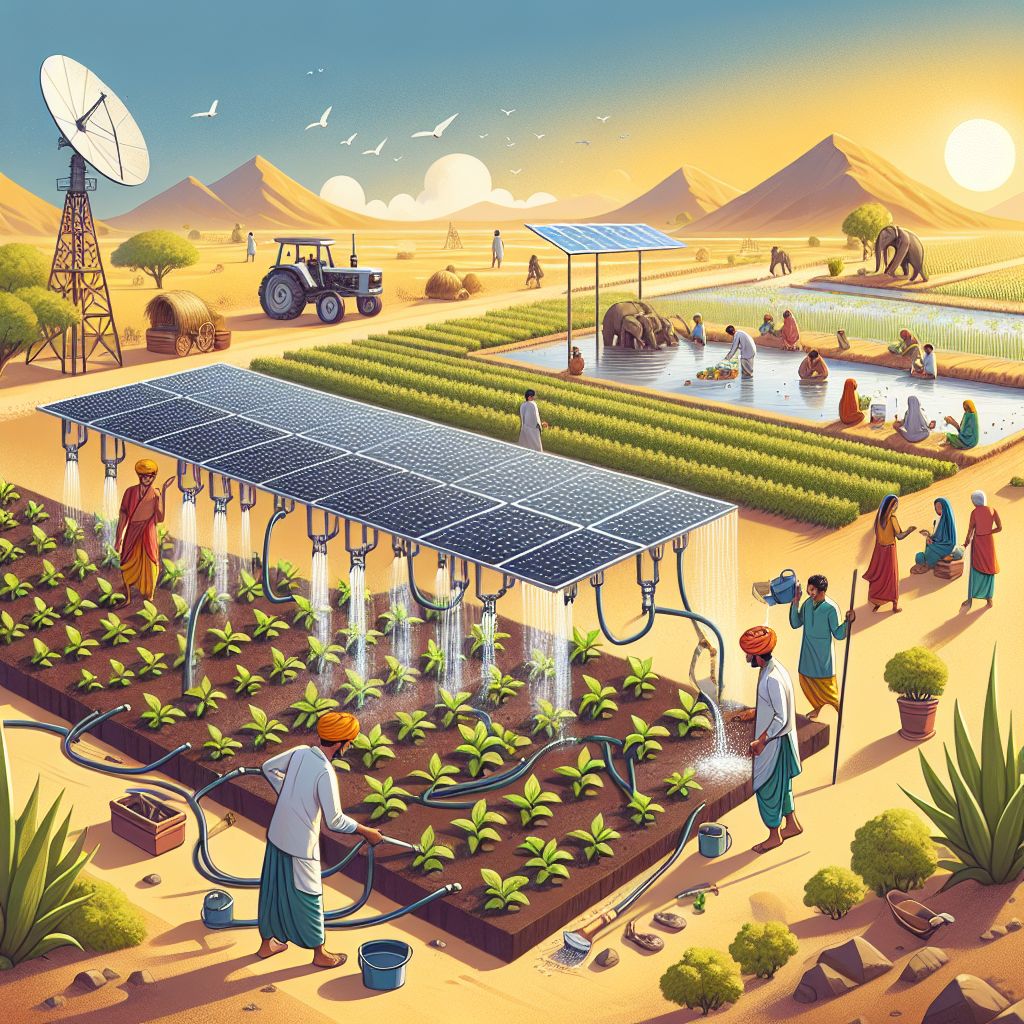
In arid regions, where water scarcity is a significant challenge, solar-powered irrigation systems have proven to be a lifeline for farmers. For instance, in Rajasthan, India, farmers have adopted solar-powered drip irrigation systems to combat water shortages and increase crop yields.
These systems efficiently deliver water directly to the plant roots, minimizing evaporation and maximizing water use. As a result, farmers have reported higher yields and improved crop quality. For more information on how solar power can enhance these systems, check out this solar power irrigation system.
- Increased water efficiency by up to 60%.
- Reduction in energy costs by 30%.
- Improved crop yields and quality.
These successes highlight the potential of solar-powered irrigation to transform agriculture in water-scarce regions.
Lessons Learned from Early Adopters
Farmers who have adopted solar-powered irrigation systems early on have learned valuable lessons that can benefit others. One key takeaway is the importance of regular maintenance to ensure optimal performance. Routine checks and cleaning of solar panels can prevent dust and debris from reducing efficiency.
Additionally, early adopters emphasize the value of community collaboration. Sharing experiences and knowledge with neighboring farmers can lead to collective problem-solving and innovation. By learning from those who have paved the way, new adopters can avoid common pitfalls and maximize the benefits of solar-powered irrigation.
Future Trends in Solar Irrigation Technology
As technology continues to evolve, new trends in solar irrigation are emerging that promise to enhance efficiency and sustainability even further.
Advancements in Energy Storage Solutions
One of the most exciting developments is in energy storage solutions. Improved battery technologies are enabling longer storage of solar energy, making it possible to use stored power during nighttime or cloudy periods. This advancement addresses one of the main limitations of solar power, providing more consistent energy availability.
Moreover, innovations in battery design are leading to more affordable and durable storage options, making them accessible to a wider range of farmers. These advancements are paving the way for more reliable and efficient solar-powered irrigation systems.
Potential for Floating Solar Panels
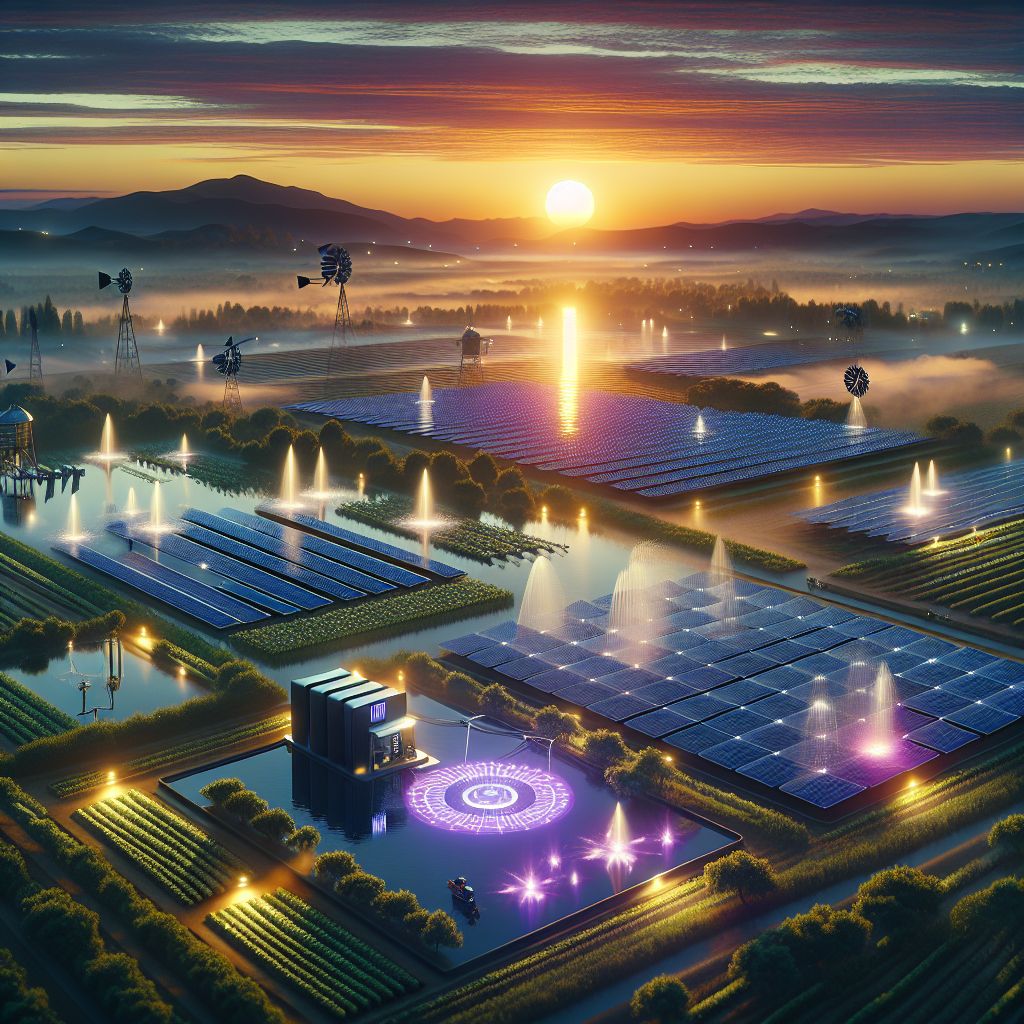
Floating solar panels are an innovative solution gaining traction in the agricultural sector. These panels are installed on water bodies like ponds or reservoirs, maximizing space utilization and providing additional benefits. By floating on water, they help reduce evaporation, which is crucial in arid regions where water conservation is a priority.
Moreover, floating solar panels can be more efficient than land-based ones. The water beneath helps cool the panels, improving their performance and extending their lifespan. This technology offers a dual advantage of energy generation and water conservation, making it an attractive option for farms with limited land space.
Integrating AI in Irrigation Systems
Artificial Intelligence (AI) is transforming the way farmers manage their irrigation systems. By integrating AI, farmers can optimize water usage, improve crop yields, and reduce waste. AI systems can analyze data from various sources, such as weather forecasts, soil moisture levels, and crop growth stages, to determine the optimal irrigation schedule.
For instance, AI can predict the best times to irrigate based on upcoming weather patterns, ensuring that water is used efficiently and effectively. This technology also allows for real-time monitoring and adjustments, providing farmers with precise control over their irrigation processes. As AI continues to evolve, its integration with solar-powered irrigation systems promises to revolutionize agriculture.

Conclusion: A Sunnier Future in Agriculture
The integration of solar panels into irrigation systems marks a significant step forward in sustainable agriculture. By harnessing renewable energy, farmers can reduce their carbon footprint, lower energy costs, and ensure a reliable water supply for their crops. As technology continues to advance, the potential for solar-powered irrigation systems to transform agriculture becomes even more promising.
Are Solar Panels Worth the Investment for Farmers?
Absolutely. While the initial investment may seem daunting, the long-term benefits of solar-powered irrigation systems make them a worthwhile investment for farmers. Not only do they offer significant cost savings on energy bills, but they also contribute to environmental sustainability. With government incentives and advancements in technology, the barriers to adopting solar irrigation systems are steadily decreasing.
FAQs
Let’s address some common questions about solar-powered irrigation systems:
How do solar panels reduce energy costs for farmers?
Solar panels provide a free and renewable energy source, eliminating the need for grid electricity or diesel. Once installed, the ongoing energy costs are minimal, leading to significant savings on energy bills over time. Additionally, solar batteries can further enhance farm efficiency and productivity.
What are the cost benefits of using solar panels in irrigation?
By reducing reliance on traditional energy sources, farmers can cut their energy expenses significantly. Solar-powered irrigation systems also offer long-term savings, as the cost of solar technology continues to decrease.
Are there any limitations to solar-powered irrigation systems?
While solar-powered irrigation systems offer many benefits, they are dependent on sunlight availability. Cloudy days or extended periods of rain can reduce their efficiency. However, advancements in energy storage and backup systems are helping to mitigate this limitation.
What is the lifespan of solar irrigation systems?
Solar panels typically have a lifespan of 25-30 years, with minimal maintenance required. The other components, such as pumps and controllers, may need occasional servicing but are generally designed for durability and longevity.
Are there government subsidies for purchasing solar panels for an irrigation system?
Many governments offer subsidies, grants, or low-interest loans to encourage the adoption of renewable energy in agriculture. Farmers should research available incentives in their region to help offset the initial investment costs.
How do I determine the best solar panel setup for my farm?
Assess your farm’s energy and water needs, and consult with solar and irrigation experts to design a system tailored to your specific requirements. Consider factors such as available space, sunlight exposure, and future expansion plans to ensure the most efficient setup.







Leave a Reply