
Key Takeaways
- Advanced controllers and sensors in solar irrigation systems can significantly reduce water usage by up to 30%.
- Integrating solar panels with irrigation systems can cut electricity costs by nearly 50%.
- Using soil moisture sensors ensures crops receive the precise amount of water needed, improving yield.
- Weather sensors help adjust irrigation schedules based on real-time conditions, enhancing efficiency.
- Investing in advanced solar irrigation technology can lead to long-term savings and environmental benefits.
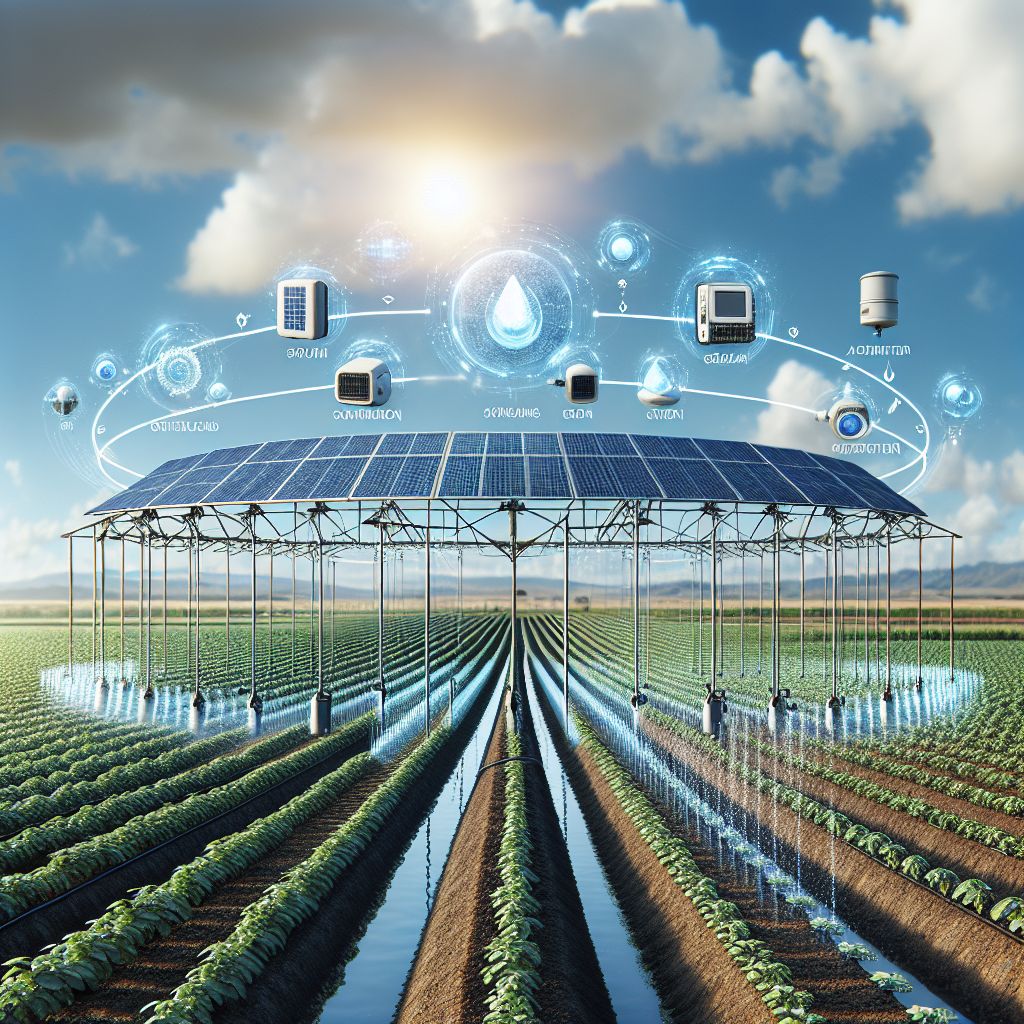
Solar irrigation is revolutionizing the way we approach agriculture, combining the power of the sun with cutting-edge technology to maximize efficiency. This system not only saves water but also reduces costs, ensuring that our planet’s resources are used wisely. Let’s dive into why advanced controllers and sensors are game-changers in solar irrigation.
Why Advanced Controllers and Sensors Matter in Solar Irrigation
In the world of agriculture, water is a precious resource. With the growing challenges of climate change and water scarcity, it’s crucial to adopt technologies that conserve water while maintaining crop productivity. This is where advanced controllers and sensors come into play.
Critical Role of Technology in Water Conservation
Advanced controllers and sensors offer precise control over irrigation schedules, ensuring that water is used efficiently. By monitoring soil moisture and weather conditions, these systems can determine the exact amount of water needed at any given time. This precision not only conserves water but also promotes healthier crop growth.
Increasing Crop Yield Through Precision
Precision is key when it comes to maximizing crop yield. By using advanced sensors, farmers can ensure that each plant receives the right amount of water, leading to more consistent growth and higher yields. For instance, soil moisture sensors provide real-time data, allowing the system to adjust watering schedules as needed.
“With soil moisture sensors, farmers have reported up to a 20% increase in crop yield due to precise watering.” – Agriculture Today
Besides that, weather sensors can adapt irrigation schedules based on current and forecasted weather conditions. This adaptability is crucial for maintaining optimal growing conditions, regardless of the weather.
Reduction of Operational Costs
One of the most significant benefits of integrating advanced technology into solar irrigation systems is the reduction in operational costs. Solar panels provide a renewable energy source that powers the irrigation system, cutting down on electricity expenses. Furthermore, the efficiency gained from precise water usage translates to savings on water bills.
Therefore, while the initial investment in advanced controllers and sensors might seem high, the long-term savings and increased productivity make it a worthwhile endeavor for any farmer.
The Technology Behind Advanced Controllers
Understanding the technology behind these advanced systems is essential for anyone looking to improve their solar irrigation efficiency. Controllers and sensors are the backbone of these systems, working together to optimize water usage and energy efficiency.
Understanding Controller Types: Climate vs. Soil Moisture
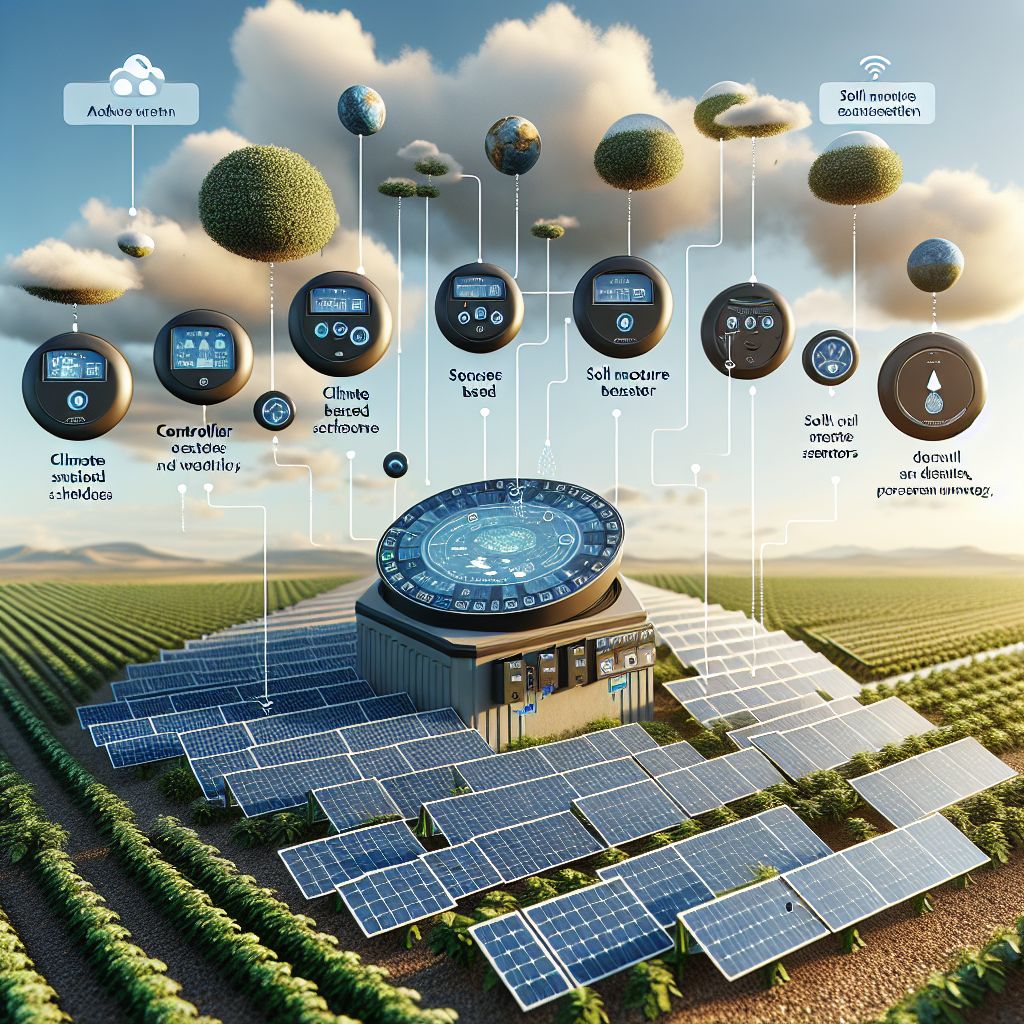
There are primarily two types of controllers used in solar irrigation systems: climate-based and soil moisture-based controllers. Climate-based controllers adjust irrigation schedules based on weather data, while soil moisture-based controllers rely on data from soil moisture sensors to determine watering needs.
“Climate-based controllers can reduce water usage by up to 15% by adjusting schedules according to real-time weather data.” – Smart Farming Journal
Each type of controller offers unique benefits, and the choice depends on the specific needs of the farm and the crops being grown.
How Controllers Manage Efficient Water Scheduling
Controllers play a crucial role in managing efficient water scheduling. They receive data from sensors and use algorithms to determine the optimal irrigation schedule. This ensures that water is used only when necessary, reducing waste and promoting sustainability.
Integrating these controllers with solar panels further enhances their efficiency, as the energy required for operation is generated from a renewable source.
Integrating Controllers with Solar Panels
Integrating controllers with solar panels is a smart move for anyone looking to enhance the efficiency of their irrigation system. Solar panels provide a renewable energy source, reducing reliance on traditional electricity. This integration not only cuts costs but also aligns with sustainable farming practices.
By using solar energy to power irrigation systems, farmers can significantly lower their carbon footprint. Solar panels harness the sun’s energy, converting it into electricity that powers the controllers and sensors. This sustainable approach ensures that the irrigation system runs smoothly, even in remote areas without access to the power grid.
Different Types of Sensors and Their Functions
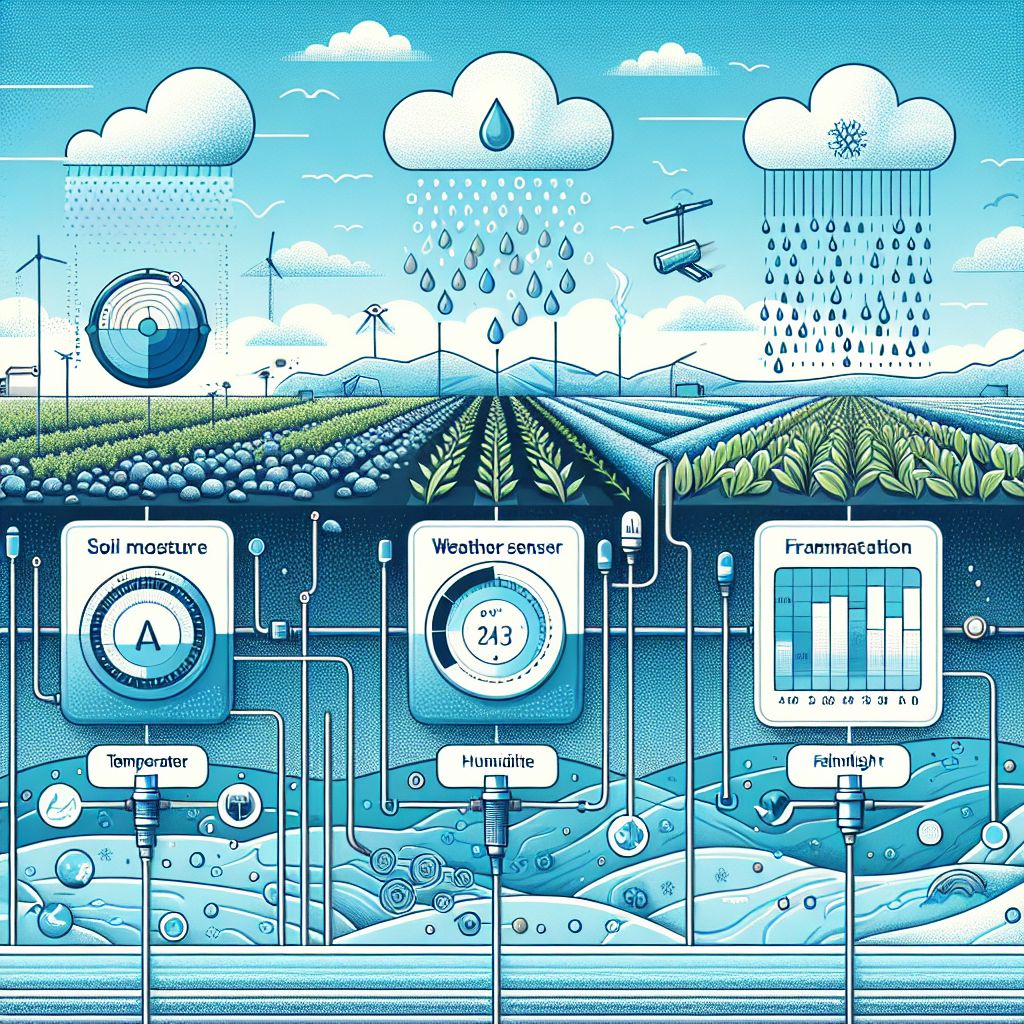
Sensors are critical components of any advanced irrigation system. They provide the data needed to make informed decisions about water usage, ensuring that every drop counts. For more insights, check out this article on revolutionizing watering practices with solar energy. Let’s explore the different types of sensors and their specific functions.
Soil Moisture Sensors: Accurate Watering Levels
Soil moisture sensors are the backbone of precision irrigation. These sensors measure the water content in the soil, providing real-time data that helps determine when and how much to water. By ensuring that plants receive the right amount of water, soil moisture sensors prevent overwatering and underwatering, both of which can harm crops. For more insights, explore the impact of solar irrigation on farm efficiency.
Using soil moisture sensors, farmers can optimize water usage, leading to healthier plants and increased yields. This precision is especially important in areas prone to drought, where water conservation is crucial.
Weather Sensors: Adapting to Changing Conditions
Weather sensors are another vital component of advanced irrigation systems. They monitor environmental conditions such as temperature, humidity, and rainfall. By collecting this data, weather sensors help adjust irrigation schedules based on current and forecasted weather patterns.
This adaptability is key to maintaining optimal growing conditions. For instance, if rain is expected, the system can reduce or delay watering, conserving water and preventing runoff. To learn more about how solar energy is revolutionizing agriculture, visit our article on revolutionizing watering practices with solar energy.
Flow Meters: Monitoring Water Usage
Flow meters are essential for tracking water usage in an irrigation system. They measure the volume of water flowing through the system, providing valuable data on consumption patterns. This information is crucial for identifying inefficiencies and making adjustments to improve overall system performance.
By monitoring water usage, flow meters help farmers identify leaks or other issues that could lead to water waste. This proactive approach ensures that the irrigation system operates at peak efficiency, saving both water and money.

Integration of Sensors and Controllers in Solar Systems
Integrating sensors and controllers in solar irrigation systems is a powerful way to enhance efficiency and sustainability. This integration allows for real-time data collection and analysis, enabling precise control over water usage and energy consumption.
The combination of solar power, advanced controllers, and sensors creates a smart irrigation system that maximizes resource efficiency. By harnessing the power of the sun and leveraging cutting-edge technology, farmers can optimize their irrigation practices and reduce their environmental impact.
Moreover, this integration supports the adoption of precision agriculture, which focuses on using data-driven insights to make informed decisions. By collecting and analyzing data from sensors, farmers can tailor their irrigation practices to meet the specific needs of their crops and the environment.
Advanced controllers and sensors play a crucial role in enhancing the efficiency of solar irrigation systems. Here’s a table discussing how these technologies boost system efficiency:
|
Feature |
Description |
Efficiency Boost |
|---|---|---|
|
Weather-based control |
Controllers use real-time weather data to adjust irrigation schedules. 3 |
Reduces water waste by preventing irrigation during rainfall or high humidity conditions. 3 |
|
Soil moisture sensing |
Sensors monitor soil moisture levels to determine watering needs. 1 |
Optimizes water usage by irrigating only when necessary, preventing over-watering. 1 |
|
Evapotranspiration (ET) calculation |
Controllers calculate ET rates to determine plant water requirements. 3 |
Ensures plants receive the right amount of water based on environmental conditions, improving crop health. 3 |
|
Remote accessibility |
Allows farmers to monitor and control irrigation systems from anywhere. 4 |
Enables quick adjustments to irrigation schedules, reducing response time to changing conditions. 4 |
|
Solar power integration |
Controllers and sensors operate on renewable solar energy. 4 |
Reduces reliance on grid electricity, lowering operational costs and environmental impact. 4 |
|
Automated scheduling |
Controllers create optimized irrigation schedules based on multiple factors. 1 |
Improves water efficiency by delivering precise amounts of water at ideal times. 1 |
|
Real-time monitoring |
Sensors continuously track various parameters like temperature and solar radiation1. |
Allows for immediate system adjustments, maximizing water use efficiency1. |
|
Smart water distribution |
Advanced controllers calculate precise water needs for each crop or zone. 1 |
Minimizes water waste by delivering only the required amount to each area. 1 |
This table highlights how advanced controllers and sensors work together to significantly improve the efficiency of solar irrigation systems, leading to water conservation, cost savings, and improved crop health. 1, 3, 4
Optimizing System Efficiency Through Data Collection
Data collection is at the heart of optimizing irrigation system efficiency. By gathering data from sensors, farmers can gain insights into soil moisture levels, weather conditions, and water usage. This information is invaluable for making informed decisions about irrigation practices.
Advanced controllers use this data to adjust watering schedules, ensuring that plants receive the right amount of water at the right time. This precision reduces waste and promotes sustainability, ultimately leading to healthier crops and higher yields. To learn more about the technology behind these systems, you can explore smart irrigation technology.
Real-time Adjustments for Maximum Yield
One of the key benefits of integrating sensors and controllers in solar irrigation systems is the ability to make real-time adjustments. By continuously monitoring conditions, these systems can adapt to changes and optimize water usage for maximum yield.
For example, if soil moisture levels drop below a certain threshold, the system can automatically increase watering to prevent stress on the plants. Conversely, if rain is expected, the system can reduce or delay watering to conserve water.
Case Studies on Improved Water Usage
Several case studies have demonstrated the benefits of integrating advanced controllers and sensors in solar irrigation systems. In one study, a farm in California reduced water usage by 25% while increasing crop yield by 15% through the use of soil moisture sensors and weather-based controllers.
Another example comes from a vineyard in Australia, where the integration of solar panels and advanced irrigation technology led to a 40% reduction in electricity costs and a 20% increase in grape production. These results highlight the potential of advanced solar irrigation systems to improve efficiency and sustainability.
These case studies underscore the importance of investing in advanced technology to optimize irrigation practices. By harnessing the power of the sun and leveraging data-driven insights, farmers can achieve significant savings and enhance their productivity.
Long-term Benefits of Advanced Solar Irrigation Systems
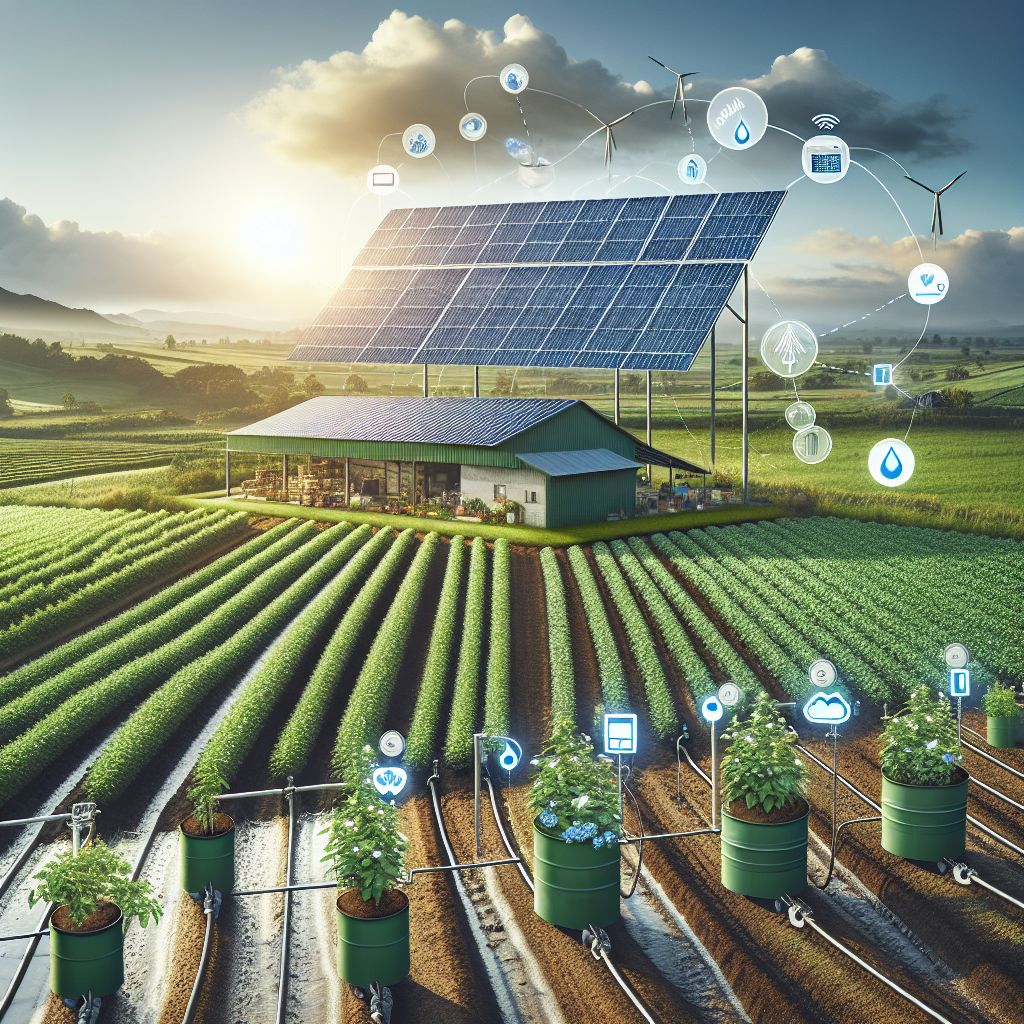
Advanced solar irrigation systems offer a multitude of long-term benefits that make them an attractive investment for farmers and landscapers. These systems combine renewable energy with precision technology to create a sustainable solution for modern agriculture.
By integrating solar panels, advanced controllers, and sensors, these systems optimize water usage and reduce reliance on traditional energy sources. This not only leads to cost savings but also supports environmental conservation efforts.
- Reduced water and energy costs due to efficient resource management.
- Improved crop yields and quality through precision irrigation.
- Enhanced sustainability by reducing carbon footprint and water waste.
- Long-term savings from decreased operational expenses.
- Increased resilience to climate change and water scarcity.
The benefits of advanced solar irrigation systems extend beyond the farm, contributing to a more sustainable and resilient agricultural sector. By embracing this technology, farmers can ensure their operations remain profitable and environmentally friendly.
Sustainability and Environmental Impact
One of the most significant advantages of advanced solar irrigation systems is their positive impact on sustainability and the environment. By using solar energy to power irrigation, these systems reduce greenhouse gas emissions and reliance on fossil fuels.
Moreover, the precision offered by advanced controllers and sensors minimizes water waste, ensuring that this precious resource is used efficiently. This conservation of water and energy aligns with global efforts to combat climate change and preserve natural resources.
Economic Advantages for Farmers and Landscapers
Investing in advanced solar irrigation systems provides substantial economic benefits for farmers and landscapers. The initial investment may be higher than traditional systems, but the long-term savings on water and energy costs make it a financially sound decision.
By optimizing resource usage, these systems reduce operational expenses and increase profitability. Additionally, the improved crop yields and quality associated with precision irrigation can lead to higher revenues and market competitiveness.
Future Innovations in Solar Irrigation Technology
The future of solar irrigation technology is promising, with ongoing innovations aimed at enhancing efficiency and sustainability. Researchers are exploring new sensor technologies, advanced data analytics, and integration with smart farming systems to further optimize resource usage.
These advancements hold the potential to revolutionize agriculture, making it more resilient to climate change and resource constraints. By staying informed about these developments, farmers can continue to improve their practices and ensure long-term success.
Conclusion:
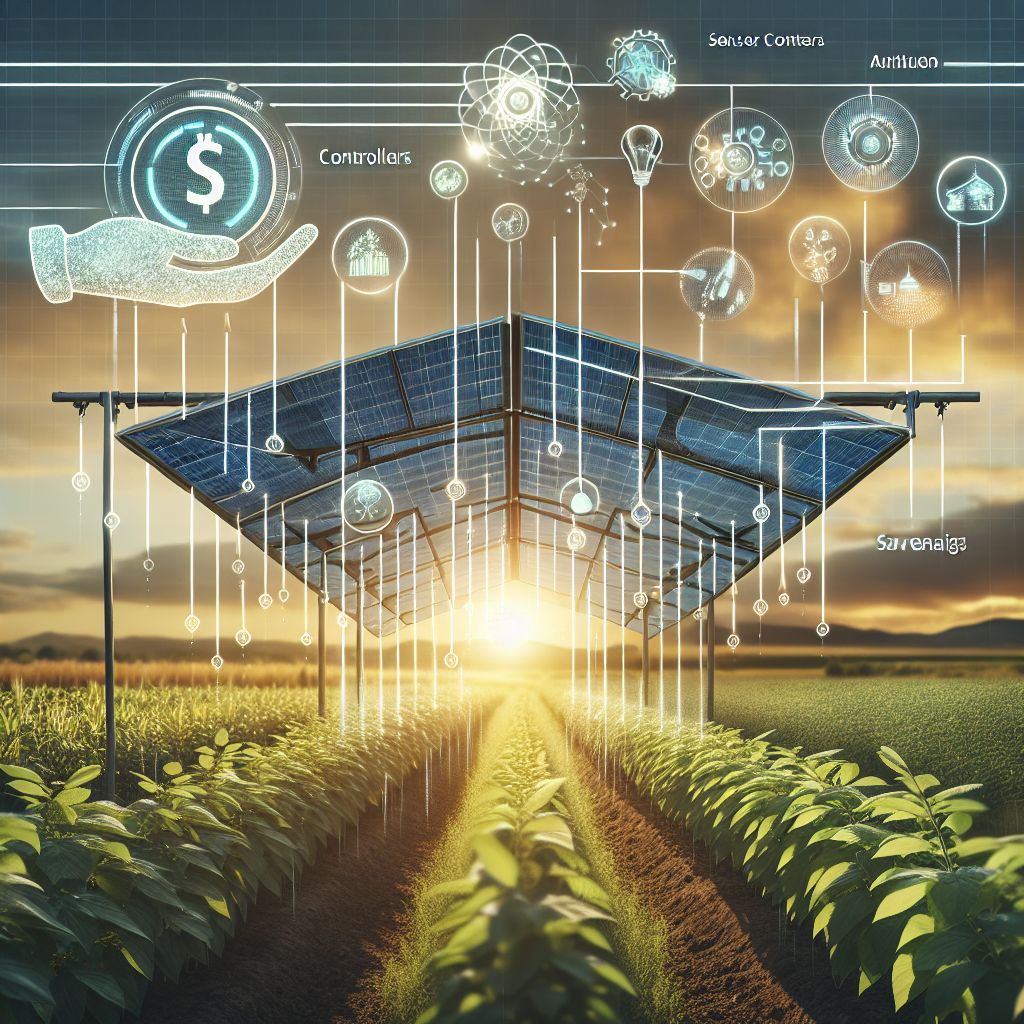
In conclusion, advanced controllers and sensors play a crucial role in boosting the efficiency of solar irrigation systems. By leveraging these technologies, farmers can achieve significant water and energy savings while enhancing crop productivity and sustainability.
Is Using Controllers and Sensors Worth a Farmer’s Investment
Absolutely. While the initial cost of integrating advanced controllers and sensors may be higher, the long-term benefits far outweigh the expenses. These systems offer improved resource management, cost savings, and enhanced crop yields, making them a valuable investment for any farmer.
- Initial investment is offset by long-term savings on water and energy costs.
- Precision irrigation leads to healthier crops and increased yields.
- Environmental benefits contribute to a more sustainable agricultural sector.
For farmers looking to future-proof their operations, embracing advanced solar irrigation technology is a strategic move that supports both profitability and sustainability.
Frequently Asked Questions
Here are some common questions about advanced solar irrigation systems and their components.
How do advanced controllers differ from traditional ones?
Advanced controllers use real-time data from sensors to make precise irrigation decisions, while traditional controllers rely on pre-set schedules. This allows for more efficient water usage and adaptation to changing conditions. For more information, you can explore smart irrigation technology.
What are the most common sensors used in solar irrigation?
The most common sensors include soil moisture sensors, weather sensors, and flow meters. These sensors provide data on soil conditions, environmental factors, and water usage, enabling informed irrigation decisions. To understand more about the key components of solar irrigation systems, including sensors, explore our detailed guide.
How do controllers improve water conservation?
Controllers improve water conservation by using data from sensors to determine the exact amount of water needed for irrigation. This precision reduces waste and ensures that crops receive the optimal amount of water.
Additionally, controllers can adjust irrigation schedules based on weather forecasts, further enhancing water efficiency.
How do controllers and sensors affect a farmer’s bottom line?
By optimizing water and energy usage, controllers and sensors reduce operational costs, leading to significant savings over time. These systems also improve crop yields and quality, increasing revenue potential for farmers.
Overall, the integration of advanced technology in solar irrigation systems supports profitability and sustainability, making it a wise investment for any agricultural operation.
As we look to the future, it’s clear that advanced solar irrigation systems will continue to play a vital role in sustainable agriculture. By embracing these technologies, farmers can ensure their operations remain efficient, productive, and environmentally friendly.

Leave a Reply