

Key Takeaways
Polycrystalline solar panels typically have an efficiency range of 13% to 17%.
They are more cost-effective than monocrystalline panels, making them a popular choice for budget-conscious buyers.
Polycrystalline panels are made from multiple silicon crystals, which impacts their efficiency.
Despite lower efficiency, they offer competitive durability and longevity, with a lifespan of 25-30 years.
Advancements in technology are continually improving the efficiency and performance of polycrystalline panels.
Polycrystalline Solar Panels: Science, Efficiency & Benefits
Understanding Polycrystalline Solar Panels
Solar energy is an incredible resource, and understanding the different types of solar panels is key to making an informed decision. Polycrystalline solar panels, also known as multi-crystalline panels, are one of the most common types used today. Let’s dive into the basics and explore what makes these panels unique.
Basics of Polycrystalline Panels
Polycrystalline solar panels are made from silicon, just like their monocrystalline counterparts. However, the manufacturing process differs significantly. Instead of using a single, pure silicon crystal, polycrystalline panels are created by melting multiple silicon crystals together. This process results in a panel that has a distinctive blue hue and a speckled look.
The way these panels are made has a direct impact on their efficiency and cost. Because the manufacturing process is simpler and less wasteful, polycrystalline panels are generally less expensive to produce. This cost-saving is passed on to consumers, making these panels a budget-friendly option for many homeowners and businesses.
How They Differ from Other Types
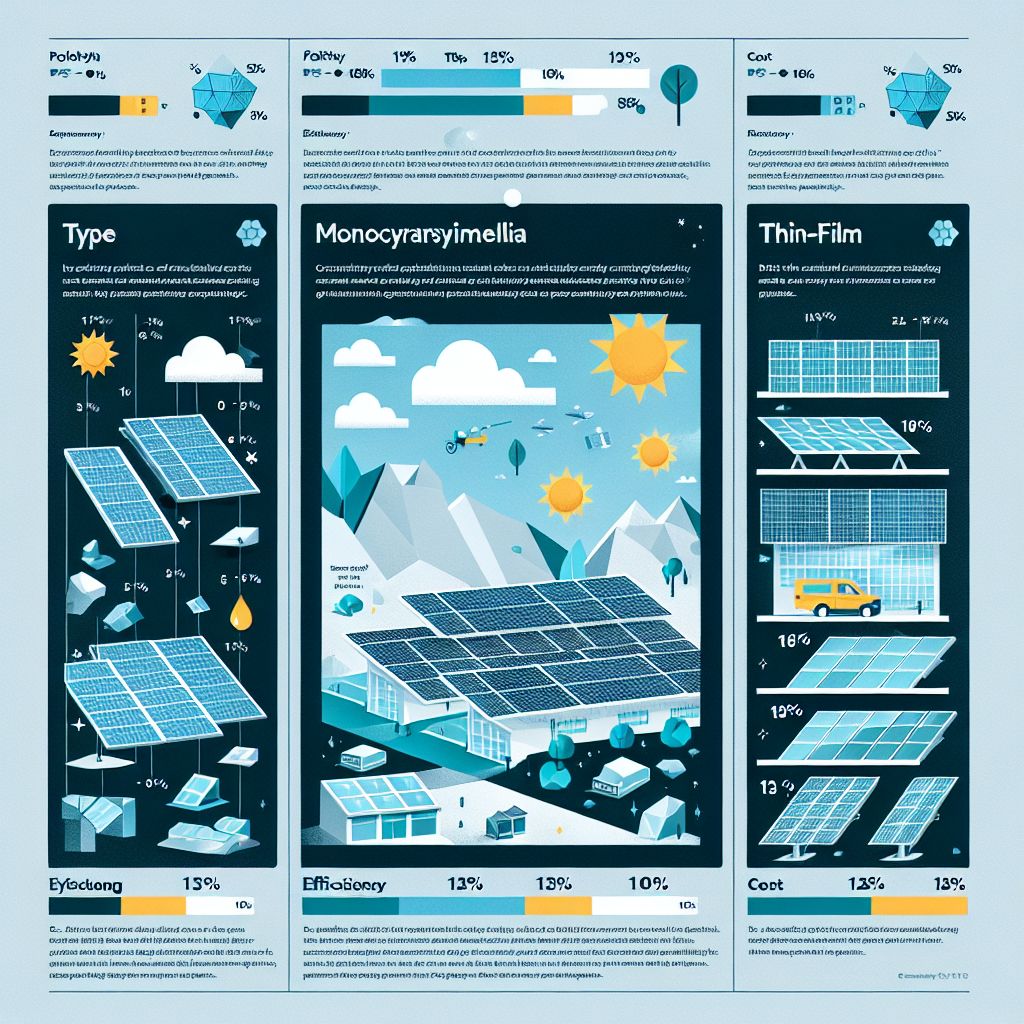
When comparing polycrystalline panels to other types, such as monocrystalline and thin-film, several differences stand out. Monocrystalline panels are made from a single silicon crystal, giving them a higher efficiency rate, typically between 15% and 22%. Thin-film panels, on the other hand, are made from a variety of materials and have the lowest efficiency but are flexible and lightweight.
Here’s a quick comparison to illustrate these differences:
|
Solar Panel Type |
Advantages |
Disadvantages |
Appearance |
|---|---|---|---|
|
Monocrystalline |
– Highest efficiency (15-22%) 2, 3 |
– Most expensive option 2, 3 |
Black, uniform |
|
Polycrystalline |
– More affordable than monocrystalline 1, 3 |
– Lower efficiency compared to monocrystalline 3 |
Blue, speckled |
|
Thin-Film |
– Cheapest option 1, 4 |
– Lowest efficiency (10-13%) 1, 4 – Shortest lifespan 4 |
Flexible, various colors |
The Science Behind Polycrystalline Solar Panels
The efficiency of polycrystalline solar panels is influenced by the science behind their construction. When multiple silicon crystals are melted together, the resulting panel has boundaries where the crystals meet. These boundaries can impede the flow of electrons, which in turn reduces the panel’s overall efficiency.
However, advancements in technology are continually improving the efficiency of polycrystalline panels. Manufacturers are finding ways to minimize the impact of these boundaries and enhance the performance of the panels. For instance, newer manufacturing techniques aim to create larger silicon crystals, which can reduce the number of boundaries and improve electron flow.
“Polycrystalline panels are an excellent choice for those looking to balance cost and performance. While they may not be as efficient as monocrystalline panels, their lower price point and solid performance make them a viable option for many applications.”
Understanding the science behind these panels helps us appreciate the trade-offs involved and the ongoing efforts to improve their efficiency.

Efficiency of Polycrystalline Solar Panels
When considering solar energy investments, the efficiency of polycrystalline solar panels presents a compelling choice for many. They offer an excellent balance between affordability and performance, making them a top choice for residential and commercial applications alike. By understanding their advantages and disadvantages, individuals and industries can make informed decisions about which technology aligns best with their energy needs and financial considerations.
Factors Affecting Efficiency
Several factors influence the efficiency of polycrystalline solar panels. One of the most significant factors is the quality of the silicon used. Higher purity silicon results in better electron flow and higher efficiency. However, higher purity silicon is also more expensive, which is why polycrystalline panels typically use lower purity silicon to keep costs down.
Temperature Sensitivity
Temperature plays a crucial role in the efficiency of solar panels. As the temperature increases, the efficiency of polycrystalline panels tends to decrease. This is because higher temperatures can increase the resistance within the silicon, reducing the flow of electrons.
To mitigate this effect, it’s important to install polycrystalline panels in a way that allows for adequate ventilation and cooling. Proper installation can help maintain efficiency even in hotter climates.
Material Quality
The quality of materials used in the construction of polycrystalline panels also affects their efficiency. Higher quality materials can reduce the number of defects and impurities, which in turn improves electron flow and overall performance. Investing in panels from reputable manufacturers can ensure better material quality and higher efficiency.
Ensure proper ventilation during installation to mitigate temperature effects.
Choose panels from reputable manufacturers to guarantee higher material quality.
Regular maintenance can help sustain efficiency over the panel’s lifespan.
Comparative Analysis with Other Solar Panels
Polycrystalline vs. Monocrystalline
Choosing between polycrystalline and monocrystalline solar panels ultimately depends on your specific needs, budget, and available space. If you have ample space and are looking for a cost-effective solution, polycrystalline panels could be the right fit. However, if you require high efficiency within a limited area and are willing to invest more upfront, monocrystalline panels may serve you better.
Both types of panels contribute positively to solar energy production. By understanding their differences, you can make an informed decision that aligns with your sustainability goals and energy needs. As technology advances in solar energy, we can expect to see innovations that further enhance the performance and sustainability of both polycrystalline and monocrystalline solar panels, making renewable energy even more accessible and effective.
Polycrystalline vs. Thin-Film
When comparing polycrystalline solar panels to thin-film panels, several key differences come to light. Thin-film panels are made from various materials, including cadmium telluride (CdTe) and amorphous silicon (a-Si). These materials allow thin-film panels to be more flexible and lightweight, making them suitable for unconventional installations, such as on curved surfaces or mobile applications.
However, thin-film panels generally have a lower efficiency rate, ranging from 10% to 12%. This means they require more space to generate the same amount of electricity as polycrystalline panels. In contrast, polycrystalline panels, with their higher efficiency rates of 13% to 16%, are better suited for installations where space is limited.
Real-World Efficiency Comparisons
In real-world scenarios, the efficiency of solar panels can be influenced by several factors, including location, installation angle, and weather conditions. Polycrystalline panels, while slightly less efficient than monocrystalline panels, often perform well in various conditions. They are particularly effective in moderate climates where extreme temperatures are less of an issue. For more information, you can explore the benefits and cost efficiency of solar panels in different applications.
For example, in a residential setting in California, a homeowner installed a 5kW polycrystalline solar panel system. Over a year, the system generated approximately 7,000 kWh of electricity, which was sufficient to cover the household’s energy needs. This real-world example demonstrates that despite the lower efficiency, polycrystalline panels can still provide significant energy savings.
“In real-world conditions, polycrystalline panels can generate enough electricity to meet the needs of an average household, proving their effectiveness and reliability.”
Benefits of Polycrystalline Solar Panels
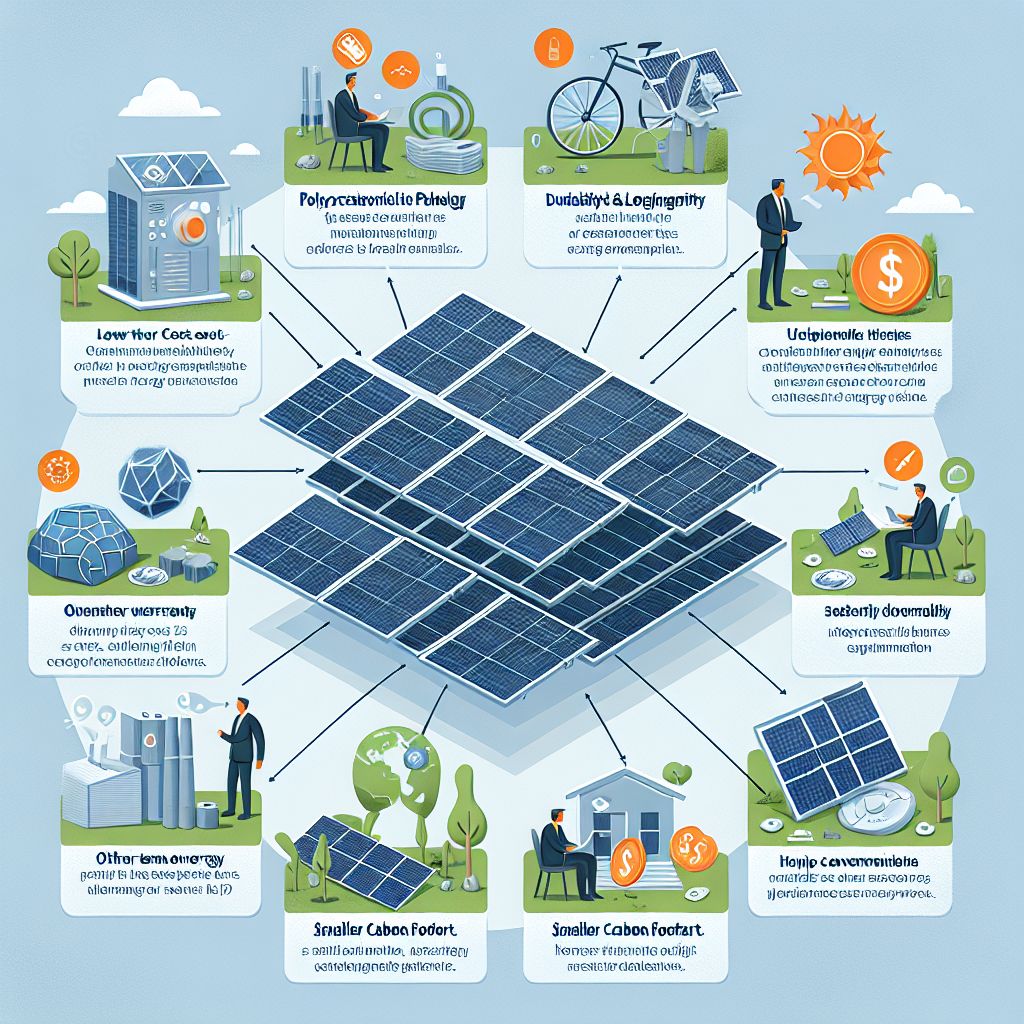
Polycrystalline solar panels offer several benefits that make them an attractive option for many users. These benefits include lower costs, durability, a smaller carbon footprint, and environmental advantages.
Lower Costs
One of the most significant advantages of polycrystalline panels is their lower cost. Because the manufacturing process is simpler and less wasteful, these panels are more affordable than monocrystalline panels. This cost-effectiveness makes them an excellent choice for budget-conscious consumers looking to invest in solar energy.
For instance, a standard polycrystalline solar panel system might cost between 10% to 20% less than a comparable monocrystalline system. This price difference can make solar energy more accessible to a broader range of people.
Durability and Longevity
Polycrystalline panels are known for their durability and long lifespan. Most panels come with a warranty of 25 to 30 years, ensuring long-term performance and reliability. This durability means that once installed, these panels will continue to generate electricity for decades, providing a solid return on investment.
Smaller Carbon Footprint
Solar panels, in general, have a much smaller carbon footprint compared to traditional energy sources. Polycrystalline panels are no exception. The manufacturing process for these panels is less energy-intensive than that of monocrystalline panels, resulting in lower overall carbon emissions. Learn more about the benefits of solar panels.
By choosing polycrystalline panels, you contribute to reducing greenhouse gas emissions and promoting a cleaner, more sustainable energy future.
Environmental Benefits
Besides the smaller carbon footprint, polycrystalline panels offer other environmental benefits. They reduce reliance on fossil fuels, decrease air pollution, and help conserve natural resources. By generating clean, renewable energy, these panels play a crucial role in combating climate change and protecting the environment.
Here’s a table summarizing the key benefits of polycrystalline solar panels:
|
Benefit |
Description |
|---|---|
|
Cost-effective |
Polycrystalline panels are generally more affordable than monocrystalline panels due to simpler manufacturing processes. 1, 2 |
|
Environmentally friendly |
They produce less waste during manufacturing and use recycled silicon, making them more eco-friendly. 1, 2 |
|
Good performance in various conditions |
Polycrystalline panels can generate electricity even in low light conditions, such as cloudy days. 3 |
|
Durability |
These panels are made of tough, tempered glass that can withstand various weather conditions and are resistant to corrosion. 3 |
|
High-temperature resistance |
Polycrystalline panels have a low-temperature coefficient, allowing them to perform well in high-temperature environments. 3 |
|
Variety of sizes |
Available in various sizes, making them flexible for both residential and commercial applications. 3 |
|
Long lifespan |
Typically come with a 25-year power production warranty, with some brands offering up to 30 years. 4 |
How can Farmers Benefit by Using Polycrystalline Solar Panels Over Other Solar Panels
Farmers can significantly benefit from using polycrystalline solar panels. These panels offer a cost-effective way to harness solar energy, reduce operational costs, and promote sustainable farming practices.
What Kind of Savings Can Polycrystalline Solar Panels Bring to a Farming Operation
By installing polycrystalline solar panels, farmers can save on electricity costs. The lower initial investment compared to monocrystalline panels makes them an attractive option for agricultural operations. Over time, the savings on energy bills can be substantial, freeing up funds for other essential aspects of the farm.
For example, a farmer with a large irrigation system can use solar energy to power the pumps, reducing the reliance on grid electricity and lowering operational costs.
Can Polycrystalline Solar Panels Connected to an Irrigation System Help with a Farmer’s Efficiency
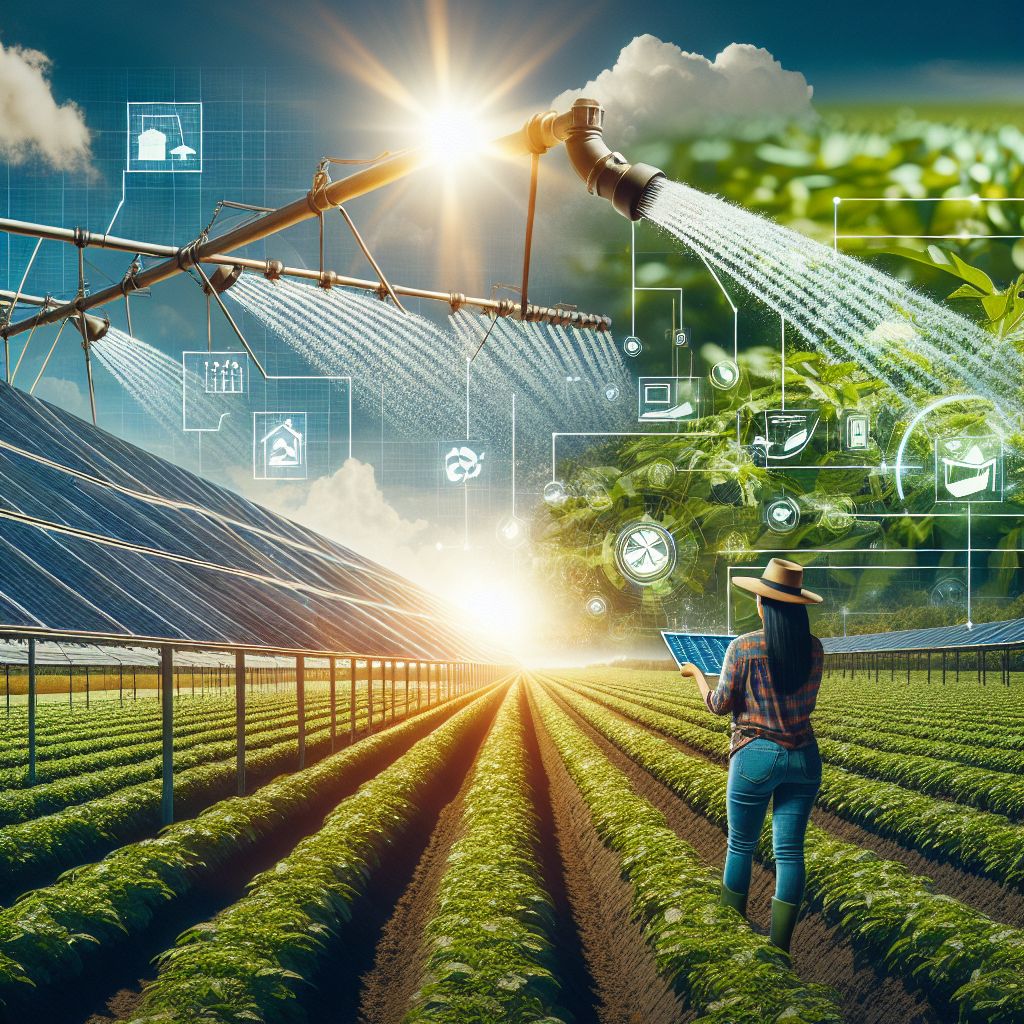
Absolutely! Connecting polycrystalline solar panels to an irrigation system can enhance a farmer’s efficiency. Solar-powered irrigation systems can operate independently of the grid, ensuring that water is available when needed, even in remote areas. This independence can improve crop yields and reduce water waste.
Furthermore, solar-powered systems can be automated to optimize water usage, ensuring that crops receive the right amount of water at the right time. This precision can lead to healthier plants and higher productivity. For more information on the benefits of solar-powered irrigation, you can visit this article on solar panels for farms.
Case Studies: Successful Implementations
Residential Installations
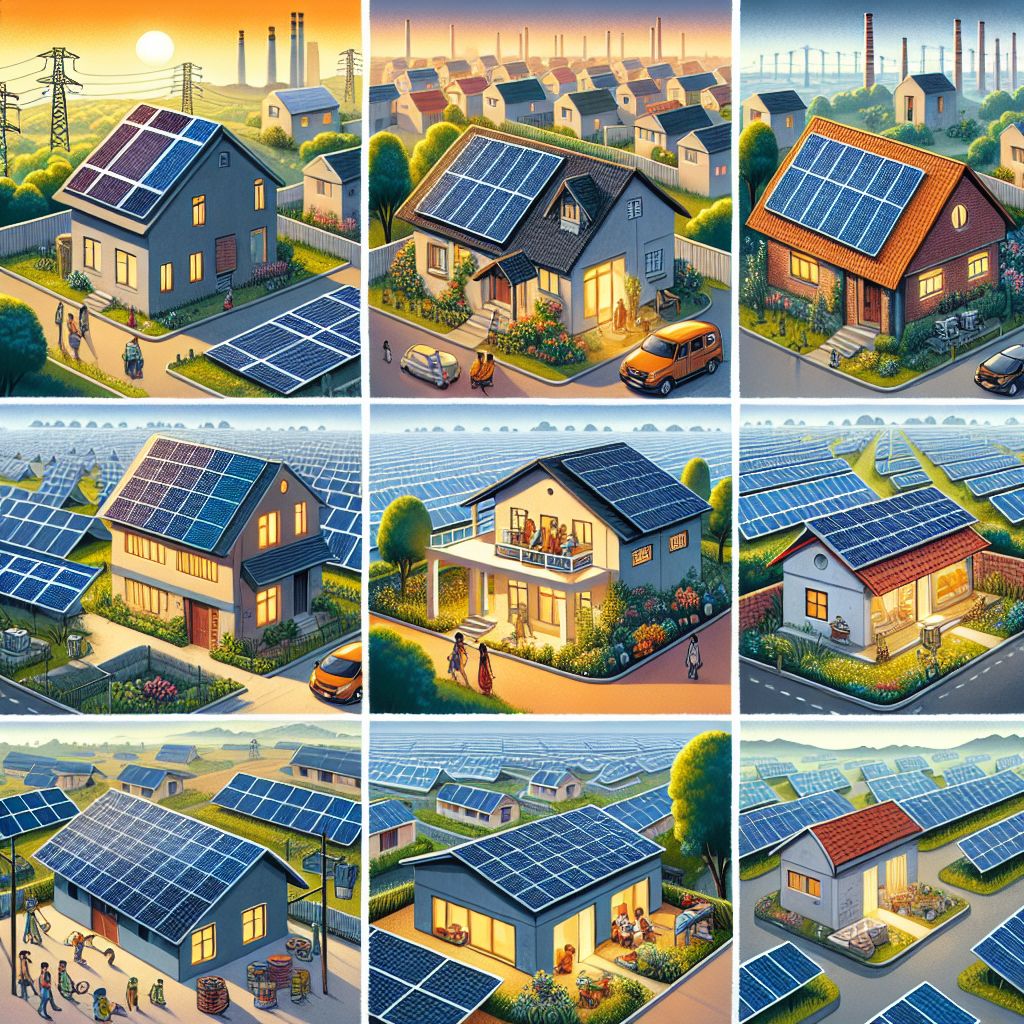
Polycrystalline solar panels have been successfully implemented in various residential settings. Homeowners appreciate the balance between cost and performance, making these panels a popular choice for residential solar installations.
Commercial Applications
Businesses with large rooftops can install polycrystalline panels to offset energy costs.
Commercial buildings can benefit from the lower installation costs and long-term energy savings.
Solar farms often use polycrystalline panels to generate large amounts of electricity at a lower cost.
These case studies demonstrate the versatility and effectiveness of polycrystalline solar panels in different applications, from residential to commercial settings.
Commercial Applications
Polycrystalline solar panels have found widespread use in commercial applications due to their cost-effectiveness and reliable performance. Many businesses with large rooftop spaces install these panels to significantly reduce their energy costs. For instance, a warehouse in Texas installed a 100kW polycrystalline solar panel system and saw a 30% reduction in their electricity bills within the first year. For more information, you can read about the benefits of polycrystalline solar panels.
Besides cost savings, businesses also benefit from various tax incentives and rebates offered for solar installations. These financial incentives can further reduce the initial investment, making solar energy an even more attractive option. Additionally, businesses that adopt solar energy can enhance their corporate image by demonstrating a commitment to sustainability.
Solar farms are another excellent example of commercial applications. These large-scale installations often use polycrystalline panels to generate significant amounts of electricity at a lower cost. The energy produced can be sold back to the grid, providing a steady revenue stream for the farm owners. For instance, some farms are integrating solar panels with drip irrigation systems to maximize efficiency and resource utilization.
Off-Grid Solutions
Off-grid solutions are another area where polycrystalline solar panels excel. These panels are ideal for remote locations where access to the electrical grid is limited or non-existent. For example, a rural village in India used polycrystalline solar panels to power homes, schools, and medical centers, dramatically improving the quality of life for the residents.
Off-grid solar systems can include batteries to store excess energy generated during the day, ensuring a reliable power supply even at night or during cloudy periods. This independence from the grid makes polycrystalline panels a practical and sustainable solution for off-grid living.

The Future of Polycrystalline Solar Technologies
The future of polycrystalline solar technologies looks promising, with ongoing advancements aimed at improving efficiency and performance. Researchers and manufacturers are continually exploring new materials and techniques to enhance the capabilities of these panels.
Upcoming Innovations
One of the most exciting areas of innovation is the development of larger silicon crystals for use in polycrystalline panels. By creating larger crystals, manufacturers can reduce the number of boundaries within the panel, thereby improving electron flow and overall efficiency. Additionally, new anti-reflective coatings are being developed to increase the amount of sunlight absorbed by the panels.
Another promising innovation is the integration of polycrystalline panels with smart grid technology. This integration allows for better energy management and distribution, optimizing the use of solar energy and reducing reliance on traditional power sources. For instance, combining solar panels with drip irrigation systems can be a smart combination for farmers.
Potential for Increased Efficiency
As technology advances, the efficiency of polycrystalline solar panels is expected to improve. Researchers are exploring ways to enhance the purity of silicon used in these panels, which could lead to significant gains in efficiency. Additionally, new manufacturing techniques aim to reduce defects and impurities, further boosting performance.
Market Trends and Predictions
The solar energy market is expected to continue growing, with polycrystalline panels playing a significant role. As more consumers and businesses seek cost-effective and sustainable energy solutions, the demand for these panels is likely to increase. Market analysts predict that ongoing advancements in technology and manufacturing will make polycrystalline panels even more competitive. For example, furrow irrigation systems are increasingly integrating solar panels for cost efficiency.
Furthermore, government policies and incentives aimed at promoting renewable energy will continue to drive the adoption of solar technologies. As a result, the market for polycrystalline solar panels is poised for substantial growth in the coming years.

Conclusion:
Polycrystalline solar panels offer a balanced combination of cost-effectiveness, durability, and reliable performance. While they may have slightly lower efficiency compared to monocrystalline panels, their affordability makes them an attractive option for a wide range of applications, from residential to commercial and off-grid solutions.
With ongoing advancements in technology and a growing market for renewable energy, the future of polycrystalline solar panels looks bright. By choosing these panels, consumers and businesses can contribute to a more sustainable future while enjoying significant energy savings. For more information on the benefits and cost-efficiency of solar panels, check out this article on solar panels for farms.
Frequently Asked Questions (FAQ)
Are polycrystalline panels suitable for small rooftops?
Yes, polycrystalline panels can be a good option for small rooftops. While they may require slightly more space compared to monocrystalline panels due to their lower efficiency, they are still effective in generating sufficient electricity for residential needs. Proper planning and installation can maximize the available space and optimize energy production.
How long do polycrystalline solar panels last?
Polycrystalline solar panels typically have a lifespan of 25 to 30 years. Most manufacturers offer warranties that guarantee performance over this period. Regular maintenance and proper installation can help ensure that the panels continue to operate efficiently throughout their lifespan.
What Is the Average Payback Period for Solar Panel Investment?
The average payback period for a solar panel investment can vary based on several factors, including the cost of the system, local electricity rates, and available incentives. For polycrystalline solar panels, the payback period is typically between 5 to 10 years. After this period, the energy savings generated by the panels effectively provide a return on investment.
In conclusion, polycrystalline solar panels offer a viable and cost-effective solution for harnessing solar energy. Their balance of affordability, durability, and reliable performance makes them an excellent choice for a wide range of applications. By staying informed about the latest advancements and market trends, consumers can make the best decisions for their energy needs.







Leave a Reply