

Key Takeaways
- Solar irrigation systems are powered by sunlight, offering long-term cost savings and environmental benefits.
- Conventional irrigation systems often rely on fossil fuels, making them less sustainable and more expensive to operate over time.
- Initial investment for solar systems can be higher, but they save money in the long run by reducing energy costs.
- Both systems have their advantages, but solar irrigation is generally more sustainable and efficient for modern farming.
- Choosing the right system depends on your farm’s location, climate, and water needs.
Introduction to Irrigation Systems
Water is the lifeblood of agriculture. Without it, crops would wither, and food production would come to a standstill. That’s why irrigation systems are crucial in modern farming, ensuring that plants get the water they need, when they need it. But with different types of systems available, how do we choose the right one?
Overview of Solar and Conventional Systems
Let’s dive into the two primary types of irrigation systems: solar and conventional. Solar irrigation systems use energy from the sun to pump water, making them a sustainable and eco-friendly choice. On the other hand, conventional systems often rely on electricity or diesel, which can be costly and harmful to the environment over time.
Importance of Efficient Irrigation
Efficient irrigation is more important than ever. With growing concerns about water scarcity and climate change, farmers need systems that use water wisely. Both solar and conventional systems have their roles to play, but understanding their differences is key to making informed decisions.
How Solar Irrigation Systems Work
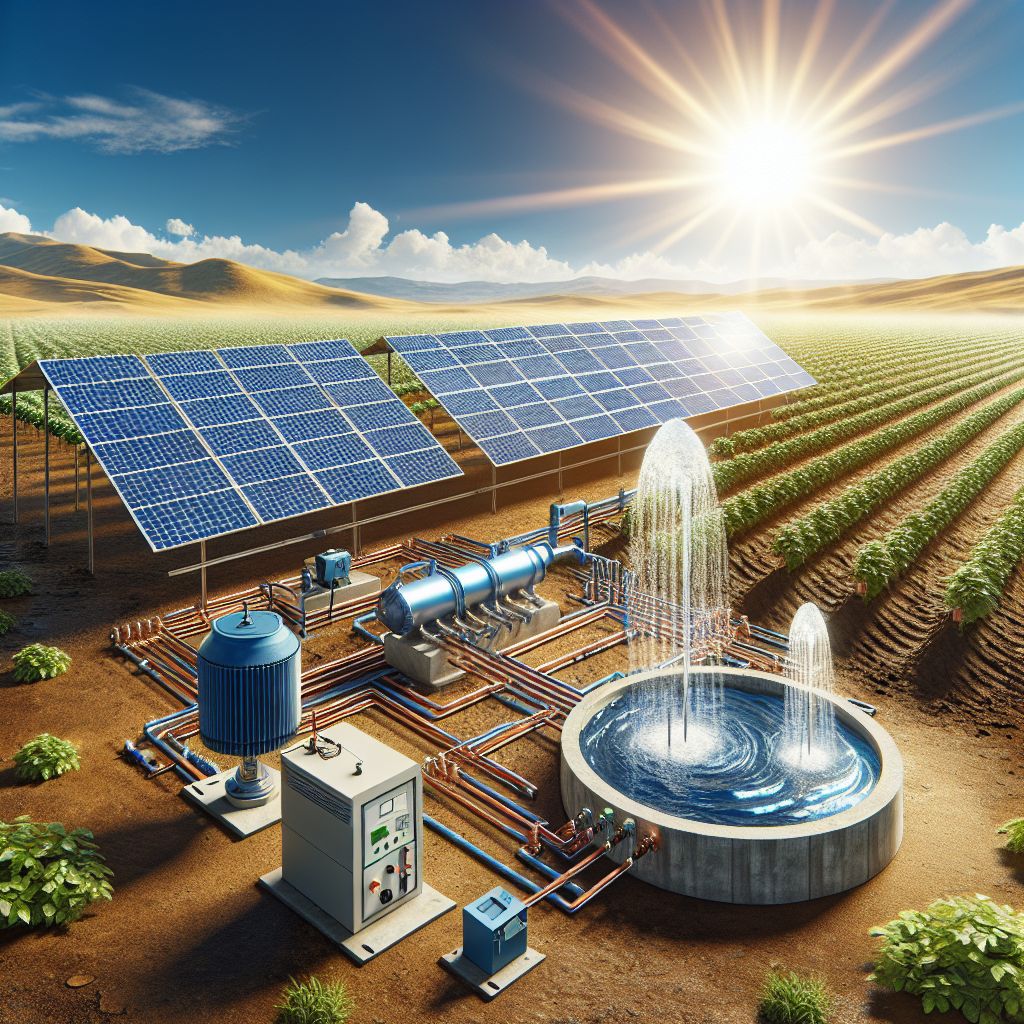
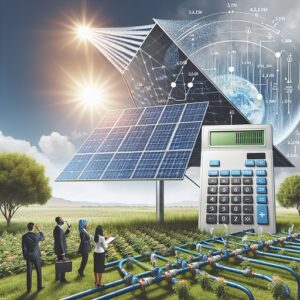
Solar irrigation systems are a marvel of modern technology. They harness the sun’s energy, converting it into electricity to power water pumps. This process is not only sustainable but also cost-effective in the long run.
Fundamentals of Solar Energy in Irrigation
At the heart of solar irrigation is the photovoltaic (PV) panel. These panels capture sunlight and convert it into electrical energy. This energy then powers the pump, which draws water from a source and delivers it to the fields. It’s a simple yet ingenious way to use a renewable resource for farming.
Key Components of Solar Irrigation
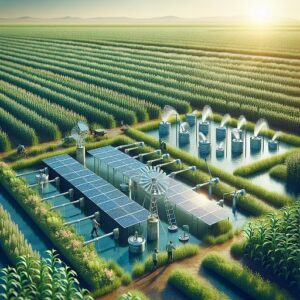
A typical solar irrigation system consists of several components:
- Solar PV Panels: These capture and convert sunlight into electricity.
- Pumps: They move water from the source to the crops.
- Controllers: These regulate the flow of electricity and water, ensuring optimal operation.
- Reservoirs: Used to store water for times when the sun isn’t shining.
Here’s a table comparing the different solar panel you can use with an irrigation system on a farm:
|
Solar Panel Type |
Efficiency |
Cost per Watt |
Pros |
Cons |
|---|---|---|---|---|
|
Monocrystalline |
17-22% |
$1.00 – $1.50 |
– Highest efficiency. 1, 3 |
– Most expensive option. 1, 3 |
|
Polycrystalline |
13-17% |
$0.90 – $1.20 |
– Lower cost than monocrystalline. 1, 3 |
– Slightly lower efficiency. 1, 3 |
|
Thin-Film |
10-13% |
$0.70 – $1.00 |
– Lowest cost. 1, 3 |
– Lowest efficiency. 1, 3 |
Monocrystalline panels are highly efficient and durable, making them ideal for high-performance irrigation systems that require consistent power output. Their higher cost is often offset by their superior performance in the long run 3.
Polycrystalline panels offer a good balance between cost and efficiency, making them suitable for medium-scale irrigation projects. They perform well in most conditions and are a popular choice for many agricultural applications 3.
Thin-film panels, while less efficient, are more affordable and flexible. They can be a good option for portable irrigation systems or installations where weight is a concern. Their lower efficiency means you may need more panels to achieve the same power output as crystalline options 3.
Advantages: Cost Savings and Sustainability
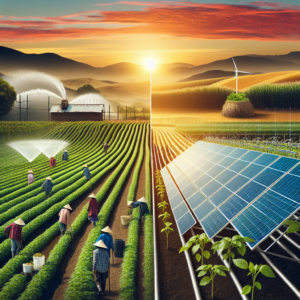
Solar irrigation offers significant advantages. First, it reduces reliance on fossil fuels, which helps lower greenhouse gas emissions. Second, it cuts down on energy costs, as sunlight is free and abundant. While the initial setup cost might be higher, the long-term savings make it a worthwhile investment.

How Conventional Irrigation Systems Operate
Conventional irrigation systems have been around for decades. They typically use electricity or diesel to power water pumps, making them reliable but less sustainable than their solar counterparts.
These systems are often used in areas where solar power isn’t feasible or where there’s a need for more powerful pumping capabilities. However, the cost of fuel and electricity can add up, making them more expensive to operate over time.
Traditional Methods and Their Applications
Traditional irrigation systems have a wide range of applications, suitable for various crops and terrains. For example, surface irrigation is prevalent in flat, broad-acre farming, where the topography allows for easy water flow. Drip irrigation is commonly used in high-value crops, such as fruits and vegetables, where precise water application can enhance quality and yield.
Sprinkler systems are versatile and can be used in both large-scale agriculture and smaller gardens. Flood irrigation, while less common in modern agriculture, is still employed in some regions for rice paddies and other crops requiring prolonged saturation.
Energy Sources for Conventional Systems
Conventional irrigation systems primarily rely on electricity from the grid or diesel fuel to power their pumps. These energy sources have been the backbone of traditional irrigation for years, providing reliable power to move water where it’s needed. However, they come with their own set of challenges, including fluctuating energy prices and environmental concerns.
Advantages of Using a Conventional Irrigation System Over a Solar Irrigation System
Despite their environmental impact, conventional systems have certain advantages. They often provide a more consistent power supply, which is crucial for farms in regions with variable weather patterns. Additionally, conventional systems can handle higher water demands, making them suitable for large-scale operations.
Another benefit is the ease of integration with existing infrastructure. Many farms are already equipped with the necessary connections for conventional systems, which can reduce setup costs and complexity.
“In areas with less sunlight or higher water demands, conventional systems can offer the reliability and power needed to keep crops thriving.”
However, it’s essential to weigh these benefits against the long-term costs and environmental impact. Diesel and electricity are not only expensive but also contribute to carbon emissions, which can be detrimental to the environment.
Farmers should consider their specific needs and constraints when deciding between solar and conventional systems. In some cases, a hybrid approach that combines elements of both may be the best solution.

Cost and Efficiency Comparison of Each System
When comparing solar and conventional irrigation systems, cost and efficiency are critical factors. Both systems have their pros and cons, but understanding the financial implications can help farmers make informed decisions.
Initial Investment and Long-term Savings for Each System
Solar irrigation systems generally require a higher initial investment due to the cost of solar panels and installation. However, they offer significant long-term savings by eliminating or drastically reducing energy costs. Over time, these savings can offset the initial expense, making solar a financially viable option.
Conversely, conventional systems might have lower upfront costs, especially if existing infrastructure can be utilized. But the ongoing expenses for fuel or electricity can add up, potentially exceeding the savings from a solar setup.
Efficiency Metrics: Water Usage and Energy Consumption
Solar systems are often more efficient in terms of energy consumption because they utilize renewable energy. This efficiency translates to lower operational costs and a smaller environmental footprint. They also tend to have advanced controllers and sensors that optimize water usage, ensuring that crops receive just the right amount of water.
Conventional systems, while powerful, may not offer the same level of precision. They can lead to overwatering, which wastes water and increases energy consumption. This inefficiency can be costly, both financially and environmentally.
Environmental Considerations: Carbon Footprint Reduction
One of the most significant benefits of solar irrigation is its positive impact on the environment. By harnessing solar energy, these systems drastically reduce carbon emissions compared to their conventional counterparts. This reduction is crucial in the fight against climate change and helps promote sustainable farming practices.

Practical Considerations for Farmers While Choosing Between the 2 Systems
When selecting an irrigation system, farmers must consider various practical factors. These include the specific needs of their farm, such as climate, water availability, and crop types.
Another crucial consideration is the availability of resources. Farmers should evaluate the sunlight exposure on their land and the proximity to electrical grids or fuel supplies. These factors can significantly impact the feasibility and efficiency of the chosen system.
Choosing the Right System Based on: Climate, Farm Size, Crop Type, and Location
Climate plays a significant role in determining the best irrigation system. In regions with abundant sunlight, solar systems are an excellent choice, offering both sustainability and cost savings. However, in areas with less sunlight, conventional systems may provide the reliability needed to ensure consistent water supply.
Evaluate How Much Energy You Need to Run Your Farm
Before deciding on a system, it’s essential to assess the farm’s energy requirements. Calculate the total energy needed for irrigation, taking into account the size of the land and the water needs of different crops. This assessment will help determine whether a solar system can meet those demands or if a conventional system is more appropriate.
For instance, a small vegetable farm might find solar systems more than sufficient, while a large-scale operation growing water-intensive crops might require the additional power provided by conventional systems.
It’s also beneficial to consult with experts or solar system providers to ensure that the system is designed to meet these specific needs.
“Choosing the right irrigation system is not just about cost; it’s about finding a solution that aligns with your farm’s unique requirements and goals.”
Maintenance Tips and Troubleshooting
Regardless of the system chosen, regular maintenance is crucial to ensure optimal performance. For solar systems, this includes cleaning the panels to maximize energy production and checking connections and controllers for any issues.
Conventional systems require regular inspections of pumps and fuel sources, as well as monitoring for leaks or blockages in the irrigation lines. Proactive maintenance can prevent costly breakdowns and ensure the longevity of the system.
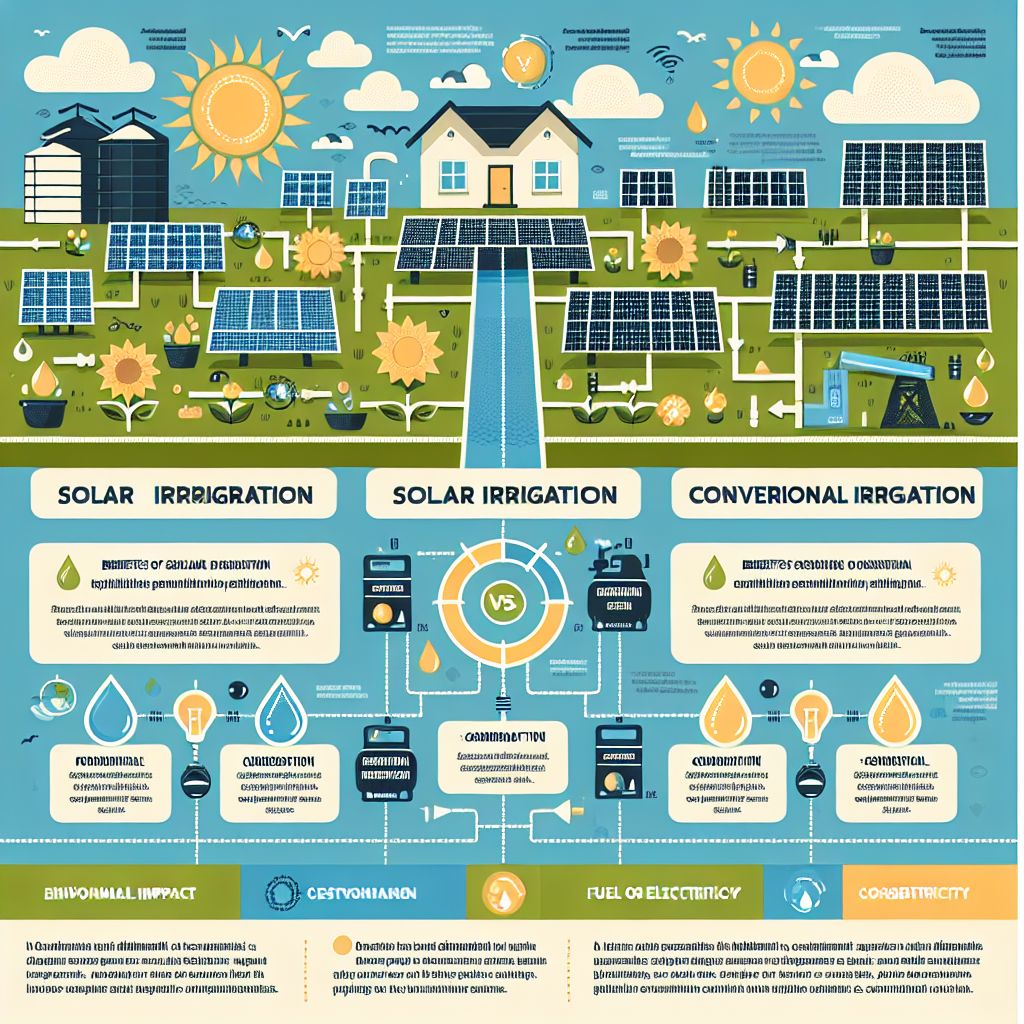
Solar irrigation systems and conventional irrigation systems each have their own set of advantages and disadvantages. Here’s a table comparing the key considerations for farmers while choosing between these two systems:
|
Consideration |
Solar Irrigation Systems |
Conventional Irrigation Systems |
|---|---|---|
|
Initial Cost |
Lower initial costs (2) | |
|
Operating Costs |
Higher, requires fuel or grid electricity (1) | |
|
Environmental Impact |
Clean and sustainable, reduces carbon footprint (1) |
Often relies on fossil fuels, higher emissions (1) |
|
Water Efficiency |
Can be less efficient, potential for water waste (3) | |
|
Energy Independence |
Provides energy autonomy, especially in remote areas (5) |
Depends on grid electricity or fuel supply (1) |
|
Maintenance |
Low maintenance requirements (1) |
May require more frequent maintenance (3) |
|
Reliability |
Dependent on solar radiation, may need storage solutions (6) |
More consistent power supply, less weather-dependent (6) |
|
Scalability |
Easily scalable, can start small and expand (1) |
May be easier to scale up quickly (3) |
|
Crop Yield |
Can lead to increased crop yields due to consistent irrigation5 |
Yields may vary based on irrigation consistency |
|
Government Incentives |
May be eligible for subsidies and incentives (2) |
Typically fewer incentives available |
|
Lifespan |
Long lifespan, with panels often warranted for 25 years (6) |
Varies depending on system type and maintenance |
This table provides a comprehensive overview of the factors farmers should consider when deciding between solar and conventional irrigation systems. The choice ultimately depends on the specific needs, location, and resources of each farm (1, 5)
Final Thoughts on Irrigation Options
Choosing between solar and conventional irrigation systems depends on several factors, including cost, efficiency, and environmental impact. Solar systems offer long-term savings and sustainability, while conventional systems provide reliability and power in areas where solar might not be feasible.
It’s essential to evaluate the specific needs of your farm, such as climate conditions, water requirements, and available resources, to make an informed decision. Both systems have their advantages, and sometimes a hybrid approach can offer the best of both worlds.
“Ultimately, the right irrigation system is the one that aligns with your farm’s goals, budget, and sustainability practices.”
As we move towards more sustainable farming practices, solar irrigation systems present a compelling case for reducing carbon footprints and embracing renewable energy. However, the choice should always be tailored to individual farm circumstances.
Key Takeaways and Recommendations
When deciding on an irrigation system, consider the following:
- Solar systems offer significant long-term savings and environmental benefits but require a higher initial investment.
- Conventional systems are reliable and powerful but come with ongoing fuel or electricity costs and a larger carbon footprint.
- Evaluate your farm’s energy needs, climate conditions, and available resources to determine the most suitable option.
- Consider a hybrid approach if both systems offer advantages for your specific situation.
- Regular maintenance is crucial for both systems to ensure efficiency and longevity.
Is a Solar Irrigation System a Better Investment for the Farmer Over a Conventional Irrigation System?
For many farmers, a solar irrigation system can be a better investment due to its sustainability and long-term cost savings. However, the initial cost can be a barrier for some, and in areas with less sunlight, conventional systems might be more reliable.
Ultimately, the decision should be based on a thorough assessment of the farm’s needs, budget, and environmental goals. Solar systems align well with sustainable agriculture practices, making them a popular choice for forward-thinking farmers.
FAQs
Let’s address some common questions about solar and conventional irrigation systems:
What is the average cost difference between solar and conventional systems?
The initial cost of solar systems is generally higher, ranging from $5,000 to $20,000 depending on the size and complexity. Conventional systems can be cheaper upfront but incur ongoing costs for fuel or electricity.
How do solar and conventional systems differ in terms of environmental impact?
Solar systems significantly reduce carbon emissions by using renewable energy, making them more environmentally friendly. Conventional systems rely on fossil fuels, contributing to higher carbon footprints. Learn more about how solar-powered irrigation systems reduce carbon emissions.
What are the primary benefits of solar irrigation systems?
Solar irrigation systems offer long-term cost savings, sustainability, and reduced environmental impact. They also operate quietly and require less maintenance than conventional systems.
Can solar irrigation systems be used in areas with low sunlight?
Yes, but efficiency may be reduced. In such areas, combining solar with other energy sources or using advanced storage solutions can help maintain performance.
Is the initial cost of solar systems worth the investment?
“While the upfront cost is higher, the long-term savings on energy bills and the environmental benefits make solar systems a worthwhile investment for many farmers.”
Consider your long-term goals and financial situation when deciding if a solar system is right for you.
In conclusion, both solar and conventional irrigation systems have their place in modern agriculture. By carefully assessing your needs and resources, you can choose the system that best supports your farm’s success and sustainability.
Remember, the goal is to ensure efficient water use while minimizing environmental impact. Whether you choose solar, conventional, or a combination of both, the right irrigation system can enhance your farm’s productivity and sustainability.

Leave a Reply