
Key Takeaways
- Solar panels can significantly reduce energy costs for farmers, saving money on electricity bills.
- They provide an eco-friendly alternative, reducing greenhouse gas emissions and promoting sustainable farming.
- Solar technology can improve farm efficiency by powering irrigation systems, greenhouses, and other equipment.
- Initial costs for solar panel installation can be high, but government grants and incentives can help.
- Proper site selection and maintenance are crucial for maximizing the benefits of solar panels in agriculture.
The Growing Role of Solar Panels in Modern Agriculture
In today’s world, the integration of technology in farming is not just a trend; it’s a necessity. One of the most impactful technologies transforming agriculture is solar energy. Solar panels are transforming the agricultural landscape, offering farmers a sustainable way to power their operations. By harnessing the sun’s energy, farms can become more efficient and environmentally friendly. This shift is not just about energy savings; it’s about creating a more sustainable future for farming.
Introduction to Solar Panels in Farming
Farmers today face numerous challenges, from rising energy costs to the pressure of reducing carbon footprints. Solar panels offer a practical solution to these issues. By converting sunlight into electricity, solar panels provide a renewable energy source that can power various farm operations.
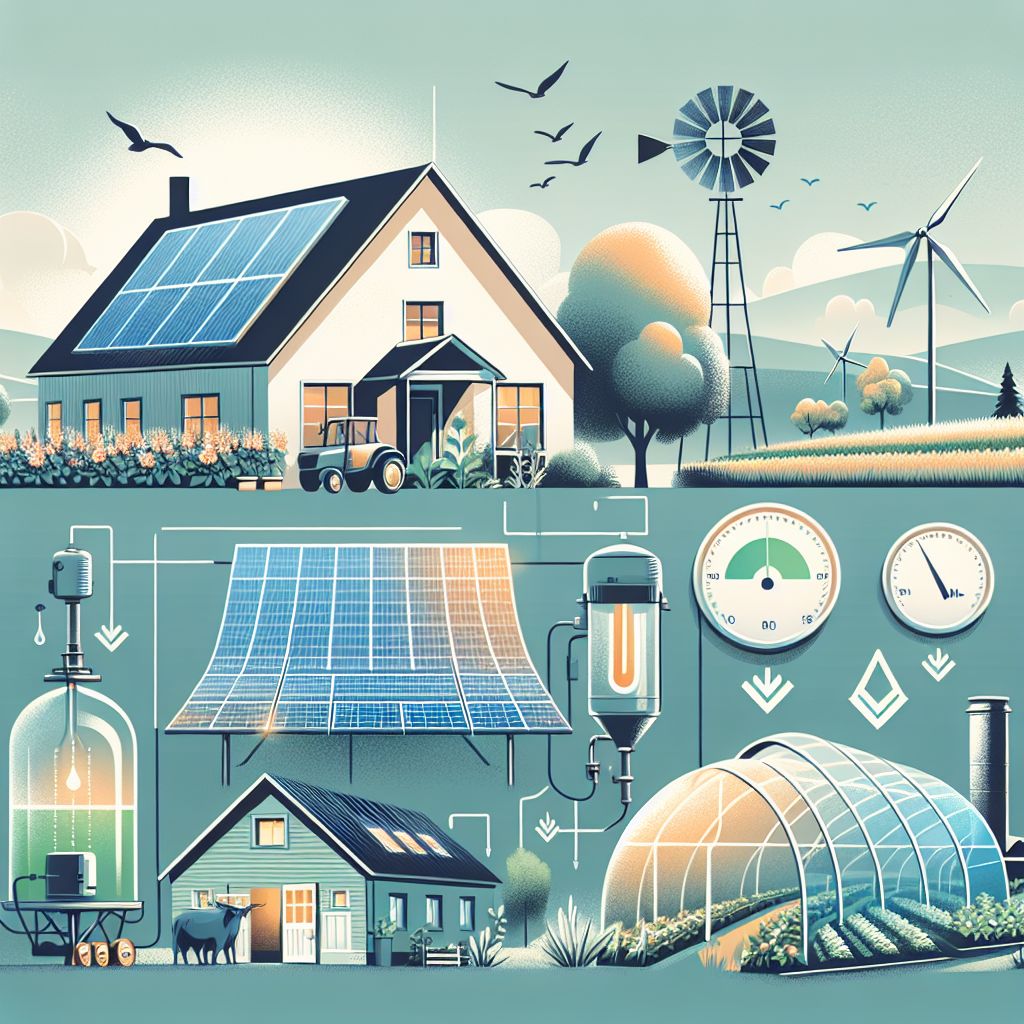
Imagine a farm where the irrigation system, greenhouse, and even tractors are powered by the sun. This is not a distant dream but a reality that many farmers are already experiencing. The integration of solar technology in agriculture is a game-changer, offering both economic and environmental benefits.
Overview of Solar Technology
Solar technology has come a long way in recent years. It involves photovoltaic (PV) cells that convert sunlight into electricity. These cells are usually made of silicon and are grouped together to form solar panels. When sunlight hits the PV cells, it knocks electrons loose, creating an electric current. For more information on the components and coordination of solar systems, you can explore this guide on going solar on the farm.
The electricity generated can be used immediately or stored in batteries for later use. This flexibility is particularly beneficial for farms, which often have fluctuating energy needs. Solar panels can be installed on rooftops, mounted on the ground, or even integrated into greenhouses.
Impact on Sustainable Agriculture
Integrating solar panels into agriculture is not just about cutting costs; it’s about embracing sustainability. Solar energy reduces reliance on fossil fuels, decreasing greenhouse gas emissions. This shift is crucial as the agricultural sector seeks to mitigate its environmental impact. Learn more about the benefits of using solar power in agriculture.
Moreover, solar panels can enhance farm productivity. For instance, solar-powered irrigation systems can ensure efficient water use, crucial in areas prone to drought. By adopting solar technology, farmers can improve their operational efficiency while contributing to a healthier planet.
Key Benefits of Solar Panels for Farmers
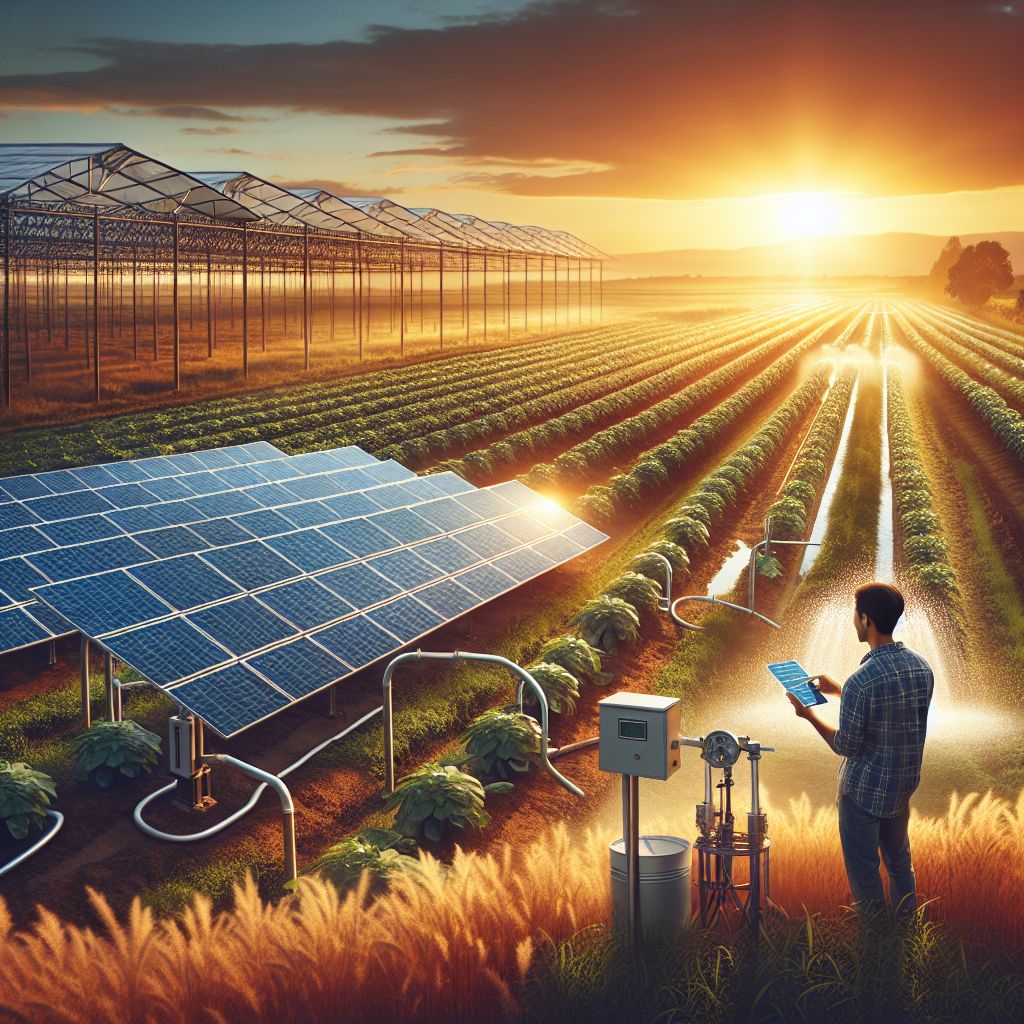
Solar panels offer numerous advantages for farmers, making them a valuable addition to any agricultural operation. For example, they can significantly impact a farmer’s bottom line by reducing energy costs, as detailed in this article on solar power savings. Let’s explore some of the key benefits:
Reducing Energy Costs
One of the most significant benefits of solar panels is the potential for energy cost savings. By generating their electricity, farmers can reduce their reliance on the grid, resulting in lower electricity bills. Over time, these savings can be substantial, helping to offset the initial investment costs.
- Energy independence: Farms can produce their electricity, reducing vulnerability to energy price fluctuations.
- Long-term savings: Although the initial installation cost can be high, solar panels typically pay for themselves within a few years.
- Incentives and rebates: Many governments offer financial incentives for solar panel installations, further reducing costs.
Environmental Advantages
Solar panels offer a host of environmental benefits that make them an attractive option for farmers committed to sustainable practices. By reducing reliance on fossil fuels, solar energy helps decrease greenhouse gas emissions. This reduction is crucial for combating climate change and preserving the environment for future generations. To explore more about these environmental benefits, farmers can look into solar power applications in agriculture.
Moreover, solar panels have a minimal environmental footprint. They produce clean energy without air or water pollution, and their operation is virtually silent, making them ideal for use in rural and agricultural settings. The manufacturing and installation processes have some environmental impact, but these are significantly lower compared to traditional energy sources.
Enhanced Efficiency and Productivity
Integrating solar panels into farming operations can significantly enhance both efficiency and productivity. Solar-powered systems provide a reliable energy source that can be used to power various farm equipment and operations, from irrigation systems to temperature control in greenhouses.
For instance, solar-powered irrigation systems ensure that water is used efficiently, which is especially important in arid regions. These systems can be automated to provide the exact amount of water needed, reducing waste and improving crop yields.
Additionally, solar energy can power temperature control systems in greenhouses, allowing farmers to maintain optimal growing conditions year-round. This capability can lead to increased crop production and the ability to grow a wider variety of plants.
Solar panels offer numerous benefits for farmers. Here’s a table summarizing the key advantages:
|
Benefit |
Description |
|---|---|
|
Cost Reduction |
Significantly lowers electricity expenses for farm operations. 4, 7 |
|
Income Diversification |
Provides additional revenue through net metering and selling excess energy. 4, 7 |
|
Energy Independence |
Reduces reliance on the grid and fossil fuels, enhancing farm resilience. 5 |
|
Crop Yield Improvement |
Shading from panels can improve yields, especially in hot or dry areas. 1 |
|
Water Conservation |
Reduces irrigation needs by shading plants and decreasing evaporation. 1, 8 |
|
Climate Resilience |
Improves crop resistance to extreme weather events like droughts. 1, 10 |
|
Environmental Impact |
Reduces carbon footprint and promotes sustainable farming practices. 4, 5 |
|
Land Use Efficiency |
Allows for dual use of land for energy production and agriculture (agrivoltaics). 3, 9 |
|
Livestock Benefits |
Provides shade and shelter for grazing animals. 6 |
|
Long-term Investment |
Solar panels have a lifespan of 25-30 years, offering sustained benefits. 4 |
This table highlights the multifaceted advantages of incorporating solar panels into agricultural operations, demonstrating their potential to enhance both farm productivity and sustainability.

Types of Solar Systems Used in Agriculture
There are several types of solar systems that can be used in agriculture, each offering unique benefits. Understanding these options can help farmers choose the best solution for their specific needs. For instance, learning about solar-powered irrigation systems can provide insights into efficient water management.
Solar Irrigation Systems
Solar irrigation systems use solar panels to power pumps that draw water from wells, rivers, or other sources. These systems are particularly beneficial in remote areas where access to electricity is limited. By using solar energy, farmers can reduce their dependence on diesel or electric pumps, saving money and reducing environmental impact.
Solar-Powered Greenhouses
Solar-powered greenhouses utilize solar panels to generate electricity for heating, cooling, and lighting. This setup allows for the precise control of the growing environment, leading to improved plant health and increased yields.
By using solar energy, farmers can extend the growing season and cultivate crops that might not otherwise thrive in their climate. This adaptability is crucial for maximizing productivity and ensuring a steady supply of fresh produce. For more insights, explore the environmental benefits of using solar power in agriculture.
In addition to improving plant growth, solar-powered greenhouses can also reduce energy costs. The electricity generated by the solar panels can be used to offset the energy needed for heating and cooling, leading to significant savings over time.
Furthermore, the use of solar panels in greenhouses can reduce the carbon footprint of agricultural operations. By relying on renewable energy, farmers can decrease their reliance on fossil fuels and contribute to a more sustainable future.
Solar Crop Dryers
Solar crop dryers use solar energy to remove moisture from harvested crops, preserving them for longer storage. This method is particularly useful for fruits, vegetables, and grains, which can spoil quickly if not dried properly.
By using solar energy, farmers can reduce the need for fossil fuel-based drying methods, saving money and reducing their environmental impact. Solar crop dryers are also more energy-efficient, as they harness the sun’s natural heat to dry crops without the need for additional energy sources.
Using Solar Energy for other Farm Equipment
Solar energy can also be used to power various farm equipment, from tractors to electric fences. By integrating solar panels into their operations, farmers can reduce their reliance on fossil fuels and decrease their overall energy costs.
This transition to solar energy can lead to increased efficiency and productivity, as solar-powered equipment is often more reliable and requires less maintenance than traditional machinery. Additionally, using solar energy for farm equipment can help reduce the carbon footprint of agricultural operations, contributing to a more sustainable future.

Implementation Process for Solar Panels in Farms
Implementing solar panels on a farm requires careful planning and consideration. By following a structured process, farmers can ensure they maximize the benefits of solar energy while minimizing potential challenges.
Assessing Energy Needs
The first step in implementing solar panels is to assess the farm’s energy needs. This involves evaluating the current energy consumption and identifying areas where solar energy can be used most effectively.
Farmers should consider factors such as the size of their operation, the types of equipment used, and the availability of sunlight in their region. By understanding their energy needs, farmers can determine the appropriate size and type of solar system required.
In addition to assessing current energy needs, farmers should also consider their future energy requirements. As their operations grow and evolve, their energy needs may change, so it’s important to choose a solar system that can accommodate these changes. For more information on solar systems in agriculture, you can explore the benefits of solar energy in agriculture.
Choosing the Right Solar Panels for the Job
- Consider the type of solar panels: Monocrystalline panels are efficient but expensive, while polycrystalline panels are more affordable but less efficient, and Thin-Film panels are less efficient but very flexible .
- Evaluate the efficiency and durability of the panels: Look for panels with a high efficiency rating and a long lifespan to ensure maximum value.
- Check for compatibility with existing equipment: Ensure the solar panels can be easily integrated into the farm’s current operations.
Once the energy needs have been assessed, the next step is to choose the right solar panels for the job. This involves considering factors such as efficiency, durability, and compatibility with existing equipment.
Farmers should also consider the cost of the solar panels and any available incentives or rebates. By choosing the right solar panels, farmers can ensure they maximize the benefits of solar energy while minimizing costs.
Finally, it’s important to work with a reputable solar provider who can offer expert advice and support throughout the installation process. This partnership can help ensure a smooth transition to solar energy and maximize the benefits for the farm.
Here’s a table comparing the different solar panel you can use with on a farm:
|
Solar Panel Type |
Efficiency |
Cost per Watt |
Pros |
Cons |
|---|---|---|---|---|
|
Monocrystalline |
17-22% |
$1.00 – $1.50 |
– Highest efficiency. 1, 3 |
– Most expensive option. 1, 3 |
|
Polycrystalline |
13-17% |
$0.90 – $1.20 |
– Lower cost than monocrystalline. 1, 3 |
– Slightly lower efficiency. 1, 3 |
|
Thin-Film |
10-13% |
$0.70 – $1.00 |
– Lowest cost. 1, 3 |
– Lowest efficiency. 1, 3 |
Site Selection and Panel Installation
Choosing the right site for solar panel installation is crucial for maximizing energy generation. Factors such as sunlight exposure, shading, and proximity to the farm’s operations should be considered.
Once the site has been selected, the installation process can begin. This involves mounting the solar panels, connecting them to the farm’s electrical system, and ensuring they are operating efficiently. For more details on the components and coordination involved, you can refer to Going Solar on the Farm.
Integration with Existing Farm Equipment
Integrating solar panels with existing farm equipment can enhance efficiency and productivity. This process involves connecting the solar system to various equipment and ensuring they work together seamlessly.
By integrating solar panels with existing equipment, farmers can reduce their reliance on fossil fuels and decrease their overall energy costs. This integration can also lead to increased efficiency and productivity, as solar-powered equipment is often more reliable and requires less maintenance than traditional machinery.

Challenges and Solutions for Solar Adoption
While solar panels offer numerous benefits for farmers, there are also challenges to consider. By understanding these challenges and implementing solutions, farmers can maximize the benefits of solar energy.
Some common challenges include initial investment costs, technical challenges in rural areas, and maintenance requirements. By addressing these challenges, farmers can ensure a smooth transition to solar energy and maximize the benefits for their operations.
Initial Investment Costs
The initial cost of installing solar panels can be a significant barrier for some farmers. However, there are several ways to offset these costs, such as government grants, rebates, and financing options.
By taking advantage of these resources, farmers can reduce the financial burden of solar panel installation and start reaping the benefits of solar energy sooner.
Technical Challenges in Rural Areas
In rural areas, technical challenges such as limited access to electricity and internet connectivity can hinder the adoption of solar energy. However, these challenges can be overcome with the right planning and support.
By working with a reputable solar provider, farmers can ensure they have the necessary infrastructure and support to successfully implement solar energy on their farms.
Additionally, community-based initiatives and partnerships can help address technical challenges and promote the adoption of solar energy in rural areas.
Maintenance and Training for Farmers
Maintaining solar panels is crucial to ensure they operate efficiently and last for their expected lifespan. Regular cleaning to remove dust and debris, inspecting for damage, and checking electrical connections are part of the maintenance routine. Training farmers to perform these tasks can empower them to keep their systems running smoothly.
Many solar providers offer training programs to help farmers understand the basics of solar panel maintenance. These programs can cover everything from cleaning techniques to troubleshooting common issues. By equipping farmers with the knowledge and skills they need, we can help ensure the long-term success of solar energy on farms.
Case Studies of Successful Solar Implementation
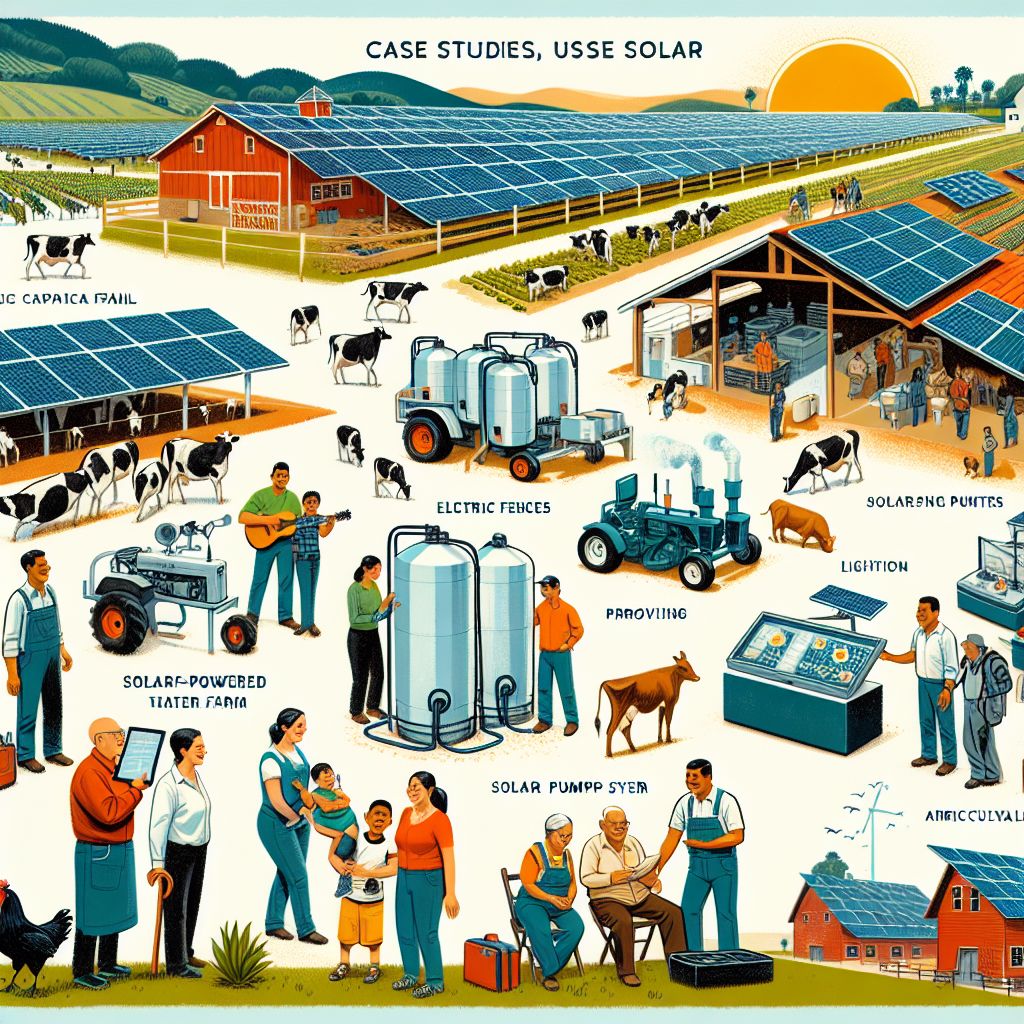
Let’s explore some real-world examples of how solar panels have been successfully implemented in agriculture. These case studies highlight the diverse applications and benefits of solar energy for farmers.
- Small-scale family farms have used solar panels to power irrigation systems, reducing their reliance on diesel pumps and cutting energy costs.
- Large agricultural enterprises have installed solar panels on rooftops and open fields, generating significant amounts of electricity to power their operations.
- Community farming initiatives have pooled resources to invest in solar energy, providing shared benefits and promoting sustainability within their communities.
Small-Scale Family Farms
On small-scale family farms, solar panels have been used to power essential equipment like water pumps and electric fences. These systems can significantly reduce energy costs and increase the farm’s sustainability.
For example, a family farm in California installed a solar-powered irrigation system, which allowed them to save money on diesel fuel and reduce their environmental impact. This investment paid off within a few years, and the family now enjoys energy independence and lower operating costs.
Large Agricultural Enterprises
Large agricultural enterprises have the resources to invest in extensive solar installations, which can generate substantial amounts of electricity. These systems can power everything from processing facilities to administrative offices, reducing the farm’s reliance on grid electricity.
One example is a large dairy farm in Texas that installed solar panels on its barn roofs. The electricity generated powers milking machines, refrigeration units, and lighting, resulting in significant energy savings and a reduced carbon footprint.
Community Farming Initiatives
Community farming initiatives have embraced solar energy as a way to promote sustainability and reduce costs. By pooling resources, these communities can invest in larger solar installations that provide shared benefits.
In India, a group of small farmers banded together to install a solar-powered water pumping system. This initiative not only reduced their energy costs but also improved access to water for irrigation, leading to increased crop yields and a more sustainable farming practice.
Future of Solar Energy in Agriculture
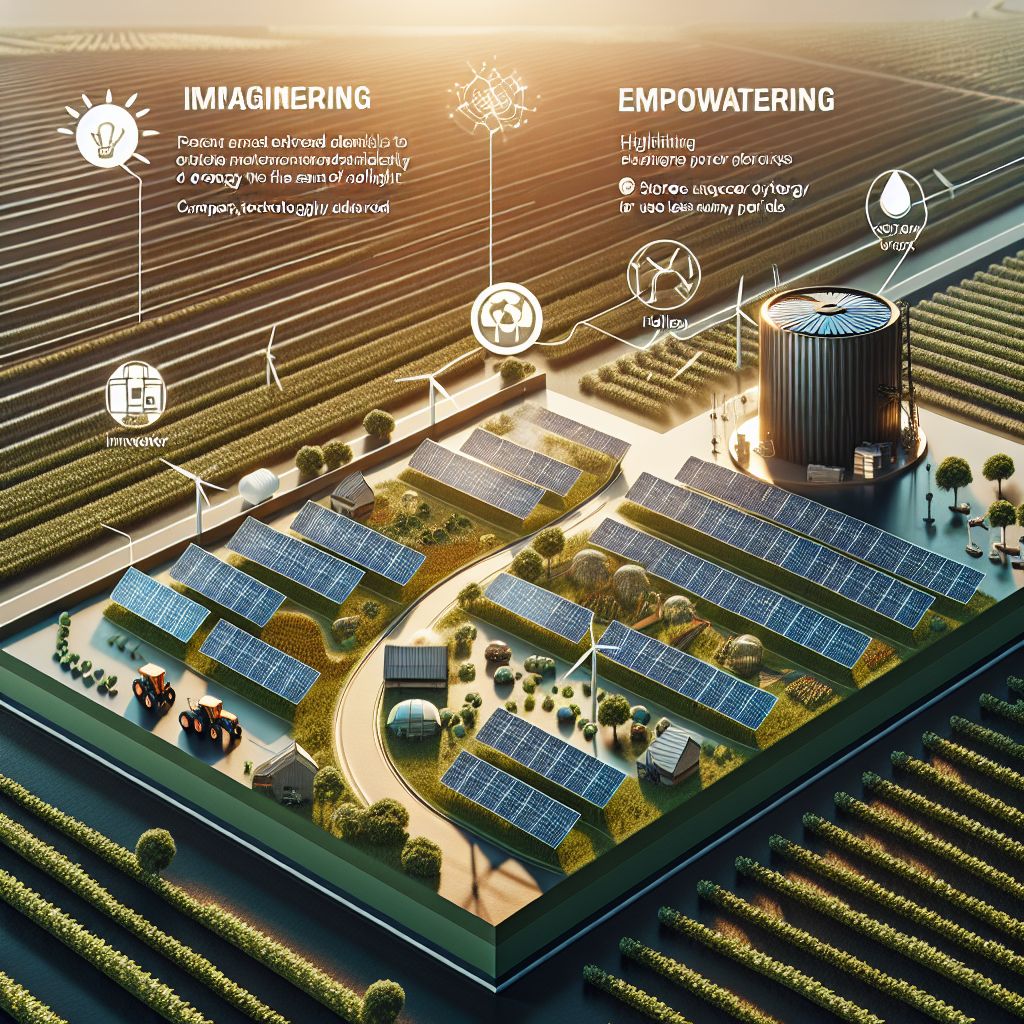
The future of solar energy in agriculture looks promising, with ongoing advancements in technology and growing support from governments and the private sector. As solar technology continues to evolve, its applications in agriculture will expand, offering even greater benefits for farmers.
Technological Innovations and Advances
Technological innovations are driving the adoption of solar energy in agriculture. Improvements in solar panel efficiency, battery storage, and smart grid technology are making solar energy more accessible and cost-effective for farmers.
For example, advances in solar panel materials are increasing efficiency, allowing farmers to generate more electricity from the same amount of sunlight. Additionally, improved battery storage solutions enable farmers to store excess energy for use during cloudy days or at night.
Government and Private Sector Role in Adoption
Governments and the private sector play a crucial role in promoting the adoption of solar energy in agriculture. Many governments offer financial incentives, grants, and rebates to encourage farmers to invest in solar technology.
“The Indian government launched the PM-KUSUM scheme to promote solar energy in agriculture, offering subsidies for solar pump installations and grid-connected solar power plants.”
Private companies are also investing in solar energy solutions for agriculture, developing innovative products and services tailored to the needs of farmers. These efforts are helping to make solar energy more accessible and affordable for the agricultural sector. For more information, you can explore the benefits of using solar power in agriculture.
Projected Growth and Trends
The adoption of solar energy in agriculture is expected to grow significantly in the coming years. As technology continues to advance and costs decrease, more farmers will be able to harness the power of the sun to improve their operations.
Trends such as precision agriculture and smart farming are also driving the adoption of solar energy. By integrating solar technology with data analytics and remote sensing, farmers can optimize their operations and increase productivity.
Frequently Asked Questions
Here are some common questions about using solar panels in agriculture, along with clear and concise answers.
How do solar panels operate combined with traditional farming methods?
Solar panels can be integrated with traditional farming methods to provide a reliable and sustainable energy source. They can power equipment like irrigation systems, greenhouses, and tractors, reducing reliance on fossil fuels and lowering energy costs.
How do solar panels benefit farms financially?
Solar panels can significantly reduce energy costs by generating electricity on-site, decreasing reliance on grid electricity. This can lead to substantial savings over time, helping to offset the initial investment costs. Additionally, many governments offer financial incentives and rebates for solar panel installations.
What types of crops benefit most from solar power?
Solar power can benefit a wide range of crops by providing a consistent and reliable energy source for irrigation, temperature control, and other essential processes. Crops that require controlled environments, such as those grown in greenhouses, can particularly benefit from solar energy.
- Fruits and vegetables: Solar-powered greenhouses can provide optimal growing conditions for a variety of fruits and vegetables.
- Grains: Solar-powered irrigation systems can ensure efficient water use, improving yields for grain crops.
- Specialty crops: Solar energy can support the growth of specialty crops that require specific environmental conditions.
Is government funding available for agricultural solar projects?
Yes, many governments offer funding and incentives for agricultural solar projects. These can include grants, rebates, and tax credits to help offset the cost of solar panel installations. Farmers should research available programs in their region to take advantage of these opportunities.
What are the maintenance requirements for solar panels on farms?
Solar panels require regular maintenance to ensure optimal performance. This includes cleaning the panels to remove dust and debris, inspecting for damage, and checking electrical connections. Many solar providers offer maintenance services and training programs to help farmers manage these tasks.
In conclusion, solar panels offer a sustainable and cost-effective solution for modern agriculture. By embracing this technology, farmers can reduce their energy costs, decrease their environmental impact, and enhance their operational efficiency. As solar technology continues to advance, its role in agriculture will only grow, providing even greater benefits for farmers and the environment. To understand more about the environmental benefits of solar power, you can explore further resources.







Leave a Reply