
Key Takeaways
- Solar power in algaculture significantly reduces carbon emissions, helping to combat climate change.
- Utilizing solar panels can increase crop resilience by providing shade and reducing heat stress.
- Solar power enhances water-use efficiency, which is crucial for dryland farming.
- Agrivoltaic systems create opportunities for multispecies grazing and support pollinator habitats.
- Implementing solar power in algaculture can lead to sustainable farming practices and energy independence.
Exploring Solar Power’s Role in Sustainable Algaculture
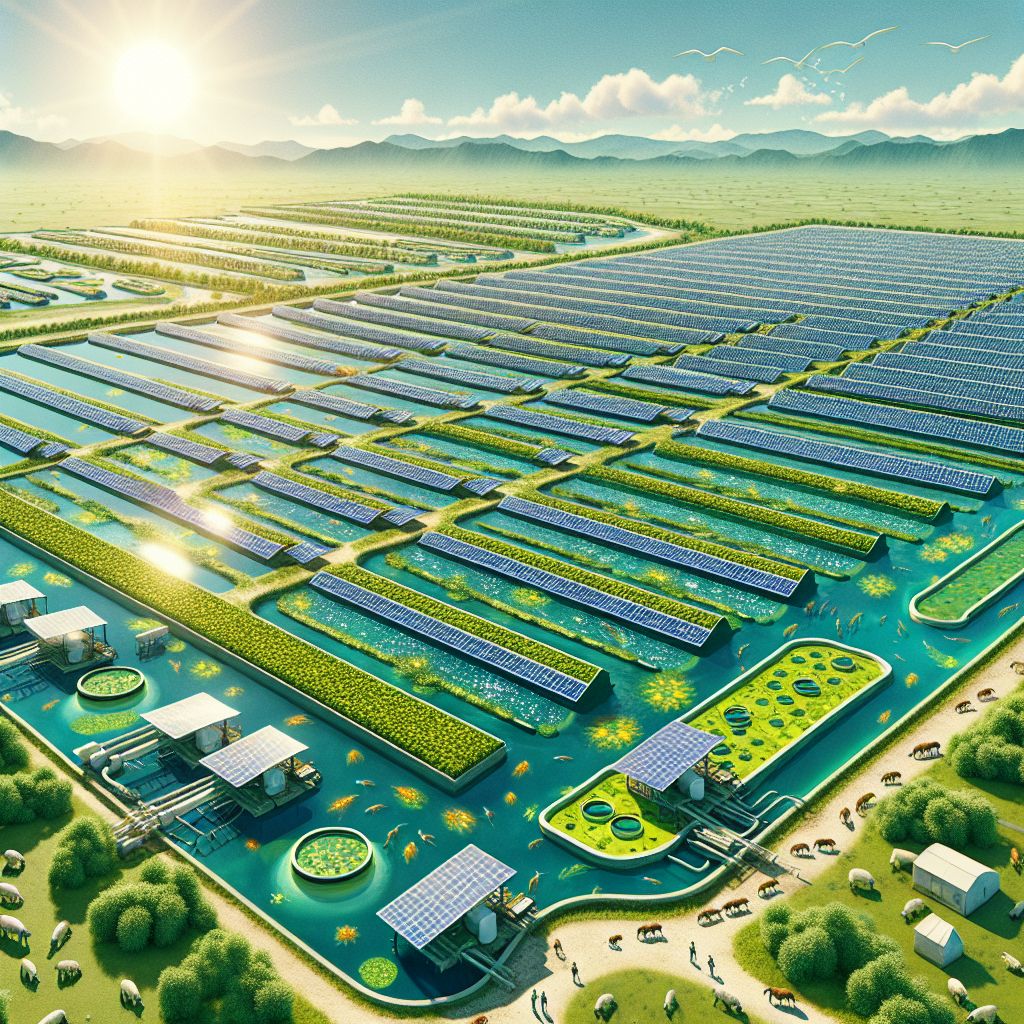
Solar power isn’t just about harnessing the sun’s energy for electricity. It’s about revolutionizing the way we approach agriculture, particularly algaculture, which involves the cultivation of algae for various uses. By integrating solar panels into algaculture systems, we can optimize land use and promote sustainability. This combination of solar power and algaculture, known as agrivoltaics, offers numerous environmental benefits that are crucial for our planet’s health.
Introduction to Solar Power in Algaculture
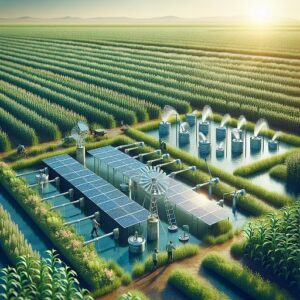
Algaculture is the farming of algae, a versatile organism used in everything from biofuels to food supplements. Traditionally, energy for algaculture comes from non-renewable sources, which contribute to pollution and climate change. However, by using solar power, we can create a more sustainable and eco-friendly algaculture system. Solar panels not only generate clean energy but also provide shade, which can be beneficial for algae growth by reducing excessive heat.
Incorporating solar panels into algaculture systems allows farmers to make use of the same land for both energy production and algae cultivation. This dual-use of land is a game-changer, as it maximizes the efficiency of resources while minimizing environmental impact. Moreover, solar panels can help regulate the temperature of algae ponds, creating an optimal environment for growth.
Comparison with Traditional Energy Sources
Traditional energy sources like fossil fuels have long been the backbone of agricultural operations, including algaculture. However, these sources come with a hefty environmental cost. They release greenhouse gases that contribute to global warming, and their extraction and use can lead to pollution and habitat destruction.
In contrast, solar power offers a clean and renewable alternative. It doesn’t produce harmful emissions during operation, making it a sustainable choice for energy needs. By shifting from fossil fuels to solar power, algaculture can drastically reduce its carbon footprint, contributing to a healthier planet. For more insights on how solar power can be integrated with agriculture, explore agrivoltaics in the Northwest.
What are the Environmental Benefits for Using Solar Panels on a Farm
Utilizing solar panels on a farm, especially in algaculture, provides numerous environmental benefits. First and foremost, it significantly reduces carbon emissions. By generating electricity from the sun, we eliminate the need for fossil fuels, which are a major source of greenhouse gases.
Moreover, solar panels can enhance the resilience of crops by providing shade. This is particularly beneficial in areas prone to extreme heat, as it helps protect plants from heat stress and can lead to higher yields. In algaculture, this shading effect can help maintain optimal temperatures for algae growth, as discussed in this article on the benefits of solar energy on a farm.
Additionally, solar power promotes efficient water use. In dryland farming, where water is scarce, the shade provided by solar panels can reduce evaporation rates, conserving precious water resources. This makes solar power a valuable tool for sustainable agriculture, helping farmers adapt to changing climate conditions.
Solar panels offer numerous environmental benefits when used on farms. Here’s a chart summarizing the key environmental advantages:
|
Environmental Benefit |
Description |
|---|---|
|
Reduced Carbon Emissions |
Solar energy generates electricity without emitting greenhouse gases, significantly lowering the farm’s carbon footprint. 1, 3 |
|
Clean Energy Production |
Unlike fossil fuels, solar power is a clean, renewable resource that doesn’t contribute to air or water pollution. 6 |
|
Water Conservation |
Solar-powered irrigation systems can improve water efficiency, reducing overall water consumption in farming operations. 1, 4 |
|
Improved Crop Resilience |
Solar panels can provide partial shade, protecting crops from extreme heat and drought, potentially improving their resilience to climate change. 4 |
|
Sustainable Land Use | Agrivoltaic systems allow for dual use of land, combining energy production with agriculture, maximizing land use efficiency. 5 |
|
Ecosystem Protection |
By reducing reliance on fossil fuels, solar energy helps preserve natural habitats and ecosystems that might otherwise be affected by resource extraction. 3 |
|
Air Quality Improvement |
Solar energy reduces air pollution associated with traditional energy sources, potentially improving respiratory health in farming communities. 6 |
These environmental benefits demonstrate how solar panels can contribute to more sustainable and eco-friendly farming practices, addressing both energy needs and environmental concerns in agriculture.
Reduction of Carbon Emissions
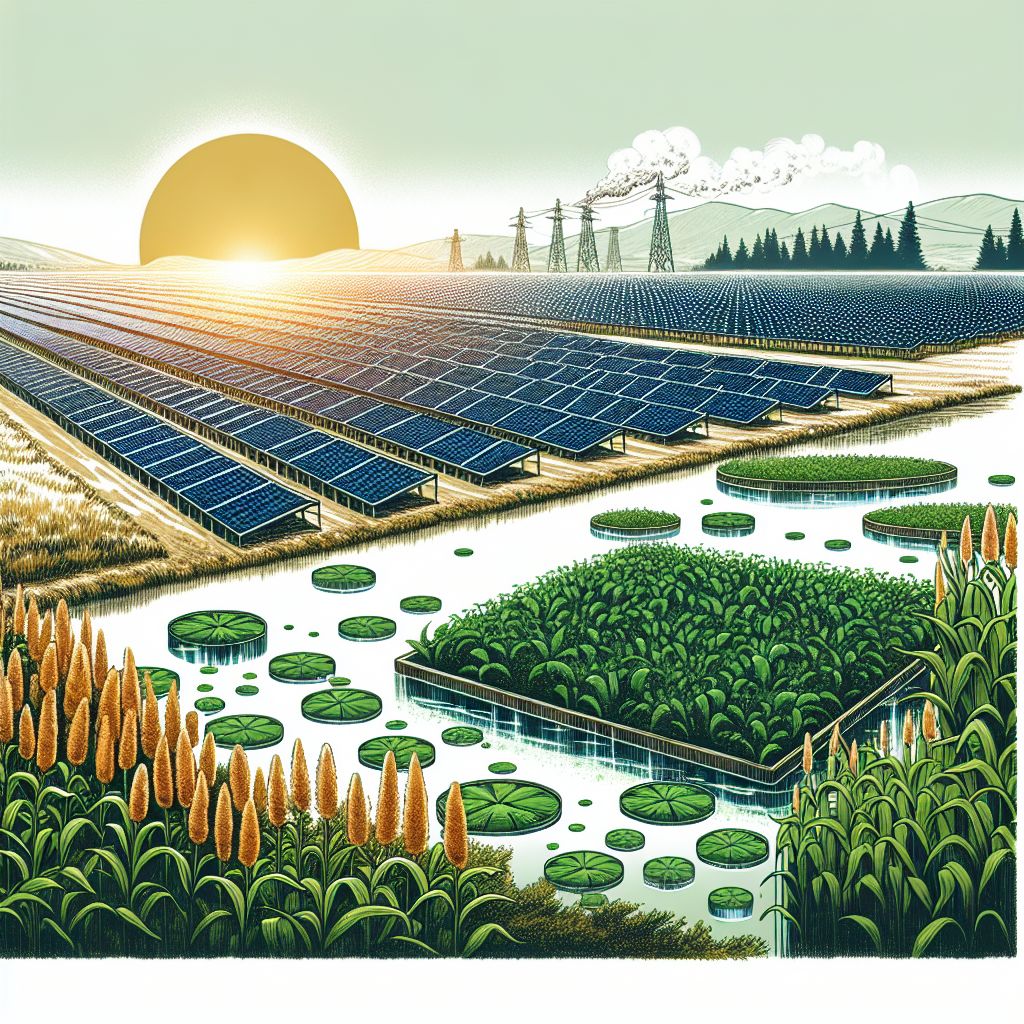
Reducing carbon emissions is one of the most pressing environmental challenges we face today. Solar power in algaculture offers a viable solution to this problem, as it generates clean energy without releasing harmful greenhouse gases.
How Solar Panels Reduce Carbon Emissions
Solar panels work by converting sunlight into electricity through photovoltaic cells. This process is entirely emission-free, meaning it doesn’t contribute to air pollution or global warming. By replacing traditional energy sources with solar power, algaculture can drastically cut its carbon emissions, making it a more sustainable practice.
In addition to generating clean energy, solar panels also help reduce emissions by promoting energy efficiency. By providing shade and reducing heat stress, they can enhance crop yields and reduce the need for energy-intensive cooling systems. This further decreases the overall carbon footprint of algaculture operations.
Comparison with Traditional Energy Sources
- Fossil Fuels: High carbon emissions, contributing to global warming and air pollution.
- Solar Power: Zero emissions during operation, reducing the environmental impact.
- Energy Efficiency: Solar panels improve energy efficiency, leading to lower emissions.
By transitioning to solar power, algaculture can play a crucial role in mitigating climate change and promoting a cleaner, healthier environment.
Global Impact on Climate Change
The global impact of using solar power in algaculture extends beyond individual farms. As more algaculture operations adopt solar energy, the cumulative effect on carbon emissions can be substantial. This shift can contribute to global efforts to combat climate change, helping to stabilize temperatures and reduce the frequency of extreme weather events.
Moreover, by demonstrating the feasibility and benefits of solar-powered algaculture, we can inspire other agricultural sectors to follow suit. This can lead to widespread adoption of renewable energy in agriculture, further amplifying the positive environmental impact.
Improving Crop Resilience
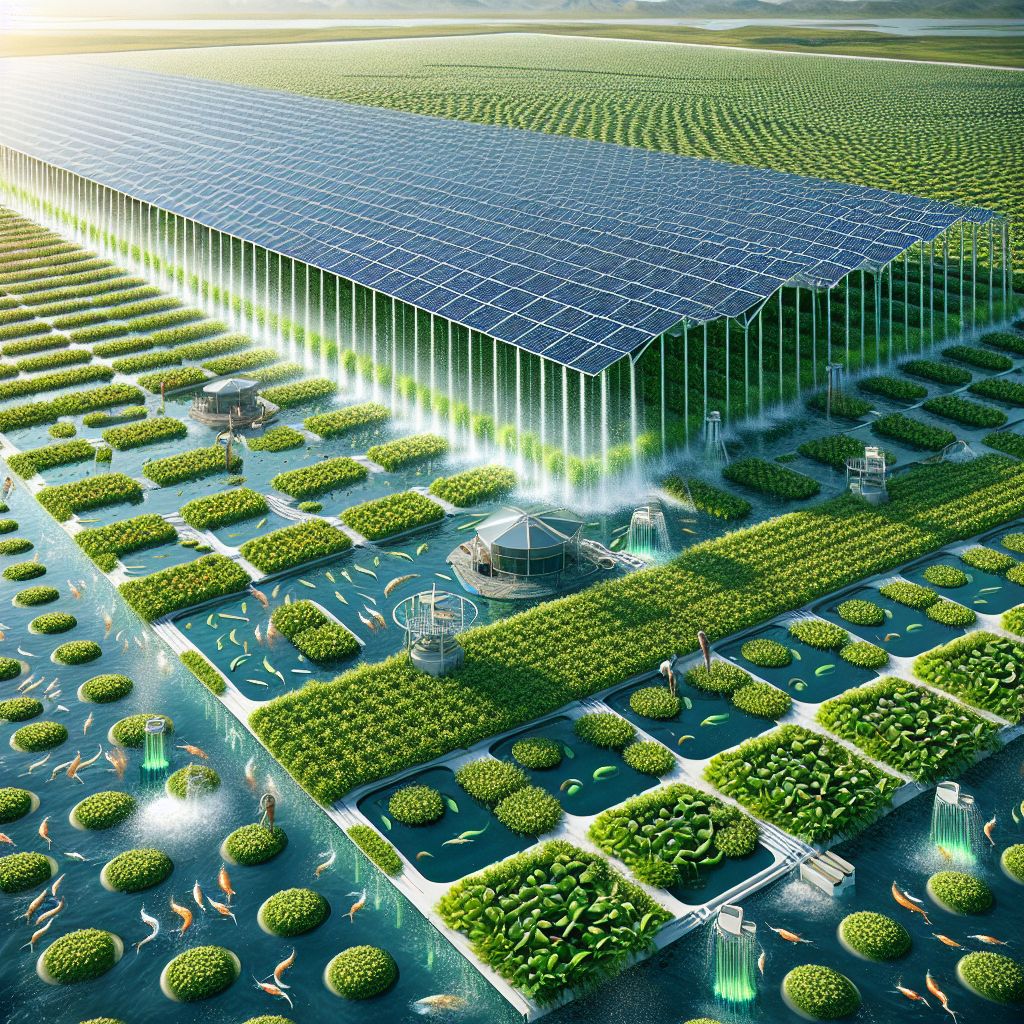
One of the remarkable benefits of integrating solar power into algaculture is the enhancement of crop resilience. By strategically placing solar panels, we can provide a shield against harsh environmental conditions, thereby improving the overall health and productivity of crops.
Heat and Drought Protection Through Shading
Solar panels serve a dual purpose by not only generating electricity but also offering shade to the crops below. This shading effect is particularly beneficial in regions prone to extreme heat and drought. By reducing the amount of direct sunlight reaching the crops, solar panels help in maintaining cooler temperatures and minimizing water loss through evaporation.
In algaculture, where maintaining optimal conditions for algae growth is crucial, the shade provided by solar panels can prevent overheating of the algae ponds. This ensures that the algae remain healthy and productive, even during periods of intense heat.
Solar Panels can Produce Shade to Help the Crops Grow.
The shading effect of solar panels can significantly influence crop growth. While it might seem counterintuitive, certain crops actually thrive with a bit of shade. For instance, leafy greens and herbs can benefit from reduced sunlight, which helps in retaining moisture and nutrients.
Besides that, the shade can create a microclimate that protects crops from wind damage and soil erosion. This means healthier plants and potentially higher yields, as crops are less stressed by environmental factors. For instance, using a solar sprinkler irrigation system can further enhance these benefits by providing efficient water distribution.
Scientific Studies Supporting Solar Panel Benefits
Several scientific studies have highlighted the positive impact of solar panels on crop resilience. Research conducted by the University of Arizona demonstrated that shading from solar panels reduced plant water needs by up to 50% while maintaining or even increasing crop yields.
“Our study shows that agrivoltaic systems can create a win-win scenario for both energy and food production, particularly in arid regions,” said Greg Barron-Gafford, lead researcher.
Such findings underscore the potential of solar power to revolutionize agricultural practices, making them more sustainable and resilient to climate change.
Healthier Crops
Healthier crops are a direct result of the improved resilience provided by solar panels. By mitigating the effects of extreme weather and reducing water stress, crops can grow in a more stable environment. This leads to better growth rates, higher nutritional content, and increased resistance to pests and diseases.
In algaculture, healthier algae mean higher yields and better quality products, whether they’re used for biofuels, food supplements, or other applications. This not only benefits farmers but also contributes to a more sustainable food and energy system. For instance, the benefits of solar panel batteries can enhance the efficiency of algae production by providing consistent energy supply.
Enhanced Water-Use Efficiency
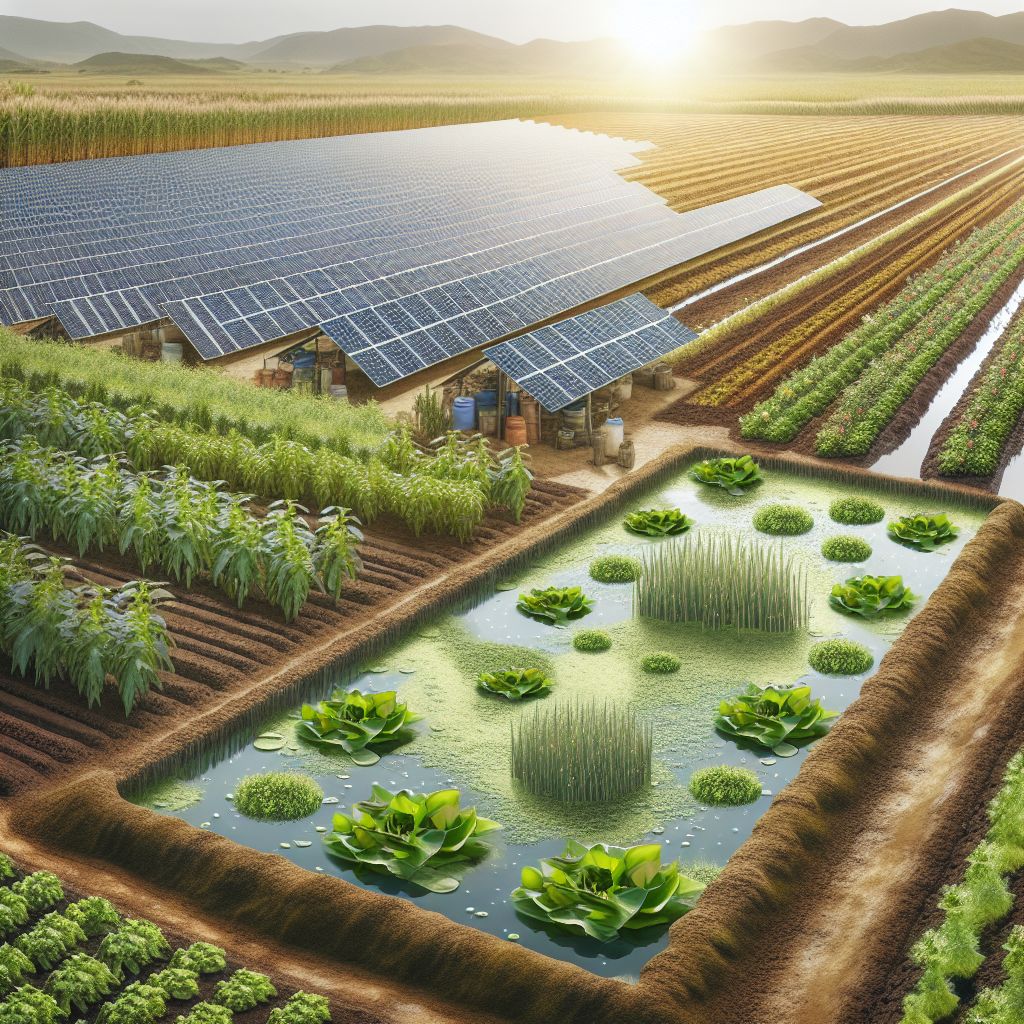
Water is a precious resource, especially in agriculture. Solar power can play a pivotal role in enhancing water-use efficiency, which is crucial for sustainable farming practices. By reducing evaporation and creating a more controlled environment, solar panels help conserve water.
In algaculture, where water is an integral part of the system, efficient water use can lead to significant savings and environmental benefits. By reducing the water footprint of algaculture operations, we can make them more sustainable and resilient to changing climate conditions. Learn more about revolutionizing watering practices with solar energy.
Shade Reduction in Water Demand
The shade provided by solar panels reduces the amount of water lost to evaporation. This is particularly important in dry regions where water scarcity is a major concern. By maintaining soil moisture levels, solar panels can help farmers reduce their irrigation needs, leading to more efficient water use.
Furthermore, in algaculture systems, the reduced evaporation rates mean that algae ponds require less frequent refilling, conserving water and reducing operational costs.
By incorporating solar power, farmers can make significant strides toward water conservation, a critical component of sustainable agriculture.
|
Benefit |
Impact |
|---|---|
|
Reduced Evaporation |
Lower water loss, conserving resources |
|
Increased Soil Moisture |
Less irrigation needed, saving water |
|
Stable Environment |
Healthier crops and algae |
Impact of Solar Panels on Dryland Farming
In dryland farming, where water is a scarce commodity, the impact of solar panels can be transformative. By reducing water demand and creating a more stable microclimate, solar panels enable farmers to grow crops in areas previously considered unsuitable for agriculture.
This opens up new opportunities for sustainable farming, allowing farmers to make the most of available land and resources. With the added benefit of renewable energy production, solar-powered algaculture represents a forward-thinking approach to agriculture that meets the challenges of a changing climate.
Agrivoltaic Integration and Multispecies Grazing
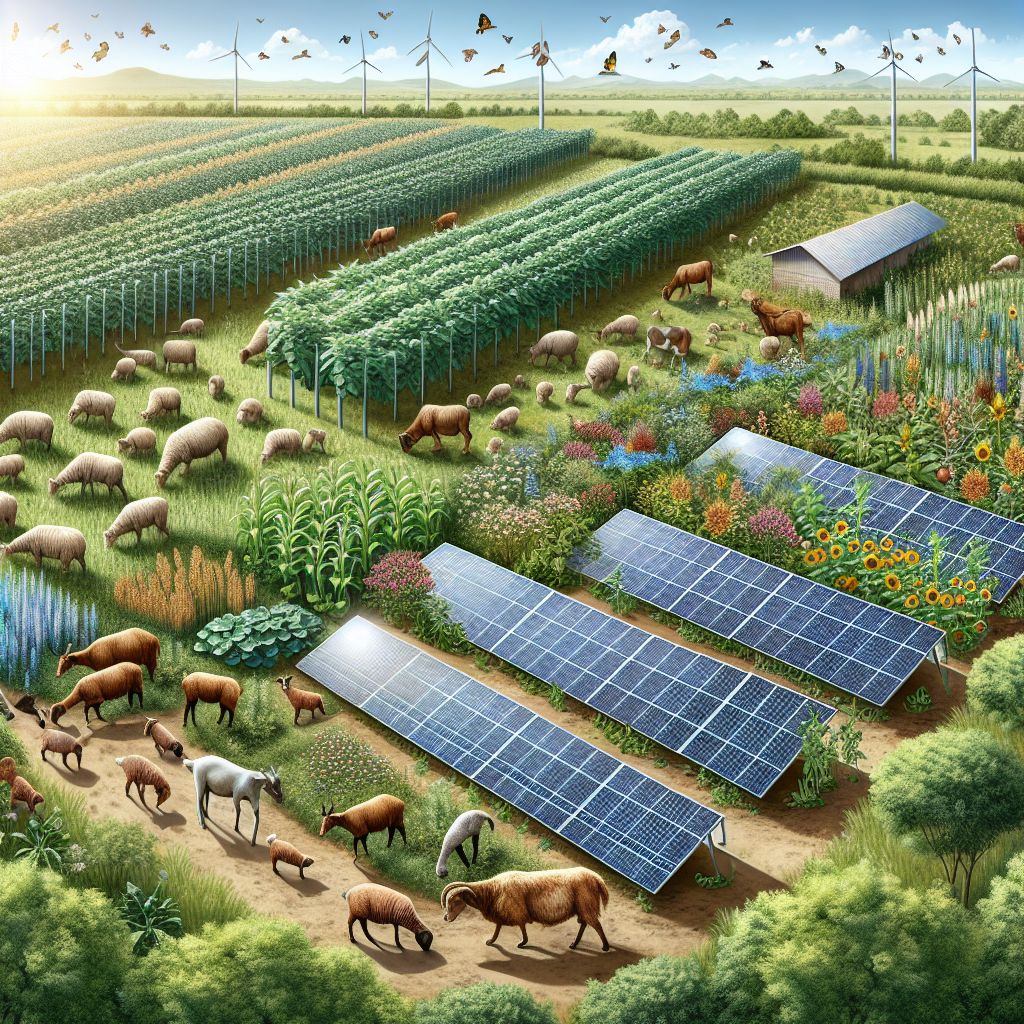
Agrivoltaic systems not only benefit crops but also create opportunities for integrating animal grazing and supporting biodiversity. By combining solar power with traditional farming practices, we can create a more holistic and sustainable agricultural system. For more information, explore how agrivoltaics pair solar power and agriculture in the Northwest.
Opportunities for Grazing Animals
Solar panel installations can provide shaded areas for grazing animals, such as sheep and goats. This not only benefits the animals by offering protection from the sun but also helps maintain the vegetation around the solar panels, preventing overgrowth that could block sunlight.
Moreover, the presence of animals can contribute to soil health by naturally fertilizing the land and promoting nutrient cycling. This creates a symbiotic relationship between solar power, crops, and livestock, enhancing the overall sustainability of the farming system.
Effects on Pollinator Habitats
Pollinators, such as bees and butterflies, play a crucial role in agriculture by facilitating plant reproduction. Agrivoltaic systems can support pollinator habitats by providing a diverse range of plants and flowers beneath the solar panels.
By fostering a healthy ecosystem, these systems can enhance pollination services, leading to higher crop yields and improved biodiversity. This not only benefits farmers but also contributes to the overall health of the environment.
In conclusion, the integration of solar power in algaculture offers a multitude of environmental benefits, from reducing carbon emissions to enhancing water-use efficiency and supporting biodiversity. By adopting this innovative approach, we can create a more sustainable and resilient agricultural system that meets the challenges of the future.
Real-World Examples and Ongoing Research
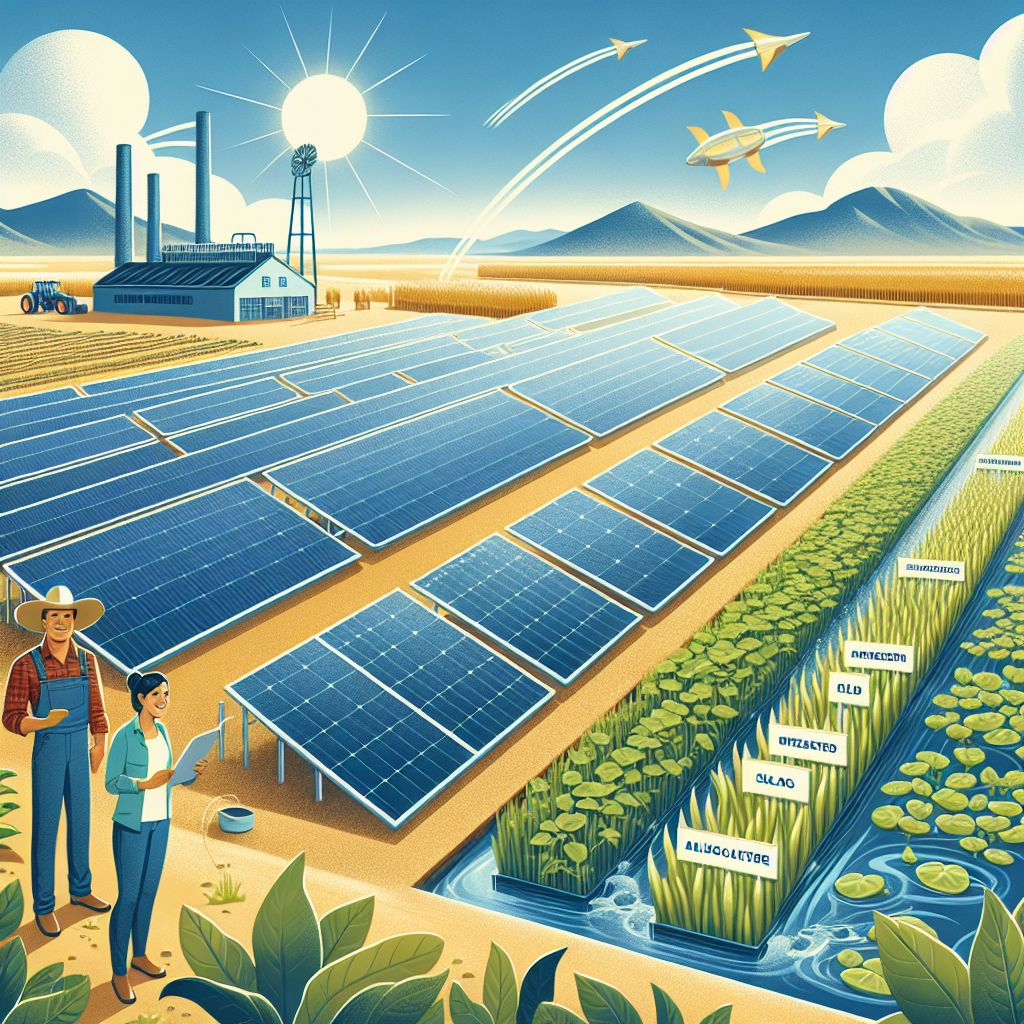
The benefits of solar power in algaculture are not just theoretical; they are being realized in real-world applications. Various research initiatives and case studies demonstrate the potential of agrivoltaic systems to transform agriculture.
For instance, in regions like the Northwest, researchers are exploring the integration of solar power into algaculture to address water scarcity and enhance crop resilience. These projects are paving the way for wider adoption of renewable energy in agriculture.
Research Initiatives in the Northwest
In the Northwest, ongoing research focuses on the implementation of agrivoltaic systems in algaculture. These initiatives aim to understand the best practices for integrating solar power and agriculture, maximizing benefits for both energy production and crop growth.
By collaborating with local farmers and stakeholders, researchers are developing innovative solutions that can be scaled up and applied to other regions. This research is critical for advancing sustainable agriculture and addressing the challenges posed by climate change.
Through continued exploration and innovation, solar power in algaculture holds the promise of a more sustainable and resilient future for agriculture and the environment.
Successful Implementation Case Studies
One of the most compelling examples of solar power in algaculture comes from the University of Arizona’s research, which has shown promising results in integrating solar panels with agricultural practices. By placing solar panels over crops, they have managed to create a more controlled environment that benefits both energy production and plant growth. This dual-use of land has led to increased crop yields and reduced water usage, demonstrating the practical benefits of agrivoltaic systems.
Challenges and Future Considerations
While the benefits of solar power in algaculture are clear, there are several challenges that need to be addressed to fully realize its potential. One of the main concerns is the initial cost of installing solar panels, which can be prohibitive for some farmers. Additionally, there are technical challenges related to the design and management of agrivoltaic systems, such as ensuring that the panels do not overly shade the crops or disrupt farm operations.
|
Challenge |
Consideration |
|---|---|
|
Cost |
High initial investment |
|
Technical Design |
Ensuring optimal shading and placement |
|
Land Use |
Balancing energy and agricultural needs |
Despite these challenges, ongoing research and technological advancements are paving the way for more efficient and cost-effective solutions. As more farmers adopt solar power, the costs are expected to decrease, making it more accessible to a wider range of agricultural operations.
Overcoming Land Use Conflicts
One of the primary concerns with implementing solar power in algaculture is the potential conflict over land use. Farmers may worry that dedicating space to solar panels could reduce the land available for crops. However, agrivoltaic systems are designed to optimize land use by allowing for both energy production and agriculture on the same plot of land.
By carefully planning the layout of solar panels and selecting crops that benefit from partial shade, farmers can maximize the productivity of their land. This approach not only resolves land use conflicts but also enhances the overall sustainability of the farming operation.
Design and Management Challenges
- Ensuring adequate sunlight for crops while maximizing energy production
- Integrating solar panel maintenance with regular farm operations
- Developing efficient irrigation systems that work with solar shading
Addressing these challenges requires a collaborative approach, involving farmers, researchers, and technology developers. By working together, we can create innovative solutions that make solar power in algaculture a viable and sustainable option for the future.
Conclusion and Future Outlook
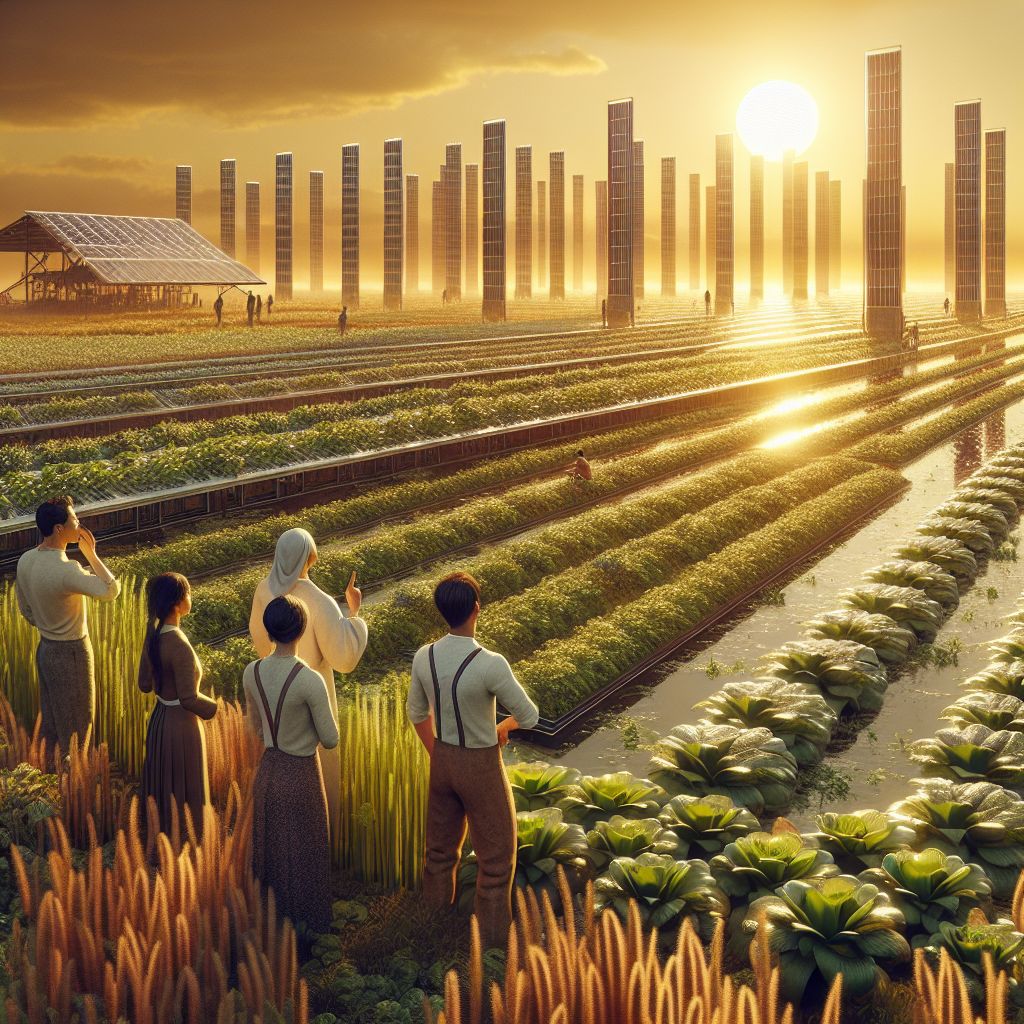
The integration of solar power into algaculture represents a significant step forward in promoting sustainable agricultural practices. By harnessing the sun’s energy, we can reduce carbon emissions, enhance crop resilience, and improve water-use efficiency. These benefits not only contribute to a healthier environment but also provide economic advantages for farmers.
Summarizing the Environmental Benefits
Solar power in algaculture offers a range of environmental benefits, including reduced carbon emissions, increased crop resilience, and enhanced water-use efficiency. By providing shade, solar panels help protect crops from extreme heat and drought, leading to healthier and more productive plants.
Moreover, the dual-use of land for both energy production and agriculture maximizes resource efficiency, making it a sustainable solution for the future. As more farmers adopt solar power, the positive environmental impact will continue to grow, contributing to global efforts to combat climate change.
“The integration of solar power in algaculture is a win-win scenario for both energy and food production,” said Greg Barron-Gafford, lead researcher at the University of Arizona.
The Path Forward for Sustainable Algaculture
Looking ahead, the future of algaculture lies in the continued integration of renewable energy sources like solar power. By adopting agrivoltaic systems, farmers can reduce their reliance on fossil fuels and promote sustainable practices that benefit both the environment and their bottom line.
To support this transition, it is essential to continue investing in research and development, as well as providing financial incentives for farmers to adopt solar power. By creating a supportive policy environment and fostering collaboration between stakeholders, we can accelerate the adoption of sustainable agricultural practices.
- Invest in research and development to improve agrivoltaic technology
- Provide financial incentives for farmers to adopt solar power
- Foster collaboration between farmers, researchers, and technology developers
Is Using Solar Panels a Good Investment for a Farmer
For farmers considering the switch to solar power, the investment can be highly beneficial. While the initial costs may be high, the long-term savings on energy bills and the potential for increased crop yields can offset these expenses. Additionally, by adopting solar power, farmers can contribute to a more sustainable and resilient agricultural system, ensuring the health of their land and resources for future generations. Learn more about the benefits of agrivoltaics in agriculture.
Frequently Asked Questions
Here are some common questions about the benefits and challenges of using solar power in algaculture.
How does solar power benefit algaculture?
Solar power benefits algaculture by providing clean, renewable energy that reduces carbon emissions and promotes sustainable farming practices. By generating electricity from the sun, algaculture operations can reduce their reliance on fossil fuels and lower their environmental impact. Learn more about the benefits of solar-powered systems in agriculture.
Additionally, solar panels provide shade that can protect algae and crops from extreme heat, enhancing their resilience and productivity. This dual-use of land maximizes resource efficiency and contributes to a more sustainable agricultural system.
“Solar power in algaculture is a game-changer for sustainable farming,” said a leading expert in renewable energy.
What makes solar power more eco-friendly for algaculture than traditional energy sources?
Solar power is more eco-friendly for algaculture because it generates electricity without producing harmful emissions. Unlike fossil fuels, which release greenhouse gases and contribute to climate change, solar power is a clean and renewable energy source. Learn more about the benefits of solar panel batteries for agriculture use.
By using solar power, algaculture operations can reduce their carbon footprint and promote environmental sustainability. This makes it a more sustainable and eco-friendly option for meeting energy needs.
Are there any risks associated with solar power in algaculture?
While solar power offers many benefits, there are some risks to consider. The initial cost of installing solar panels can be high, which may be a barrier for some farmers. Additionally, there may be technical challenges related to the design and management of agrivoltaic systems.
However, with careful planning and collaboration between stakeholders, these risks can be mitigated, making solar power a viable option for sustainable algaculture.
What are the main challenges in implementing solar power for algaculture?
The main challenges in implementing solar power for algaculture include the initial cost of installation, technical design considerations, and potential land use conflicts. Ensuring that solar panels are optimally placed to provide shade without disrupting crop growth is crucial for success.
Additionally, integrating solar panel maintenance with regular farm operations and developing efficient irrigation systems are important considerations for successful implementation.
How does solar power in algaculture help with water conservation?
Solar power helps with water conservation in algaculture by providing shade that reduces evaporation rates. This conserves water resources and reduces the need for irrigation, making it a valuable tool for sustainable agriculture.
In algaculture systems, reduced evaporation rates mean that algae ponds require less frequent refilling, conserving water and reducing operational costs. This enhances water-use efficiency and contributes to a more sustainable agricultural system.
In conclusion, solar power in algaculture offers a multitude of environmental benefits, from reducing carbon emissions to enhancing water-use efficiency and supporting biodiversity. By adopting this innovative approach, we can create a more sustainable and resilient agricultural system that meets the challenges of the future.
Solar power is rapidly becoming a popular choice for sustainable energy in agriculture. By harnessing the sun’s energy, farmers can reduce their reliance on fossil fuels and decrease their carbon footprint. One of the key advantages is the ability to use solar power for irrigation systems, which can significantly lower operational costs. For a deeper understanding of the benefits of solar-powered irrigation systems, farmers can explore various resources that outline the economic and environmental impacts.





Leave a Reply