

Key Takeaways
- Off-grid solar irrigation systems are a sustainable solution for farmers without reliable grid access.
- These systems can significantly reduce energy costs, with solar panels providing free energy from the sun.
- Key components include solar panels, inverters, charge controllers, batteries, solar pumps, and water storage tanks.
- Proper installation and maintenance are crucial for the system’s efficiency and longevity.
- Farmers can achieve energy independence and ensure reliable water supply even in remote areas.
Why Off-Grid Solar Irrigation is a Game-Changer for Farmers
In the world of sustainable agriculture, off-grid solar irrigation systems are transforming how farmers manage their resources. These systems harness the power of the sun to provide a reliable and cost-effective solution for water management, especially in areas where grid access is limited or unreliable.
What is Off-Grid Farming
Off-grid farming refers to agricultural practices that do not rely on the traditional electrical grid for energy. Instead, these farms utilize alternative energy sources, like solar power, to meet their energy needs. This approach not only reduces dependency on external power sources but also enhances sustainability by leveraging renewable energy.
By using solar energy, farmers can power their irrigation systems without incurring high electricity costs or facing interruptions due to grid failures. This independence is particularly beneficial in remote locations where grid connectivity is weak or non-existent.
Benefits of Using a Solar Irrigation Systems with Off-Grid Farming
Integrating solar irrigation systems into off-grid farming offers numerous advantages. Here are a few:
- Cost Savings: After the initial investment, solar energy is free, reducing long-term operational costs.
- Environmental Impact: Solar power reduces carbon emissions, contributing to a healthier planet.
- Reliability: Solar systems provide consistent energy, ensuring that water is always available for crops.
- Scalability: Systems can be scaled to match the size and needs of the farm.
These benefits make solar irrigation systems an attractive option for farmers looking to optimize their operations sustainably.
Cost-Effectiveness and Sustainability
The cost-effectiveness of solar irrigation systems is one of their most appealing features. While the upfront costs can be significant, the absence of ongoing electricity bills results in substantial savings over time. Farmers can expect a return on investment within a few years, depending on the scale of their operations and local conditions.
Moreover, the sustainability aspect cannot be overstated. By utilizing solar power, farmers contribute to reducing greenhouse gas emissions, thus playing a part in combating climate change. This makes solar irrigation systems not only a smart financial choice but also an environmentally responsible one.
Energy Independence and Reliability
Energy independence is a critical factor for many farmers, particularly those in remote or underserved areas. Off-grid solar irrigation systems provide a reliable energy source that is not subject to the fluctuations and outages common in many grid systems. This reliability ensures that crops receive the necessary water supply without interruption, crucial for maintaining healthy yields.
By investing in solar technology, farmers can secure their energy needs and focus on what they do best: growing food and sustaining their communities.

Core Components of an Off-Grid Solar Irrigation System
Understanding the core components of an off-grid solar irrigation system is essential for successful implementation. Each component plays a vital role in ensuring the system operates efficiently and effectively.
Solar Panels: Capturing Sunlight to Generate Power
Solar panels are the heart of any solar irrigation system. They capture sunlight and convert it into electricity. The amount of power generated depends on the size and efficiency of the panels, as well as the amount of sunlight available. Learn more about the benefits and methods of increasing farm efficiency with solar panels.
It’s crucial to select the right type and number of panels to meet the energy needs of your irrigation system. Consider factors like your farm’s location, average sunlight hours, and the energy demands of your water pumps when choosing solar panels.
Here’s a table comparing the different solar panel you can use in with an off-grid solar irrigation system:
|
Solar Panel Type |
Efficiency |
Cost per Watt |
Pros |
Cons |
|---|---|---|---|---|
|
Monocrystalline |
17-22% |
$1.00 – $1.50 |
– Highest efficiency. 1, 3 |
– Most expensive option. 1, 3 |
|
Polycrystalline |
13-17% |
$0.90 – $1.20 |
– Lower cost than monocrystalline. 1, 3 |
– Slightly lower efficiency. 1, 3 |
|
Thin-Film |
10-13% |
$0.70 – $1.00 |
– Lowest cost. 1, 3 |
– Lowest efficiency. 1, 3 |
Monocrystalline panels are highly efficient and durable, making them ideal for high-performance irrigation systems that require consistent power output. Their higher cost is often offset by their superior performance in the long run 3.
Polycrystalline panels offer a good balance between cost and efficiency, making them suitable for medium-scale irrigation projects. They perform well in most conditions and are a popular choice for many agricultural applications 3.
Thin-film panels, while less efficient, are more affordable and flexible. They can be a good option for portable irrigation systems or installations where weight is a concern. Their lower efficiency means you may need more panels to achieve the same power output as crystalline options 3.
Solar Inverter: Turns Sunlight into Usable Power
The solar inverter is responsible for converting the direct current (DC) electricity produced by the solar panels into alternating current (AC) electricity, which is used by most irrigation equipment. A reliable inverter is key to ensuring that the energy generated is effectively utilized.
When selecting an inverter, look for one with a high efficiency rating and the capacity to handle the maximum power output of your solar panels.
Charge Controllers: Managing Energy Flow
Charge controllers regulate the flow of electricity from the solar panels to the batteries. They prevent overcharging and protect the batteries from damage, extending their lifespan. Without a charge controller, the system risks inefficiencies and potential failures.
Choose a charge controller that matches the voltage and current specifications of your solar panels and batteries. This ensures optimal performance and longevity of the entire system.
Batteries: Storing Energy for Use
Batteries store the electricity generated by the solar panels for use when the sun is not shining. This stored energy is crucial for maintaining a consistent water supply, especially during cloudy days or nighttime.
There are different types of batteries available, such as lead-acid and lithium-ion. Each has its pros and cons, so it’s important to select the type that best suits your needs and budget. Consider factors like capacity, lifespan, and maintenance requirements when choosing batteries. For more insights on reducing costs, explore solar panel cost reduction and government incentives for farmers.
Solar Pumps: Types and Uses
Solar pumps are a critical component of the irrigation system, responsible for moving water from its source to the fields. These pumps are powered by the solar energy harnessed by the panels and converted by the inverter. There are two main types of solar pumps: submersible and surface pumps.
Submersible pumps are ideal for drawing water from deep sources, such as wells or underground reservoirs. They are placed underwater and can handle significant depths, making them suitable for areas with deep water tables. On the other hand, surface pumps are used when the water source is relatively shallow, such as ponds or streams. These pumps are installed above ground and are generally easier to maintain.
Choosing the right type of pump depends on the depth of your water source and the volume of water you need to move. Consider these factors carefully to ensure efficient water delivery to your crops.
Irrigation System: How to Distribute the Water
The irrigation system is the network that distributes water from the source to the crops. Several methods are available, each with its advantages and considerations:
- Drip Irrigation: Delivers water directly to the plant roots, minimizing waste and maximizing efficiency. Ideal for water conservation.
- Sprinkler Systems: Mimic natural rainfall and are suitable for larger areas. They can cover a wide range of crops but may be less efficient in windy conditions.
- Flood Irrigation: Involves flooding the field with water. It’s less efficient but can be used in specific scenarios, like rice cultivation.
Each method has its own set of requirements and benefits, so it’s important to choose the one that best fits your farm’s needs and water availability.
Water Storage Tanks: Ensuring Availability
Water storage tanks play a vital role in ensuring a steady water supply, even when the sun isn’t shining or during periods of low rainfall. These tanks store excess water pumped during sunny days, providing a buffer for times when solar energy is insufficient.
When selecting a water storage tank, consider the size and material. Larger tanks can store more water, which is beneficial for larger farms or during extended dry periods. Common materials include plastic, fiberglass, and metal, each with its pros and cons regarding durability, cost, and maintenance.
Proper placement of storage tanks is also crucial. They should be located at a higher elevation than the fields to allow gravity-fed irrigation, reducing the need for additional energy to move the water. Learn more about solar panel benefits in agriculture to further enhance energy efficiency.
- Plastic Tanks: Lightweight and easy to install, but may degrade under prolonged sun exposure.
- Fiberglass Tanks: Durable and resistant to weather conditions, but more expensive.
- Metal Tanks: Strong and long-lasting, but prone to rust if not properly coated.
By choosing the right storage solution, farmers can ensure a reliable water supply and improve the resilience of their irrigation systems.

Guide to Implementing an Off-Grid Solar Irrigation System
Implementing an off-grid solar irrigation system requires careful planning and execution. Here’s a step-by-step guide to help you get started:
Assessing Water and Energy Needs
Before setting up your system, it’s essential to assess your farm’s water and energy needs. Determine the amount of water your crops require and the energy needed to pump and distribute that water.
Start by calculating the daily water usage based on crop type, climate, and soil conditions. Next, assess the energy requirements of your pumps and irrigation equipment. This information will guide your selection of solar panels, batteries, and other components.
By accurately assessing these needs, you can design a system that meets your farm’s demands without over- or under-investing in equipment.
Selecting Appropriate Equipment
Once you’ve assessed your needs, it’s time to select the appropriate equipment. Choose solar panels, inverters, charge controllers, and batteries that match your energy requirements. Opt for reliable and efficient brands to ensure long-term performance.
Installation Tips for Optimal Performance
“Proper installation is key to maximizing the efficiency and lifespan of your solar irrigation system. Ensure that solar panels are positioned to capture maximum sunlight and that all components are securely connected and protected from the elements.”
When installing your system, follow these tips:
- Panel Placement: Install panels at an angle facing the sun to maximize exposure.
- Secure Connections: Ensure all electrical connections are tight and protected from moisture.
- Weatherproofing: Protect components from harsh weather to prevent damage.
By following these tips, you can enhance the system’s efficiency and ensure reliable operation.
Testing and Initial Setup
After installation, thoroughly test your system to ensure everything is functioning correctly. Check the performance of solar panels, inverters, pumps, and the irrigation network. Make any necessary adjustments to optimize performance.
Initial setup may involve calibrating the system to match your farm’s specific needs. Monitor the system’s performance regularly and make adjustments as needed to maintain efficiency.
Regular Maintenance and Troubleshooting
Regular maintenance is crucial for the longevity of your solar irrigation system. Clean solar panels to remove dust and debris, inspect electrical connections for wear, and check the performance of batteries and pumps.
In case of issues, troubleshoot by isolating the problem and addressing it promptly. Common problems include reduced panel efficiency due to dirt or shading, battery issues, or pump malfunctions.
By maintaining your system regularly, you can prevent major issues and ensure a reliable water supply for your farm. For more insights on how solar technology can enhance your farming practices, explore the benefits of smart farming tools.

Real-Life Success Stories and Case Studies
Learning from real-life examples can provide valuable insights into the benefits and challenges of off-grid solar irrigation systems. Let’s explore a few success stories:
Small Vegetable Farm: Increased Yield
In a remote village, a small vegetable farm implemented a solar irrigation system to overcome water scarcity. With consistent water supply, the farm saw a significant increase in crop yield and quality.
“Since installing the solar irrigation system, we’ve doubled our vegetable production and reduced our reliance on rainwater. It’s been a game-changer for our farm’s productivity and sustainability.”
This example illustrates how solar irrigation can transform farming practices, leading to increased yields and improved livelihoods.
Medium-Sized Wheat Farm: Cost Savings Achieved
On a medium-sized wheat farm in a rural area, the implementation of an off-grid solar irrigation system led to substantial cost savings. Initially, the farmer faced high electricity bills due to the extensive use of electric pumps. By switching to solar, the farm reduced its reliance on the grid, leading to lower energy costs.
- Initial investment: $15,000 for solar panels and equipment.
- Annual savings: Approximately $3,000 in energy costs.
- Payback period: 5 years.
Beyond cost savings, the farm experienced increased energy reliability, ensuring timely irrigation and improved crop yields. The farmer also noted the environmental benefits of reducing carbon emissions, aligning with sustainable farming practices.
This case demonstrates the financial and environmental advantages of transitioning to solar irrigation, making it a viable option for similar farms seeking to cut costs and enhance sustainability.
Diverse Crop Farm: Flexibility and Adaptability
A diverse crop farm faced challenges with varying water needs for different crops. Implementing a solar irrigation system provided the flexibility to adapt water delivery according to specific crop requirements. This adaptability led to healthier crops and optimized water usage.

Key Considerations for Farmers Transitioning to Solar Irrigation
Transitioning to solar irrigation requires careful planning and consideration. Farmers must evaluate several factors to ensure a successful implementation.
Firstly, assess the farm’s specific needs, including water and energy requirements. This assessment will guide the selection of appropriate equipment and system design. Additionally, consider the local climate and sunlight availability, as these will impact system efficiency.
Calculating Initial Investment and ROI
Understanding the financial implications is crucial when transitioning to solar irrigation. Calculate the initial investment, including the cost of solar panels, inverters, batteries, and installation. Compare this to the expected savings in energy costs to determine the return on investment (ROI).
Here’s a simple example: solar panels in agriculture can significantly cut operational costs for farmers.
“If a farm spends $20,000 on a solar irrigation system and saves $4,000 annually on energy costs, the payback period would be 5 years. Beyond this, the farm enjoys ongoing savings.”
By calculating the ROI, farmers can make informed decisions and plan for long-term financial benefits.
Understanding Local Laws and Permits
Compliance with local laws and obtaining necessary permits are critical steps in the transition process. Research regulations related to solar installations and water usage in your area. This ensures that the system meets legal requirements and avoids potential fines or issues.
Funding and Financial Assistance Options
Various funding and financial assistance options are available to support farmers in transitioning to solar irrigation. Explore government grants, subsidies, and low-interest loans designed to promote renewable energy adoption in agriculture. These resources can significantly reduce the financial burden of the initial investment.
Final Thoughts on Embracing Solar Irrigation
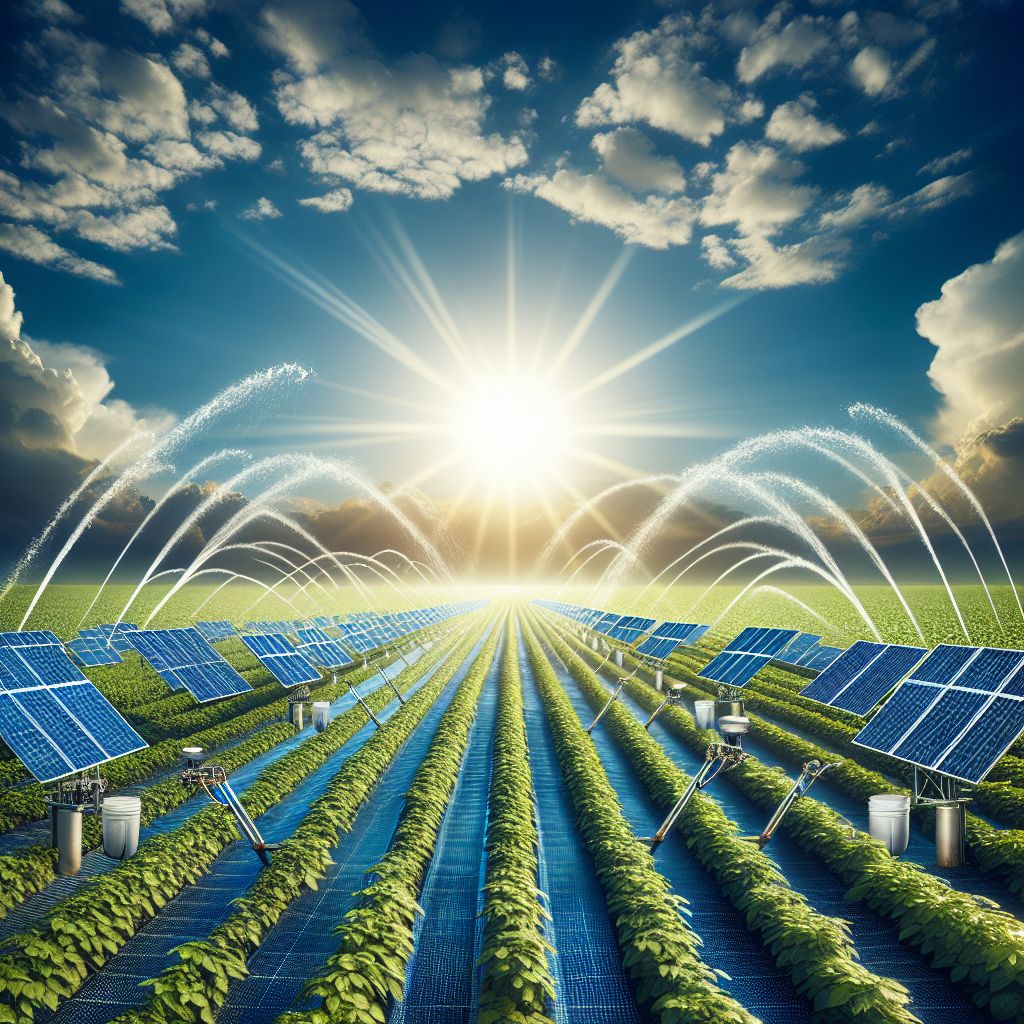
Embracing solar irrigation offers numerous benefits for farmers, from cost savings to environmental sustainability. By harnessing the power of the sun, farmers can achieve energy independence and ensure a reliable water supply for their crops.
Long-Term Benefits for Farmers
In the long term, solar irrigation systems provide farmers with financial stability and reduced operational costs. As energy prices continue to rise, having a self-sustaining energy source becomes increasingly valuable.
Furthermore, the environmental benefits contribute to a more sustainable and resilient agricultural sector. By reducing carbon emissions and conserving water, farmers play a vital role in protecting the planet for future generations. Learn more about the integration of solar agriculture and its benefits.
Overall, the adoption of solar irrigation systems aligns with global efforts to promote sustainable farming practices and address climate change challenges.
Environmental Impact and Future Prospects
The environmental impact of solar irrigation systems is significant, reducing reliance on fossil fuels and decreasing greenhouse gas emissions. As technology advances and costs continue to decrease, the adoption of solar irrigation systems is expected to grow.
Frequently Asked Questions (FAQ)
To help address common concerns, here are answers to some frequently asked questions about off-grid solar irrigation systems.
How do solar irrigation systems work on an off-grid farm?
Solar irrigation systems capture sunlight using solar panels, convert it into electricity through an inverter, and store energy in batteries. This energy powers pumps that move water from the source to the fields, ensuring a steady water supply.
What are the main advantages of using solar irrigation on an off-grid farm?
The main advantages include cost savings on energy bills, energy independence, environmental benefits, and reliable water supply. Solar irrigation systems are particularly beneficial in remote areas with limited grid access.
Can solar irrigation systems work in cloudy weather?
Yes, solar irrigation systems can work in cloudy weather, although their efficiency may be reduced. Batteries store excess energy generated on sunny days, providing power during periods of low sunlight.
It’s important to size the system appropriately to ensure sufficient energy storage for cloudy days.
Are solar irrigation systems suitable for off-grid farming?
Absolutely. Solar irrigation systems are ideal for off-grid farming, providing a sustainable and reliable energy source. They eliminate the need for grid electricity and reduce the environmental impact of farming operations.
What should I consider before switching to solar irrigation?
Before switching to solar irrigation, consider factors such as initial investment costs, energy and water needs, local regulations, and available financial assistance. Assessing these factors ensures a smooth transition and maximizes the benefits of the system.







Leave a Reply