

Key Takeaways
- Smart farming utilizes technology like IoT and AI to increase efficiency and sustainability in agriculture.
- Precision agriculture allows for optimal resource use, leading to higher crop yields and reduced waste.
- Tools such as drones, sensors, and automated machinery are pivotal in modernizing farming practices.
- Smart farming techniques help reduce environmental impacts and production costs.
- Despite initial investments, smart farming offers long-term benefits including better risk management and decision-making.
Introduction to Smart Farming Revolution
Imagine a world where farming is not just about labor but about precision, efficiency, and sustainability. This is the essence of smart farming, a technological revolution transforming agriculture. By leveraging advanced tools and techniques, farmers are now able to optimize every aspect of their operations, from planting to harvesting, with remarkable precision.
What is Smart Farming
Smart farming, also known as precision agriculture, involves the use of technology to monitor and manage farm operations more efficiently. By incorporating sensors, drones, and data analytics, farmers can gain real-time insights into their crops and livestock. This allows them to make informed decisions that improve productivity and reduce waste.
The Shift Towards Precision Agriculture
The shift towards precision agriculture marks a significant change in how we approach farming. Unlike traditional methods that rely heavily on manual labor and intuition, precision agriculture uses data-driven insights to guide decisions. This shift not only enhances crop yields but also ensures resources like water and fertilizers are used optimally.
The Importance of Technology in Modern Agriculture
Technology plays a crucial role in modern agriculture. It enables farmers to monitor crop health, soil conditions, and weather patterns with unprecedented accuracy. This information is vital for making timely decisions that can make or break a farming season. Besides that, technology helps in automating repetitive tasks, freeing up farmers to focus on more strategic aspects of their operations.
Economic and Environmental Impacts
Smart farming has both economic and environmental benefits. Economically, it reduces labor costs and improves crop quality, leading to higher profits. Environmentally, it minimizes the use of chemicals and water, reducing the carbon footprint of farming activities. Therefore, embracing smart farming is not just a choice; it’s a necessity for sustainable agriculture.

Smart Farming Tools Enhancing Farm Productivity
Let’s delve into the tools that are driving the smart farming revolution. These tools are designed to enhance productivity, streamline operations, and ultimately, increase profitability for farmers.
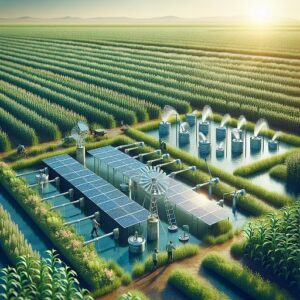
- Solar Panel: Soak in the sun rays to power the whole Smart Farming system has a lot of benefits for the farmer short term and long term.
- Sensors for Soil and Crop Monitoring: These sensors provide real-time data on soil moisture, temperature, and nutrient levels, allowing for precise adjustments.
- Drones for Aerial Surveillance: Drones offer a bird’s-eye view of the farm, identifying issues like pest infestations or water stress early.
- Automated Machinery: From planting to harvesting, automated machinery reduces the need for manual labor and increases efficiency.
- Data Analytics: By analyzing data collected from various sources, farmers can predict trends and make informed decisions.
Each of these tools plays a vital role in enhancing farm productivity. By integrating them into their operations, farmers can achieve remarkable results.
Using Solar Panels to Power Smart Farming
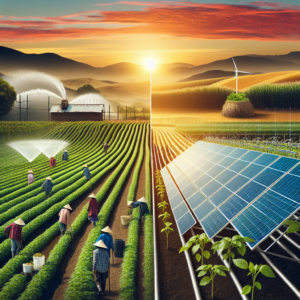
Solar panels are becoming an integral part of smart farming. They provide a sustainable energy source for powering various farm operations, from irrigation systems to machinery. By harnessing solar energy, farmers can reduce their reliance on fossil fuels and lower their operational costs.
Here’s a table comparing the different solar panel you can use to power the systems on a farm:
|
Solar Panel Type |
Efficiency |
Cost per Watt |
Pros |
Cons |
|---|---|---|---|---|
|
Monocrystalline |
17-22% |
$1.00 – $1.50 |
– Highest efficiency. 1, 3 |
– Most expensive option. 1, 3 |
|
Polycrystalline |
13-17% |
$0.90 – $1.20 |
– Lower cost than monocrystalline. 1, 3 |
– Slightly lower efficiency. 1, 3 |
|
Thin-Film |
10-13% |
$0.70 – $1.00 |
– Lowest cost. 1, 3 |
– Lowest efficiency. 1, 3 |
Monocrystalline panels are highly efficient and durable, making them ideal for high-performance irrigation systems that require consistent power output. Their higher cost is often offset by their superior performance in the long run 3.
Polycrystalline panels offer a good balance between cost and efficiency, making them suitable for medium-scale irrigation projects. They perform well in most conditions and are a popular choice for many agricultural applications 3.
Thin-film panels, while less efficient, are more affordable and flexible. They can be a good option for portable irrigation systems or installations where weight is a concern. Their lower efficiency means you may need more panels to achieve the same power output as crystalline options 3.
Sensors for Soil and Crop Monitoring
Sensors are essential for monitoring soil and crop conditions. They provide real-time data on various parameters such as moisture levels, temperature, and nutrient content. This data helps farmers make informed decisions on irrigation and fertilization, ensuring optimal crop growth. For instance, if sensors detect low moisture levels, farmers can activate irrigation systems to prevent water stress in crops.
Moreover, crop monitoring sensors can identify diseases or pest infestations early. This early detection allows farmers to take corrective actions, minimizing crop losses and ensuring healthy yields.
Drones for Aerial Surveillance and Data Collection
Drones are revolutionizing farm surveillance. They offer a comprehensive view of the farm, allowing farmers to identify issues like pest infestations or nutrient deficiencies early. This early detection is crucial for taking corrective actions that prevent crop losses.
By analyzing this data, farmers can take timely actions to address these issues, preventing potential crop losses. Drones also help in precision spraying of fertilizers and pesticides, ensuring that only the affected areas receive treatment, thus reducing chemical use and costs. For those interested in integrating sustainable technology, solar irrigation systems can complement these efforts by efficiently managing water resources.
Automated Machinery and Robotics in Farming
Automation and robotics are transforming the way we farm. These technologies take over repetitive tasks, allowing farmers to focus on more strategic decisions. For instance, automated tractors can plow, seed, and harvest with minimal human intervention. This not only saves time but also ensures precision in every operation. Moreover, robots equipped with AI can identify and pick ripe fruits, reducing waste and increasing efficiency.
In conclusion, smart farming tools are indispensable in modern agriculture. They not only enhance productivity but also promote sustainability and resource efficiency. By adopting these tools, farmers can secure their livelihoods and contribute to a more sustainable future.

Innovative Techniques in Smart Farming
Innovation is at the heart of smart farming. By adopting new techniques, farmers can improve efficiency, reduce costs, and enhance sustainability. These techniques are designed to optimize every aspect of farming, from resource management to crop production.
Precision Irrigation Systems
Precision irrigation systems are a game-changer in water management. They deliver the right amount of water to crops at the right time, reducing water waste and ensuring optimal growth. These systems use data from soil moisture sensors and weather forecasts to determine the exact water needs of crops.
For example, drip irrigation systems deliver water directly to the plant roots, minimizing evaporation and runoff. This not only conserves water but also improves crop yields and quality. By adopting precision irrigation, farmers can achieve significant water savings and enhance sustainability.
Furthermore, smart irrigation controllers allow farmers to automate watering schedules based on real-time data, ensuring that crops receive the right amount of water without human intervention. This automation reduces labor costs and increases efficiency.
Data Analytics for Yield Optimization
Data analytics is a powerful tool for optimizing crop yields. By analyzing data collected from sensors, drones, and other sources, farmers can gain insights into factors affecting crop performance. This information helps them make informed decisions on planting, fertilization, and pest management.
For instance, data analytics can identify patterns and trends that impact crop growth, allowing farmers to adjust their practices accordingly. By optimizing these factors, farmers can achieve higher yields and better crop quality. Data-driven farming is the future of agriculture, enabling farmers to maximize their productivity and profitability. To further enhance their operations, farmers can explore the use of solar irrigation systems as a sustainable solution for water management.
IoT and Connectivity in Rural Areas
The Internet of Things (IoT) is transforming rural connectivity. By connecting devices and systems, IoT enables real-time data exchange and remote monitoring of farm operations. This connectivity allows farmers to access critical information and make timely decisions, even from remote locations.
For example, IoT devices can monitor soil moisture, weather conditions, and equipment performance, providing farmers with valuable insights into their operations. By leveraging IoT, farmers can enhance efficiency, reduce costs, and improve overall farm management.
Artificial Intelligence in Crop Management
Artificial intelligence (AI) is revolutionizing crop management. AI algorithms can analyze vast amounts of data to identify patterns and make predictions, helping farmers optimize their practices. For example, AI can predict pest outbreaks or disease risks, allowing farmers to take preventive measures and protect their crops.
Moreover, AI-powered tools can assist in decision-making, recommending the best planting schedules, irrigation strategies, and fertilization plans. By harnessing AI, farmers can improve crop yields, reduce costs, and enhance sustainability.

Benefits for Farmers Embracing Smart Farming
Smart farming offers numerous benefits for farmers, from increased productivity to reduced environmental impact. By embracing these technologies, farmers can secure their livelihoods and contribute to a more sustainable future.
Increased Crop Yields and Quality
Smart farming techniques enhance crop yields and quality by optimizing resource use and improving management practices. By using data-driven insights, farmers can make informed decisions that boost productivity and ensure healthy crops.
Resource Efficiency and Cost Savings
Smart farming tools help farmers use resources more efficiently, reducing waste and lowering costs. For instance, precision irrigation systems conserve water, while automated machinery reduces labor expenses. By minimizing resource use, farmers can achieve significant cost savings and enhance sustainability.
Additionally, smart farming reduces the need for chemical inputs, lowering production costs and minimizing environmental impact. This efficiency leads to higher profitability and a more sustainable farming model.
Reduced Environmental Impact
Smart farming practices significantly reduce the environmental footprint of agricultural activities. By optimizing the use of water, fertilizers, and pesticides, these practices minimize pollution and conserve natural resources. For example, precision irrigation ensures that water is used efficiently, reducing runoff and conserving this precious resource.
Moreover, smart farming techniques reduce greenhouse gas emissions by promoting sustainable practices. By utilizing renewable energy sources like solar panels and minimizing chemical use, farmers can lower their carbon footprint and contribute to a healthier planet.
Better Risk Management and Decision Making
Smart farming equips farmers with the tools and data needed for effective risk management. By providing real-time insights into weather conditions, soil health, and crop performance, these technologies enable farmers to make informed decisions that mitigate risks and enhance productivity. For instance, understanding the basics of solar irrigation systems can further support farmers in optimizing water usage and reducing dependency on traditional energy sources.
For instance, data analytics can predict weather patterns and pest outbreaks, allowing farmers to take preventive measures and protect their crops. This proactive approach minimizes potential losses and ensures a stable food supply.
Example: A farmer in Iowa used data analytics to predict an early frost, allowing him to harvest his crops before the frost hit. This decision saved his entire yield and prevented significant financial losses.
Therefore, smart farming not only improves decision-making but also enhances the resilience of farming operations in the face of challenges.
Here’s a table discussing the benefits for farmers embracing smart farming:
|
Benefit |
Description |
|---|---|
|
Increased Production |
Optimized crop treatment and precise farming practices lead to higher yields and improved harvest quality. 2, 7 |
|
Cost Reduction |
Automation of processes and efficient resource use lower operational costs. 2, 7 |
|
Resource Optimization |
Smart irrigation systems and precise application of inputs (fertilizers, pesticides) reduce waste and conserve resources like water. 2, 5 |
|
Data-Driven Decision Making |
Real-time data and production insights enable farmers to make informed decisions quickly. 2, 3 |
|
Remote Monitoring |
Farmers can monitor multiple fields in various locations from anywhere with an internet connection. 2 |
|
Improved Livestock Management |
Sensors detect health and reproduction events earlier in animals, enhancing livestock farming efficiency2 |
|
Environmental Sustainability |
Reduced use of water, pesticides, and fertilizers minimizes the farm’s environmental footprint. 5, 9 |
|
Enhanced Crop Quality |
Better control over the production process leads to higher standards of crop quality. 3 |
|
Efficient Equipment Management |
Monitoring of farming equipment improves maintenance schedules and predicts failures. 2 |
|
Risk Mitigation |
Early detection of crop issues and better forecasting help farmers manage and reduce risks. 3 |
|
Labor Efficiency |
Automation reduces reliance on human resources for certain tasks. 3 |
|
Improved Financial Planning |
Accurate data collection enables better cost management and financial forecasting. 7 |
This table summarizes the key benefits that farmers can expect when adopting smart farming technologies, highlighting the potential for increased efficiency, productivity, and sustainability in agricultural operations.
Challenges Associated with Smart Farming Implementation
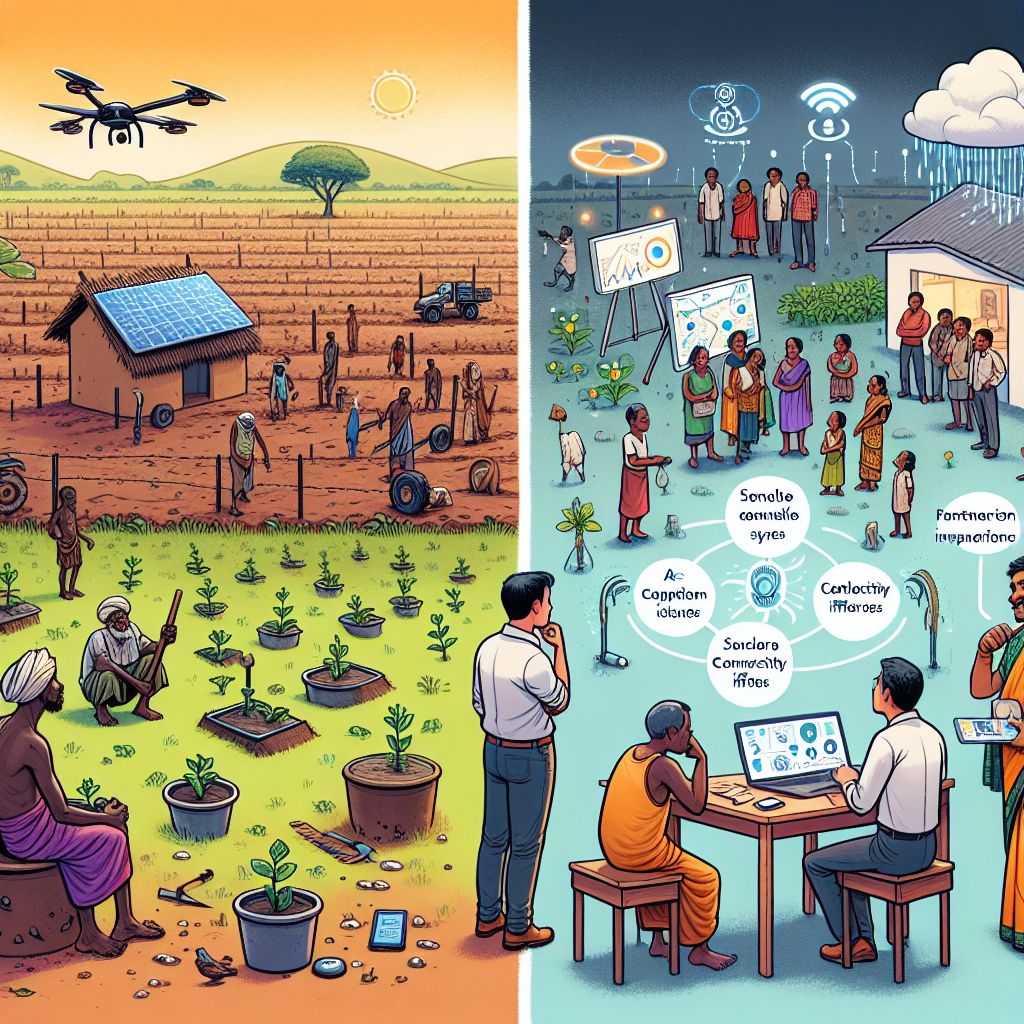
While smart farming offers numerous benefits, its implementation comes with challenges. Farmers must navigate these obstacles to fully harness the potential of these technologies.
One of the primary challenges is the initial investment required for smart farming tools and infrastructure. This can be a significant barrier for small-scale farmers who may not have the financial resources to invest in advanced technologies.
Example: A small-scale farmer in Kenya struggled to adopt smart farming tools due to high upfront costs. However, by partnering with local cooperatives, he was able to access the necessary resources and improve his farm’s productivity.
Besides financial barriers, technological challenges such as connectivity issues and the need for technical expertise can also hinder the adoption of smart farming practices.
Initial Investment and Technological Barriers
Smart farming requires a substantial initial investment in technology and infrastructure. This includes purchasing sensors, drones, and automated machinery, as well as setting up data management systems. For many farmers, especially those operating on a smaller scale, these costs can be prohibitive.
Furthermore, technological barriers such as limited internet connectivity in rural areas can impede the adoption of smart farming tools. Farmers need reliable connectivity to access real-time data and manage their operations effectively. For instance, solar irrigation systems can be a sustainable solution for enhancing connectivity and efficiency in farming operations.
Training and Skill Development for Farmers
Example: A farming community in India addressed the skills gap by organizing training workshops on smart farming technologies. These workshops equipped farmers with the knowledge and skills needed to implement and manage smart farming practices effectively.
Training and skill development are crucial for the successful implementation of smart farming. Farmers need to understand how to use new technologies and interpret the data they generate. Without proper training, the potential benefits of smart farming may not be fully realized.
Therefore, investing in education and training programs is essential to empower farmers and ensure the successful adoption of smart farming practices.

Future Prospects and Opportunities in Smart Farming
The future of smart farming is promising, with numerous opportunities for innovation and growth. As technology continues to advance, new tools and techniques will emerge, further enhancing the efficiency and sustainability of agriculture.
Emerging Technologies and Their Potential Impact
Emerging technologies such as artificial intelligence, machine learning, and blockchain have the potential to revolutionize smart farming. These technologies can enhance data analysis, improve traceability, and optimize supply chain management.
Additionally, advancements in sensor technology and IoT connectivity will enable more precise monitoring and management of farm operations. This will lead to increased productivity and reduced environmental impact.
- AI and machine learning for predictive analytics and decision-making
- Blockchain for improved traceability and transparency in the supply chain
- Advanced sensors for more accurate monitoring of soil and crop conditions
By embracing these emerging technologies, farmers can stay ahead of the curve and capitalize on new opportunities in the agricultural sector.
Collaborative Efforts Between Stakeholders
Collaboration between various stakeholders, including farmers, technology providers, researchers, and policymakers, is essential for the successful implementation of smart farming. By working together, these stakeholders can address challenges, share knowledge, and drive innovation in the agricultural sector. For example, integrating solar irrigation systems can be a collaborative effort to enhance sustainability and efficiency in farming practices.
Frequently Asked Questions
Here are some common questions about smart farming and how it differs from traditional farming practices.
What is smart farming and how does it differ from traditional farming?
Smart farming, also known as precision agriculture, involves the use of advanced technologies such as IoT, AI, and data analytics to optimize farm operations. Unlike traditional farming, which relies on manual labor and intuition, smart farming uses data-driven insights to make informed decisions and improve efficiency. For example, solar irrigation systems are a modern technology that can enhance water management in smart farming.
How can small-scale farmers adopt smart farming tools?
Small-scale farmers can adopt smart farming tools by starting with affordable technologies such as soil moisture sensors and mobile apps for farm management. Additionally, they can collaborate with cooperatives or government programs to access resources and training. For instance, exploring solar irrigation systems can be a sustainable option for efficient water management.
By gradually integrating these tools into their operations, small-scale farmers can improve productivity and sustainability.
Are there specific crops that benefit more from smart farming?
While smart farming can benefit a wide range of crops, those with high economic value or specific resource requirements, such as fruits and vegetables, may see the most significant gains. Precision techniques can optimize water and nutrient use, improving yields and quality. For instance, using a solar irrigation system can enhance water efficiency, further benefiting these crops.
What are the cost implications of implementing smart farming technologies?
The cost of implementing smart farming technologies varies depending on the scale of operations and the specific tools used. Initial investments can be high, but the long-term benefits, including increased yields and reduced resource use, often outweigh the costs.
How does smart farming contribute to environmental sustainability?
Smart farming contributes to environmental sustainability by optimizing resource use, reducing waste, and minimizing the carbon footprint of agricultural activities. By using technologies such as precision irrigation and data analytics, farmers can conserve water, reduce chemical use, and promote biodiversity.


Leave a Reply