

Key Takeaways
- Solar irrigation systems use sunlight to power water pumps, making them cost-effective and environmentally friendly.
- They are particularly useful in remote areas where electricity is scarce, providing reliable water access.
- Initial setup costs can be high, but long-term savings on electricity and fuel are significant.
- Smart technology can optimize water usage, improving crop yields and conserving resources.
- Government incentives and financing options can help offset initial costs, making solar irrigation more accessible.
Introduction to Solar Irrigation Systems
Imagine a world where farmers can water their crops without relying on expensive, non-renewable energy sources. This is the promise of solar irrigation systems. By harnessing the power of the sun, these systems provide a sustainable solution to water management in agriculture.
Solar irrigation systems are becoming increasingly popular, especially in regions where access to electricity is limited. They offer a reliable and eco-friendly way to ensure crops receive the water they need to thrive.
Why Solar Irrigation Matters
Water is a precious resource, and managing it efficiently is crucial for sustainable agriculture. Solar irrigation systems play a vital role in this effort. By using solar energy, they reduce dependence on fossil fuels and lower greenhouse gas emissions.
Moreover, solar irrigation systems can significantly cut down on energy costs. Traditional irrigation methods often rely on electricity or diesel, which can be expensive and environmentally damaging. In contrast, solar systems use a free and abundant energy source: sunlight.
Advantages Over Traditional Methods
Traditional irrigation methods often come with a hefty price tag and environmental impact. In contrast, solar irrigation systems offer several advantages:
- Cost Savings: Once installed, solar systems have minimal operational costs, as they use free solar energy.
- Environmental Impact: Solar systems reduce carbon emissions and reliance on non-renewable energy sources.
- Reliability: Solar systems provide consistent water access, even in remote areas without electricity.
- Scalability: Systems can be customized to fit various farm sizes and water needs.
Solar-powered irrigation systems offer numerous advantages over traditional irrigation methods. Here’s a comparison table highlighting the key benefits:
|
Aspect |
Solar Irrigation System |
Traditional Irrigation System |
|---|---|---|
|
Energy Source | ||
|
Operating Costs |
Higher costs due to fuel or electricity expenses | |
|
Environmental Impact |
Higher carbon footprint, potential pollution. 6 | |
|
Water Efficiency |
Often less efficient, potential for over-irrigation | |
|
Reliability |
Subject to power outages and fuel shortages | |
|
Maintenance |
Minimal maintenance required. 3 |
More frequent maintenance, especially for fuel-powered systems |
|
Smart Technology |
May lack advanced monitoring capabilities | |
|
Remote Areas |
May be challenging to implement in remote areas | |
|
Scalability |
Easily scalable to farm size and needs. 1 |
May require significant infrastructure changes to scale |
|
Long-term Sustainability |
May contribute to resource depletion | |
|
Initial Investment |
Generally lower initial costs | |
|
Government Incentives |
Often eligible for subsidies and tax credits. 2 |
May have fewer incentives available |
This table demonstrates that while solar irrigation systems may have a higher initial investment, they offer significant long-term benefits in terms of cost savings, environmental impact, and operational efficiency.

Core Components of a Solar Irrigation System
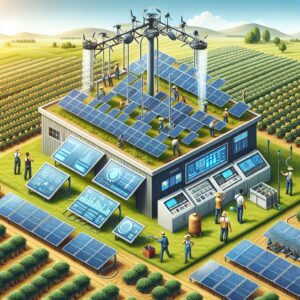
Understanding the core components of a solar irrigation system is essential for farmers considering this technology. Each part plays a crucial role in the system’s overall functionality.
Solar Panels: Capturing Sunlight to Power the System
Solar panels are the heart of any solar irrigation system. They capture sunlight and convert it into electricity, which powers the water pumps.
• Monocrystalline Panels: High Efficiency
Monocrystalline panels are known for their high efficiency and durability. They are made from a single crystal structure, allowing them to convert more sunlight into electricity. This makes them ideal for areas with limited space or sunlight.
• Polycrystalline Panels: Cost-Effective Choices
Polycrystalline panels are a more affordable option. They are made from multiple silicon crystals, which makes them slightly less efficient than monocrystalline panels. However, they are still a popular choice due to their cost-effectiveness.
• Thin-Film Panels: Flexible Options for Varied Applications
Thin-film panels offer flexibility in installation, as they can be applied to various surfaces. They are less efficient than crystalline panels but can be a good option for specific applications where flexibility is needed.
Here’s a table comparing the different solar panel you can use with an irrigation system on a farm:
|
Solar Panel Type |
Efficiency |
Cost per Watt |
Pros |
Cons |
|---|---|---|---|---|
|
Monocrystalline |
17-22% |
$1.00 – $1.50 |
– Highest efficiency. 1, 3 |
– Most expensive option. 1, 3 |
|
Polycrystalline |
13-17% |
$0.90 – $1.20 |
– Lower cost than monocrystalline. 1, 3 |
– Slightly lower efficiency. 1, 3 |
|
Thin-Film |
10-13% |
$0.70 – $1.00 |
– Lowest cost. 1, 3 |
– Lowest efficiency. 1, 3 |
Monocrystalline panels are highly efficient and durable, making them ideal for high-performance irrigation systems that require consistent power output. Their higher cost is often offset by their superior performance in the long run 3.
Polycrystalline panels offer a good balance between cost and efficiency, making them suitable for medium-scale irrigation projects. They perform well in most conditions and are a popular choice for many agricultural applications 3.
Thin-film panels, while less efficient, are more affordable and flexible. They can be a good option for portable irrigation systems or installations where weight is a concern. Their lower efficiency means you may need more panels to achieve the same power output as crystalline options 3.
Pumps: Moving Water Efficiently
Pumps are another critical component of solar irrigation systems. They move water from the source to the crops, ensuring that plants receive the necessary hydration.
Water Distribution Networks
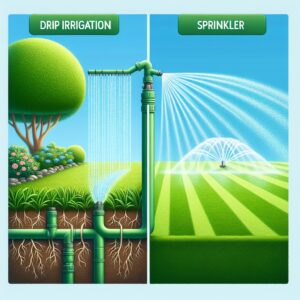
The water distribution network is responsible for delivering water to the fields. This network can include pipes, hoses, and sprinklers, all designed to efficiently distribute water across the farm.
Smart Controllers and Sensors
Modern solar irrigation systems often include smart controllers and sensors. These technologies allow for precise control over water delivery, adjusting the system based on weather conditions and soil moisture levels.

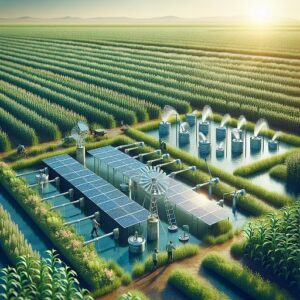
“Solar Panels Role in Irrigation System …” from growingsolarmist.com and used with no modifications.
Designing a Solar Irrigation System
Designing a solar irrigation system involves several key steps. Each step ensures that the system meets the specific needs of the farm and maximizes efficiency.
Assessing Water and Crop Needs
Understanding the water needs of your crops is the first step in designing an effective solar irrigation system. Different crops have varying water requirements, and these can also change with the seasons. Conducting a thorough assessment of your farm’s water needs is crucial. Start by identifying the types of crops you are growing and their respective growth stages, as water requirements can vary significantly throughout the plant’s life cycle.
Additionally, consider the climate and soil type on your farm. Areas with sandy soils may require more frequent watering compared to clay soils, which retain moisture longer. By understanding these factors, you can better determine the volume of water needed and the optimal timing for irrigation.
Calculating Solar Power Requirements
Once you have a clear understanding of your water needs, it’s time to calculate the solar power requirements for your irrigation system. This involves determining the energy needed to pump the required volume of water. The energy requirement will depend on factors such as the distance the water needs to be pumped and the height it needs to be lifted.
To calculate the power requirements, consider the pump’s flow rate and head (the height the water is lifted). Multiply these by the efficiency of the pump to get the total energy needed. From there, you can determine the number of solar panels required to meet this energy demand, taking into account the average sunlight hours in your location.
Customizing System Layout and Size
With the water and power needs assessed, you can now customize the layout and size of your solar irrigation system. This involves planning the placement of solar panels, pumps, and water distribution networks to ensure maximum efficiency. Consider the orientation and tilt of the solar panels to capture the most sunlight throughout the day.
When designing the system layout, also take into account the farm’s topography and any existing infrastructure. This will help minimize installation costs and maximize system performance. It’s important to ensure that the system is scalable, allowing for future expansion if needed.

Installation and Maintenance
Proper installation and maintenance are key to the long-term success of a solar irrigation system. A well-installed system will operate efficiently and require minimal maintenance, saving you time and money in the long run. For more information on the benefits of these systems, check out this article on solar-powered sprinkler irrigation systems.
Installation Tips for Optimal Performance
During installation, ensure that all components are correctly aligned and securely mounted. Solar panels should be positioned to capture the maximum amount of sunlight, and all electrical connections should be properly insulated to prevent energy loss.
It’s also important to test the system thoroughly after installation. This includes checking the flow rate of the pumps, the alignment of the solar panels, and the functionality of any smart controllers or sensors. Any issues identified during testing should be addressed promptly to ensure optimal performance.
Routine Maintenance Practices
Routine maintenance is essential to keep your solar irrigation system running smoothly. Regularly clean the solar panels to remove dust and debris that can reduce their efficiency. Inspect the pumps and water distribution networks for any signs of wear or leaks.
Smart controllers and sensors should also be checked periodically to ensure they are functioning correctly. Updating the software of these devices can improve their performance and extend their lifespan. By following these maintenance practices, you can ensure the longevity and reliability of your solar irrigation system.
Troubleshooting Common Issues
Even with regular maintenance, issues can arise with solar irrigation systems. Common problems include reduced water flow, faulty sensors, or decreased solar panel efficiency. When troubleshooting, start by checking the most obvious components, such as the solar panels and electrical connections.
If the problem persists, consult the system’s manual or contact the manufacturer for guidance. Many issues can be resolved with simple adjustments or replacements, but more complex problems may require professional assistance. By addressing issues promptly, you can minimize downtime and ensure that your crops continue to receive the water they need.
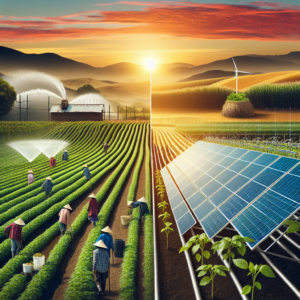
“Small Farms Solar Irrigation System …” from growingsolarmist.com and used with no modifications.
Cost and Financial Considerations
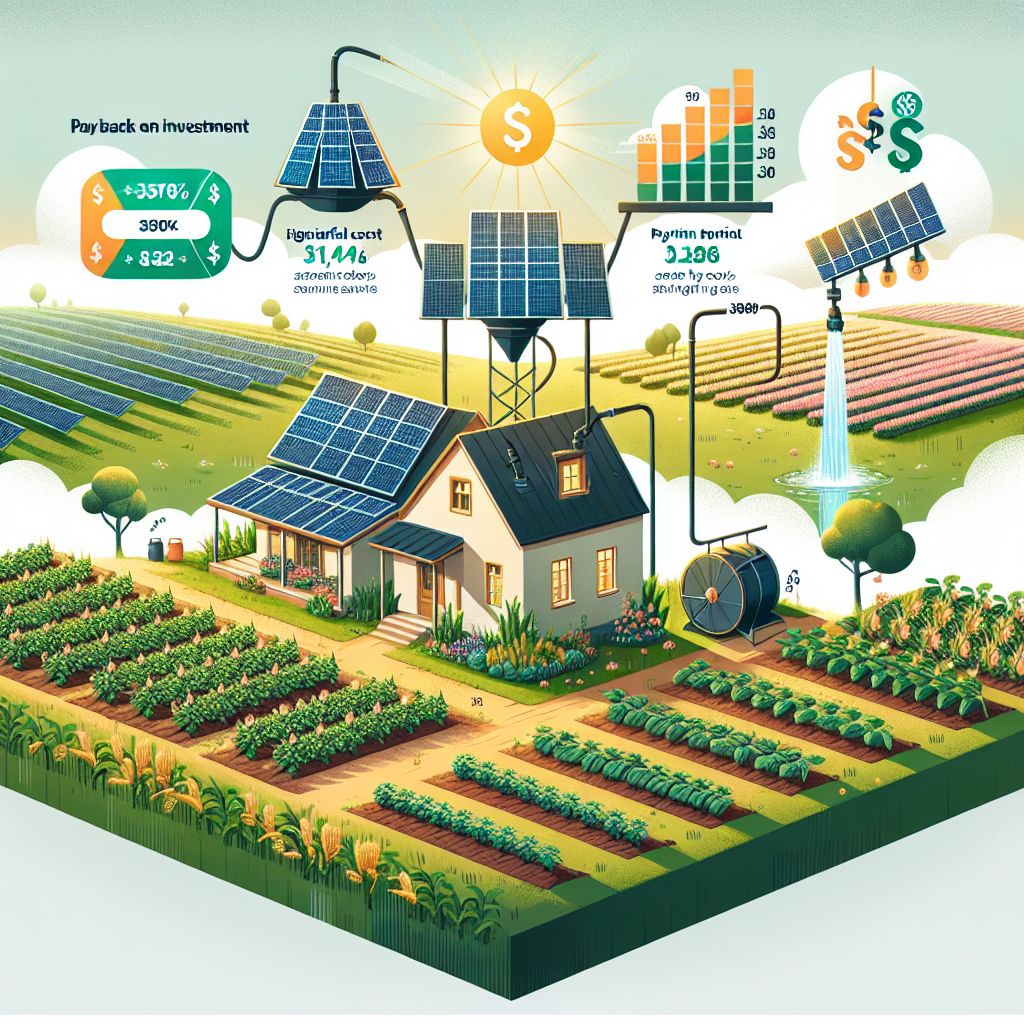
Investing in a solar irrigation system requires careful consideration of costs and potential savings. While the initial investment can be significant, the long-term benefits often outweigh the costs. For farmers considering this investment, understanding if a solar panel investment for furrow irrigation systems is worth it can provide valuable insights.
Initial Investment Costs
The initial costs of a solar irrigation system include the purchase of solar panels, pumps, and other components, as well as installation expenses. On average, the cost of solar panels ranges from $0.70 to $1.50 per watt, depending on the type and quality. Pumps and other equipment can add several thousand dollars to the total cost.
Long-term Savings and Break-even Analysis
Despite the upfront costs, solar irrigation systems offer substantial long-term savings. By eliminating or significantly reducing electricity and fuel expenses, these systems can pay for themselves within a few years. Conducting a break-even analysis can help you determine how long it will take to recoup your investment.
Consider factors such as energy savings, increased crop yields, and potential government incentives when calculating the break-even point. In many cases, farmers find that the financial benefits of solar irrigation far exceed the initial costs.
Available Incentives and Financing Options
To make solar irrigation systems more accessible, many governments and organizations offer incentives and financing options. These can include grants, tax credits, and low-interest loans. Research the available programs in your area to take advantage of these opportunities.
Additionally, some solar companies offer financing plans that allow you to pay for the system over time. By exploring these options, you can reduce the financial burden of the initial investment and make solar irrigation a viable choice for your farm.

Benefits of Solar Irrigation for Farmers
Solar irrigation systems offer numerous benefits for farmers, from economic advantages to enhanced sustainability. Discover how solar-powered irrigation systems can revolutionize farming practices.
By reducing energy costs and increasing crop yields, these systems can improve the profitability of your farm. They also contribute to environmental sustainability by reducing reliance on fossil fuels and lowering carbon emissions.
- Economic Advantages: Solar irrigation systems can significantly reduce operational costs and increase farm profitability.
- Enhanced Sustainability: By using renewable energy, solar systems reduce environmental impact and promote sustainable farming practices.
- Boosted Crop Yields and Quality: Precise water management leads to healthier crops and improved yields.
In conclusion, solar irrigation systems represent a smart investment for farmers looking to enhance their operations sustainably. By understanding the components, design, and maintenance of these systems, you can make informed decisions that benefit both your farm and the environment. For more insights, explore solar panel investment for farmers.
Economic Advantages
Solar irrigation systems can lead to significant economic benefits for farmers. By harnessing solar energy, these systems reduce or eliminate electricity and fuel costs associated with traditional irrigation methods. This can result in substantial savings over time, allowing farmers to allocate resources to other areas of their operations.
Additionally, solar irrigation systems often lead to increased crop yields. With precise control over water delivery, farmers can ensure that crops receive the optimal amount of water, leading to healthier plants and higher-quality produce. This can translate into higher profits at market, further enhancing the economic benefits of solar irrigation.
Enhanced Sustainability
One of the most compelling advantages of solar irrigation systems is their contribution to environmental sustainability. By using renewable solar energy, these systems reduce reliance on fossil fuels, decreasing greenhouse gas emissions and minimizing the carbon footprint of agricultural operations.
Moreover, solar irrigation systems promote efficient water use. Smart technology allows farmers to tailor water delivery to the specific needs of their crops and local climate conditions, conserving water and reducing waste. This is especially important in regions facing water scarcity, where sustainable water management is critical.
Boosted Crop Yields and Quality
Solar irrigation systems can have a direct impact on crop yields and quality. By providing consistent and precise irrigation, these systems help ensure that crops receive the right amount of water at the right time. This can lead to healthier plants, improved resistance to pests and diseases, and ultimately, higher yields.
Furthermore, the quality of produce is often enhanced when crops are properly irrigated. With the ability to adjust water delivery based on real-time data, farmers can optimize growing conditions, resulting in better-tasting and more nutritious fruits and vegetables. For more insights, explore how clouds affect solar irrigation systems.

Conclusion
Solar irrigation systems represent a transformative approach to agricultural water management. By leveraging the power of the sun, these systems offer a sustainable and cost-effective solution for farmers seeking to enhance productivity while reducing environmental impact. For more information on irrigation systems powered by solar, explore our detailed guide.
With numerous benefits, including economic savings, improved sustainability, and increased crop yields, solar irrigation systems are an attractive option for farmers worldwide. As technology continues to advance, the accessibility and effectiveness of these systems are likely to improve, making them an even more viable choice for sustainable agriculture.
Going over key points
In summary, solar irrigation systems provide a range of benefits that can revolutionize farming practices. From significant cost savings and enhanced sustainability to improved crop yields and quality, these systems offer a compelling case for adoption.
Is Investing in a Solar Irrigating System a Smart choice for a Farmer
Investing in a solar irrigation system can be a smart choice for many farmers. While the initial costs may be higher than traditional systems, the long-term savings and environmental benefits make it a worthwhile investment. By reducing energy expenses and increasing crop productivity, solar irrigation systems can improve farm profitability and sustainability.
Frequently Asked Questions (FAQ)
For those considering solar irrigation systems, several common questions arise. Here are answers to some of the most frequently asked questions to help guide your decision-making process.
What are the key benefits of solar irrigation systems?
Solar irrigation systems offer numerous benefits, including cost savings, environmental sustainability, and improved crop yields. By using renewable energy, these systems reduce dependence on fossil fuels and lower operational costs. They also provide precise water management, enhancing crop health and productivity.
How do solar panels power an irrigation system?
Solar panels capture sunlight and convert it into electricity. This electricity powers water pumps that draw water from a source and distribute it to crops. The entire process is powered by solar energy, making it an eco-friendly alternative to traditional irrigation methods.
What maintenance does a solar irrigation system require?
Routine maintenance is essential to ensure the efficient operation of a solar irrigation system. This includes cleaning solar panels, inspecting pumps and distribution networks for wear or leaks, and checking the functionality of smart controllers and sensors. Regular maintenance can extend the system’s lifespan and performance.
Can solar irrigation systems work in cloudy weather?
Yes, solar irrigation systems can still function in cloudy weather, although their efficiency may be reduced. Solar panels can capture diffuse sunlight on overcast days, and many systems include battery storage to provide power during periods of low sunlight.
- Consider the average sunlight hours in your area when designing a system to ensure adequate power supply.
- Explore battery storage options to enhance system reliability in variable weather conditions.
Are there financial incentives for installing solar irrigation systems?
Many governments and organizations offer financial incentives to encourage the adoption of solar irrigation systems. These incentives can include grants, tax credits, and low-interest loans, which can help offset the initial investment costs. For more information, explore how solar panel investments can benefit farmers.
Research available programs in your region to take advantage of these opportunities. Additionally, some solar companies offer financing plans to make solar irrigation systems more accessible to farmers.
In conclusion, solar irrigation systems offer a sustainable and cost-effective solution for modern agriculture. By understanding the components, benefits, and financial considerations, farmers can make informed decisions that enhance their operations and contribute to a more sustainable future.


Leave a Reply