
Key Takeaways
- Solar drip irrigation systems use up to 90% of water efficiently, making them ideal for water-scarce regions.
- Micro-sprinkler systems cover larger areas and are easier to install and maintain.
- Choosing the right system depends on crop type, water availability, and specific farming needs.
- Solar-powered systems reduce energy costs and environmental impact.
- Monocrystalline panels offer high efficiency, while polycrystalline panels are more cost-effective.
Overview of Irrigation Options for Farmers
In the world of farming, efficient irrigation is crucial. It’s like giving your plants the right amount of water they need to grow strong and healthy. But not all irrigation methods are the same. Some are more efficient and sustainable than others. As farmers look for better ways to water their crops, solar irrigation systems have become a popular choice. These systems use the power of the sun to help deliver water to plants, saving both money and the environment.
There are two main types of solar irrigation systems: solar drip irrigation and solar micro-sprinkler systems. Each has its own benefits and is suitable for different types of crops and farming situations. By understanding the differences between these systems, farmers can choose the one that best meets their needs.
Importance of Efficient Irrigation
Water is a precious resource, and using it wisely is more important than ever. Efficient irrigation not only saves water but also ensures that crops get the right amount of moisture to thrive. This is especially crucial in areas where water is scarce or expensive. By adopting efficient irrigation methods, farmers can reduce their water bills, increase crop yields, and contribute to sustainable agriculture.
Solar irrigation systems offer a sustainable solution by harnessing the power of the sun. They reduce dependency on fossil fuels and lower energy costs, making them a win-win for both farmers and the planet. For a deeper understanding of the different systems available, explore the benefits of solar micro-sprinkler vs solar drip irrigation systems.
Introduction to Solar Irrigation Techniques
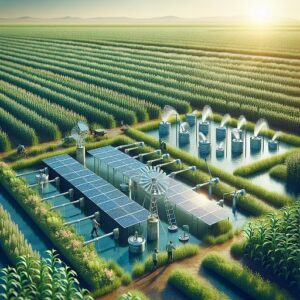
Solar irrigation systems use solar panels to convert sunlight into energy. This energy powers pumps that deliver water to crops. The two main types of solar irrigation systems are solar drip irrigation and solar micro-sprinkler systems.
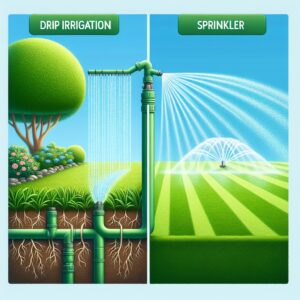
Solar drip irrigation systems deliver water directly to the roots of plants through a network of tubes and emitters. This method is highly efficient and reduces water wastage. On the other hand, solar micro-sprinkler systems spray water over a larger area, making them suitable for crops that require more coverage.

Solar Drip Irrigation System
- Highly efficient water usage
- Reduces water wastage
- Ideal for water-scarce regions
- Directly targets plant roots
Solar drip irrigation systems are a game-changer for farmers who need to conserve water. These systems deliver water directly to the roots of plants, ensuring that every drop is used effectively. This not only saves water but also helps plants grow better.
By using solar power, these systems are also environmentally friendly. They reduce the need for electricity from the grid, which can be costly and harmful to the environment. This makes solar drip irrigation an excellent choice for farmers looking to reduce their carbon footprint.
How Solar Drip Irrigation Works
Solar drip irrigation systems use a combination of solar panels, pumps, and a network of tubes to deliver water to plants. For more insights into how these systems compare, explore the differences between solar micro-sprinkler and drip irrigation systems.
- Solar panels capture sunlight and convert it into electricity.
- This electricity powers a pump that draws water from a source, such as a well or a reservoir.
- The water is then delivered through a network of tubes to the plants.
- Emitters release the water slowly and directly to the roots of the plants.
This method ensures that water is used efficiently and that plants receive the right amount of moisture. It also reduces water wastage and minimizes evaporation.
Key Benefits: Water Efficiency and Precision
“Solar drip irrigation systems use up to 90% of water efficiently, making them ideal for water-scarce regions.”
One of the biggest advantages of solar drip irrigation systems is their water efficiency. By delivering water directly to the roots, these systems ensure that every drop is used effectively. This is especially important in areas where water is scarce or expensive. For more information on irrigation systems powered by solar, explore our detailed guide.
Besides saving water, solar drip irrigation systems also help plants grow better. By providing a consistent and precise amount of water, these systems promote healthy root development and reduce the risk of overwatering or underwatering.
Moreover, solar drip irrigation systems are easy to customize. Farmers can adjust the flow of water to suit the needs of different crops, ensuring that each plant gets the right amount of moisture. For more information on solar-powered irrigation options, explore irrigation systems farmers can power with solar.
Suitable Crop Types for Drip Irrigation
Solar drip irrigation systems are suitable for a wide range of crops. They work particularly well for crops that require precise and consistent watering. For more information on how clouds affect solar irrigation systems, check out our detailed guide. Here are some examples:
“Tomatoes, peppers, and strawberries are ideal candidates for solar drip irrigation due to their need for precise watering.”
These systems are also great for orchards and vineyards, where water needs to be delivered directly to the roots of trees and vines. By using solar drip irrigation, farmers can ensure that their crops receive the right amount of water, leading to healthier plants and better yields.
Solar Micro-Sprinkler System
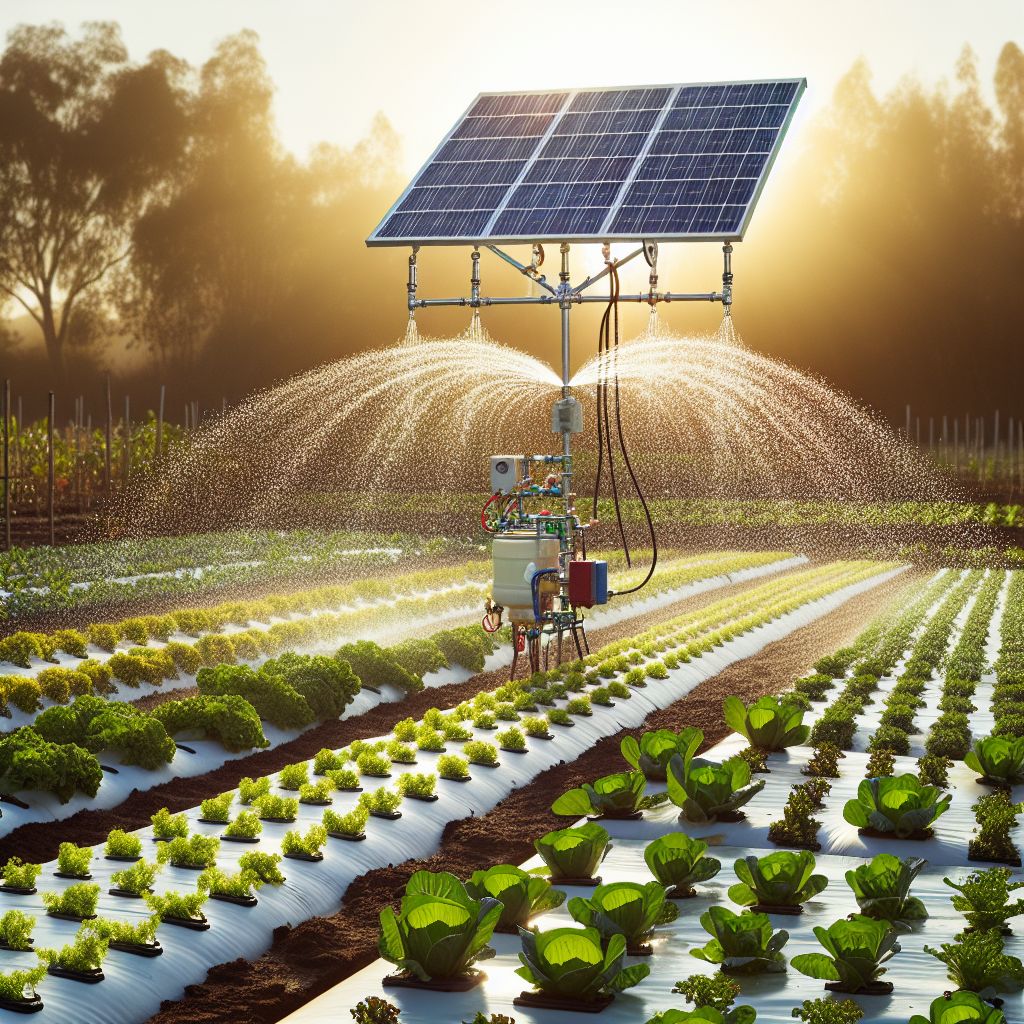
Solar micro-sprinkler systems offer a different approach to irrigation. Unlike drip systems that target the roots directly, micro-sprinklers distribute water over a larger area. This makes them ideal for crops that require surface watering or for larger fields where uniform coverage is essential.
These systems are powered by solar energy, which makes them both cost-effective and environmentally friendly. They reduce reliance on traditional power sources, thus lowering energy bills and carbon emissions. For farmers looking to irrigate larger areas efficiently, solar micro-sprinkler systems are a compelling choice.
Functionality of Solar Micro-Sprinkler Systems
Solar micro-sprinkler systems work by converting sunlight into energy, which powers a pump. This pump draws water from a source and distributes it through a network of pipes. The water is then sprayed over the crops using micro-sprinklers, which can be adjusted to control the flow and coverage area.
This method is effective for irrigating larger areas and is particularly useful for crops that require surface watering. The system can be customized to suit different field sizes and crop types, ensuring that water is distributed evenly across the entire area.
Advantages: Coverage Area and Flexibility
One of the key benefits of solar micro-sprinkler systems is their ability to cover large areas. This makes them suitable for fields with a variety of crops or for orchards where trees are spaced out. The flexibility of the system allows farmers to adjust the sprinklers to cover specific areas, ensuring that all plants receive adequate water.
“Micro-sprinklers are easier to install and maintain, making them a popular choice for farmers with larger fields.”
Besides the coverage area, these systems are also relatively easy to install and maintain. This makes them a practical choice for farmers who want an efficient irrigation system without the complexity of more advanced technologies.
Ideal Crop Types and Situations
Solar micro-sprinkler systems are well-suited for a variety of crops, particularly those that benefit from surface watering. Here are some examples:
- Vegetables like lettuce and cabbage
- Field crops such as corn and wheat
- Orchards and vineyards where trees are spaced out
These systems are also ideal for farms with mixed crops or where the landscape requires uniform coverage. By choosing solar micro-sprinkler systems, farmers can ensure that their crops receive the right amount of water, leading to healthier plants and better yields. For more information on how irrigation systems can be powered with solar, visit our detailed guide.
Different Types Solar Panels Farmers Can Use with Irrigation Systems
Choosing the right type of solar panel is crucial for the effectiveness of a solar irrigation system. Each type of panel offers different benefits and is suited for different farming needs. Understanding these differences can help farmers make an informed decision.
Monocrystalline Panels: High Efficiency
Monocrystalline panels are known for their high efficiency and long lifespan. They are made from a single crystal structure, which allows them to convert sunlight into electricity more efficiently than other types. This makes them ideal for farms with limited space or those that require high energy output.
Polycrystalline Panels: Cost-Effective Choices
Polycrystalline panels are a popular choice for farmers looking for a cost-effective solution. They are made from multiple silicon crystals, which makes them less efficient than monocrystalline panels but also more affordable. For farmers who need a balance between cost and efficiency, polycrystalline panels are a great option.
Thin-Film Panels: Flexible Options for Varied Applications
Thin-film panels are known for their flexibility and lightweight design. They are made by depositing a thin layer of photovoltaic material onto a substrate, which allows them to be used in a variety of applications. While they are less efficient than crystalline panels, their versatility makes them suitable for farms with unique needs.
Here’s a table comparing the different solar panel you can use with an irrigation system on a farm:
|
Solar Panel Type |
Efficiency |
Cost per Watt |
Pros |
Cons |
|---|---|---|---|---|
|
Monocrystalline |
17-22% |
$1.00 – $1.50 |
– Highest efficiency. 1, 3 |
– Most expensive option. 1, 3 |
|
Polycrystalline |
13-17% |
$0.90 – $1.20 |
– Lower cost than monocrystalline. 1, 3 |
– Slightly lower efficiency. 1, 3 |
|
Thin-Film |
10-13% |
$0.70 – $1.00 |
– Lowest cost. 1, 3 |
– Lowest efficiency. 1, 3 |
Monocrystalline panels are highly efficient and durable, making them ideal for high-performance irrigation systems that require consistent power output. Their higher cost is often offset by their superior performance in the long run 3.
Polycrystalline panels offer a good balance between cost and efficiency, making them suitable for medium-scale irrigation projects. They perform well in most conditions and are a popular choice for many agricultural applications 3.
Thin-film panels, while less efficient, are more affordable and flexible. They can be a good option for portable irrigation systems or installations where weight is a concern. Their lower efficiency means you may need more panels to achieve the same power output as crystalline options 3.
By choosing the right type of solar panel, farmers can ensure that their solar irrigation system operates efficiently and meets their specific needs. Whether it’s maximizing efficiency, minimizing costs, or adapting to unique farm conditions, there’s a solar panel option for every situation.
Comparative Analysis
Both solar drip and micro-sprinkler irrigation offer significant benefits for farmers, particularly in terms of sustainability and reduced operational costs. Ultimately, the optimal choice aligns with the farm’s specific needs, budget, and resources.
Cost Considerations and Long-Term Savings
When deciding between solar drip irrigation and solar micro-sprinkler systems, cost is a significant factor. Initial installation costs can vary depending on the size of the system and the type of solar panels used. Generally, solar drip irrigation systems might have higher upfront costs due to the complexity of the tubing and emitters. However, they often result in long-term savings through reduced water usage and lower energy costs.
Solar micro-sprinkler systems, while potentially less expensive to install, may lead to higher water usage. This could result in increased operational costs over time. Therefore, it’s essential to weigh the initial investment against the potential savings in water and energy bills. Remember, investing in efficient systems can lead to significant savings and sustainability benefits in the long run.
Installation and Maintenance Ease
Installation and maintenance are crucial considerations for any irrigation system. Solar drip irrigation systems, while efficient, can be more complex to set up due to the intricate network of tubes and emitters. This complexity can also lead to more maintenance requirements, as clogs or leaks may occur over time.
On the other hand, solar micro-sprinkler systems are generally easier to install and maintain. Their simpler design means fewer components that can fail, making them a practical choice for farmers who prefer straightforward solutions. Regular checks and maintenance are still necessary to ensure optimal performance, but these tasks are typically less demanding than those for drip systems.
Water Usage and Environmental Impact
Water usage is a critical factor when choosing an irrigation system. Solar drip irrigation systems excel in water efficiency, using up to 90% of water effectively. This precision ensures minimal wastage and is ideal for regions with limited water availability. The environmental impact is also reduced, as these systems conserve water resources and minimize runoff.
Solar micro-sprinkler systems, while covering larger areas, tend to use more water. This can be a drawback in areas where water conservation is a priority. However, they still offer environmental benefits by reducing reliance on fossil fuels through solar power integration. Ultimately, the choice between these systems should consider both water efficiency and environmental impact to align with sustainability goals.
Solar-powered drip irrigation and solar micro-sprinkler irrigation systems both offer significant benefits for agricultural applications. Here’s a comparison of their key advantages:
|
Solar Drip Irrigation |
Solar Micro-Sprinkler Irrigation |
|---|---|
|
Highly efficient, using up to 90% of water effectively. 8 |
Covers a larger area. 8 |
|
Minimizes water loss due to evaporation or runoff. 3 | |
|
Delivers water directly to plant roots. 7 |
Provides some foliar watering. 8 |
|
Reduces weed growth and diseases. 3 |
Suitable for frost protection. 4 |
|
Suitable for various types of plants. 3 |
Can help cool the surrounding air. 6 |
|
Allows for precise fertilizer application. 2 |
Easier to visually inspect for clogs. 8 |
|
Can be used with recycled wastewater. 2 |
Better for sandy soils. 8 |
|
Minimizes soil erosion. 2 |
Can wash dust off leaves. 4 |
|
Operates at lower pressure, reducing energy costs. 2 |
Both systems benefit from solar power, offering independence from traditional energy sources, reducing operational costs, and minimizing environmental impact. 4, 7
Making the Right Choice for Your Farm
Choosing the right irrigation system for your farm depends on several factors. Understanding your farm’s specific needs and resources is crucial in making an informed decision. By evaluating these factors, you can select a system that meets your requirements and supports sustainable farming practices.
Factors to Consider
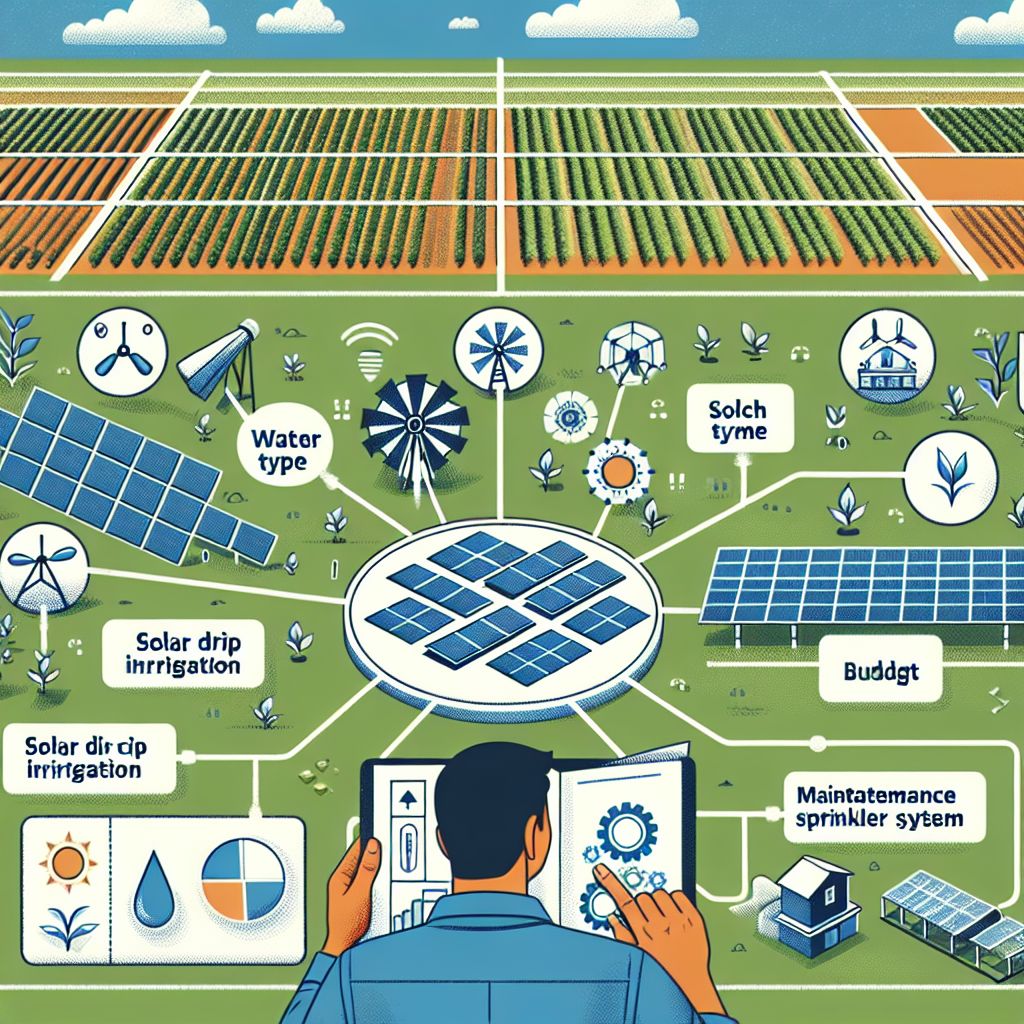
When deciding between solar drip irrigation and solar micro-sprinkler systems, consider the following:
- Water availability: In water-scarce areas, drip irrigation is more suitable due to its efficiency.
- Crop type: Some crops thrive better with targeted watering, while others benefit from surface watering.
- Field size: Larger fields may require the coverage offered by micro-sprinkler systems.
- Budget: Consider both initial costs and potential long-term savings.
- Maintenance capabilities: Choose a system that aligns with your ability to manage and maintain it.
Assessing Farm Needs and Resources
Before selecting an irrigation system, take the time to assess your farm’s unique needs and resources. Consider the climate, soil type, and available water sources. Evaluate your budget and labor resources to ensure you can install and maintain the system effectively. By taking a comprehensive approach, you can make a decision that supports both your crops and your sustainability goals.
Frequently Asked Questions (FAQ)
Here are some common questions farmers have when considering solar irrigation systems:
What is the initial cost difference between the two systems?
The initial cost of solar drip irrigation systems can be higher due to the complexity of the setup. However, they offer long-term savings through efficient water usage. Solar micro-sprinkler systems may have lower upfront costs but could result in higher water usage and operational expenses over time.
Which system is more suitable for a small-scale farm?
For small-scale farms, solar drip irrigation is often more suitable due to its precision and water efficiency. It allows farmers to target specific areas and crops, conserving water and reducing waste. However, if the farm requires coverage of larger areas, a micro-sprinkler system might be a better fit.
How does solar power integration benefit each system?
Solar power integration reduces energy costs and environmental impact for both systems. By using renewable energy, farmers can lower their reliance on fossil fuels, contributing to sustainability efforts. Solar panels provide a consistent and clean energy source, supporting the efficient operation of irrigation systems.
Can these systems be adapted for various climates?
Yes, both solar drip irrigation and micro-sprinkler systems can be adapted for different climates. Drip systems are ideal for arid regions where water conservation is crucial. Micro-sprinkler systems work well in areas where larger coverage is needed. Customization and adjustments allow these systems to meet the specific demands of various climates, as explained in this article on clouds’ effects on solar irrigation systems.
What are common maintenance issues faced with these systems?
Common maintenance issues for drip irrigation systems include clogs in emitters and leaks in tubing. Regular checks and cleaning can help prevent these problems. For micro-sprinkler systems, nozzle blockages and uneven water distribution are common concerns. Ensuring proper installation and performing routine maintenance can mitigate these issues, ensuring optimal system performance.
By understanding the benefits and challenges of each system, farmers can make informed decisions that enhance their irrigation practices and support sustainable agriculture. Whether you choose solar drip irrigation or solar micro-sprinkler systems, embracing solar-powered solutions is a step towards a more sustainable and efficient future for farming.

Leave a Reply