
Key Takeaways
Solar technology can significantly reduce fossil fuel dependency in farming, lowering operational costs.
Adopting solar energy can decrease greenhouse gas emissions, promoting a healthier environment.
Farmers can enhance energy independence by integrating solar power into their operations.
Solar panels can be used for various agricultural applications, including irrigation and temperature control.
Investing in solar technology offers long-term savings and contributes to sustainable farming practices.
Introduction to Solar Technology in Sustainable Farming
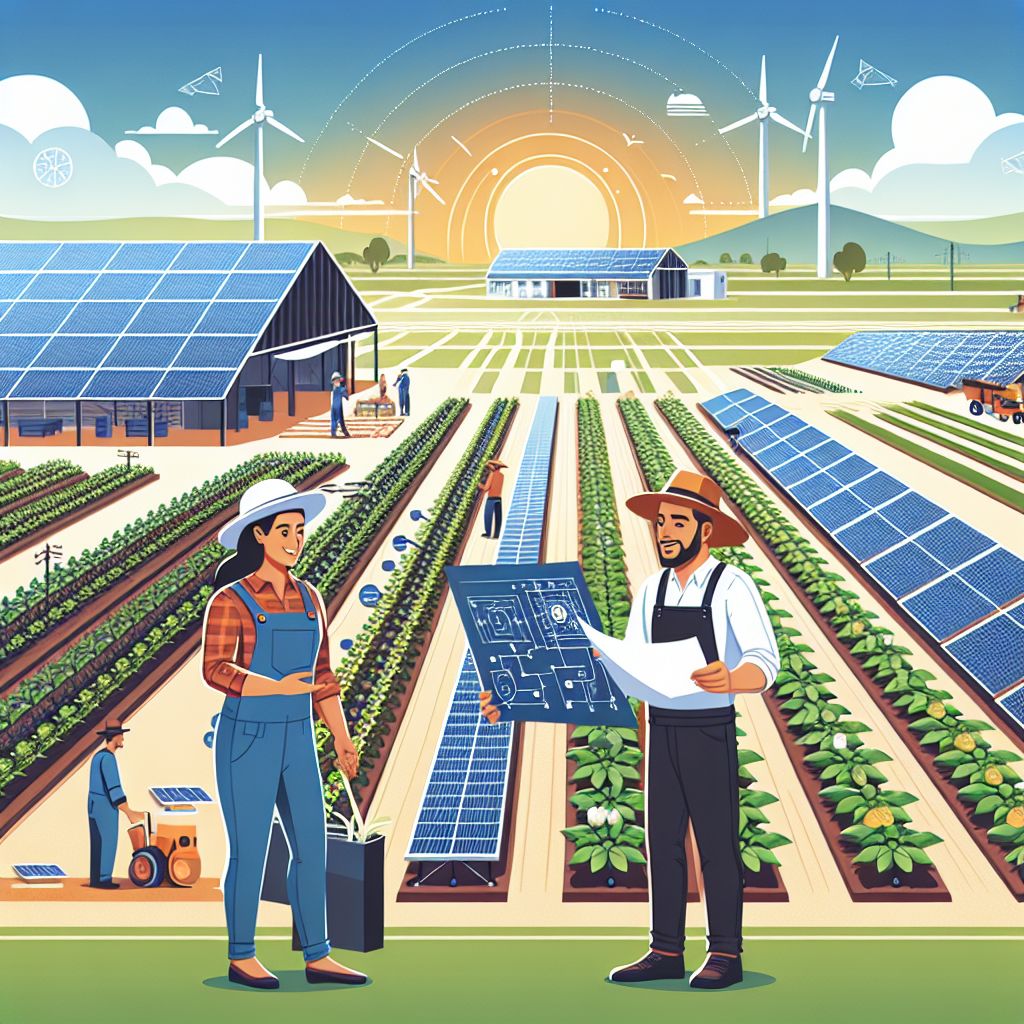
As we strive towards a more sustainable future, the integration of solar technology into farming practices has emerged as a game-changer. Solar power offers a clean, renewable energy source that can significantly reduce a farm’s reliance on fossil fuels. This shift not only lowers costs but also minimizes the environmental impact of agricultural operations. In this article, I’ll guide you through the benefits and practical applications of solar technology in farming, aiming to inspire sustainable practices across the agricultural sector.
Solar technology is not just about installing panels on rooftops; it’s about rethinking how we power our farms. This includes using solar energy for irrigation, lighting, and even running equipment. The goal is to harness the sun’s power to create a self-sufficient farming ecosystem that aligns with environmental stewardship.
Importance of Reducing Fossil Fuel Dependency
Fossil fuels have long been the backbone of agricultural energy needs, powering everything from tractors to irrigation systems. However, this reliance comes with a heavy cost—both financially and environmentally. Burning fossil fuels releases carbon dioxide and other greenhouse gases, contributing to climate change and air pollution. By reducing dependency on these fuels, farmers can play a crucial role in mitigating climate change while also improving their bottom line.
Here’s a table highlighting the importance of reducing fossil fuel dependency by using solar panels on a farm:
|
Aspect |
Importance |
|---|---|
|
Energy Cost Reduction |
Solar panels significantly reduce electricity expenses, providing long-term savings for farm operations 2. |
|
Energy Independence |
Farms become less reliant on the grid, protecting against power outages and energy price fluctuations 2. |
|
Environmental Impact |
Solar energy reduces carbon emissions and other pollutants, contributing to sustainable agriculture 2. |
|
Operational Efficiency |
Solar-powered irrigation pumps and equipment optimize water usage and farm processes 1. |
|
Diversified Revenue |
Farmers can earn additional income by selling excess electricity back to the grid through net metering 2. |
|
Government Incentives |
Tax credits, grants, and subsidies make solar adoption more financially attractive for farmers 2. |
|
Climate Resilience |
Solar panels help farms adapt to climate change challenges by providing a reliable energy source 4. |
|
Land Use Optimization |
Agrivoltaic systems allow for dual use of land, combining energy production with crop cultivation or grazing 3. |
|
Crop Protection |
Solar panels can provide shade, reducing water evaporation and protecting crops from extreme weather 3. |
|
Farm Sustainability |
Solar energy contributes to long-term farm viability and aligns with sustainable agriculture practices 4. |
Overview of Solar Technology Applications in Agriculture
Solar technology offers a range of applications in agriculture that can transform how farms operate. These applications are designed to replace or supplement traditional energy sources, making farming operations more sustainable and cost-effective. Here are some key areas where solar technology can be applied:
Irrigation Systems: Solar-powered pumps can efficiently deliver water to crops, reducing the need for diesel or electric pumps.
Lighting: Solar lights can illuminate barns, greenhouses, and fields, providing a reliable and renewable lighting source.
Temperature Control: Solar panels can power fans and heaters, maintaining optimal conditions for livestock and crops.
Machinery: Some farms are beginning to explore solar-powered tractors and other equipment.
Benefits of Solar Power in Agriculture
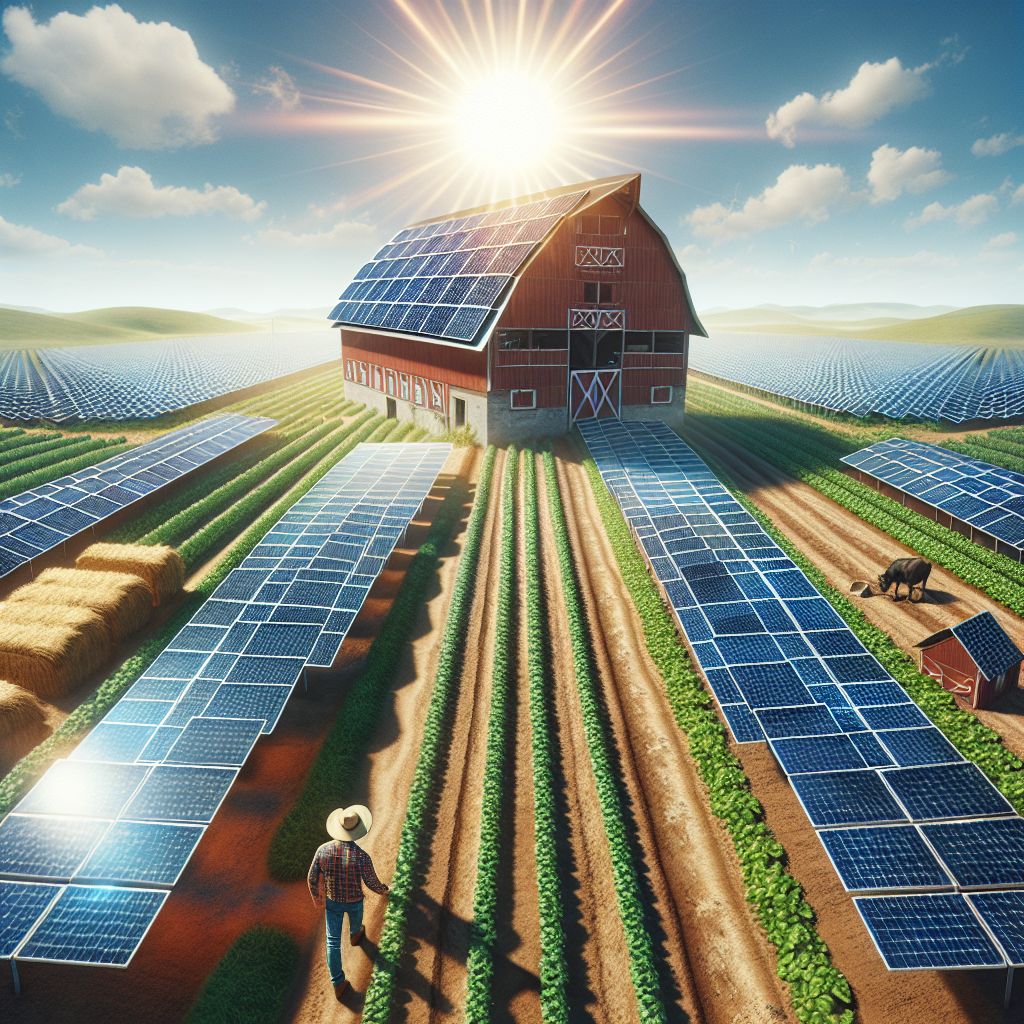
Embracing solar power in agriculture brings numerous benefits, both for the environment and the farmer’s wallet. The initial investment in solar technology may seem daunting, but the long-term advantages make it a worthwhile endeavor.
Minimizing Greenhouse Gas Emissions
One of the most significant benefits of solar power is its ability to reduce greenhouse gas emissions. Unlike fossil fuels, solar energy is clean and produces no emissions during operation. By transitioning to solar-powered systems, farms can drastically cut their carbon footprint, contributing to a healthier planet.
Cost Savings and Economic Benefits
While the upfront cost of installing solar panels can be high, the long-term savings are substantial. Solar energy reduces or even eliminates electricity bills, allowing farmers to allocate funds to other areas of their operations. Additionally, government incentives and tax credits can offset initial costs, making solar technology more accessible.
Moreover, solar power can protect farmers from fluctuating energy prices, providing a stable and predictable energy source. This financial stability can be a game-changer for small and medium-sized farms that operate on tight margins.
Improving Energy Independence and Security
Solar technology empowers farmers to become energy-independent. By generating their own electricity, farms are less vulnerable to power outages and price hikes from utility companies. This independence not only enhances the security of farm operations but also supports local energy resilience. For more information on how solar panels can reduce a farm’s carbon footprint, visit this guide on solar panels for farms.
Implementing Solar Technology on Farms
Transitioning to solar technology requires careful planning and consideration. It’s essential to understand the different types of solar technologies available and how they can be best utilized on your farm. Let’s explore the options and steps involved in making this transition.
Types of Solar Technologies Utilized in Farming
Farmers have several options when it comes to solar technology, each with its own advantages and applications. The most common types include:
Photovoltaic (PV) Panels: These are the traditional solar panels that convert sunlight directly into electricity. They are versatile and can be used for various applications, from powering buildings to charging equipment.
Solar Thermal Systems: These systems use sunlight to heat water or air, which can then be used for heating purposes or to power certain types of machinery.
Concentrated Solar Power (CSP): This technology uses mirrors or lenses to concentrate a large area of sunlight onto a small area, generating heat that can produce electricity. It’s typically used in larger-scale operations.
Steps to Transition from Fossil Fuels
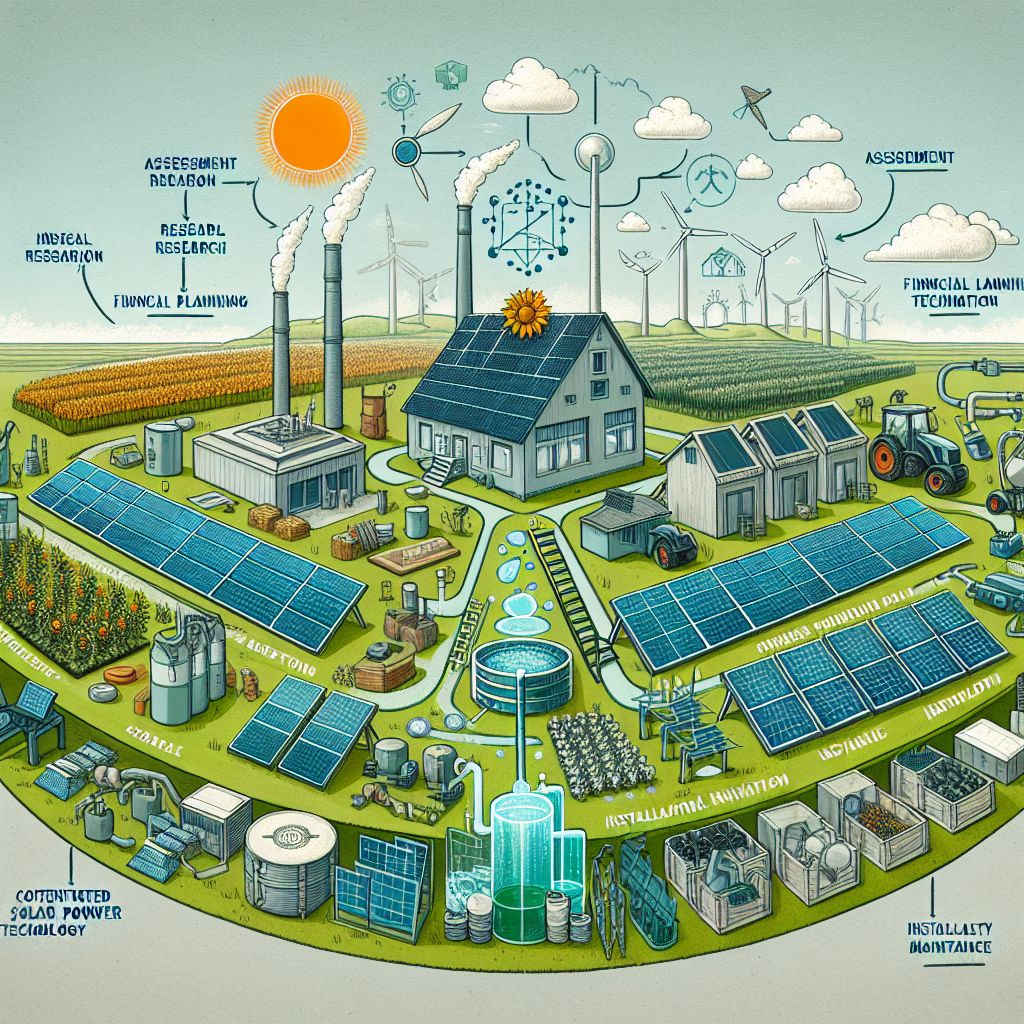
Transitioning from fossil fuels to solar energy involves several key steps:
Assessment: Evaluate your farm’s current energy usage and identify areas where solar power can be implemented.
Research: Learn about the different solar technologies available and determine which best suits your needs.
Financial Planning: Consider the costs and potential savings, and explore available incentives and financing options.
Installation: Work with a reputable solar provider to design and install your solar system.
Monitoring and Maintenance: Regularly monitor your solar system’s performance and perform necessary maintenance to ensure optimal efficiency.
Here’s a table discussing the key steps for a farmer to transition from fossil fuels to solar energy:
|
Step |
Description |
|---|---|
|
1. Conduct Energy Audit |
Assess current energy usage patterns and identify areas for improvement 1. |
|
2. Evaluate Site Suitability |
Determine the best locations for solar panel installation on the farm 1. |
|
3. Design Solar System |
Plan a solar energy system tailored to the farm’s specific needs and available space 2. |
|
4. Secure Financing |
Explore grants, rebates, tax incentives, and low-interest loans for solar installations 1. |
|
5. Install Solar Panels |
Set up photovoltaic panels on farm buildings, land, or specialized structures 1. |
|
6. Integrate with Farm Operations |
Connect solar system to power irrigation pumps, livestock operations, and machinery 1. |
|
7. Implement Energy Storage |
Consider battery systems to store excess electricity for use during peak demand 1. |
|
8. Explore Agrivoltaics |
Investigate combining solar panels with crop production or livestock grazing 3. |
|
9. Optimize Panel Configuration |
Adjust panel height and spacing to accommodate farming activities if necessary 3. |
|
10. Monitor and Maintain |
Regularly assess system performance and conduct necessary maintenance 2. |
Challenges and Considerations in Adoption
While the benefits of solar technology in farming are clear, several challenges and considerations must be addressed to ensure successful adoption. One of the primary challenges is the initial cost of installation. Although solar energy offers long-term savings, the upfront investment can be significant, particularly for small-scale farmers. Securing financing and understanding available subsidies and tax credits can help mitigate this challenge.
Another consideration is the variability of solar energy production. Solar panels generate electricity based on sunlight availability, which can fluctuate due to weather conditions and seasonal changes. To address this, farmers may need to invest in energy storage solutions or hybrid systems that integrate solar with other energy sources to ensure a consistent power supply.
Impact on Crop Production and Livestock Management
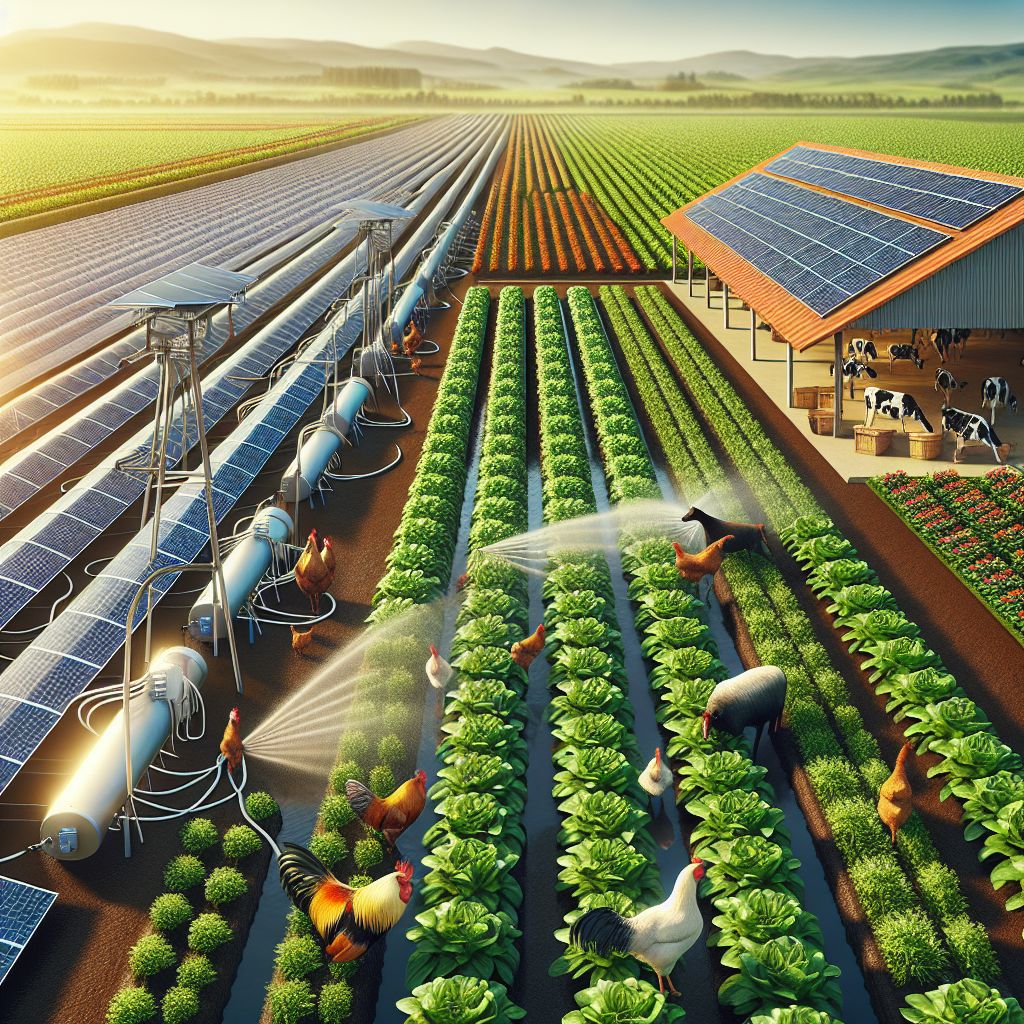
Solar technology can profoundly impact crop production and livestock management by providing reliable and renewable energy sources. For crops, solar-powered irrigation systems can improve water efficiency and reduce dependency on fossil fuels. By harnessing the sun’s energy, farmers can ensure their crops receive the necessary water, even during periods of drought or water scarcity.
In livestock management, maintaining optimal environmental conditions is crucial for animal health and productivity. Solar technology can power ventilation systems, heating, and cooling units, creating a comfortable environment for livestock regardless of external weather conditions.
Enhanced Crop Yields: Solar-powered irrigation ensures consistent water supply, leading to healthier crops and improved yields.
Animal Welfare: Solar energy supports temperature-controlled environments, promoting animal health and reducing stress.
Overall, integrating solar technology into crop and livestock management can enhance efficiency and sustainability, leading to better outcomes for farmers and the environment.
Enhancing Irrigation Systems with Solar Energy
Solar-powered irrigation systems are a game-changer for water management in agriculture. These systems use solar panels to power pumps that draw water from wells, rivers, or reservoirs, delivering it directly to crops. This approach reduces reliance on diesel-powered pumps, cutting fuel costs and emissions.
Moreover, solar irrigation systems can be automated and optimized to deliver precise amounts of water based on crop needs and soil conditions. This precision irrigation helps conserve water, reduce waste, and improve crop health, making it an essential tool for sustainable farming.
Maintaining Temperature-Controlled Environments
Temperature control is vital for both crop production and livestock management. Solar technology can power heating and cooling systems in greenhouses, barns, and storage facilities, ensuring optimal conditions for plant growth and animal welfare. By using solar energy, farmers can maintain consistent temperatures without the high energy costs associated with traditional heating and cooling methods.
For example, solar-powered fans can circulate air in barns, reducing heat stress in livestock during hot weather. In greenhouses, solar panels can power heaters to maintain warmth during cold spells, protecting sensitive crops from frost damage. These applications demonstrate the versatility and effectiveness of solar technology in maintaining controlled environments.
Case Studies of Successful Integration
Several farms have successfully integrated solar technology into their operations, showcasing its potential to transform agriculture. One such example is a dairy farm in California that installed a solar-powered irrigation system. By switching to solar, the farm reduced its energy costs by 40% and decreased its carbon emissions significantly.
“Since adopting solar technology, we’ve seen a dramatic reduction in our energy bills and a positive impact on our environmental footprint. It’s been a win-win for our farm and the planet.” – John, Dairy Farmer
Another example is a vegetable farm in Spain that implemented solar panels to power its greenhouse operations. The farm experienced increased yields and improved crop quality due to the consistent climate control enabled by solar energy.
Solar Technology and Environmental Conservation
Beyond the immediate benefits to farmers, solar technology plays a crucial role in environmental conservation. By reducing reliance on fossil fuels, solar energy helps lower greenhouse gas emissions and air pollution, contributing to a cleaner and healthier environment.
The Role in Protecting Natural Habitats
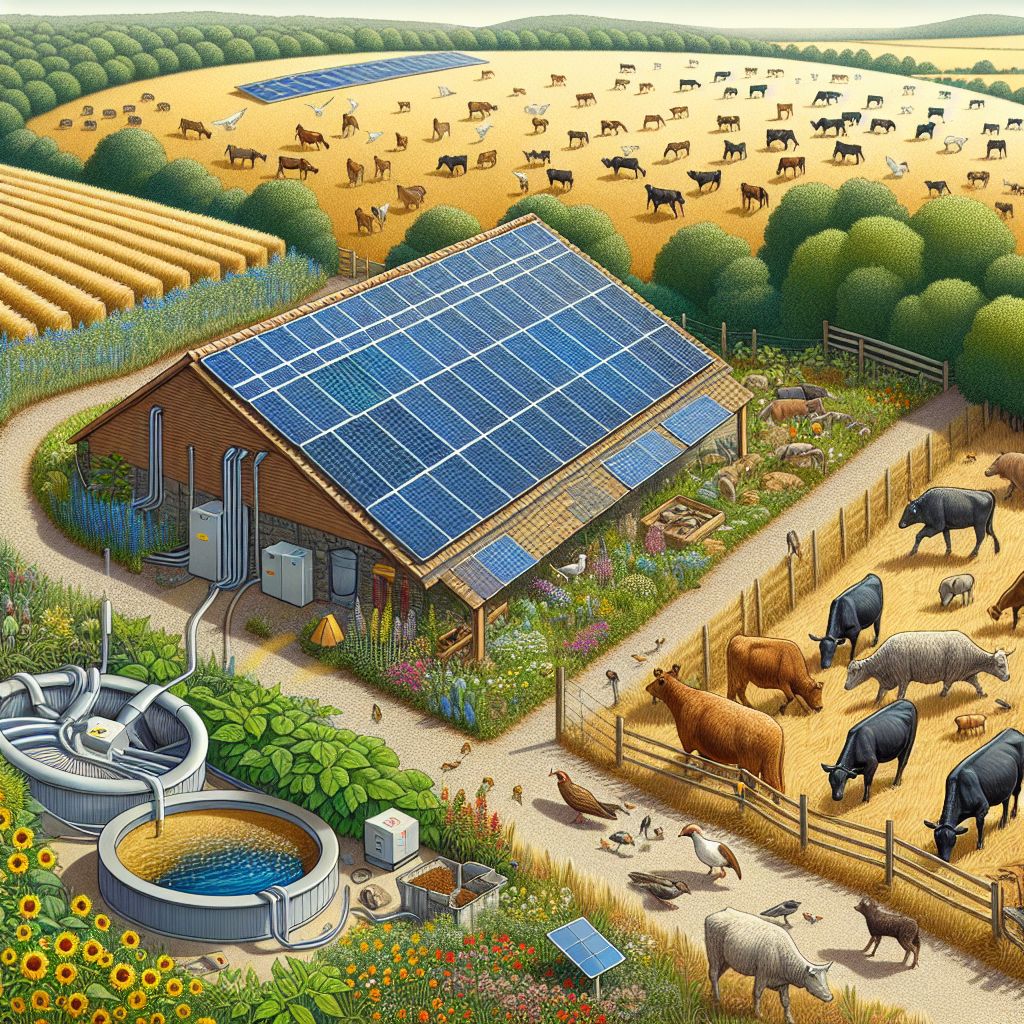
Solar technology can also help protect natural habitats by reducing the need for land conversion and resource extraction associated with fossil fuel production. By generating clean energy on-site, farms can minimize their environmental footprint and preserve surrounding ecosystems. For more information on sustainable practices, explore our guide on solar irrigation systems.
For instance, solar panels can be installed on rooftops or unused land, leaving more space for natural habitats and biodiversity. This approach aligns with the principles of sustainable agriculture, promoting harmony between farming practices and the environment.
“Solar energy allows us to power our operations without compromising the natural beauty and biodiversity of our land.” – Maria, Organic Farmer
By prioritizing solar technology, farmers can contribute to environmental conservation efforts while enhancing the sustainability of their operations.
Preserving Biodiversity Through Clean Energy
Solar technology supports biodiversity by reducing pollution and habitat disruption. Unlike fossil fuel extraction, which can lead to deforestation and habitat loss, solar energy is a low-impact solution that preserves natural landscapes.
Additionally, solar farms can be designed to coexist with native flora and fauna. For example, some solar installations incorporate wildflower meadows or grazing areas for livestock, creating a symbiotic relationship between energy production and biodiversity conservation.
By adopting solar technology, farmers can play an active role in preserving biodiversity and promoting ecological balance. Learn more about the environmental benefits of solar energy for farmers.
“Our solar farm is a haven for local wildlife, providing shelter and food for birds, bees, and other pollinators.” – Thomas, Renewable Energy Advocate
Long-Term Benefits on Ecosystem Health
The long-term benefits of solar technology on ecosystem health are profound. By reducing emissions and pollution, solar energy contributes to cleaner air and water, benefiting both human and wildlife populations. Additionally, by minimizing habitat disruption, solar technology helps maintain ecological balance and resilience.
As more farmers embrace solar power, the cumulative impact on ecosystem health will be significant, supporting a more sustainable and harmonious relationship between agriculture and the environment.
Future Outlook for Solar in Agriculture
Looking ahead, the future of solar technology in agriculture is bright. As technology advances and costs continue to decrease, more farmers will have the opportunity to adopt solar solutions. Innovations in solar panel efficiency, energy storage, and smart grid integration will further enhance the viability and impact of solar energy in farming.
Moreover, increased policy and regulatory support for renewable energy adoption will create a favorable environment for farmers to transition to solar technology. By investing in solar energy today, farmers can secure a sustainable and prosperous future for themselves and the planet.
Technological Innovations and Advancements
Solar technology continues to evolve, with innovations driving increased efficiency and accessibility for farmers. Advances in photovoltaic cell design, such as bifacial panels that capture sunlight from both sides, are improving energy output and reducing costs. Additionally, the development of flexible solar panels allows for installation on a wider range of surfaces, including uneven terrain and curved structures.
Energy storage technology is also advancing, with improved battery systems providing reliable power during cloudy days and nighttime. These innovations make solar energy a more viable option for farms, ensuring consistent energy availability regardless of weather conditions. For more insights, explore how solar panels for farms can reduce carbon footprint and promote environmental sustainability.
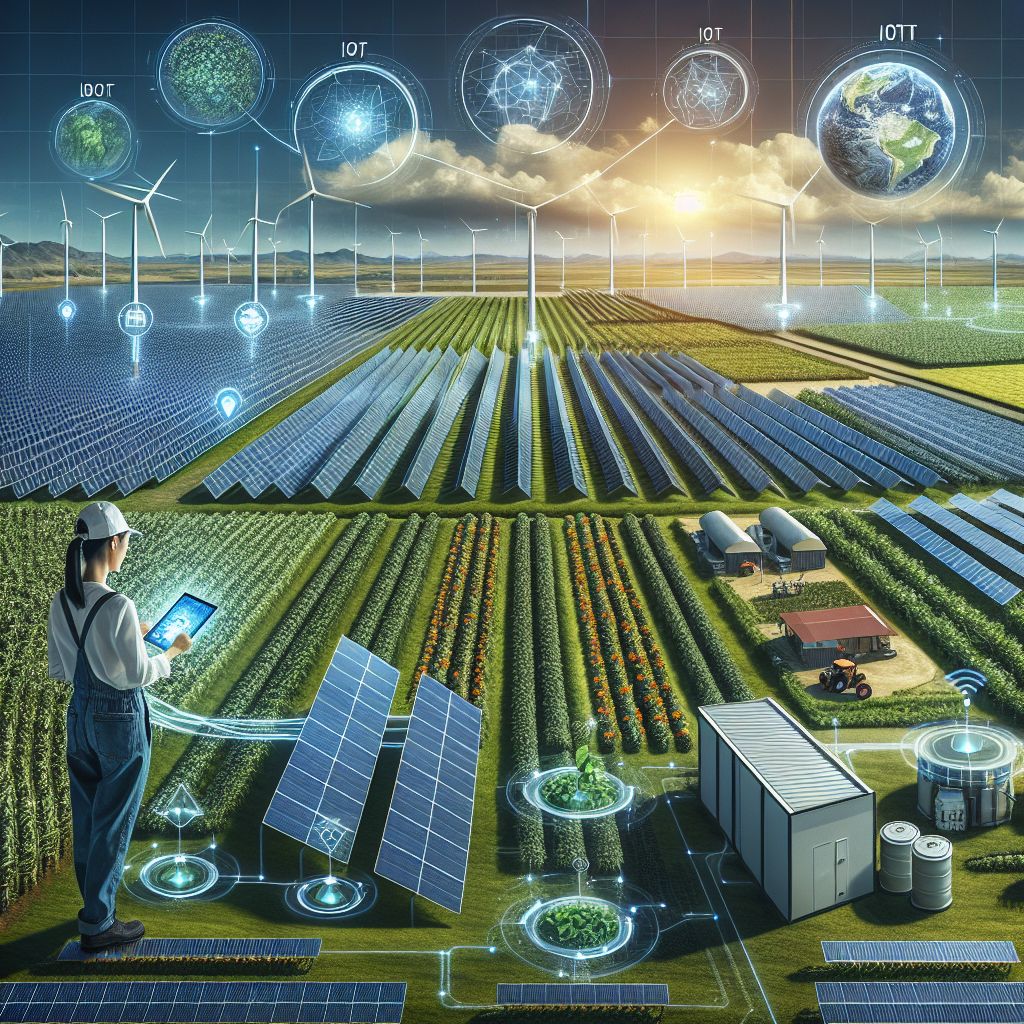
Another exciting development is the integration of solar technology with smart farming solutions. By combining solar power with IoT devices and data analytics, farmers can optimize energy usage, monitor system performance, and make data-driven decisions to enhance efficiency and productivity.
“With the latest advancements in solar technology, we’re able to power our farm more efficiently and sustainably than ever before.” – Sarah, Tech-Savvy Farmer
These technological advancements are paving the way for a sustainable energy future in agriculture, enabling farmers to harness the full potential of solar power.
Policy and Regulatory Support for Solar Adoption
Government policies and incentives play a crucial role in promoting solar adoption among farmers. Many countries offer tax credits, grants, and subsidies to offset the initial costs of solar installation. These incentives make it more financially feasible for farmers to invest in renewable energy solutions.
Additionally, some regions have implemented net metering policies, allowing farmers to sell excess solar energy back to the grid. This arrangement provides an additional revenue stream and encourages further investment in solar technology.
Envisioning a Low-Carbon Agricultural Future
The transition to solar technology in agriculture is a vital step towards a low-carbon future. By reducing reliance on fossil fuels, farms can significantly lower their carbon footprint, contributing to global efforts to combat climate change. This shift not only benefits the environment but also enhances the resilience and sustainability of agricultural operations.
As more farmers adopt solar solutions, the collective impact on greenhouse gas emissions will be substantial. This transformation will help create a more sustainable and resilient food system, ensuring food security for future generations.
Conclusion: How Does Solar Technology Reduce Fossil Fuel Dependency
Solar technology offers a practical and effective solution for reducing fossil fuel dependency in agriculture. By harnessing the sun’s power, farmers can generate clean, renewable energy to meet their operational needs. This transition not only lowers costs and emissions but also enhances energy independence and security.
As solar technology continues to advance and become more accessible, the potential for widespread adoption in agriculture is immense. By investing in solar energy, farmers can play a pivotal role in building a sustainable and low-carbon future.
Do the Benefits Make the Investment into Solar Technology Worth While for a Farmer
While the initial investment in solar technology may be significant, the long-term benefits make it a worthwhile endeavor for farmers. Solar energy offers substantial cost savings, environmental benefits, and increased energy independence. Moreover, government incentives and advancements in technology are making solar solutions more affordable and accessible.
For farmers committed to sustainability and reducing their carbon footprint, investing in solar technology is a smart and forward-thinking choice that aligns with both economic and environmental goals.
Frequently Asked Questions
Solar technology in farming raises several questions, particularly regarding costs, system types, and implementation challenges. Here are some common inquiries and their answers:
How does solar technology reduce costs for farmers?
What types of solar systems are best for farms?
How can solar energy improve irrigation efficiency?
What are the main challenges of switching to solar?
Understanding these aspects can help farmers make informed decisions about integrating solar technology into their operations.
How does solar technology reduce costs for farmers?
“By generating our own electricity, we’ve cut our energy bills in half, freeing up funds for other farm improvements.” – Emily, Solar-Powered Farmer
Solar technology reduces costs by providing a renewable energy source that eliminates or significantly reduces electricity bills. Over time, the savings from solar energy can offset the initial installation costs, leading to substantial financial benefits. To learn more about how solar energy benefits the environment and farmers, check out The Environmental Benefits of Solar Energy for Farmers.
Additionally, solar systems have low maintenance requirements and long lifespans, further contributing to cost savings over the years.
What types of solar systems are best for farms?
The best solar system for a farm depends on its specific energy needs and operational requirements. Photovoltaic panels are versatile and suitable for most applications, while solar thermal systems are ideal for heating water or air.
Farmers should assess their energy usage and consult with solar experts to determine the most suitable system for their needs. For more insights, explore the environmental benefits of solar energy.
How can solar energy improve irrigation efficiency?
Solar-powered irrigation systems use solar panels to power pumps that deliver water to crops. This approach reduces reliance on fossil fuels and allows for precise water delivery based on crop needs and soil conditions.
By optimizing water usage, solar irrigation systems conserve resources, reduce waste, and enhance crop health, making them a valuable tool for sustainable farming.
Reduced energy costs for irrigation
Increased water efficiency and conservation
Improved crop yields and health
What are the main challenges of switching to solar?
Switching to solar technology presents several challenges, including the initial cost of installation and variability in solar energy production. Farmers may need to secure financing and explore available incentives to offset upfront expenses.
Additionally, energy storage solutions or hybrid systems may be necessary to ensure a consistent power supply during cloudy days or nighttime.
Sustainable farming practices are essential in reducing the dependency on fossil fuels and minimizing environmental impact. By integrating solar technology into farming operations, farmers can harness renewable energy sources to power their equipment and facilities. This shift not only decreases greenhouse gas emissions but also provides a cost-effective solution for energy needs. To learn more about how solar energy benefits farmers, check out the environmental benefits of solar energy.







Leave a Reply