

Article-at-a-Glance
Solar panels can reduce energy costs by up to 70% for irrigation systems.
They provide a sustainable energy source, cutting down on carbon emissions.
Installation requires careful planning, including site assessment and panel selection.
Regular maintenance is essential to ensure efficiency and longevity.
Farmers can see a return on investment in as little as five years.
Why Consider Solar Panels for Center Pivot Irrigation?
As we strive to enhance agriculture through innovation, one of the most promising advancements is the integration of solar panels with center pivot irrigation systems. This approach not only addresses energy challenges but also offers significant environmental and economic benefits.
Introduction to the Concept
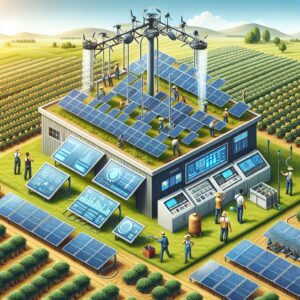
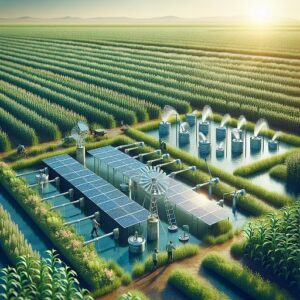
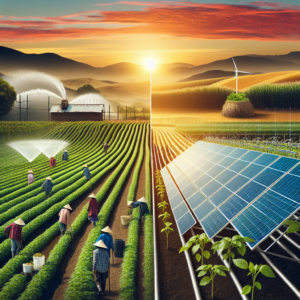
Imagine harnessing the power of the sun to fuel your irrigation system. That’s the essence of solar panels for center pivot irrigation. These panels convert sunlight into electricity, which powers the motors and pumps needed for irrigation. It’s a simple yet effective solution that aligns perfectly with sustainable farming practices.
Solar panels generate clean energy, reducing reliance on fossil fuels.
They can be installed on existing irrigation systems with minimal modifications.
Solar energy is abundant and free, significantly lowering operational costs.
Most importantly, using solar panels can revolutionize how we approach agricultural energy needs, making farms more self-sufficient and resilient to energy price fluctuations.
Energy Challenges in Traditional Irrigation Systems
Traditional irrigation systems often rely on electricity from the grid or diesel generators, both of which come with significant drawbacks. High energy costs can eat into profits, and the environmental impact of fossil fuels is a growing concern. Moreover, rural areas may experience unreliable power supply, disrupting irrigation schedules and affecting crop yields.
These challenges highlight the need for a more sustainable and cost-effective energy source. Solar panels offer a viable solution, providing consistent and clean energy that can be harnessed even in remote locations.
Advantages of Solar Energy for Agriculture
Adopting solar energy in agriculture isn’t just about cutting costs; it’s about embracing a future where farming is in harmony with the environment. Here are some compelling reasons to consider this technology:
Environmental Impact: Solar panels drastically reduce carbon emissions, contributing to a healthier planet.
Cost Savings: Over time, the reduction in energy bills can lead to significant savings, enhancing farm profitability.
Energy Independence: Farmers gain greater control over their energy supply, reducing dependency on external sources.
Scalability: Solar systems can be easily expanded to meet growing energy needs.
Because solar panels have a lifespan of 25 to 30 years, they offer long-term stability and predictability in energy costs, a critical factor in successful farm management.
This table below discusses why you should consider using solar panels with a center pivot irrigation system:
|
Reason |
Explanation |
|---|---|
|
Cost Reduction |
Solar panels can significantly reduce electricity costs associated with center pivot irrigation, leading to long-term savings for farmers. 1, 2 |
|
Energy Independence |
Solar power provides farmers with independence from fluctuating energy prices and potential shortages, offering a stable and predictable energy source. 1 |
|
Seasonal Alignment |
Solar energy production peaks in summer months, aligning perfectly with high irrigation demands for center pivot systems. 1, 2 |
|
Environmental Sustainability |
Using solar energy for irrigation reduces carbon emissions and promotes eco-friendly farming practices, contributing to environmental conservation. 1 |
|
Government Incentives |
Various incentives, such as tax credits, may be available to offset the initial costs of installing solar panels, improving economic feasibility. 1, 2 |
|
Improved Technology |
Advances in solar technology, including better battery storage and efficiency, make solar-powered irrigation systems more reliable and effective1. |
|
Water Conservation |
Solar-powered systems can be integrated with precision agriculture technologies for efficient water distribution, potentially leading to water conservation and improved crop yields. 1, 4 |
|
Remote Area Solution |
Solar-powered systems are particularly beneficial for remote areas where grid electricity or fuel delivery may be challenging or costly. 3 |
|
Reduced Maintenance |
Solar pump systems typically have fewer moving parts compared to conventional systems, resulting in lower maintenance requirements. 3 |
|
Integration with Pivot Cleaning |
Placing solar arrays at the center of the pivot can allow for automatic cleaning of PV modules by the pivot itself, increasing system efficiency. 3 |

Environmental and Economic Benefits
Integrating solar panels into center pivot irrigation systems offers a host of environmental and economic benefits that can transform farming practices. The use of solar energy not only mitigates the negative impacts of traditional energy sources but also provides a reliable and cost-effective solution for farmers.
One of the most significant advantages is the reduction in greenhouse gas emissions. By switching from fossil fuels to solar energy, farmers can substantially decrease their carbon footprint, contributing to global efforts to combat climate change. This shift is crucial as agriculture accounts for a notable percentage of global emissions.
Furthermore, solar panels can lead to impressive cost savings. While the initial investment may seem daunting, the long-term reduction in energy expenses can be a game-changer for agricultural businesses. Over time, these savings can be redirected into other areas of the farm, such as upgrading equipment or expanding operations.
Reduction in Carbon Footprint
Solar panels offer a clean energy alternative that significantly lowers carbon emissions associated with irrigation. Unlike diesel generators or grid electricity, solar power produces no emissions during operation. This reduction is crucial in helping farmers meet sustainability goals and comply with environmental regulations.
Cost Savings and Return on Investment
Although the upfront cost of solar panel installation can be high, the investment pays off over time. Farmers can expect to see a return on investment within five to ten years, depending on factors such as energy costs and available sunlight. After this period, the energy generated is essentially free, leading to substantial savings.
Moreover, many governments offer incentives and rebates to encourage the adoption of renewable energy. These financial aids can significantly offset the initial costs, making solar panels a more accessible option for farmers.
Long-Term Impact on Soil and Crop Health
By using solar energy, farmers can reduce their reliance on chemical fertilizers and pesticides that are often used to compensate for poor soil health. The savings from energy costs can be invested in sustainable farming practices that enhance soil quality and crop health.
Healthy soil is the foundation of productive agriculture. It improves water retention, supports beneficial microorganisms, and provides essential nutrients to crops. Therefore, the indirect benefits of solar energy extend beyond financial savings, contributing to a more sustainable agricultural ecosystem.

Real-World Success Stories
Across the globe, farmers are reaping the rewards of integrating solar panels with their irrigation systems. These success stories serve as powerful examples of how renewable energy can transform agriculture, making it more sustainable and profitable.
In many cases, farmers have reported significant reductions in energy costs, allowing them to invest in other areas of their operations. Additionally, the environmental benefits have helped them achieve sustainability certifications, opening up new market opportunities.
Case Study: Midwest Farms Transformation
Consider the case of a large-scale corn farm in the Midwest that transitioned to solar-powered irrigation. Initially, the farm faced high energy costs and frequent power outages, which affected crop yields. By installing solar panels, the farm reduced its energy expenses by 60% and ensured a reliable power supply.
The farm’s commitment to sustainability also attracted new customers who value environmentally friendly practices. As a result, the farm expanded its operations and increased its market share, demonstrating the economic potential of renewable energy.
Aspiring Towards Net-Zero Emissions in Agriculture
In the pursuit of net-zero emissions, some farms are taking solar integration a step further by adopting additional renewable technologies and practices. These efforts include using electric vehicles for farm operations and implementing precision agriculture techniques to optimize resource use.
By combining solar energy with other innovations, these farms are setting a new standard for sustainable agriculture. They are proving that it’s possible to maintain high productivity levels while minimizing environmental impact, paving the way for a greener future in farming.

Overcoming Potential Challenges
While the benefits of solar panels for irrigation are clear, there are challenges to consider. Understanding these hurdles and planning accordingly can ensure a smooth transition to solar energy.
Choosing the Right Solar Panels
When considering the installation of solar panels for a center pivot irrigation system, it’s crucial to evaluate several factors to ensure you choose the right Solar panel for the job. One of those factors is what solar panel you will use.
There are several types of solar panels that you can connect to a center pivot irrigation system, including:
Monocrystalline Solar Panels: Known for their high efficiency and long lifespan, these panels are a great choice if space is limited, as they produce more power per square foot.
Polycrystalline Solar Panels: These panels are typically less expensive and slightly less efficient than monocrystalline options. They may require more space but can be a cost-effective solution for larger installations.
Thin-Film Solar Panels: Lightweight and flexible, these panels are easier to install but generally offer lower efficiency. They can be ideal for specific configurations or if weight is a concern.
Here’s a table comparing the different solar panel you can use with an irrigation system:
|
Solar Panel Type |
Efficiency |
Cost per Watt |
Pros |
Cons |
|---|---|---|---|---|
|
Monocrystalline |
17-22% |
$1.00 – $1.50 |
– Highest efficiency. 1, 3 |
– Most expensive option. 1, 3 |
|
Polycrystalline |
13-17% |
$0.90 – $1.20 |
– Lower cost than monocrystalline. 1, 3 |
– Slightly lower efficiency. 1, 3 |
|
Thin-Film |
10-13% |
$0.70 – $1.00 |
– Lowest cost. 1, 3 |
– Lowest efficiency. 1, 3 |
Polycrystalline panels offer a good balance between cost and efficiency, making them suitable for medium-scale irrigation projects. They perform well in most conditions and are a popular choice for many agricultural applications 3.
Thin-film panels, while less efficient, are more affordable and flexible. They can be a good option for portable irrigation systems or installations where weight is a concern. Their lower efficiency means you may need more panels to achieve the same power output as crystalline options 3.
When choosing solar panels for a center pivot irrigation system, remember to consider factors such as the system’s power requirements, available space, budget, and local climate conditions. The right choice will depend on the specific needs of your irrigation project.
Assessing Initial Investment Costs
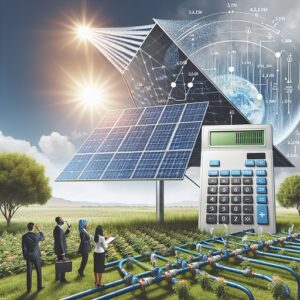
The initial cost of purchasing and installing solar panels can be a barrier for some farmers. However, it’s important to view this expense as a long-term investment. Conducting a thorough cost-benefit analysis can help determine the financial viability of the project.
Additionally, exploring available subsidies, grants, and financing options can make the transition more affordable. Many organizations offer support to farmers seeking to adopt renewable energy, providing valuable resources to offset initial costs.
Adapting to Seasonal Variations and Weather
One of the significant challenges in using solar panels for irrigation is dealing with seasonal variations and weather conditions. Solar energy production is heavily dependent on sunlight, which can vary with seasons and weather patterns. During the winter months or cloudy days, solar panels may generate less electricity, which can impact irrigation schedules. To mitigate these challenges, farmers can consider using dual-axis solar trackers for improved efficiency in capturing sunlight throughout the year.
“Farmers should consider integrating battery storage systems to store excess energy produced during sunny days. This stored energy can then be used during periods of low sunlight, ensuring a consistent power supply for irrigation.”
Additionally, it’s wise to conduct a site assessment to understand the average sunlight hours and weather patterns in your region. This information will help in designing a solar system that meets your farm’s specific energy needs year-round.
In regions with frequent weather fluctuations, diversifying energy sources by combining solar power with other renewable sources, such as wind or biomass, can provide a more stable energy supply. For instance, the rise of solar irrigation in modern farming demonstrates how integrating different renewable technologies can enhance energy reliability.
Navigating Technological and Skill Hurdles
Transitioning to solar energy involves some technological know-how. Farmers may need to familiarize themselves with solar panel technology, installation processes, and maintenance requirements. However, this challenge can be mitigated by partnering with experienced solar energy providers who offer training and support.
It’s also beneficial to connect with other farmers who have already adopted solar technology. Learning from their experiences can provide valuable insights and practical advice on managing the transition effectively.

Final Thoughts on Solar Panel Adoption
Adopting solar panels for center pivot irrigation is a forward-thinking step towards sustainable agriculture. The benefits, including reduced energy costs and environmental impact, make it an attractive option for farmers looking to modernize their operations. While challenges exist, they can be overcome with careful planning and support from the renewable energy community.
Encouragement and Future Outlook for Farmers
As we move towards a more sustainable future, farmers have the opportunity to lead the way by embracing renewable energy technologies. Solar panels offer a practical and effective solution to the energy challenges facing agriculture today. By investing in solar power, farmers can secure their energy needs, reduce costs, and contribute to a healthier planet.
Looking ahead, the continued advancement of solar technology and supportive policies will likely make solar energy even more accessible and affordable. This positive outlook should encourage farmers to explore the potential of solar panels for their irrigation systems and beyond.
Frequently Asked Questions (FAQ)
For those considering solar panels for irrigation, several common questions arise. Here are some answers to help you make an informed decision.
How Long Do Solar Panels Last on Irrigation Systems?
Solar panels typically have a lifespan of 25 to 30 years. With proper maintenance, they can continue to operate efficiently throughout this period. Regular cleaning and inspections will help ensure that the panels remain in good condition and perform optimally.
It’s also important to monitor the system’s performance and address any issues promptly. This proactive approach will extend the lifespan of your solar panels and maximize your return on investment.
What Is the Average Cost of Installation?
The cost of installing solar panels on a center pivot irrigation system can vary widely depending on factors such as the size of the system, the type of panels used, and local labor rates. On average, farmers can expect to spend between $15,000 and $30,000 for a complete installation. For more information on choosing the right panels, check out our guide on efficient farm irrigation.
However, available incentives and financing options can significantly reduce these costs. It’s advisable to explore all available funding opportunities and work with a reputable solar provider to get an accurate estimate.
Can Solar Panels Work During Cloudy Days?
Yes, solar panels can still generate electricity on cloudy days, although at reduced efficiency. Modern solar panels are designed to capture a broad spectrum of sunlight, allowing them to produce energy even in less-than-ideal conditions.
To ensure a steady energy supply, consider integrating battery storage or a hybrid energy system that combines solar with other renewable sources.
How long does it take to install solar panels on a center pivot irrigation System?
The installation of solar panels on a center pivot irrigation system typically takes between two to four weeks. This timeframe includes site assessment, system design, permitting, and actual installation. Working with experienced solar installers can help streamline the process and ensure timely completion.

Leave a Reply