

Key Takeaways
- Smart farming integrates technology like IoT, big data, and AI to improve farming efficiency and productivity.
- Solar power can significantly reduce energy costs for farmers, providing a sustainable and reliable energy source.
- Combining smart farming with solar technology enhances resource management and boosts crop yields.
- Initial investment in smart farming and solar solutions can be high, but long-term savings and productivity gains are substantial.
- Farmers can overcome technological barriers with proper training and support systems.
Smart Farming
Smart farming is revolutionizing the agricultural landscape. It’s about using technology to make farming more efficient and productive. By integrating tools like the Internet of Things (IoT), big data, and artificial intelligence (AI), farmers can now manage their farms with unprecedented precision.
What is Smart Farming
At its core, smart farming is all about data-driven decision-making. Sensors placed in fields collect data on soil moisture, temperature, and crop health. This information helps farmers make informed decisions about when to water, fertilize, or harvest crops. It’s like having a digital assistant that guides you every step of the way.
Smart farming isn’t just for big farms. Even small-scale farmers can benefit from these technologies. By optimizing resources and reducing waste, smart farming helps increase yields and improve the quality of produce.
Why Farmers Turn to Smart Farming Technologies
Farmers are increasingly turning to smart farming technologies because they offer solutions to many traditional farming challenges. Weather unpredictability, pest infestations, and resource scarcity are just a few of the issues that smart farming can address. Additionally, integrating AI and IoT sensors can enhance efficiency in managing these challenges.
With smart farming, farmers can:
- Monitor crop health in real-time.
- Optimize water usage with precision irrigation systems.
- Reduce chemical usage by targeting pest control efforts.
Most importantly, these technologies empower farmers to produce more with less, ensuring food security and sustainability for future generations.

Smart Farming Agriculture Techniques and Tools
To fully embrace smart farming, it’s essential to understand the various techniques and tools available. Let’s dive into the specifics of how IoT, big data, and cloud-based systems are transforming agriculture.
Introduction to IoT in Farming
The Internet of Things (IoT) is a network of interconnected devices that communicate with each other. In farming, IoT devices include sensors, drones, and automated machinery. These devices collect and share data, providing farmers with valuable insights into their operations.
Imagine a sensor in the field that measures soil moisture levels. It sends this data to a central system, which then alerts the farmer when it’s time to water the crops. This not only saves water but also ensures that plants receive the right amount of hydration. For farmers looking to incorporate renewable energy, exploring solar irrigation in modern farming can be an efficient solution.
Besides that, IoT devices can monitor livestock health, track equipment usage, and even predict weather patterns. This comprehensive data collection allows farmers to make proactive decisions, enhancing efficiency and productivity.
Big Data for Optimizing Crop Yields
Big data refers to the vast amount of information generated by IoT devices and other sources. When analyzed, this data can reveal patterns and trends that help optimize farming practices.
- Identify the best times for planting and harvesting.
- Predict pest infestations and take preventive measures.
- Analyze soil composition and recommend nutrient adjustments.
By leveraging big data, farmers can maximize crop yields and minimize losses. It’s like having a crystal ball that shows you the best path forward.
Cloud-based Farm Management Systems
Cloud-based systems are platforms that store and process data remotely. Farmers can access these systems from anywhere, using a smartphone, tablet, or computer. These systems can also integrate with AI and IoT sensors to enhance efficiency in farm management.
Example: A farmer uses a cloud-based platform to monitor crop growth, manage inventory, and schedule maintenance for equipment. This centralized system streamlines operations and improves decision-making.
Cloud-based systems also facilitate collaboration between farmers, agronomists, and other stakeholders. By sharing data and insights, they can work together to solve common challenges and drive innovation in agriculture.
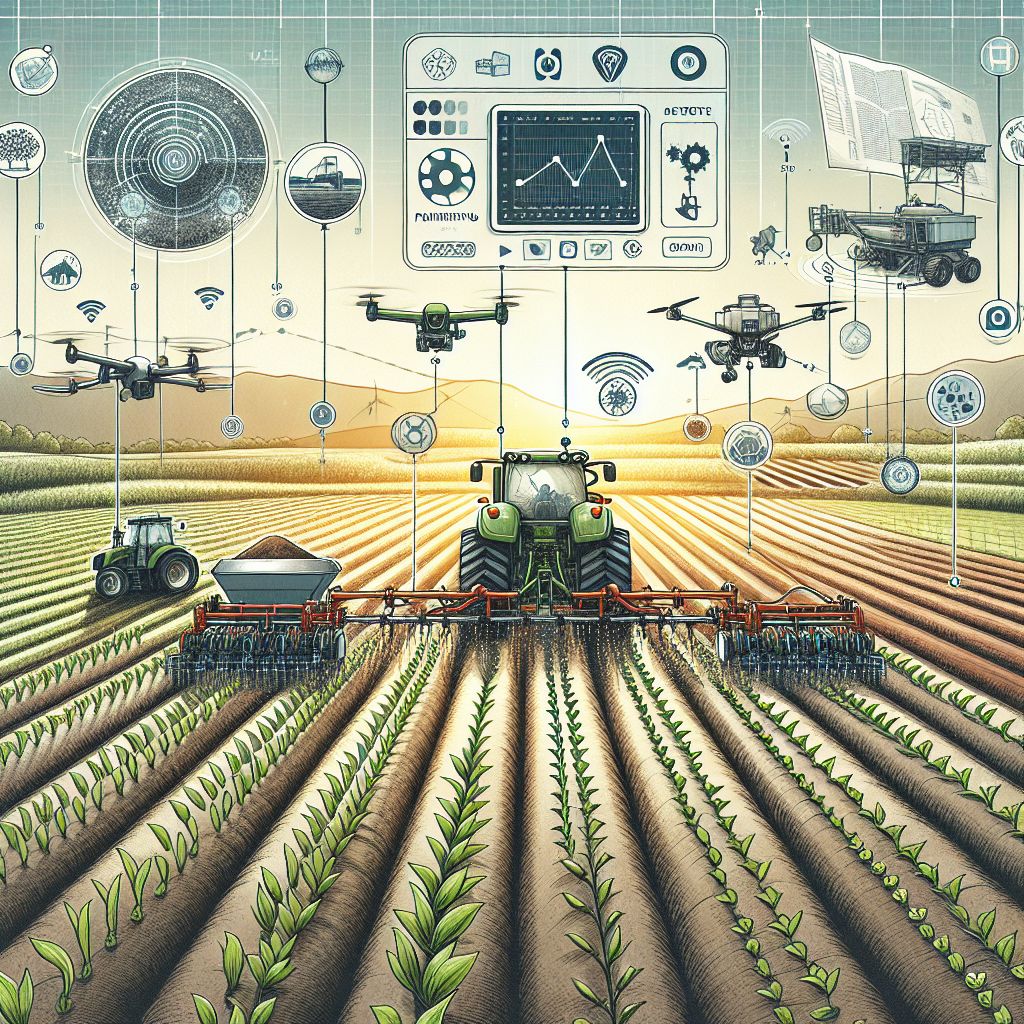
Advantages of Smart Farming Technologies
Smart farming technologies offer numerous advantages that can transform traditional agricultural practices into more efficient and sustainable operations. These technologies help farmers manage resources better, increase productivity, and reduce environmental impact. By integrating smart tools, farmers can make informed decisions that optimize their outputs.
Boosting Crop Yields with Precision Farming
Precision farming is a game-changer for boosting crop yields. It involves using technology to ensure crops receive exactly what they need when they need it. This approach minimizes waste and maximizes efficiency.
- Use GPS-guided machinery for accurate planting and fertilizing.
- Implement sensors to monitor soil health and moisture levels.
- Utilize drones for aerial crop surveillance and health assessments.
By employing these precision techniques, farmers can significantly increase their crop yields, leading to higher profitability and sustainability.
Most importantly, precision farming reduces the guesswork in agriculture, allowing farmers to focus their efforts on areas that truly need attention.
Resource Management and Waste Reduction
Smart farming technologies play a crucial role in resource management and waste reduction. By optimizing the use of water, fertilizers, and pesticides, farmers can reduce their environmental footprint while maintaining high productivity levels.
For instance, precision irrigation systems deliver water directly to the plant roots, minimizing evaporation and runoff. This not only conserves water but also ensures that crops receive the optimal amount of hydration.
Technological Ease Increasing Farmer Productivity
Technology simplifies many aspects of farming, making it easier for farmers to manage their operations. Automated machinery, for example, can perform repetitive tasks like planting and harvesting, freeing up time for farmers to focus on strategic decision-making.
Besides that, smart farming apps provide real-time data and analytics, helping farmers track their progress and make adjustments as needed. This increased efficiency leads to higher productivity and better outcomes.
Harnessing Solar Power for Farm Efficiency
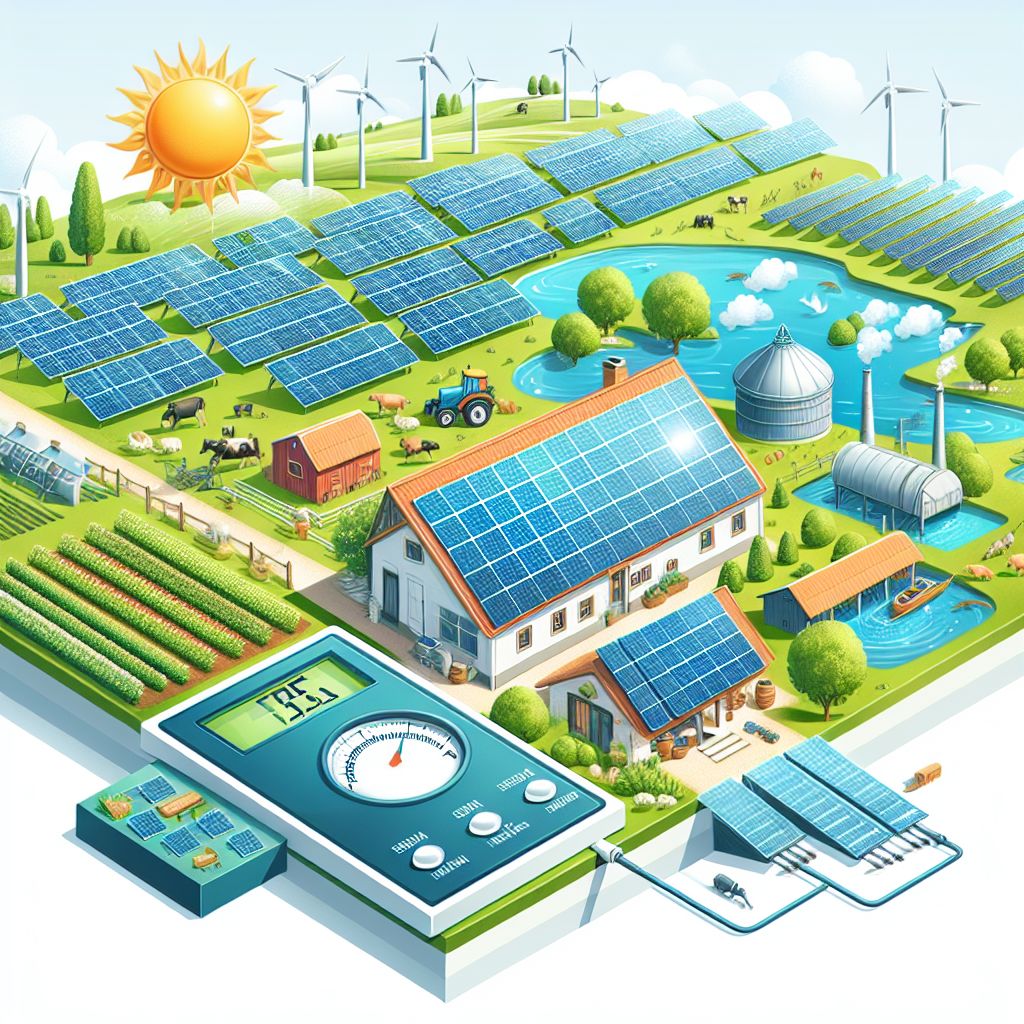
Solar power is an excellent resource for farmers looking to reduce energy costs and increase sustainability. By harnessing the sun’s energy, farms can become more self-sufficient and environmentally friendly.
Solar panels convert sunlight into electricity, which can be used to power farm equipment, irrigation systems, and even heating and cooling systems. This reduces reliance on grid electricity and lowers energy expenses. For more insights on how solar power is transforming agriculture, check out the role of solar power in smart agriculture.
How Solar Panels Benefit Farms
Solar panels offer numerous benefits to farms, making them a worthwhile investment. They provide a renewable energy source that reduces carbon emissions and promotes sustainability.
Additionally, solar panels can be installed on rooftops, open fields, or even on water bodies, maximizing the use of available space. This flexibility allows farmers to tailor their solar setups to their specific needs.
- Reduce energy bills significantly over time.
- Provide a reliable power source, even in remote locations.
- Enhance the farm’s reputation as a sustainable operation.
With these advantages, it’s no wonder that many farmers are turning to solar power as a key component of their energy strategy.
Different Solar Applications for Farm Equipment
Solar energy can be used in various applications on the farm, from powering machinery to providing lighting and heating. Solar-powered irrigation systems, for instance, use solar panels to pump water, reducing the need for traditional fuel sources.
Cost-Effectiveness and ROI of Solar Energy
While the initial investment in solar panels can be substantial, the long-term savings and return on investment (ROI) are impressive. By reducing energy costs and increasing efficiency, solar power can pay for itself within a few years.
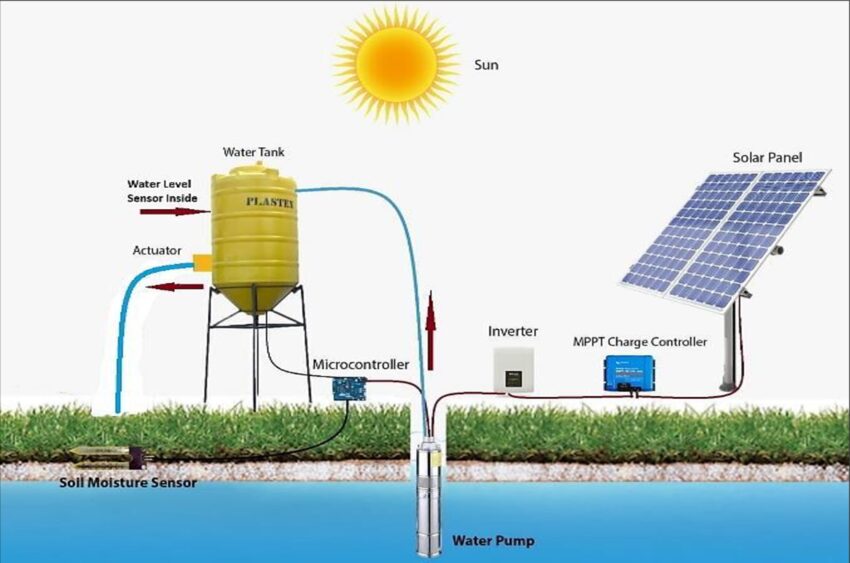
Components of Solar-Powered Systems
Understanding the components of solar-powered systems is essential for maximizing their benefits. These systems typically include solar panels, inverters, battery storage, and smart meters.
|
Component |
Function |
|---|---|
|
Solar Panels |
Convert sunlight into electricity. |
|
Inverters |
Transform direct current (DC) into alternating current (AC). |
|
Battery Storage |
Stores excess energy for later use. |
|
Smart Meters |
Monitor energy production and consumption. |
By understanding these components, farmers can make informed decisions about their solar setups and ensure they get the most out of their investment.
Types of Solar Panels Suitable for Farms
There are several types of solar panels available, each with its advantages. Monocrystalline panels are highly efficient and have a long lifespan, while polycrystalline panels are more affordable and perform well in warm climates.
Let take a quick look at the 3 top solar panel types for farmers can use:
|
Solar Panel Type |
Efficiency |
Cost per Watt |
Pros |
Cons |
|---|---|---|---|---|
|
Monocrystalline |
17-22% |
$1.00 – $1.50 |
– Highest efficiency. 1, 3 |
– Most expensive option. 1, 3 |
|
Polycrystalline |
13-17% |
$0.90 – $1.20 |
– Lower cost than monocrystalline. 1, 3 |
– Slightly lower efficiency. 1, 3 |
|
Thin-Film |
10-13% |
$0.70 – $1.00 |
– Lowest cost. 1, 3 |
– Lowest efficiency. 1, 3 |
Therefore, while the initial investment for monocrystalline panels might be higher, the long-term benefits in terms of energy savings and reliability can outweigh the costs.
Understanding Battery Storage Solutions
Battery storage solutions are essential for maximizing the benefits of solar power. They allow farms to store excess energy generated during the day for use at night or during cloudy periods. This ensures a consistent power supply and reduces reliance on grid electricity.
Role of Smart Meters in Energy Management
Smart meters play a crucial role in energy management by providing real-time data on energy production and consumption. This information helps farmers optimize their energy use and identify areas for improvement.
Example: A farm uses a smart meter to monitor energy usage patterns. By analyzing the data, the farmer identifies peak consumption times and adjusts operations to reduce energy costs.
With these insights, farmers can make data-driven decisions that enhance efficiency and sustainability.
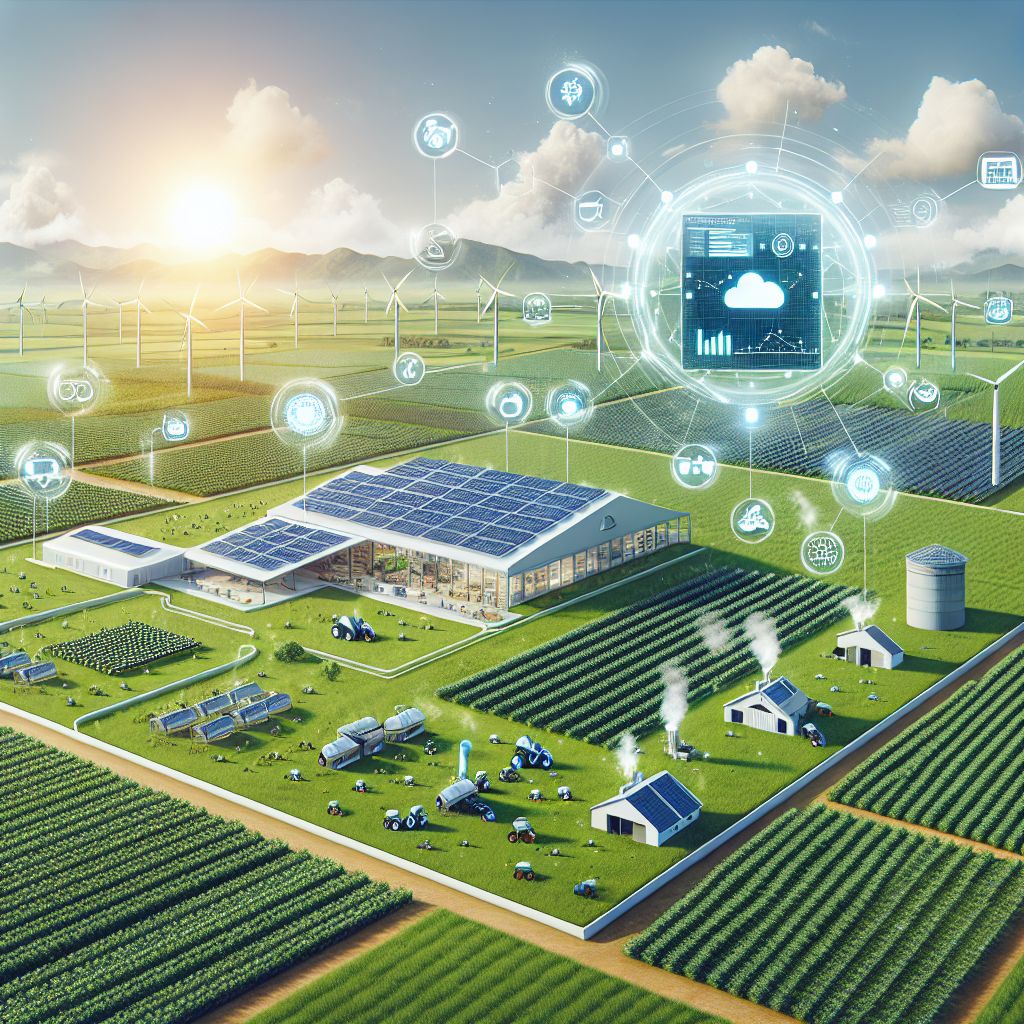
Integrating Smart Farming with Solar Technology
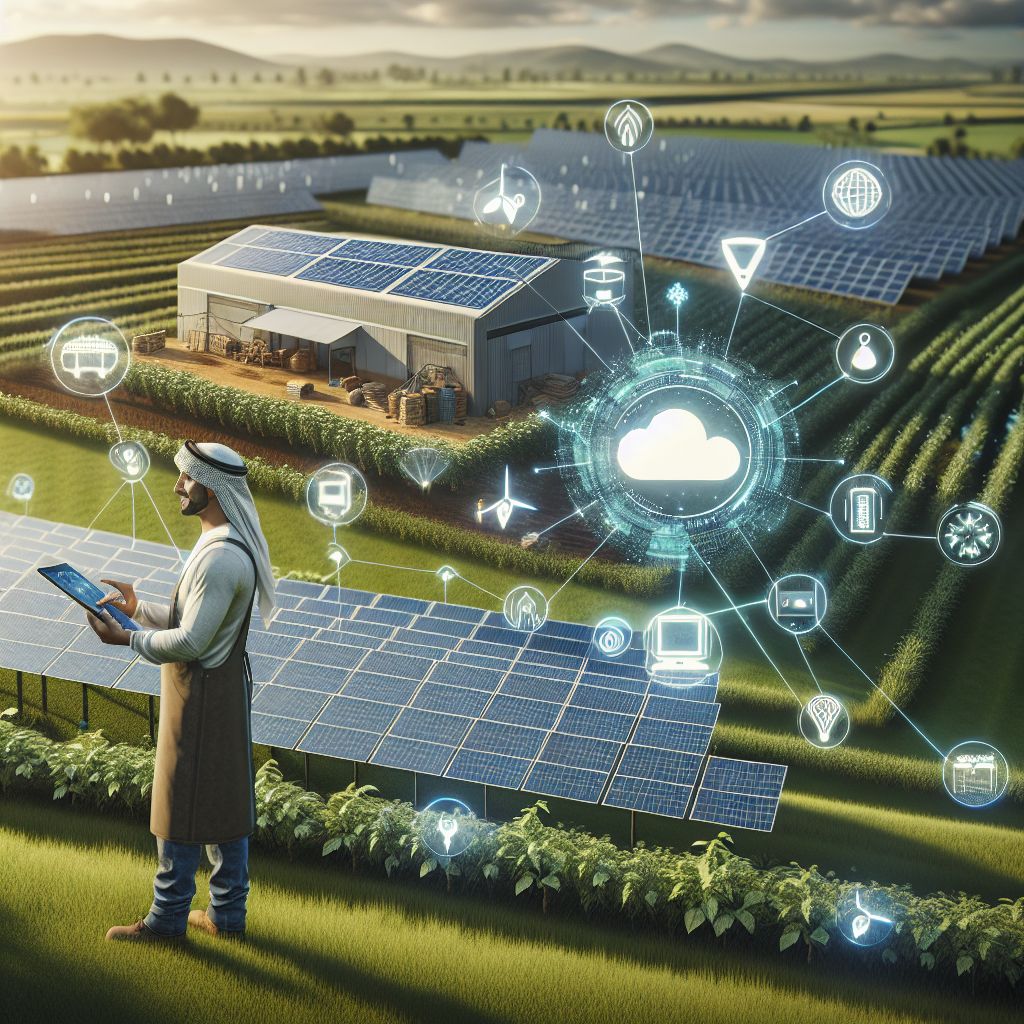
Integrating smart farming with solar technology creates a powerful synergy that enhances efficiency and sustainability. By combining these two innovations, farmers can optimize resource use, reduce costs, and improve productivity.
Integration Benefits and Increased Sustainability
The integration of smart farming and solar technology offers numerous benefits. It enhances sustainability by reducing reliance on non-renewable energy sources and minimizing environmental impact. This combination also improves resource management, leading to more efficient operations.
Energy Monitoring Systems to Optimize Usage
Energy monitoring systems play a vital role in optimizing energy usage on the farm. By providing real-time data on energy production and consumption, these systems help farmers make informed decisions about their energy use.
For example, a farmer can use an energy monitoring system to identify peak consumption times and adjust operations to reduce energy costs. This proactive approach leads to significant savings and increased efficiency.
Data Analysis and Decision-Making Through AI
Artificial intelligence (AI) is a powerful tool for data analysis and decision-making in smart farming. By analyzing vast amounts of data, AI can identify patterns and trends that help farmers optimize their operations.
With AI-driven insights, farmers can make proactive decisions that enhance productivity and sustainability. This technology empowers farmers to stay ahead of challenges and seize new opportunities for growth.
Key Challenges and Solutions
Adopting smart farming and solar power technologies comes with its set of challenges. However, understanding these obstacles and finding solutions can make the transition smoother and more beneficial for farmers.
Overcoming Initial Investment Barriers
One of the primary challenges is the initial investment required for smart farming and solar technologies. The cost of installing solar panels, IoT devices, and automated machinery can be significant.
To overcome this barrier, farmers can explore financing options such as government grants, subsidies, and low-interest loans. Additionally, collaborating with technology providers to create cost-effective solutions can ease the financial burden.
Technological Barriers and Solutions
Technology adoption can be daunting, especially for farmers who are not familiar with advanced systems. Training and education play a crucial role in overcoming these barriers.
Providing farmers with access to training programs and workshops can help them understand and effectively use new technologies. Partnering with agricultural extension services and technology providers can also offer ongoing support and assistance.
Maximizing Equipment Lifespan and Efficiency
Ensuring that smart farming equipment and solar systems operate efficiently and last longer is essential for maximizing returns on investment. Regular maintenance and monitoring are key to achieving this.
Farmers should establish maintenance schedules and conduct routine inspections to identify potential issues early. Investing in quality equipment and working with reputable suppliers can also enhance equipment lifespan and efficiency.
- Schedule regular maintenance checks.
- Use high-quality equipment from trusted suppliers.
- Monitor system performance continuously.
By following these steps, farmers can ensure their technology investments remain productive and sustainable in the long run.

Conclusion: Is the Combination of Smart Farming & Solar Power a Good Investment for Farmers
Combining smart farming with solar power presents a compelling opportunity for farmers to enhance their operations and achieve long-term sustainability. While challenges exist, the benefits far outweigh the drawbacks.
Summarizing Key Insights
Smart farming technologies and solar power offer numerous advantages, including increased efficiency, reduced costs, and improved sustainability. By leveraging these innovations, farmers can optimize resource use, boost productivity, and ensure food security.
Is the Combination of Smart Farming and Solar Power an Efficient Choice for Farmers
Indeed, the integration of smart farming and solar technology is an efficient choice for farmers. It empowers them to make data-driven decisions, reduce environmental impact, and enhance overall farm performance.
Encouragement for Technology Adoption
Farmers should embrace these technologies and explore the available resources and support systems. By taking proactive steps to adopt smart farming and solar solutions, they can position themselves for success in an ever-evolving agricultural landscape.
Frequently Asked Questions
To address common queries and concerns, let’s explore some frequently asked questions about smart farming and solar power.
What is Smart Farming?
Smart farming involves using technology to optimize agricultural practices, enhance productivity, and reduce resource consumption. It includes IoT devices, big data, AI, and automated machinery to make data-driven decisions. For more insights, explore this future of agriculture article.
How Do Solar Panels Contribute to Farm Efficiency?
Solar panels provide a renewable energy source that reduces reliance on grid electricity, lowers energy costs, and supports sustainable farming practices. They can power farm equipment, irrigation systems, and heating and cooling systems.
Is Smart Farming Cost-Effective for Small-Scale Farms?
Smart farming can be cost-effective for small-scale farms by optimizing resource use and increasing productivity. While the initial investment may be significant, long-term savings and efficiency gains make it worthwhile.
Example: A small-scale farmer uses precision irrigation to reduce water usage by 30%, leading to significant cost savings and improved crop yields.
This example illustrates how smart farming can benefit small-scale operations by enhancing efficiency and reducing costs.
What Are the Main Challenges in Adopting These Technologies?
Challenges include high initial costs, technological barriers, and the need for ongoing maintenance and support. However, with proper training, financing options, and collaboration with technology providers, these challenges can be overcome.
What is the Initial Investment Required for Smart Farming?
The initial investment varies depending on the scale of the operation and the technologies implemented. On average, farmers can expect to spend several thousand dollars on IoT devices, solar panels, and automated machinery.
However, financing options such as government grants and subsidies can help reduce the financial burden and make smart farming more accessible.
- Explore government grants and subsidies.
- Consider low-interest loans for technology investments.
- Collaborate with technology providers for cost-effective solutions.
By taking advantage of these resources, farmers can manage the initial investment and reap the long-term benefits of smart farming.
What is the Biggest Challenge When Adopting Smart Farming Technologies?
The biggest challenge is often the lack of familiarity with advanced technologies. Farmers may feel overwhelmed by the complexity of smart farming systems and the need for continuous learning and adaptation. Incorporating AI and IoT sensors can further enhance these systems, but also adds to the learning curve.
To address this challenge, farmers should seek training opportunities and support from agricultural extension services and technology providers. By building their knowledge and skills, they can confidently adopt and benefit from smart farming technologies.
With these insights and strategies, farmers can successfully navigate the challenges of smart farming and solar power adoption, leading to more efficient and sustainable agricultural practices.
Smart farming techniques are revolutionizing agriculture by integrating advanced technologies such as solar power and IoT sensors to enhance efficiency and sustainability. These innovations are particularly beneficial in irrigation systems, where AI and IoT sensors are used to optimize water usage, reduce waste, and increase crop yields. By harnessing the power of the sun and smart technology, farmers can achieve more sustainable farming practices while also reducing operational costs.







Leave a Reply