

“The Skinny on Thin-Film Solar …” from www.ecmag.com and used with no modifications.
Key Takeaways
- Thin film solar panels are lightweight and flexible, making them ideal for unconventional installations.
- They can perform well in low-light conditions, which is advantageous for diverse climates.
- Thin film panels are often more cost-effective than traditional solar panels, especially in large installations.
- Materials used in thin film panels include amorphous silicon, CdTe, and CIGS, each with unique properties.
- Farmers can benefit from thin film solar panels through reduced energy costs and increased sustainability.
Understanding Thin Film Solar Panels in Agriculture
In the ever-evolving world of renewable energy, thin film solar panels have emerged as a promising technology. They offer a unique set of benefits that are particularly appealing to farmers looking to integrate sustainable energy solutions into their operations. But what exactly are thin film solar panels, and why should farmers consider them?
Introduction to Thin Film Solar Panels
Thin film solar panels are a type of photovoltaic technology. Unlike traditional solar panels, which are made from crystalline silicon, thin film panels consist of several layers of photovoltaic materials that are deposited onto a substrate. This could be glass, metal, or even plastic. The layers are incredibly thin, sometimes over 300 times thinner than a human hair.
Because of their lightweight and flexible nature, thin film panels can be used in a variety of applications where traditional panels might not be feasible. They are ideal for installations on curved surfaces or in locations where weight is a critical consideration.
Differences from Traditional Solar Panels
Traditional solar panels, often seen on rooftops, are bulky and rigid. They are made from crystalline silicon and have higher efficiency rates compared to thin film panels. However, this rigidity can be a limitation in certain applications, especially in agricultural settings where flexibility and adaptability are crucial.
Thin film panels, on the other hand, offer several advantages. They are lighter, which means they can be installed on structures that cannot support the weight of traditional panels. Their flexibility allows them to conform to surfaces that are not perfectly flat, making them ideal for use on curved roofs or irregularly shaped spaces.
Here’s a table comparing the different between thin-film solar panel and traditional solar panels:
|
Solar Panel Type |
Efficiency |
Cost per Watt |
Pros |
Cons |
|---|---|---|---|---|
|
Monocrystalline |
17-22% |
$1.00 – $1.50 |
– Highest efficiency. 1, 3 |
– Most expensive option. 1, 3 |
|
Polycrystalline |
13-17% |
$0.90 – $1.20 |
– Lower cost than monocrystalline. 1, 3 |
– Slightly lower efficiency. 1, 3 |
|
Thin-Film |
10-13% |
$0.70 – $1.00 |
– Lowest cost. 1, 3 |
– Lowest efficiency. 1, 3 |
Why Farmers Should Consider Thin Film Solar
Farmers stand to gain significantly from adopting thin film solar technology. The lightweight and flexible nature of these panels means they can be integrated into a wide range of agricultural settings. For example, they can be used to power irrigation systems, reducing reliance on fossil fuels and lowering operational costs.
Moreover, thin film panels perform well in low-light conditions. This is particularly advantageous for farmers in regions with less consistent sunlight, ensuring a steady supply of electricity even on cloudy days.

Materials Used in Thin Film Solar Panels
- Amorphous Silicon (a-Si)
- Cadmium Telluride (CdTe)
- Copper Indium Gallium Selenide (CIGS)
- Emerging Materials and Innovations
Each of these materials offers distinct properties that make them suitable for different applications. Let’s explore them further.
Amorphous Silicon
Amorphous silicon is one of the most common materials used in thin film solar panels. It’s a non-crystalline form of silicon that is applied as a thin layer onto a substrate. This material is particularly popular because it is less expensive to produce compared to crystalline silicon.
One of the key benefits of amorphous silicon is its ability to perform in low-light conditions. It can absorb a broader spectrum of sunlight, making it efficient even on overcast days. However, its efficiency rates are generally lower than those of other thin film materials.
Cadmium Telluride (CdTe)
Cadmium telluride is another material used in thin film solar technology. It is known for its high efficiency and cost-effectiveness. CdTe panels can convert sunlight into electricity more efficiently than amorphous silicon panels, making them a popular choice for large-scale installations.
However, there are environmental concerns associated with the use of cadmium, a toxic heavy metal. Proper disposal and recycling of CdTe panels are essential to mitigate these concerns.
Copper Indium Gallium Selenide (CIGS)
Copper indium gallium selenide, or CIGS, is a popular material for thin film solar panels. This material offers a good balance between efficiency and flexibility, making it suitable for a wide range of applications. CIGS panels can be manufactured on flexible substrates, allowing them to be used in innovative ways that traditional panels cannot.
One of the main advantages of CIGS is its high efficiency potential. In laboratory settings, CIGS panels have achieved efficiency rates comparable to those of traditional crystalline silicon panels. This makes them a promising option for those looking to maximize energy output in limited spaces.
- CIGS panels are less toxic than CdTe panels, making them more environmentally friendly.
- They offer a good balance between cost and performance, appealing to both residential and commercial users.
- Flexible and lightweight, they can be integrated into a variety of surfaces, including roofs and facades.
Despite these benefits, the production of CIGS panels can be more complex and costly than other thin film technologies. However, ongoing research and development aim to streamline manufacturing processes and reduce costs.
Thin-film solar panels are made using various materials, each with unique properties and efficiencies. Here’s a table discussing the materials used in thin-film solar panels:
|
Material |
Efficiency Range |
Advantages |
Disadvantages |
|---|---|---|---|
|
Cadmium Telluride (CdTe) |
9% – 18.7% |
Most common, cost-effective, easy to install | |
|
Amorphous Silicon (a-Si) |
6% – 8% |
Less toxic, flexible, suitable for small-scale applications | |
|
Copper Indium Gallium Selenide (CIGS) |
10%-12% Up to 18%(lab setting only) |
High absorption coefficients, better low-light performance | |
|
Gallium Arsenide (GaAs) |
Up to 30% (lab setting only) |
Highest efficiency among thin-film technologies | |
|
Perovskite |
Up to 25.7% |
Can be stacked with other cells for higher efficiency |
Still in development stages 2 |
Thin-film solar panels are characterized by their slim design and lightweight nature compared to traditional crystalline silicon panels. They typically consist of several layers, including a substrate (glass, metal, or plastic), an absorber layer (made of the materials listed above), and a transparent conductive layer 5. While thin-film solar panels are generally less efficient than crystalline silicon panels, they offer advantages such as flexibility, lower production costs, and better performance in low-light conditions 2, 4.
Emerging Materials and Innovations
The field of thin film solar technology is constantly evolving, with new materials and innovations emerging regularly. Researchers are exploring materials like perovskites, which have shown great potential in increasing efficiency and reducing production costs.
Perovskite solar cells have garnered significant attention due to their high efficiency and relatively simple manufacturing process. These cells can be made using low-cost materials and processes, making them an attractive option for future solar technologies.
“Perovskite solar cells have the potential to revolutionize the solar industry, offering high efficiency and low production costs.”
Besides perovskites, other innovations in thin film technology include the development of tandem solar cells, which combine multiple materials to capture a broader spectrum of sunlight. This approach can significantly boost the efficiency of solar panels, making them even more appealing to farmers and other users.

Advantages for Farmers
Thin film solar panels offer several advantages that make them particularly appealing to farmers. From their lightweight and flexible design to their adaptability in diverse climates, these panels can be a game-changer for agricultural operations.
Flexibility and Lightweight Design
One of the standout features of thin film solar panels is their flexibility. Unlike traditional solar panels, which are rigid and heavy, thin film panels can bend and conform to various surfaces. This makes them ideal for installations on curved roofs or irregularly shaped structures commonly found on farms.
Moreover, their lightweight design means they can be installed without the need for heavy-duty mounting systems. This reduces installation costs and makes it easier for farmers to integrate solar technology into their existing infrastructure.
Cost-Effectiveness
Thin film solar panels are often more cost-effective than their traditional counterparts. The materials used in their production are generally less expensive, and the manufacturing process is more straightforward. This results in lower upfront costs, making solar energy more accessible to farmers with limited budgets.
Additionally, the reduced weight of thin film panels can lead to savings on installation and maintenance costs. Farmers can enjoy the benefits of solar energy without breaking the bank.
Adaptability to Agricultural Settings
Thin film solar panels are highly adaptable, making them suitable for a variety of agricultural settings. They can be used to power irrigation systems, greenhouses, and other farm equipment, reducing reliance on fossil fuels and lowering energy costs.
Sustainability and Environmental Impact
By adopting thin film solar technology, farmers can significantly reduce their carbon footprint and contribute to a more sustainable future. Solar energy is a clean and renewable resource, and its use can help decrease greenhouse gas emissions and combat climate change. For more information on the latest advancements, explore new solar panel technology for farmers.
Performance in Diverse Climates
Thin film solar panels perform well in a range of climatic conditions, including low-light environments. This makes them an excellent choice for farmers in regions with less consistent sunlight. They can continue to generate electricity even on cloudy days, ensuring a reliable energy supply year-round. For more information on their efficiency, you can read about how efficient thin-film solar panels are.

Challenges and Considerations
While thin film solar panels offer numerous benefits, there are some challenges and considerations that farmers should be aware of before making the switch.
Efficiency Rates Compared to Traditional Panels
Thin film panels typically have lower efficiency rates than traditional crystalline silicon panels. This means they require more surface area to produce the same amount of electricity. However, advancements in technology are continuously improving their efficiency, making them a more viable option for various applications.
Longevity and Degradation
Thin film solar panels, while advantageous in many aspects, do face challenges related to longevity and degradation. Generally, thin film panels have a shorter lifespan compared to traditional silicon panels. This is largely due to the materials used, which may degrade faster over time. However, ongoing research is focused on enhancing the durability of these panels, ensuring they can withstand various environmental conditions.
- Amorphous silicon panels typically last around 10-20 years.
- CdTe panels can last up to 25 years with proper maintenance.
- CIGS panels have a lifespan similar to CdTe, but advancements are expected to extend this further.
Regular maintenance and proper installation can significantly impact the longevity of thin film panels. Ensuring that panels are kept clean and free from debris will help maintain their efficiency and prolong their operational life.
It’s essential for farmers to weigh the initial cost savings against the potential need for earlier replacement when considering thin film panels for their operations.
Environmental Concerns and Disposal
While thin film solar panels are a cleaner energy source compared to fossil fuels, they do present some environmental concerns, particularly regarding disposal. Some materials used in thin film panels, like cadmium in CdTe, are toxic and require careful handling at the end of their lifecycle. For more on innovative solutions in solar technology, check out the latest innovations for farmers.
Proper recycling programs and disposal methods are crucial to mitigate these environmental impacts. Many manufacturers are now offering take-back programs to ensure panels are disposed of responsibly, preventing harmful materials from entering landfills.
Cost-Benefit Analysis for Farmers
For farmers considering the adoption of thin film solar technology, conducting a thorough cost-benefit analysis is essential. While the initial investment may be lower compared to traditional panels, other factors such as efficiency, longevity, and maintenance costs must be considered.
Farmers should assess their energy needs, available installation space, and local climate conditions to determine the most suitable solar solution. Consulting with solar experts can provide valuable insights and help make informed decisions.

Successful Implementations
Across the globe, farmers are increasingly adopting thin film solar technology, integrating it into their operations with great success. These implementations showcase the versatility and benefits of thin film panels in agricultural settings.
From powering irrigation systems to providing energy for greenhouses, thin film panels have proven to be an effective solution for reducing energy costs and enhancing sustainability on farms.
Case Studies of Thin Film Integration on Farms
One notable example is a vineyard in California that installed thin film solar panels on its trellis structures. This setup not only provided shade for the grapevines but also generated enough electricity to power the vineyard’s operations, significantly reducing its carbon footprint.
Innovative Agrivoltaics Projects
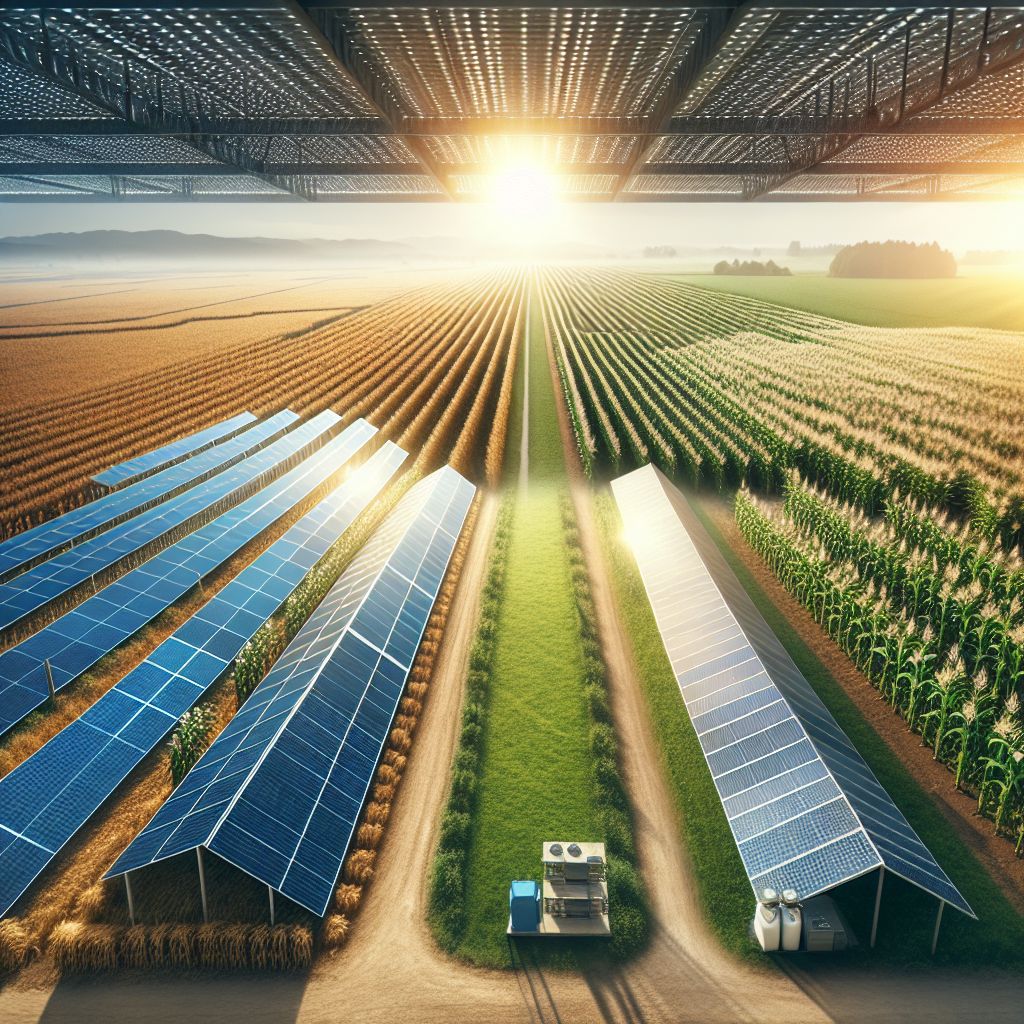
In Japan, an innovative agrivoltaics project has integrated thin film solar panels with rice paddies. The panels provide partial shade, reducing water evaporation and improving crop yields, while also generating clean energy for the surrounding community.
Lessons Learned and Best Practices
These successful implementations offer valuable lessons for other farmers considering thin film solar technology. Key takeaways include the importance of customizing installations to suit specific agricultural needs and the benefits of collaborating with experienced solar providers.
Conclusion: Is Thin Film Solar Panels a Better Investment than Traditional Solar Panels for a Farmer
Ultimately, the decision on whether thin film solar panels are a better investment than traditional solar panels for farmers depends largely on individual circumstances, including energy needs, space availability, budget, and the specific agricultural context.
For farmers with ample space and a low initial budget who also require flexibility in installation and energy generation, thin film solar panels might provide a compelling option. On the other hand, operations that prioritize high efficiency and long-term energy production may find traditional solar panels to be a more suitable choice.
As the renewable energy landscape continues to evolve with technological advancements and shifts in policy, farmers are encouraged to conduct thorough research and potentially consult with solar energy experts to determine the best solution that aligns with their operational goals. Ultimately, the right choice will balance initial costs, energy needs, and the long-term vision for sustainability within the farming operation.
Frequently Asked Questions
To further assist farmers interested in thin film solar panels, here are some frequently asked questions and their answers.
How do thin film solar panels work?
Thin film solar panels work by converting sunlight into electricity through layers of photovoltaic materials. These materials absorb light and generate an electric current, which can be used to power various applications on the farm.
What is the lifespan of thin film solar panels?
The lifespan of thin film solar panels varies depending on the materials used. Generally, they last between 10 to 25 years. Proper maintenance and installation can extend their operational life.
Regular inspections and cleaning are recommended to ensure panels remain efficient and in good condition.
Are thin film solar panels suitable for all types of farms?
Thin film solar panels are versatile and can be suitable for a wide range of farm types. Their lightweight and flexible nature make them ideal for installations where traditional panels might not be feasible.
However, farmers should assess their specific energy needs and environmental conditions to determine if thin film panels are the best fit for their operations. For more information on advancements in solar technology, explore the latest innovations and solutions available to farmers.
What initial investment is required for installation?
The initial investment for thin film solar panels can vary depending on the size of the installation and the materials used. Generally, they are more cost-effective than traditional panels, with lower upfront costs.
Farmers should consider additional costs such as installation, maintenance, and potential upgrades when planning their budget.
How do thin film panels impact crop yield in agrivoltaic systems?
In agrivoltaic systems, thin film panels can positively impact crop yield by providing partial shade, reducing water evaporation, and creating a more favorable microclimate for plant growth. For more information on innovative solutions in agriculture, explore new solar panel technology for farmers.
Studies have shown that integrating solar panels with agricultural practices can lead to improved crop yields and increased farm productivity.







Leave a Reply