
Key Takeaways
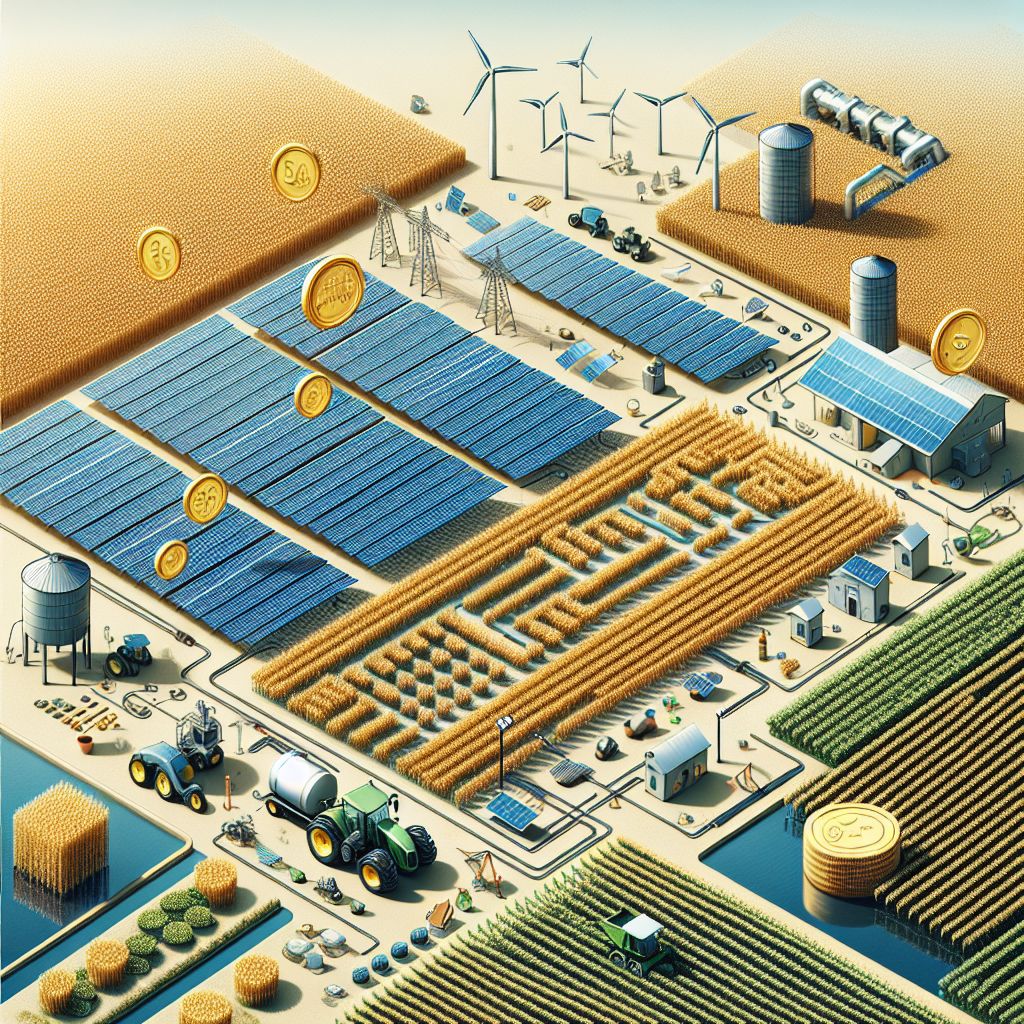
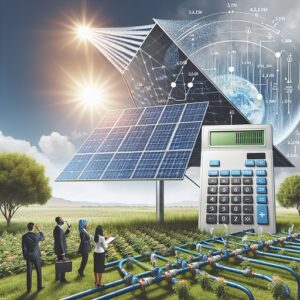
Installing solar panels on farms can significantly reduce energy costs, saving farmers thousands of dollars annually.
Solar energy can power essential farm operations like irrigation, lighting, and machinery, making farms more energy independent.
Government incentives and rebates can cover up to 50% of the initial installation costs, making solar panels more affordable.
Solar panels help reduce the farm’s carbon footprint, promoting sustainable farming practices.
Innovative agrivoltaic systems can optimize land use by combining crop production and solar energy generation.
Solar for Agriculture: A Win-Win for Farms and the Environment
Farming is a tough business. With fluctuating prices, unpredictable weather, and rising operational costs, finding ways to save money is essential. One promising solution is integrating solar panels into farm operations. Not only can solar energy reduce costs, but it also supports sustainable farming practices.
Eco-Friendly Power with Solar Panels for Agriculture
Solar panels offer an eco-friendly power source that can be harnessed to run various farm operations. By converting sunlight into electricity, these panels can power everything from irrigation systems to barn lighting. This shift to renewable energy can significantly cut down on electricity bills, providing long-term savings.
For example, a mid-sized farm that installs a solar panel system can save up to $3,000 annually on electricity costs. Over a decade, these savings can add up to $30,000 or more. That’s money that can be reinvested into other areas of the farm, such as purchasing new equipment or expanding operations.
Reducing Carbon Footprint with Agricultural Solar Solutions
Besides cost savings, solar panels help reduce the farm’s carbon footprint. Traditional energy sources like coal and natural gas emit significant amounts of greenhouse gases. Solar energy, on the other hand, is clean and renewable. By switching to solar, farmers can contribute to a healthier environment.
Moreover, reducing reliance on fossil fuels also makes farms more resilient to energy price fluctuations. This stability is crucial for maintaining consistent operational costs, especially in a volatile market.
Empowering Agribusiness with Solar Energy Innovation
Enhancing Farm Infrastructure with Renewable Solar Energy
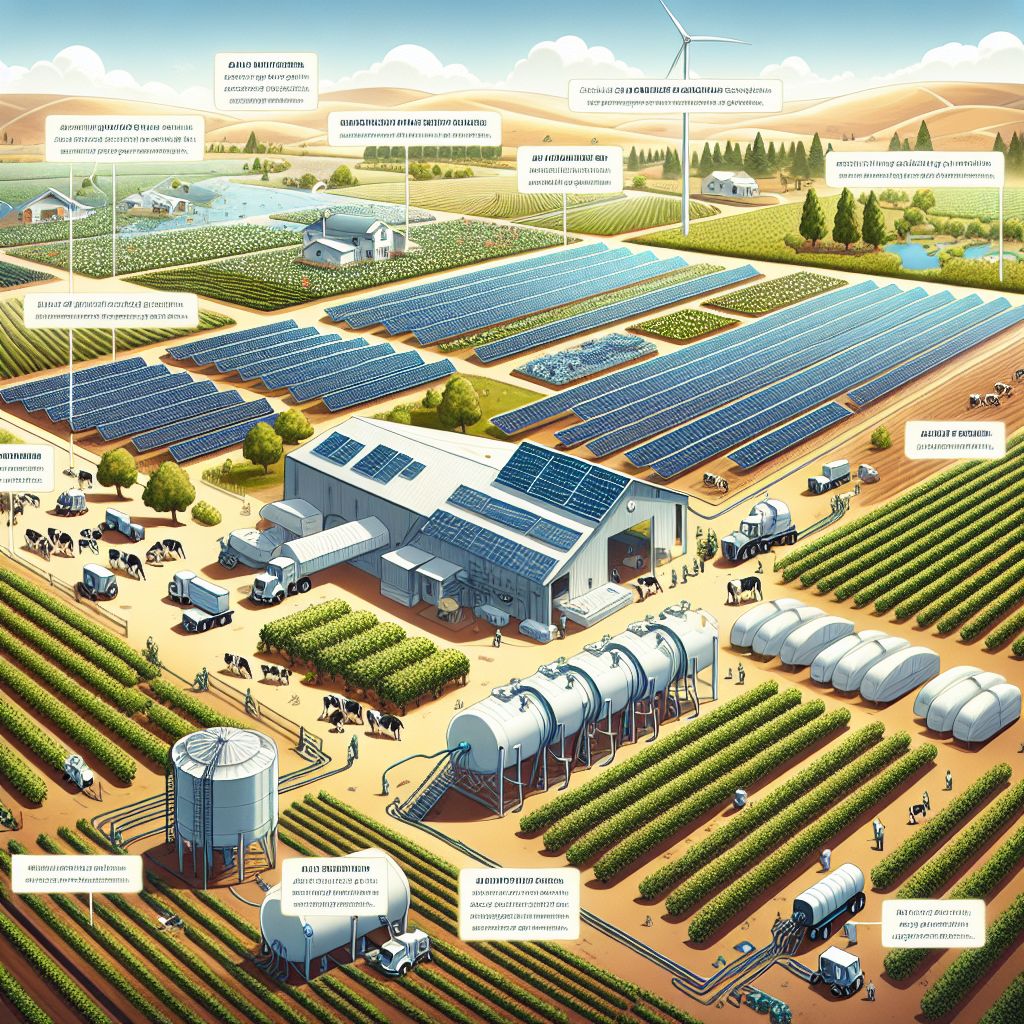
Integrating solar energy into farm infrastructure isn’t just about installing panels on rooftops. There are various innovative ways to incorporate solar power into daily operations. For instance, solar-powered water pumps can be used for irrigation, reducing the need for electric or diesel pumps.
Another example is using solar energy to power cold storage facilities. This is particularly beneficial for farms that produce perishable goods, as it ensures that products remain fresh without incurring high electricity costs.
Innovative Solar Technologies for Modern Farming
Technology in the solar energy sector is continually advancing. Modern solar panels are more efficient and durable than ever before. Some innovative solutions include:
Solar-powered sensors: These can monitor soil moisture levels, helping farmers optimize irrigation schedules.
Solar trackers: These devices adjust the position of solar panels to follow the sun’s path, maximizing energy absorption.
Agrivoltaic systems: These combine crop production with solar energy generation, optimizing land use.
Case Studies of Successful Agribusiness Solar Integration
To illustrate the benefits of solar energy in agriculture, let’s look at a few success stories. One notable example is a dairy farm in California that installed a 500-kilowatt solar panel system. This setup powers the entire farm, including milking machines and refrigeration units. The farm saves over $100,000 annually on energy costs and has reduced its carbon emissions by 1,000 tons per year.
“Our solar panels have been a game-changer. We’ve cut our energy bills in half and can now reinvest those savings into improving our farm operations.” – John, Dairy Farmer in California
Another example is a vineyard in France that uses agrivoltaic systems. By installing solar panels above the grapevines, the vineyard not only generates electricity but also provides shade for the plants. This dual-use approach has led to a 10% increase in grape yield and substantial energy savings.
Economic Advantages of Solar Farming
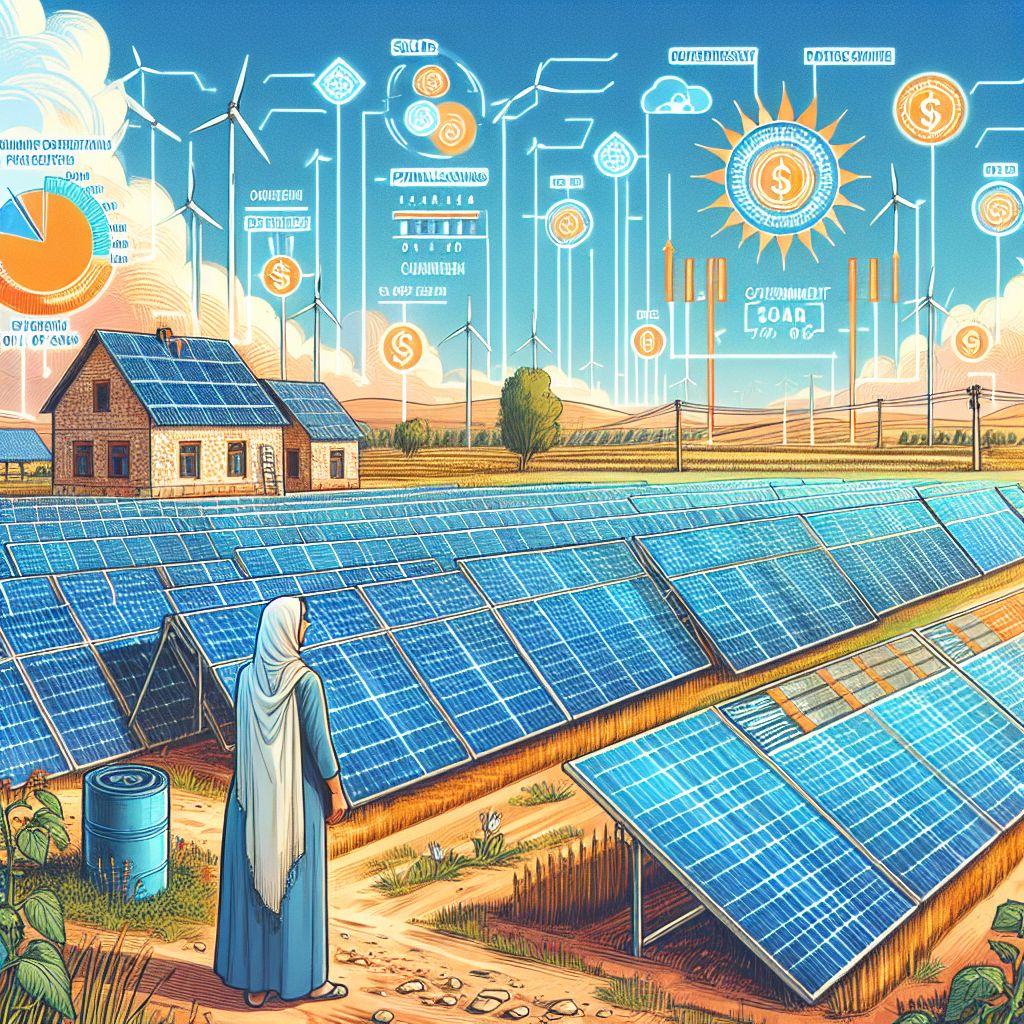
Switching to solar energy is not just an environmentally friendly choice; it also makes sound economic sense for farmers. The initial investment in solar panels may seem high, but the long-term financial benefits far outweigh the upfront costs. For more detailed insights, you can explore the benefits of solar energy in agriculture.
Saving Costs and Generating Additional Income
One of the most immediate benefits of solar farming is the reduction in energy costs. By generating their own electricity, farmers can save thousands of dollars annually on utility bills. For instance, a farm that spends $1,500 a month on electricity could cut that cost by 50% or more with a well-designed solar system.
Besides saving on energy costs, farmers can also generate additional income by selling excess electricity back to the grid. This process, known as net metering, allows farmers to earn credits for the surplus power they produce, further enhancing their bottom line.
Government Incentives and Rebates for Installing Solar Panels
Many governments offer incentives and rebates to encourage the adoption of solar energy. These financial aids can significantly reduce the initial cost of installing solar panels. For example, in the United States, the federal Investment Tax Credit (ITC) allows farmers to deduct 26% of the cost of installing a solar energy system from their federal taxes.
Additionally, various state and local programs offer grants, low-interest loans, and other financial incentives. These can cover up to 50% of the installation costs, making solar energy more accessible to farmers of all sizes.
Long-Term Financial Benefits and ROI
The long-term financial benefits of solar farming are substantial. Solar panels typically have a lifespan of 25-30 years, during which they require minimal maintenance. This means that after the initial payback period, which usually ranges from 5 to 7 years, the electricity generated is essentially free.
Furthermore, the return on investment (ROI) for solar panels is quite attractive. Studies have shown that farms can achieve an ROI of 10-15%, making solar energy a smart financial decision.
Here’s a table summarizing the economic advantages of farming with solar panels:
|
Advantage |
Description |
|---|---|
|
Cost Savings | |
|
Additional Revenue |
Potential income from selling excess electricity back to the grid. 1, 6 |
|
Increased Land Use Efficiency |
Dual use of land for both energy production and agriculture (agrivoltaics). 1, 2 |
|
Reduced Irrigation Costs |
Solar panels provide shade, decreasing soil moisture evaporation by up to 29%. 1 |
|
Improved Crop Yields |
Shade from panels can increase yields, especially in hot or dry areas. 2 |
|
Government Incentives |
Tax credits, grants, and subsidies available for solar installations. 5, 6 |
|
Long-Term Stability |
Predictable energy costs and protection against rising utility rates. 3 |
|
Increased Property Value |
Solar installations can increase farm property values. 4 |
|
Low Maintenance Costs |
Solar systems have minimal ongoing operational expenses. 3, 6 |
|
Diversified Income |
Solar provides an additional income stream, reducing reliance on crop yields alone. 1, 7 |
Enhanced Crop Production through Solar Energy Solutions
Solar energy isn’t just about cutting costs; it can also enhance crop production. Innovative solutions like agrivoltaic systems and solar-powered irrigation can help farmers optimize land use and improve crop yields.
Optimizing Land Use with Agrivoltaics
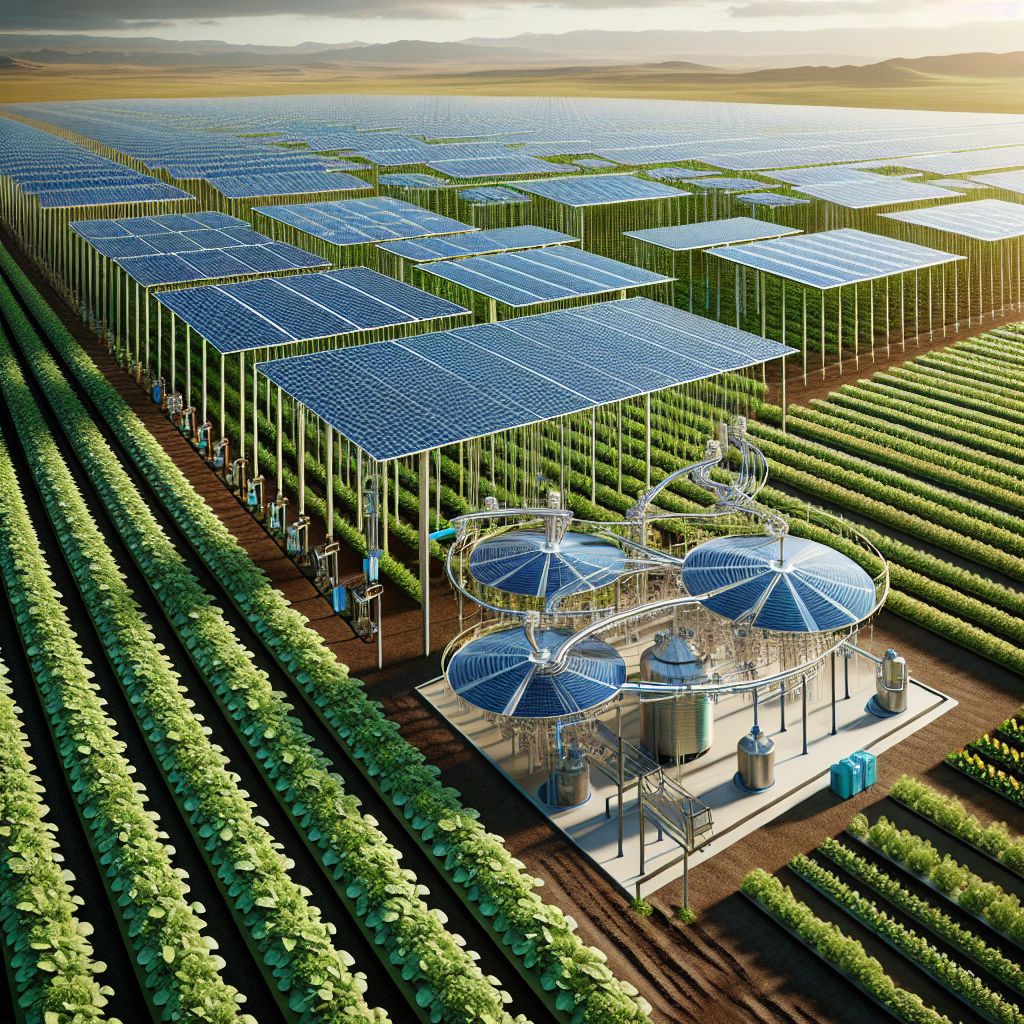
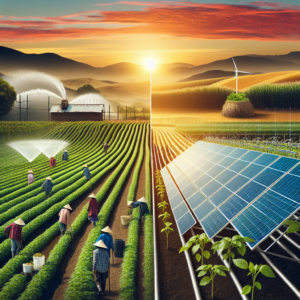
Agrivoltaics is a revolutionary approach that combines solar power generation with crop production on the same land. By installing solar panels above crops, farmers can generate electricity while still growing their produce. This dual-use approach maximizes land efficiency and can even improve crop yields. Learn more about the science behind a solar-powered water pump connected to a farmer’s irrigation system.
“Agrivoltaic systems have allowed us to make the most of our land. We can generate clean energy without sacrificing our crop production.” – Marie, Vineyard Owner in France
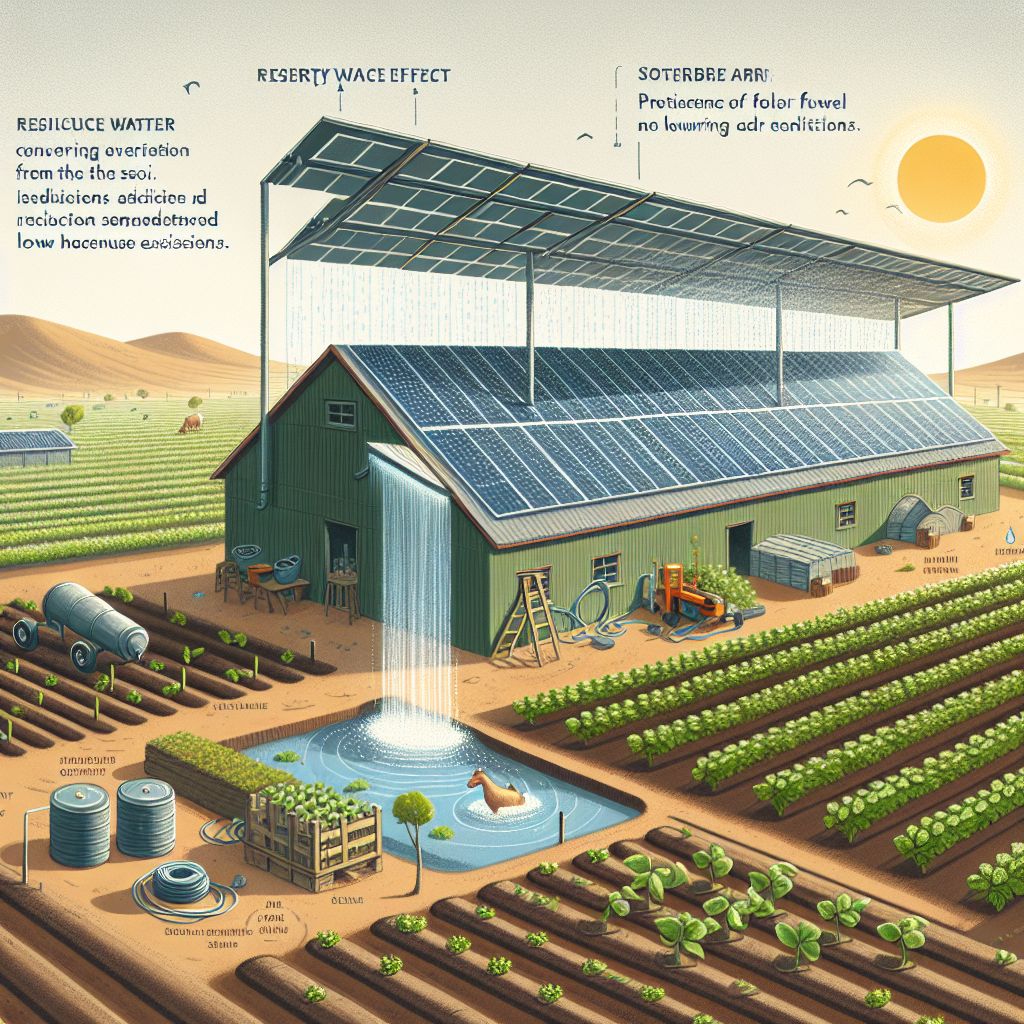
In some cases, the shade provided by solar panels can protect crops from extreme heat, reducing water evaporation and improving soil moisture levels. This can lead to healthier plants and higher yields.
The Role of Shading in Boosting Crop Yield and Soil Protection
Shading from solar panels can play a crucial role in boosting crop yield and protecting the soil. In regions with intense sunlight, excessive heat can stress plants and reduce productivity. Solar panels provide partial shading, creating a more favorable microclimate for crops.
Moreover, the shade helps retain soil moisture, reducing the need for frequent irrigation. This not only conserves water but also lowers irrigation costs, further contributing to overall savings. Learn more about the benefits of solar-powered water pumps in agriculture.
Solar-Powered Irrigation Systems
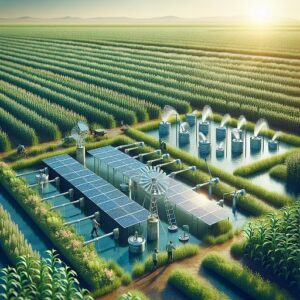
Irrigation is a critical component of modern farming, and solar-powered systems offer a cost-effective and sustainable solution. Solar water pumps can be used to draw water from wells, rivers, or reservoirs, eliminating the need for electric or diesel pumps.
These solar-powered pumps are particularly beneficial for remote areas where access to electricity is limited. They provide a reliable water source for irrigation, ensuring that crops receive the necessary hydration without incurring high energy costs.
To power the irrigation systems, you need to use solar panels. Here’s a table describing the best three types of solar panels and their advantages and disadvantages:
|
Solar Panel Type |
Advantages |
Disadvantages |
|---|---|---|
|
Monocrystalline |
– Highest efficiency (15-22%) 2, 3 |
– Most expensive option 2, 3 |
|
Polycrystalline |
– More affordable than monocrystalline 1, 3 |
– Lower efficiency compared to monocrystalline 3 |
|
Thin-Film |
– Cheapest option 1, 4 |
– Lowest efficiency (10-13%) 1, 4 – Shortest lifespan 4 |
Resilience to Climate Change: Solar Power as a Tool for Sustainability
Climate change poses significant challenges to agriculture, but solar power can help farms become more resilient. By adopting solar energy, farmers can mitigate the impacts of climate change and promote sustainable practices.
Solar Panels Contributing to Water Conservation
Water conservation is a critical aspect of sustainable farming, and solar panels can contribute to this effort. The shade provided by solar panels reduces water evaporation from the soil, helping to maintain soil moisture levels. This is especially important in arid regions where water is scarce.
In addition, solar-powered irrigation systems ensure efficient water use, reducing wastage and conserving this precious resource. This is crucial for maintaining crop health and productivity in the face of changing climate conditions.
Sustainable Practices in Response to Global Warming
Global warming is a pressing issue, and adopting sustainable practices is essential for the future of agriculture. Solar energy is a key component of these practices, as it reduces reliance on fossil fuels and lowers greenhouse gas emissions.
By generating clean energy, farmers can minimize their environmental impact and contribute to the fight against global warming. This not only benefits the planet but also enhances the farm’s reputation as a responsible and sustainable operation.
Climate change poses significant challenges to agriculture, but solar power can help farms become more resilient. By adopting solar energy, farmers can mitigate the impacts of climate change and promote sustainable practices.
Solar Panels Contributing to Water Conservation
Water conservation is a critical aspect of sustainable farming, and solar panels can contribute to this effort. The shade provided by solar panels reduces water evaporation from the soil, helping to maintain soil moisture levels. This is especially important in arid regions where water is scarce.
In addition, solar-powered irrigation systems ensure efficient water use, reducing wastage and conserving this precious resource. This is crucial for maintaining crop health and productivity in the face of changing climate conditions.
Sustainable Practices in Response to Global Warming
Global warming is a pressing issue, and adopting sustainable practices is essential for the future of agriculture. Solar energy is a key component of these practices, as it reduces reliance on fossil fuels and lowers greenhouse gas emissions.
By generating clean energy, farmers can minimize their environmental impact and contribute to the fight against global warming. This not only benefits the planet but also enhances the farm’s reputation as a responsible and sustainable operation.
Maintaining Crop Health in Changing Climates
Climate change brings unpredictable weather patterns, which can affect crop health and yield. Solar panels can help mitigate these effects by providing a stable energy source for climate control systems, such as greenhouses and temperature-regulated storage facilities.
Additionally, the partial shading from solar panels can protect crops from extreme heat, reducing stress on the plants and promoting healthier growth. This is particularly beneficial for crops that are sensitive to high temperatures.
Helping Solar Panels Out by Using Battery Solar Backups for Nights and Bad Weather Days
While solar panels are highly effective during sunny days, it’s essential to have a backup plan for nights and bad weather days. Battery solar backups can store excess energy generated during the day, ensuring a continuous power supply even when the sun isn’t shining.
These battery systems can power critical farm operations, such as lighting, irrigation, and climate control, during periods of low sunlight. This ensures that the farm remains operational and productive, regardless of weather conditions.
Conclusion: Is Having Solar Panels a Sound Investment for a Farmer
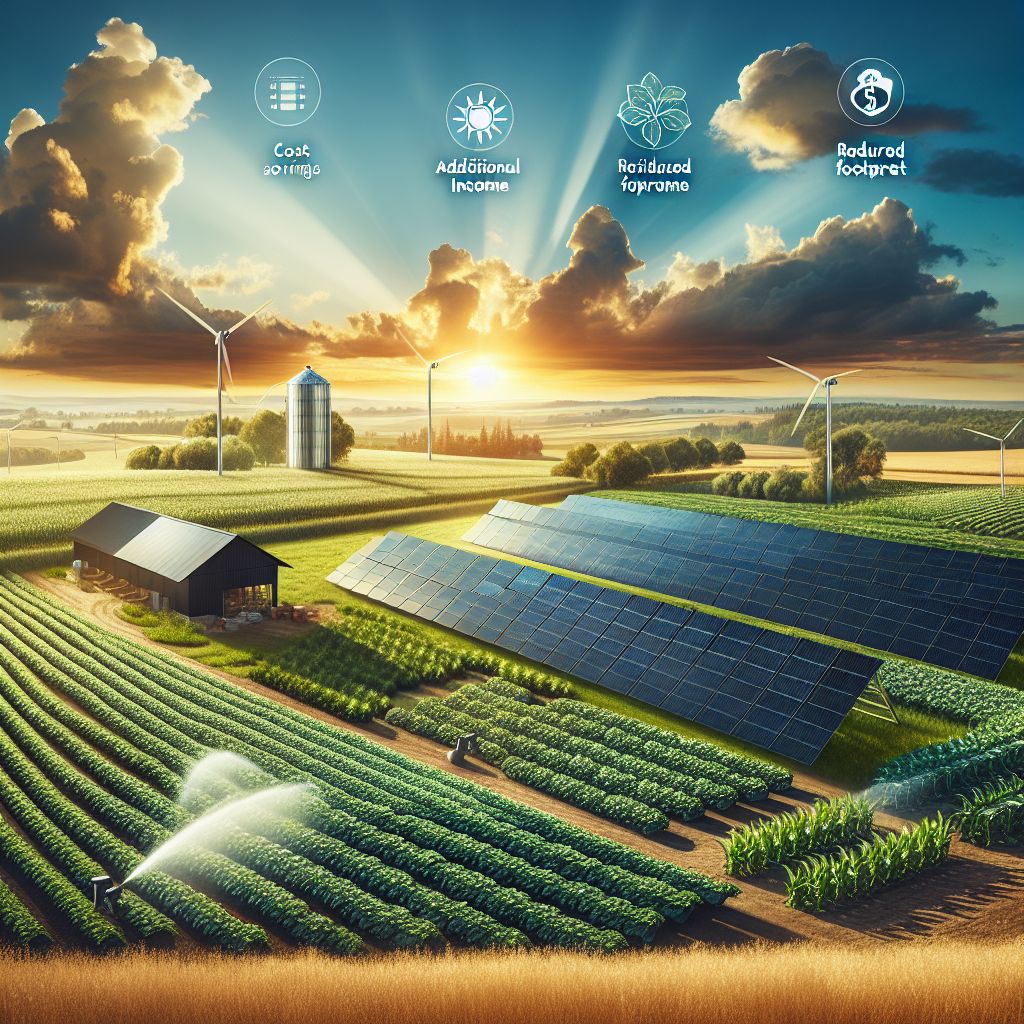
In conclusion, installing solar panels on farms is a sound investment that offers numerous benefits. From significant cost savings and additional income generation to environmental sustainability and enhanced crop production, solar energy is a valuable asset for modern farming.
With the support of government incentives and rebates, the initial installation costs can be significantly reduced, making solar panels more accessible to farmers. The long-term financial benefits, combined with the positive impact on the environment, make solar energy a wise choice for any farm looking to save money and promote sustainable practices.
FAQs
How does solar energy contribute to sustainable farming practices?
Solar energy supports sustainable farming by providing a renewable power source that reduces reliance on fossil fuels. This lowers greenhouse gas emissions and conserves water, promoting a healthier environment and more efficient farm operations.
Can solar energy be used to power an entire farm?
Yes, solar energy can power an entire farm’s operations, including irrigation, lighting, and machinery. With the right system in place, solar power can help a farm become energy independent and significantly reduce electricity costs.
What government incentives are available for solar panel installation?
Many governments offer incentives and rebates to encourage the adoption of solar energy. For example, the U.S. federal Investment Tax Credit (ITC) allows farmers to deduct 26% of the cost of installing a solar energy system from their federal taxes. Additionally, various state and local programs offer grants, low-interest loans, and other financial incentives.
How do solar panels impact farm productivity?
Solar panels can enhance farm productivity by providing a stable and reliable energy source for critical operations. Innovative solutions like agrivoltaic systems and solar-powered irrigation can optimize land use and improve crop yields, contributing to overall farm efficiency.


Leave a Reply