
Key Takeaways
- Agrivoltaics creates ideal microclimates where shade-tolerant crops can thrive with 20-30% less water consumption.
- Leafy greens, root vegetables, and berries are among the top performers in solar panel farming systems.
- Japan currently leads with over 2,000 agrivoltaic farms growing more than 120 different crop varieties.
- Solar panels protect crops from extreme weather conditions, extending growing seasons and improving crop quality.
- 8760 Solar helps farmers implement dual-use systems that maximize both energy production and agricultural yields.
The marriage between agriculture and renewable energy is revolutionizing how we think about land use. Agrivoltaics—growing crops beneath solar panels—isn’t just possible; it’s increasingly proving to be advantageous for certain crops and farming operations. This innovative approach allows farmers to harvest both sunlight for energy and crops for food from the same piece of land.
In an era where land scarcity meets climate challenges, 8760 Solar’s agrivoltaic solutions are helping farmers increase their resilience while maintaining productivity. The microclimate created beneath solar arrays offers unique growing conditions that some plants actually prefer over traditional open-field cultivation.
Solar Farming Revolution: How Crops and Panels Work Together
Agrivoltaic systems create a symbiotic relationship between energy generation and crop production. The solar panels capture sunlight from above while crops grow in the partially shaded environment below. This dual-use approach can increase land efficiency by up to 70% compared to separate solar and agricultural installations.
The concept isn’t entirely new—Japanese engineers pioneered the approach in 2004—but recent advancements in solar technology have made it increasingly viable. Modern panel designs allow for adjustable heights, strategic spacing, and even semi-transparent options that can be customized to specific crop needs.
What makes this approach particularly promising is that it addresses multiple sustainability challenges simultaneously: renewable energy production, food security, water conservation, and climate adaptation. In regions facing increased drought or heat waves, these systems have demonstrated water savings of 20-30% while maintaining or even improving yields for certain crops.

Why Some Plants Love Life Under Solar Panels
Not all plants require full sun to thrive—a fact that might surprise many conventional farmers. Numerous crops actually perform better with partial shade, especially in regions with intense sunlight or during heat waves. The filtered light beneath solar panels creates conditions similar to natural forest edges or dappled woodland settings where many plants evolved to flourish.
Beyond shade, solar arrays create several additional benefits for plants growing beneath them. They act as protective barriers against extreme weather events like hail, heavy rainfall, and frost. The panels also moderate temperature fluctuations, creating more stable growing conditions throughout the day and night. For more on optimizing solar panel use, check out this solar panel placement guide.
Perhaps most significantly in drought-prone regions, the partial shade from panels reduces soil evaporation rates. This moisture retention means less irrigation is needed—studies have shown water savings between 14-29% depending on the crop and climate zone. The result? More resilient farming systems that can withstand increasingly unpredictable weather patterns. To optimize these benefits, farmers should be aware of solar panel mountings to avoid mistakes and enhance farm operations.
The Perfect Microclimate: Shade, Temperature, and Moisture Benefits
The environment beneath solar panels creates what scientists call a “beneficial microclimate” for many plant species. During peak daylight hours, when intense sun might otherwise stress plants, the panels provide strategic shade that reduces leaf temperature and prevents sunscald. This protection is particularly valuable during summer months when heat waves can devastate conventional crops.
“Our measurements show soil temperatures under solar arrays can be 10-15°F cooler during summer heat waves compared to open fields. For many crops, this temperature difference is the margin between thriving and merely surviving.” – Research findings from Oregon State University’s agrivoltaics program
The physical structure of the arrays also influences air movement, creating gentle ventilation patterns that help prevent fungal diseases while reducing water loss through transpiration. At night, the panels can trap some heat, providing slight frost protection that extends growing seasons in cooler climates. This moderation of extremes creates more stable growing conditions that many plants prefer. For more insights on how solar panels benefit farming operations, explore the impact of solar panels on farm profit.
What Makes a Crop Suitable for Agrivoltaic Systems
Ideal candidates for solar panel farming share several key characteristics. Shade tolerance is the most obvious requirement—crops that naturally grow as understory plants or those that suffer from heat stress in full sun conditions adapt readily to the filtered light environment. Plants with lower height profiles also work well, as they won’t interfere with panel operations or maintenance. For more information on which crops thrive under solar panels, you can read this agrivoltaics guide.
Water efficiency becomes another important factor. Crops that benefit from reduced evapotranspiration rates often perform exceptionally well. Since soil moisture levels tend to be more consistent under panels, plants that prefer even moisture distribution without waterlogging have a distinct advantage.
Finally, economic value plays a crucial role in crop selection. Higher-value specialty crops can offset the initial investment costs of agrivoltaic systems more quickly. This is why we often see berries, fresh herbs, and certain vegetables leading the way in commercial operations—their premium market value makes the dual-use approach financially attractive from the start.
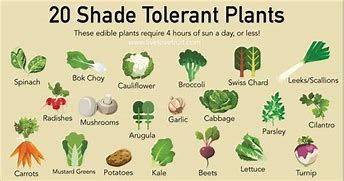
10 Best Crops That Flourish Under Solar Panels
After years of field trials and research, clear patterns have emerged showing which crops consistently perform well in agrivoltaic systems. The following selections represent the top performers that farmers should consider when implementing solar panel agriculture on their land. Each offers distinct advantages and has been proven successful in various climate zones across multiple seasons.
1. Leafy Greens: Spinach, Kale, and Lettuce
Leafy greens are the undisputed champions of solar panel farming. These shade-tolerant plants thrive in the diffused light conditions, often producing more tender, sweeter leaves than their counterparts grown in full sun. The reduced light intensity prevents bolt-ing—when plants prematurely produce seed stalks—extending the harvest season by up to three weeks in many regions.
Spinach grown under solar panels has shown remarkable resilience to heat stress. In a University of Arizona study, researchers documented 50% higher growth rates during summer months compared to control plots, primarily because the panels prevented leaf burn and reduced water stress. Kale varieties have demonstrated similar benefits, with the added advantage of frost tolerance that makes them suitable for extended season production. For more information on how solar panels can enhance farming operations, check out this article on the benefits of solar panels for farmers.
Lettuce deserves special mention for its economic potential in these systems. The higher-quality, longer-lasting leaves produced under partial shade command premium prices at farmers’ markets and restaurants. Many growers report that solar-grown lettuce maintains its crisp texture longer after harvest—a significant advantage for direct-to-consumer sales.
2. Root Vegetables: Potatoes, Carrots, and Beets
Root vegetables perform surprisingly well under solar arrays, particularly in regions with hot summers. The moderated soil temperatures help prevent overheating of root systems, which can otherwise stunt growth during heat waves. Potatoes grown under panels often develop smoother skins with fewer defects, increasing the percentage of marketable yield.
Carrots benefit from the more consistent soil moisture levels, developing straighter roots with less forking—a common problem in fields that experience cycles of drought and saturation. The diffused light also reduces green shoulders, a quality defect where the tops of carrots turn bitter from sun exposure. In Japanese agrivoltaic systems, carrot yields have consistently matched or exceeded conventional fields while using approximately 20% less irrigation water.
Beets thrive in the cooler soil temperatures, developing deeper color and higher sugar content. The protection from direct sunlight also prevents the surface cracking that can affect open-field beets during drought conditions. For organic growers, the panel structures provide convenient support for lightweight row covers that protect against pest pressure without additional infrastructure costs.
3. Herbs: Mint, Oregano, and Basil
Culinary herbs represent some of the highest-value crops suitable for agrivoltaic systems. Many herbs evolved as woodland understory plants, making them naturally adapted to dappled light conditions. Mint varieties absolutely flourish beneath solar panels, producing more flavorful oils and tender leaves than sun-stressed counterparts.
Oregano and other Mediterranean herbs benefit from the balanced microclimate—enough light for robust growth but protection from the intense midday sun that can diminish essential oil production. In commercial settings, these herbs often produce multiple harvests throughout the growing season, maximizing revenue from the covered space. Learn more about agrivoltaic farming and its benefits.
Basil deserves special attention for its impressive performance under solar arrays. Notoriously sensitive to both cold and extreme heat, basil finds the modified environment under panels to be ideal for extended production. The protection from heavy rainfall also reduces disease pressure, particularly the devastating basil downy mildew that can quickly destroy crops. Some commercial growers report harvest seasons extended by 30+ days using this approach.
4. Berries: Raspberries, Blueberries, and Strawberries
Berry crops demonstrate exceptional compatibility with solar installations, often benefiting from both the modified light levels and the physical protection offered by the panel structures. Raspberry canes produce more lateral branches under diffused light conditions, increasing overall yield potential. The panels also provide natural support structures, reducing the need for elaborate trellising systems.
Blueberry production has shown remarkable success in agrivoltaic settings. As woodland plants by nature, blueberries prefer acidic soil and filtered light—precisely the conditions created beneath solar arrays. The stable soil moisture levels help prevent the fluctuations that can cause berry splitting, while the shade extends ripening periods for more manageable harvest schedules.
Strawberries grown under panels develop deeper color and often higher sugar content due to more gradual ripening. The physical protection from heavy rain significantly reduces fruit rot—a major cause of crop loss in conventional strawberry production. For ever-bearing varieties, the extended season can result in harvestable fruit for several additional weeks compared to open field production.
5. Broccoli and Cauliflower
These cool-season brassicas perform exceptionally well under solar panels, particularly in regions where summer heat normally limits their growing season. The modified temperature regime allows for extended spring plantings and earlier fall crops, effectively expanding the production window. Heads develop more uniform coloration without the yellowing that direct sun exposure can cause. For more insights on this, check out which crops thrive under solar panels.
The stable moisture conditions promote steady growth, resulting in tighter heads and higher quality harvests. Many growers report reduced incidence of hollow stem—a quality defect caused by irregular growth rates—in their solar-grown crops. The protection from heavy rainfall also helps prevent the development of bacterial diseases that can devastate conventional plantings during wet periods.
6. Tomatoes and Peppers
While traditionally considered full-sun crops, specific varieties of tomatoes and peppers have demonstrated remarkable adaptability to agrivoltaic conditions. Indeterminate tomato varieties, in particular, show good performance with proper panel spacing, producing steady harvests of high-quality fruit throughout the season. The protection from direct midday sun prevents sunscald on fruits while reducing water stress on plants.
Pepper plants benefit from the moderate temperatures, setting fruit more reliably during hot periods when open-field plants might experience blossom drop. The reduced evapotranspiration rates mean less irrigation is required, and many growers report improved fruit quality with fewer physiological disorders like blossom end rot. For specialty peppers with heat-sensitive characteristics, the modified environment can result in more consistent flavor development.
Both crops benefit significantly from the protection against extreme weather events. The panels serve as a partial barrier against hail and heavy rainfall, reducing physical damage to fruits and minimizing soil splash that can spread soilborne diseases. In regions with increasingly unpredictable weather patterns, this protection represents a valuable risk-management strategy.
7. Mushrooms
The shaded, protected environment beneath solar panels creates nearly ideal conditions for outdoor mushroom cultivation. Species like wine cap (Stropharia rugosoannulata) and oyster mushrooms thrive in the woodchip pathways between crop rows, adding a high-value secondary crop with minimal additional labor. The consistent moisture levels and protection from direct sun create conditions similar to the forest edges where these fungi naturally flourish. For more insights on how solar panels impact farm profit, explore this detailed article.
8. Alfalfa and Forage Crops
Livestock producers have discovered that alfalfa and other forage crops maintain good productivity under solar arrays. While total biomass might decrease slightly compared to open fields, the nutritional quality often improves with higher protein content and improved digestibility. The moderated growing conditions result in more consistent production throughout the season, particularly during drought periods when open-field production might stall completely.
The integration of solar panels with pasture creates opportunities for rotational grazing systems that benefit both the land and the animals. Sheep, in particular, have become popular companions to solar installations, as they naturally control vegetation without damaging infrastructure. This complementary relationship reduces maintenance costs while providing shade for livestock during hot weather.
- Cool-season grasses maintain growth longer into summer months
- Legumes fix more nitrogen with reduced heat stress
- Mixed forage systems demonstrate greater resilience to drought
- Pollinators benefit from extended flowering periods in diversified systems
For dairy operations, the combination of on-site renewable energy production with improved summer forage availability creates a compelling economic case. The reduced cooling costs for both livestock and milk storage can significantly impact the operation’s bottom line while improving animal welfare during heat waves. Learn more about agrivoltaic farming and its benefits.
9. Grapevines
Vineyards represent one of the most successful large-scale applications of agrivoltaic principles. Research from France’s National Institute of Agricultural Research has demonstrated that grapes grown under appropriately spaced panels develop enhanced flavor profiles and improved disease resistance. The filtered light reduces the risk of sunburn on fruits while still allowing sufficient photosynthesis for sugar development. In regions experiencing increasingly hot summers, this protection has become crucial for maintaining wine quality and consistency. For optimal results, it’s essential to follow a solar panel placement guide to ensure the panels are correctly positioned.
10. Tea Plants
Tea cultivation shows remarkable compatibility with solar panel integration. As natural understory plants, tea bushes thrive in the dappled light conditions created by properly designed arrays. The reduced light intensity promotes higher concentrations of certain flavor compounds, particularly amino acids that contribute to sweetness and umami characteristics. Japanese tea producers have been among the pioneers in this field, developing systems that maintain traditional quality standards while embracing renewable energy production.
This table below will look at the top crops that flourish under solar panels
|
Crop |
Why It Flourishes Under Solar Panels |
Notes/Benefits |
|---|---|---|
|
Lettuce |
Shade-tolerant, prefers cooler conditions, less prone to bolting under partial shade |
Reduced water use, longer growing season, high yield potential. 1, 3, 6 |
|
Spinach |
Thrives in partial shade, avoids heat stress |
Maintains quality and yield, less irrigation needed. 1, 3, 6 |
|
Kale |
Grows well in filtered sunlight, resists heat damage | |
|
Broccoli |
Prefers cooler, shaded environments |
Deeper green color, retains moisture, potentially higher yields. 1, 5, 6 |
|
Carrots |
Consistent soil temperature and moisture under panels supports uniform growth |
Root development benefits from moderated conditions. 2, 4, 6 |
|
Beets |
Shade and moisture retention boost root growth | |
|
Tomatoes |
High yields in agrivoltaic systems, benefits from moderated temperatures |
Identified as a top-performing crop for agrovoltaics. 1, 4, 9 |
|
Strawberries |
Tolerate partial shade, protected from sunburn and heat |
Improved fruit quality and yield, less water stress. 6, 7, 8 |
|
Mushrooms |
Thrive in cool, shaded, humid environments |
High-value, space-efficient, ideal for under-panel cultivation. 5, 6 |
|
Herbs (e.g., basil, cilantro, mint) |
Prefer dappled light, delicate flavors preserved, longer harvest period |
Shade helps maintain quality, extends harvest window. 3, 5, 7, 8 |
These crops not only adapt well to the unique conditions created by solar panels but often show improved yields, quality, and resource efficiency compared to traditional open-field cultivation.

Real-World Success Stories: Agrivoltaic Farms That Work
Beyond research trials, commercial operations around the world are demonstrating the viability of solar panel agriculture at scale. These pioneering farms are generating valuable data on best practices while proving the economic case for integrated approaches. Their experiences offer valuable lessons for farmers considering similar transitions and highlight the diverse applications possible across different agricultural sectors and climate zones.
Jack’s Berry Farm: 30% Increase in Blueberry Yields
In Michigan’s fruit belt, Jack Greiner transformed his struggling blueberry operation by installing elevated solar panels above his highest-value fields. After three growing seasons, he documented a 30% increase in marketable yield compared to his conventional fields, primarily due to reduced sun damage and more consistent soil moisture. The berries grown under panels developed deeper color and higher antioxidant levels, allowing him to command premium prices at local markets. The energy generated now powers all on-farm operations including his cold storage facility, with excess sold back to the grid creating a new revenue stream. Learn more about which crops thrive under solar panels.
Community Solar Gardens: Feeding Neighborhoods
Urban agrivoltaic projects are demonstrating how community solar can address food security and energy justice simultaneously. In Denver, Colorado, a 2-acre community solar garden incorporates vegetable production that supplies a local food bank while generating clean electricity for nearby apartment buildings. The project employs neighborhood residents, providing job training in both renewable energy and sustainable agriculture. Raised bed systems beneath the panels produce leafy greens nearly year-round, with cold-hardy varieties thriving through winter months thanks to the slight temperature moderation from the panel array.
Similar projects have emerged in Seattle, Minneapolis, and Boston, each adapting designs to local conditions and community needs. These integrated approaches are redefining urban sustainability, creating multifunctional spaces that address multiple challenges simultaneously. For city planners and policymakers, these projects demonstrate how limited urban land can deliver maximum community benefit through thoughtful integration of energy and food systems. For more insights, read about agricultural solar incentives and their impact.

How Solar Panel Configuration Affects Crop Selection
The specific arrangement of solar infrastructure significantly impacts which crops will thrive in an agrivoltaic system. Variables including panel height, density, orientation, and technology type all influence the growing environment below. Understanding these relationships is crucial for designing systems that optimize both energy generation and agricultural production for a specific location and crop selection.
Panel Height and Spacing: Finding the Sweet Spot
The vertical distance between panels and crops creates the foundation for successful integration. Standard commercial installations typically place panels 8-12 feet above ground level, allowing for both human access and sufficient airflow. However, research suggests that optimal heights vary significantly depending on crop selection and climate zone. Taller installations provide more even light distribution and better temperature moderation but come with increased structural costs.
Spacing between panel rows creates distinct light patterns that influence crop selection decisions. Wider spacing allows for more direct light penetration at certain times of day, supporting crops with higher light requirements. The University of Arizona’s agrivoltaic research program found that spacing panels at 2-3 times the panel width creates light conditions suitable for a broader range of crops while maintaining approximately 70% of maximum energy generation potential.
Fixed vs. Tracking Systems: Impacts on Light Distribution
Fixed solar arrays create consistent shade patterns that allow farmers to plan precisely which crops go where based on their light requirements. The predictable nature of these systems simplifies management but limits flexibility as seasonal sun angles change. Many successful operations map the shade patterns throughout the growing season and design planting schedules accordingly, placing more shade-tolerant crops in areas with less direct light exposure.
Single-axis tracking systems, which rotate panels throughout the day to follow the sun, create dynamic light conditions that benefit certain farming operations. Rather than creating fixed shade areas, these systems generate moving patterns of light and shadow. This movement can reduce the risk of any area receiving too little light, effectively creating more moderate conditions across the entire field. For more on optimizing these systems, check out our guide on solar panel mountings.
Dual-axis tracking systems offer the greatest energy generation efficiency but create more complex growing environments for crops. These sophisticated systems adjust both the angle and orientation of panels, maximizing energy capture throughout the day. While initially more challenging for crop planning, some advanced operations have developed innovative approaches that synchronize crop growth stages with predicted light patterns, essentially choreographing the relationship between plants and panels throughout the season.
Bifacial Panels: Game-Changers for Crop Diversity
The emergence of bifacial solar technology—panels that capture light on both surfaces—is expanding the range of crops suitable for agrivoltaic systems. These panels harvest reflected light from below, allowing for more space between rows while maintaining energy efficiency. The increased light availability benefits crops with moderate sun requirements while still providing economic advantages through dual land use.

Seasonal Planning for Solar Farming
Successful agrivoltaic farming requires thoughtful seasonal planning that accounts for changing sun angles, temperature patterns, and market opportunities. Unlike conventional agriculture, these integrated systems can take advantage of modified microclimates to extend growing seasons and protect crops during extreme weather events. Developing a year-round strategy that maximizes both energy and crop production requires careful observation and adaptation to local conditions.
Winter planning should focus on analyzing previous season data and preparing infrastructure for spring deployment. This is the ideal time to evaluate panel performance, soil health indicators, and crop yield data to inform adjustments for the coming year. For operations in milder climates, winter can also provide opportunities for cool-season crop production beneath panels when traditional fields might be unproductive due to excessive rainfall or marginal temperatures. For more insights on optimizing farm operations, check out this guide on solar panel mountings.
Spring Planting Strategies
Spring planting in agrivoltaic systems requires careful timing to maximize growing season advantages. The soil beneath solar panels typically warms more slowly in early spring due to reduced direct sunlight, which means cold-sensitive crops should be planted 7-10 days later than in conventional fields. However, this same phenomenon provides protection against late spring frosts, creating an excellent environment for crops that would otherwise be vulnerable to temperature fluctuations.
Strategic crop placement becomes essential during spring establishment. Areas receiving morning sun but afternoon shade often provide ideal conditions for cool-season crops like peas, radishes, and early greens. Installing simple soil temperature monitors at various points throughout the array can help identify microclimates and optimize planting schedules. Some successful operations use mobile seedling trays that can be repositioned as sun angles change throughout the spring months.
Irrigation systems should be calibrated differently for solar farmland than for conventional fields. The reduced evaporation rates beneath panels mean that spring watering schedules typically require 15-25% less volume but may need more frequent application to ensure even soil moisture. Many farmers find that drip irrigation proves most efficient in these systems, allowing precise water delivery while minimizing maintenance issues around panel supports.
Summer Management Techniques
Summer management under solar panels focuses on leveraging the protective benefits while addressing unique challenges. The shade provided during peak temperature hours becomes increasingly valuable as summer progresses, often allowing continuous production of crops that would normally bolt or suffer heat stress in conventional fields. Regular monitoring of soil moisture becomes critical, as the reduced evaporation can sometimes mask developing drought conditions. Many successful operations implement soil moisture sensors connected to automated irrigation systems, ensuring optimal conditions without excessive water application.
Fall and Winter Considerations
Fall and winter operations in agrivoltaic systems can extend productive seasons well beyond conventional expectations. The panels provide significant frost protection, often keeping temperatures 2-4°F warmer than surrounding areas during critical cold periods. This protection enables late-season harvests of cold-tolerant crops like kale, spinach, and certain root vegetables. Winter preparation should include thorough soil testing to identify any nutrient imbalances that may have developed during the growing season. The different decomposition rates in the modified microclimate sometimes lead to unexpected shifts in soil biology that require adjustment before the next major planting cycle. For more insights on optimizing farm operations, explore solar panel mountings best practices.

Conclusion
The integration of agriculture and solar energy production represents one of the most promising innovations for sustainable land use in modern farming. As climate challenges intensify and land competition increases, agrivoltaic systems offer a practical path forward that addresses multiple needs simultaneously. The research consistently demonstrates that properly designed systems can maintain or even increase agricultural productivity while generating clean energy—a true win-win for farmers looking to diversify income streams and build resilience.
The success of crops grown under solar panels depends on thoughtful system design, appropriate crop selection, and adaptive management practices. As with any agricultural innovation, local conditions will significantly influence outcomes. Farmers considering this approach should start with smaller pilot projects, focusing on high-value crops with proven shade tolerance, before scaling to larger installations.
“The future of sustainable agriculture isn’t about choosing between food production and renewable energy—it’s about intelligent integration of both. When designed with agricultural needs in mind, solar arrays become farming allies rather than competitors for land.” – Dr. Ellen Mallory, Sustainable Agriculture Specialist
As technology continues to evolve, we’re seeing increasingly sophisticated solar designs specifically engineered with crop production in mind. Adjustable panels, semi-transparent solar materials, and AI-controlled tracking systems are expanding the possibilities for what can be grown successfully beneath solar infrastructure. These innovations suggest that agrivoltaic systems will become increasingly versatile and productive in the coming years.
Key Facts About Crops Under Solar Panels
The evidence strongly supports the viability of growing numerous crop types under appropriately designed solar arrays. Leafy greens consistently demonstrate 10-30% yield increases in these systems compared to open fields, particularly during summer months when heat stress would normally impact production. Water efficiency improvements range from 15-30% across most crop types, representing significant savings in irrigation costs and resource conservation. The dual-income streams—energy and crops—can increase land-use efficiency by 60-70% compared to separate installations.
Japan currently leads global implementation with over 2,000 operational agrivoltaic farms producing more than 120 different crops. European adoption is accelerating rapidly, with France’s National Institute for Agricultural Research reporting successful results with everything from cereal grains to vineyard operations. In the United States, research institutions including Oregon State University, the University of Arizona, and the National Renewable Energy Laboratory are documenting impressive results across diverse climate zones and cropping systems.
Is Planting Crops Under Solar Panels a Smart Idea for Farmers?
For forward-thinking farmers seeking resilience in an uncertain climate future, agrivoltaic systems represent a compelling opportunity. The economic analysis consistently shows improved risk management through diversified income streams, reduced crop losses during extreme weather events, and potential premium pricing for higher-quality produce. The initial investment costs are significant but declining as more specialized equipment and designs enter the market. Most importantly, these systems allow farmers to participate in the renewable energy transition without sacrificing productive agricultural land. For more information on optimizing farm operations, check out this guide on solar panel mountings.
The decision ultimately depends on individual farm goals, geographic location, and market opportunities. Operations focused on direct-to-consumer sales often find the greatest immediate benefit, as the quality improvements in solar-grown specialty crops command premium prices at farmers’ markets and through CSA programs. Livestock producers can leverage the dual benefits of electricity generation and improved animal welfare through shade provision. Regardless of specific implementation, these integrated systems represent a forward-looking approach to land stewardship that balances production needs with environmental sustainability.
Frequently Asked Questions
As agrivoltaic farming gains traction, farmers naturally have questions about implementation, economics, and best practices. The following questions address the most common concerns based on both research findings and real-world experience from pioneering operations across diverse growing regions.
How much do crop yields typically change when grown under solar panels?
Yield changes vary significantly by crop type, panel configuration, and climate zone. Shade-loving crops like leafy greens typically show yield increases of 10-30% compared to open fields, particularly during hot seasons. Root vegetables and berries often maintain similar yields to conventional production while showing quality improvements. Full-sun crops like corn and wheat may experience yield reductions of 15-25% under standard arrays but can maintain economic viability when the combined value of energy and crop production is calculated. The most successful operations select crops specifically suited to their panel configuration and local climate conditions rather than attempting to force conventional cropping systems into the modified environment.
Can I grow crops under existing solar installations, or do I need a special setup?
While crops can be grown under some existing solar installations, purpose-built agrivoltaic systems typically deliver better agricultural results. Conventional ground-mounted solar arrays are often positioned too low (3-5 feet clearance) for efficient farming operations and may have panel spacings that create too much shade for most crops. Retrofitting existing installations can be challenging but is sometimes possible by removing selected panels to create better light distribution or raising panel heights to improve access. The most successful operations typically design integrated systems from the ground up, with panel height (8-12 feet minimum), spacing, and orientation specifically engineered to accommodate agricultural equipment and optimize growing conditions for targeted crops.
Are there any crops that absolutely should NOT be grown under solar panels?
Crops with extremely high light requirements generally perform poorly in agrivoltaic systems. Corn, sunflowers, and certain varieties of squash that require full sun throughout their growing cycle typically show significant yield reductions when grown under standard solar arrays. Additionally, tall crops that might physically interfere with panel operation or maintenance should be avoided—mature corn, for example, could potentially shade panels or complicate access. Industrial commodity crops with thin profit margins and heavy mechanization requirements (like conventional grain production) often don’t make economic sense in these systems unless specialized equipment and panel configurations are implemented. The best approach is to select crops that naturally tolerate or benefit from partial shade rather than fighting against the modified light conditions.
How does agrivoltaics affect solar panel efficiency?
Contrary to what might be expected, properly designed agrivoltaic systems can actually improve solar panel efficiency in many climates. Vegetation beneath panels creates evaporative cooling effects that can reduce panel temperatures by 8-10°F during hot weather. Since solar panels lose efficiency as they heat up (typically 0.3-0.5% per degree Celsius above optimal operating temperature), this cooling effect can boost energy production by 3-6% during summer months in hot regions.
The relationship works in both directions—crops benefit from the modified microclimate while panels benefit from the cooling effect of plant transpiration. Research from the University of Arizona found that panels in agrivoltaic systems produced approximately 3% more electricity annually than identical panels over bare soil, with gains of up to 9% during peak summer months. This symbiotic relationship creates a compelling case for integration in regions that experience significant summer heat.
Are there any special certifications or permits needed for agrivoltaic farming?
Regulatory requirements vary significantly by location, but most regions require multiple permits for agrivoltaic installations. These typically include electrical permits, building/structural permits, and sometimes specialized interconnection agreements with utility companies. Agricultural zoning considerations become particularly important—some jurisdictions have created specific provisions for agrivoltaic systems that maintain agricultural tax status for the land, while others may require zoning variances or special use permits.
Regarding certifications, organic producers should consult with their certifying agencies early in the planning process. Most organic certifiers have developed protocols for agrivoltaic systems, focusing on panel materials, potential soil contamination issues, and maintenance practices. The National Organic Program has generally recognized that solar panels are compatible with organic production when properly implemented. For specialized markets like Certified Naturally Grown or biodynamic certification, early consultation with certifying bodies is essential to ensure compliance throughout the design and implementation process.
- Check local zoning regulations specifically regarding dual-use solar installations
- Consult with utility companies about interconnection requirements and potential incentives
- Review agricultural tax status implications before installation
- Investigate specialized insurance considerations for dual-purpose infrastructure
- Research available grants and incentives for agrivoltaic systems (USDA REAP program, state-level clean energy initiatives, etc.)
The intersection of agriculture and renewable energy creates exciting opportunities for forward-thinking farmers. By selecting appropriate crops and implementing thoughtful designs, producers can harness the benefits of agrivoltaic systems to increase resilience, diversify income streams, and contribute to a more sustainable food system. The growing body of research and expanding number of successful commercial operations demonstrate that this approach represents not just a temporary trend but a viable path forward for modern agriculture.
The modified growing environment beneath solar panels offers unique advantages that will become increasingly valuable as climate challenges intensify. From extending growing seasons to reducing irrigation needs, these systems address multiple sustainability challenges simultaneously. For specialty crop producers in particular, the quality improvements and reduced weather risks can translate directly to improved market positioning and premium pricing opportunities.
As with any significant farm transition, starting with smaller pilot projects allows for valuable learning before scaling up. Each farm’s specific conditions, markets, and goals will shape the optimal approach to integration. By sharing knowledge and building on the pioneering work already underway, the agricultural community can continue to refine and improve these systems for the benefit of both farmers and the broader environment.
8760 Solar helps farmers implement custom agrivoltaic systems that maximize both crop production and clean energy generation, creating resilient operations ready for the challenges of tomorrow’s agriculture.
When it comes to maximizing land use, integrating agriculture with renewable energy sources is a promising approach. One effective method is agrivoltaics, which involves growing crops under solar panels. This innovative technique not only generates clean energy but also creates a suitable microclimate for certain crops. If you’re interested in learning more about which crops thrive best under solar panels, check out this detailed guide on agrivoltaics.







Leave a Reply