
Key Takeaways
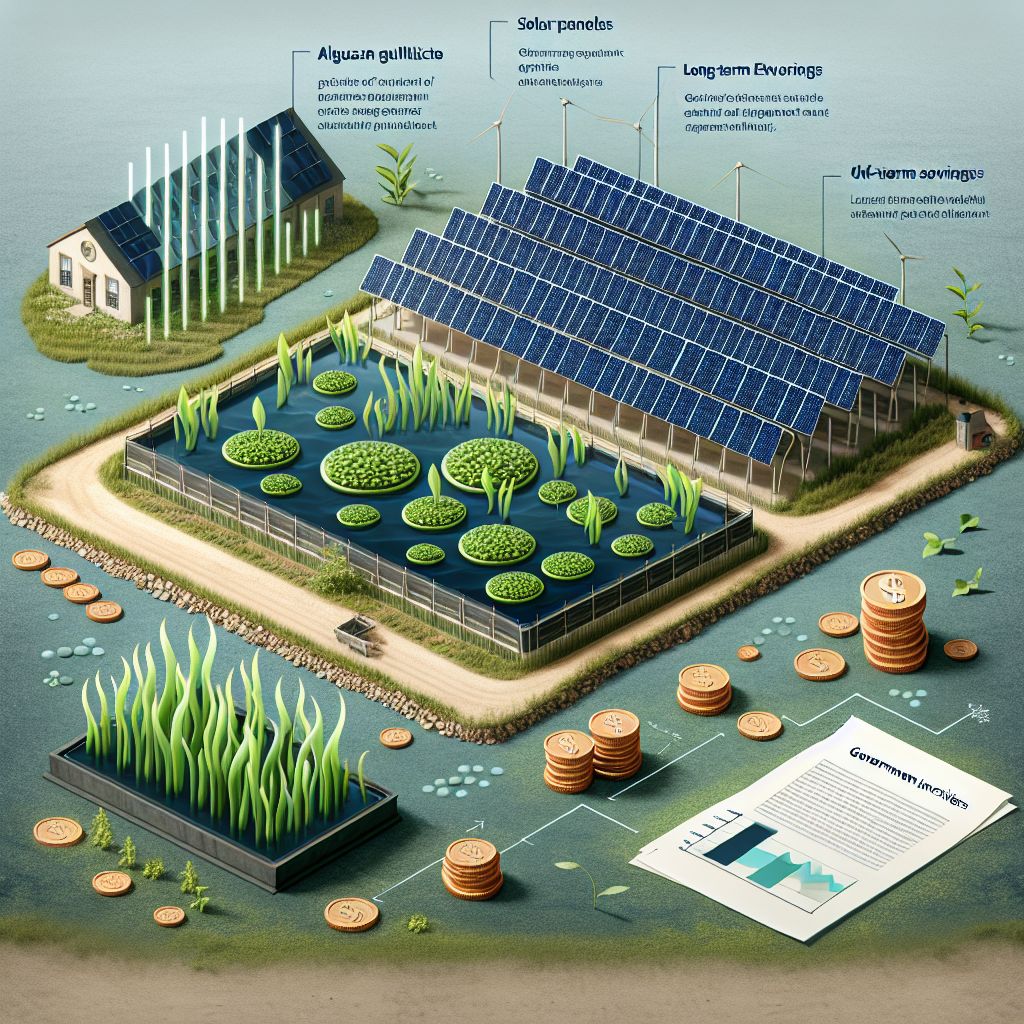
- Solar panels can significantly reduce energy costs in algaculture by providing an off-grid electricity source.
- Initial investment in solar panels can be offset by government incentives, such as tax credits and grants.
- Using solar energy in algaculture can lead to long-term financial savings by decreasing reliance on traditional energy sources.
- Agrovoltaics, or the combination of solar panels and agriculture, can enhance crop yields while generating energy.
- It’s essential to tailor solar energy systems to the specific needs of an algaculture operation for maximum financial benefit.
Introduction to Solar Panels in Algaculture
Let’s dive into the world of algaculture, where the cultivation of algae meets the power of solar energy. This combination not only supports sustainable farming practices but also offers significant financial benefits. With the right approach, you can transform your algaculture business into a thriving, cost-effective operation.
Algaculture, the cultivation of algae for various purposes, is becoming increasingly popular due to its versatility and sustainability. From producing biofuels to creating food supplements, algae serve numerous roles. However, like any farming practice, it requires energy, which can be a significant cost. That’s where solar panels come into play, providing a renewable energy source that can substantially reduce expenses.
The Intersection of Energy and Agriculture
Energy and agriculture are intrinsically linked, with each heavily influencing the other. In algaculture, energy costs can account for a large portion of operational expenses. Traditional energy sources can be expensive and environmentally taxing, which is why many farmers are turning to solar energy. Solar panels offer a way to harness natural sunlight and convert it into electricity, providing a clean and cost-effective energy source.
Overview of Algaculture
Algaculture involves the cultivation of algae, which can be used for a wide range of products, including biofuels, food additives, and pharmaceuticals. This type of farming is not only environmentally friendly but also highly efficient, as algae can grow rapidly and require minimal resources. However, maintaining optimal growth conditions for algae often demands a consistent energy supply, particularly for lighting and temperature control. For energy-efficient solutions, some farms are exploring solar power to meet these demands.
For example, in algaculture, maintaining the right temperature is crucial for algae growth. This typically involves using energy-intensive equipment, which can drive up costs. By integrating solar panels, these energy needs can be met sustainably, reducing reliance on costly, non-renewable energy sources.
How Solar Energy Fits In
Solar energy is a game-changer for algaculture enthusiasts looking to cut costs and increase efficiency. By installing solar panels, you can generate electricity directly from sunlight, which can be used to power various aspects of your algaculture operations. This not only reduces energy bills but also supports a more sustainable farming practice.
“Solar panels have revolutionized our algaculture business, allowing us to cut energy costs by over 50% while maintaining optimal conditions for algae growth.” – John, an algaculture farmer
Most importantly, solar energy is a renewable resource, meaning it’s sustainable and environmentally friendly. It provides a consistent energy supply, which is essential for maintaining the precise conditions required in algaculture. By leveraging solar power, you can focus on maximizing production while minimizing environmental impact.

Cost Benefits of Solar Panels in Algaculture
Incorporating solar panels into your algaculture operation can lead to substantial cost benefits. This includes reducing energy expenses, achieving long-term financial savings, and positively impacting overall production costs. By harnessing the power of the sun, you can transform the way you manage energy, turning it into a strategic advantage. The potential for reducing energy costs is substantial, making solar panels a smart financial investment. Learn more about the benefits of solar-powered systems for agricultural use.
Reducing Energy Costs
Solar panels provide a reliable and renewable energy source, allowing you to significantly cut down on energy costs. By generating your own electricity, you minimize dependency on external power suppliers, which can be costly and unpredictable. This is particularly beneficial in algaculture, where maintaining controlled environmental conditions is crucial for optimal algae growth. For more information on how solar energy can benefit farming, check out the efficient solutions for farmers.
“Installing solar panels reduced our monthly energy bills by 60%, enabling us to reinvest savings into expanding our algaculture facilities.” – Sarah, an algaculture entrepreneur
Moreover, any surplus energy produced by your solar panels can be sold back to the grid, offering a potential revenue stream. This not only offsets the initial investment cost but also enhances the overall profitability of your operation. For more information on how solar panels can benefit your farm, check out the benefits of using thin-film solar panels.
Long-Term Financial Savings
When you invest in solar panels, you are investing in long-term financial savings. While the initial installation costs may seem high, the reduction in energy expenses over time can lead to significant savings. Solar panels typically have a lifespan of 25-30 years, during which they continue to produce free electricity after the initial costs are covered.
Furthermore, solar panels require minimal maintenance, which means you save on operational costs in the long run. These financial savings contribute to a more sustainable and profitable algaculture business model.
Impact on Overall Production Costs
By integrating solar panels, you can also reduce overall production costs. Lower energy bills mean more resources can be allocated to other critical areas of your algaculture operation, such as research and development, scaling production, or improving product quality. This can lead to a more competitive edge in the market. For more insights, check out how solar power benefits farmers.
Additionally, the environmental benefits of using solar energy can enhance your brand’s reputation, potentially attracting more customers who are conscious of sustainability. This dual impact on both cost reduction and brand enhancement can significantly influence the success of your algaculture business.
Government Incentives and Financial Support
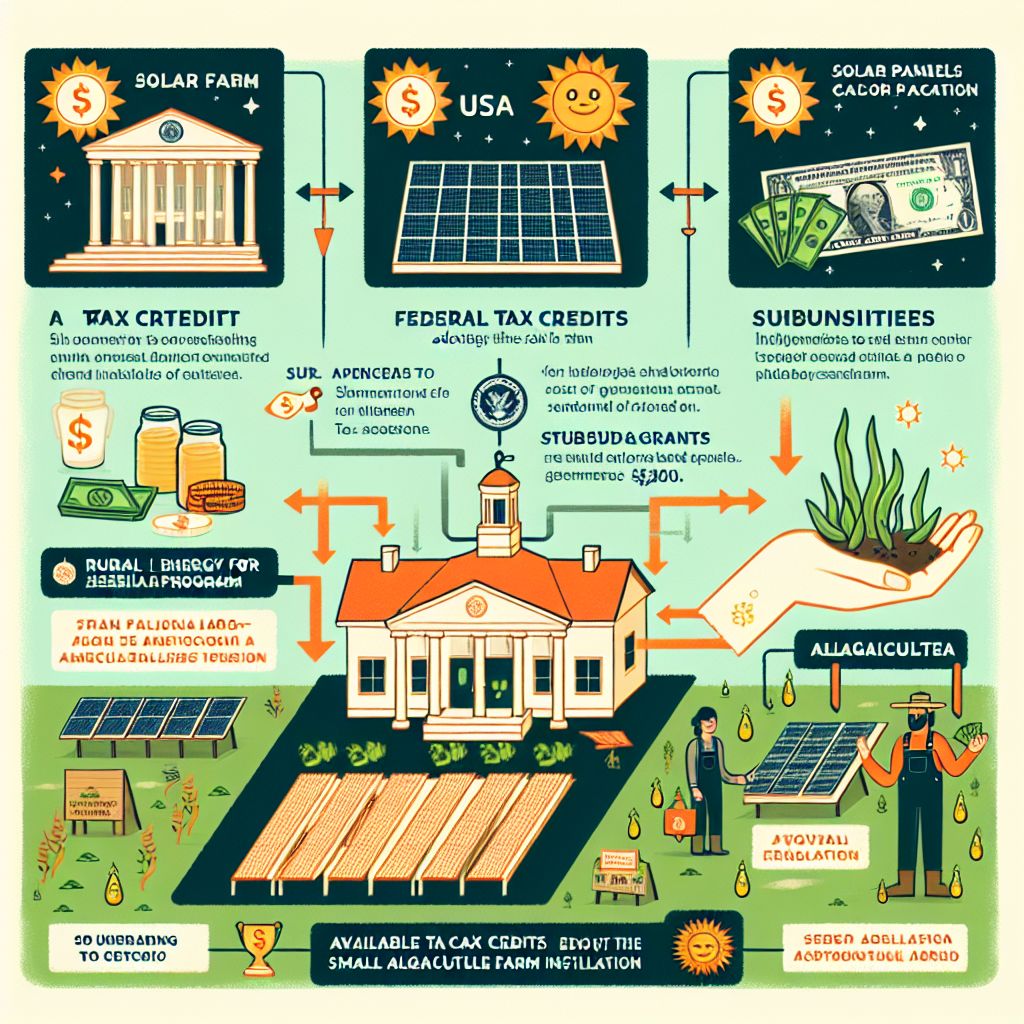
Investing in solar panels for your algaculture operation can be more financially feasible with the help of government incentives and financial support. Various programs and tax benefits are available to encourage the adoption of renewable energy solutions, making it easier for you to integrate solar power into your business model.
Exploring Tax Credits
Tax credits can significantly reduce the financial burden of installing solar panels. For instance, the federal solar Investment Tax Credit (ITC) allows you to deduct a substantial percentage of your solar installation costs from your federal taxes. This incentive makes solar energy more accessible and affordable.
“Thanks to the federal tax credits, we were able to cover 30% of our solar panel installation costs, making the transition to solar energy financially viable.” – Mike, an algaculture business owner
It’s essential to stay informed about any changes or updates to tax credits, as they can vary over time and by region. Consulting with a tax professional can help you maximize these benefits and ensure you’re taking full advantage of available incentives.
Subsidies and Grants
Besides tax credits, various subsidies and grants are available to support the transition to solar energy. These financial aids are designed to alleviate the initial costs of solar panel installation, making it more accessible for small and medium-sized algaculture operations.
Researching and applying for these programs can provide the necessary funding to kickstart your solar energy journey. Many local and state governments offer specific grants for renewable energy projects, so it’s worth exploring what’s available in your area.
USDA Programs for Farmers
The U.S. Department of Agriculture (USDA) offers several programs to support farmers in adopting solar energy. The Rural Energy for America Program (REAP) provides grants and loan guarantees to help cover the costs of renewable energy systems and energy efficiency improvements.
By participating in USDA programs, algaculture farmers can access financial resources to integrate solar panels into their operations, reducing energy costs and enhancing sustainability. This support can make a significant difference in the financial feasibility of solar projects.
Here is a table discussing government incentives and financial support for using solar panels in algaculture:
|
Incentive Type |
Description |
Benefits |
|---|---|---|
|
Tax Credits |
Federal and state tax credits for installing solar panels on algaculture facilities |
Can offset 26-30% of installation costs (1) |
|
Grants |
USDA Rural Energy for America Program (REAP) grants for renewable energy systems |
Covers up to 25% of project costs for rural agricultural producers (2) |
|
Low-Interest Loans |
Government-backed loans with favorable terms for solar projects |
Reduces upfront costs and allows for longer payback periods (1) |
|
Net Metering |
Allows algae farms to sell excess solar power back to the grid |
Provides additional revenue stream and improves ROI (3) |
|
Accelerated Depreciation |
Allows businesses to deduct the cost of solar equipment more quickly |
Reduces tax liability in early years after installation (1) |
|
Renewable Energy Certificates (RECs) |
Tradable certificates earned for generating solar power |
Can be sold for additional income3 |
Solar panels can significantly reduce energy costs for algaculture operations, which often require substantial electricity for pumping, aeration, and other processes. Government incentives help make solar installations more financially viable for algae producers (2). The combination of reduced operating expenses and available incentives can lead to payback periods as short as 3-7 years for solar systems in agricultural applications (3).
It’s important to note that specific incentives and programs vary by location. Algae farmers should consult with local renewable energy experts and government agencies to determine which incentives are available in their area. Additionally, as the algaculture industry is still emerging, some general agricultural solar incentives may require adaptation to specifically include algae production facilities (1, 2).
Revenue Opportunities with Solar Energy in Algaculture
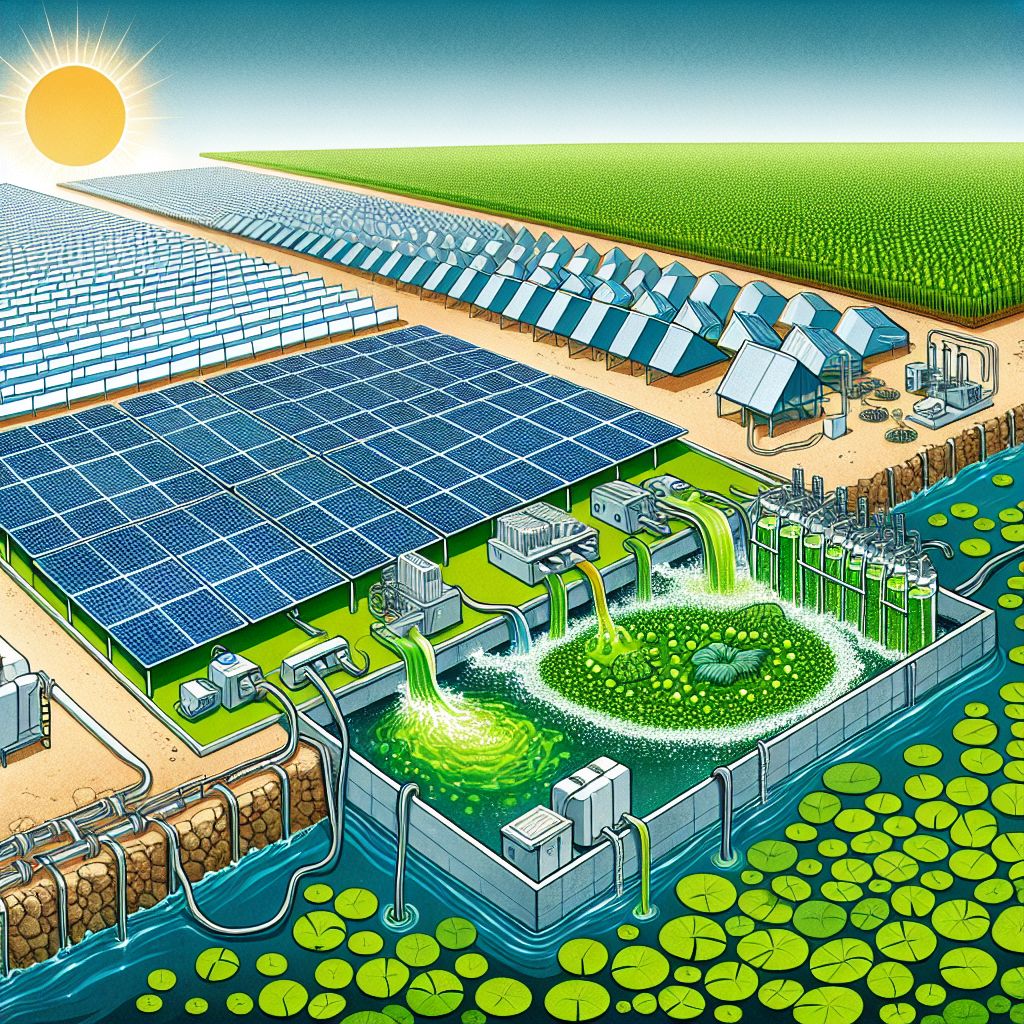
Beyond cost savings, solar energy presents additional revenue opportunities for algaculture businesses. By leveraging solar power, you can create new income streams and enhance the overall sustainability of your operation.
Selling Excess Energy
One of the most straightforward ways to generate revenue from solar energy is by selling excess electricity back to the grid. Many utility companies offer net metering programs, allowing you to earn credits or payments for the surplus energy your solar panels produce.
This additional income can help offset the costs of solar panel installation and maintenance, contributing to the financial health of your algaculture business. It’s a win-win situation: you save on energy costs while also earning from your solar investment.
Enhancing Crop Yield with Agrovoltaics
Agrovoltaics is the practice of combining solar panels with agricultural activities, creating a symbiotic relationship between energy production and crop growth. By strategically placing solar panels over algae cultivation areas, you can optimize land use and potentially enhance crop yields.
Studies have shown that the shade provided by solar panels can create a more favorable microclimate for certain crops, leading to increased productivity. This innovative approach not only boosts your algaculture output but also maximizes the efficiency of your solar energy system.
Boosting Business Sustainability
Integrating solar energy into your algaculture operation can significantly enhance your business’s sustainability. By reducing reliance on non-renewable energy sources, you contribute to a greener planet while also appealing to environmentally conscious consumers.
This commitment to sustainability can differentiate your brand in a competitive market, attracting more customers and potentially increasing sales. It’s not just about reducing costs; it’s about building a resilient and forward-thinking business model.

Considerations for Solar Panel Investment
Before investing in solar panels for your algaculture operation, it’s crucial to consider several factors to ensure you make the most informed decision. By evaluating these considerations, you can maximize the financial and operational benefits of your solar energy system.
Firstly, assess your energy needs and determine the optimal size and type of solar panel system for your operation. Consider factors such as available roof or land space, energy consumption patterns, and future expansion plans. This assessment will help you select a system that meets your specific requirements.
Secondly, explore different financing options, such as direct ownership, leasing, or power purchase agreements (PPAs). Each option has its pros and cons, so it’s important to choose the one that aligns with your financial goals and risk tolerance.
Lastly, consider the potential impact on your algaculture operation’s overall production costs and revenue. By carefully planning and implementing a solar energy system, you can achieve significant cost savings, increased revenue, and enhanced sustainability, ultimately empowering your algaculture business financially.
Initial Installation Costs
Installing solar panels in an algaculture setting involves several upfront costs. These can include the purchase of solar panels, inverters, mounting systems, and other necessary equipment. On average, the cost for solar panel installation can range from $15,000 to $25,000, depending on the size and complexity of the system.
It’s important to consider these costs as an investment. Over time, the savings on energy bills and potential revenue from selling excess energy can offset the initial expenditure. Additionally, government incentives and tax credits can significantly reduce these costs, making solar energy more accessible for algaculture operations.
Direct Ownership vs. Third-Party Options
When deciding to invest in solar panels, you have two primary options: direct ownership or third-party financing. Direct ownership involves purchasing the solar panels outright, which allows you to take full advantage of tax credits and incentives. This option provides the greatest long-term financial benefits, as you own the system and all the energy it produces.
Alternatively, third-party financing options such as leasing or power purchase agreements (PPAs) can make solar energy more accessible without the large upfront cost. With leasing, you pay a fixed monthly fee to use the solar panels, while PPAs involve paying for the energy the panels produce. Both options can offer immediate energy savings, but they may not provide the same long-term financial benefits as direct ownership.
Assessing Farm-Specific Needs
Before installing solar panels, it’s crucial to assess the specific energy needs of your algaculture operation. This includes evaluating your current energy consumption, identifying peak usage times, and considering future expansion plans. By understanding these factors, you can select a solar energy system that meets your needs and maximizes financial benefits.
Consulting with a solar energy expert can help you determine the best system size and configuration for your operation. They can also provide guidance on available incentives and financing options, ensuring you make an informed decision that supports your financial goals.
Conclusion: Financial Impact of Solar Integration
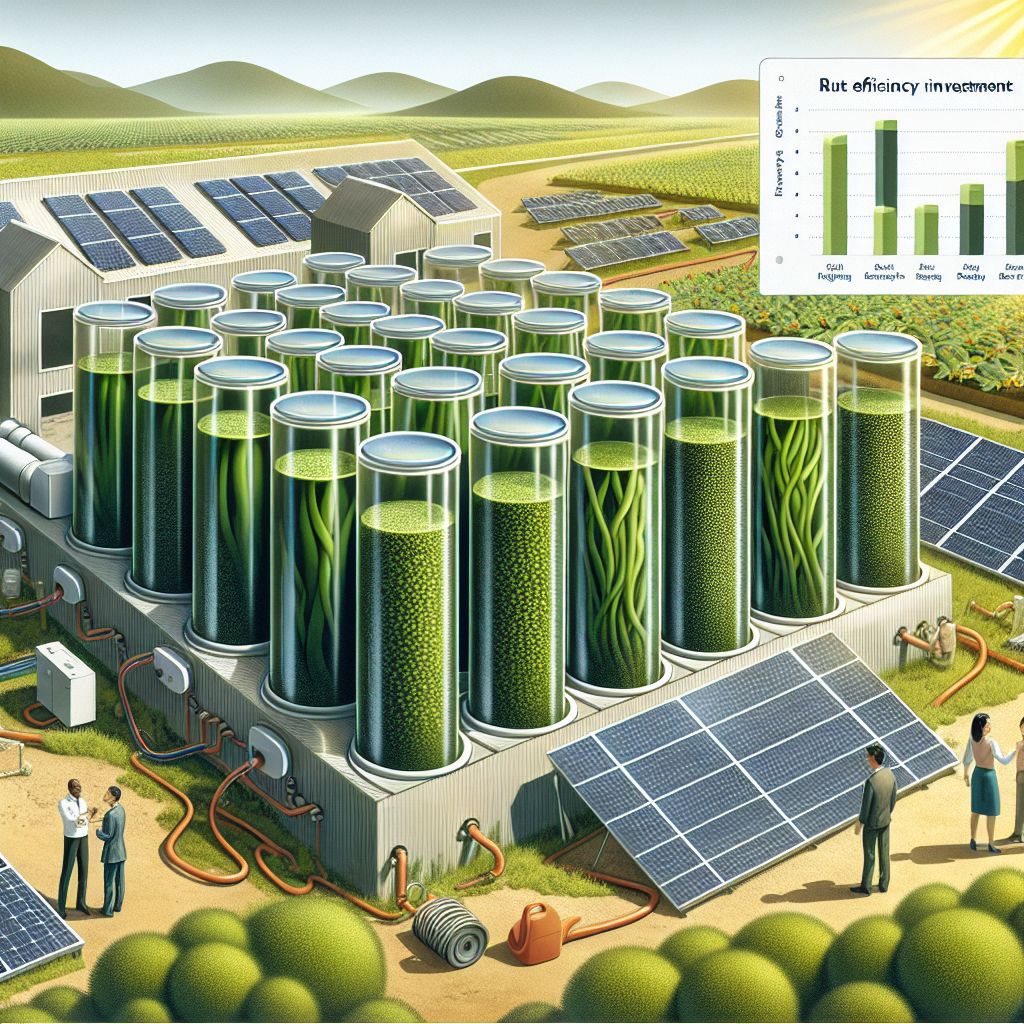
Integrating solar panels into your algaculture operation can have a significant financial impact. By reducing energy costs, accessing government incentives, and creating new revenue streams, you can enhance the profitability and sustainability of your business.
Moreover, solar energy aligns with the growing demand for environmentally friendly practices, boosting your brand’s reputation and attracting more customers. This combination of financial and environmental benefits makes solar energy a smart investment for algaculture enthusiasts.
Summing up Financial Benefits
The financial benefits of using solar panels in algaculture are clear. By investing in solar energy, you can reduce energy costs, increase revenue through selling excess energy, and access valuable government incentives. These benefits contribute to a more sustainable and profitable business model.
Strategic Planning for Maximum Advantage
To maximize the financial benefits of solar energy, it’s essential to engage in strategic planning. This includes assessing your energy needs, exploring financing options, and staying informed about available incentives. By taking a proactive approach, you can ensure your solar energy system supports your long-term financial goals.
- Evaluate your current and future energy needs.
- Research available government incentives and tax credits.
- Consider different financing options, including direct ownership and third-party agreements.
- Consult with solar energy experts to optimize your system design.
By following these steps, you can make informed decisions that empower your algaculture operation financially.
Evaluating ROI: Is It Worth the Investment?
When considering solar panels for your algaculture business, evaluating the return on investment (ROI) is crucial. While the initial costs may seem high, the long-term savings on energy bills and potential revenue from selling excess energy can provide a substantial ROI.
By calculating the payback period and comparing it to the lifespan of the solar panels, you can determine whether the investment aligns with your financial goals. In most cases, the financial and environmental benefits make solar energy a worthwhile investment for algaculture enthusiasts.
Frequently Asked Questions (FAQ)
To help you make informed decisions about solar energy in algaculture, here are answers to some common questions.
- What initial costs are associated with solar panels in algaculture?
- How long do solar panels typically last in an algaculture setting?
- What are the primary government incentives available?
- Can solar panel systems be customized for specific algaculture needs?
- What are the typical cost savings associated with solar energy in farming?
Understanding these key aspects can help you make the best decisions for your algaculture operation. For more insights on the cost savings associated with solar energy, explore this resource.
What initial costs are associated with solar panels in algaculture?
Initial costs can include purchasing solar panels, inverters, and mounting systems. On average, installation costs range from $15,000 to $25,000, depending on the system size and complexity.
How long do solar panels typically last in an algaculture setting?
Solar panels have a typical lifespan of 25-30 years. During this time, they continue to produce electricity with minimal maintenance, providing long-term financial benefits.
What are the primary government incentives available?
Government incentives can include tax credits, grants, and subsidies. The federal solar Investment Tax Credit (ITC) allows you to deduct a percentage of your installation costs from your federal taxes, making solar energy more affordable.
Additionally, state and local governments may offer specific programs to support renewable energy projects. It’s essential to research and apply for these incentives to maximize financial benefits.
“With the help of government incentives, we were able to reduce our solar panel installation costs by 40%, making it a financially viable option for our algaculture business.” – Emily, an algaculture farmer
Can solar panel systems be customized for specific algaculture needs?
Yes, solar panel systems can be customized to meet the specific energy needs of your algaculture operation. By assessing your energy consumption patterns and consulting with solar energy experts, you can design a system that maximizes efficiency and financial benefits.
What are the typical cost savings associated with solar energy in farming?
Typical cost savings from solar energy in farming can include reduced energy bills and potential revenue from selling excess energy. On average, farmers can save 50-70% on energy costs by switching to solar power.
Solar panels are increasingly being used in agriculture to power irrigation systems, which can significantly reduce energy costs for farmers. By utilizing solar energy, farmers can operate their irrigation systems more sustainably and efficiently. One popular option for this application is monocrystalline solar panels, known for their high efficiency and durability. As a result, many farms are transitioning to solar-powered solutions to enhance their productivity while minimizing their environmental impact.







Leave a Reply