
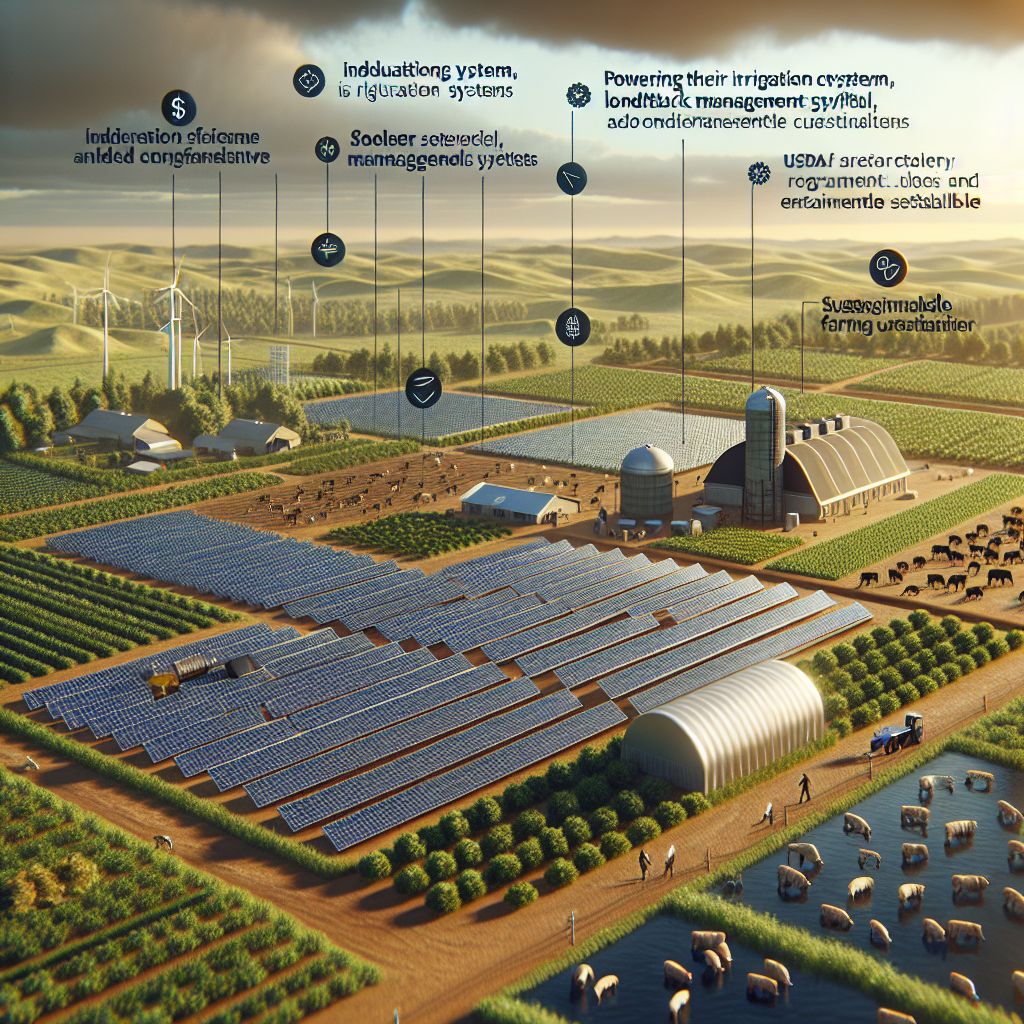
Article-At-A-Glance
- Solar panels can reduce farm electricity costs by up to 75%, creating significant operational savings for agricultural businesses
- Modern photovoltaic systems enable farmers to power irrigation, livestock management, and climate control systems independently
- Federal programs like USDA REAP grants can cover up to 25% of solar installation costs for qualifying agricultural operations
- Solar-powered farms reduce carbon emissions while potentially qualifying for sustainable farming certifications
- AgriSolar Solutions helps farmers navigate complex renewable energy transitions with customized implementation plans
Solar power is transforming modern agriculture. With rising energy costs cutting into farm profits, solar panels offer farmers a path to energy independence and operational sustainability that’s becoming increasingly accessible.
Farms consume substantial electricity for irrigation, climate control, and processing facilities. By harnessing solar energy, agricultural operations can dramatically reduce these ongoing expenses while contributing to environmental sustainability. AgriSolar Solutions helps farmers navigate this transition by providing tailored solar implementation plans that maximize both energy production and available incentives.
Solar Panels: The Game-Changer for Modern Farming
The agricultural industry stands at a crossroads where traditional energy consumption meets renewable innovation. Modern farming operations require consistent, reliable power for everything from automated milking systems to cold storage facilities. Solar panels provide this crucial power source while reducing dependence on fluctuating utility rates that can devastate farm budgets.
Unlike conventional electricity, solar power gives farmers predictable energy costs for 25+ years. This long-term price stability allows for more accurate financial planning and improved operational resilience. Additionally, solar installations can be scaled to match farm size and energy needs, making them suitable for operations ranging from small family farms to large commercial enterprises.
The increasing affordability of solar technology has dramatically improved the return on investment for agricultural installations. What once required 15-20 years to break even now typically achieves payback in 5-7 years, depending on local incentives and energy costs. This accelerated timeline makes solar power a practical financial decision rather than just an environmental choice.

How Solar Panels Actually Work on Farms
Understanding the science behind solar panels helps farmers make informed decisions about implementing this technology. The fundamental process involves converting abundant sunlight—something farms typically have in plenty—into usable electricity that powers essential operations.
The Science of Photovoltaic Conversion
Solar panels work through the photovoltaic effect, where specially designed silicon cells convert sunlight directly into electricity. When photons (light particles) strike the silicon material, they knock electrons loose from their atoms, creating an electric current. This direct conversion process has no moving parts, which contributes to the exceptional durability and minimal maintenance requirements of solar systems.
Modern agricultural solar installations typically use monocrystalline or polycrystalline silicon panels, with efficiency ratings between 15-22%. This means they convert up to 22% of available sunlight into usable electricity—more than enough to power most farm operations when properly sized. The electricity generated flows through an inverter, which converts the panel’s direct current (DC) output into alternating current (AC) that standard farm equipment can use. For farmers interested in specific applications, powering a drip irrigation system with solar panels is a practical option.
Weather conditions affect solar production, but modern systems are designed to perform effectively even in partially cloudy conditions. Many agricultural installations also incorporate tracking systems that allow panels to follow the sun’s path across the sky, increasing energy production by up to 25% compared to fixed installations.
Direct vs. Alternating Current: What Farmers Need to Know
Farm Electrical Knowledge Basics
Solar panels produce DC (Direct Current) electricity
Farm equipment runs on AC (Alternating Current)
Inverters convert DC to AC power
Some farm equipment can be modified to run directly on DC power
Battery storage systems typically store energy as DC
Understanding these principles helps maximize system efficiency
The distinction between DC and AC power matters significantly for farm operations. Solar panels naturally produce DC electricity, while most farm equipment requires AC power. Inverters bridge this gap, but understanding where energy conversions happen helps identify potential efficiency improvements. Some irrigation pumps and specialized equipment can be modified to run directly on DC power, eliminating conversion losses and improving overall system efficiency. For more details, explore solar irrigation system components and their functions.
For remote agricultural operations, this distinction becomes even more important. DC-powered equipment can sometimes operate directly from solar panels without complex conversion systems, providing simple solutions for water pumping in distant fields or powering electric fences in remote pastures.
Energy Storage Solutions for 24/7 Farm Operations
Battery storage systems form a critical component of comprehensive farm solar installations. These systems capture excess electricity generated during peak sunlight hours, making it available during evenings, cloudy days, or power outages. For agricultural operations that require consistent power—such as dairy farms with regular milking schedules or livestock facilities with critical climate control—battery storage transforms intermittent solar production into reliable 24/7 power.
Modern lithium-ion battery systems have dramatically improved in both capacity and affordability, making them practical additions to farm solar installations. A properly sized battery system can power essential operations through multiple days of limited sunlight, providing peace of mind during weather events or grid outages. Some farmers are also implementing hybrid systems that combine solar with small wind turbines to maximize renewable energy capture throughout varying weather conditions.
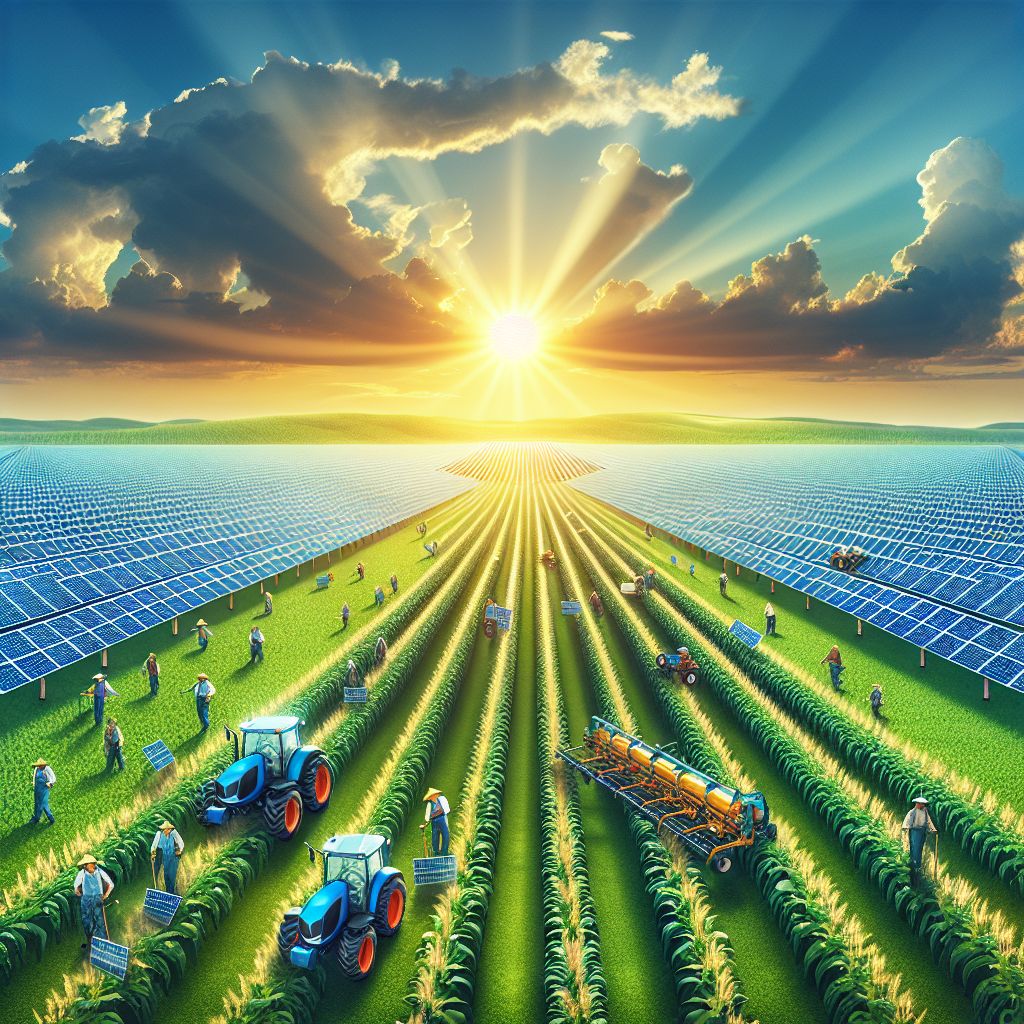
6 Ways Solar Panels Transform Agricultural Operations
Solar energy applications extend far beyond simply reducing electricity bills. Innovative farmers are finding diverse ways to integrate solar technology throughout their operations, creating more efficient and sustainable farming systems.
1. Powering Irrigation Systems
Irrigation represents one of the largest energy expenses on many farms, particularly in arid regions. Solar-powered irrigation systems eliminate ongoing energy costs while providing water precisely when crops need it most—during sunny days. Direct solar-to-pump systems can operate without batteries during daylight hours, significantly reducing installation costs while providing water when evaporation rates are highest.
Advanced solar irrigation setups incorporate soil moisture sensors and weather monitoring to optimize water delivery. These smart systems ensure crops receive exactly the right amount of water at the right time, improving yields while conserving both water and energy. For remote fields without grid connections, solar irrigation eliminates the need for expensive power line extensions or diesel generators, expanding cultivation possibilities into previously impractical areas.
2. Supporting Livestock Management
Livestock operations consume substantial electricity for water pumping, feed processing, and climate control. Solar installations can power automatic feeding systems, water circulation, and critical monitoring equipment. For rotational grazing operations, portable solar units can power electric fencing and water pumps, allowing flexible management of livestock in remote pastures without generator noise or fuel costs.
Temperature regulation in barns and livestock facilities represents another significant energy demand that solar can address. Ventilation fans, heating systems, and cooling equipment operate most intensively during daylight hours—precisely when solar production peaks. This natural alignment between energy production and consumption makes livestock facilities particularly well-suited for solar power integration.
3. Climate Control for Barns and Greenhouses
|
Structure Type |
Solar Application |
Benefits |
|---|---|---|
|
Greenhouses |
Ventilation, heating, lighting |
Extended growing seasons, precise climate control |
|
Livestock Barns |
Fans, cooling systems, heating |
Improved animal comfort, reduced heat stress |
|
Cold Storage |
Refrigeration, insulation monitoring |
Reduced spoilage, consistent temperature |
|
Drying Facilities |
Fans, heat generation |
Energy-efficient crop processing |
Greenhouse operations particularly benefit from solar power, as they require significant energy for temperature regulation, lighting, and irrigation. The controlled environment of greenhouses enables year-round production but comes with substantial energy costs. Solar panels can offset these expenses while providing the reliable power needed for automated environmental controls and irrigation systems.
4. Processing and Storage Facilities
Post-harvest processing and storage facilities often represent energy-intensive operations that can benefit from solar power. Refrigeration, grain drying, and product cleaning all require substantial electricity that peaks during harvest seasons. Solar installations can be sized to meet these seasonal demands, reducing energy costs during these critical operational periods.
On-farm processing adds value to agricultural products but traditionally increases energy consumption. Solar power makes these value-adding activities more economically viable by reducing ongoing operational costs. For organic and sustainable farms, solar-powered processing aligns with brand values while providing marketing advantages with environmentally conscious consumers.
5. Farm Equipment Charging Stations
As agricultural equipment increasingly transitions to electric power, on-farm charging infrastructure becomes essential. Solar charging stations provide a clean, renewable source of power for electric tractors, utility vehicles, and small equipment. These charging systems can be strategically placed throughout the farm, ensuring equipment remains operational throughout the workday without returning to central facilities.
The integration of solar charging with battery-electric farm equipment creates a fully renewable operational cycle that eliminates both fuel costs and emissions. While heavy-duty electric farm equipment remains in development, smaller electric tools and vehicles are already practical alternatives that benefit from solar charging infrastructure.
6. Living Quarters on the Farm
Farm residences represent another significant opportunity for solar integration. By powering both operational facilities and living quarters, farmers can maximize their investment in solar infrastructure. Residential solar applications qualify for additional incentives in many jurisdictions, improving the overall economics of farm-wide solar implementations.
The psychological benefit of energy independence shouldn’t be underestimated. Farmers who generate their own power report increased satisfaction and reduced stress about utility costs. This independence becomes particularly valuable during extreme weather events when grid reliability may be compromised but farm operations must continue without interruption.
The Financial Picture: Costs, Savings, and ROI
Understanding the complete financial landscape of solar installations helps farmers make informed investment decisions. While the upfront costs may seem substantial, the long-term economics typically favor solar adoption—especially when considering available incentives and ongoing operational savings.
Agricultural operations have unique advantages when implementing solar technology. Farms typically have ample space for optimal panel placement, unobstructed sun exposure, and significant daytime energy demands that align perfectly with peak solar production hours. Learn more about solar-powered irrigation systems for farmers and their benefits.
The economic analysis must include not just installation costs and energy savings, but also maintenance requirements, system lifespan, and potential revenue from excess energy production. When properly evaluated, most farms discover that solar power represents one of their most financially sound long-term investments.
Initial Investment: What to Expect
Agricultural solar installations typically cost between $2.00-$3.50 per watt of capacity before incentives, depending on system size, complexity, and location. A 100kW system—suitable for many medium-sized operations—represents an initial investment of $200,000-$350,000. This figure encompasses panels, inverters, mounting hardware, installation labor, and basic energy monitoring systems.
Additional costs may include battery storage systems, specialized mounting structures, or electrical system upgrades. However, these components often qualify for the same incentives as the panels themselves, reducing their effective cost. It’s worth noting that prices continue to decline as manufacturing scales up and installation processes become more efficient.
Operational Savings: Up to 75% Reduction in Electricity Bills
Case Study: Jefferson Family Dairy Farm
System Size: 200kW
Installation Cost: $480,000
Incentives Received: $192,000
Net Investment: $288,000
Annual Electricity Savings: $52,000
Simple Payback Period: 5.5 years
25-Year Savings: $1.3 million
The most immediate financial benefit comes from reduced electricity bills. Depending on system size and energy consumption patterns, farms typically see 50-75% reductions in their electricity expenses. For operations spending $24,000-$100,000 annually on electricity, these savings quickly accumulate into significant amounts. Dairy farms, which have high consistent energy demands for milking and refrigeration, often achieve some of the most impressive financial returns.
Beyond direct electricity savings, solar installations provide valuable protection against future utility rate increases. With electricity costs rising at approximately 2-5% annually in most regions, the value of self-generated power increases correspondingly each year. This inflation protection represents a significant though often undervalued financial benefit of solar investments.
Payback Period: When Your Solar Investment Breaks Even
The payback period for agricultural solar installations typically ranges from 5-10 years, depending on local electricity costs, available incentives, and specific farm energy usage patterns. After this break-even point, the system continues producing essentially free electricity for decades, with only minimal maintenance costs. Most modern solar panels carry 25-30 year warranties but frequently operate effectively for 35+ years, providing exceptional long-term value.
For comprehensive financial analysis, farmers should calculate the Levelized Cost of Energy (LCOE), which represents the per-kilowatt-hour cost of the system over its lifetime. For most agricultural installations, the LCOE ranges from $0.04-$0.08 per kWh—significantly below typical utility rates of $0.12-$0.25 per kWh. This differential clearly demonstrates why solar power has become economically compelling for agricultural operations.
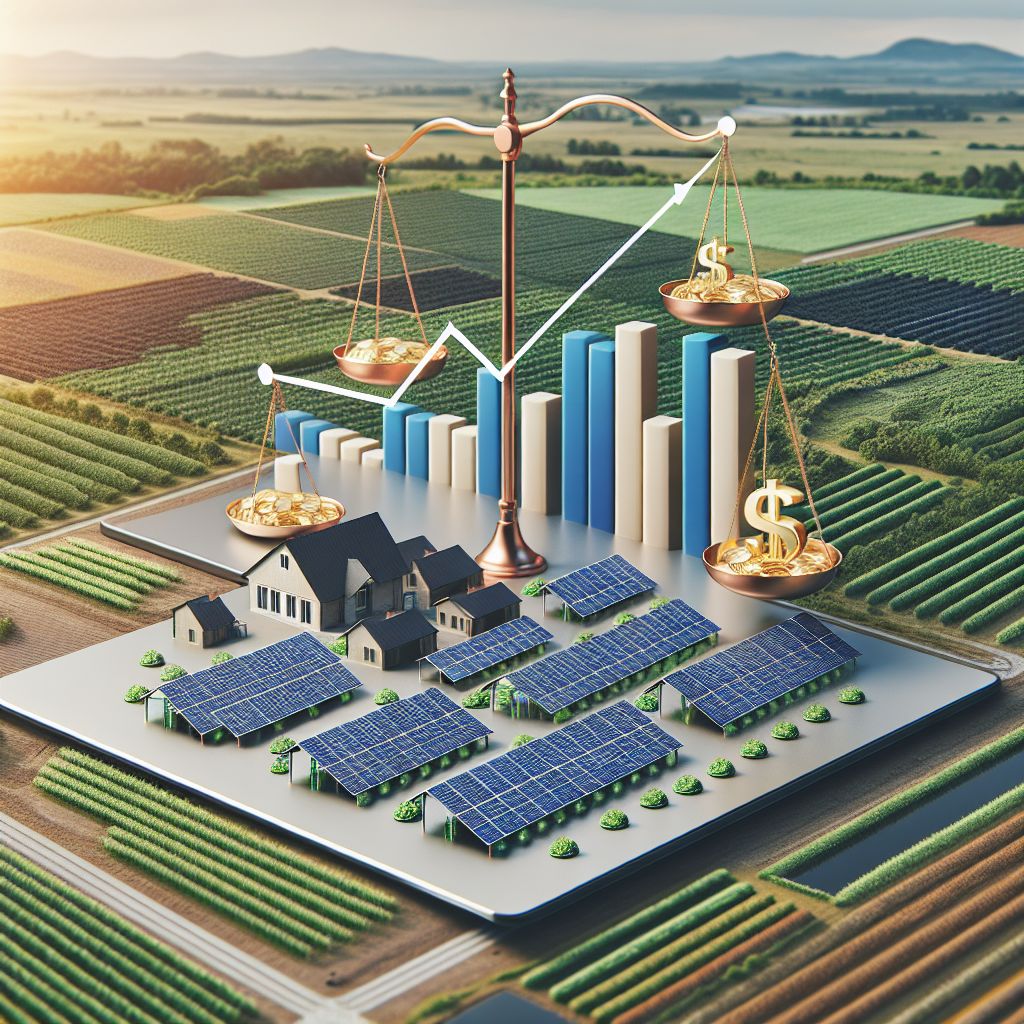
Available Incentives Make Solar More Affordable for Farmers
The agricultural sector enjoys some of the most advantageous incentive programs for solar adoption. These financial support mechanisms substantially reduce initial costs and improve project economics. Understanding and maximizing these incentives can make the difference between a good investment and an exceptional one.
Federal Tax Credits and Depreciation Benefits
The federal Investment Tax Credit (ITC) allows farm businesses to deduct 30% of solar system costs directly from their federal tax liability. Unlike a deduction, this credit reduces taxes dollar-for-dollar, effectively providing an immediate 30% discount on the system. Additionally, agricultural businesses can utilize Modified Accelerated Cost Recovery System (MACRS) depreciation, allowing them to depreciate the remaining system value over just 5 years, creating valuable tax benefits in the early years after installation.
For farms structured as pass-through entities like LLCs or S-Corporations, these tax benefits flow directly to the owners’ personal tax returns. Proper tax planning around these incentives can sometimes completely offset tax liabilities for multiple years, providing benefits beyond just the solar project itself.
USDA REAP Grants and Loans
- Grants cover up to 25% of eligible project costs
- Guaranteed loans available for up to 75% of project costs
- Combined grant and loan funding cannot exceed 75% of costs
- Application windows typically open twice annually
- Competitive scoring system favors high-efficiency projects
- Technical assistance for application preparation available through state energy offices
The USDA’s Rural Energy for America Program (REAP) provides specific support for agricultural energy projects. These grants can cover up to 25% of eligible project costs, substantially improving financial returns. The application process requires detailed energy audits and project plans, but successful applicants receive non-repayable funding that dramatically improves project economics.
State-Specific Agricultural Solar Programs
Many states offer additional incentives specifically targeting agricultural solar adoption. These programs range from direct rebates to production-based incentives that pay for each kilowatt-hour generated. California’s Net Energy Metering Aggregation (NEMA) program, for instance, allows farmers to credit solar production against multiple electric meters across their property, maximizing the value of their solar generation. Massachusetts offers its SMART program with agricultural adders that increase compensation rates for farm-based solar installations.
State agricultural departments often provide technical assistance and specialized grants that can be combined with energy-specific incentives. These stacked incentives can sometimes cover 50-60% of total project costs, dramatically improving returns and shortening payback periods to as little as 3-4 years in optimal cases. For farmers interested in sustainable practices, exploring solar-powered irrigation systems can be a worthwhile investment.
Utility Company Rebates and Net Metering
Local utilities frequently offer additional incentives for solar installations, particularly in areas where grid capacity is constrained. These programs may include upfront rebates, performance-based incentives, or favorable net metering policies. Net metering allows farmers to receive retail credit for excess electricity fed back to the grid, effectively using the utility as a battery storage system without additional equipment costs. To learn more about solar-powered systems for farmers, explore solar-powered irrigation systems and their benefits.
Some utilities are now offering agricultural-specific solar programs that recognize the unique benefits farms provide to the grid. These include flexible load management options and special time-of-use rates that maximize the value of solar production. Farmers should consult with their utility representatives early in the planning process to identify all available programs.
Environmental Benefits Beyond the Bottom Line
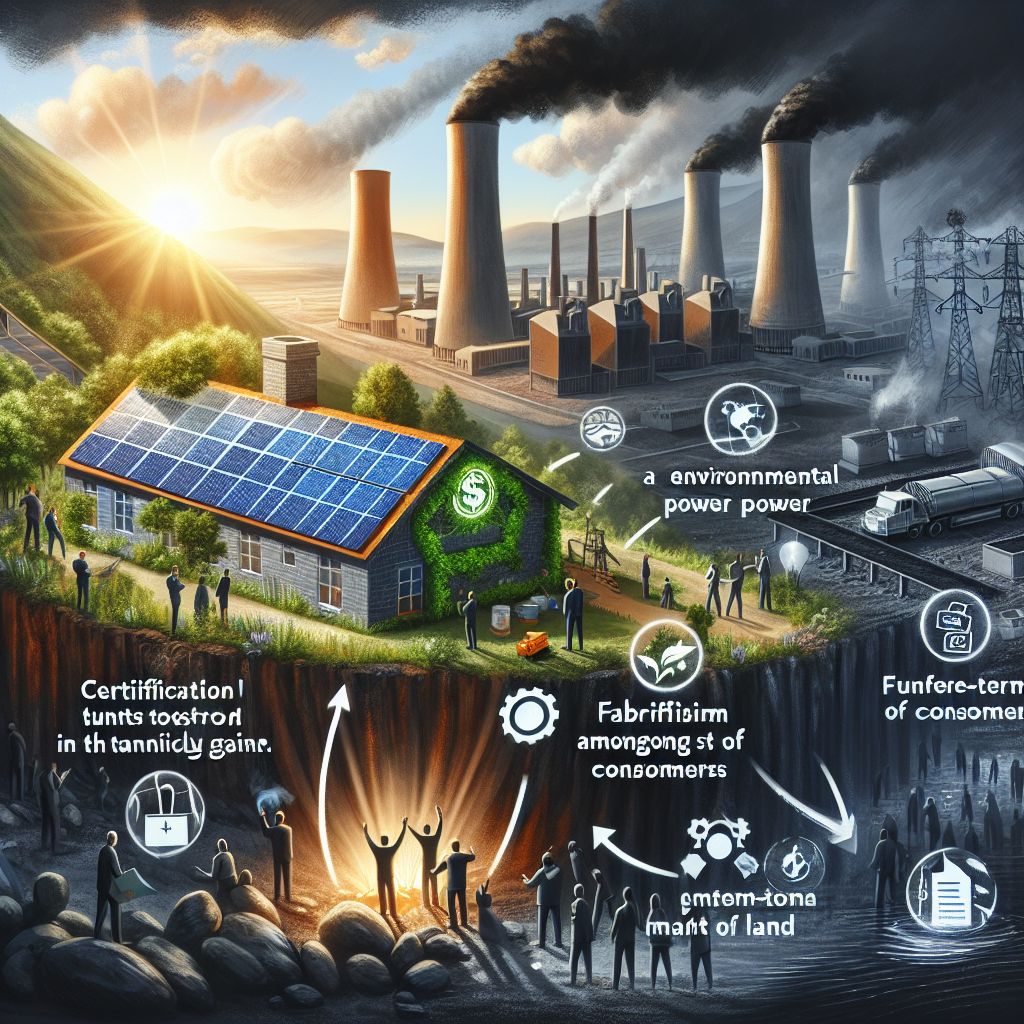
While financial considerations often drive initial interest in solar power, the environmental benefits provide additional value that extends beyond direct economic returns. These sustainability advantages can translate into tangible benefits through certification programs, consumer preferences, and long-term land stewardship.
Carbon Footprint Reduction
Agricultural operations that adopt solar power typically reduce their carbon emissions by 30-100 tons annually per 100kW of installed capacity, depending on the local electricity generation mix. Over a 25-year system lifespan, this represents thousands of tons of avoided emissions. For farms focused on sustainable practices, this quantifiable environmental benefit complements other carbon-reduction strategies like no-till farming, rotational grazing, and precision fertilizer application.
The emissions reductions can be formally documented through carbon credit programs, potentially creating another revenue stream. As carbon markets mature, these credits may become increasingly valuable, providing additional financial return on solar investments. Some agricultural cooperatives are now aggregating carbon credits from multiple member farms to access premium carbon markets previously unavailable to individual operations.
Water Conservation Advantages
Solar electricity production requires virtually no water, unlike many conventional generation methods. By shifting farm power consumption to solar, operations reduce their indirect water footprint significantly. When combined with solar-powered precision irrigation systems, farms can dramatically improve their overall water efficiency—an increasingly valuable benefit in drought-prone regions.
For operations in water-stressed areas, demonstrable water conservation creates goodwill with both regulators and neighboring communities. This social license to operate represents an intangible but important benefit, particularly as water resources become increasingly contested in agricultural regions.
Sustainable Farming Certification Opportunities
Renewable energy adoption frequently helps farms qualify for various sustainability certifications that command premium prices. Organic certification programs increasingly consider energy sources in their evaluation criteria, and specialized certifications like Regenerative Organic specifically award points for renewable energy implementation. The USDA’s Climate-Smart Commodities program now provides financial incentives for documented emissions reductions, including those achieved through solar adoption.
These certifications open access to premium markets where environmentally conscious consumers willingly pay more for sustainably produced goods. For direct-to-consumer operations, visible solar installations become powerful marketing tools that demonstrate environmental commitment. Many farms report that their solar installations have become conversation starters that help build customer loyalty and differentiate their products in competitive markets.
Planning Your Farm’s Solar System: A Step-by-Step Guide
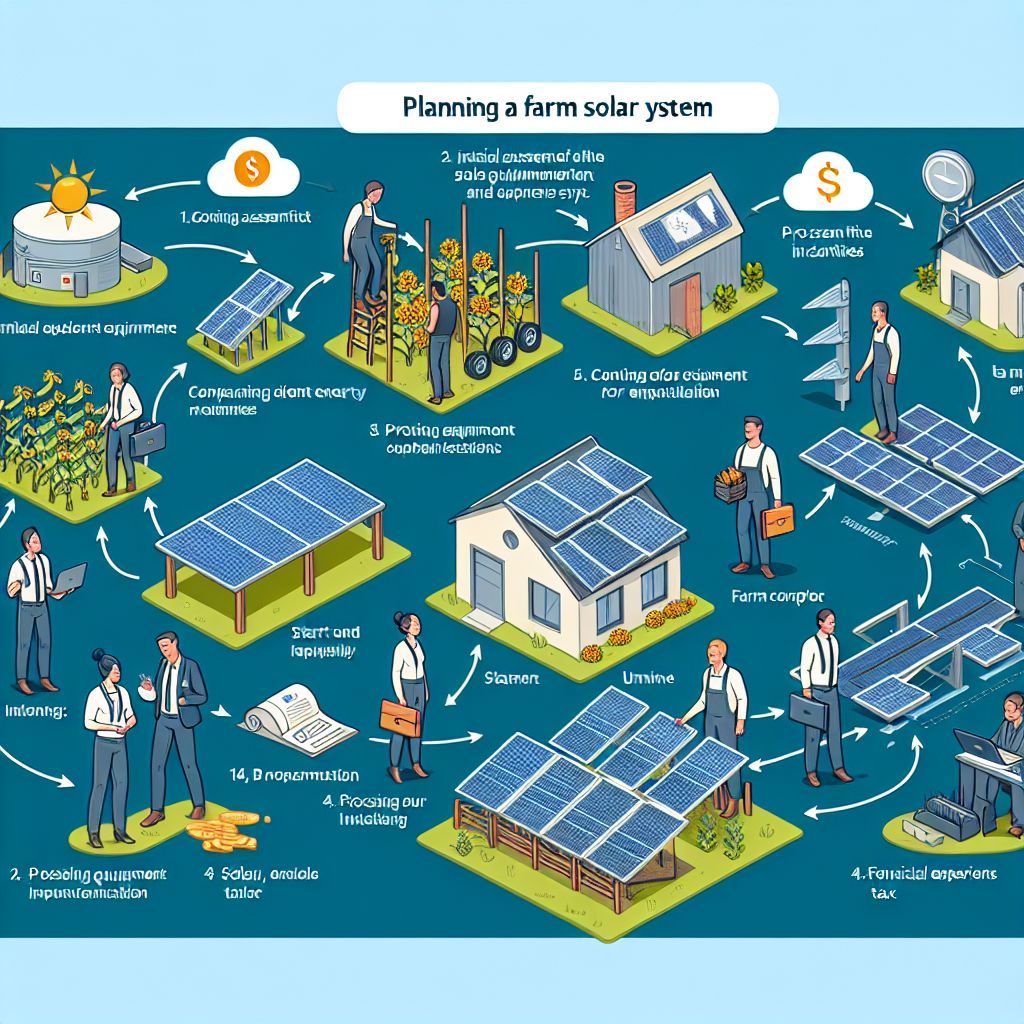
Successful agricultural solar projects require careful planning and execution. Following a structured approach ensures that systems meet specific farm needs while maximizing financial returns and operational benefits.
The planning process typically takes 3-6 months from initial assessment to installation. This timeline allows for thorough energy analysis, comparison of equipment options, and processing of permit applications and incentive paperwork. Rushing this process often leads to suboptimal system design or missed incentive opportunities.
Involving key stakeholders—including farm employees who manage equipment, financial advisors who understand tax implications, and utility representatives—creates a more comprehensive plan and builds internal support for the project. This collaborative approach identifies potential challenges early and ensures the system meets actual operational needs rather than theoretical specifications.
- Review 12-36 months of electricity bills to establish baseline usage
- Identify peak consumption periods and align with solar production patterns
- Consider planned expansions or equipment changes that will affect future energy needs
- Evaluate potential installation locations for sun exposure, soil conditions, and proximity to electrical infrastructure
- Research available incentives and application deadlines
- Obtain multiple quotes from agricultural solar specialists
Assessing Your Farm’s Energy Needs
Comprehensive energy assessment forms the foundation of effective solar planning. This process involves analyzing at least 12 months of electricity bills to identify consumption patterns, peak demand periods, and seasonal variations. Specialized agricultural energy audits can identify efficiency opportunities that might reduce overall system size requirements. These audits typically examine motors, pumps, refrigeration equipment, and lighting systems to identify upgrade opportunities that complement solar installation.
Choosing the Right Panel Type for Agricultural Settings
Agricultural environments present unique challenges that influence panel selection. Dust, pollen, and particulate matter from field operations can accumulate on panel surfaces, making self-cleaning technologies particularly valuable. Monocrystalline panels typically offer the highest efficiency (17-22%) and smallest footprint but come at premium prices. Polycrystalline options provide slightly lower efficiency (13-17%) at more moderate costs. Thin-film panels offer the lowest cost per watt despite lower efficiency (10-13%). PERC (Passivated Emitter and Rear Cell) panels are a newer technology that enhances the efficiency of traditional monocrystalline and polycrystalline panels by adding a layer that reflects unused sunlight back into the cell. This innovation can significantly boost energy output, especially in low-light conditions.
Choosing the right type of solar panel for your system is crucial. Consider the specific needs of your operations, the available space, and your budget. This below table will help you choose the right one:
|
Type of Solar Panel |
Advantages |
Disadvantages |
|---|---|---|
|
Monocrystalline Solar Panels | ||
|
– Performance drops slightly in extreme heat. 1 | ||
|
– Performs well in low-light conditions (cloudy days, mornings). 1, 2 | ||
|
Polycrystalline Solar Panels |
– Cost-effective option, suitable for large-scale installations. 1, 3 |
– Lower efficiency (13-17%) compared to monocrystalline panels. 1, 3 |
|
– Durable and handles heat well. 3 |
– Requires more space for the same energy output as monocrystalline panels. 3 | |
|
– Affordable initial investment, often offset by government incentives. 3 | ||
|
Thin-Film Solar Panels |
– Lightweight, flexible, and easy to install on unconventional surfaces (e.g., curved roofs)1, 5, 7 |
– Lowest efficiency (10-13%) among the options, requiring more space for equivalent output.5, 7 |
|
– Performs well in high temperatures and low-light conditions, ideal for diverse climates. 5, 7 |
– Shorter lifespan (10-20 years) compared to crystalline panels. 5, 7 | |
|
– Cost-effective with lower production and installation costs. 5, 7 |
– Bulkier installations needed for larger-scale energy production.5 | |
|
PERC Solar Panels |
– Enhanced efficiency (Up to 22% or higher) due to passivation layer, capturing more sunlight. 4 |
– Higher cost than traditional Monocrystalline panels, but prices are becoming comparable. 4 |
|
– Performs well in low-light and high-temperature conditions, ideal for varied climates. 2, 4 |
– Technology may be less familiar, requiring specialized installation expertise. 4 | |
|
– Maximizes energy output in limited space, suitable for farms with restricted installation areas. 4 |
This table provides a comparison of solar panel options for farmers, highlighting their suitability based on efficiency, cost, durability, and space requirements. Farmers should consider their specific energy needs, budget, and available installation area when making a decision.
Ideal Placement: Ground-Mounted vs. Rooftop Installations
Farms typically have multiple potential installation locations, each with distinct advantages. Rooftop systems on barns or equipment sheds utilize otherwise unused space and typically face fewer permitting hurdles. Ground-mounted systems offer easier maintenance access and optimal orientation but require dedicated land area. Innovative approaches like solar shade structures over livestock areas provide dual benefits—generating electricity while creating valuable shade that reduces heat stress in animals. For those interested in irrigation, consider exploring solar-powered furrow irrigation systems for additional benefits.
Working with Agricultural Solar Specialists
Selecting installers with specific agricultural experience ensures systems that address farm-specific challenges like dust management, equipment clearances, and integration with irrigation controls. These specialists understand agricultural electrical loads and can design systems that accommodate the unique power quality needs of equipment like variable frequency drives and refrigeration compressors. They’ll also be familiar with agricultural-specific incentive programs that general solar contractors might overlook.
Take Your Farm into the Future with Solar Power
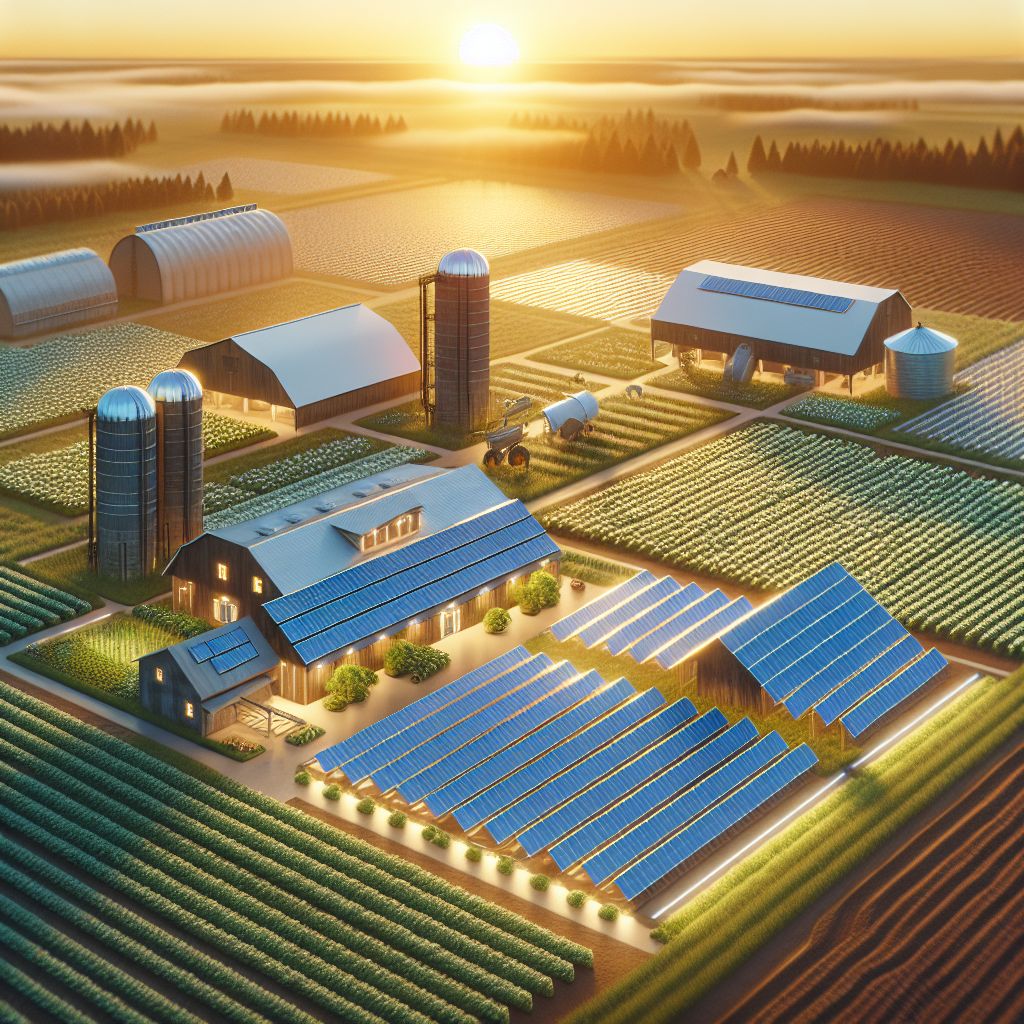
Solar technology continues evolving rapidly, with efficiency improvements and cost reductions making agricultural applications increasingly attractive. Forward-thinking farmers who implement solar systems position themselves advantageously for future developments in agricultural technology, energy markets, and consumer preferences. Discover how solar-powered irrigation systems can further enhance these advantages.
|
Farm Type |
Typical System Size |
Primary Applications |
Special Considerations |
|---|---|---|---|
|
Dairy Farm |
100-300kW |
Milking equipment, refrigeration, ventilation |
Consistent daily load profile, excellent ROI potential |
|
Row Crops |
50-150kW |
Irrigation, grain drying, cold storage |
Seasonal load variations, potential for agrivoltaics |
|
Poultry |
75-200kW |
Climate control, lighting, feed systems |
Critical backup power needs, high energy density |
|
Greenhouse |
30-100kW |
Supplemental lighting, heating, ventilation |
Year-round production, specialized lighting needs |
Emerging technologies like agrivoltaics—the practice of growing crops beneath elevated solar panels—demonstrate how solar can enhance rather than compete with agricultural production. Research shows that certain crops actually perform better under the diffused light and improved moisture retention created by overhead panels. This dual-use approach maximizes land productivity while addressing both energy and food production needs.
As the agricultural sector faces increasing climate challenges, energy independence becomes not just economically advantageous but operationally essential. Solar power provides resilience against grid disruptions, protection against volatile energy prices, and alignment with consumer demand for sustainable products. Forward-thinking farmers recognize that renewable energy adoption represents not an operational cost but a strategic investment in their farm’s long-term viability and competitive position. AgriSolar Solutions remains committed to helping agricultural operations navigate this critical transition toward energy independence and sustainability.
Frequently Asked Questions
The following questions address common concerns and misconceptions about agricultural solar implementations. Understanding these practical considerations helps farmers develop realistic expectations and make informed decisions about solar adoption.
How long do solar panels last on a farm?
Modern solar panels typically carry 25-30 year performance warranties that guarantee at least 80% of original output capacity by the end of the warranty period. In practice, quality panels often maintain 90% or better performance at the 25-year mark and continue functioning well beyond their warranty periods. Studies of early solar installations show minimal degradation even after 40+ years of operation. For farmers looking to maximize efficiency, drones can boost solar panel efficiency and ensure long-term performance.
Agricultural environments can present challenges like dust accumulation, ammonia exposure in livestock facilities, and potential physical impacts from equipment. However, these factors can be mitigated through proper installation techniques, periodic cleaning, and appropriate panel selection. Panels with strengthened glass, robust framing, and quality seals perform exceptionally well even in demanding farm conditions.
Can I install solar panels myself on my farm?
While DIY installation may seem appealing from a cost perspective, agricultural solar systems involve complex electrical integration, structural considerations, and incentive compliance requirements that typically necessitate professional installation. Most rebate programs and tax incentives require certified installers, and improper installation can void equipment warranties. Additionally, farm insurance policies may have specific requirements regarding solar installation credentials.
A more practical approach for hands-on farmers involves partnership with professional installers where the farm team handles certain aspects like ground preparation or mounting structure installation under professional supervision. This collaborative approach can reduce costs while ensuring system quality and incentive eligibility. The critical electrical connections and system commissioning should always be performed by certified professionals familiar with agricultural electrical systems.
Will solar panels work during cloudy weather or winter months?
Solar panels continue producing electricity during cloudy weather, typically generating 10-25% of their rated capacity depending on cloud density. Modern panels incorporate technologies that enhance performance in diffuse light conditions, improving cloudy-day production. Even in northern regions with significant winter cloud cover, properly sized systems can meet substantial portions of farm energy needs year-round.
Seasonal production variations can be addressed through net metering arrangements that credit summer overproduction against winter consumption. In snowy regions, panels’ dark surfaces and angled installations promote snow shedding, and the reflective properties of snow can actually boost production on clear winter days through increased light reflection. Strategic system sizing accounts for these seasonal variations to ensure year-round value.
Can I sell excess electricity back to the grid from my farm?
Most states offer net metering or similar programs that allow farms to receive credits for excess electricity fed back to the grid. These arrangements effectively allow farmers to use the utility grid as a battery, banking excess production during sunny periods for use during nighttime or cloudy days. The specific compensation rates and terms vary significantly by location, with some utilities offering retail-rate credits while others provide wholesale or avoided-cost rates.
How do I maintain solar panels in dusty farm environments?
Agricultural environments present unique maintenance challenges due to dust from field operations, pollen, bird droppings, and occasional debris. Most agricultural solar installations benefit from periodic cleaning—typically 1-4 times annually depending on local conditions. Automated cleaning systems, including rainfall sensors that trigger brief water sprays during natural precipitation, offer effective low-maintenance solutions for dusty environments.
Many agricultural installations incorporate tilt angles of 15-30 degrees, which facilitate natural cleaning during rainfall events. This self-cleaning effect reduces maintenance requirements while optimizing production. Regular visual inspections should check for any physical damage, unusual soiling patterns, or vegetation encroachment that might affect system performance.







Leave a Reply