
Key Takeaways
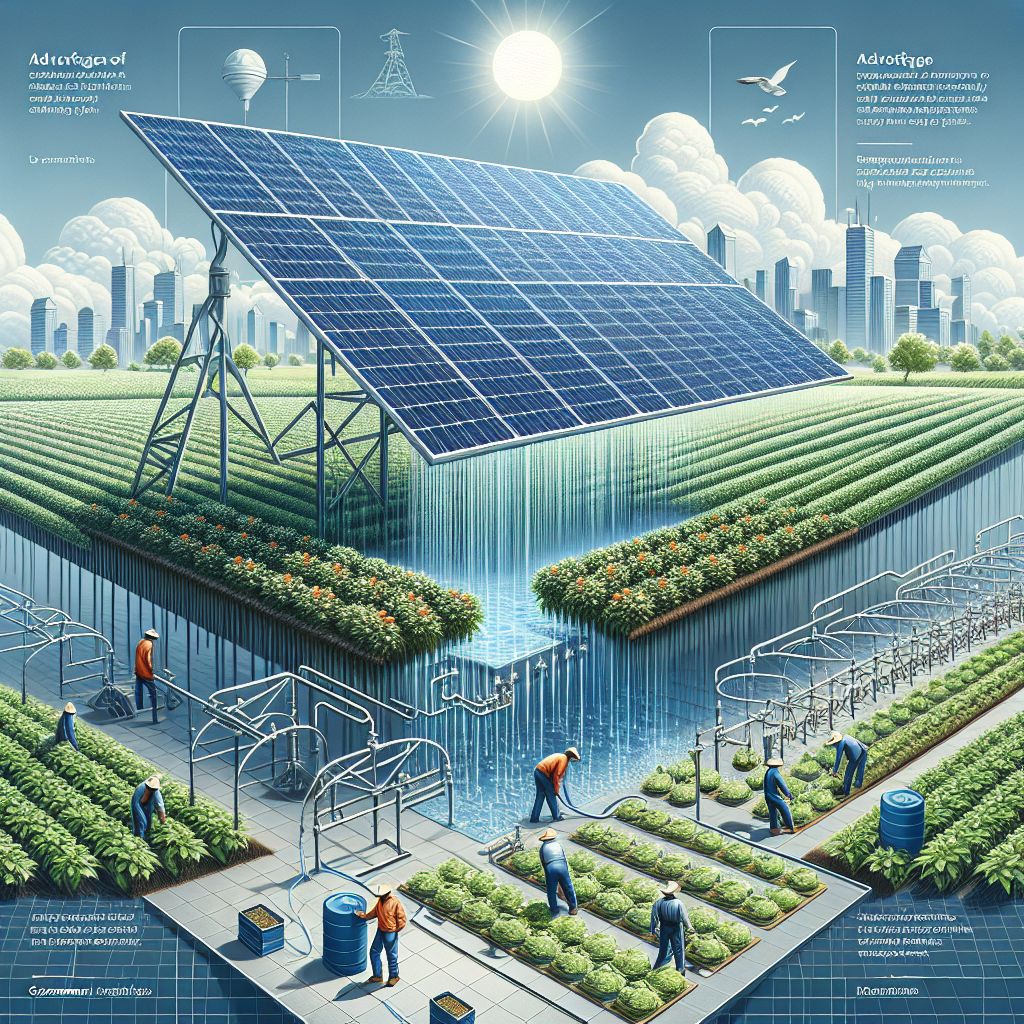
- Monocrystalline solar panels offer high efficiency and durability, making them ideal for sustainable farming practices.
- Drip irrigation systems provide precise water delivery, reducing water waste and increasing crop yield.
- Integrating solar power with drip irrigation can significantly cut energy costs and boost farm productivity.
- Government incentives can help offset the initial costs of installing solar-powered irrigation systems.
- Regular maintenance and monitoring are crucial for optimizing the performance of solar-powered drip irrigation systems.
The Power of Monocrystalline Solar Panels in Farming
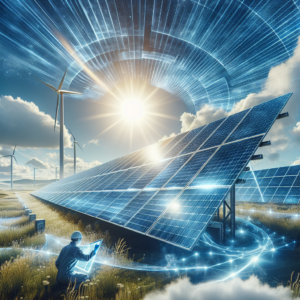
Harnessing the sun’s energy for farming isn’t just a futuristic dream; it’s a practical and effective solution that many farmers are adopting today. Monocrystalline solar panels are at the forefront of this revolution, providing a reliable and efficient power source for various agricultural applications.
Why Choose Monocrystalline Panels?
When it comes to solar panels, not all are created equal. Monocrystalline panels are known for their high efficiency and long lifespan. But why should a farmer choose them over other types? Here’s the scoop:
- Efficiency: These panels convert sunlight to electricity more efficiently than other types, meaning you get more power even in limited spaces.
- Durability: They are built to withstand harsh weather conditions, ensuring a longer service life.
- Space-saving: Due to their high efficiency, fewer panels are needed, saving valuable space on your farm.
For a farmer looking to optimize energy use, these panels provide a perfect blend of performance and practicality.
Advantages Over Other Solar Panel Types
While polycrystalline and thin-film panels are other options, monocrystalline panels stand out for several reasons. They are more efficient, particularly in low-light conditions, which is a critical factor during cloudy days or in regions with less sunlight.
Here’s a quick comparison: For those interested in sustainable farming, consider exploring solar technology to reduce fossil fuel dependency.
|
Solar Panel Type |
Efficiency |
Cost per Watt |
Pros |
Cons |
|---|---|---|---|---|
|
Monocrystalline |
17-22% |
$1.00 – $1.50 |
– Highest efficiency. 1, 3 |
– Most expensive option. 1, 3 |
|
Polycrystalline |
13-17% |
$0.90 – $1.20 |
– Lower cost than monocrystalline. 1, 3 |
– Slightly lower efficiency. 1, 3 |
|
Thin-Film |
10-13% |
$0.70 – $1.00 |
– Lowest cost. 1, 3 |
– Lowest efficiency. 1, 3 |
Environmental Impact and Sustainability
Besides their efficiency, monocrystalline panels contribute significantly to sustainable farming practices. By reducing reliance on fossil fuels, they help lower carbon footprints and promote cleaner energy use on farms. This not only benefits the environment but also aligns with global efforts towards sustainability.
Moreover, using solar power can lead to substantial savings in energy costs, freeing up resources that can be reinvested into other areas of the farm, such as expanding crop varieties or improving soil health.
Drip Irrigation Systems: Maximizing Water Efficiency
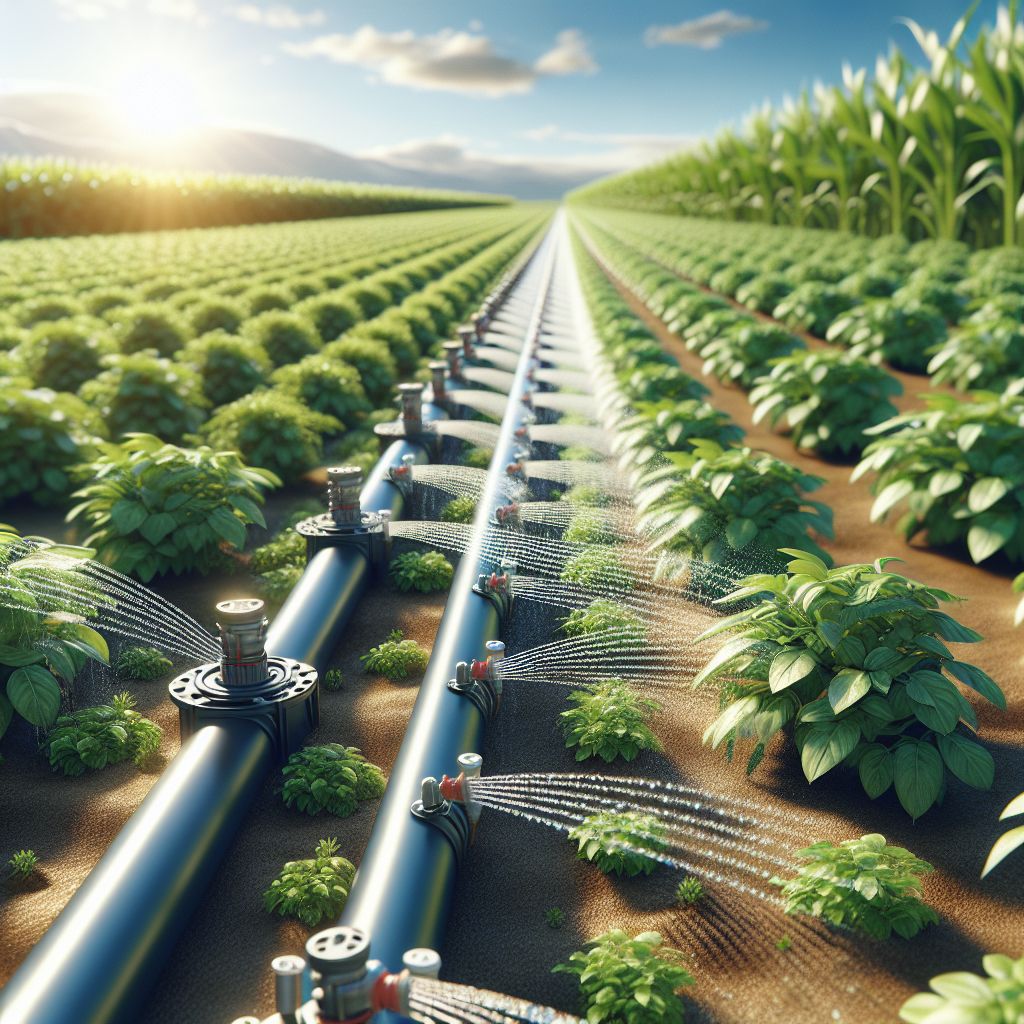
Water is a precious resource, and in farming, its efficient use is paramount. Drip irrigation systems are designed to deliver water directly to the plant roots, minimizing evaporation and runoff. This method not only conserves water but also ensures that crops receive the precise amount they need to thrive.
How Drip Irrigation Works
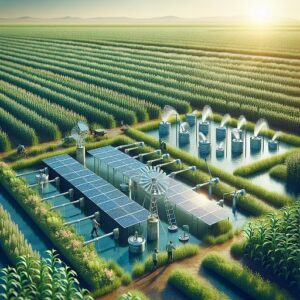
Drip irrigation systems consist of a network of tubes and emitters that distribute water slowly and evenly. Here’s a simple breakdown of how they operate:
- Water is pumped through a mainline to the laterals.
- Emitters along the laterals release water directly to the plant base.
- The flow rate can be adjusted to meet specific crop requirements.
This targeted approach reduces water waste and promotes healthier plant growth, making it an ideal choice for sustainable farming.
Water Conservation Benefits
One of the most compelling advantages of drip irrigation is its water-saving capability. By delivering water directly to the roots, it eliminates the inefficiencies of traditional irrigation methods such as overhead sprinklers.
“Drip irrigation can reduce water usage by 30-50% compared to conventional methods, making it a game-changer for water-scarce regions.” – Sustainable Agriculture Expert
With water conservation becoming increasingly critical, especially in arid regions, drip irrigation offers a practical solution for farmers aiming to reduce their environmental impact.
Comparisons with Other Irrigation Methods
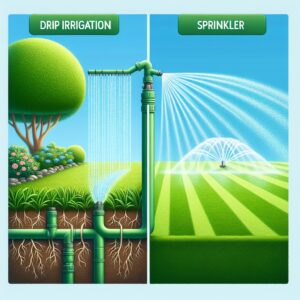
Drip irrigation systems offer numerous advantages over various traditional irrigation methods. They are particularly suited for water-scarce regions, sustainable agriculture, and high-value crops. While other methods like surface and sprinkler irrigation may still hold value in certain contexts, the need for efficiency and responsible water use is pushing more gardeners and farmers toward drip irrigation. Lets take a look at those 2 systems and compair them with drip irrigation.
1. Surface Irrigation
Overview: This traditional method involves the direct application of water to the soil surface, allowing it to flow over the field by gravity.
Advantages:
- Low initial investment costs
- Simple and easy to implement, especially in flat terrain
- Works well with many soil types and climates
Drawbacks:
- Can cause waterlogging and soil erosion
- Inefficient water use due to evaporation and deep percolation losses
- Requires significant labor to manage the system
Comparison with Drip Irrigation: While surface irrigation is easy to implement and low-cost, it is notoriously inefficient compared to drip irrigation, which minimizes waste and delivers water directly to the plants’ roots. Drip systems can help conserve water, particularly in arid regions.
2. Sprinkler Irrigation
Overview: Sprinkler irrigation uses a system of pipes, pumps, and sprinklers to spray water over crops, simulating natural rainfall.
Advantages:
- Can cover large areas and diverse crop types
- Adaptable to various terrains
- Effective for both large and small fields
Drawbacks:
- Higher initial installation costs than surface irrigation
- Inefficient in windy conditions due to water drift
- Evaporation losses can be significant, especially in hot climates
Comparison with Drip Irrigation: Although sprinkler systems are versatile and can irrigate a wide range of crops, drip irrigation is typically more efficient in terms of water use. Drip systems deliver water directly to the root zone, reducing evaporation and ensuring optimal moisture levels for
Integrating Solar Power with Drip Irrigation
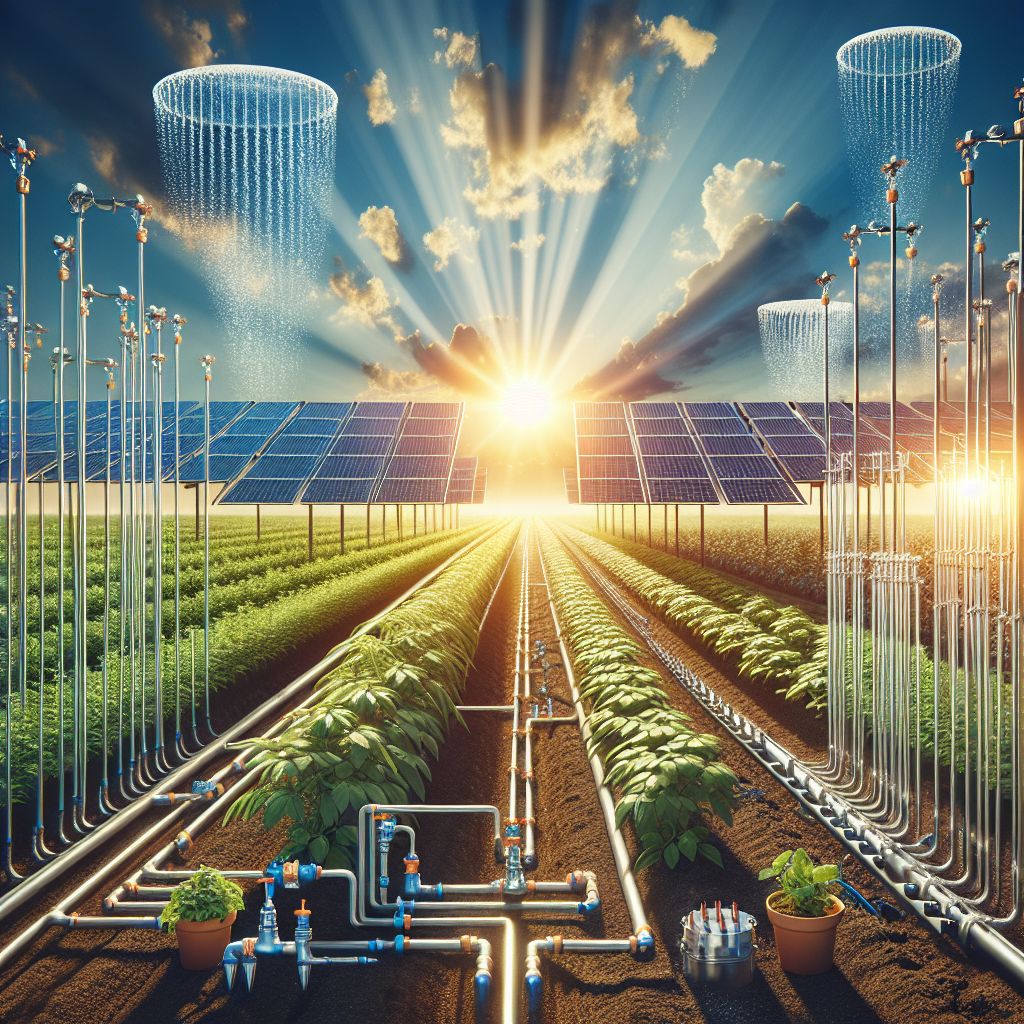
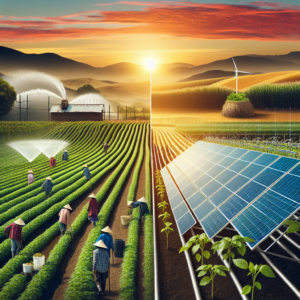
Combining solar power with drip irrigation is a smart move for any farmer looking to boost efficiency and sustainability. This integration not only harnesses renewable energy but also optimizes water usage, creating a win-win situation for both the environment and agricultural productivity.
Installation and Setup Process
Setting up a solar-powered drip irrigation system involves several key steps. First, assess your farm’s energy and water needs to determine the appropriate size and capacity of the solar panels and irrigation components. It’s crucial to choose monocrystalline panels for their efficiency and durability.
Next, install the solar panels in a location that receives maximum sunlight throughout the day. Connect the panels to a solar inverter, which will convert the solar energy into electricity. This electricity powers the water pump, which feeds water into the drip irrigation system.
Finally, lay out the drip lines and emitters according to your crop layout. Make sure the system is calibrated to deliver the right amount of water to each plant. Regular monitoring and adjustments may be necessary to ensure optimal performance.
Common Challenges and Solutions
While solar-powered drip irrigation systems offer numerous benefits, they also come with challenges. One common issue is the initial cost of installation, which can be significant. However, various financing options and government incentives can help offset these costs.
Another challenge is maintaining the system, especially in areas with fluctuating weather conditions. Regular cleaning of the solar panels and inspection of the irrigation lines can prevent issues related to dirt buildup and clogging.
Lastly, energy storage can be a concern during cloudy days or nighttime. Investing in a reliable battery storage system can ensure a consistent energy supply, keeping your irrigation system running smoothly.
Technology Advancements Enhancing Efficiency
Recent advancements in solar and irrigation technologies are making these systems more efficient and user-friendly. For instance, smart irrigation controllers can automatically adjust watering schedules based on weather forecasts and soil moisture levels, further conserving water and energy.
Moreover, innovations in solar panel technology, such as bifacial panels that capture sunlight from both sides, are increasing energy output without requiring additional space.
These advancements not only enhance the performance of solar-powered drip irrigation systems but also make them more accessible to farmers of all sizes. As technology continues to evolve, we can expect even greater efficiencies and cost savings.
“With the integration of smart technology, farmers can achieve up to 70% savings in water and energy usage, maximizing their resources while minimizing their environmental footprint.” – Sustainable Farming Advocate
Economic Benefits for Farmers Using Monocrystalline Solar Panels with a Drip Irrigation System
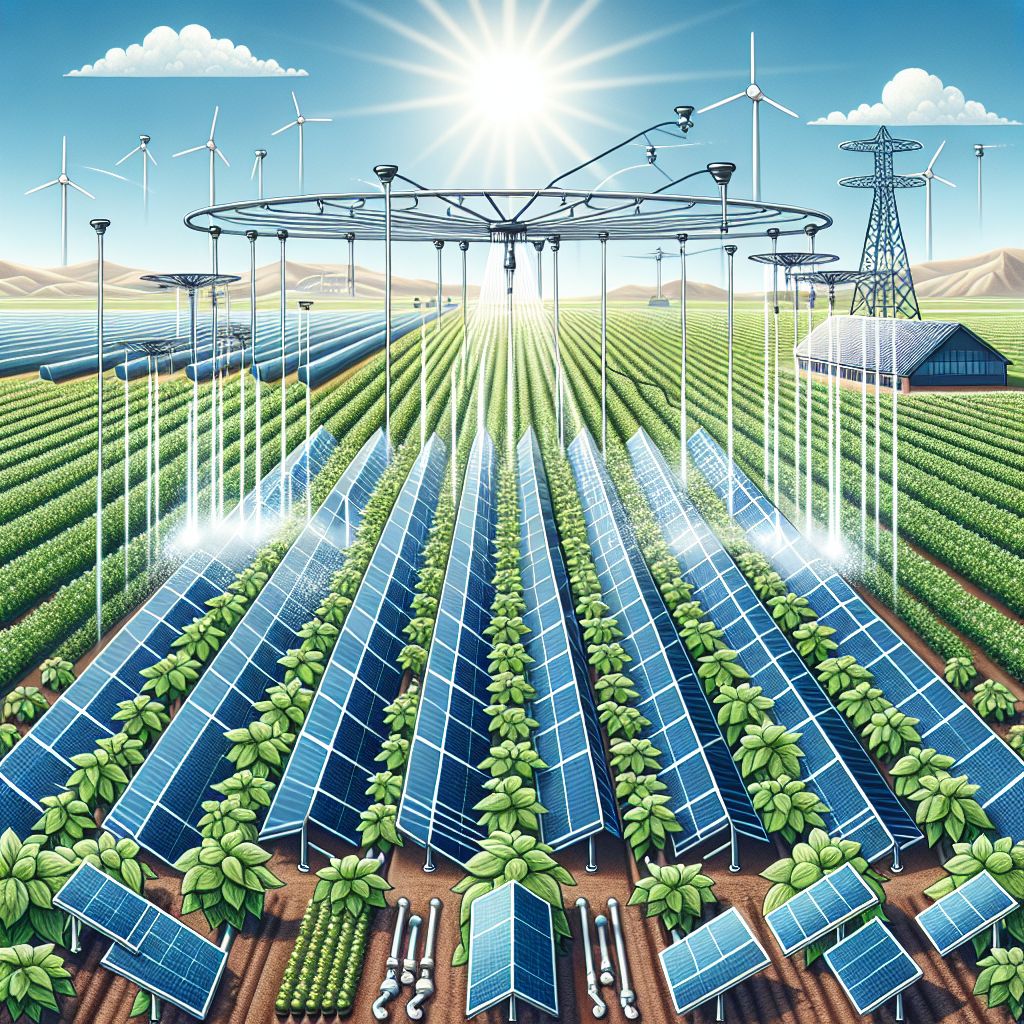
Integrating monocrystalline solar panels with drip irrigation systems isn’t just about sustainability; it’s also a sound economic decision. This combination can lead to significant cost savings and increased farm profitability.
Cost Analysis and Potential Savings
The initial investment in solar panels and drip irrigation components can be substantial, but the long-term savings are worth it. By reducing reliance on traditional energy sources, farmers can lower their electricity bills significantly. In many cases, the system can pay for itself within a few years.
Additionally, the precise water delivery of drip irrigation reduces water usage, leading to lower water bills and improved crop yields. These savings can be reinvested into the farm, further enhancing productivity and sustainability. For more information on optimizing your irrigation system, explore the best irrigation systems to work with solar panels.
Government Incentives and Subsidies
Many governments offer incentives and subsidies to encourage the adoption of renewable energy and efficient irrigation practices. These can include tax credits, grants, and low-interest loans, which can significantly reduce the upfront costs of installation.
Farmers should research available programs in their region and take advantage of these opportunities to make their transition to solar-powered drip irrigation more affordable.
Return on Investment Timeline
The return on investment (ROI) for a solar-powered drip irrigation system can vary depending on several factors, including the size of the farm, local energy prices, and available incentives. However, many farmers see a positive ROI within 5 to 10 years.
By carefully planning and optimizing the system, farmers can maximize their returns and enjoy the benefits of reduced operational costs and increased crop yields over the long term.
Here’s a table comparing the economic benefits for farmers using monocrystalline solar panels with a drip irrigation system versus a traditional drip irrigation system:
|
Aspect |
Monocrystalline Solar + Drip Irrigation |
Traditional Drip Irrigation |
|---|---|---|
|
Energy Costs |
Significantly reduced or eliminated 1 |
Ongoing electricity expenses |
|
Efficiency |
High efficiency (17-22%) 1 |
Standard efficiency |
|
Lifespan |
Over 25 years for solar panels 1 |
Varies, typically shorter |
|
Maintenance Costs |
Low for solar panels, standard for irrigation |
Standard maintenance costs |
|
Water Usage |
20-48% reduction in water consumption 2 |
Standard water consumption |
|
Fertilizer Usage |
Up to 28.5% reduction in fertilizer use 2 |
Standard fertilizer use |
|
Initial Investment |
Higher upfront costs |
Lower upfront costs |
|
Long-term Savings |
Substantial over system lifetime |
Limited to water savings |
|
Energy Independence |
High, reduced reliance on grid 3 |
Dependent on grid electricity |
|
Government Incentives |
Eligible for solar incentives and tax credits 3 |
Limited or no incentives |
|
Property Value |
Potential increase in farm value 3 |
No significant impact |
|
Income Diversification |
Possible through net metering 3 |
Not applicable |
|
Operational Reliability |
Enhanced during power outages 3 |
Vulnerable to power outages |
|
Environmental Impact |
Significantly reduced carbon footprint |
Standard environmental impact |
|
Scalability |
Easily expandable solar capacity |
Limited to irrigation improvements |
Case Studies: Success Stories
Real-world examples of farmers successfully implementing solar-powered drip irrigation systems can provide valuable insights and inspiration for others considering this sustainable approach.
Innovations in Smaller Farms
Small-scale farmers have shown remarkable innovation in adopting these systems. For instance, a small farm in California integrated solar panels with drip irrigation to grow organic vegetables. The result was a 40% increase in crop yield and a 60% reduction in water usage.
Large-Scale Applications
On a larger scale, a vineyard in Spain installed a solar-powered drip irrigation system to manage water resources more efficiently. This not only reduced their environmental impact but also improved grape quality, leading to higher wine production and profits.
Community Impacts in Different Regions
In regions facing water scarcity, such as parts of Africa and India, solar-powered drip irrigation systems have transformed communities. By providing a reliable water source, these systems have increased food security and improved livelihoods.
These success stories highlight the potential of solar-powered drip irrigation to create positive change in various agricultural settings.
- Small farms can achieve significant savings and increased yields with solar-powered drip irrigation.
- Large-scale applications can enhance crop quality and profitability.
- Community impacts include improved food security and livelihoods in water-scarce regions.
Maintaining and Optimizing Your System
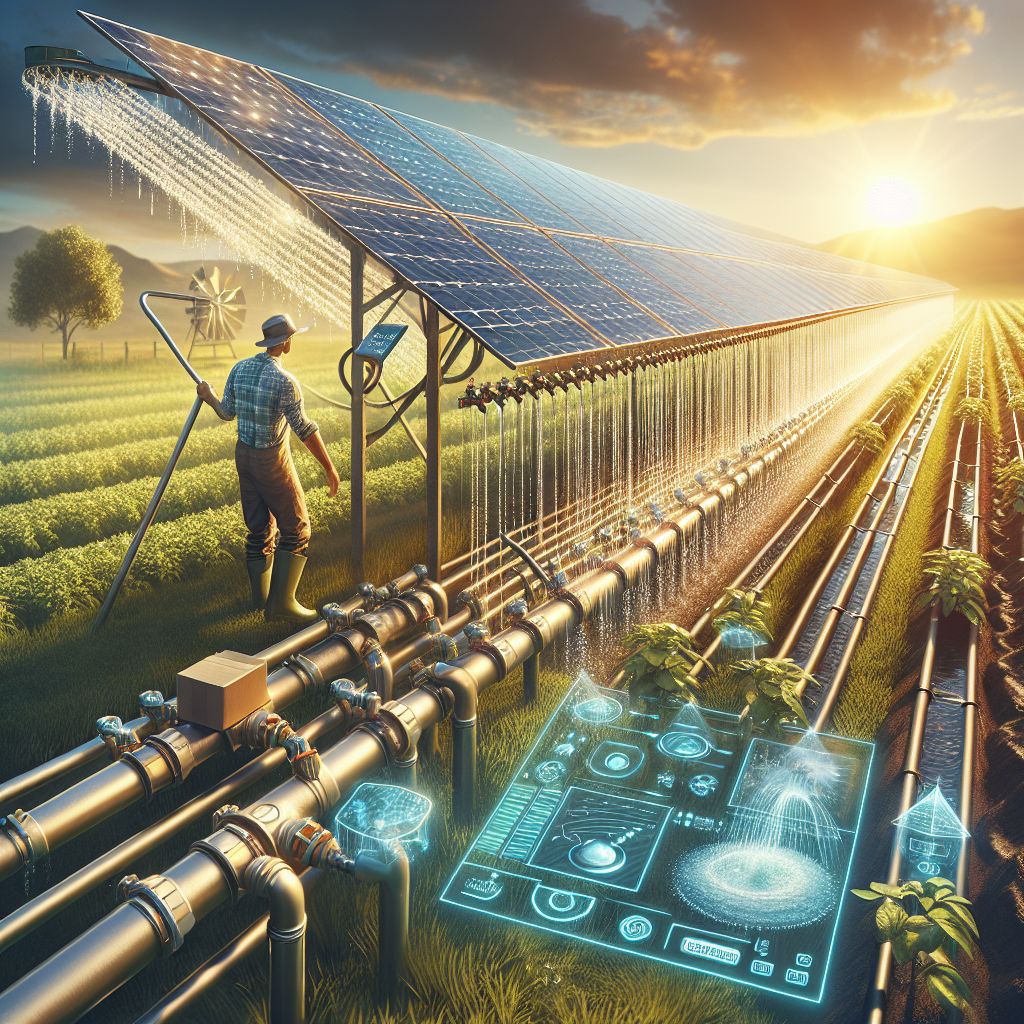
To ensure the longevity and effectiveness of your solar-powered drip irrigation system, regular maintenance and optimization are key. This includes cleaning the solar panels, checking for leaks or clogs in the irrigation lines, and monitoring system performance.
By staying proactive and addressing any issues promptly, farmers can maximize the benefits of their investment and continue to enjoy sustainable and efficient farming practices.
Regular Maintenance Tips
Keeping your solar-powered drip irrigation system in top shape requires regular maintenance. Start with the solar panels: clean them periodically to ensure they absorb maximum sunlight. Dust, bird droppings, and leaves can reduce their efficiency. Use a soft brush or a damp cloth to gently clean the surface.
Next, inspect the irrigation lines for any leaks or blockages. Clogs can occur due to dirt or mineral buildup, so flushing the system with clean water occasionally can help prevent these issues. It’s also wise to check the emitters to ensure they are dispensing water evenly.
Monitoring System Performance
Consistent monitoring of your system’s performance can prevent small issues from becoming major problems. Use sensors to track water usage and soil moisture levels. This data can help you adjust the irrigation schedule to meet your crops’ needs more precisely.
Consider investing in a smart irrigation controller. These devices can automate your system, adjusting water delivery based on weather forecasts and soil conditions. They can also send alerts to your phone if there’s a problem, allowing you to address issues promptly.
Future Trends and Upgrades
The future of solar-powered drip irrigation is bright, with continuous advancements in technology. Emerging trends include the integration of artificial intelligence (AI) to optimize water and energy use. AI can analyze data from various sources to make real-time decisions, further enhancing efficiency.
Another exciting development is the use of drones for monitoring and maintenance. Drones equipped with cameras and sensors can quickly survey large areas, identifying issues that may not be visible from the ground.
As these technologies become more accessible, farmers can look forward to even greater efficiencies and cost savings in their operations. For more insights on integrating these advancements, explore the best irrigation systems to work with solar panels.
Conclusion:
Monocrystalline solar panels combined with drip irrigation systems represent a powerful solution for sustainable farming. This combination not only conserves resources but also boosts productivity and profitability. By embracing these technologies, farmers can play a crucial role in promoting environmental sustainability while enhancing their own livelihoods.
Take Another Look at Key Points
To recap, monocrystalline solar panels offer high efficiency and durability, making them ideal for powering drip irrigation systems. This setup reduces energy and water usage, cutting costs and improving crop yields. With government incentives available, the initial investment can be more manageable, leading to significant long-term savings.
Is it a Good Investment for a Farmer to Use the Combination of Monocrystalline Solar Panels and a Drip Irrigation System on His Farm
Absolutely. The combination of monocrystalline solar panels and drip irrigation is not only a sound financial investment but also a step towards sustainable agriculture. With the potential for substantial savings, increased productivity, and reduced environmental impact, this system offers numerous benefits for farmers willing to embrace innovation.
Frequently Asked Questions (FAQ)
Many farmers have questions about integrating solar power with drip irrigation. Here are some common queries and their answers to help you make informed decisions. For more information on choosing the right solar panels, check out this article on efficient farm irrigation.
How long do monocrystalline solar panels last?
- Typically, monocrystalline solar panels last 25 to 30 years.
- They come with warranties that often cover 20 to 25 years.
- Regular maintenance can extend their lifespan beyond the warranty period.
Their durability and longevity make them a wise investment for long-term use.
What is the initial cost of setting up a solar-powered drip irrigation system?
The cost can vary based on several factors, including the size of the system and local prices. On average, farmers can expect to spend, but choosing the right solar panels can significantly impact overall expenses.
- $10,000 to $20,000 for a small-scale system.
- $50,000 to $100,000 for larger farms.
Government incentives and financing options can help reduce these costs significantly.
Can solar-powered systems function in cloudy conditions?
Yes, solar panels can still generate electricity on cloudy days, although at reduced efficiency. Monocrystalline panels are particularly effective in low-light conditions compared to other types.
For consistent energy supply, consider adding battery storage to your system. This allows you to store excess energy generated on sunny days for use during cloudy periods or at night. For more information on efficient energy solutions, explore the benefits of monocrystalline solar panels.
- Battery storage ensures a reliable energy supply regardless of weather conditions.
- Smart controllers can optimize energy use based on available resources.
How often should I maintain my irrigation system?
Regular maintenance is crucial for optimal performance. Inspect your system to ensure efficient farm irrigation.
- Monthly for leaks and clogs in the irrigation lines.
- Quarterly for solar panel cleaning and efficiency checks.
By keeping up with maintenance, you can prevent issues and ensure your system operates efficiently.
Are there any regional restrictions or regulations related to solar panels being used on a farm?
Regulations can vary by region, so it’s essential to check local zoning laws and building codes before installation. Some areas may have restrictions on panel placement or require permits. For more information on solar panel use in farming, consider reading about the rise of solar irrigation in modern farming.
Consult with local authorities or a solar installation expert to ensure compliance with all applicable regulations. They can provide guidance on the necessary steps and help you navigate any bureaucratic hurdles.
By staying informed and proactive, you can avoid potential legal issues and enjoy the benefits of solar-powered farming without any setbacks.

Leave a Reply