
Key Takeaways
- Solar-powered linear irrigation systems significantly reduce energy costs by using free solar energy.
- These systems improve water distribution efficiency, crucial for maximizing crop yields.
- Environmentally friendly, these systems contribute to sustainable farming practices.
- Monocrystalline panels are often the most efficient choice for farms with limited space.
- Proper placement and maintenance of solar panels are key to maximizing their efficiency and lifespan.
Solar-Powered Linear Irrigation: A Game Changer for Farmers
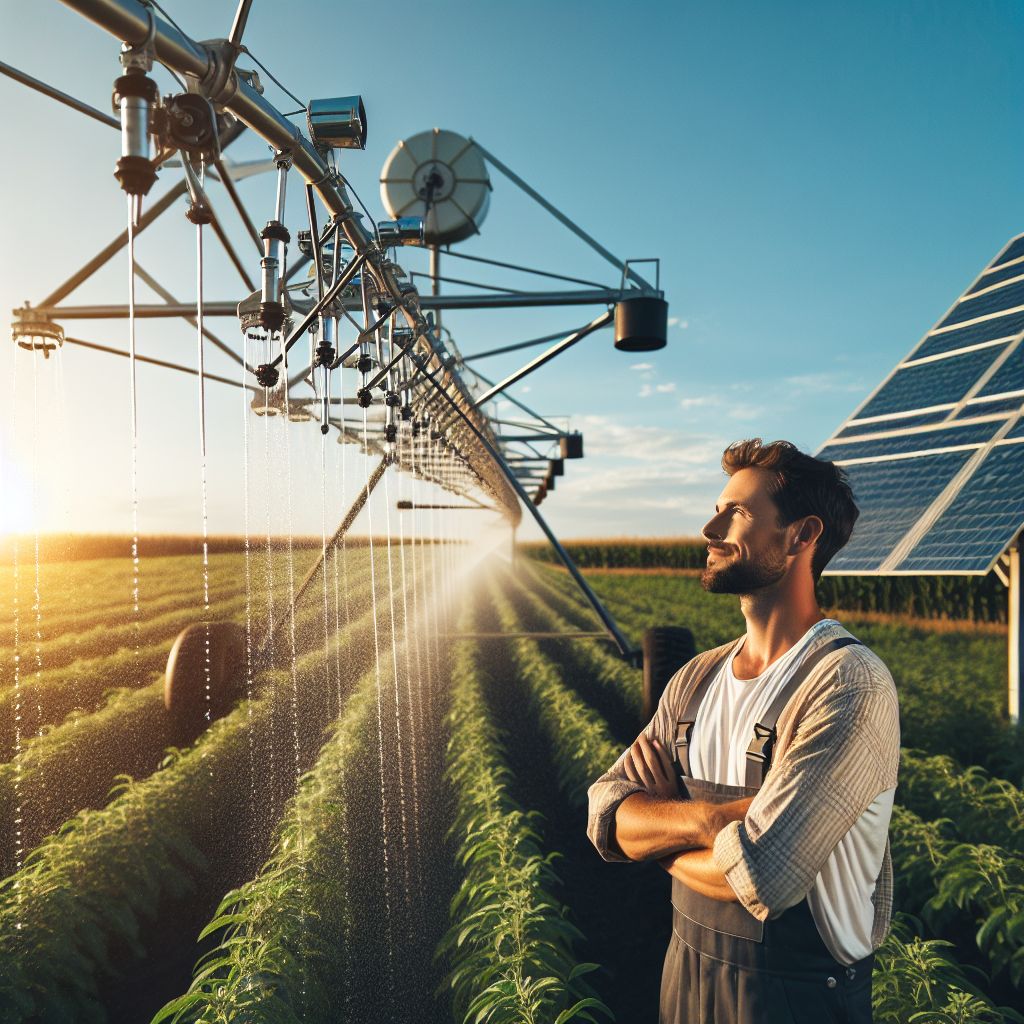
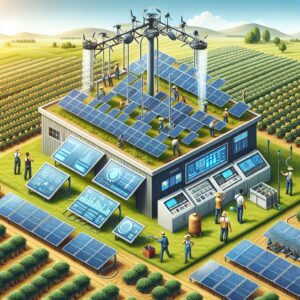
Imagine harnessing the power of the sun to efficiently water your crops. This is not just a dream but a reality with solar-powered linear irrigation systems. These systems are revolutionizing agriculture by providing a cost-effective, sustainable solution for irrigation.
Most importantly, these systems use solar panels to convert sunlight into electricity, which then powers the irrigation process. This means farmers can reduce their reliance on fossil fuels, cut down on electricity bills, and still ensure their crops receive the necessary water.
Linear Sprinkler Irrigation System
The linear sprinkler irrigation system is designed to efficiently water large rectangular or square fields. Unlike traditional systems that may miss areas or overwater others, linear systems move in a straight line, ensuring even water distribution across the entire field.
Because of their design, these systems are particularly effective in maximizing water use efficiency. They allow farmers to control the amount of water delivered, minimizing waste and promoting healthy crop growth. For more information on how these systems work, check out this article on linear irrigation systems in modern agriculture.
How Solar Energy Transforms Irrigation
Solar energy is a game changer for irrigation. It provides a renewable, sustainable power source that can be harnessed even in remote areas where electricity is scarce or expensive. By using solar panels, farmers can power their irrigation systems without incurring high energy costs.
Immediate Benefits for Crops and Costs
Switching to a solar-powered irrigation system can lead to immediate benefits for both crops and costs. For crops, the consistent and controlled watering provided by linear systems can result in better growth and higher yields.
For costs, the initial investment in solar panels and system setup is offset by the savings on electricity bills. Over time, these savings can be substantial, allowing farmers to reinvest in other areas of their operations. To understand the broader economic impact for farmers, exploring detailed case studies and reports can provide valuable insights.
An Eco-Friendly Solution That Enhances Yield
Besides being cost-effective, solar-powered irrigation systems are environmentally friendly. They reduce the carbon footprint of farming operations by using clean, renewable energy. This not only helps the planet but also enhances the sustainability of farming practices.
Understanding Solar Panels for Irrigation
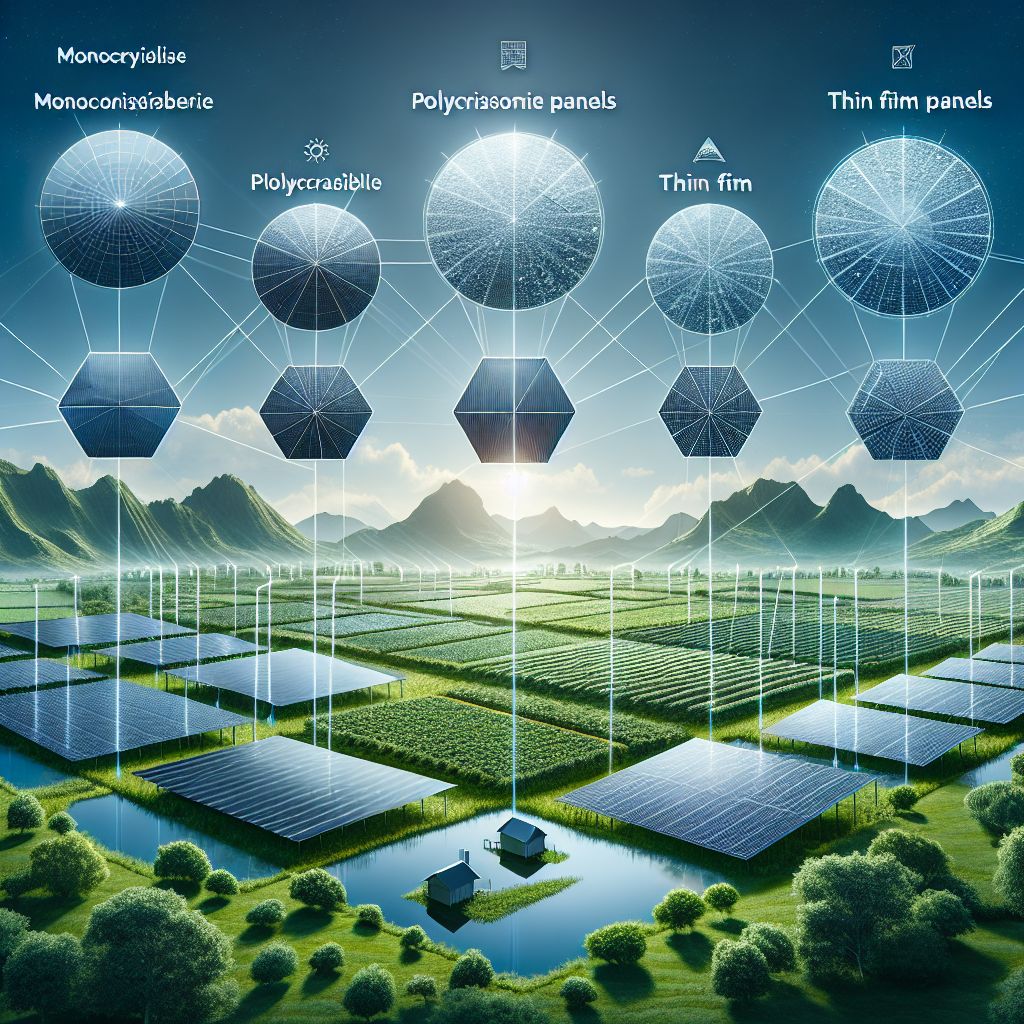
Choosing the right solar panels is crucial for the efficiency and effectiveness of your irrigation system. There are several types of solar panels available, each with its advantages and considerations.
Types of Solar Panels: Monocrystalline, Polycrystalline, Thin Film and PERC
Monocrystalline panels are known for their high efficiency and long lifespan. They are often the best choice for farms with limited space because they produce more electricity per square foot. For those interested in enhancing their farm’s sustainability, exploring solar-powered irrigation systems can provide additional benefits.
Polycrystalline panels are less expensive but also slightly less efficient. They are a good option for farms with ample space where efficiency is less of a concern. For those interested in improving farm efficiency, exploring solar panel trackers could be beneficial.
Thin film panels are the least efficient but also the most flexible and lightweight. They can be used in situations where traditional panels might not be feasible, such as in solar vs traditional irrigation systems.
PERC panels, or Passivated Emitter and Rear Contact panels, are an advanced technology that offers improved efficiency over traditional monocrystalline and polycrystalline panels. They are an excellent choice for maximizing energy production.
Choosing the Best Panel for Your Farm
When selecting a solar panel for your farm, consider factors such as space availability, budget, and energy needs. Monocrystalline panels might be the best choice if space is limited, while polycrystalline panels could be more cost-effective if space is not an issue. For a comprehensive comparison, check out this solar vs traditional irrigation guide.
Additionally, consider the long-term energy needs of your irrigation system. Investing in high-efficiency panels can lead to greater savings over time.
Solar Panel Placement and Efficiency
Proper placement of solar panels is essential for maximizing their efficiency. Panels should be installed in areas that receive the most sunlight throughout the day. Avoid shading from trees, buildings, or other structures that could reduce their efficiency. For a comprehensive understanding of solar panel challenges, you can explore more about solar panel challenges for farmers.
Regular maintenance, such as cleaning the panels and checking for damage, is also crucial. Dust and debris can accumulate on the panels, reducing their ability to capture sunlight. Therefore, keeping them clean and in good condition will ensure they operate at peak efficiency.
Choosing the right type of solar panel for your system is crucial. Consider the specific needs of your operations, the available space, and your budget. This below table will help you choose the right one:
|
Type of Solar Panel |
Advantages |
Disadvantages |
|---|---|---|
|
Monocrystalline Solar Panels | ||
|
– Performance drops slightly in extreme heat. 1 | ||
|
– Performs well in low-light conditions (cloudy days, mornings). 1, 2 | ||
|
Polycrystalline Solar Panels |
– Cost-effective option, suitable for large-scale installations. 1, 3 |
– Lower efficiency (13-17%) compared to monocrystalline panels. 1, 3 |
|
– Durable and handles heat well. 3 |
– Requires more space for the same energy output as monocrystalline panels. 3 | |
|
– Affordable initial investment, often offset by government incentives. 3 | ||
|
Thin-Film Solar Panels |
– Lightweight, flexible, and easy to install on unconventional surfaces (e.g., curved roofs)1, 5, 7 |
– Lowest efficiency (10-13%) among the options, requiring more space for equivalent output.5, 7 |
|
– Performs well in high temperatures and low-light conditions, ideal for diverse climates. 5, 7 |
– Shorter lifespan (10-20 years) compared to crystalline panels. 5, 7 | |
|
– Cost-effective with lower production and installation costs. 5, 7 |
– Bulkier installations needed for larger-scale energy production.5 | |
|
PERC Solar Panels |
– Enhanced efficiency (Up to 22% or higher) due to passivation layer, capturing more sunlight. 4 |
– Higher cost than traditional Monocrystalline panels, but prices are becoming comparable. 4 |
|
– Performs well in low-light and high-temperature conditions, ideal for varied climates. 2, 4 |
– Technology may be less familiar, requiring specialized installation expertise. 4 | |
|
– Maximizes energy output in limited space, suitable for farms with restricted installation areas. 4 |
This table provides a comparison of solar panel options for farmers, highlighting their suitability based on efficiency, cost, durability, and space requirements. Farmers should consider their specific energy needs, budget, and available installation area when making a decision.

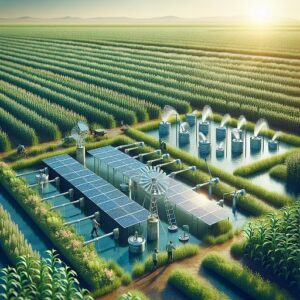
“Solar-Powered Center Pivot Irrigation …” from growingsolarmist.com and used with no modifications.
Installation Process of Solar-Powered Irrigation Systems
Installing a solar-powered irrigation system might seem daunting, but with the right approach, it can be straightforward and rewarding. The process involves several steps, each crucial to ensure the system’s efficiency and longevity.
Initial Planning and Site Selection
The first step in installing a solar-powered irrigation system is thorough planning and site selection. Choose a location for your solar panels that receives maximum sunlight exposure throughout the day. This is typically a south-facing area with minimal shading.
Besides that, it’s essential to assess the water needs of your crops and the layout of your fields. This will help determine the size and capacity of the irrigation system required.
Integrating Solar Panels with Existing Systems
Once the site is selected, the next step is integrating the solar panels with your existing irrigation system. This might involve retrofitting your current setup to accommodate the new technology. Learn more about the benefits of solar-powered irrigation systems for environmental sustainability.
Most importantly, ensure that the solar panels are connected to the irrigation system in a way that allows for seamless operation. This might involve working with a professional installer to ensure everything is set up correctly.
Cost Overview and Financial Incentives
The initial cost of installing a solar-powered irrigation system can vary depending on the size and complexity of the system. However, it’s important to consider the long-term savings on energy costs, which can be substantial.
- Solar panel installation can range from $10,000 to $30,000 depending on the system size.
- Government incentives and rebates can significantly reduce upfront costs.
- Many regions offer tax credits for renewable energy installations.
Therefore, it’s wise to explore available financial incentives and rebates. These can significantly offset the initial investment, making solar-powered irrigation systems more accessible to farmers.

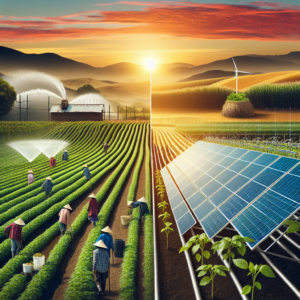
“Solar-Powered Pivot Sprinkler Systems …” from growingsolarmist.com and used with no modifications.
Benefits of Solar-Powered Linear Sprinkler Systems
Solar-powered linear sprinkler systems offer numerous benefits that make them an attractive option for farmers seeking to enhance their operations sustainably.
Significant Reduction in Energy Costs
One of the most compelling benefits is the significant reduction in energy costs. By utilizing free solar energy, farmers can drastically cut down on their electricity bills, freeing up resources for other critical aspects of their operations.
Improvement in Water Distribution Efficiency
Solar-powered linear systems are designed to maximize water distribution efficiency. They ensure that water is evenly distributed across the field, which is crucial for healthy crop growth.
Because of their precise control over water delivery, these systems can reduce water waste and ensure that crops receive the optimal amount of hydration.
- Even water distribution prevents overwatering and underwatering.
- Reduces water waste, conserving valuable resources.
- Improves crop health and yield through consistent hydration.
Environmentally Friendly and Sustainable Practice
Besides the economic benefits, solar-powered irrigation systems are environmentally friendly. They reduce the carbon footprint of farming operations by relying on clean, renewable energy sources.
This not only contributes to a healthier planet but also aligns with the growing trend of sustainable farming practices, making it a win-win situation for both farmers and the environment.
Maintenance and Troubleshooting Tips
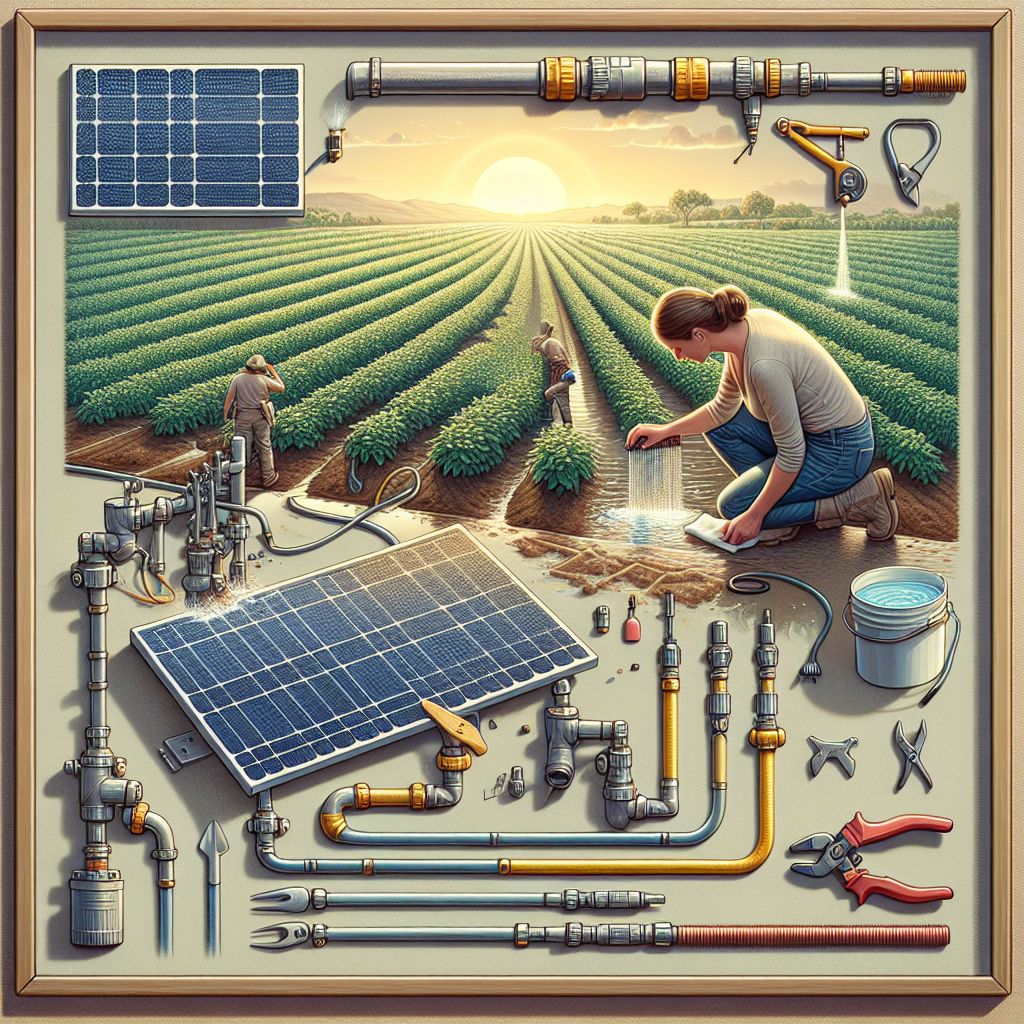
Regular maintenance is key to ensuring the longevity and efficiency of your solar-powered irrigation system. By following a few simple steps, you can keep your system running smoothly and address any issues that may arise.
Regular System Checks for Longevity
Conducting regular system checks is crucial for maintaining your irrigation system. Inspect the solar panels for any dirt or debris that could hinder their efficiency, and clean them as needed.
Additionally, check the irrigation system components for any signs of wear or damage. Addressing these issues promptly can prevent more significant problems down the line.
Common Issues and How to Address Them
Even with the best setup, solar-powered irrigation systems can encounter issues. One common problem is reduced panel efficiency due to dirt or debris accumulation. Regular cleaning can prevent this issue. Additionally, check for any shading from new plant growth or structures, as discussed in our guide on solar panel challenges for farmers.
Another potential problem is system leaks, which can lead to water wastage. Regularly inspect hoses and connections for any signs of leakage and repair them promptly to maintain water efficiency.
When to Call in a Professional
While many maintenance tasks can be handled independently, certain situations may require professional assistance. If you notice a significant drop in system performance or encounter electrical issues, it’s best to consult an expert.
Professionals can conduct thorough inspections, identify underlying problems, and provide solutions that ensure your system operates at its best. Investing in professional help can prevent costly repairs and extend the lifespan of your system. For more insights, explore the economic impact of solar-powered irrigation systems on farmers.
Most importantly, don’t hesitate to seek expert advice if you’re planning any major upgrades or expansions to your irrigation system. Their expertise can guide you in making informed decisions that benefit your farm in the long run.
Real World Success Stories
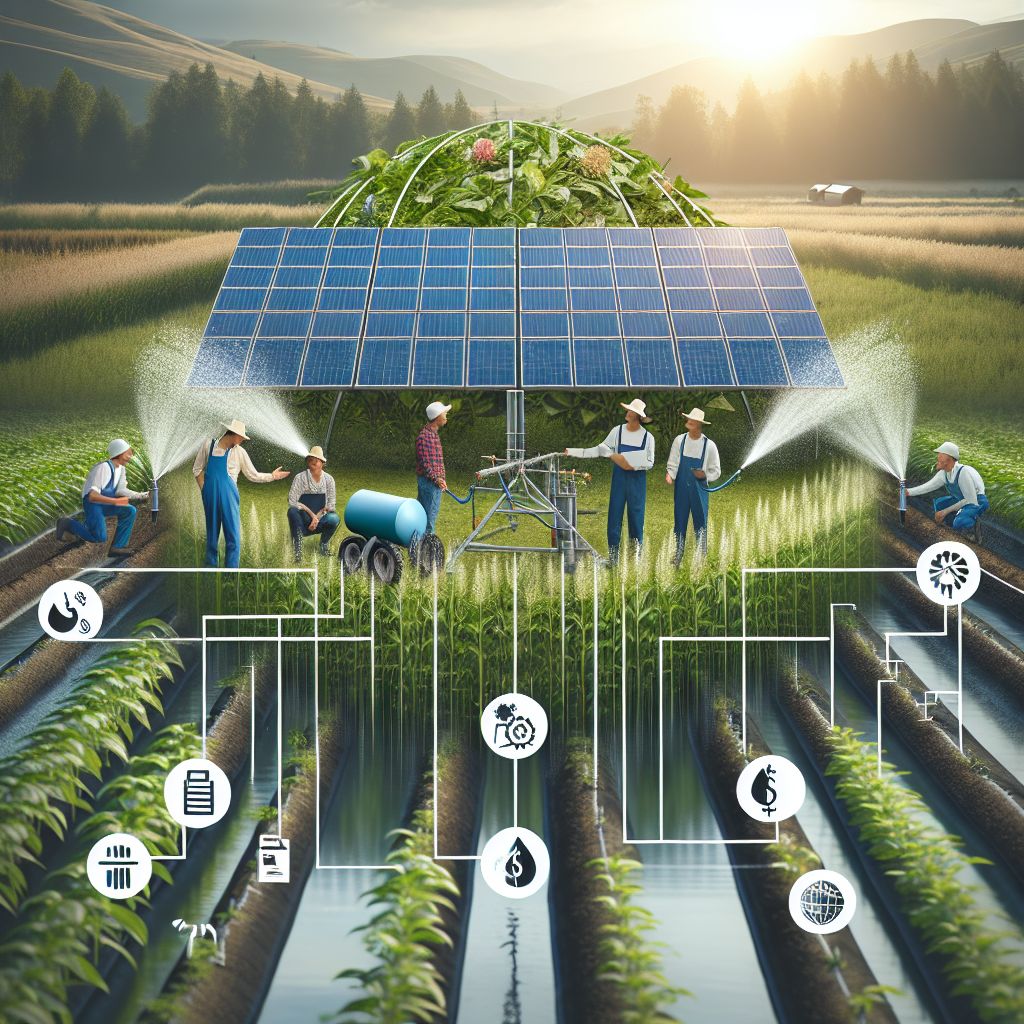
Real-world examples highlight the transformative impact of solar-powered irrigation systems on farms worldwide. These stories offer inspiration and practical insights for farmers considering the switch.
Case Studies of Farmers Who Made the Switch
Take the example of a farmer in California who switched to solar-powered irrigation to combat rising energy costs. By installing solar panels and a linear sprinkler system, they reduced their annual energy expenses by over 50% and improved crop yields by 20%.
Lessons Learned and Best Practices
From these stories, we learn the importance of proper planning and maintenance. Farmers emphasize the value of regular system checks and the benefits of investing in high-quality solar panels to ensure long-term efficiency and reliability.
Inspirational Outcomes and Results
Besides financial savings, these farmers report a sense of pride in contributing to environmental sustainability. Their efforts have not only improved their farms’ profitability but also aligned with global efforts to promote renewable energy use in agriculture.
These success stories serve as a testament to the potential of solar-powered irrigation systems in transforming farming practices for the better.

The Future of Solar-Powered Irrigation
As technology advances, solar-powered irrigation systems are poised to become even more efficient and accessible. Innovations in solar panel technology and irrigation techniques promise to enhance their effectiveness and affordability.
With ongoing research and development, we can expect further improvements in system design and functionality. This will enable farmers to harness solar energy more effectively, leading to even greater sustainability and productivity.
Global trends indicate a growing interest in sustainable farming practices, with solar-powered irrigation systems playing a crucial role. As more farmers adopt these systems, the collective impact on the environment and agricultural efficiency will be significant.
Therefore, embracing solar-powered irrigation is not just a step towards sustainability but also a strategic move to future-proof farming operations against rising energy costs and environmental challenges.
Innovations on the Horizon
Exciting innovations are on the horizon for solar-powered irrigation systems. These advancements promise to enhance their efficiency and broaden their applicability across different farming contexts.
- Development of more efficient solar panels with higher energy conversion rates.
- Integration of smart technology for automated irrigation scheduling and monitoring.
- Advancements in water-saving irrigation techniques to further reduce waste.
These innovations will make solar-powered irrigation systems even more appealing to farmers worldwide, driving widespread adoption and positive environmental impact.
As these technologies evolve, farmers will have access to increasingly sophisticated tools to optimize their operations and contribute to sustainable agriculture.
Global Trends in Sustainable Farming
Across the globe, there’s a growing emphasis on sustainable farming practices. Solar-powered irrigation systems are at the forefront of this movement, offering a viable solution for reducing the environmental impact of agriculture.
Many countries are investing in renewable energy initiatives, providing support and incentives for farmers to adopt solar-powered technologies. This trend is expected to continue, fostering a more sustainable and resilient agricultural sector.
The Role of Renewable Energy in Agriculture
Renewable energy, particularly solar power, plays a pivotal role in the future of agriculture. By reducing reliance on fossil fuels, solar-powered irrigation systems contribute to a cleaner, more sustainable farming industry.
These systems not only offer financial benefits but also help preserve natural resources, making them an integral part of modern agricultural practices. As more farmers embrace renewable energy, the positive impact on the environment and food production will be profound.
Frequently Asked Questions (FAQ)
Here are some common questions about solar-powered irrigation systems, along with answers to help you make informed decisions for your farm.
How do solar-powered irrigation systems affect crop yields?
Solar-powered irrigation systems ensure consistent and efficient water distribution, which is crucial for healthy crop growth. By providing precise control over water delivery, these systems can lead to improved crop yields and better quality produce.
Because of their efficiency, solar-powered systems help optimize water use, reducing waste and ensuring crops receive the necessary hydration for optimal growth.
Therefore, farmers using these systems often report higher yields and healthier crops, contributing to increased profitability and sustainability.
Are there government incentives for installing these systems?
Yes, many governments offer incentives and rebates to encourage the adoption of renewable energy technologies in agriculture. These incentives can significantly reduce the initial cost of installing solar-powered irrigation systems.
It’s advisable to research available programs in your region and consult with local agricultural or energy authorities to explore potential financial support options. Additionally, you might find it useful to explore the economic impact of solar-powered irrigation systems for further insights.
What maintenance do solar panels require?
Solar panels require minimal maintenance, primarily involving regular cleaning to remove dust and debris. This ensures they operate at peak efficiency by maximizing sunlight absorption. For farmers, understanding the solar panel challenges is crucial to maintaining their systems effectively.
Can solar-powered systems work in cloudy regions?
Yes, solar-powered systems can still function in cloudy regions, although their efficiency may be slightly reduced. Modern solar panels are designed to capture diffuse sunlight, allowing them to generate electricity even on overcast days.
What is the return on investment for solar-powered irrigation?
The return on investment (ROI) for solar-powered irrigation systems varies based on factors such as system size, energy savings, and available incentives. However, many farmers report recouping their initial investment within a few years through reduced energy costs and increased crop yields.
By carefully considering these factors and taking advantage of available incentives, farmers can achieve a favorable ROI and enjoy the long-term benefits of sustainable farming practices.
Solar panels have revolutionized the way farmers approach irrigation. By harnessing the power of the sun, these panels provide a sustainable and cost-effective solution for powering solar-powered irrigation systems. This not only reduces reliance on fossil fuels but also minimizes the environmental impact, making it an ideal choice for eco-conscious farmers. The integration of solar technology in agriculture is paving the way for more efficient and environmentally friendly farming practices.

Leave a Reply