
Key Takeaways
- Solar-powered irrigation systems can increase crop yields by 30-45% compared to traditional methods.
- Initial setup costs for solar irrigation range from $4,000 to $10,000, but operational savings are substantial.
- Solar irrigation systems reduce carbon footprints by eliminating the need for fossil fuels.
- Farmers can access financial incentives, such as government subsidies and grants, to offset installation costs.
- Consistent water supply from solar systems improves crop quality and resilience to droughts.
Introduction to Solar-Powered Irrigation Systems
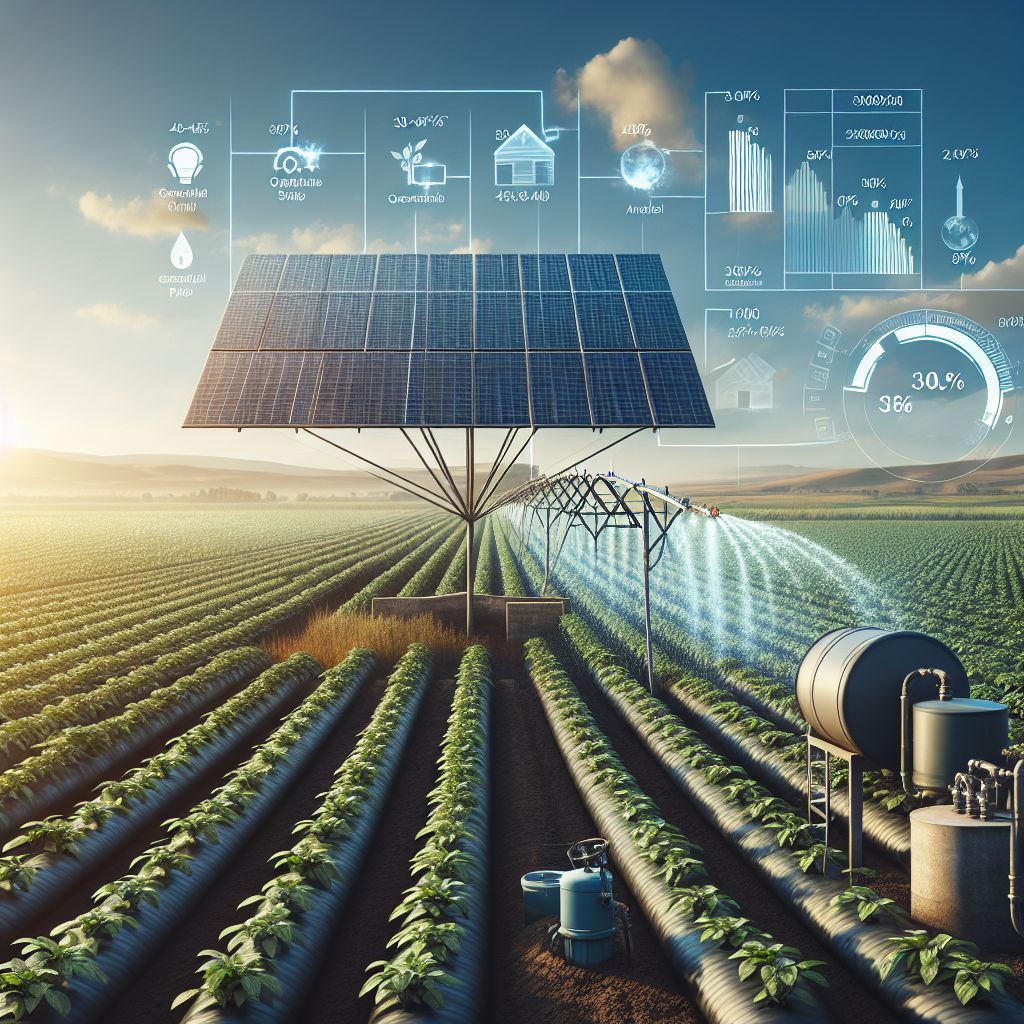
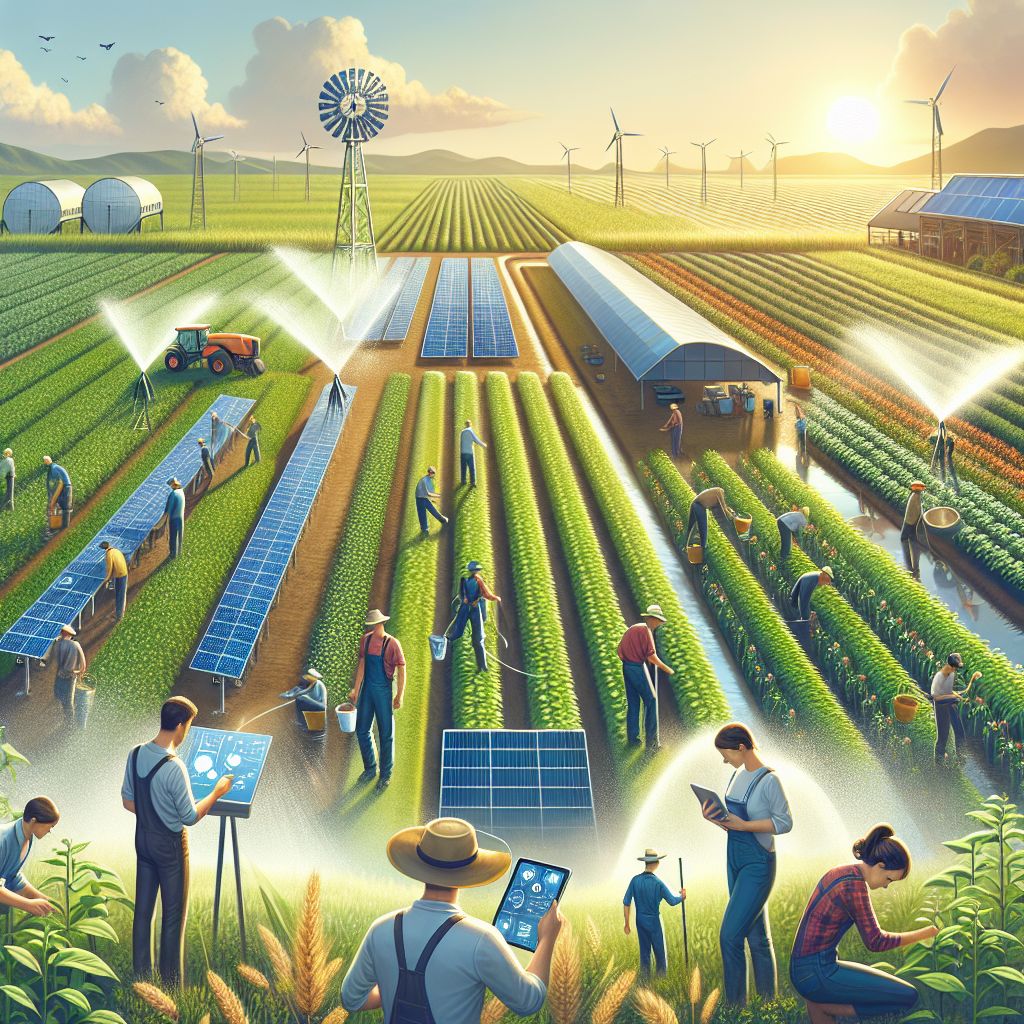
In recent years, the agricultural sector has witnessed a significant shift towards sustainable practices, with solar-powered irrigation systems leading the charge. These systems use solar panels to harness energy from the sun, powering water pumps that provide consistent irrigation to crops. This technology not only promotes environmental sustainability but also offers economic advantages for farmers.
Boosting Crop Yields with Solar Energy
- Solar irrigation systems ensure a steady water supply, crucial for optimal crop growth.
- Farmers report up to a 45% increase in yields after adopting solar-powered systems.
- By eliminating dependence on rainfall, these systems extend growing seasons.
Most importantly, solar energy is a reliable resource. Unlike fossil fuels, which can fluctuate in availability and cost, the sun shines consistently, providing a stable energy source. This reliability translates to a steady water supply for crops, essential for maximizing yield. For example, farmers in India have noted a 30% increase in rice yields after switching to solar-powered irrigation.
Besides that, solar irrigation systems can be tailored to fit the specific needs of different crops. Whether it’s rice paddies in Asia or vineyards in Europe, these systems can be adjusted to deliver the precise amount of water required. This precision not only boosts yield but also conserves water, a critical resource in many farming regions.
Therefore, investing in solar-powered irrigation is not just about increasing output; it’s about optimizing resources and ensuring long-term agricultural sustainability.
Enhancing Crop Quality through Consistent Water Supply
A consistent water supply is crucial for maintaining crop health and quality. With solar-powered irrigation systems, farmers can ensure their crops receive the necessary hydration, regardless of weather conditions. This is particularly important in areas prone to drought or irregular rainfall.
Environmentally Friendly and Sustainable Farming
Solar-powered irrigation systems align perfectly with the goals of sustainable farming. By using renewable energy, farmers can significantly reduce their carbon footprint. This not only benefits the environment but also aligns with the increasing consumer demand for sustainably produced goods.
Furthermore, the use of solar energy eliminates the need for diesel or electric pumps, which are both costly and environmentally damaging. In regions where electricity is unreliable or expensive, solar panels provide a cost-effective alternative that ensures uninterrupted irrigation.
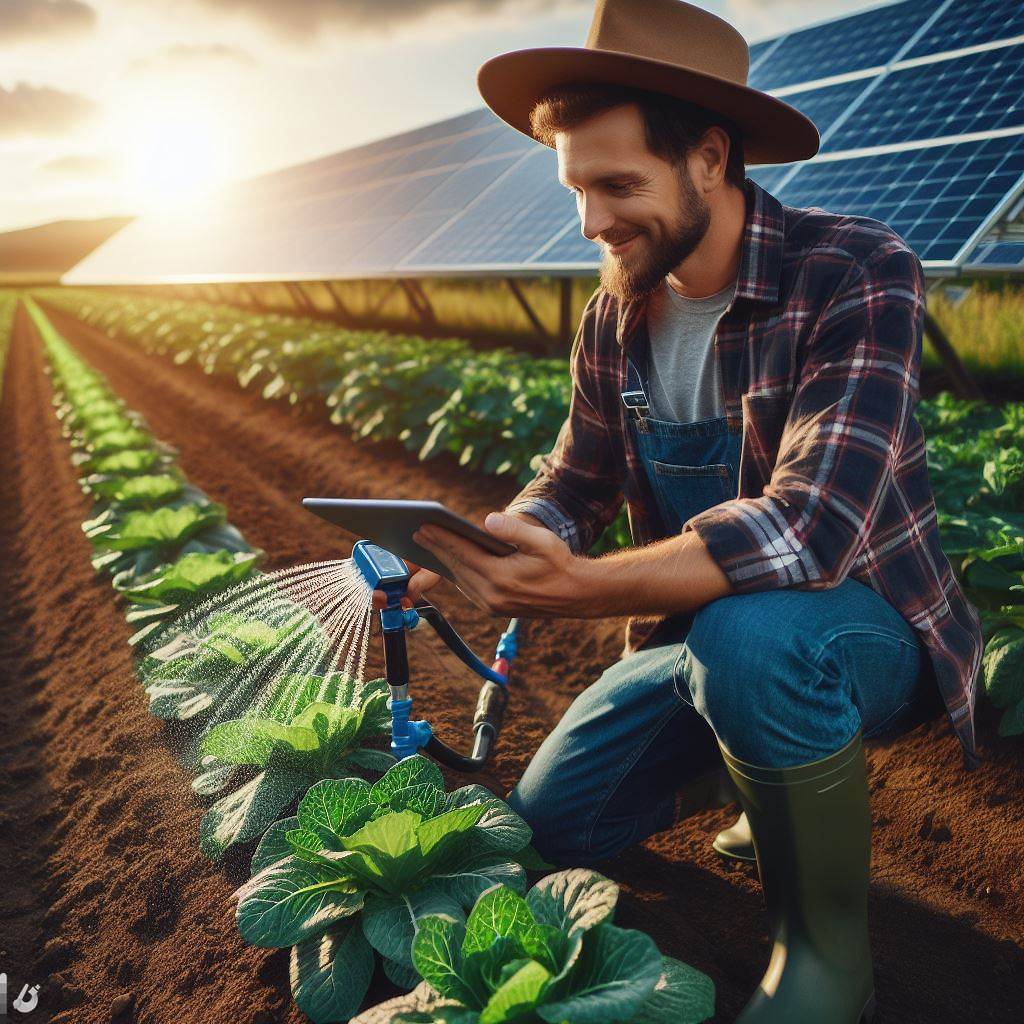
“Solar-Powered Irrigation: A Deep Dive” from thefarminginsider.com and used with no modifications.
Advantages of Solar-Powered Irrigation
Switching to solar-powered irrigation offers numerous benefits, both economically and environmentally. Let’s delve into some of the key advantages.
Cost-Effective Energy Solution
While the initial investment for a solar irrigation system can be significant, ranging from $4,000 to $10,000, the long-term savings are substantial. Once installed, solar systems incur minimal operational costs, as they rely on free solar energy rather than costly fossil fuels. Over time, this can lead to significant financial savings for farmers.
Reduction in Carbon Footprint
By eliminating the need for diesel or electric pumps, solar-powered irrigation systems drastically reduce carbon emissions. This shift not only benefits the environment but also enhances a farm’s sustainability credentials, appealing to environmentally conscious consumers.
Year-Round Irrigation Benefits
One of the most significant advantages of solar-powered irrigation systems is their ability to provide year-round irrigation. This capability ensures that crops receive the necessary water supply, even during dry seasons or droughts. As a result, farmers can maintain consistent crop production, regardless of external weather conditions. For more information on the advantages of solar panels in agriculture, check out this article on solar panels for farm operations.
Boosting Crop Yield
Solar irrigation systems have been shown to significantly boost crop yields. By providing a reliable water source, these systems allow crops to thrive, leading to increased productivity. For instance, a study conducted in Kenya revealed that farmers who switched to solar-powered irrigation saw a 45% increase in maize yields compared to traditional methods.
Moreover, the consistent water supply helps prevent stress on plants, promoting healthier growth and reducing the likelihood of disease. This not only increases the quantity of produce but also improves its quality, making it more appealing to consumers. For farmers looking to enhance their operations, exploring solar panels for farm operations can provide additional benefits.

“Solar-Powered Irrigation Enhances Crop …” from growingsolarmist.com and used with no modifications.
Improvement in Crop Yield and Quality
The impact of solar-powered irrigation on crop yield and quality cannot be overstated. By ensuring a consistent water supply, these systems allow crops to reach their full potential, resulting in higher yields and improved quality.
- Consistent irrigation prevents water stress, enhancing plant health.
- Improved water management leads to higher crop yields.
- Quality improvements make produce more marketable and profitable.
For example, tomato farmers in India who adopted solar irrigation systems reported a 50% increase in yield, along with a noticeable improvement in the size and taste of their produce. This demonstrates the tangible benefits of investing in solar technology for agriculture.
Besides boosting yields, solar-powered irrigation systems also contribute to better crop quality. With a steady water supply, plants are less likely to experience stress, leading to healthier growth and fewer pest and disease issues. This results in produce that is not only more abundant but also of higher quality, fetching better prices in the market.
Data-Driven Insights on Yield Increases
Data from various studies and real-world applications consistently show significant yield increases with solar irrigation systems. In one case, farmers in sub-Saharan Africa reported a 30% increase in vegetable yields after switching to solar-powered irrigation. These figures highlight the potential for solar technology to transform agricultural productivity on a global scale.
Quality Improvements in Various Crop Types
Solar-powered irrigation systems have been shown to enhance the quality of various crop types. Whether it’s fruits, vegetables, or grains, the consistent water supply ensures that crops grow healthy and robust. This not only improves their appearance and taste but also extends their shelf life, providing additional benefits to farmers and consumers alike.
Case Studies: Real-World Benefits and Successes
Several case studies highlight the real-world benefits of solar-powered irrigation. For instance, a farmer in Tanzania reported a 40% increase in rice yields after implementing a solar irrigation system. This success story underscores the transformative potential of solar technology in agriculture, offering a viable solution for farmers seeking to improve their productivity and sustainability.
Here’s a table discussing how adding solar panels to an irrigation system can affect crop yield and quality for farmers:
|
Impact Area |
Effect of Adding Solar Panels to Irrigation Systems on Crop Yield and Quality |
|---|---|
|
Crop Yield |
Solar-powered irrigation systems significantly increase crop yields. Studies report yield increases of up to 500 kg/ha per cropping for staple crops like maize and vegetables, with some cases reaching a metric ton per hectare. This is due to consistent and reliable water supply, independent of fuel or grid reliability. 1, 2, 4, 6 |
|
Crop Quality |
Improved and more uniform crop quality is observed, as precise and timely irrigation reduces plant stress and supports optimal growth conditions. Farmers report healthier, more robust produce with fewer quality defects. 6, 8 |
|
Water Efficiency |
Solar-powered systems deliver precise irrigation, reducing water wastage from evaporation and runoff. This ensures crops receive optimal moisture, improving both yield and quality while conserving water resources. 1, 7, 8 |
|
Drought Resilience |
Crops irrigated with solar-powered systems show better resilience to drought and water scarcity, as these systems allow for efficient moisture management and reliable water delivery even in dry seasons. 1, 6,8 |
|
Cost Savings |
Operational costs are reduced due to the elimination of fuel and lower maintenance requirements. This allows farmers to reinvest savings into crop management and quality improvement. 1, 4, 5 |
|
Environmental Impact |
Solar irrigation reduces reliance on fossil fuels, lowering greenhouse gas emissions and supporting sustainable farming practices. 4, 5, 8 |
Summary:
Adding solar panels to irrigation systems leads to higher and more reliable crop yields, improved produce quality, greater water use efficiency, and enhanced resilience to drought, all while reducing costs and environmental impact for farmers. 1,2 4, 6, 8

“Existing Irrigation Systems on a Farm …” from growingsolarmist.com and used with no modifications.
Overcoming Challenges in Implementing Solar Irrigation
While the benefits of solar-powered irrigation are clear, there are challenges to overcome when implementing these systems. Understanding and addressing these challenges is crucial for successful adoption. For those considering this transition, exploring solar panels for farm operations can provide valuable insights into feasibility and benefits.
One of the primary challenges is the initial investment cost. However, with proper planning and access to financial assistance, farmers can overcome this hurdle and reap the long-term benefits of solar technology.
Initial Investment and Financial Assistance
Installing a solar irrigation system requires a significant upfront investment, typically ranging from $4,000 to $10,000. However, various financial assistance options are available to help farmers manage these costs. Government subsidies, grants, and low-interest loans can significantly reduce the financial burden, making solar technology more accessible to small-scale farmers.
Technical Challenges and Maintenance Solutions
Technical challenges, such as installation and maintenance, can also pose obstacles. However, by partnering with experienced solar technology providers and accessing training resources, farmers can effectively manage these challenges. Regular maintenance, such as cleaning solar panels and checking system components, ensures optimal performance and longevity.
Practical Steps to Integrate Solar Panels
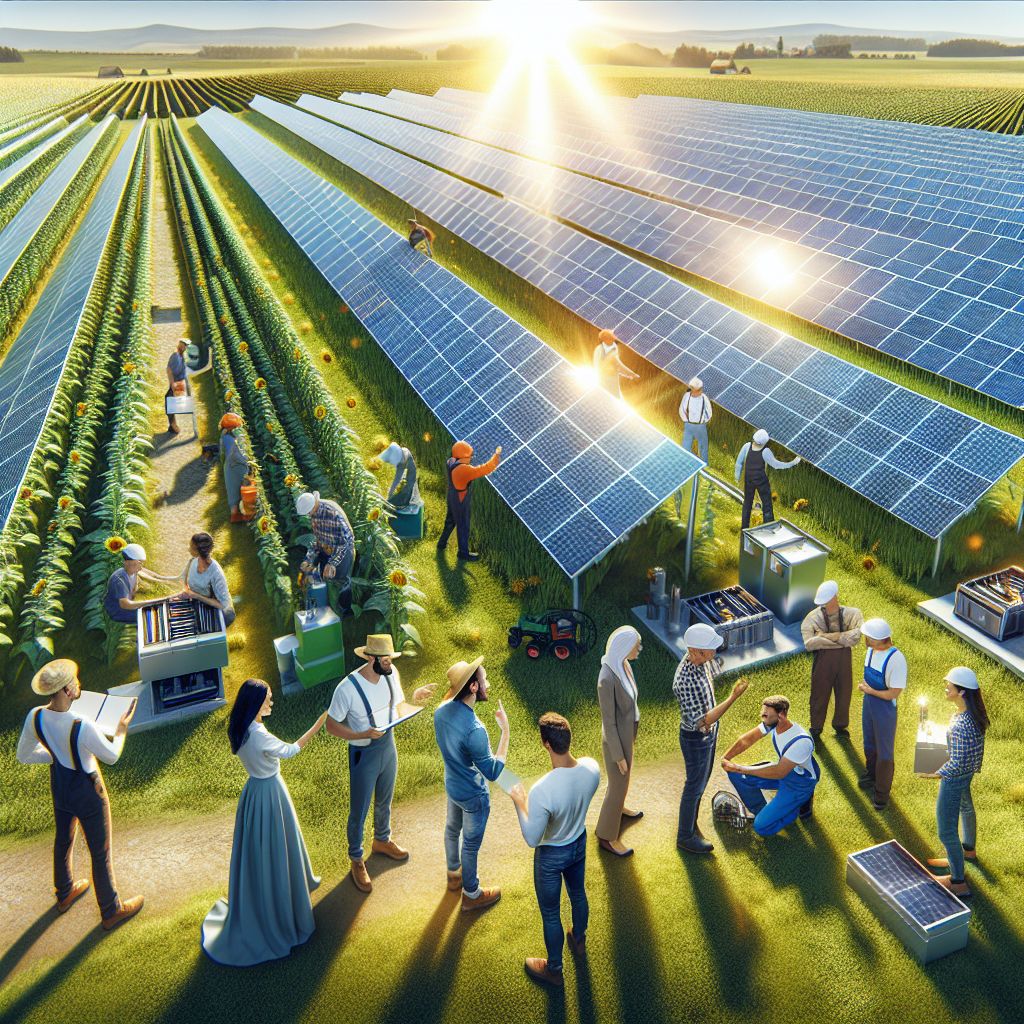
For farmers considering the transition to solar-powered irrigation, understanding the practical steps involved is essential. By following a structured approach, farmers can successfully integrate solar technology into their operations.
Selecting Appropriate Solar Technology
The first step in integrating solar panels is selecting the right technology for your farm. Consider factors such as the size of your land, water requirements, and budget. Consulting with solar technology experts can help you choose a system that meets your specific needs.
Besides choosing the right technology, it’s essential to assess the solar potential of your location. Ensure that your farm receives adequate sunlight throughout the year to maximize the efficiency of your solar panels.
Installation and System Optimization
Once you’ve selected the appropriate solar technology, the next step is installation. Work with experienced professionals to ensure the system is installed correctly and optimized for maximum performance. Proper installation is crucial for achieving the desired results and avoiding potential issues down the line.
Long-Term Maintenance and Monitoring
After installation, regular maintenance and monitoring are essential to ensure the continued success of your solar irrigation system. This includes routine cleaning of solar panels, checking system components for wear and tear, and monitoring water usage. By staying proactive, farmers can maximize the benefits of solar technology and ensure the longevity of their investment.
Farmer Success Stories
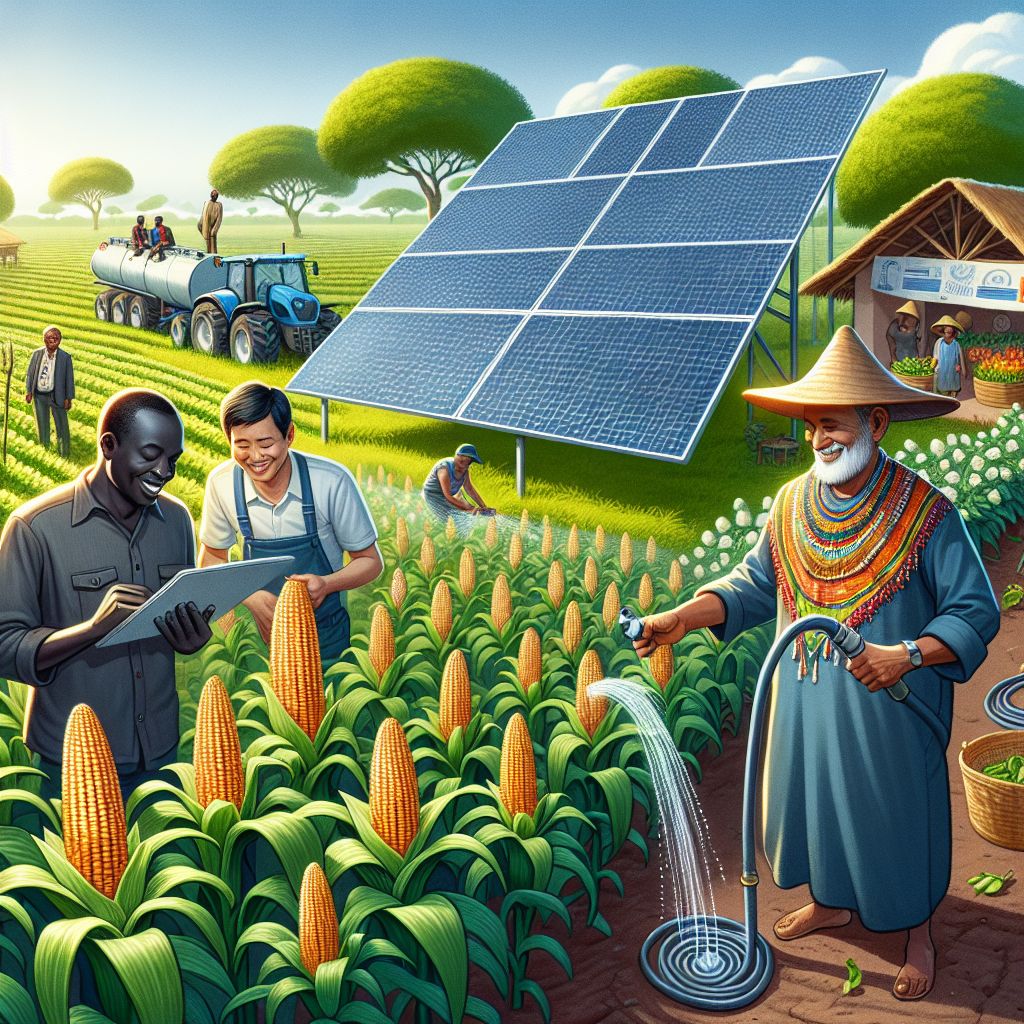
Across the globe, farmers are experiencing remarkable transformations by adopting solar-powered irrigation systems. These success stories highlight the potential of solar technology to revolutionize agriculture, boost productivity, and promote sustainability.
Take, for instance, a farmer in rural Kenya who transitioned to solar irrigation. Prior to the switch, he struggled with inconsistent water supply, leading to poor crop yields. After installing a solar system, his maize production increased by 50%, allowing him to expand his market reach and increase his income significantly.
Global Case Studies: Transformations in Agriculture
Solar irrigation systems are making a substantial impact in various regions worldwide. In India, where agriculture is a primary livelihood, solar technology has enabled farmers to cultivate crops year-round, regardless of monsoon seasons.
One notable example is a cooperative of farmers in Maharashtra who pooled resources to install a large solar irrigation system. The collective effort resulted in a 40% increase in crop yields, allowing them to invest in better farming equipment and improve their overall quality of life.
In Latin America, a pilot project in Nicaragua demonstrated how solar irrigation could transform smallholder farms. By providing a reliable water supply, the project helped farmers increase their yields by 30%, improving food security and reducing poverty in the region.
“The introduction of solar irrigation systems has been a game-changer for our community. We’ve seen not only increased yields but also improved crop quality, allowing us to compete in larger markets,” said a farmer from the project.
These global case studies underscore the transformative potential of solar-powered irrigation, offering a sustainable solution for farmers facing water scarcity and unreliable energy sources.
Local Farmers’ Experiences and Lessons Learned
Local farmers who have adopted solar irrigation systems share valuable insights and lessons learned. In California, a vineyard owner reported significant savings on energy costs after switching to solar power. This allowed him to reinvest in his business and improve vineyard management practices.
Another farmer in Australia highlighted the importance of regular maintenance and monitoring. By keeping solar panels clean and ensuring the system operates efficiently, he maximized the benefits of solar irrigation and achieved consistent crop production year-round.
These experiences demonstrate that while solar-powered irrigation systems require an initial investment and ongoing maintenance, the long-term benefits far outweigh the challenges. Farmers who embrace this technology can expect increased yields, improved crop quality, and a more sustainable future.
Conclusion and Recommendations for Farmers
Solar-powered irrigation systems offer a viable solution for farmers seeking to enhance productivity, improve crop quality, and promote sustainability. By harnessing the power of the sun, these systems provide a reliable water supply, reduce energy costs, and contribute to a greener planet. For more insights, explore the feasibility and benefits of solar panels for farm operations.
For farmers considering the transition to solar irrigation, it is essential to conduct thorough research and seek expert guidance. Understanding the specific needs of your farm and selecting the right solar technology are crucial steps towards successful implementation.
Maximizing Agricultural Productivity
To maximize agricultural productivity, farmers should focus on optimizing their solar irrigation systems. This includes selecting the appropriate technology, ensuring proper installation, and conducting regular maintenance. By doing so, farmers can achieve higher yields, better crop quality, and increased profitability.
Additionally, integrating data-driven insights and monitoring tools can help farmers make informed decisions about water usage and crop management, further enhancing productivity and sustainability. For those interested in optimizing farm operations, exploring the feasibility and benefits of solar panels can be a valuable step.
Sustainability and Economic Benefits
The transition to solar-powered irrigation not only benefits individual farmers but also contributes to broader environmental and economic goals. By reducing reliance on fossil fuels and minimizing carbon emissions, solar irrigation supports global efforts to combat climate change. For more information on how solar panels can power agricultural solutions, check out this article on solar panels powering farms.
Moreover, the economic benefits of solar technology are substantial. With reduced energy costs and increased crop yields, farmers can improve their financial stability and invest in further innovations to enhance their operations.
Is Using a Solar Irrigation System a Smart Idea for a Farmer
For many farmers, adopting a solar irrigation system is a smart investment. The long-term savings on energy costs, coupled with increased productivity and sustainability, make it a compelling choice for those seeking to future-proof their agricultural operations.
However, it is essential to consider the initial investment and ensure access to financial assistance if needed. By taking advantage of available subsidies and grants, farmers can make the transition to solar irrigation more affordable and accessible.
“Switching to solar irrigation has transformed our farm. Not only have we seen increased yields, but we’ve also reduced our environmental impact. It’s a win-win situation,” shared a farmer who successfully implemented solar technology.
Ultimately, the decision to adopt solar-powered irrigation should be based on careful consideration of the farm’s unique needs and circumstances. With the right approach, solar technology can unlock new opportunities and drive sustainable growth in agriculture.
Frequently Asked Questions (FAQ)
Here are some common questions farmers have when considering solar-powered irrigation systems.
How do solar panels improve irrigation efficiency?
Solar panels improve irrigation efficiency by providing a reliable and consistent energy source to power water pumps. This ensures a steady water supply for crops, regardless of weather conditions, leading to more efficient water use and improved crop growth.
Furthermore, solar technology can be integrated with smart irrigation systems that monitor soil moisture levels and adjust water delivery accordingly, optimizing water usage and reducing waste.
What initial costs can farmers expect with solar irrigation?
The initial cost of a solar irrigation system can range from $4,000 to $10,000, depending on the size and complexity of the system. However, various financial assistance options, such as government subsidies and grants, are available to help offset these costs.
Do solar irrigation systems require much maintenance?
Solar irrigation systems require regular maintenance to ensure optimal performance. This includes cleaning solar panels, checking system components for wear and tear, and monitoring water usage. With proper care, these systems can provide reliable service for many years.
Can solar-powered systems handle large-scale farming?
Yes, solar-powered irrigation systems can be scaled to meet the needs of large-scale farming operations. By selecting the appropriate technology and working with experienced professionals, farmers can implement systems that provide adequate water supply for extensive agricultural areas.
What financial incentives exist for installing solar irrigation?
Various financial incentives are available to support the installation of solar irrigation systems. These include government subsidies, grants, and low-interest loans. Farmers should explore these options to reduce the financial burden of transitioning to solar technology.
Additionally, some regions offer tax credits and rebates for renewable energy investments, further enhancing the economic viability of solar-powered irrigation.
In conclusion, solar-powered irrigation systems offer a promising solution for modern agriculture. By providing a reliable water supply, reducing energy costs, and promoting sustainability, these systems can help farmers achieve greater productivity and resilience in the face of environmental challenges.
Adding solar panels to irrigation systems has shown a significant impact on crop yield and quality for farmers. By harnessing renewable energy, farmers can reduce their dependency on traditional power sources and lower operational costs. This sustainable approach not only benefits the environment but also enhances the efficiency of water usage. For small-scale farmers, investing in solar-powered irrigation can lead to substantial improvements in productivity and profitability. Learn more about the advantages of solar irrigation solutions and how they can transform agricultural practices.







Leave a Reply