

Key Takeaways
- HJT and TOPCon solar panels are two of the most efficient solar technologies available for farmers.
- HJT panels offer conversion efficiencies up to 26.07%, making them suitable for space-constrained farms.
- TOPCon panels excel in durability and perform better in varying environmental conditions.
- Costs for solar panels vary, but both types represent a long-term investment in energy savings for farms.
- Solar technology can power irrigation, water pumping, and energy storage solutions on farms.
The Future of Farming with HJT and TOPCon Solar Panels
Solar energy is revolutionizing the way we approach farming. It’s not just about going green; it’s about harnessing the sun’s power to make farming more efficient and sustainable. The best solar panels for farmers, namely HJT and TOPCon, are leading this transformation. They offer a unique blend of efficiency, cost-effectiveness, and adaptability, making them ideal for diverse agricultural needs.
Farmers today face many challenges, from unpredictable weather to fluctuating energy costs. By integrating solar technology into farming operations, these challenges can be mitigated. HJT and TOPCon panels stand out for their high efficiency and resilience, crucial factors when considering the variable conditions on a farm.
Most importantly, these solar technologies are not just about reducing electricity bills. They provide a reliable source of energy that can power essential farming operations, ensuring that farmers can continue their work regardless of external circumstances.
How Does Solar Power Work
At its core, solar power is about converting sunlight into electricity. Solar panels, made up of photovoltaic cells, capture sunlight and transform it into electrical energy. This process is clean, renewable, and remarkably efficient, especially with advanced technologies like HJT and TOPCon.
When sunlight hits the solar panels, it excites electrons in the photovoltaic cells, creating an electric current. This current can then be used to power various farm operations, from running irrigation systems to lighting up farmhouses. It’s a straightforward process, but the efficiency of this conversion is what sets different solar technologies apart.
Introduction to Solar Technology for Farmers
For farmers, the decision to adopt solar technology is a strategic one. It’s about leveraging a resource that is abundant and free—the sun. Solar panels, particularly HJT and TOPCon, offer farmers a way to harness this energy efficiently. These panels are designed to maximize the conversion of sunlight into usable electricity, making them an ideal choice for farms that require consistent and reliable energy.
Solar technology can be integrated into various aspects of farming. For instance, it can power water pumps for irrigation, run refrigeration units for produce storage, and even support the electrification of farm machinery. The possibilities are vast, and with the right solar panels, farmers can optimize their operations while reducing their carbon footprint.
Importance of Advancing Solar Technology in Agriculture
The advancement of solar technology is crucial for the agricultural sector. As global energy demands rise and environmental concerns become more pressing, the need for sustainable energy solutions has never been greater. Solar panels like HJT and TOPCon represent the cutting edge of this technology, offering farmers a way to meet their energy needs sustainably.
By adopting these advanced solar technologies, farmers can significantly reduce their reliance on fossil fuels. This not only lowers their carbon emissions but also protects them from volatile energy prices. Furthermore, the efficiency and durability of HJT and TOPCon panels mean that farmers can expect long-term savings and reliable performance, even in challenging environmental conditions.
Overview of HJT Solar Panels
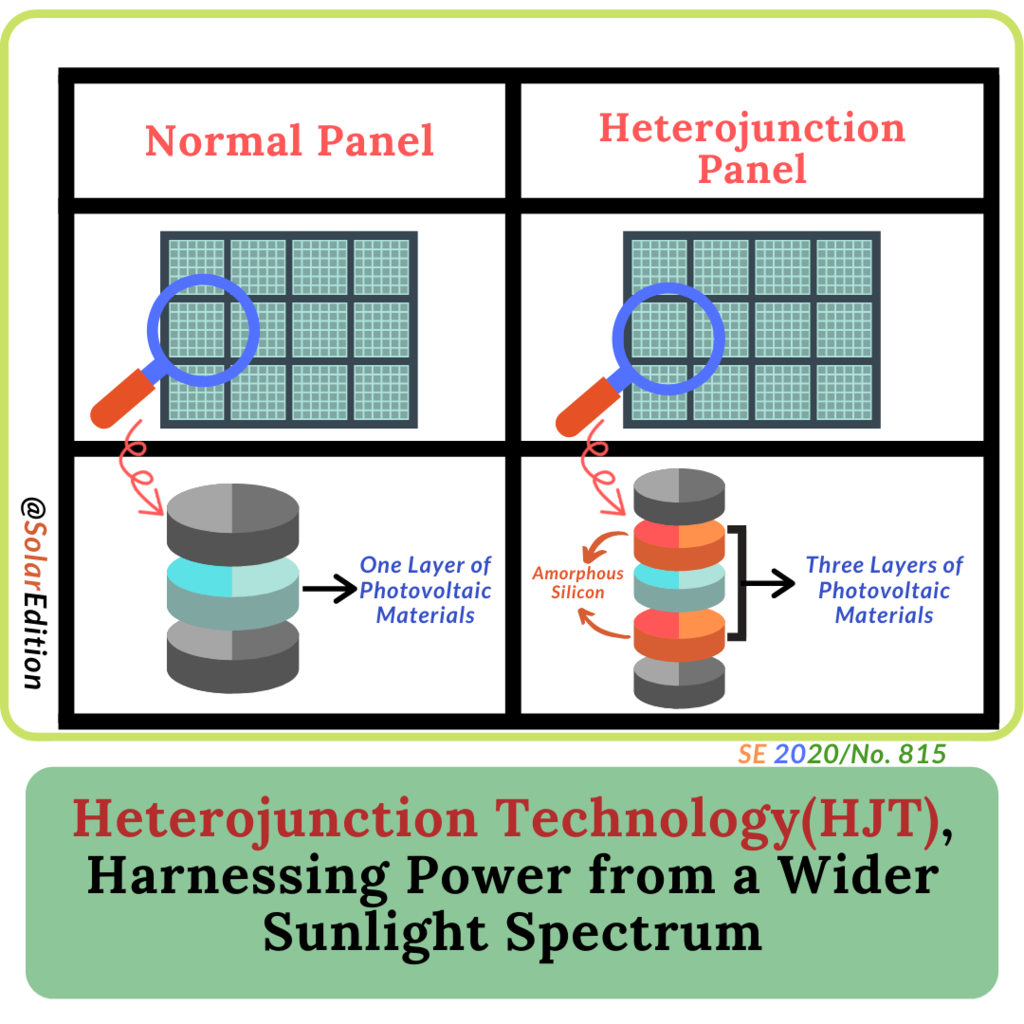
Heterojunction (HJT) solar panels are among the most advanced in the market. They combine different types of silicon layers to achieve superior efficiency. This unique structure allows them to convert more sunlight into electricity compared to traditional panels.
Fundamentals of HJT Technology
HJT technology involves layering crystalline silicon wafers with thin amorphous silicon films. This combination reduces energy loss and enhances the panel’s ability to capture sunlight. The result is a solar panel that offers high efficiency and excellent performance, even in low-light conditions.
Because of their design, HJT panels are also more stable at higher temperatures. This is particularly beneficial for farmers in warmer climates, where traditional panels might lose efficiency. By maintaining performance across different temperatures, HJT panels ensure consistent energy output for farms.
Efficiency Highlights in HJT Panels
Efficiency is a key factor when choosing solar panels, and HJT panels excel in this area. With conversion efficiencies reaching up to 26.07%, they are among the most efficient panels available. This high efficiency means that farmers can generate more electricity from a smaller number of panels, saving space and reducing installation costs. For a deeper understanding, explore the comparison between TOPCon and HJT solar technologies.
Moreover, HJT panels have a low degradation rate, meaning they maintain their efficiency over time. This is crucial for farmers looking for a long-term energy solution. With HJT panels, farmers can expect reliable performance and sustained energy savings for years to come.
Cost Considerations for HJT Solar Panels
When considering the cost of HJT solar panels, it’s essential to look beyond the initial investment. While these panels can be more expensive upfront compared to traditional solar panels, their high efficiency and low degradation rate often lead to long-term savings. Farmers can expect to pay more initially, but the enhanced efficiency means fewer panels are needed to meet energy demands, which can reduce overall installation costs.
Additionally, the durability of HJT panels minimizes maintenance expenses. They are designed to withstand harsh environmental conditions, which means fewer repairs and replacements over their lifespan. This reliability translates into predictable energy costs, a crucial factor for farmers managing tight budgets.
Advantages and Disadvantages for Farmers
HJT solar panels offer numerous advantages for farmers. Their high efficiency ensures that farmers can generate more power with less space, a significant benefit for operations with limited roof or land area. Furthermore, the panels’ ability to perform well in low-light conditions means consistent energy production, even on cloudy days.
However, the higher initial cost can be a barrier for some farmers. While the long-term benefits often outweigh these costs, securing the necessary funds upfront can be challenging. It’s crucial for farmers to weigh these factors carefully and consider potential financing options or incentives that might be available to offset initial expenses.
Overview of TOPCon Solar Panels
TOPCon solar panels represent another advanced option for farmers seeking efficient and reliable solar technology. Known for their superior performance in various environmental conditions, TOPCon panels are designed to maximize energy production and durability.
These panels are particularly suited for regions with fluctuating temperatures and weather conditions, as they maintain high efficiency across different environments. This makes them an excellent choice for farmers who need a dependable energy source throughout the year.
Understanding TOPCon Technology
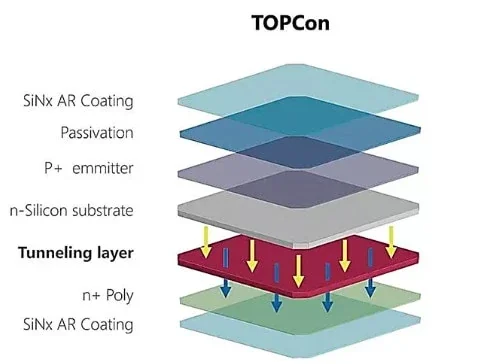
TOPCon, or Tunnel Oxide Passivated Contact, technology involves a sophisticated structure that enhances the solar cell’s efficiency. By incorporating a thin oxide layer, these panels reduce energy loss and improve electron flow, leading to higher power output.
This technology not only boosts efficiency but also extends the panels’ lifespan. TOPCon panels are less prone to degradation, ensuring that they continue to deliver optimal performance over many years. For farmers, this means a stable and reliable energy supply, critical for sustaining agricultural operations.
Efficiency Advancements in TOPCon Panels
TOPCon panels are known for their impressive efficiency levels, often reaching around 24% or higher. This efficiency makes them a competitive choice for farmers looking to maximize energy production from their solar installations. The higher the efficiency, the more electricity generated per square meter, which is particularly advantageous for farms with limited space.
Moreover, TOPCon panels perform exceptionally well in low-light conditions, similar to HJT panels. This capability ensures consistent energy output, providing farmers with the reliability they need to power essential equipment and operations.
Cost Analysis of TOPCon Solar Panels
While TOPCon panels can also come with a higher price tag, their efficiency and durability often justify the investment. The cost per watt of electricity generated is competitive when considering the panels’ longevity and performance. Farmers investing in TOPCon panels can expect lower energy costs over time, contributing to the panels’ overall cost-effectiveness.
Furthermore, the reduced maintenance needs of TOPCon panels can lead to additional savings. Their robust design minimizes the likelihood of breakdowns or performance issues, ensuring that farmers can rely on them for consistent energy production. For those considering different solar options, exploring the best solar panels for farm power can provide valuable insights.
It’s important for farmers to evaluate the long-term financial benefits of TOPCon panels against the initial costs. Many farmers find that the savings on energy bills and reduced maintenance expenses make these panels a worthwhile investment.
Benefits and Drawbacks in Agriculture
TOPCon solar panels offer several benefits for agricultural use. Their high efficiency and durability make them ideal for farms that require a reliable and robust energy source. Additionally, their performance in various environmental conditions ensures that farmers can depend on them year-round.
However, the upfront costs can be a concern for some farmers, similar to HJT panels. It’s crucial for farmers to assess their specific energy needs and budget constraints before deciding on the best solar technology for their operations.
Direct Comparison: HJT vs. TOPCon Panels
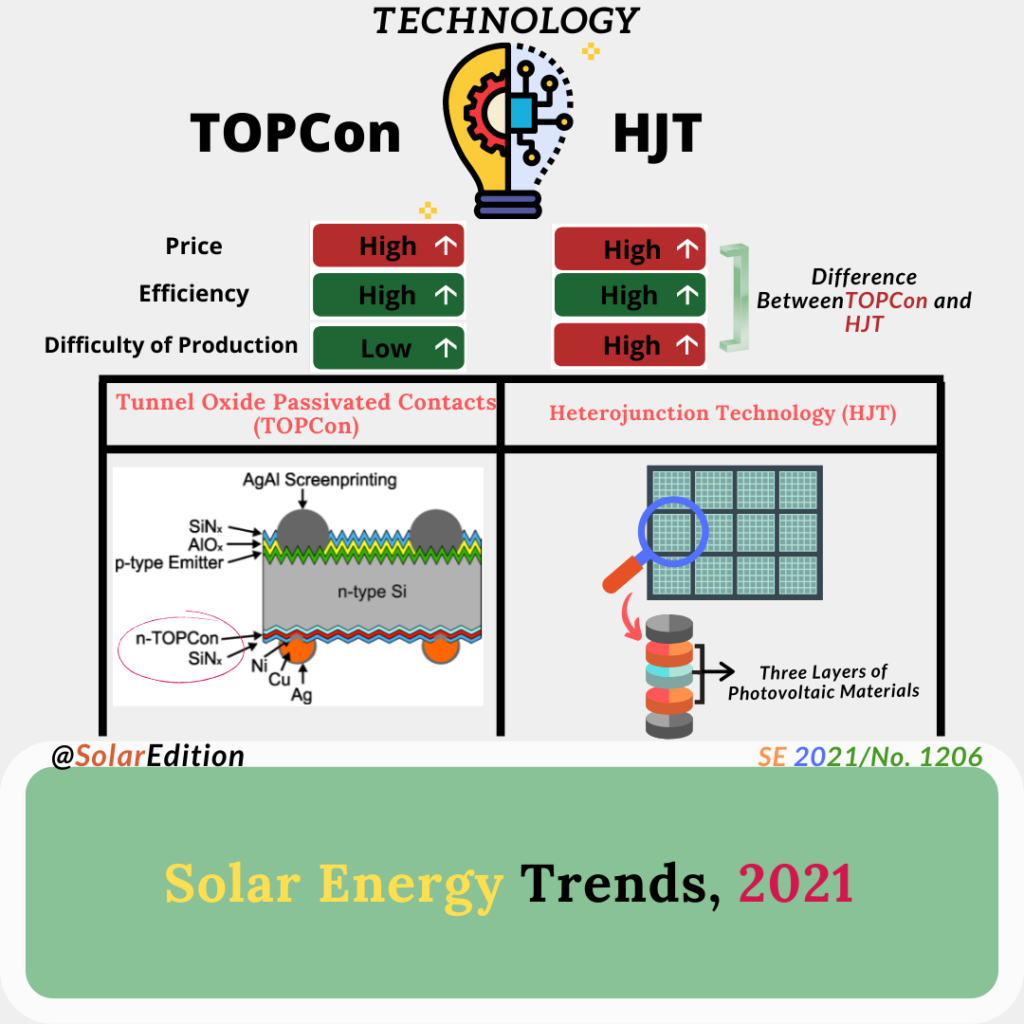
When choosing between HJT and TOPCon panels, farmers need to consider several factors, including efficiency, cost, and environmental suitability. Both technologies offer high efficiency and reliability, but they have distinct characteristics that may influence the decision-making process.
Efficiency and Performance Comparisons
Both HJT and TOPCon panels offer impressive efficiency levels, but HJT panels slightly edge out with higher conversion rates. This makes them particularly suitable for farms with limited space or high energy demands. However, TOPCon panels offer excellent performance across a range of environmental conditions, providing versatility that can be beneficial in areas with variable weather.
Cost-Effectiveness for Farming Operations
Cost-effectiveness is a critical consideration for farmers. While both HJT and TOPCon panels involve higher initial costs, their long-term savings and reduced maintenance needs make them cost-effective solutions. Farmers should analyze their specific energy needs, potential savings, and available incentives to determine which technology offers the best return on investment.
Durability and Environmental Resilience
Durability is another essential factor. Both HJT and TOPCon panels are designed to withstand challenging conditions, but TOPCon panels have a slight advantage in resilience. Their robust design makes them particularly suitable for farms in regions with harsh weather conditions, ensuring reliable energy production.
Besides that, farmers must consider the specific environmental conditions of their location to choose the most suitable panel type. Both technologies provide excellent durability, but the choice may come down to specific environmental challenges faced by the farm.
Application Versatility in Agriculture
Both HJT and TOPCon panels are versatile and can be used in various agricultural applications. Whether it’s powering irrigation systems, water pumps, or storage solutions, these panels provide the energy needed to keep farms running smoothly. Their adaptability makes them an ideal choice for farmers looking to integrate solar technology into their operations.
This Table shows the Direct Comparison: HJT vs. TOPCon Solar Panels
|
Feature |
HJT (Heterojunction Technology) Solar Panels |
TOPCon (Tunnel Oxide Passivated Contact) Solar Panels |
|---|---|---|
|
Efficiency |
22–26% (monofacial), up to 30% (bifacial); among the highest in the industry. 1, 7 |
22–28% (lab), typically 22–23% commercially; higher than PERC, competitive with HJT. 2, 6 |
|
Bifaciality |
Very high, up to 92%. 7 |
High, up to 85% (3); excellent for maximizing energy yield in reflective environments. |
|
Temperature Coefficient |
Excellent; low loss in high temperatures, ideal for hot climates. 1, 5, 7 |
Very good; typically -0.30%/°C, slightly better than PERC and competitive with HJT. 2, 3 |
|
Degradation Rate |
Very low; ~0.5% per year, ensuring long-term performance. 5 |
Low; ~1.5% in the first year, ~0.4% annually thereafter. 3, 6 |
|
Light-Induced Degradation (LID) |
Highly resistant; maintains efficiency over time. 5 |
Very low LID due to N-type silicon and minimal boron. 3 |
|
Low-Light Performance |
Excellent; generates power even in low-light and diffuse conditions. 1, 5 |
Excellent; strong performance in cloudy or shaded environments. 4, 6 |
|
Durability & Longevity |
Superior; glass-glass construction, highly resistant to environmental stress. 5 |
High; double-glass structure, good resistance to environmental factors. 3, 4 |
|
Manufacturing Complexity |
High; requires advanced machinery and expertise, limiting scale and increasing cost. 5, 7 |
Moderate; can be adapted from existing PERC lines, but still more complex than PERC. 4, 6 |
|
Cost |
Higher upfront cost due to advanced materials and processes. 1, 5, 7 |
Lower net-capital cost at scale; more cost-effective manufacturing than HJT. 4, 6 |
|
Market Availability |
Increasing; easier to scale from existing lines, more widely available. 4, 6 | |
|
Weight & Installation |
Heavier (glass-glass, bifacial), may require robust mounting and specialized installers. 5 |
Standard; similar to other double-glass modules, generally easier to install36. |
|
Best Use Cases |
Utility-scale, high-temperature, high-albedo, or space-constrained projects seeking maximum output. 1, 5, 7 |
Utility-scale, agricultural, and rooftop projects needing high efficiency and durability. 6 |
Key Takeaways from the table
- HJT panels excel in efficiency, bifaciality, and long-term durability, making them ideal for demanding environments and projects prioritizing maximum energy yield and longevity. However, they come with higher upfront costs and more complex manufacturing and installation requirements. 1, 5, 7
- TOPCon panels offer high efficiency, strong bifacial performance, and excellent adaptability to various environments, with the added advantage of lower production costs and easier scalability from existing manufacturing lines. They are becoming increasingly popular for both utility-scale and commercial applications. 2, 3, 4, 6
Both technologies represent the forefront of N-type solar cell innovation, with HJT leading in absolute performance and TOPCon offering a compelling balance of efficiency, cost, and scalability.
Practical Application of Solar Panels on Farms
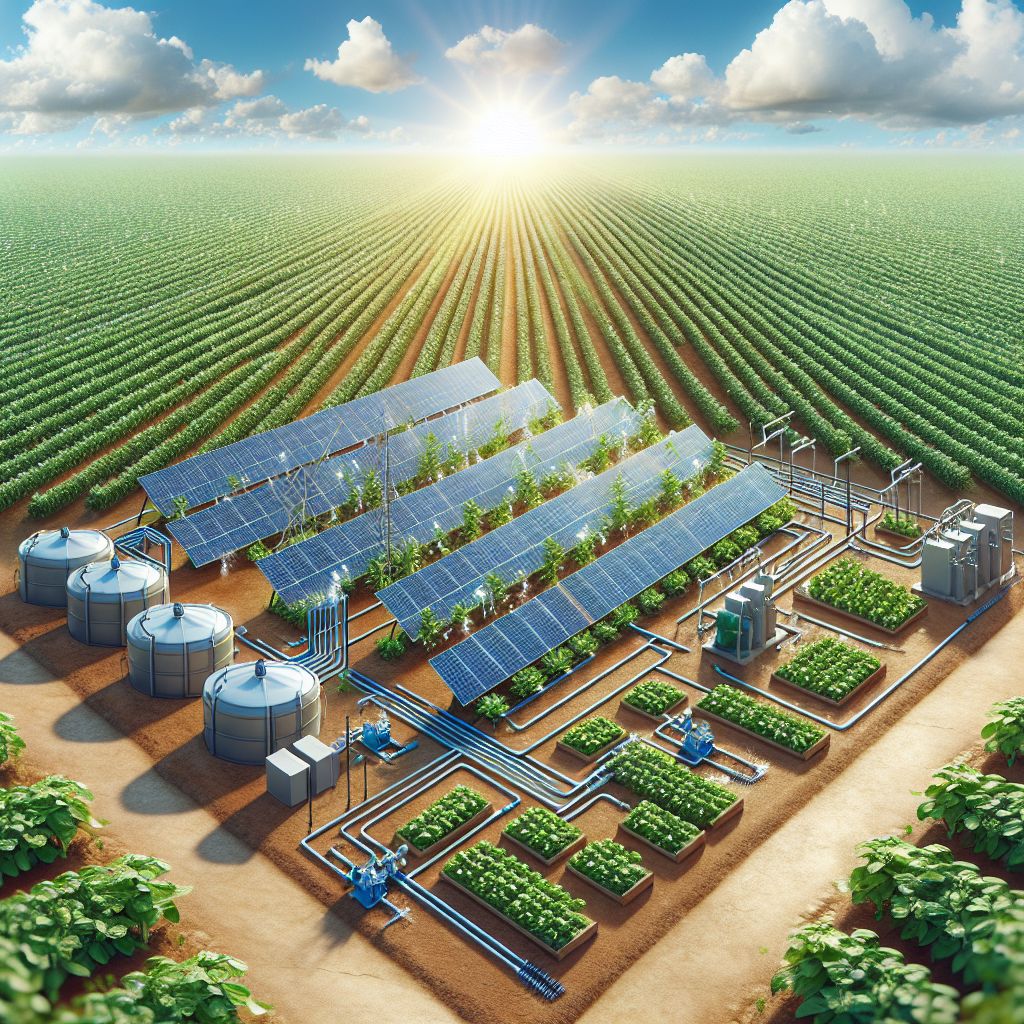
Implementing solar technology on farms involves more than just installing panels. It’s about integrating a system that enhances farm operations and improves energy efficiency. Farmers can use solar power for various purposes, ensuring that their energy needs are met sustainably.
One practical application is using solar panels to power irrigation systems. By harnessing solar energy, farmers can ensure a consistent water supply for their crops, even in remote areas without access to the grid.
For example, a farm in Arizona successfully integrated solar-powered irrigation, reducing their reliance on traditional energy sources and cutting water costs by 30%.
In addition to irrigation, solar panels can be used for water pumping, providing a reliable and efficient solution for farms needing to transport water over long distances. Energy storage solutions, such as batteries, can also be incorporated to store excess solar energy for use during nighttime or cloudy days. For more insights, explore using solar panels to power farm operations.
By implementing these solar technologies, farmers can create a more sustainable and resilient farming operation, reducing their environmental impact while ensuring energy reliability. For more insights, consider exploring whether farmers should use solar panels to power their farm operations.
Implementing Solar Power for Irrigation
Integrating solar power into irrigation systems is a game-changer for farmers. By using solar panels, farmers can ensure a steady supply of water to their crops without relying on the grid. This is particularly beneficial in remote areas where electricity access is limited or unreliable. Solar-powered irrigation systems use photovoltaic panels to generate electricity, which is then used to pump water from wells or reservoirs directly to the fields.
Solar Energy for Water Pumping
Water pumping is another critical application of solar technology on farms. Solar-powered pumps can transport water over long distances or elevate it to higher levels, making them ideal for farms with varying topographies. These systems are not only energy-efficient but also cost-effective, as they reduce or eliminate the need for fuel-based pumps. By switching to solar, farmers can cut down on fuel costs and reduce their carbon footprint.
Energy Storage Solutions for Night-Time Use
One of the challenges of solar energy is its dependence on sunlight. To overcome this, farmers can use energy storage solutions like batteries to store excess energy generated during the day for use at night or on cloudy days. This ensures that essential farm operations can continue without interruption, regardless of the weather or time of day. For more information on solar solutions for farms, you can explore using solar panels to power farm operations.
Modern battery systems are highly efficient and can store large amounts of energy, making them a practical addition to any solar setup. By integrating energy storage with solar panels, farmers can achieve energy independence and improve the resilience of their operations.

Conclusion: Choosing the Right Solar Panel for Your Farm
Choosing the right solar panel for your farm depends on various factors, including your specific energy needs, budget, and environmental conditions. Both HJT and TOPCon panels offer unique advantages, and understanding these can help you make an informed decision. For more information on solar panel options, consider exploring types and options for farmers.
Summarizing Key Deciding Factors
When deciding between HJT and TOPCon panels, consider the following factors:
- Efficiency: HJT panels offer slightly higher efficiency, making them ideal for space-constrained farms.
- Cost: Both panel types have higher initial costs, but their long-term savings and durability can offset these expenses.
- Environmental Suitability: TOPCon panels perform well in various conditions, offering versatility for different climates.
- Durability: Both panels are robust, but TOPCon panels may offer better resilience in harsh conditions.
Recommendations for Different Farming Needs
For farms with limited space or high energy demands, HJT panels may be the better choice due to their superior efficiency. On the other hand, farms located in areas with harsh weather conditions might benefit more from the durability and versatility of TOPCon panels.
Ultimately, the best choice will depend on your farm’s unique circumstances and energy goals. Consider consulting with a solar energy expert to assess your specific needs and explore financing options or incentives that can make the transition to solar more affordable.
Frequently Asked Questions (FAQ)
Here are some common questions farmers have about solar panels and their applications in agriculture:
What are the main differences between HJT and TOPCon solar panels?
HJT panels are known for their higher efficiency, reaching up to 26.07%, making them ideal for space-constrained applications. TOPCon panels, while slightly less efficient, offer excellent performance across various environmental conditions and are known for their durability.
- HJT panels excel in low-light conditions and have a lower degradation rate.
- TOPCon panels are designed to withstand harsh weather and have a robust structure.
Which solar panel is more cost-effective for small-scale farms?
- HJT panels may offer better cost-effectiveness for farms with limited space due to their higher efficiency.
- TOPCon panels might be more suitable for farms in areas with challenging weather conditions, offering long-term durability.
Both options require an initial investment, but their long-term energy savings and reduced maintenance costs can make them cost-effective choices for small-scale farms.
How do environmental conditions affect the performance of these solar panels?
Environmental conditions can significantly impact the performance of solar panels. HJT panels maintain high efficiency even in low-light conditions, making them suitable for regions with frequent cloud cover. TOPCon panels are designed to perform well across a range of temperatures and weather conditions, providing consistent energy output regardless of environmental changes.
Can both types of panels be used for off-grid applications?
Yes, both HJT and TOPCon panels are suitable for off-grid applications. Their high efficiency and durability make them ideal for providing reliable energy in remote locations where grid access is unavailable.
What maintenance is required for long-term performance of solar panels?
Regular maintenance is essential to ensure the long-term performance of solar panels. This includes cleaning the panels to remove dust and debris, inspecting for any physical damage, and ensuring all electrical connections are secure. By maintaining your solar panels, you can ensure they continue to operate efficiently and provide reliable energy for your farm.







Leave a Reply