
Key Takeaways
- Thin-film solar panels are cost-effective, with initial investments lower than traditional solar panels, making them accessible for farms of all sizes.
- They are lightweight and flexible, allowing installation on various farm structures and curved surfaces.
- Thin-film panels perform well in diffused sunlight, ensuring reliable energy output even in cloudy conditions.
- These panels can power essential farm operations like irrigation and greenhouses, reducing reliance on fossil fuels.
- Integrating thin-film solar panels can lead to significant energy savings and improved sustainability for farms.
Introduction to Thin-film Solar Panels in Farming
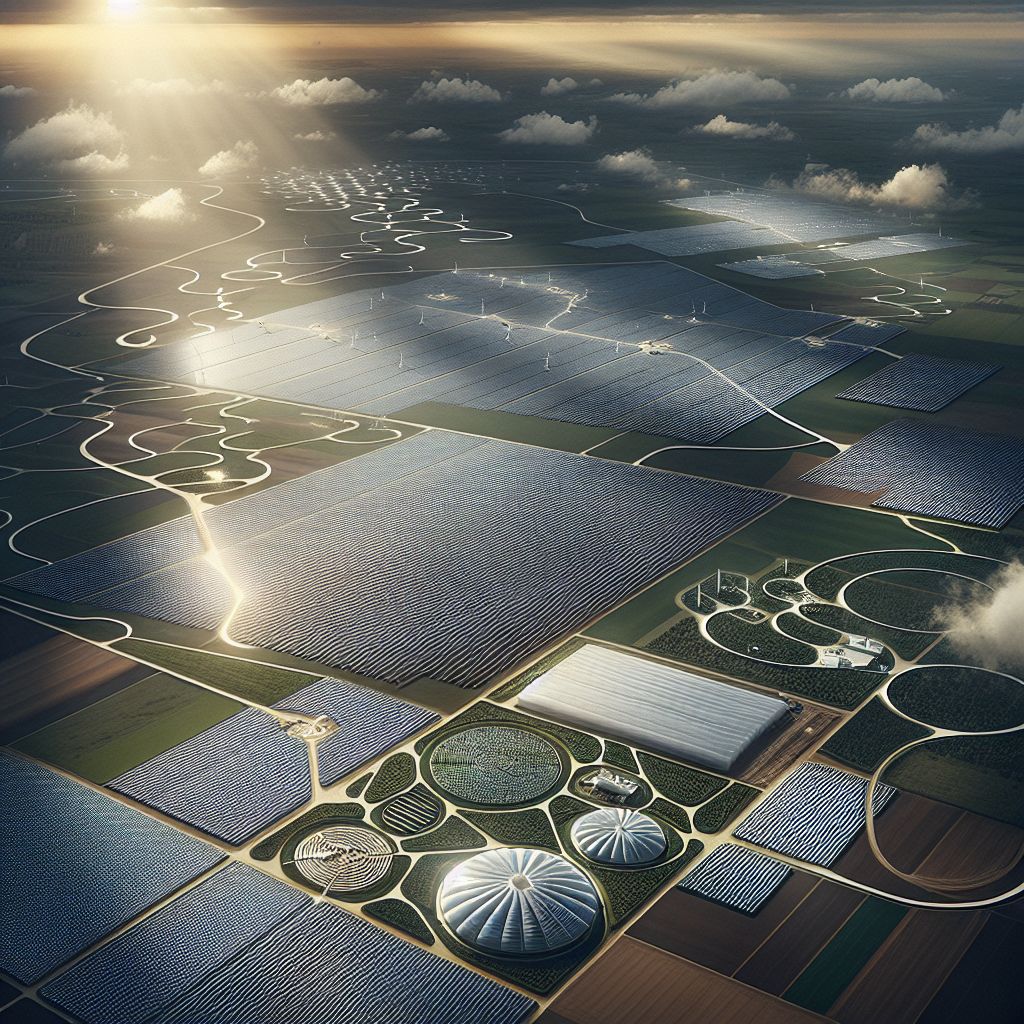
In recent years, the push for sustainable agriculture has taken center stage. Farmers worldwide are exploring renewable energy options to power their operations. Among these options, thin-film solar panels have emerged as a promising solution. Their lightweight and flexible design makes them ideal for farm applications, offering both cost savings and environmental benefits.
Why Farmers Are Turning to Solar Energy
Most importantly, the shift towards solar energy in farming is driven by the need to reduce operational costs and environmental impact. Traditional energy sources, like fossil fuels, not only contribute to pollution but also fluctuate in price. Solar energy, on the other hand, provides a stable and renewable source of power.
Additionally, government incentives and grants have made solar installations more affordable for farmers. By harnessing solar energy, farms can become more self-sufficient and resilient to energy market changes.
Basics of Thin-film Technology
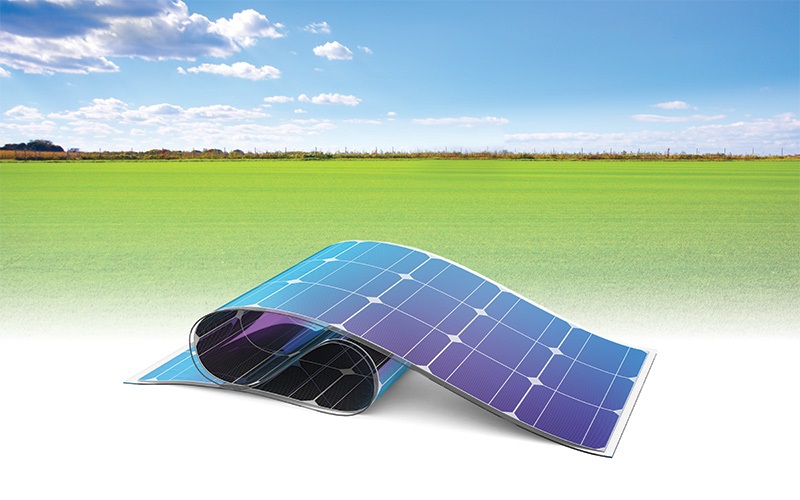
Thin-film solar panels are a type of photovoltaic technology that stands out for their unique construction. Unlike traditional solar panels, which use thick layers of silicon, thin-film panels use a much thinner layer of photovoltaic material. This results in a lighter and more flexible product.
Because of their flexibility, thin-film panels can be installed on a variety of surfaces, including those that are curved or uneven. This versatility opens up numerous possibilities for integrating solar power into farming operations.
Moreover, thin-film panels are less sensitive to temperature changes, which can affect the performance of traditional panels. This makes them particularly suitable for farms in regions with variable weather conditions.
What Are Thin-film Solar Panels Made of?
Thin-film solar panels are composed of several different materials, each with its own advantages. The most common types include amorphous silicon, cadmium telluride, and copper indium gallium selenide (CIGS). Each material offers unique properties that make thin-film panels adaptable to various environments. For farmers, understanding how solar panels can increase the efficiency of a farm is crucial to optimizing their use.
Farm Integration with Thin-film Solar Panels
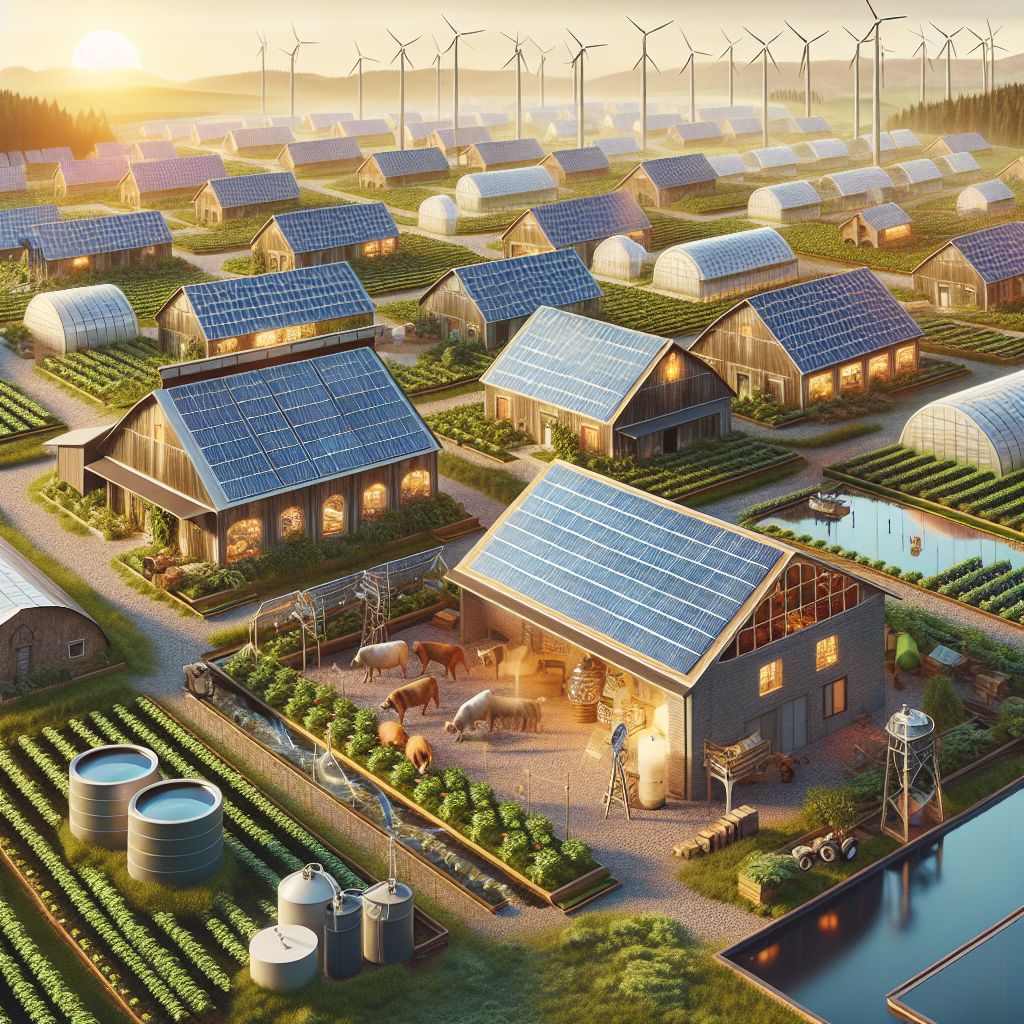
Integrating thin-film solar panels into farm operations requires thoughtful planning and consideration of the farm’s specific needs. The flexibility and lightweight nature of these panels make them an attractive option for many agricultural settings.
Installation on Farm Structures
Thin-film solar panels can be installed on a wide range of farm structures, from barn roofs to greenhouses. Their lightweight design means they don’t require heavy support structures, reducing installation costs and complexity. For more insights on how solar panels can increase farm efficiency, visit this article.
Compatibility with Existing Farm Equipment
Integrating thin-film solar panels with existing farm equipment is seamless due to their versatile design. These panels can easily power a variety of farm systems, from irrigation pumps to barn lighting. This compatibility not only reduces the need for additional infrastructure but also simplifies the transition to solar energy.
Moreover, thin-film panels can be used to charge batteries that store energy for later use, ensuring that farm operations continue smoothly even when the sun isn’t shining. This is particularly beneficial for farms in remote areas where grid access may be limited.
“In a rural area of Texas, a farm successfully integrated thin-film solar panels to power their irrigation system, resulting in an annual savings of over $10,000 on electricity bills.”
This real-world example highlights the potential savings and efficiency gains that can be achieved by integrating thin-film solar panels with existing farm equipment. To learn more about how these panels harness sunlight, visit this overview of thin-film solar panels.
Adaptability to Various Farm Sizes
Thin-film solar panels are suitable for farms of all sizes, from small family operations to large commercial enterprises. Their scalability allows farmers to start with a small installation and expand as needed, providing flexibility and room for growth. Learn more about how solar panels can increase farm efficiency.
In addition, the ability to tailor installations to specific needs means that farmers can optimize their energy use and maximize savings.
Compatibility with Existing Farm Equipment
Integrating thin-film solar panels with existing farm equipment is seamless due to their versatile design. These panels can easily power a variety of farm systems, from irrigation pumps to barn lighting. This compatibility not only reduces the need for additional infrastructure but also simplifies the transition to solar energy.
Moreover, thin-film panels can be used to charge batteries that store energy for later use, ensuring that farm operations continue smoothly even when the sun isn’t shining. This is particularly beneficial for farms in remote areas where grid access may be limited.
“In a rural area of Texas, a farm successfully integrated thin-film solar panels to power their irrigation system, resulting in an annual savings of over $10,000 on electricity bills.”
This real-world example highlights the potential savings and efficiency gains that can be achieved by integrating thin-film solar panels with existing farm equipment.
Advantages Over Traditional Solar Panels
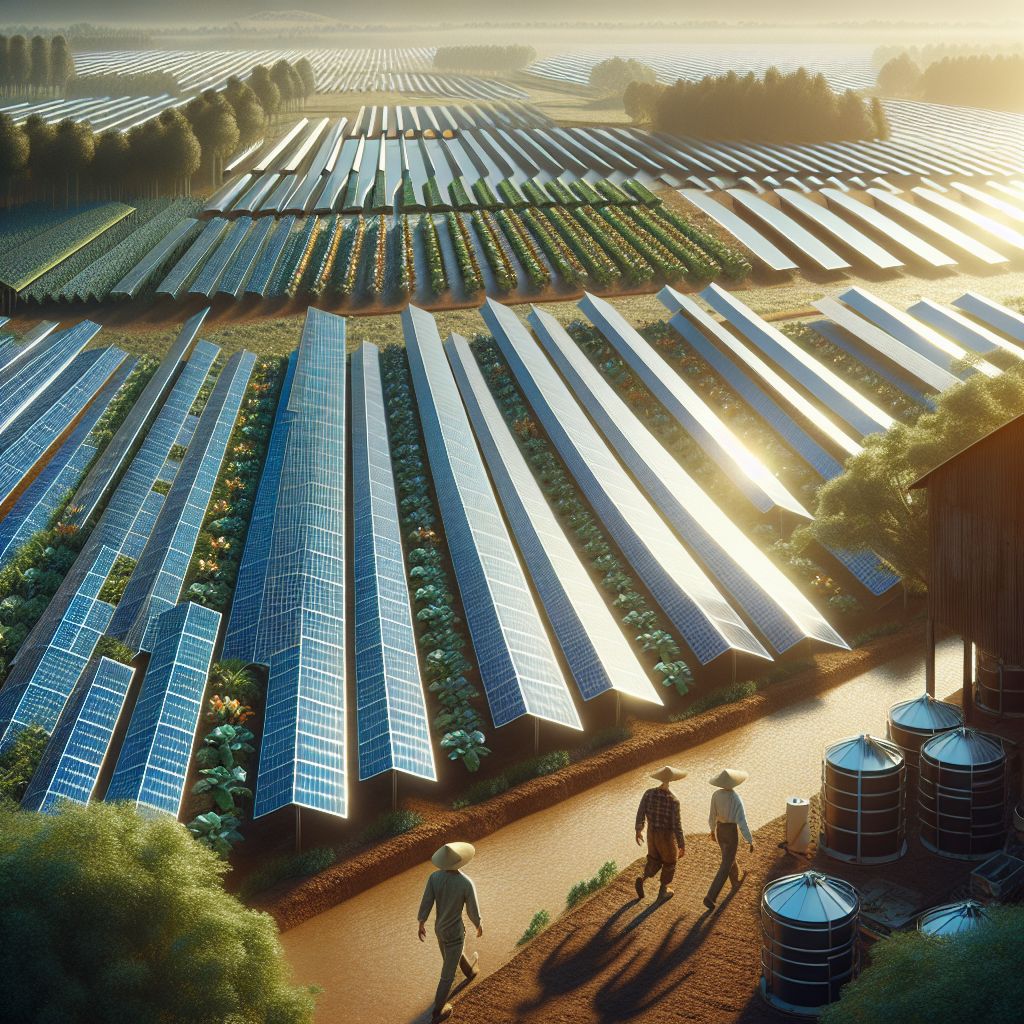
Thin-film solar panels offer several advantages over traditional solar panels, making them an attractive choice for farmers looking to invest in renewable energy. Their unique characteristics provide flexibility and cost savings that traditional panels often cannot match.
Flexibility and Lightweight Design
The flexibility of thin-film solar panels is one of their standout features. Unlike rigid traditional panels, thin-film panels can be bent and shaped to fit a variety of surfaces. This allows them to be installed on curved structures, such as barn roofs or greenhouses, where traditional panels would be impractical.
Additionally, their lightweight design reduces the need for heavy support structures, which can lower installation costs and simplify the setup process. This makes thin-film panels a more accessible option for farmers who may be concerned about the structural integrity of their buildings. For more information on how solar panels increase the efficiency of a farm, explore this detailed guide.
Moreover, because they are less bulky, thin-film panels are easier to transport and handle during installation. This can lead to faster deployment and reduced labor costs.
“A farm in Colorado installed thin-film solar panels on their greenhouse, taking advantage of the panels’ flexibility to cover the curved roof seamlessly.”
Performance in Diffused Sunlight Conditions
“Unlike traditional panels, which may see a significant drop in efficiency under cloudy conditions, thin-film panels maintain a more consistent output.”
This performance advantage means that thin-film panels can provide reliable energy even in regions with frequent cloud cover or diffused sunlight. Their ability to capture a broader spectrum of light ensures that farms can rely on a steady energy supply regardless of weather conditions. For more insights on how these panels harness the power of sunlight, explore thin-film solar panels.
As a result, farmers can maintain consistent energy production and avoid the fluctuations that can occur with other types of solar panels. This stability is crucial for planning and managing farm operations effectively.
Furthermore, the improved performance in diffused sunlight can lead to increased energy generation over time, maximizing the return on investment for farmers who choose thin-film solar technology.
Cost Efficiency and Maintenance Benefits
Thin-film solar panels are generally more cost-effective than traditional panels, both in terms of initial investment and ongoing maintenance. Their simpler design means fewer materials are required, which can lower production costs and, ultimately, the price for consumers. For more information on how solar panels can enhance farm operations, explore solar panel efficiency for irrigation systems.
Here is a comparison table highlighting the advantages and disadvantages of thin-film solar panels versus traditional (crystalline silicon) solar panels:
|
Feature |
Thin-Film Solar Panels |
Traditional Solar Panels (Crystalline Silicon) |
|---|---|---|
|
Cost |
Lower manufacturing and installation costs due to less material use and simpler processes. 1, 3 |
Higher initial costs but more cost-effective over time due to higher efficiency. 3, 6 |
|
Efficiency |
Lower efficiency (10%-13%); performs better in low-light conditions (e.g., cloudy weather). 2, 6 |
Higher efficiency (13%-22%), making them ideal for maximizing energy output. 1, 6 |
|
Weight and Flexibility |
Lightweight, flexible, and suitable for curved or portable applications. 1, 5 |
Heavier and rigid, requiring sturdier mounting structures. 4, 6 |
|
Space Requirements |
Requires more space due to lower efficiency; not ideal for limited roof areas. 1, 3 |
Requires less space to generate the same amount of electricity due to higher efficiency. 3, 6 |
|
Durability |
Less durable with a shorter lifespan (10-20 years); higher degradation rate over time. 4, 6 |
More durable with a longer lifespan (25-40 years); lower degradation rate. 4, 6 |
|
Temperature Sensitivity |
Performs better in high temperatures with less efficiency loss. 2, 5 |
Efficiency decreases more significantly in high temperatures. 2, 5 |
|
Installation |
Easier and quicker installation due to lightweight and flexible design. 3, 5 |
More labor-intensive installation due to rigidity and weight. 3, 4 |
|
Environmental Impact |
Contains toxic materials like cadmium; requires careful recycling but has lower lifecycle emissions. 2, 6 |
More eco-friendly materials but higher energy use during manufacturing. 6, 7 |
Applications in Agricultural Settings
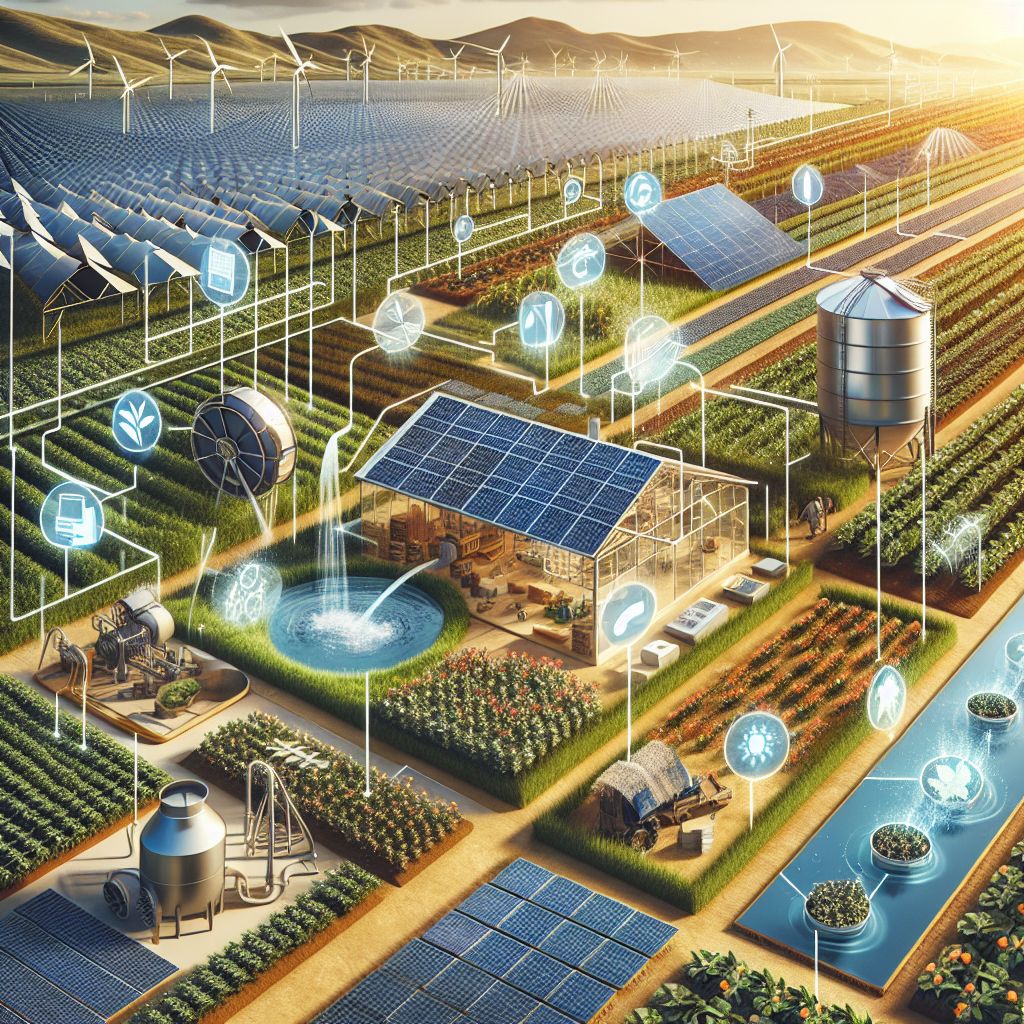
Thin-film solar panels are not just versatile in design; they also offer a range of applications in agricultural settings. From powering essential equipment to supporting innovative farming techniques, these panels can significantly enhance farm operations.
Their adaptability makes them suitable for a wide variety of agricultural uses, helping farmers improve efficiency and sustainability across their operations.
Powering Irrigation Systems
Irrigation is a critical component of modern farming, and powering these systems with solar energy can lead to substantial savings. Thin-film solar panels are ideal for this purpose, as they can be installed directly on irrigation infrastructure or nearby structures.
By using solar power, farmers can reduce their reliance on diesel or grid electricity, lowering fuel costs and emissions. This is especially important in areas where water resources are limited and efficient irrigation is essential.
Furthermore, solar-powered irrigation systems can operate independently of the grid, providing a reliable water supply even in remote locations. This independence can improve crop yields and reduce the risk of water shortages during critical growing periods.
- Reduced energy costs
- Increased reliability
- Lower environmental impact
- Enhanced crop yields
Supporting Greenhouse Operations
Greenhouses require a stable and consistent energy supply to maintain optimal growing conditions. Thin-film solar panels can provide this energy, powering everything from lighting and heating to ventilation systems. Their flexibility allows them to be installed on greenhouse roofs without obstructing natural light, ensuring that plants receive the sunlight they need to thrive.
Enabling Agrivoltaics for Crop Health
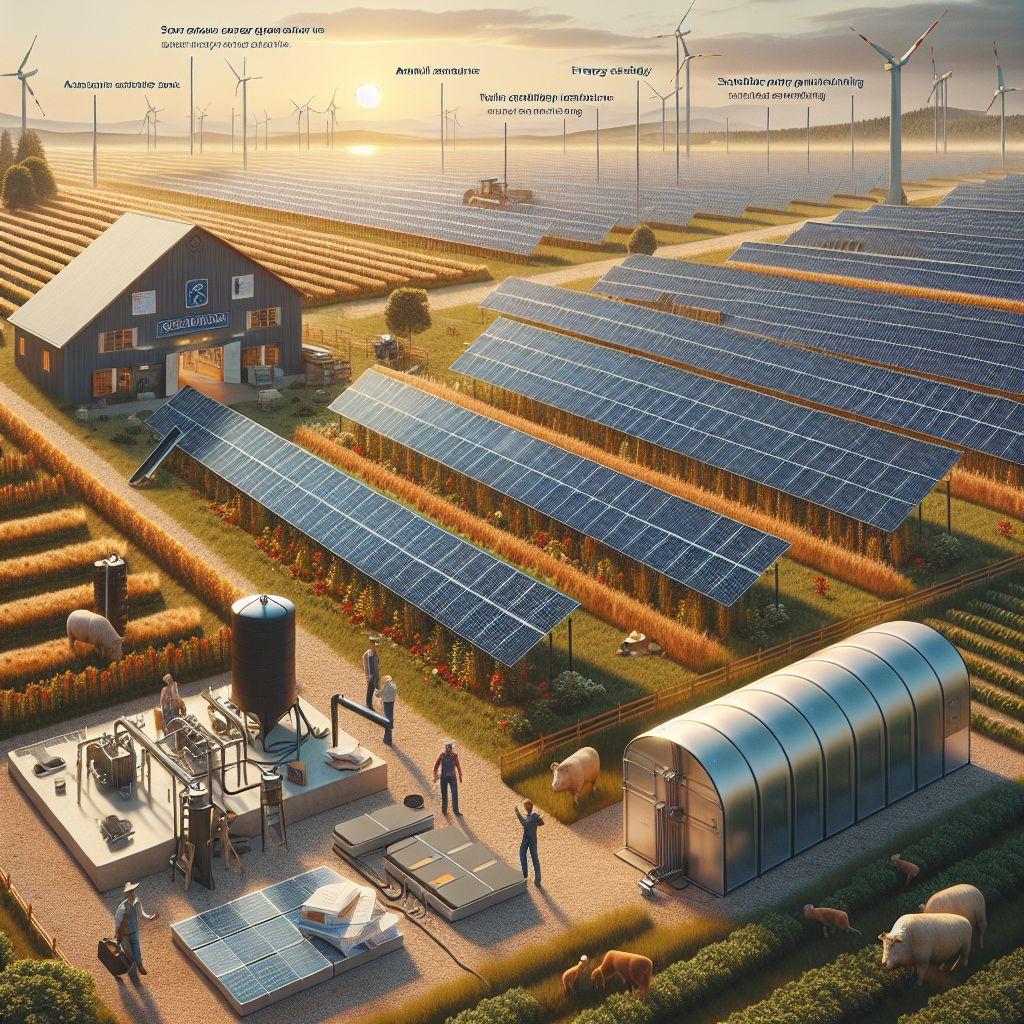
Agrivoltaics is an innovative approach that combines agriculture and solar power generation. By placing solar panels above crops, farmers can simultaneously produce food and energy. Thin-film solar panels are particularly well-suited for agrivoltaic projects due to their lightweight and flexible properties.
This setup can provide shade for crops, reducing heat stress and improving water retention in the soil. In turn, this can lead to healthier plants and higher yields, making agrivoltaics a win-win for both energy and agriculture.
“Thin Film Solar Panels Benefits …” from growingsolarmist.com and used with no modifications.
Real-world Success Stories
Real-world examples of thin-film solar panels in action demonstrate their potential to transform agricultural operations. These success stories highlight the versatility and effectiveness of this technology in diverse farming environments.
Dairy Farm Case Study
In Wisconsin, a dairy farm installed thin-film solar panels on their barn roofs to power milking machines and refrigeration units. The installation resulted in a 40% reduction in energy costs, allowing the farm to reinvest savings into expanding their herd and improving facilities.
Vineyard Application in Germany
A vineyard in Germany adopted thin-film solar panels to power their irrigation system and wine production equipment. The panels’ ability to perform well in the region’s cloudy climate ensured a steady energy supply, contributing to the vineyard’s sustainability goals.
Japanese Greenhouse Innovation
“In Japan, a greenhouse operation utilized thin-film solar panels to power their heating and cooling systems, resulting in a 50% reduction in energy costs and a 20% increase in crop yields.”
This example illustrates the potential for thin-film solar panels to enhance agricultural productivity while reducing environmental impact.
By embracing thin-film solar technology, these farms have achieved significant energy savings and enhanced sustainability. Their success serves as an inspiration for other farmers considering a transition to renewable energy.
As more farmers adopt thin-film solar panels, the potential for widespread environmental and economic benefits continues to grow. This technology offers a practical and effective solution for powering modern agricultural operations.
Effective Implementation Strategies
Implementing thin-film solar panels effectively requires careful planning and consideration of the farm’s specific energy needs. Here are some strategies to ensure successful integration:
Leveraging Financial Incentives and Grants
Farmers looking to integrate thin-film solar panels into their operations can significantly benefit from financial incentives and grants. Many governments offer subsidies and tax credits to encourage renewable energy adoption in agriculture. These financial aids can offset initial installation costs, making the transition to solar energy more affordable.
To take advantage of these incentives, farmers should research available programs in their region and apply early. Consulting with solar installation experts who are familiar with local regulations can also help ensure that farms maximize the financial benefits available to them.
Energy Storage Solutions for Optimal Use
To maximize the efficiency of thin-film solar panels, energy storage solutions are essential. Batteries can store excess energy generated during sunny periods for use during cloudy days or nighttime. This ensures a consistent energy supply, allowing farm operations to continue uninterrupted.
When selecting energy storage systems, consider factors such as capacity, cost, and compatibility with existing equipment. By investing in high-quality storage solutions, farms can optimize their solar energy use and reduce reliance on external power sources.
Training and Technical Support for Farmers
Proper training and technical support are crucial for the successful implementation of thin-film solar panels on farms. Farmers should seek out training programs that cover installation, maintenance, and troubleshooting to ensure they can manage their solar systems effectively.
Additionally, partnering with reputable solar companies that offer ongoing support can provide peace of mind and help address any technical issues that may arise. This proactive approach ensures that farms can maintain optimal performance from their solar installations.

“Thin-film solar is the future of …” from www.pv-magazine.com and used with no modifications.
Sustainable Future with Thin-film Technology
Thin-film solar panels represent a sustainable future for agriculture, offering numerous environmental and economic benefits. By harnessing the power of the sun, farms can reduce their carbon footprint and contribute to global efforts to combat climate change.
Long-term Environmental Benefits
The environmental benefits of thin-film solar panels extend beyond energy savings. By reducing reliance on fossil fuels, farms can decrease greenhouse gas emissions and improve air quality. This shift towards renewable energy also conserves natural resources and promotes biodiversity.
Future Trends in Agricultural Solar Solutions
As technology continues to advance, the potential for solar energy in agriculture will only grow. Future trends may include more efficient solar panels, improved energy storage solutions, and innovative applications such as agrivoltaics.
These advancements will enable farms to further enhance their sustainability and resilience, paving the way for a more sustainable agricultural industry.
- Increased efficiency of solar panels
- Enhanced energy storage technologies
- Innovative applications like agrivoltaics
Initial Investment vs. Long-term Savings
While the initial investment in thin-film solar panels may seem daunting, the long-term savings are substantial. Over time, the reduction in energy costs can offset the upfront expenses, leading to significant financial benefits for farms.
By carefully evaluating the cost-effectiveness of solar installations, farmers can make informed decisions that balance short-term costs with long-term savings.
Conclusion:
Thin-film solar panels offer a compelling solution for farms seeking to enhance their sustainability and reduce energy costs. Their flexibility, cost-efficiency, and adaptability make them an ideal choice for a wide range of agricultural applications.
Are Thin-film Solar Panels a Good Investment for a Farmer
Yes, thin-film solar panels are a sound investment for farmers. They provide a reliable source of renewable energy, reduce operational costs, and contribute to environmental sustainability. With the availability of financial incentives and ongoing technological advancements, the benefits of adopting this technology are clear.
Frequently Asked Questions (FAQ)
Farmers considering thin-film solar panels often have questions about their performance, maintenance, and impact. Here, we address some common queries to provide clarity and guidance.
How do thin-film panels differ from traditional solar panels?
Thin-film solar panels are lighter, more flexible, and generally less expensive than traditional silicon-based panels. They can be installed on a variety of surfaces, including curved or uneven ones, making them ideal for farm applications.
What maintenance is required for thin-film solar panels on farms?
Maintenance for thin-film solar panels is relatively straightforward. Regular cleaning to remove dust and debris is essential to maintain efficiency. Periodic inspections can help identify and address any issues early on, ensuring optimal performance.
Can thin-film panels provide enough energy for large-scale farms?
Yes, thin-film panels can be scaled to meet the energy needs of large-scale farms. By tailoring the installation to the specific requirements of the farm, they can provide a reliable and sufficient energy supply.
Are there government incentives available for agricultural solar projects?
Many governments offer incentives such as tax credits, grants, and subsidies to encourage the adoption of solar energy in agriculture. These incentives can significantly reduce the cost of solar installations for farmers.
“In the United States, the Rural Energy for America Program (REAP) provides grants and loan guarantees to help farmers purchase and install renewable energy systems.”
How do thin-film panels impact farm aesthetics and land use?
Thin-film panels have minimal impact on farm aesthetics due to their low profile and ability to blend with existing structures. Their flexible design allows them to be integrated into various parts of the farm without taking up valuable land space.







Leave a Reply