
Key Takeaways
- Solar panels can drastically cut farm electricity costs, saving farmers thousands of dollars annually.
- Monocrystalline panels are the most efficient, ideal for farms with limited space.
- Polycrystalline panels offer a budget-friendly solution for farms with more space.
- Thin-film panels provide flexibility, suitable for specific agricultural applications like greenhouses.
- Government incentives and rebates can significantly reduce the initial cost of solar panel installation.
Why Solar Power is a Smart Choice for Farms
Farms are increasingly turning to solar power as a sustainable energy solution. Not only does it help in reducing electricity bills, but it also aligns with eco-friendly practices. Solar energy is renewable, meaning it won’t run out, and it significantly lowers carbon emissions, contributing to a healthier planet.
Benefits of Solar Power in Agriculture
Solar power offers numerous benefits for agricultural operations. It ensures a steady energy supply, which is crucial for running irrigation systems, greenhouse lighting, and other essential farm equipment. Moreover, it reduces dependency on the grid, providing energy security and stability, especially in remote areas.
Environmental and Economic Advantages
Switching to solar energy means embracing a cleaner, greener future. It reduces the carbon footprint, which is vital in the fight against climate change. Economically, the savings on electricity bills can be redirected towards other farm improvements, enhancing productivity and profitability.
Meeting Diverse Energy Needs
Farms have varying energy needs depending on their size and operations. Solar power is versatile and can be tailored to meet these specific requirements. Whether it’s powering a small barn or a large-scale irrigation system, solar energy provides a reliable and efficient solution.
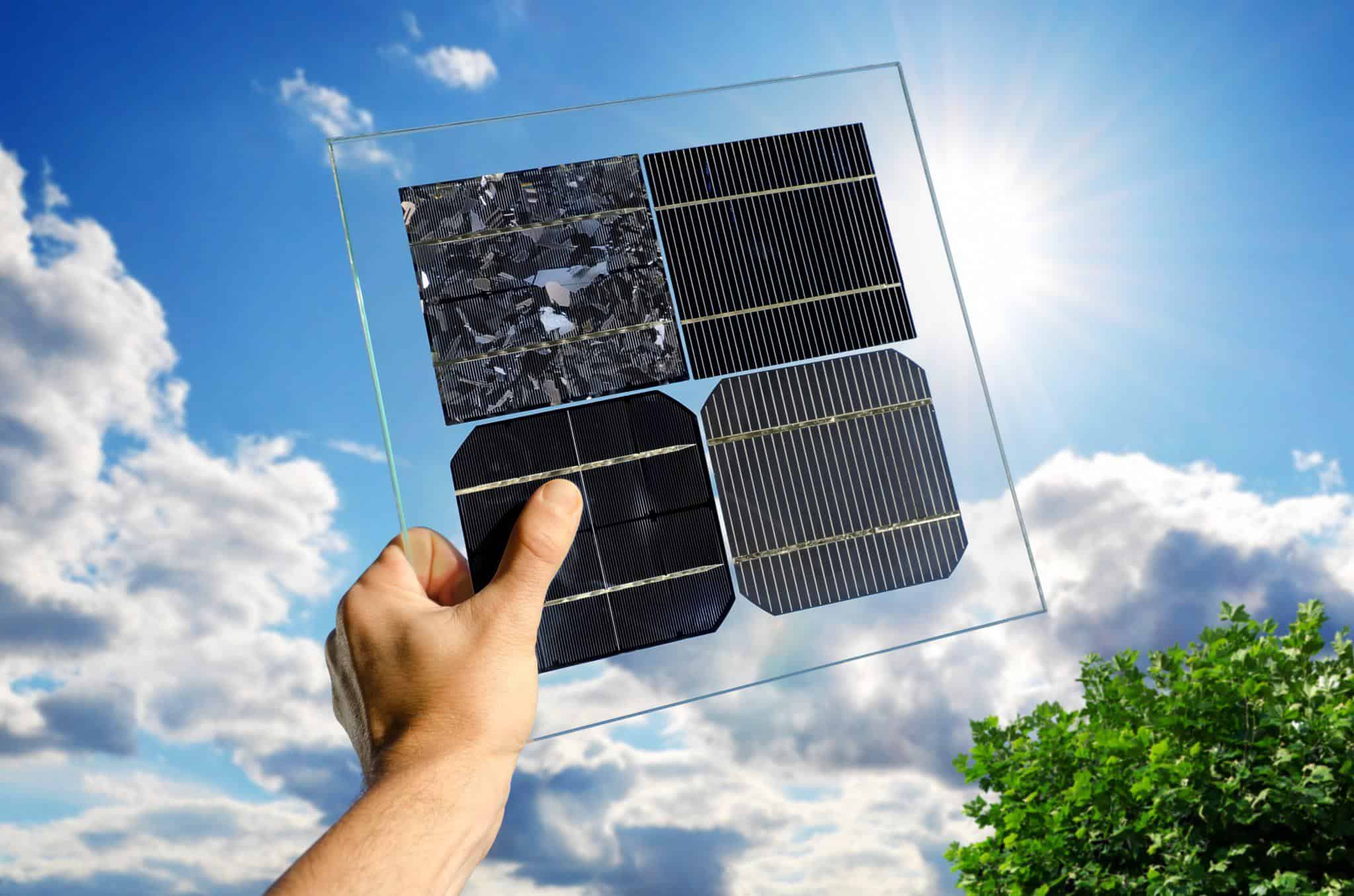
“Solar Panels – Solar Negotiators” from www.solarnegotiators.com and used with no modifications.
Types of Solar Panels Perfect for Farms
When it comes to choosing solar panels for farms, understanding the different types available is crucial. Each type has unique features that make it suitable for specific applications. Let’s explore the most common types: monocrystalline, polycrystalline, thin-film, and PERC panels.
Monocrystalline Solar Panels: Efficiency and Durability
Monocrystalline panels are known for their high efficiency and durability. Made from single-crystal silicon, they have a uniform appearance and are more efficient in converting sunlight into electricity compared to other types. This makes them ideal for farms with limited space but high energy demands. For more information on how solar panels can benefit farm operations, check out this comparison of solar panels for farm operations.
Polycrystalline Solar Panels: Cost-Effective Solutions
Polycrystalline panels are made from multiple silicon crystals, which makes them less efficient than monocrystalline panels. However, they are more affordable, making them a popular choice for farms with ample space. They offer a good balance between cost and efficiency, making them suitable for many agricultural applications.
Thin-film Solar Panels: Flexibility and Applications
Thin-film panels are made by depositing one or more thin layers of photovoltaic material onto a substrate. They are less efficient than crystalline panels but offer flexibility, making them ideal for unconventional surfaces. Thin-film panels are perfect for applications like greenhouse roofs where flexibility is required.
Passivated Emitter and Rear Cell (PERC) Panels: Absorbed the Sunlight from Both Sides
PERC panels are an advanced version of monocrystalline panels. They feature an additional layer on the back that reflects sunlight back into the panel, increasing efficiency. This technology is particularly useful for farms aiming to maximize energy output from a limited space.
Choosing the right type of solar panel for your farm is crucial. Consider the specific needs of your operations, the available space, and your budget. Consulting with a solar energy expert can help you make an informed decision. For more information on how solar panels can increase the efficiency of your farm, visit this guide.
|
Type of Solar Panel |
Advantages |
Disadvantages |
|---|---|---|
|
Monocrystalline Solar Panels | ||
|
– Performance drops slightly in extreme heat. 1 | ||
|
– Performs well in low-light conditions (cloudy days, mornings). 1, 2 | ||
|
Polycrystalline Solar Panels |
– Cost-effective option, suitable for large-scale installations. 1, 3 |
– Lower efficiency (13-17%) compared to monocrystalline panels. 1, 3 |
|
– Durable and handles heat well. 3 |
– Requires more space for the same energy output as monocrystalline panels. 3 | |
|
– Affordable initial investment, often offset by government incentives. 3 | ||
|
Thin-Film Solar Panels |
– Lightweight, flexible, and easy to install on unconventional surfaces (e.g., curved roofs)1, 5, 7 |
– Lowest efficiency (10-13%) among the options, requiring more space for equivalent output.5, 7 |
|
– Performs well in high temperatures and low-light conditions, ideal for diverse climates. 5, 7 |
– Shorter lifespan (10-20 years) compared to crystalline panels. 5, 7 | |
|
– Cost-effective with lower production and installation costs. 5, 7 |
– Bulkier installations needed for larger-scale energy production.5 | |
|
PERC Solar Panels |
– Enhanced efficiency (Up to 22% or higher) due to passivation layer, capturing more sunlight. 4 |
– Higher cost than traditional Monocrystalline panels, but prices are becoming comparable. 4 |
|
– Performs well in low-light and high-temperature conditions, ideal for varied climates. 2, 4 |
– Technology may be less familiar, requiring specialized installation expertise. 4 | |
|
– Maximizes energy output in limited space, suitable for farms with restricted installation areas. 4 |
This table provides a comparison of solar panel options for farmers, highlighting their suitability based on efficiency, cost, durability, and space requirements. Farmers should consider their specific energy needs, budget, and available installation area when making a decision.
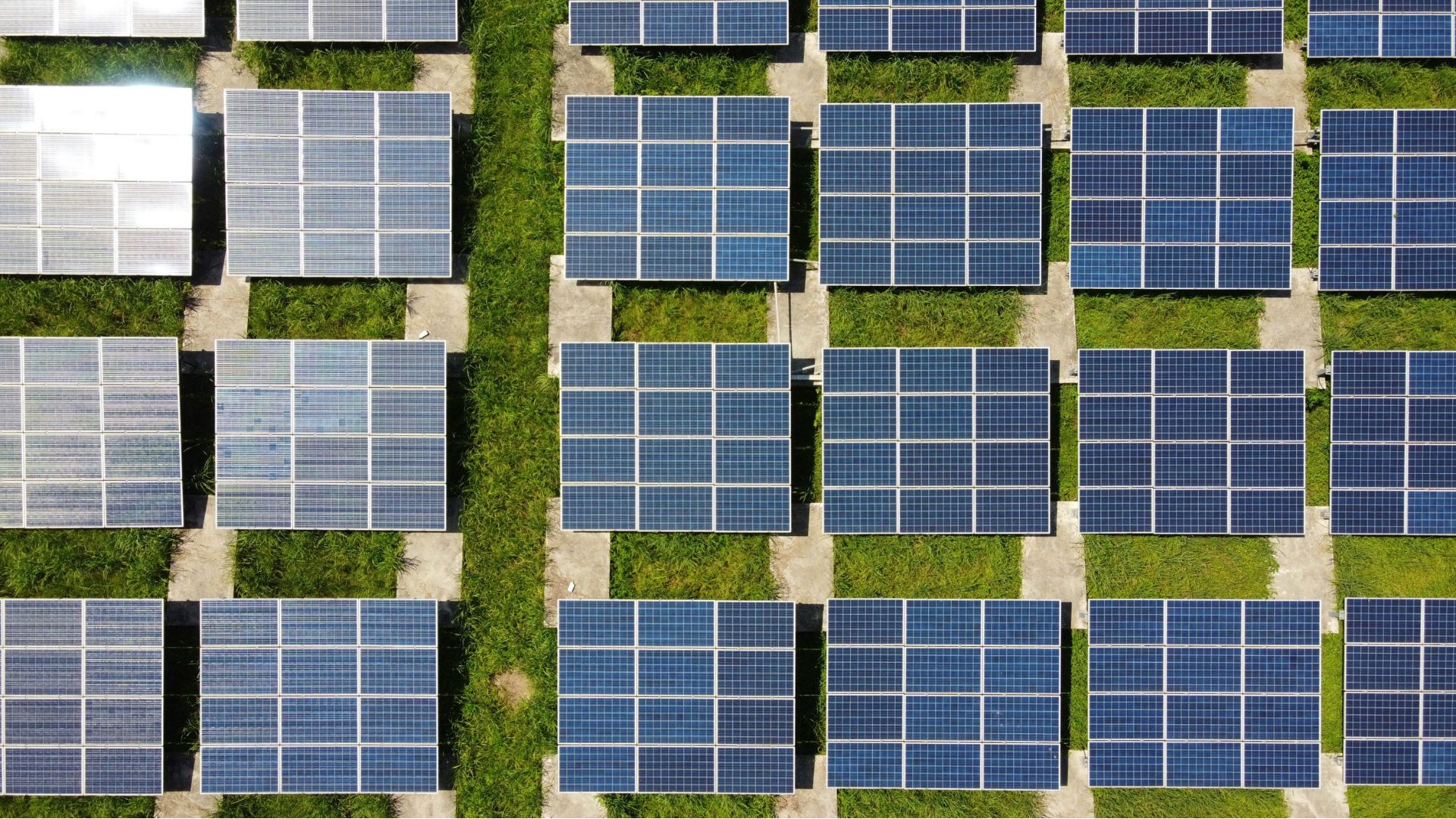
“Which Solar Panel Is Better? An …” from www.greenerwisdom.com and used with no modifications.
Monocrystalline Solar Panels
Monocrystalline panels are often regarded as the premium choice for solar energy solutions. Their high efficiency and long lifespan make them a popular option among farmers looking to maximize their energy output.
The Bright Side of Monocrystalline Solar Panels for Farmers
Monocrystalline panels are the most efficient type of solar panel available. They have a higher power output and require less space than other panels. This makes them ideal for farms with limited roof space or those looking to maximize their energy production.
Moreover, monocrystalline panels have a sleek and uniform appearance, which can be aesthetically pleasing. They are also known for their durability and longevity, often coming with warranties of 25 years or more. This means they are a long-term investment that can provide reliable energy for decades. For more information on how solar panels boost farm operations, check out this comparison.
For example, a dairy farm in California switched to monocrystalline panels and reported a 30% reduction in energy costs within the first year. This significant saving allowed the farm to reinvest in other areas, boosting overall productivity.
The Dark Side of Monocrystalline Solar Panels for Farmers
Despite their advantages, monocrystalline panels come with a higher upfront cost compared to other types. This can be a barrier for some farmers, especially those with limited budgets. Additionally, their efficiency can decrease in extremely hot climates, although this is a common issue with most solar panels.
However, the long-term savings on energy bills and potential government incentives can offset the initial cost. It’s important to weigh these factors carefully and consider the long-term benefits of investing in high-efficiency panels.

“Poly Solar Panels” from www.vokek.com and used with no modifications.
Polycrystalline Solar Panels
Polycrystalline solar panels, while slightly less efficient than their monocrystalline counterparts, offer a more affordable option for farmers. These panels are made from multiple silicon crystals, giving them a distinctive blue hue. They’re a popular choice for those looking to balance cost and performance.
Farmers with larger areas available for installation often choose polycrystalline panels due to their lower cost. Although they require more space to produce the same amount of energy as monocrystalline panels, their affordability makes them accessible for many farming operations. For more insights on solar panel choices, check out solar panels for farm operations.
The Advantages of Using Polycrystalline Solar Panels for a Farm’s Operations
The primary advantage of polycrystalline panels is their cost-effectiveness. They are cheaper to produce, making them a budget-friendly option for farmers. This can be especially beneficial for large farms where the cost of outfitting extensive areas with solar panels can be prohibitive.
Moreover, polycrystalline panels perform well in moderate climates and are durable, providing a reliable energy source for years. Their performance is quite stable, making them a dependable choice for various agricultural applications.
The Disadvantages of Using Polycrystalline Solar Panels for a Farm’s Operations
On the downside, polycrystalline panels are less efficient than monocrystalline panels, meaning they require more space to produce the same amount of electricity. This can be a limiting factor for farms with restricted space.
Additionally, their efficiency can be slightly lower in high-temperature conditions, which might affect energy output during peak summer months. However, for many farms, the cost savings outweigh these potential drawbacks.
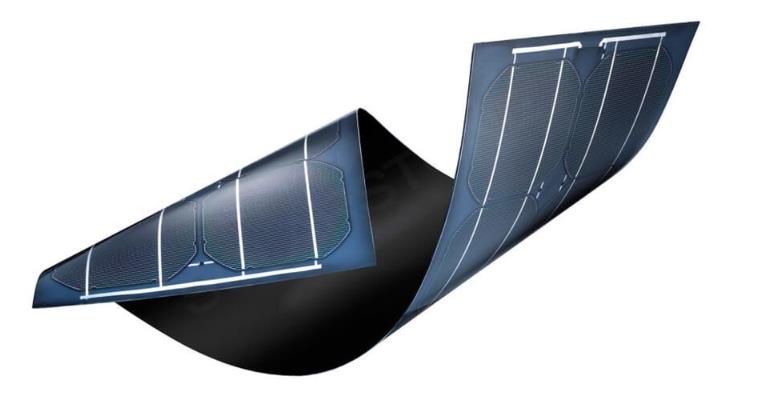
“Thin Film Solar Panels …” from inkpv.com and used with no modifications.
Thin-Film Solar Panels
Thin-film solar panels are known for their flexibility and lightweight nature. They are made by depositing thin layers of photovoltaic material onto a substrate, allowing them to be used in applications where traditional panels might not fit.
These panels are particularly advantageous for unconventional surfaces, such as the roofs of greenhouses or barns, where weight and flexibility are critical factors.
The Benefits of Using Thin-Film Solar Panels to Power a Farm
The primary benefit of thin-film panels is their adaptability. They can be installed on surfaces that can’t support the weight of traditional panels, providing a solution for unique farm structures. Additionally, they perform better in low-light conditions, which can be advantageous in regions with frequent cloud cover. For more information on choosing the right solar panels for farmers, consider exploring expert tips and recommendations.
The Drawbacks of Using Thin-Film Solar Panels to Power a Farm
However, thin-film panels are generally less efficient than crystalline panels, requiring more space to generate the same amount of energy. This can be a challenge for farms with limited roof or land area.
Furthermore, their lifespan can be shorter than that of crystalline panels, potentially leading to more frequent replacements and higher long-term costs.
PERC Panels
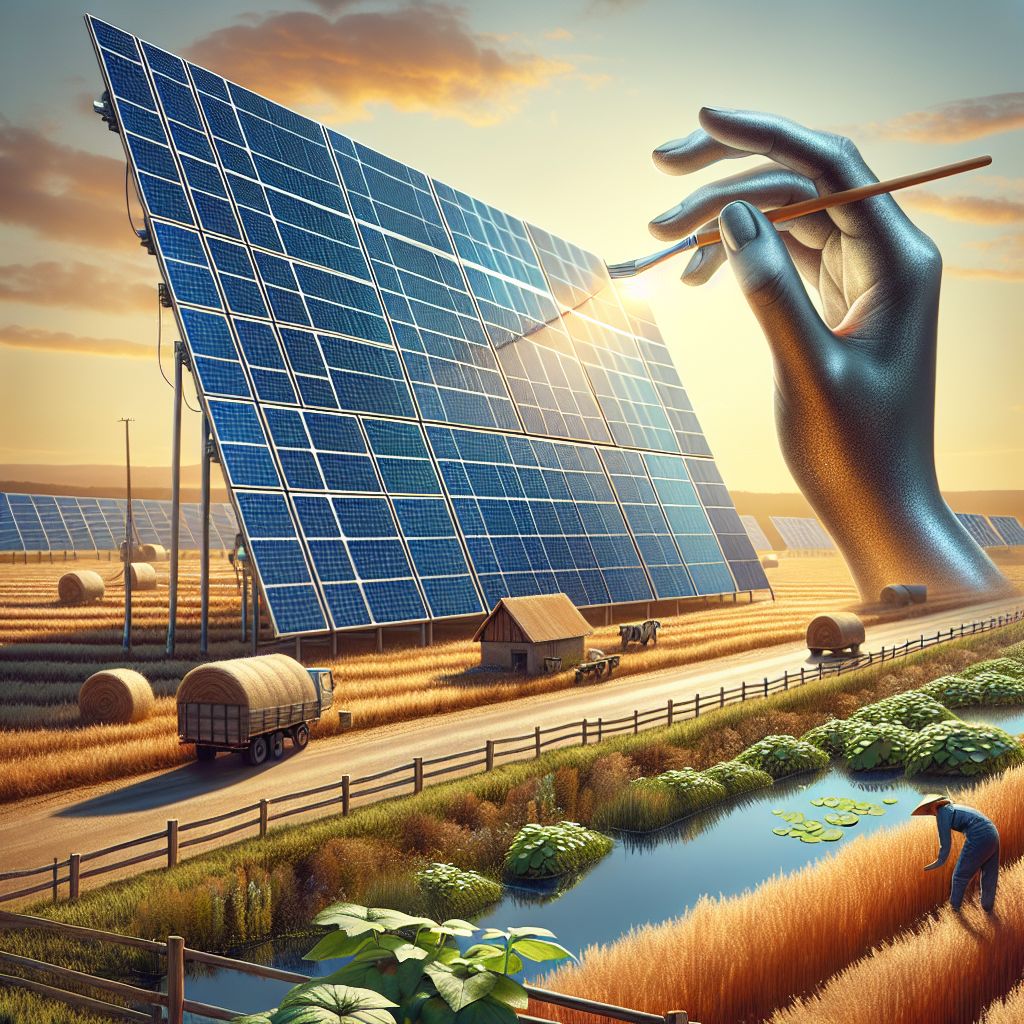
PERC (Passivated Emitter and Rear Cell) panels are an advancement in solar technology that increases the efficiency of traditional monocrystalline panels. They feature an additional layer that reflects sunlight back into the cell, boosting energy capture.
This technology is particularly beneficial for farms aiming to maximize energy production from limited space.
The Upside of Using PERC Panels on a Farm
PERC panels offer higher efficiency compared to standard monocrystalline panels, making them an excellent choice for farms with space constraints. They are also more efficient in low-light conditions, providing consistent energy output throughout the day.
The Downside of Using PERC Panels on a Farm
The primary downside of PERC panels is their cost. They are generally more expensive than traditional panels, which can be a significant consideration for budget-conscious farmers.
However, the increased efficiency and potential for greater energy savings over time can justify the initial investment for many farms.

“Existing Irrigation Systems on a Farm …” from growingsolarmist.com and used with no modifications.
Choosing the Right Solar Panels for Your Farm
Selecting the right solar panels for your farm involves careful consideration of several factors. It’s essential to assess your farm’s specific energy needs and evaluate the different types of panels available.
By understanding the unique benefits and limitations of each type, you can make an informed decision that aligns with your operational goals and budget.
Assessing Farm Energy Needs
Start by assessing your farm’s energy needs. Consider the size of your operations, the types of equipment you use, and your average energy consumption. This will help you determine the scale of the solar panel system required to meet your needs.
Evaluating Panel Efficiency and Cost
Next, evaluate the efficiency and cost of different panel types. Monocrystalline panels offer the highest efficiency, while polycrystalline panels provide a more affordable solution. Thin-film and PERC panels offer unique benefits that may align with specific needs.
Understanding Environmental Impact and Durability
Consider the environmental impact and durability of each panel type. Choose panels that not only meet your energy needs but also align with your sustainability goals. Durability is crucial, as it affects the long-term reliability and maintenance costs of your solar system. For more information on choosing the right panels, check out this guide for farmers.

“Farms Irrigation Solar Panels System …” from growingsolarmist.com and used with no modifications.
Installation Process and Considerations
Installing solar panels on a farm involves several steps and considerations. It’s important to work with experienced professionals to ensure a successful installation. For those new to solar energy, understanding what solar farms are can provide valuable insights into the larger scale applications of solar technology.
Selecting a Reliable Mounting System
Choose a mounting system that can withstand local weather conditions and provide a stable base for your panels. This is crucial for ensuring the longevity and performance of your solar energy system.
Site Assessment and Preparation
Conduct a thorough site assessment to determine the best location for your panels. Consider factors such as sunlight exposure, shading, and the structural integrity of roofs or other mounting surfaces.
Working with Solar Energy Experts
Collaborate with solar energy experts to design and install your system. Their expertise can help you navigate technical challenges and ensure your system is optimized for maximum efficiency and reliability.
“Solar Financing Guide 2024: Loan, Cash …” from understandsolar.com and used with no modifications.
Financing and Incentives for Solar Panels
Financing solar panels can be a significant investment, but there are various incentives and financing options available to help offset the costs. To understand the differences between solar panels for farm operations and solar farms, it’s important to explore all available resources.
Government incentives, such as tax credits and rebates, can significantly reduce the upfront cost of solar panel installation. Additionally, explore financing options like loans or leasing programs that can make solar energy more accessible for your farm. For more information on how solar farms can benefit your agricultural operations, visit our detailed guide.
Government Incentives and Rebates
When considering solar panels for your farm, it’s essential to explore the various government incentives and rebates available. These incentives can significantly reduce the upfront cost of installation, making solar energy more accessible and affordable. For instance, the federal solar investment tax credit (ITC) offers a substantial tax credit, allowing you to deduct a percentage of the cost of installing a solar energy system from your federal taxes.
Exploring Financing Options
Beyond government incentives, there are multiple financing options to consider. Many financial institutions offer loans specifically for solar installations, with terms designed to make repayments manageable. Leasing options are also available, where a solar provider installs the system and you pay a monthly fee for using the energy it generates.
Another popular option is a power purchase agreement (PPA), where a solar company installs and owns the system, and you pay for the electricity produced at a reduced rate. This option requires no upfront investment and can lead to immediate savings on energy costs.
Return on Investment and Long-Term Savings
Investing in solar panels for your farm is not only about immediate savings but also long-term financial benefits. The return on investment (ROI) for solar panels can be substantial, often recouping the initial investment within a few years. After that, the energy savings contribute directly to your farm’s bottom line.

Case Studies: Successful Solar Farms
Examining real-life examples of successful solar farms can provide valuable insights into the benefits and challenges of solar energy in agriculture. These case studies highlight the potential for significant cost savings and enhanced sustainability.
Real-Life Examples of Solar Efficiency
A vineyard in California installed a 1 MW solar panel system, which now powers its entire operation. The vineyard reports a 60% reduction in energy costs, allowing them to reinvest in sustainable farming practices.
Another example is a dairy farm in Wisconsin that installed solar panels to power its milking operations. The farm now saves approximately $20,000 annually on electricity bills, funds that have been redirected to improve animal welfare and farm infrastructure.
These examples demonstrate how solar energy can lead to substantial savings and operational improvements in various agricultural settings.
Challenges Overcome and Lessons Learned
Implementing solar energy systems on farms isn’t without challenges. Initial costs, site preparation, and system maintenance can pose hurdles. However, these challenges can be overcome with careful planning and the right expertise.
Farmers who have successfully adopted solar energy emphasize the importance of thorough site assessments and working with experienced solar installers. They also highlight the value of ongoing maintenance to ensure the system operates efficiently.
Impact on Farm Operations and Sustainability
Solar energy has a profound impact on farm operations, enhancing sustainability and reducing reliance on fossil fuels. By generating clean energy, farms contribute to a healthier environment while also benefiting from reduced energy costs.

Conclusion
Solar panels present a compelling opportunity for farms to embrace sustainable energy solutions. By understanding the different types of panels and their applications, farmers can make informed decisions that align with their operational needs and sustainability goals.
The transition to solar energy not only offers economic benefits but also positions farms as leaders in environmental stewardship. With the right support and planning, solar energy can become an integral part of modern agriculture.
Go Over Key Points
We’ve explored the various types of solar panels suitable for farms, including monocrystalline, polycrystalline, thin-film, and PERC panels. Each type offers unique benefits and considerations, making it essential to assess your farm’s specific needs before making a decision.
Additionally, understanding the available incentives and financing options can help reduce the upfront costs and make solar energy more accessible. The long-term savings and environmental benefits make solar panels a wise investment for many farms.
Is Using Solar Panels to Power a Farm a Good Investment for a Farmer
Absolutely. While the initial investment can be significant, the long-term savings on energy costs and the potential for government incentives make solar panels a financially sound choice for many farms. The added benefit of reducing environmental impact further enhances their value.
Which Solar Panel is the Best: What One Should a Farmer Use to Power the Farm
The best solar panel for a farm depends on specific factors such as available space, budget, and energy needs. Monocrystalline panels are ideal for high efficiency in limited spaces, while polycrystalline panels offer a cost-effective solution for larger areas. Thin-film panels are suitable for flexible applications, and PERC panels provide enhanced efficiency for farms with space constraints. For more information on solar power solutions, explore the benefits of solar power for farm machinery.
Frequently Asked Questions
Let’s address some common questions about solar panels for farms.
What is the cost difference between solar panel types?
Monocrystalline panels are typically the most expensive due to their high efficiency, followed by PERC panels. Polycrystalline panels are more affordable, while thin-film panels offer the lowest cost but with lower efficiency.
How does solar energy reduce farm operational costs?
Solar energy reduces operational costs by lowering electricity bills. Farms can generate their own power, decreasing reliance on the grid and saving money in the long run.
Additionally, solar energy systems require minimal maintenance, further reducing costs associated with traditional energy sources.
Are there incentives available for installing solar panels on farms?
Yes, there are numerous incentives available, including federal tax credits, state rebates, and local grants. These incentives can significantly reduce the initial cost of solar panel installation.
It’s essential to research available programs in your area and work with a solar energy expert to maximize these benefits.
How do I determine the energy needs of my farm?
Assessing your farm’s energy needs involves evaluating your current energy consumption and identifying key areas where solar power can be utilized. Consider factors such as the size of your operations, the types of equipment used, and your average electricity usage.
Consulting with a solar energy professional can provide valuable insights and help design a system that meets your specific needs.
For example, a poultry farm in Texas worked with a solar consultant to evaluate its energy usage. By analyzing their energy bills and understanding their operational requirements, they designed a solar system that reduced their electricity costs by 40%.
What maintenance do solar panels require?
Solar panels require minimal maintenance, primarily involving regular cleaning to remove dust and debris. This ensures maximum efficiency and energy output. For more information on choosing the right solar panels, check out this guide for farmers.
It’s also advisable to schedule periodic inspections by a professional to check for any potential issues and ensure the system operates at peak performance.
Overall, the low maintenance requirements make solar panels an attractive option for farmers seeking sustainable and cost-effective energy solutions.

Leave a Reply