
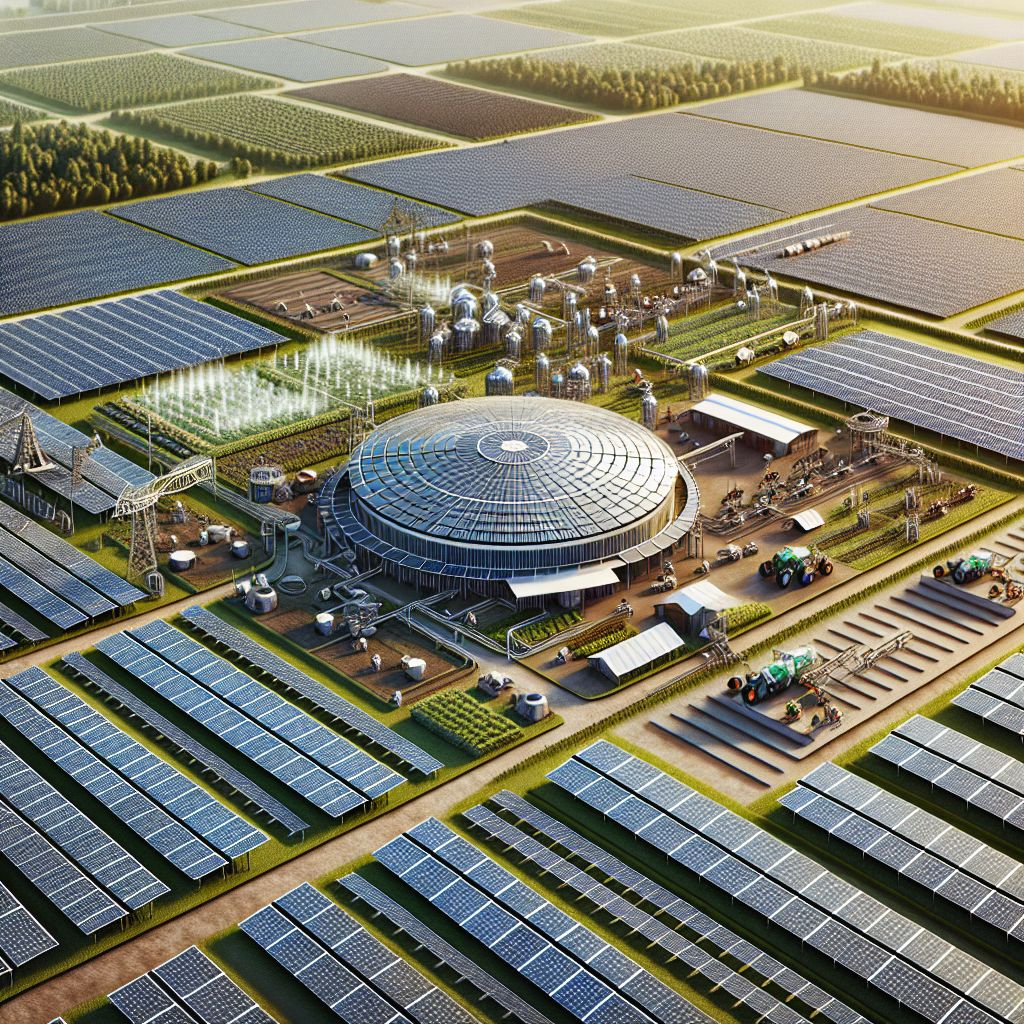
Key Takeaways: PERC Solar Panels for Farmers
- PERC solar panels offer enhanced efficiency by capturing more sunlight, crucial for maximizing energy output on farms.
- The technology includes a passivation layer, improving the performance of traditional silicon solar panels.
- PERC panels are versatile, suitable for various agricultural applications, from powering irrigation systems to farm machinery.
- Farmers can achieve significant cost savings through reduced energy bills and potential government incentives.
- Environmentally friendly, PERC panels help farmers reduce their carbon footprint and contribute to sustainable farming practices.
Introduction to PERC Solar Panels and Their Importance for Farmers
The agricultural industry is increasingly turning to renewable energy solutions to power their operations. Among these, PERC (Passivated Emitter and Rear Contact) solar panels stand out as a game-changer. But why are they so important for farmers? Let’s delve into the world of PERC solar technology and explore its benefits for the farming community.
Understanding PERC Solar Technology
PERC solar panels represent a significant advancement over traditional solar panel technologies. They incorporate an additional layer at the back of the solar cells, known as the passivation layer, which enhances their ability to capture sunlight and convert it into electricity. This means more energy can be generated from the same amount of sunlight.
Most importantly, this technology allows farmers to harness solar power more efficiently, which is crucial for farms where space for solar installations might be limited. By using PERC panels, farmers can maximize their energy output without needing to expand their solar array footprint.
- PERC technology improves light absorption.
- It reduces electron recombination, enhancing efficiency.
- Works well in low-light conditions, ideal for varying weather.
These characteristics make PERC solar panels particularly suitable for agricultural applications where efficiency and space utilization are paramount.
Key Benefits for Agricultural Applications
The adoption of PERC solar panels in agriculture offers several benefits. Firstly, they enable farmers to generate more electricity, which can be used to power various farm operations such as irrigation systems, heating, and cooling of livestock areas, and even farm machinery. This can lead to substantial savings on energy costs.
Moreover, using PERC solar panels aligns with sustainable farming practices. By reducing reliance on fossil fuels, farmers can decrease their carbon footprint, contributing to a healthier environment. Besides that, the potential for government incentives for renewable energy adoption can further enhance the financial viability of this investment.

Materials Used in PERC Solar Panels
Understanding the materials used in PERC solar panels is essential to appreciate their efficiency and durability. These panels primarily consist of silicon, the most common material used in solar cell manufacturing. However, what sets PERC panels apart is the addition of the passivation layer, which improves their performance.
The passivation layer is typically made from materials such as silicon nitride or aluminum oxide. This layer plays a critical role in minimizing energy loss and enhancing light absorption. The use of advanced materials ensures that PERC panels not only perform better but also have a longer lifespan, making them a reliable choice for farmers.
|
Material |
Function |
|---|---|
|
Silicon |
Primary photovoltaic material |
|
Silicon Nitride/Aluminum Oxide |
Passivation layer to enhance efficiency |
Components of PERC Solar Cells
At the heart of PERC solar panels are the solar cells themselves. These cells are composed of several layers, each serving a specific function. The top layer is an anti-reflective coating that minimizes the loss of sunlight. Below this, the silicon layer is where the magic happens – sunlight is converted into electricity here.
The addition of the passivation layer at the back of the cell is what differentiates PERC cells from traditional ones. This layer reflects unabsorbed light back into the silicon layer, giving it another chance to be converted into electricity. As a result, PERC solar cells can achieve higher efficiency levels compared to standard cells.
- Anti-reflective coating to maximize sunlight absorption.
- Silicon layer for energy conversion.
- Passivation layer to boost efficiency.
These components work together to ensure that PERC solar panels deliver superior performance, making them an excellent choice for farmers seeking reliable and efficient energy solutions.
Role of Passivation Layers
The passivation layer in PERC solar panels is a key innovation that sets them apart from conventional solar technologies. This layer is typically made from materials like silicon nitride or aluminum oxide, and it is applied to the back of the solar cells. Its primary function is to minimize the recombination of electrons and holes, which can occur when sunlight is absorbed.
By reducing recombination, the passivation layer allows more electrons to be collected and converted into usable electricity. This not only boosts the efficiency of the solar panels but also enhances their performance in low-light conditions, which can be particularly beneficial for farms located in areas with variable weather patterns. For a deeper understanding of solar panel efficiency, you can explore how solar panels work.
Advanced Silicon Wafer Technology
The silicon wafer technology used in PERC solar panels is an essential aspect of their design. These wafers are typically made from high-purity silicon, which is processed into thin slices. The quality and purity of the silicon wafers are crucial, as they directly impact the efficiency of the solar cells.
In PERC panels, the silicon wafers are optimized to work in conjunction with the passivation layer. This combination allows for improved light absorption and conversion efficiency. Additionally, the advanced manufacturing techniques used to produce these wafers ensure that they are durable and long-lasting, making them a reliable choice for agricultural applications.
Functioning of PERC Solar Panels
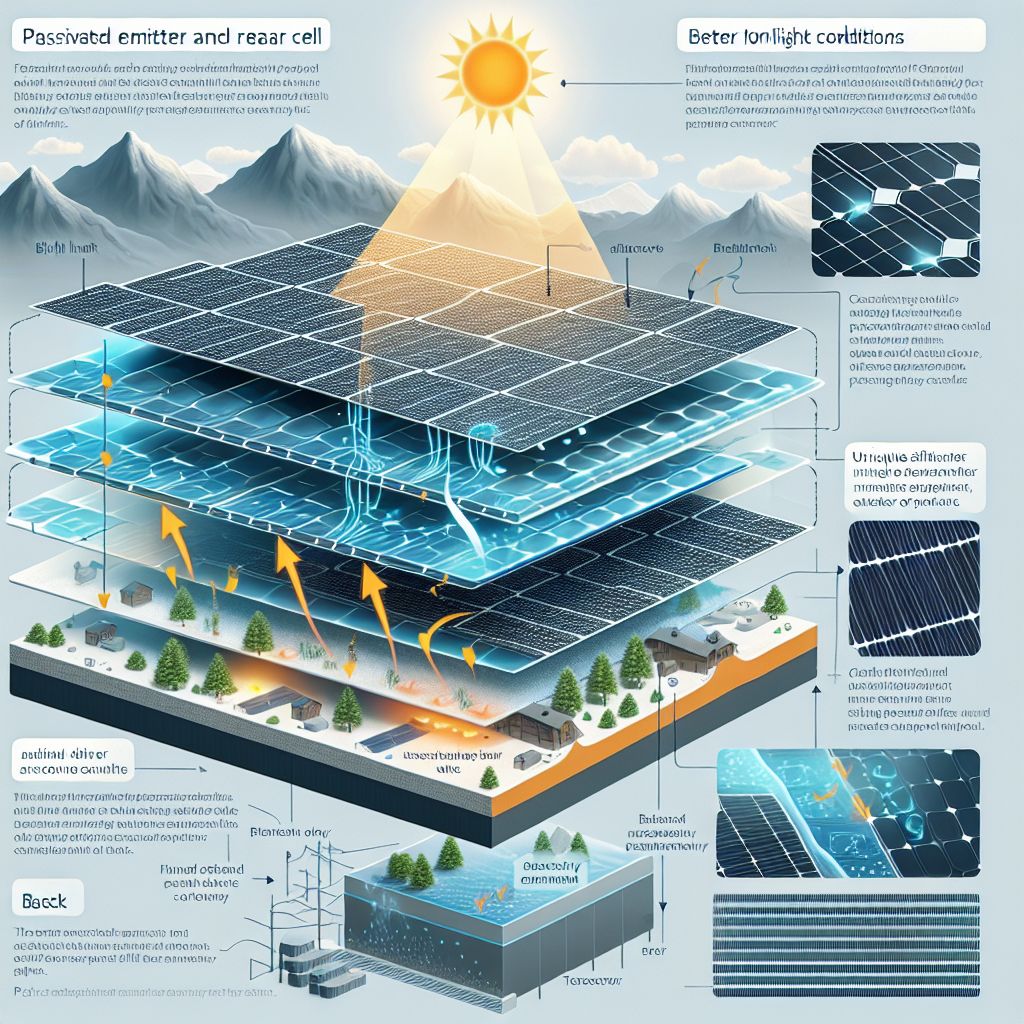
The functioning of PERC solar panels revolves around their ability to capture and convert sunlight into electricity more efficiently than traditional panels. This is achieved through a series of enhancements that focus on maximizing light absorption and minimizing energy loss. For a deeper understanding of how these solar panels work, you can explore additional resources.
When sunlight hits the surface of a PERC solar panel, it first encounters an anti-reflective coating that helps to reduce light reflection. The light then penetrates the silicon wafer, where it is converted into electricity. The passivation layer at the back of the cell plays a crucial role by reflecting unabsorbed light back into the silicon wafer, giving it another opportunity to be converted into electricity. For more details on how solar panels function, you can explore this comprehensive guide.
This process not only increases the efficiency of the panels but also makes them more effective in a variety of lighting conditions. For farmers, this means more consistent energy production, regardless of changes in sunlight throughout the day or year.
How PERC Technology Enhances Efficiency
PERC technology enhances the efficiency of solar panels through several mechanisms. The passivation layer is critical in this regard, as it reduces electron recombination and reflects unabsorbed light back into the silicon wafer. This dual function ensures that more of the sunlight that hits the panel is converted into electricity.
Moreover, the advanced materials and manufacturing techniques used in PERC panels contribute to their overall efficiency. The combination of high-purity silicon wafers, anti-reflective coatings, and precise construction results in panels that can achieve higher energy outputs compared to standard solar panels.
Impact of Back Surface Passivation
The back surface passivation in PERC solar panels has a significant impact on their performance. By reflecting unabsorbed light back into the silicon wafer, this layer increases the chances of converting more sunlight into electricity. This is particularly beneficial in low-light conditions, where maximizing light absorption is crucial.
Comparing Traditional and PERC Solar Panels
When comparing traditional solar panels to PERC solar panels, the differences in efficiency and performance become apparent. Traditional panels, while effective, lack the passivation layer that is a hallmark of PERC technology. This means they are more prone to energy loss through electron recombination.
PERC panels, on the other hand, benefit from reduced recombination and improved light absorption, leading to higher efficiency rates. This can be particularly advantageous for farmers, as it allows them to generate more electricity from the same amount of sunlight.
Furthermore, PERC panels often perform better in low-light conditions, making them a more versatile option for agricultural applications. Whether it’s a cloudy day or the shorter daylight hours of winter, PERC panels can provide more consistent energy production. To understand how these panels work, explore this guide on solar panel efficiency.
- Higher efficiency due to reduced recombination.
- Better performance in low-light conditions.
- Increased energy output from the same surface area.
- Greater versatility for various agricultural applications.

Benefits of PERC Solar Panels for Farmers
The benefits of PERC solar panels for farmers are manifold. These panels offer enhanced efficiency, leading to increased energy production, which can be used to power various farm operations. This is particularly important for farmers looking to reduce their reliance on traditional energy sources and cut down on operational costs.
Moreover, PERC panels contribute to more sustainable farming practices. By harnessing renewable energy, farmers can reduce their carbon footprint and contribute to environmental conservation efforts. Additionally, the potential for government incentives and rebates for renewable energy adoption can further enhance the financial viability of investing in PERC solar panels.
Enhanced Crop Production with Efficient Energy
One of the primary benefits of using PERC solar panels on farms is the potential for enhanced crop production. By providing a reliable and efficient energy source, these panels can power irrigation systems, lighting, and other essential farm equipment. This ensures that crops receive the necessary resources for optimal growth, regardless of external weather conditions.
For instance, during periods of drought or low rainfall, solar-powered irrigation systems can ensure that crops receive adequate water supply. This not only improves crop yields but also reduces the risk of crop failure due to adverse weather conditions.
Furthermore, the consistent energy production from PERC panels can support the operation of other farm equipment, such as heating systems for livestock areas, ensuring that all aspects of the farm run smoothly and efficiently.
Cost Savings and Financial Incentives
PERC solar panels can lead to significant cost savings for farmers. By reducing reliance on grid electricity, farmers can lower their energy bills and redirect those savings to other areas of their operations. Additionally, the potential for government incentives and rebates for adopting renewable energy solutions can further enhance the financial benefits of investing in PERC solar panels.
These financial incentives can vary depending on location and government policies, but they often include tax credits, grants, and rebates for installing solar panels. Farmers can take advantage of these incentives to offset the initial cost of installing PERC solar panels, making the investment more financially viable.
Environmental and Sustainability Benefits
The environmental benefits of using PERC solar panels are significant. By harnessing renewable energy, farmers can reduce their carbon footprint and contribute to efforts to combat climate change. This aligns with sustainable farming practices, which aim to minimize the environmental impact of agricultural operations.
In addition to reducing greenhouse gas emissions, PERC panels can help conserve natural resources by decreasing reliance on fossil fuels. This not only benefits the environment but also supports the long-term sustainability of farming operations, ensuring that future generations can continue to produce food and other agricultural products.
PERC solar panels offer several advantages over traditional solar panels, making them an attractive option for farmers. Here’s a table comparing the benefits of PERC solar panels to traditional solar panels for agricultural use:
|
Benefit |
PERC Solar Panels |
Traditional Solar Panels |
|---|---|---|
|
Efficiency |
About 1% more efficient, leading to up to 5% more energy production in a full PV system. 1, 5 |
Lower efficiency |
|
Low-light Performance |
Less efficient in low-light conditions | |
|
High-heat Performance |
Less efficient in high temperatures | |
|
Space Efficiency |
Smaller roof footprint due to higher efficiency. 1 |
Requires more panels for the same output |
|
Cost-effectiveness |
Slightly more expensive but offer better long-term value. 9 |
Lower initial cost but less efficient |
|
Energy Production |
Higher energy yield, especially in suboptimal conditions. 3 |
Lower energy yield |
|
Durability |
More reliable and long-lasting due to protective passivation layer. 3 |
Standard durability |
|
Agricultural Integration |
Well-suited for agrivoltaic systems, allowing dual use of land. 7 |
Less optimal for agrivoltaic applications |
For farmers, PERC solar panels provide several key advantages:
- Increased energy production, leading to greater electricity cost savings or income from selling surplus energy. 4
- Better performance in varying weather conditions, ensuring more consistent energy supply for agricultural operations. 1, 3
- More efficient use of limited roof or land space, allowing for larger capacity systems in smaller areas1.
- Improved durability, reducing maintenance costs and ensuring longer-term benefits. 3
- Better suited for agrivoltaic systems, enabling farmers to generate solar energy while continuing crop production. 7
These benefits make PERC solar panels a more effective choice for farmers looking to integrate solar energy into their agricultural operations, potentially increasing their income and promoting sustainable farming practices. 4, 7
Implementing PERC Solar Panels on Farms
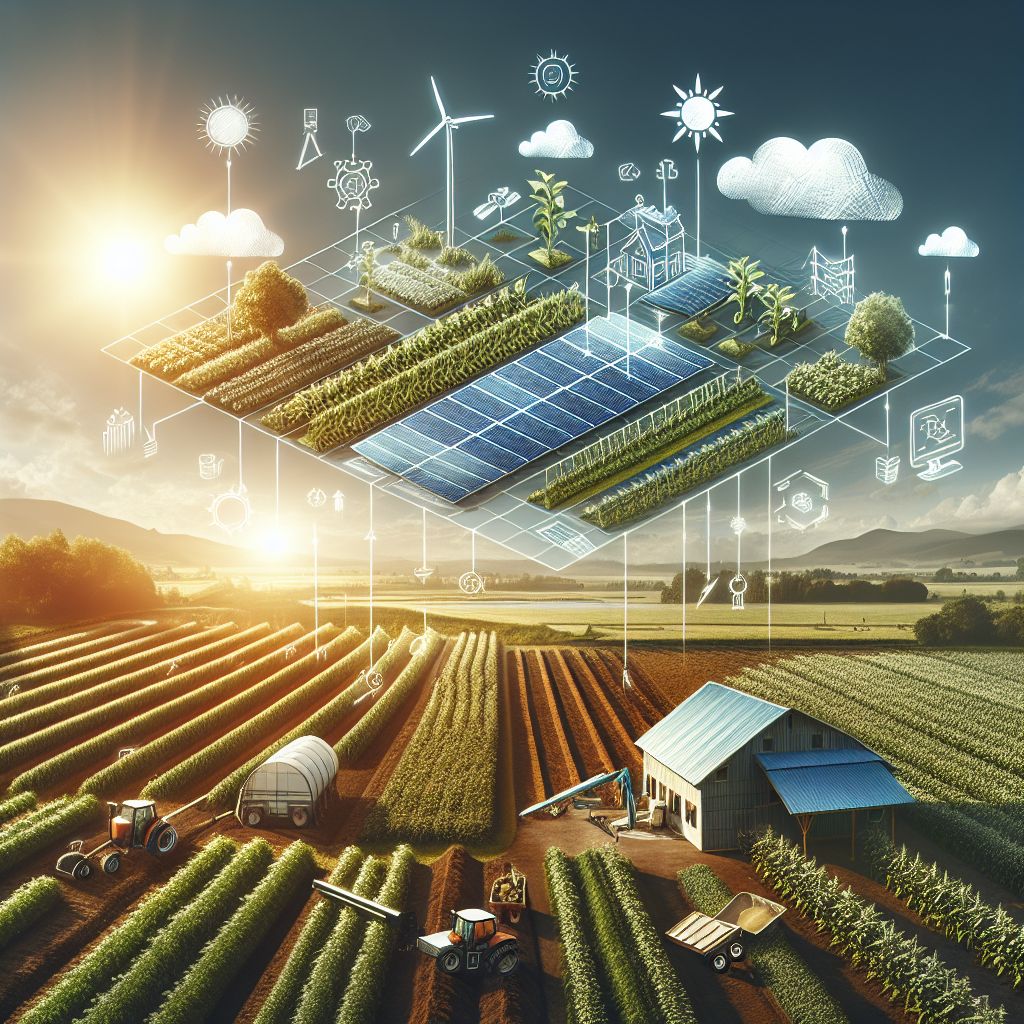
Implementing PERC solar panels on farms requires careful planning and consideration to ensure that the system is both effective and sustainable. The unique requirements of agricultural operations mean that solar installations must be tailored to meet specific energy needs while also integrating seamlessly with existing farm infrastructure.
Site Assessment and Installation Considerations
Before installing PERC solar panels, it’s essential to conduct a thorough site assessment. This involves evaluating the available space, sunlight exposure, and any potential obstacles that could affect panel performance. Farmers should work with solar experts to determine the optimal placement and orientation of panels to maximize energy capture.
Installation considerations also include the structural integrity of existing buildings or the need for new structures to support the panels. Proper installation ensures that the solar system is secure and capable of withstanding environmental conditions, such as wind or snow loads. For more on how solar systems can benefit farmers, explore the advantages of solar-powered pivot sprinkler systems.
Integration with Existing Agricultural Systems
- Determine energy needs for farm operations.
- Assess compatibility with current electrical systems.
- Consider potential for expanding the solar array in the future.
Integrating PERC solar panels with existing agricultural systems involves more than just physical installation. Farmers must evaluate their current energy usage and determine how solar power can be incorporated into daily operations. This might involve upgrading electrical systems or installing additional equipment to handle the increased power supply, such as those found in solar irrigation systems.
Most importantly, planning for future expansion is crucial. As farm operations grow, so too might the need for additional energy. Ensuring that the solar installation is scalable can help farmers meet future demands without significant additional investment.
Maintenance and Longevity of PERC Systems
Maintaining PERC solar panels is essential to ensure their longevity and continued performance. Regular cleaning of the panels to remove dust, dirt, and debris can prevent efficiency losses. Additionally, periodic inspections by qualified technicians can help identify and address any potential issues before they become significant problems. For more insights on solar technology, explore how solar panels work and their benefits for farmers.
The durability of PERC solar panels means they typically require less maintenance than other types of solar technology. However, farmers should still be proactive in monitoring their systems to ensure they continue to operate at peak efficiency.
Long-term maintenance plans can include:
- Routine cleaning of panels to maximize light absorption.
- Regular inspections of electrical connections and mounting hardware.
- Monitoring of energy output to detect any declines in performance.
“By investing in regular maintenance, farmers can extend the lifespan of their PERC solar panels and ensure they continue to provide reliable energy for years to come.”
Conclusion: Empowering Farmers with PERC Solar Panels
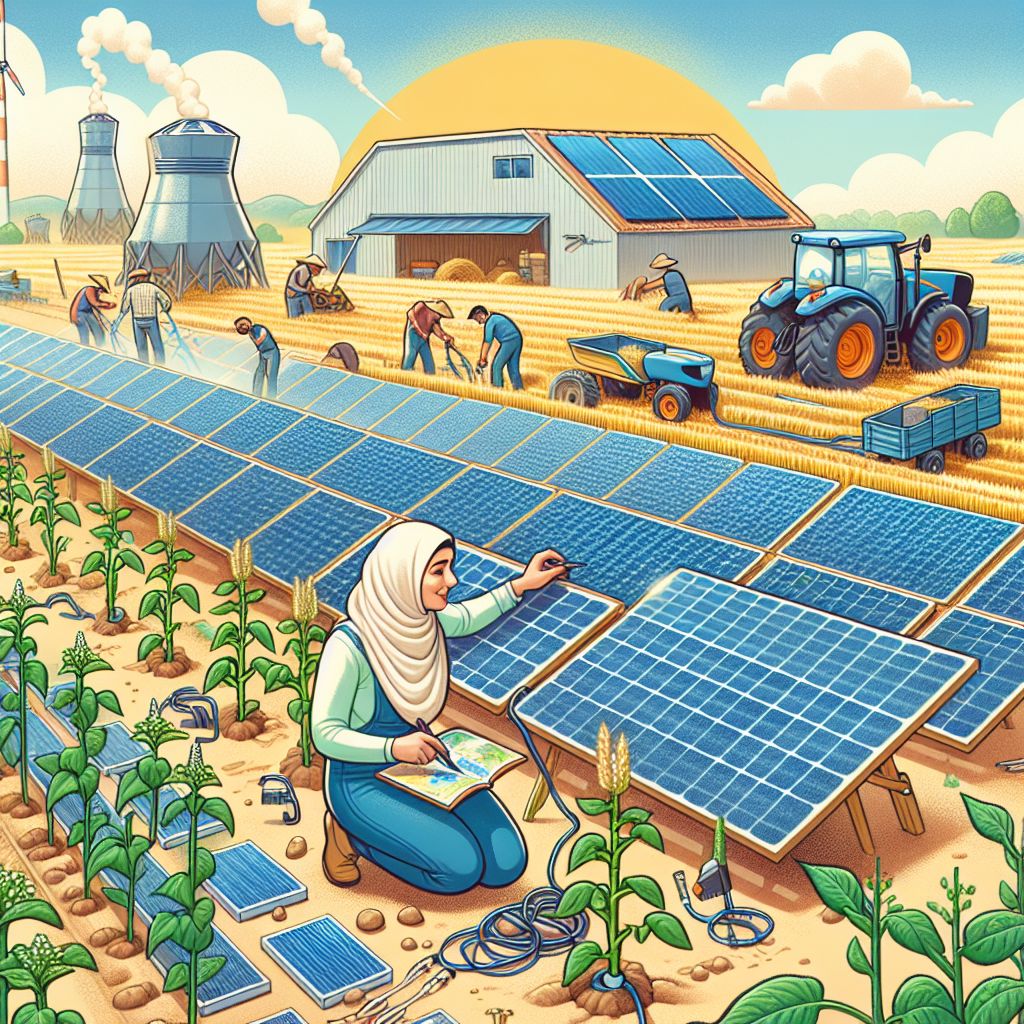
PERC solar panels offer a powerful solution for farmers seeking to embrace renewable energy and enhance their operations. With their high efficiency, durability, and adaptability, these panels can provide significant energy savings and support sustainable farming practices. By carefully planning and maintaining their solar installations, farmers can harness the full potential of PERC technology to power their farms and contribute to a greener future.
Frequently Asked Questions
Farmers interested in PERC solar panels often have questions about their materials, performance, and benefits. Here, we address some of the most common inquiries to help you make informed decisions.
What are the main materials in PERC solar panels?
PERC solar panels are primarily made from crystalline silicon, with the addition of a passivation layer made from materials like silicon nitride or aluminum oxide. This layer is crucial for enhancing efficiency and reducing energy loss.
“The passivation layer reflects unabsorbed light back into the silicon wafer, increasing the chances of converting more sunlight into electricity.”
These materials work together to provide high efficiency and durability, making PERC panels an excellent choice for agricultural applications.
How do PERC panels perform in low-light conditions?
PERC panels are designed to perform well in low-light conditions, thanks to their enhanced light absorption capabilities. The passivation layer helps capture more sunlight, even on cloudy days or during the early morning and late afternoon. For a deeper understanding of how solar panels work, you can explore this detailed guide.
This makes PERC panels a reliable energy source for farms, ensuring consistent energy production regardless of weather conditions.
What cost advantages do PERC panels offer farmers?
PERC solar panels can lead to significant cost savings for farmers by reducing reliance on grid electricity and lowering energy bills. Additionally, government incentives and rebates for renewable energy adoption can offset the initial installation costs.
By investing in PERC panels, farmers can achieve long-term financial benefits and enhance the sustainability of their operations.
Can PERC solar panels be used in all climates?
Yes, PERC solar panels are suitable for use in a wide range of climates. Their enhanced efficiency and ability to perform in low-light conditions make them adaptable to various weather patterns and environmental conditions.
How does PERC technology compare to other solar technologies?
Compared to traditional solar technologies, PERC panels offer higher efficiency and better performance in low-light conditions. The addition of the passivation layer reduces energy loss and increases light absorption, resulting in more consistent energy production.
This makes PERC panels a superior choice for farmers looking to maximize their energy output and enhance the sustainability of their operations.







Leave a Reply