

Key Takeaways
- Monocrystalline solar panels are the most efficient type, with conversion rates often exceeding 22%.
- These panels are made from a single-crystal silicon structure, which enhances their efficiency.
- The manufacturing process involves slicing silicon wafers from a single crystal, leading to higher purity and performance.
- Monocrystalline panels perform better in low-light conditions compared to other solar panel types.
- They are ideal for limited space applications due to their high efficiency and compact size.
Exploring the Efficiency of Monocrystalline Solar Panels
Monocrystalline solar panels stand out in the world of renewable energy due to their exceptional efficiency. These panels are known for their ability to convert sunlight into electricity at a rate that surpasses other types of solar panels. But what exactly makes them so efficient? It boils down to their unique construction and the quality of materials used.
Factors Influencing Efficiency
Several factors contribute to the efficiency of monocrystalline solar panels. The primary factor is their single-crystal silicon structure. This structure allows electrons to move more freely, resulting in higher efficiency. Additionally, the purity of the silicon used in these panels is crucial. High-purity silicon reduces electron recombination, which is a loss mechanism that affects efficiency.
Advantages Over Other Panel Types
Monocrystalline panels have several advantages over their polycrystalline and thin-film counterparts. For one, they have a higher efficiency rate, which means they can produce more electricity from the same amount of sunlight. This makes them ideal for installations where space is limited. Besides that, they perform better in low-light conditions, which is beneficial in areas with less sunshine.
Another advantage is their longevity. Monocrystalline panels typically come with longer warranties, reflecting their durability and the manufacturer’s confidence in their performance. Therefore, they often represent a better long-term investment.
Here’s a table comparing these solar panel:
|
Solar Panel Type |
Efficiency |
Cost per Watt |
Pros |
Cons |
|---|---|---|---|---|
|
Monocrystalline |
17-22% |
$1.00 – $1.50 |
– Highest efficiency. 1, 3 |
– Most expensive option. 1, 3 |
|
Polycrystalline |
13-17% |
$0.90 – $1.20 |
– Lower cost than monocrystalline. 1, 3 |
– Slightly lower efficiency. 1, 3 |
|
Thin-Film |
10-13% |
$0.70 – $1.00 |
– Lowest cost. 1, 3 |
– Lowest efficiency. 1, 3 |
Real-World Performance Metrics
In real-world applications, monocrystalline solar panels consistently outperform other types. For example, a study showed that monocrystalline panels maintained over 90% of their original efficiency after 25 years of use, compared to around 80% for polycrystalline panels. This reliability in performance is one reason why they are favored in both residential and commercial installations.

Detailed Construction of Monocrystalline Solar Panels
Understanding the construction of monocrystalline solar panels is key to appreciating their efficiency. These panels are crafted from high-quality silicon, which is a significant factor in their superior performance.
Single-Crystal Silicon Structure
The single-crystal silicon structure is the hallmark of monocrystalline panels. This structure is created by growing a single crystal of silicon, which is then sliced into thin wafers. This method ensures that the silicon used is of the highest purity and has a uniform structure, which is essential for efficient energy conversion.
Manufacturing Process
The manufacturing process of monocrystalline solar panels is intricate and involves several steps. It begins with the Czochralski process, where a seed crystal is dipped into molten silicon. As the seed crystal is slowly pulled up, it forms a cylindrical ingot of single-crystal silicon.
Once the ingot is formed, it is sliced into thin wafers using a diamond wire saw. These wafers are then polished and treated to create the photovoltaic cells that make up the solar panel. This process is more expensive than that used for polycrystalline panels, but it results in a product with superior efficiency.
Role of Material Purity
The purity of the silicon used in monocrystalline solar panels is a critical factor that influences their efficiency. High-purity silicon minimizes the number of defects and impurities that can trap electrons and reduce the panel’s efficiency. This is why manufacturers invest in processes that enhance silicon purity, ensuring that the material is as close to perfect as possible. The result is a panel that not only performs better but also lasts longer, providing a reliable source of renewable energy for years to come.
Important Architectural Features
Monocrystalline solar panels boast several architectural features that contribute to their efficiency. One of these is the use of anti-reflective coatings on the surface of the panels. These coatings help to maximize the absorption of sunlight by reducing the amount of light that is reflected away from the panel. Another important feature is the use of passivation layers, which are thin films applied to the silicon wafers. These layers help to reduce electron recombination, thus improving the overall efficiency of the panel.
Additionally, the design of the panel’s cells can also affect performance. For instance, the use of back-contact cells, where the electrical contacts are placed on the rear side of the cell, can reduce shading on the front surface and increase efficiency. These architectural innovations are continually being refined to push the boundaries of what monocrystalline panels can achieve.

How Monocrystalline Solar Panels Function
Understanding how monocrystalline solar panels function requires a look into the science of photovoltaics. At the heart of these panels are photovoltaic cells, which are responsible for converting sunlight into electricity. This conversion process is what makes solar panels a viable source of renewable energy.
When sunlight hits a monocrystalline solar panel, it is absorbed by the silicon cells. The energy from the sunlight excites electrons in the silicon, causing them to move and generate an electric current. This current is then captured and can be used to power homes, businesses, and even larger industrial applications.
“Monocrystalline solar panels are renowned for their ability to efficiently convert sunlight into electricity, making them a top choice for both residential and commercial solar energy systems.”
Photovoltaic Cell Mechanism
The photovoltaic cell mechanism is the core of how monocrystalline solar panels work. Each cell is made up of layers of silicon, which is a semiconductor material. When sunlight strikes the cell, it causes electrons in the silicon to become energized and move. This movement creates an electric current, which can be harnessed for power. For those interested in agricultural applications, explore the benefits of solar panels in micro-sprinkler irrigation systems.
Most importantly, the design of these cells is optimized to ensure that as many electrons as possible are captured and converted into usable electricity. This is achieved through careful engineering and the use of high-quality materials that enhance the cell’s performance, similar to the benefits of bifacial solar panels in farming operations.
Energy Conversion Process
The energy conversion process in monocrystalline solar panels is both efficient and effective. It begins with the absorption of sunlight by the silicon cells, which generates an electric current. This current is then directed through an inverter, which converts the direct current (DC) electricity produced by the solar panels into alternating current (AC) electricity that can be used by most household appliances and the electrical grid.
This process is seamless and occurs continuously as long as the panels are exposed to sunlight. As a result, monocrystalline solar panels can provide a steady and reliable source of electricity throughout the day.
Impact of Environmental Conditions
Environmental conditions can have a significant impact on the performance of monocrystalline solar panels. Factors such as temperature, shading, and the angle of sunlight can all affect how well the panels convert sunlight into electricity. For example, high temperatures can reduce the efficiency of the panels, as they can cause the silicon to become less effective at conducting electricity. To explore the differences in solar panel types, you can read about monofacial vs. bifacial solar panels.
However, monocrystalline panels are designed to mitigate some of these effects. They typically perform better in low-light conditions compared to other types of solar panels, which means they can still generate electricity on cloudy days. Additionally, their high efficiency makes them less susceptible to performance drops caused by partial shading.
“Despite challenges posed by environmental conditions, monocrystalline panels remain a reliable choice for solar energy, providing consistent power output even in less-than-ideal weather.”

Benefits and Practical Applications
Monocrystalline solar panels offer a range of benefits and practical applications that make them a popular choice for those looking to harness renewable energy. Their high efficiency, durability, and versatility make them suitable for a wide variety of uses.
Agricultural Use
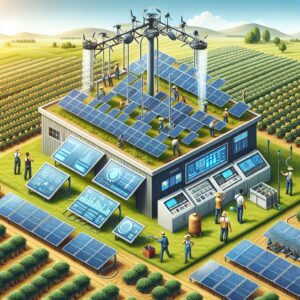
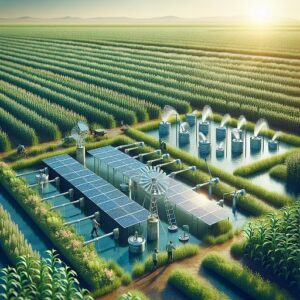
In agriculture, monocrystalline solar panels can be used to power equipment and facilities, reducing reliance on traditional energy sources. They can be installed on rooftops of barns and sheds or even integrated into solar-powered irrigation systems. This not only helps to cut costs but also supports sustainable farming practices.
Farmers can also use solar panels to power electric fences, water pumps, and other essential equipment, making their operations more energy-efficient and environmentally friendly.
Commercial and Industrial Applications
Monocrystalline solar panels are widely used in commercial and industrial settings due to their high efficiency and reliability. They can be installed on the rooftops of factories, warehouses, and office buildings, providing a significant portion of the energy needed for daily operations.
Besides that, businesses can benefit from reduced energy costs and a smaller carbon footprint, which is increasingly important in today’s environmentally conscious market. These panels can also be used in large-scale solar farms, where they contribute to the generation of clean, renewable energy on a massive scale.
Comparison with Other Energy Solutions
When comparing monocrystalline solar panels with other energy solutions, it’s essential to consider efficiency, cost, and environmental impact. Monocrystalline panels are often compared to polycrystalline and thin-film solar panels. They have the highest efficiency, typically ranging from 17% to over 22%, which is higher than polycrystalline panels that average around 13% to 17%.
Moreover, compared to traditional energy sources like fossil fuels, solar panels offer a clean and renewable energy solution. They produce no greenhouse gases during operation and require minimal maintenance once installed. This makes them an attractive option for those looking to reduce their carbon footprint and contribute to a sustainable future.

Future Prospects and Innovations
The future of monocrystalline solar panels is promising, with ongoing research and development focused on enhancing their efficiency and reducing costs. Innovations in materials and manufacturing processes continue to push the boundaries of what’s possible, making solar energy more accessible and affordable for everyone. For more insights, explore the latest innovations in solar panel technology.
Research Advancements
Recent advancements in solar technology have led to the development of new materials and cell designs that promise to increase the efficiency of monocrystalline panels even further. For instance, researchers are exploring the use of perovskite materials, which have shown potential for high efficiency and low production costs.
Additionally, bifacial solar panels, which capture sunlight from both sides, are gaining popularity. These panels can increase energy yield by up to 20%, making them an attractive option for installations where space is limited.
- Perovskite materials for enhanced efficiency
- Bifacial panels for increased energy yield
- Advanced manufacturing techniques to reduce costs
Emerging Technologies
Emerging technologies in the solar industry are focused on maximizing energy capture and minimizing losses. One such technology is the use of nanostructures to improve light absorption and reduce reflection. These innovations could significantly boost the performance of monocrystalline panels, making them even more efficient.
Potential Efficiency Improvements
As technology advances, the potential for improving the efficiency of monocrystalline solar panels continues to grow. Researchers are working on developing new cell architectures and materials that can push efficiency rates beyond the current limits. These improvements could lead to more powerful and cost-effective solar energy solutions in the future.
Furthermore, integrating energy storage systems with solar panels is another area of focus. This combination allows for better management of energy supply and demand, ensuring a stable and reliable power source even when the sun isn’t shining.
FAQs
Understanding monocrystalline solar panels can be complex, but here are some common questions and answers to help you navigate this technology.
What Makes Monocrystalline Panels More Efficient?
Monocrystalline panels are more efficient because they are made from high-purity silicon with a uniform crystal structure. This allows electrons to move more freely, reducing energy loss and increasing the amount of electricity generated from sunlight. For more on how these panels compare, check out our article on monofacial vs. bifacial solar panels.
How Do They Compare in Price to Other Panels?
Monocrystalline panels are generally more expensive than polycrystalline and thin-film panels due to their higher efficiency and the cost of producing high-purity silicon. However, their long-term energy output and durability often justify the initial investment. For those considering solar technology in agriculture, exploring options like bifacial solar panels can offer additional benefits.
In many cases, the higher upfront cost is offset by the panels’ ability to generate more electricity over their lifetime, leading to lower overall energy costs.
What are the Longevity and Maintenance Requirements?
Monocrystalline solar panels are known for their durability and long lifespan. They typically come with warranties ranging from 25 to 30 years, indicating their reliability. Maintenance is minimal, usually involving regular cleaning to remove dust and debris that could block sunlight.
Can Monocrystalline Panels Be Used in All Climates?
Yes, monocrystalline panels can be used in a wide range of climates. They perform well in both hot and cold environments, although extreme heat can slightly reduce their efficiency. Their ability to operate in low-light conditions also makes them suitable for areas with less sunshine.
Are There Any Environmental Benefits Unique to Monocrystalline Panels?
Monocrystalline panels offer several environmental benefits. They produce no emissions during operation and have a smaller environmental footprint over their lifetime compared to fossil fuels. Additionally, their high efficiency means that fewer panels are needed to produce the same amount of energy, reducing the amount of space and materials required for installation.
Overall, monocrystalline solar panels represent a clean, efficient, and sustainable energy solution that can help reduce reliance on non-renewable energy sources and combat climate change.
In conclusion, the efficiency, durability, and versatility of monocrystalline solar panels make them an excellent choice for anyone looking to harness the power of the sun. As technology continues to advance, these panels will only become more efficient and accessible, paving the way for a greener future.
Monocrystalline solar panels are known for their high efficiency and long lifespan. These panels are made from a single crystal structure, which allows electrons to move more freely and efficiently. This makes them an excellent choice for areas with limited space, as they can generate more power per square foot compared to other types of solar panels. Farmers, for example, may benefit from using these panels in solar-powered linear irrigation systems to maximize energy efficiency and reduce operational costs.



Leave a Reply