

Key Takeaways
- Solar-powered linear irrigation systems reduce energy costs by using renewable solar energy instead of fossil fuels.
- These systems offer efficient water distribution, ideal for rectangular or square fields.
- Solar panels can be integrated seamlessly with irrigation systems, reducing environmental impact.
- Initial setup costs can be higher, but long-term savings and efficiency gains are significant.
- Proper planning, installation, and maintenance are crucial for optimal performance and longevity.
Introduction to Solar Powered Linear Irrigation Systems
In the world of agriculture, efficient irrigation is a cornerstone of sustainable farming. As the demand for food grows, so does the need for innovative solutions to maximize crop yields while conserving resources. One such innovation is the solar-powered linear irrigation system. This technology leverages the power of the sun to provide a cost-effective and environmentally friendly way to water crops.
By using solar energy, farmers can significantly reduce their reliance on fossil fuels, leading to lower energy costs and a reduced carbon footprint. This not only benefits the environment but also helps farmers save money, allowing them to reinvest in their operations. Let’s dive into the specifics of how these systems work and why they are becoming increasingly popular in modern agriculture.
Importance of Efficient Irrigation in Agriculture
Efficient irrigation is crucial for several reasons. First, it ensures that crops receive the right amount of water at the right time, which is essential for optimal growth and yield. Second, it helps conserve water, a vital resource that is becoming increasingly scarce in many parts of the world. Finally, efficient irrigation can reduce costs by minimizing water waste and lowering energy consumption.
Solar-powered linear irrigation systems address these needs by providing precise and controlled water delivery. This not only enhances crop productivity but also promotes sustainable farming practices. By adopting such systems, farmers can contribute to a more sustainable future for agriculture.
Challenges with Conventional Irrigation Systems
Traditional irrigation systems, such as center pivot or flood irrigation, often come with a set of challenges. They can be inefficient, leading to water wastage and increased energy costs. Additionally, these systems often rely on fossil fuels for power, contributing to environmental degradation.
Moreover, conventional systems may not provide uniform water distribution, which can result in uneven crop growth and yield. This inconsistency can be detrimental to a farmer’s bottom line, as it affects both the quality and quantity of the harvest. Therefore, there is a pressing need for more efficient and sustainable irrigation solutions, such as solar-powered linear systems.

Understanding Linear Move Irrigation Systems
Linear move irrigation systems, also known as traveling gun systems, are designed to move in a straight line across a field, providing even water distribution. Unlike center pivot systems, which rotate around a central point, linear move systems cover rectangular or square fields more efficiently.
These systems consist of a series of interconnected pipes mounted on wheels, which move slowly across the field. Water is delivered through nozzles positioned along the length of the system, ensuring uniform coverage. The movement is powered by motors, which can be driven by solar energy, making them an ideal choice for sustainable agriculture.
How Linear Move Systems Work
Linear move systems operate by drawing water from a central source, such as a pond or reservoir, and distributing it evenly across the field. The system moves in a straight line, guided by a series of tracks or cables, ensuring precise water delivery.
Solar panels installed on the system generate electricity to power the motors and pumps, eliminating the need for fossil fuels. This not only reduces energy costs but also minimizes the system’s environmental impact. By harnessing the power of the sun, farmers can irrigate their fields efficiently and sustainably.
Advantages Over Center Pivot Systems
One of the main advantages of linear move systems over center pivot systems is their ability to irrigate rectangular or square fields more effectively. Center pivot systems are better suited for circular fields, which can leave portions of rectangular fields under-irrigated.
Linear move systems also offer greater flexibility in terms of field layout and size. They can be customized to fit the specific dimensions of a field, ensuring optimal water distribution. Additionally, because they use solar energy, these systems are more environmentally friendly and cost-effective in the long run.
Ideal Field Shapes for Linear Move Systems
Linear move irrigation systems are particularly well-suited for fields that are rectangular or square in shape. These systems can cover large areas efficiently, providing even water distribution across the entire field. For a comparison between solar and conventional irrigation systems, which can also influence field shape suitability, check out this resource.
Fields with irregular shapes or obstacles may require modifications to the system or alternative irrigation methods. However, for standard rectangular fields, linear move systems offer an ideal solution for maximizing water efficiency and crop yield.
By choosing the right irrigation system for their field shape, farmers can ensure that their crops receive the water they need, when they need it, leading to healthier plants and higher yields.
“The use of solar-powered linear move irrigation systems has significantly reduced our energy costs and improved water efficiency on our farm. It’s a sustainable solution that benefits both our crops and the environment.” – Farmer in Arizona

“Solar Powered Irrigation for Growing …” from growingsolarmist.com and used with no modifications.
Role of Solar Energy in Irrigation
Solar energy is a game-changer in the field of irrigation. By harnessing the sun’s power, farmers can operate irrigation systems without relying on traditional energy sources. This shift not only reduces operational costs but also contributes to a cleaner, more sustainable agricultural practice. For a deeper understanding of how solar panels benefit farming, check out this guide on bifacial solar panels benefits.
Solar panels convert sunlight into electricity, which is then used to power the motors and pumps of irrigation systems. This renewable energy source is abundant and free, making it an ideal solution for farmers looking to reduce their environmental impact and improve efficiency.
Benefits of Solar Power in Agriculture
The benefits of using solar power in agriculture are numerous. Firstly, it reduces dependency on fossil fuels, which are not only expensive but also harmful to the environment. By switching to solar energy, farmers can cut down on greenhouse gas emissions, contributing to a healthier planet. For a basic understanding of solar panels in agriculture, farmers can explore the various advantages and applications of this renewable energy source.
Additionally, solar power provides a reliable and consistent energy source, especially in regions with abundant sunlight. This reliability ensures that irrigation systems can operate continuously, providing crops with the water they need to thrive. Furthermore, solar power can lead to significant cost savings, allowing farmers to reinvest in their operations and improve their overall productivity.
Integration of Solar Panels with Irrigation Systems
Integrating solar panels with irrigation systems is a straightforward process that offers numerous advantages. Solar panels can be mounted on the irrigation system itself or installed nearby, depending on the specific setup and space availability. The electricity generated by the panels powers the system’s motors and pumps, enabling efficient water delivery without relying on external energy sources.
This integration not only reduces energy costs but also ensures that the system operates independently of the grid. In remote areas where access to electricity is limited, solar-powered irrigation systems provide a practical and sustainable solution.
“Incorporating solar panels into our irrigation system has revolutionized our farming operations. We’ve seen a significant drop in energy costs and have become more self-sufficient.” – Farmer in Rural Nicaragua
Most importantly, the use of solar energy aligns with the growing trend towards sustainable farming practices. By adopting solar-powered irrigation systems, farmers can demonstrate their commitment to environmental stewardship while improving their bottom line.
Energy Efficiency and Environmental Impact
Solar-powered irrigation systems are highly energy-efficient, converting sunlight into electricity with minimal waste. This efficiency translates into lower energy costs and reduced environmental impact, making these systems an attractive option for sustainable agriculture.
In addition to reducing greenhouse gas emissions, solar-powered systems also help conserve water. By providing precise and controlled water delivery, these systems minimize water waste and ensure that crops receive the exact amount of water they need.
The environmental benefits of solar-powered irrigation systems extend beyond energy and water conservation. By reducing reliance on fossil fuels, these systems contribute to cleaner air and a healthier ecosystem, supporting biodiversity and promoting sustainable land use practices.
Solar energy plays a crucial role in modern irrigation systems on farms, offering numerous benefits and innovative solutions. Here’s a table summarizing the key aspects of solar energy’s role in irrigation:
|
Aspect |
Role of Solar Energy |
|---|---|
|
Energy Supply |
Powers irrigation pumps, reducing or eliminating reliance on grid electricity and fossil fuels. 1, 4 |
|
Cost Savings |
Decreases operational costs by reducing fuel expenses and insulating farmers from energy price volatility. 3 |
|
Environmental Impact |
Reduces carbon emissions and dependence on non-renewable energy sources. 3 |
|
Water Efficiency |
Maintains consistent water pressure, ensuring even distribution across fields and optimizing irrigation. 1 |
|
Smart Farming |
Powers automated control systems that use sensors to monitor soil moisture, weather conditions, and crop health. 1 |
|
Remote Area Access |
Provides reliable power for irrigation in areas with limited or no access to the electricity grid. 5 |
|
Crop Yield |
Improves crop productivity through consistent water supply, leading to increased yields and better-quality produce. 4 |
|
System Compatibility |
Integrates with existing irrigation infrastructure, including drip systems, sprinklers, and pivot irrigation. 4 |
|
Energy Storage |
Excess energy can be stored in batteries or used to fill water storage tanks for use during non-sunny periods. 1 |
|
Maintenance |
Requires low maintenance compared to diesel-based systems, with solar panels typically lasting 25 years or more. 3, 5 |
This table highlights how solar energy is transforming irrigation practices on farms, offering sustainable, cost-effective, and efficient solutions for modern agriculture.

Benefits of Solar Powered Linear Irrigation Systems
Solar-powered linear irrigation systems offer a range of benefits that make them an ideal choice for modern agriculture. From cost savings to improved water efficiency, these systems provide a sustainable solution for farmers looking to optimize their operations. For a detailed comparison, check out this solar vs. conventional irrigation systems comparison.
Cost Savings and Return on Investment
One of the most significant advantages of solar-powered linear irrigation systems is the potential for cost savings. By using solar energy, farmers can drastically reduce their energy bills, freeing up resources for other aspects of their operations.
While the initial setup costs for solar-powered systems can be higher than traditional systems, the long-term savings often outweigh these expenses. The return on investment is typically realized within a few years, making these systems a financially viable option for farmers.
Water Conservation and Efficiency
Water conservation is a critical concern for farmers, especially in regions prone to drought or water scarcity. Solar-powered linear irrigation systems address this issue by providing precise and efficient water delivery, minimizing waste and ensuring that crops receive the right amount of water.
By optimizing water usage, these systems help farmers maintain healthy crops and improve yields, even in challenging conditions. This efficiency not only benefits the environment but also enhances the sustainability of agricultural operations.
Moreover, solar-powered systems can be equipped with sensors and automation technology to further enhance water efficiency. These features allow farmers to monitor soil moisture levels and adjust irrigation schedules accordingly, ensuring that water is used effectively and sustainably.
Reduction in Labor Requirements
In addition to cost and water savings, solar-powered linear irrigation systems can also reduce labor requirements. By automating the irrigation process, these systems free up valuable time and resources for farmers, allowing them to focus on other essential tasks. Learn more about solar panels used in agriculture and their benefits.
The automation and precision offered by solar-powered systems reduce the need for manual intervention, streamlining operations and improving overall efficiency. This reduction in labor not only lowers costs but also enhances the productivity and profitability of farming operations.
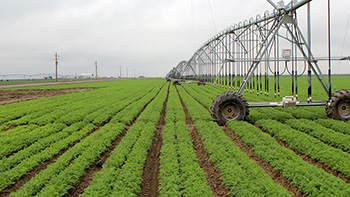
“Linear Irrigation System …” from www.senninger.com and used with no modifications.
Real-World Applications and Case Studies of Farmers Using Solar Powered Linear Irrigation Systems
To truly understand the impact of solar-powered linear irrigation systems, let’s explore some real-world applications and case studies. These examples highlight the benefits and challenges of implementing these systems in diverse agricultural settings. For insights into the future prospects and market trends of solar irrigation systems, check out this detailed analysis.
Farming Project in Arizona
In Arizona, a farming project implemented solar-powered linear irrigation systems to address water scarcity and high energy costs. The project aimed to enhance crop yields while reducing environmental impact.
- Significant reduction in energy costs due to the use of solar power
- Improved water efficiency and conservation
- Increased crop yields and profitability
The success of this project demonstrates the potential of solar-powered systems to transform agricultural practices, providing a sustainable and cost-effective solution for farmers.
By leveraging solar energy, the Arizona farming project not only achieved its goals but also set an example for other farmers looking to adopt sustainable practices. This case study highlights the importance of innovation and adaptation in agriculture, paving the way for a more sustainable future.
Solar Irrigation in Rural Nicaragua
In rural Nicaragua, a farm faced challenges due to limited access to reliable electricity and water resources. To overcome these obstacles, the farm owners installed a solar-powered linear irrigation system, which proved to be a game-changer.
The system’s ability to operate independently of the grid provided a consistent and reliable water supply, improving crop yields and overall farm productivity. Additionally, the use of solar power reduced energy costs, allowing the farm to reinvest in other areas of operation.
Lessons Learned from Successful Implementations
These case studies provide valuable insights into the successful implementation of solar-powered linear irrigation systems. Key lessons include the importance of proper planning and site selection, as well as the need for ongoing maintenance to ensure optimal performance.
Farmers should also consider the specific needs and characteristics of their fields when choosing an irrigation system. By selecting the right system and integrating solar power, they can achieve significant cost savings and efficiency gains.
Most importantly, these examples highlight the potential of solar-powered systems to drive sustainable agriculture, providing a blueprint for farmers worldwide to adopt innovative and environmentally friendly practices.

Challenges and Considerations for Using a Solar-Powered Linear Irrigation Systems
While solar-powered irrigation systems offer numerous benefits, there are also challenges and considerations that farmers must address to ensure successful implementation. These challenges include selecting the appropriate solar panels, understanding the initial costs, and maintaining the system for optimal performance.
Choosing the Right Solar Panel a Farmer Should Use: Monocrystalline vs. Polycrystalline vs. Thin Film Systems
Choosing the right solar panel is crucial for the efficiency of a solar-powered irrigation system. The three main types of solar panels—monocrystalline, polycrystalline, and thin film—each have their own advantages and disadvantages.
Monocrystalline panels are known for their high efficiency and durability, making them an excellent choice for farmers with limited space. They tend to be more expensive, but their long lifespan and performance can justify the cost.
Polycrystalline panels, on the other hand, are more affordable but slightly less efficient than monocrystalline panels. They are a suitable option for farmers who need a balance between cost and efficiency.
Thin film panels are the least efficient but offer flexibility and lower initial costs. They are ideal for large installations where space is not a constraint.
Here’s a table comparing the different solar panel you can use with an irrigation system on a farm:
|
Solar Panel Type |
Efficiency |
Cost per Watt |
Pros |
Cons |
|---|---|---|---|---|
|
Monocrystalline |
17-22% |
$1.00 – $1.50 |
– Highest efficiency. 1, 3 |
– Most expensive option. 1, 3 |
|
Polycrystalline |
13-17% |
$0.90 – $1.20 |
– Lower cost than monocrystalline. 1, 3 |
– Slightly lower efficiency. 1, 3 |
|
Thin-Film |
10-13% |
$0.70 – $1.00 |
– Lowest cost. 1, 3 |
– Lowest efficiency. 1, 3 |
Monocrystalline panels are highly efficient and durable, making them ideal for high-performance irrigation systems that require consistent power output. Their higher cost is often offset by their superior performance in the long run 3.
Polycrystalline panels offer a good balance between cost and efficiency, making them suitable for medium-scale irrigation projects. They perform well in most conditions and are a popular choice for many agricultural applications 3.
Thin-film panels, while less efficient, are more affordable and flexible. They can be a good option for portable irrigation systems or installations where weight is a concern. Their lower efficiency means you may need more panels to achieve the same power output as crystalline options 3.
The choice of solar panel will depend on your budget, space constraints, and the power requirements of your traveling gun irrigation system. Consulting with a solar energy expert is highly recommended.
Initial Costs and Installation
The initial costs of installing a solar-powered irrigation system can be significant, but it’s important to consider these expenses as an investment in long-term savings and sustainability. Costs typically include the purchase of solar panels, pumps, motors, and installation services.
Installation requires careful planning to ensure optimal placement of solar panels for maximum sunlight exposure. Farmers should work with experienced installers to design a system that meets their specific needs and maximizes efficiency.
Site Preparation and System Maintenance
Proper site preparation is essential for the successful installation of a solar-powered irrigation system. This includes clearing the area of obstacles, ensuring proper drainage, and positioning solar panels to capture the most sunlight.
Regular maintenance is also crucial to keep the system running smoothly. This includes cleaning solar panels, checking for any damage, and ensuring that all components are functioning properly. By maintaining their systems, farmers can extend the lifespan and efficiency of their investment.
Potential Technical Challenges
- Limited sunlight during cloudy days or winter months
- Initial setup and calibration complexities
- Potential need for backup power sources
- Technical expertise required for troubleshooting
Despite these challenges, solar-powered irrigation systems remain a viable and beneficial option for farmers seeking sustainable solutions. By addressing these considerations, farmers can ensure a successful transition to solar power.
Most importantly, by understanding and preparing for these challenges, farmers can maximize the benefits of solar-powered irrigation systems, enhancing their sustainability and productivity.

Final Thoughts on Solar Powered Linear Irrigation Systems
Solar-powered linear irrigation systems represent a significant step forward in sustainable agriculture. By harnessing the power of the sun, farmers can reduce their environmental impact, lower operational costs, and improve the efficiency of their irrigation practices.
These systems offer a practical solution for addressing the challenges of water scarcity and rising energy costs, providing a reliable and sustainable method for irrigating crops.
The Future of Agriculture with Solar Technology
The future of agriculture is bright with the integration of solar technology. As more farmers adopt solar-powered irrigation systems, the industry will continue to evolve towards more sustainable and efficient practices. This shift not only benefits the environment but also enhances food security and agricultural resilience.
Encouraging Sustainable Farming Practices
As stewards of the land, farmers have a responsibility to adopt practices that promote sustainability and environmental health. By investing in solar-powered irrigation systems, they can lead the way in demonstrating the benefits of renewable energy and efficient water use.
By sharing their experiences and successes, farmers can inspire others to follow suit, contributing to a more sustainable and prosperous future for agriculture.
Frequently Asked Questions (FAQ)
Here are some common questions and answers about solar-powered linear irrigation systems to help you better understand their benefits and applications.
How do solar-powered linear irrigation systems help save water?
These systems provide precise and controlled water delivery, ensuring that crops receive the exact amount of water they need. This minimizes waste and promotes efficient water use, helping conserve this vital resource.
By using sensors and automation technology, farmers can further optimize water usage, adjusting irrigation schedules based on soil moisture levels and weather conditions.
Are solar-powered systems more expensive than traditional systems?
While the initial costs of solar-powered systems can be higher than traditional systems, the long-term savings on energy costs often outweigh these expenses. The return on investment is typically realized within a few years, making these systems a financially viable option for farmers.
What maintenance is required for solar-powered irrigation systems?
Regular maintenance is essential to ensure optimal performance. This includes cleaning solar panels, checking for damage, and ensuring that all components are functioning properly. By maintaining their systems, farmers can extend the lifespan and efficiency of their investment.
Can solar-powered systems work in cloudy conditions?
Yes, solar-powered systems can still operate in cloudy conditions, although their efficiency may be reduced. It’s important to ensure that panels are positioned to capture the maximum amount of sunlight and consider backup power sources if needed.
Most importantly, by optimizing panel placement and system design, farmers can ensure reliable operation even during periods of reduced sunlight.
- Consider using battery storage to store excess energy for cloudy days
- Ensure regular maintenance to maximize panel efficiency
- Plan for seasonal variations in sunlight availability
By addressing these considerations, farmers can ensure that their solar-powered systems operate effectively year-round, providing consistent irrigation for their crops.
What crops benefit most from solar-powered irrigation systems?
Solar-powered irrigation systems can benefit a wide range of crops, particularly those that require consistent and precise watering. This includes fruits, vegetables, and high-value cash crops that are sensitive to water stress. For a detailed comparison of solar vs conventional irrigation systems, you can explore how efficiency varies across different farming methods.
By providing efficient and controlled water delivery, these systems help ensure optimal growth and yield, making them an excellent choice for farmers looking to maximize their productivity and sustainability. For a basic understanding of the benefits of solar panels in agriculture, explore how they can enhance your farming operations.
Solar powered linear irrigation systems are revolutionizing the agriculture industry by providing an efficient and sustainable way to water crops. These systems utilize solar panels to power the irrigation process, reducing reliance on traditional energy sources and lowering operational costs. The use of solar panels in agriculture not only supports environmental sustainability but also enhances crop yield by ensuring a consistent water supply. As farmers continue to seek eco-friendly solutions, solar powered irrigation systems are becoming an increasingly popular choice.







Leave a Reply