
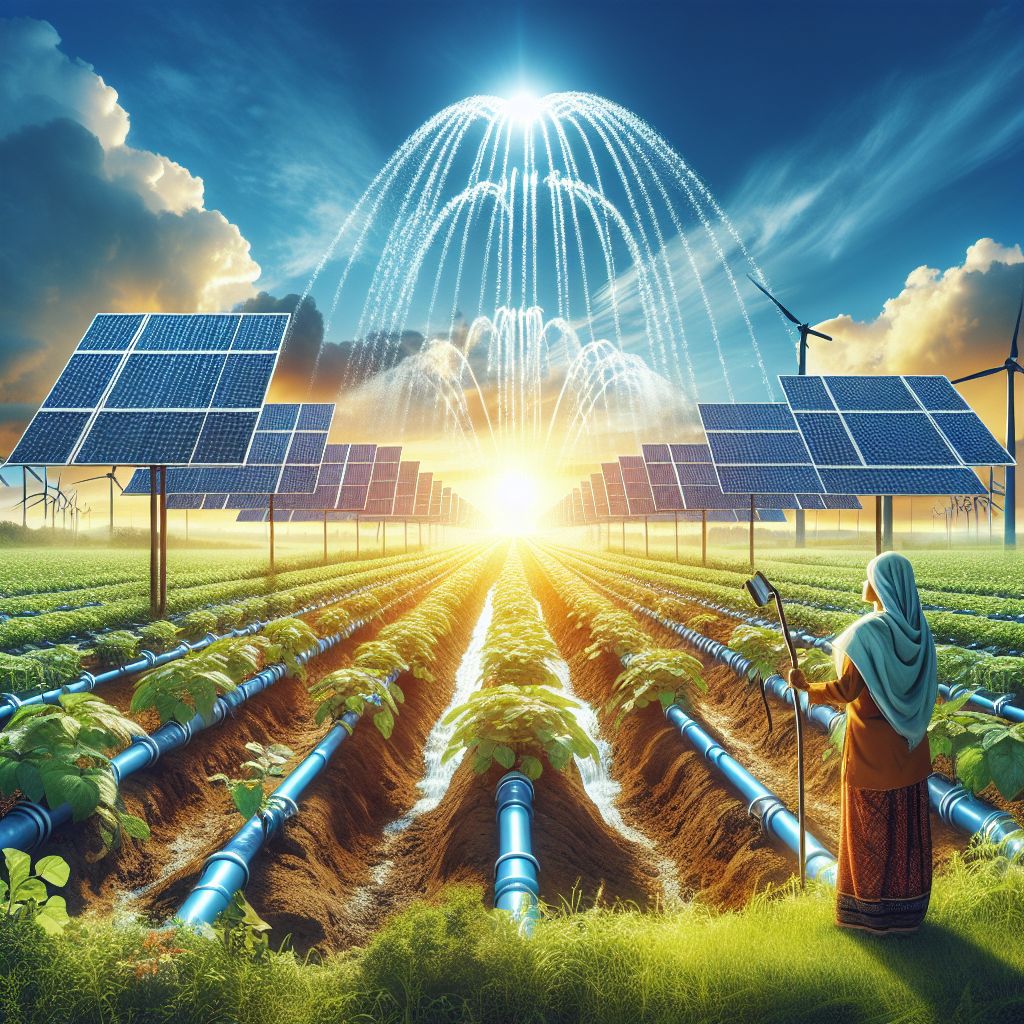
Imagine a world where farmers can grow crops without worrying about electricity costs or inconsistent water supply. Solar irrigation systems make this dream a reality by harnessing the sun’s power to deliver water efficiently to fields. These systems are transforming agriculture by providing sustainable solutions that reduce reliance on fossil fuels. Today, we’ll explore how these systems work, their benefits, and the market trends shaping their future.
Key Takeaways
- Solar irrigation systems are revolutionizing agriculture by using solar panels to power water pumps, reducing reliance on fossil fuels.
- The global solar irrigation market is projected to grow from USD 69.97 billion in 2024 to USD 211.97 billion by 2037.
- Asia Pacific is expected to dominate the market due to its vast agricultural lands and increasing demand for sustainable farming practices.
- Key growth factors include rising energy costs, increased food demand, and government incentives for renewable energy adoption.
- Challenges include high initial costs and the need for technical expertise in installation and maintenance.
Introduction to Solar Irrigation Systems
Solar irrigation systems represent a significant leap forward in agricultural technology. They utilize solar panels to capture sunlight and convert it into electricity, which then powers water pumps to irrigate fields. This method not only reduces the carbon footprint of farming operations but also ensures a more consistent water supply, especially in regions with unreliable electricity grids.
Basic Principles of Solar Irrigation
At the core of solar irrigation systems are solar panels, which absorb sunlight and convert it into direct current (DC) electricity. This electricity is then used to power a pump that draws water from a source, such as a well or a river, and distributes it across the fields through a network of pipes and sprinklers. The entire process is automated, allowing farmers to focus on other critical tasks.
Components of Solar Irrigation Systems
A typical solar irrigation system comprises several key components:
- Solar Panels: These are responsible for capturing sunlight and generating electricity.
- Pump Controller: This device regulates the power supply to the pump, ensuring efficient operation.
- Submersible Water Pump: This pump draws water from a source and delivers it to the irrigation system.
- Inverter: This component converts DC electricity from the solar panels into alternating current (AC) if needed for the pump.
Here’s a table comparing the different solar panel you can use with an irrigation system on a farm:
|
Solar Panel Type |
Efficiency |
Cost per Watt |
Pros |
Cons |
|---|---|---|---|---|
|
Monocrystalline |
17-22% |
$1.00 – $1.50 |
– Highest efficiency. 1, 3 |
– Most expensive option. 1, 3 |
|
Polycrystalline |
13-17% |
$0.90 – $1.20 |
– Lower cost than monocrystalline. 1, 3 |
– Slightly lower efficiency. 1, 3 |
|
Thin-Film |
10-13% |
$0.70 – $1.00 |
– Lowest cost. 1, 3 |
– Lowest efficiency. 1, 3 |
Monocrystalline panels are highly efficient and durable, making them ideal for high-performance irrigation systems that require consistent power output. Their higher cost is often offset by their superior performance in the long run 3.
Polycrystalline panels offer a good balance between cost and efficiency, making them suitable for medium-scale irrigation projects. They perform well in most conditions and are a popular choice for many agricultural applications 3.
Thin-film panels, while less efficient, are more affordable and flexible. They can be a good option for portable irrigation systems or installations where weight is a concern. Their lower efficiency means you may need more panels to achieve the same power output as crystalline options 3.
Benefits Over Traditional Irrigation Methods
Solar irrigation systems offer numerous advantages over conventional methods. First and foremost, they eliminate the need for diesel or electric pumps, which can be costly and environmentally damaging. Additionally, solar-powered systems provide a reliable water supply, reducing the risk of crop failure due to drought or power outages. Farmers also benefit from lower operational costs, as sunlight is free and abundant.
Most importantly, these systems contribute to sustainable agriculture by minimizing greenhouse gas emissions. By reducing dependency on fossil fuels, farmers can decrease their carbon footprint and help combat climate change. This transition to greener farming practices is crucial for ensuring food security in the face of global environmental challenges.
Vision for the Future of Agriculture
The integration of solar energy into agriculture is not just a trend; it’s a vision for the future. As the global population continues to grow, the demand for food will increase, putting pressure on farmers to produce more with fewer resources. Solar irrigation systems offer a viable solution by enhancing productivity and sustainability.
Besides that, these systems empower farmers in remote areas where access to electricity is limited. By harnessing the sun’s power, they can achieve self-sufficiency and improve their livelihoods. The widespread adoption of solar irrigation systems has the potential to transform rural economies and contribute to a more equitable distribution of resources.
Global Market Trends and Growth Opportunities
The solar irrigation systems market is poised for significant growth in the coming years. As the world shifts towards renewable energy, the demand for solar-powered solutions in agriculture is expected to rise. Let’s delve into the current market size, regional insights, and the factors driving this expansion.
Current Market Size and Forecast (2025-2037)
The global market for solar irrigation systems was valued at USD 69.97 billion in 2024. It is projected to reach USD 211.97 billion by 2037, growing at a compound annual growth rate (CAGR) of 8.9%. This growth is driven by increasing awareness of the benefits of solar energy and the need for sustainable agricultural practices.
Regional Market Insights: APAC, North America, Europe
The Asia Pacific region is expected to dominate the solar irrigation systems market due to its vast agricultural lands and the growing demand for sustainable farming solutions. Countries like India and China are leading the charge, with government initiatives promoting the adoption of renewable energy in agriculture.
In North America, the focus is on reducing carbon emissions and improving water management. The United States and Canada are investing in solar irrigation technologies to enhance agricultural efficiency and resilience. Meanwhile, Europe is witnessing growth due to favorable government policies and incentives for renewable energy adoption.
According to industry experts, “Asia Pacific will account for the largest share of the solar irrigation systems market by 2037, driven by the presence of wide-ranging cultivated land and supportive government policies.”
Key Growth Factors: Energy Consumption in Agriculture
Several factors are fueling the growth of the solar irrigation systems market:
- Rising Energy Costs: As traditional energy sources become more expensive, farmers are turning to solar solutions to reduce operational costs.
- Increased Food Demand: The growing global population necessitates higher agricultural productivity, driving the adoption of efficient irrigation systems.
- Government Incentives: Many countries offer subsidies and tax breaks for farmers who invest in renewable energy technologies, making solar irrigation more accessible.
Therefore, the combination of economic and environmental benefits makes solar irrigation systems an attractive option for farmers worldwide. By embracing this technology, they can achieve greater efficiency, sustainability, and profitability in their operations. For more insights on how solar power impacts farmers, visit this article on solar power savings.
Challenges Facing Market Growth
Despite the promising prospects, the solar irrigation systems market faces several challenges. High initial costs can be a barrier for small-scale farmers who may lack the capital to invest in solar technology. Additionally, the installation and maintenance of these systems require technical expertise, which may not be readily available in all regions.
Furthermore, solar irrigation systems depend on consistent sunlight, which can be a limitation in areas with frequent cloudy weather or during nighttime. Farmers need to consider these factors when deciding to implement solar solutions in their operations.
In conclusion, while solar irrigation systems present a promising future for agriculture, addressing these challenges is crucial for widespread adoption. With continued innovation and support from governments and industry stakeholders, the potential for growth and impact is immense.
The global solar powered irrigation system market is experiencing significant growth and presents numerous opportunities. Here’s a chart discussing the key trends and growth opportunities:
|
Aspect |
Details |
|---|---|
|
Market Size |
– Valued at US$ 58.6 Bn in 2022 (1) |
|
– Projected to reach USD 194.64 Bn by 2036 (2) | |
|
Growth Rate |
– CAGR of 8.4% from 2023 to 2031 (1) |
|
– Some estimates suggest CAGR of 8.9% between 2024-2036 (2) | |
|
Key Drivers |
– Rising fossil fuel prices (1) |
|
– Environmental concerns (1) | |
|
– Government initiatives and subsidies (1) | |
|
– Increasing energy consumption in agriculture (2) | |
|
Regional Opportunities |
– Asia Pacific: Dominant market share, led by China and India (1) |
|
– North America: 33% market share in 2022, led by the U.S. (1) | |
|
– Europe and South Africa: Emerging markets (1) | |
|
Technology Trends |
– Product enhancements and innovation (1) |
|
– Integration with smart farming and automated control systems (8) | |
|
– Development of solar-powered robotic systems (8) | |
|
Application Areas |
– Surface and drip irrigation systems (5) |
|
– Groundwater pumping (2) | |
|
– Desalination in coastal areas (8) | |
|
Key Players |
– Lorentz, SunCulture, Grundfos Solar Water Solutions, Wien Energy, Jain Irrigation Systems Ltd. (1) |
This chart provides a comprehensive overview of the global market trends and growth opportunities for solar irrigation systems, highlighting the significant potential for expansion and innovation in this sector.
Important Players and Innovations
In the dynamic world of solar irrigation systems, several companies stand out for their pioneering efforts and innovations. These industry leaders are not only driving technological advancements but also setting the stage for the future of sustainable agriculture. Their contributions are vital in making solar irrigation systems more accessible and efficient for farmers worldwide.
Leading Companies in the Market
Among the top players in the solar irrigation market are companies like Jain Irrigation Systems, Lorentz, and Grundfos. Jain Irrigation Systems, for instance, has been a frontrunner in integrating solar technology with traditional irrigation methods, offering solutions that cater to both small-scale and large-scale farmers. Lorentz specializes in solar-powered water pumping systems, providing reliable and cost-effective solutions tailored to various agricultural needs. Grundfos, known for its innovative water technology, has developed solar-powered pumps that are efficient and easy to maintain, making them popular among farmers seeking sustainable solutions.
Technological Innovations in Solar Irrigation
The rapid pace of technological innovation in solar irrigation is reshaping the agricultural landscape. One significant advancement is the development of smart irrigation systems that use sensors and data analytics to optimize water usage. These systems can monitor soil moisture levels and adjust irrigation schedules accordingly, ensuring that crops receive the right amount of water at the right time.
Another exciting innovation is the integration of Internet of Things (IoT) technology, which allows farmers to control and monitor their irrigation systems remotely via smartphones or computers. This connectivity not only enhances efficiency but also provides farmers with valuable insights into their water usage patterns, helping them make informed decisions to improve crop yields.
Case Studies of Successful Implementations
- India: In rural India, a community of farmers adopted solar irrigation systems to combat water scarcity and reduce dependency on diesel pumps. The result was a significant increase in crop yields and a decrease in operational costs, demonstrating the potential of solar technology to transform agriculture.
- Kenya: A Kenyan agricultural cooperative implemented solar-powered drip irrigation systems to improve water efficiency and crop productivity. This initiative not only enhanced food security in the region but also empowered local farmers by providing them with sustainable farming tools.
- Mexico: In Mexico, a government-backed project introduced solar irrigation systems to smallholder farmers, enabling them to irrigate their fields more consistently and reduce their environmental impact. The success of this project has inspired similar initiatives across Latin America.
These case studies illustrate the tangible benefits of solar irrigation systems and highlight their potential to drive positive change in agriculture. By sharing these success stories, we can inspire more farmers to embrace solar technology and reap its rewards.
Future Prospects and Opportunities
The future of solar irrigation systems is bright, with numerous opportunities for growth and development. As the world increasingly prioritizes sustainable practices, the demand for renewable energy solutions in agriculture is expected to soar. Let’s explore the impact of solar irrigation on sustainable agriculture and its potential for adoption in developing regions.
Impact on Sustainable Agriculture
Solar irrigation systems play a crucial role in promoting sustainable agriculture by reducing reliance on fossil fuels and minimizing environmental impact. By harnessing the sun’s power, these systems provide a clean and renewable source of energy that aligns with global efforts to combat climate change. Moreover, they enable farmers to use water more efficiently, conserving this precious resource and enhancing resilience against droughts and water shortages.
Most importantly, solar irrigation systems contribute to food security by ensuring a consistent water supply for crops, even in regions with unreliable electricity access. This stability allows farmers to plan their planting and harvesting schedules more effectively, leading to increased productivity and profitability. To understand more about how these systems work, you can explore solar-powered irrigation systems in detail.
Potential for Adoption in Developing Regions
Developing regions stand to benefit immensely from the adoption of solar irrigation systems. In areas where electricity infrastructure is lacking or unreliable, solar-powered solutions offer a viable alternative that empowers farmers to achieve self-sufficiency. By reducing dependence on expensive and polluting diesel pumps, these systems can improve the livelihoods of smallholder farmers and stimulate economic growth in rural communities.
Role of Government Policies and Incentives
Government policies and incentives are pivotal in driving the adoption of solar irrigation systems. Many countries have recognized the potential of renewable energy in agriculture and are offering subsidies, tax breaks, and low-interest loans to encourage farmers to invest in solar technology. These initiatives not only make solar irrigation systems more affordable but also raise awareness of their benefits among the farming community. For more insights, learn how solar power savings impact farmer bottom line costs.
Besides that, governments can support research and development efforts to further improve the efficiency and affordability of solar irrigation systems. By fostering collaboration between the public and private sectors, they can accelerate the transition to sustainable agriculture and ensure that farmers have access to the best available technologies.
Considerations for Farmers Implementing Solar Systems
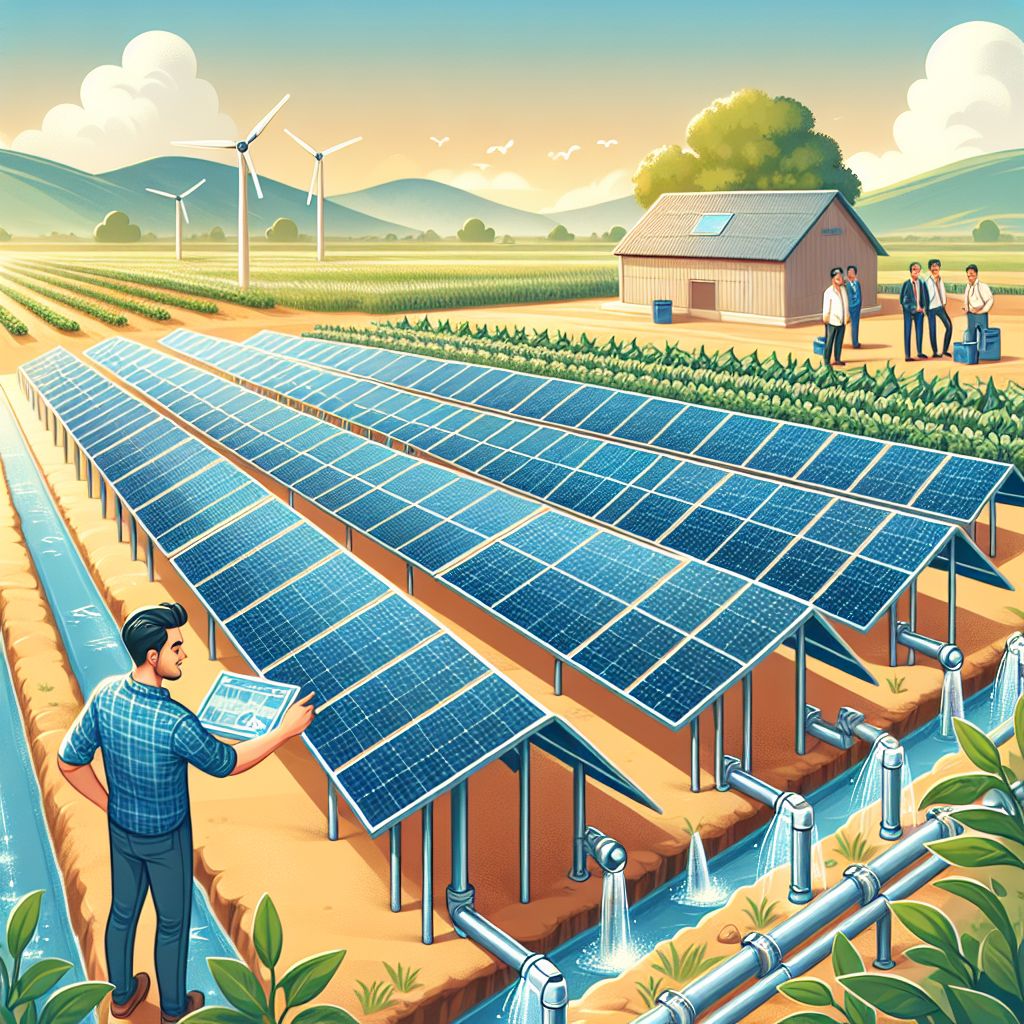
For farmers considering the implementation of solar irrigation systems, several factors must be taken into account to ensure a successful transition. Understanding the initial costs, long-term savings, and best practices for installation and maintenance is crucial for maximizing the benefits of solar technology.
Initial Costs and Long-term Savings
While the initial investment in solar irrigation systems can be substantial, the long-term savings often outweigh the upfront costs. Solar panels have a lifespan of 20 to 25 years and require minimal maintenance, resulting in significant savings on fuel and electricity expenses over time. Additionally, many governments offer financial incentives that can offset the initial costs and make solar systems more accessible to farmers.
Best Practices for Installation and Maintenance
Proper installation and maintenance are essential for ensuring the optimal performance of solar irrigation systems. Farmers should work with experienced professionals to design and install their systems, taking into account factors such as sunlight exposure, water source, and crop requirements. Regular maintenance, including cleaning the solar panels and checking the pump and electrical components, is necessary to prevent issues and extend the system’s lifespan.
Therefore, by following these best practices, farmers can maximize the efficiency and longevity of their solar irrigation systems, ultimately enhancing their agricultural productivity and sustainability.
Adaptation to Local Climate and Terrain
Adapting solar irrigation systems to local climate and terrain is crucial for optimizing their performance and ensuring they meet the specific needs of farmers. Different regions have varying levels of sunlight, water availability, and soil conditions, all of which influence the design and operation of these systems. Farmers should assess their local environment to determine the most suitable type of solar irrigation system and make necessary adjustments to maximize efficiency. For instance, selecting the right solar panels can be essential, as discussed in this guide on choosing the right solar panels.
In regions with abundant sunlight, solar panels can be positioned to capture maximum solar energy throughout the day. In contrast, areas with limited sunlight may require additional storage solutions, such as batteries, to ensure a consistent power supply. Additionally, the choice of irrigation method—whether drip, sprinkler, or surface irrigation—should align with the soil type and crop requirements to minimize water wastage and enhance crop yields.
Conclusion:
The future of solar irrigation systems is promising, with immense potential to transform agriculture and contribute to a more sustainable and resilient food system. By harnessing the power of the sun, farmers can achieve greater efficiency, reduce their environmental impact, and enhance their livelihoods. As the market continues to grow and innovate, solar irrigation systems will play a pivotal role in addressing global challenges such as food security, climate change, and resource conservation.
What is the overall future outlook for Solar Irrigation Systems
The outlook for solar irrigation systems is bright, driven by increasing awareness of their benefits and the growing demand for sustainable agricultural practices. As technology advances and costs decrease, more farmers are expected to adopt solar solutions, leading to widespread adoption across various regions. With continued support from governments and industry stakeholders, solar irrigation systems will become an integral part of modern agriculture, paving the way for a greener and more prosperous future.
Frequently Asked Questions (FAQ)
As solar irrigation systems gain popularity, many farmers have questions about their components, benefits, and implementation. Here, we address some of the most common inquiries to help you make informed decisions about adopting solar technology in your agricultural operations.
What are the main components of a solar irrigation system?
The main components of a solar irrigation system include solar panels, a pump controller, a submersible water pump, and an inverter. These components work together to capture sunlight, convert it into electricity, and power the water pump to irrigate fields efficiently. For more on how advanced controllers and sensors can boost efficiency, check out this article on advanced controllers.
How do solar irrigation systems compare to conventional systems?
Solar irrigation systems offer several advantages over conventional systems. They reduce reliance on fossil fuels, lower operational costs, and provide a reliable water supply, especially in regions with unreliable electricity grids. Additionally, they contribute to sustainable agriculture by minimizing greenhouse gas emissions and conserving water resources.
Which regions are expected to see the most growth in solar irrigation?
The Asia Pacific region is expected to see the most growth in solar irrigation, driven by vast agricultural lands and supportive government policies. Other regions, such as North America and Europe, are also witnessing growth due to increasing awareness of renewable energy benefits and efforts to reduce carbon emissions in agriculture.
What is the typical lifespan of a solar irrigation system?
Solar irrigation systems typically have a lifespan of 20 to 25 years, depending on the quality of components and maintenance practices. Regular maintenance, such as cleaning solar panels and checking electrical connections, can extend the system’s lifespan and ensure optimal performance. For more insights into the market trends, you can explore the solar powered irrigation system market.
Are there any government incentives available for using a solar irrigation system for farmers?
Yes, many governments offer incentives to encourage the adoption of solar irrigation systems. These incentives may include subsidies, tax breaks, and low-interest loans to help offset the initial costs and make solar technology more accessible to farmers. It’s essential to check with local authorities for specific programs and eligibility criteria in your region.







Leave a Reply