
Key Takeaways
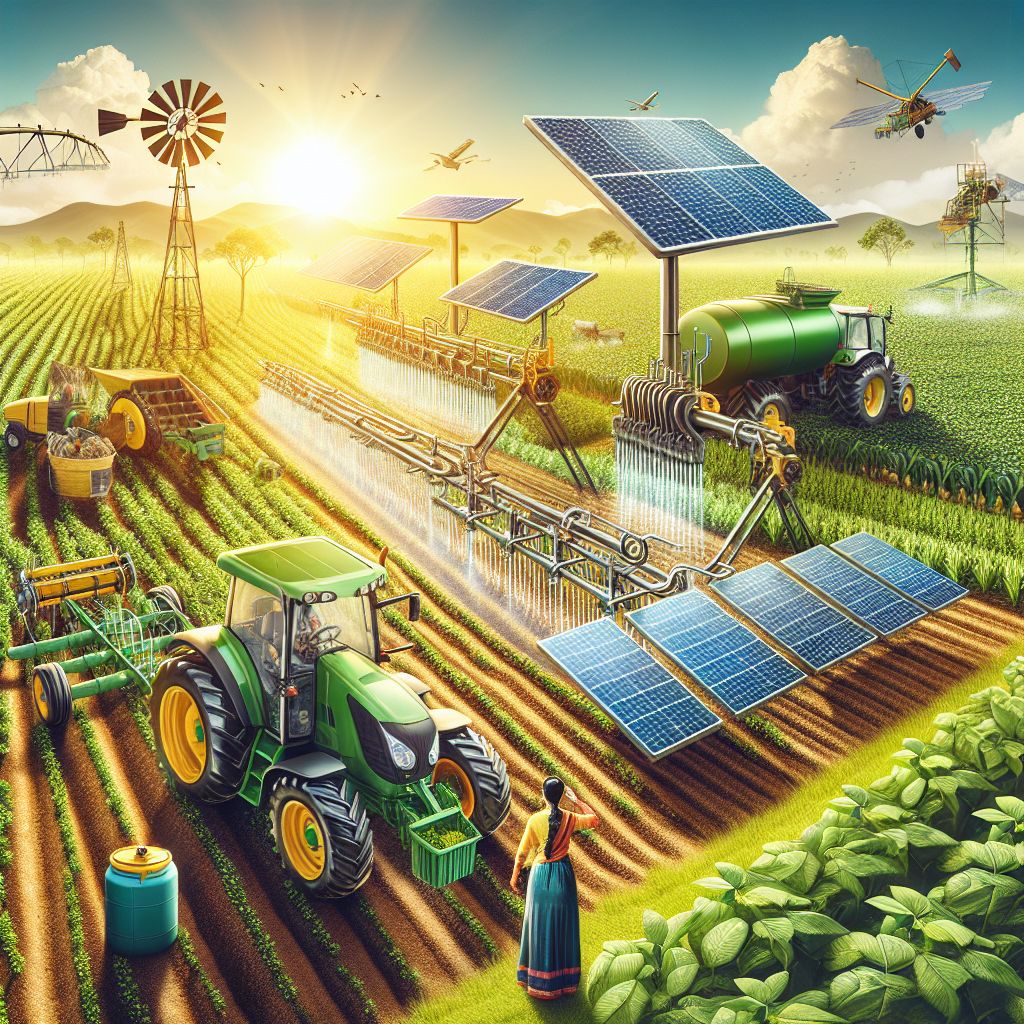
- Solar-powered farm machinery significantly reduces carbon emissions, contributing to a cleaner environment.
- Initial costs for solar equipment can be high, but long-term savings on fuel and maintenance make it a wise investment.
- Farmers can gain energy independence, protecting themselves from volatile fuel prices and power outages.
- Government incentives are available for farmers who switch to renewable energy sources like solar power.
- Solar technology is adaptable to various farm machinery, including tractors, irrigation systems, and harvesters.
Introduction to Solar Power for Farm Machinery
Imagine a world where farmers can power their machinery using nothing but the sun’s energy. This isn’t a far-off dream but a reality that’s transforming agriculture today. Solar power for farm machinery is becoming an efficient solution for modern farming challenges. Not only does it offer a sustainable way to reduce reliance on fossil fuels, but it also empowers farmers with more control over their energy needs.
Benefits Overview
Solar power brings numerous benefits to farm machinery, making it a game-changer in agriculture. The most obvious advantage is the reduction in fuel costs. By harnessing the sun’s energy, farmers can cut down on expensive diesel and gasoline, leading to significant savings over time. Moreover, solar-powered equipment requires less maintenance, which further reduces operational costs.
Besides financial savings, solar power also offers environmental benefits. It reduces greenhouse gas emissions, helping farmers contribute to a healthier planet. Additionally, solar energy is a renewable resource, ensuring that farms can operate sustainably for generations to come.
Why Solar is a Game-Changer for Farming
Solar power is revolutionizing the agricultural sector by providing an alternative to traditional energy sources. It offers farmers the chance to become energy independent, freeing them from the constraints of fluctuating fuel prices and power outages. This stability is crucial, especially in rural areas where access to reliable energy can be limited.
Moreover, solar technology is versatile and can be adapted to various types of farm machinery. From tractors to irrigation systems, solar panels can be integrated to power a wide range of equipment, enhancing efficiency and productivity on the farm.

Environmental Advantages of Solar-Powered Equipment
One of the most compelling reasons to switch to solar-powered farm machinery is its environmental benefits. Traditional farming equipment relies heavily on fossil fuels, which contribute to air pollution and climate change. By contrast, solar power is a clean energy source that significantly reduces carbon emissions.
Reduction in Carbon Emissions
Switching to solar-powered machinery can drastically cut down on carbon emissions. This is a critical step in combating climate change and preserving our planet for future generations. The transition to solar energy helps farmers play a vital role in reducing their carbon footprint, which is essential for a sustainable future.
Moreover, using solar energy can improve air quality by decreasing the pollutants released from burning fossil fuels. This not only benefits the environment but also the health of those living and working on the farm.
- Solar power reduces the need for fossil fuels, lowering greenhouse gas emissions.
- Improved air quality benefits both the environment and farm workers’ health.
Positive Impact on Soil and Ecosystems
Solar-powered machinery offers several ecological benefits beyond just reducing emissions. Traditional machinery, often heavy and cumbersome, can lead to soil compaction, which negatively affects soil health and crop productivity. Solar-powered equipment, generally lighter, reduces this risk, promoting better soil aeration and water retention.
Moreover, solar installations can be designed to integrate seamlessly into the landscape, preserving natural habitats and supporting biodiversity. This is vital for maintaining the ecological balance on farms, ensuring that crops thrive alongside local flora and fauna.
Cost Efficiency and Financial Benefits for Using Solar-Power Farm Machinery & Equipment
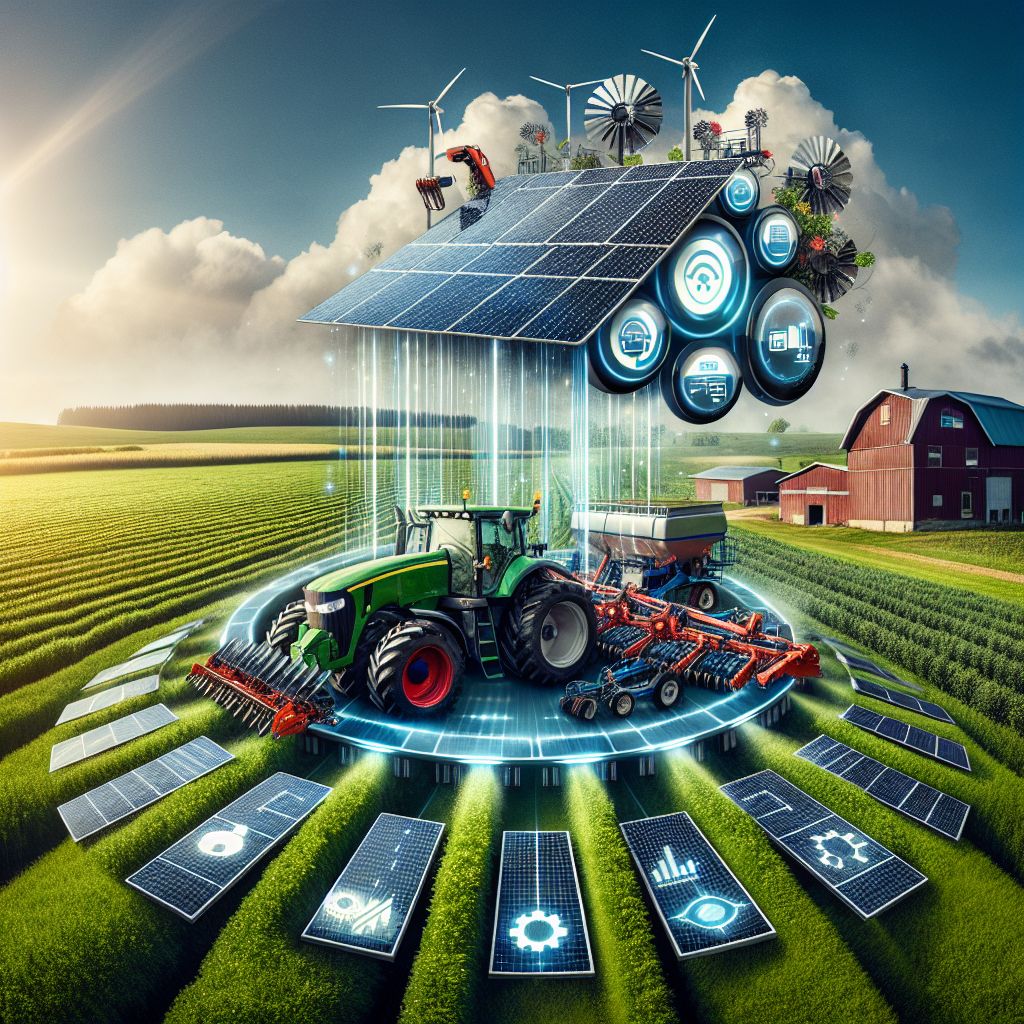
One of the main attractions of solar-powered farm machinery is its potential for significant cost savings. While the initial investment might seem steep, the long-term financial benefits are compelling. By reducing fuel costs and minimizing maintenance, solar-powered equipment can lead to substantial savings over time.
Initial Investment vs. Long-Term Savings
Investing in solar-powered machinery requires upfront costs for solar panels and installation. However, these costs are often offset by the savings on fuel and maintenance. Traditional farm machinery relies on expensive fossil fuels, whereas solar energy is free and abundant.
Over time, the reduction in fuel expenses alone can lead to significant financial savings. Additionally, solar-powered equipment typically requires less maintenance than conventional machinery, further reducing costs. For many farmers, the initial investment pays for itself within a few years, making it a sound financial decision.
Government Incentives for Renewable Energy
To encourage the adoption of renewable energy, many governments offer incentives for farmers who switch to solar power. These incentives can take the form of tax credits, rebates, or grants, making the initial investment more manageable.
For instance, in the United States, the federal government offers a Solar Investment Tax Credit (ITC), which can cover a significant portion of the installation costs. Additionally, some states provide additional incentives, further reducing the financial burden for farmers looking to go solar. For those interested in understanding more about solar solutions for farms, check out this guide on solar panels for farm operations.
Less Maintenance on the Farm Machinery & Equipment: Saving Farmers Money and Time in the Long-Term
Solar-powered equipment is often simpler in design and operation, resulting in fewer moving parts and reduced wear and tear. This translates to less frequent maintenance and lower repair costs, saving farmers both time and money.
Furthermore, solar panels themselves are highly durable and require minimal upkeep. Regular cleaning and occasional inspections are typically sufficient to keep them functioning optimally. This reliability means farmers can focus more on their crops and livestock, rather than worrying about equipment breakdowns.
- Reduced maintenance needs lower repair costs.
- Durable solar panels require minimal upkeep.
- More time can be spent on farming activities rather than equipment repairs.

Energy Independence and Reliability
One of the most significant advantages of solar-powered farm machinery is the energy independence it offers. By generating their electricity, farmers can protect themselves from volatile fuel prices and power outages, ensuring a reliable energy supply.
This independence is particularly beneficial in remote areas where access to the power grid is limited or unreliable. With solar power, farmers can operate their machinery without concern for external energy disruptions.
Stability Against Fuel Price Fluctuations
Fossil fuel prices are notoriously unpredictable, subject to geopolitical tensions and market dynamics. By switching to solar power, farmers can insulate themselves from these fluctuations, ensuring stable energy costs.
This stability allows for better financial planning and budgeting, as energy expenses become more predictable. It also provides peace of mind, knowing that energy costs won’t unexpectedly spike due to external factors.
On-Site Energy Generation and Storage
Solar power enables farmers to generate and store their electricity on-site. This not only provides a reliable energy source but also reduces dependence on the grid. With advancements in battery storage technology, farmers can store excess solar energy for use during cloudy days or at night.
On-site generation also reduces transmission losses, as electricity doesn’t need to travel long distances from power plants to farms. This efficiency ensures that more of the generated energy is used effectively, maximizing the benefits of solar power.
Solar-Powered Farm Equipment Types
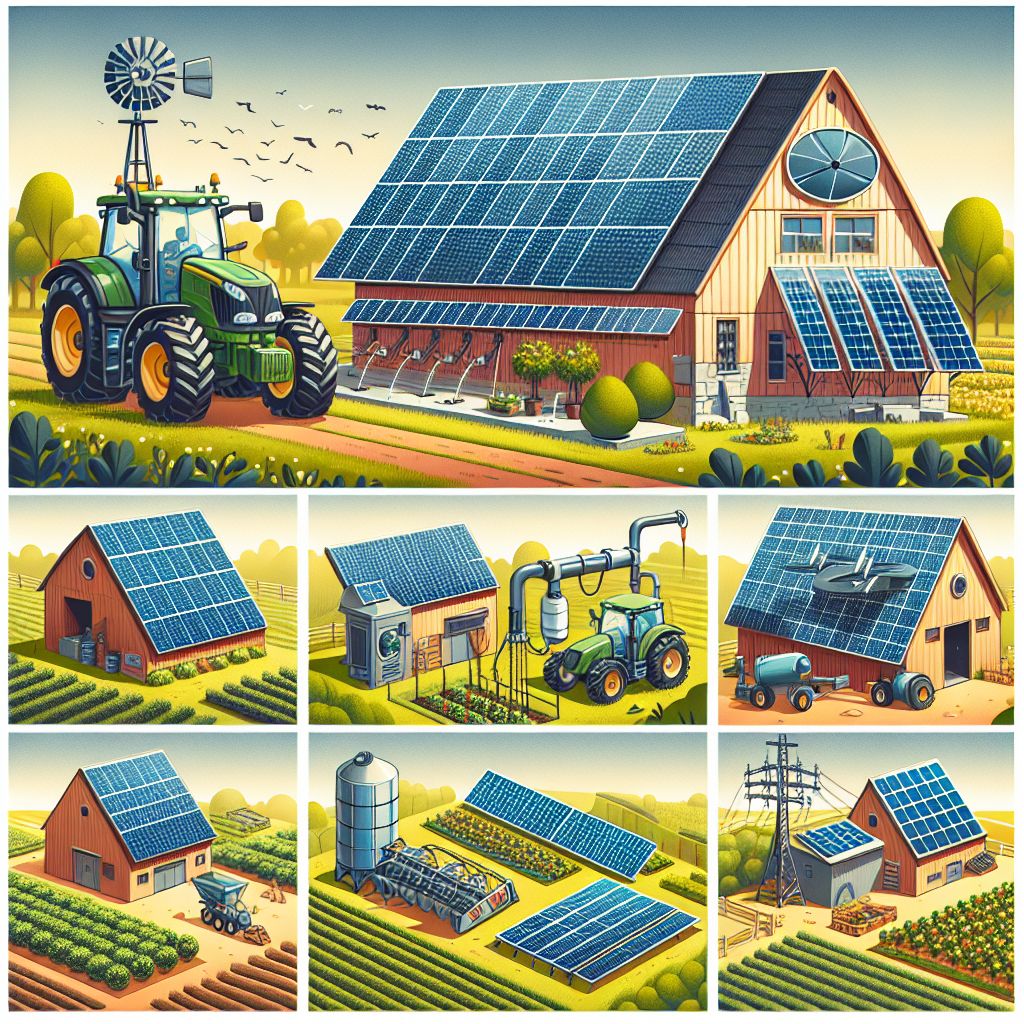
Solar technology is incredibly versatile and can be adapted to various types of farm machinery. From tractors to irrigation systems, solar power is revolutionizing how farmers operate their equipment.
Solar-Powered Tractors
Tractors are the backbone of any farm, and solar power is transforming how they operate. Solar-powered tractors use photovoltaic panels to convert sunlight into electricity, powering electric motors that drive the tractor.
These tractors offer several advantages, including lower operating costs and reduced emissions. They are also quieter than traditional tractors, reducing noise pollution on the farm.
“Solar-powered tractors are paving the way for sustainable agriculture, offering farmers an eco-friendly alternative to diesel-powered machinery.” – Agriculture Today
As battery technology improves, solar-powered tractors are becoming more efficient, with longer operating times and increased power output.
Solar-Powered Irrigation Systems
Irrigation is crucial for crop health, and solar-powered systems offer a sustainable solution. These systems use solar panels to power water pumps, delivering water to crops without relying on grid electricity or diesel generators.
- Reduced reliance on grid electricity and diesel.
- Lower operating costs and environmental impact.
- Improved water management and crop health.
Solar-powered irrigation systems are particularly beneficial in regions with limited access to electricity, enabling farmers to irrigate their fields efficiently and sustainably.
With proper design and installation, these systems can significantly improve water management, ensuring that crops receive the right amount of water at the right time. For more information on solar-powered solutions, check out RAR Energy.
Solar-Powered Harvesting Machines
Harvesting is a labor-intensive process, but solar-powered machines are making it more efficient and sustainable. These machines use solar energy to power their motors, reducing reliance on fossil fuels.
Solar-Power Electric Fences and Security Systems for the Farm
Security is a top priority for farmers, and solar-powered electric fences and security systems offer a reliable solution. These systems use solar panels to power electric fencing, deterring wildlife and unauthorized intruders.
Solar-powered security systems can also include cameras and motion sensors, providing comprehensive protection for the farm. These systems are especially useful in remote areas where grid electricity is unavailable.
By utilizing solar power, farmers can ensure their property and livestock are secure without incurring high energy costs. For those interested in implementation, here is a step-by-step guide to installing solar panels on your farm.
“Solar-powered security systems provide peace of mind for farmers, ensuring their property is protected without breaking the bank.” – Farm Security Magazine
Lighting up the Whole Farm with Solar-Power
Solar power isn’t just for machinery; it can also illuminate the entire farm. Solar-powered lighting systems provide reliable illumination for barns, sheds, and outdoor areas, enhancing safety and productivity. For those interested in implementing solar solutions, here’s a step-by-step guide to installing solar panels on your farm.
These systems are cost-effective and easy to install, making them an excellent choice for farmers looking to improve their farm’s infrastructure sustainably.
Here is a table discussing various farm equipment that can be powered by solar energy:
|
Farm Equipment |
Description |
Benefits |
|---|---|---|
|
Tractors |
Solar-powered tractors convert sunlight into energy, reducing reliance on conventional fuel. 1, 3 |
Reduces greenhouse gas emissions, lowers operational costs |
|
Irrigation Systems |
Solar panels power water pumps for efficient irrigation. 2, 3 |
Sustainable solution, reduces operational costs, increases crop yields |
|
Livestock Fence Chargers |
Solar-powered chargers keep electric fences operational. 3 |
Reliable power source, reduces electricity costs |
|
Ventilators |
Solar panels automate ventilation in greenhouses and animal enclosures. 3 |
Improves air management, saves time and money |
|
Lighting Systems |
Solar-powered lights for barns, security, and other farm areas. 2 |
Reduces electricity costs, improves farm safety |
|
Dehydrators |
Solar energy powers crop dehydration equipment. 3 |
Energy-efficient food preservation |
|
Sensors |
Solar-powered sensors for monitoring farm conditions. 3 |
Improves farm management, reduces energy costs |
|
Harvesting Machines |
Solar energy powers various harvesting equipment. 1 |
Reduces carbon emissions, lowers operational costs |
|
Water Pumps |
Ensures consistent water supply, reduces energy costs | |
|
Portable Generators |
Solar generators provide power for various farm operations. 2 |
Flexible power source, useful for remote locations |
This table showcases the diverse range of farm equipment that can be powered by solar energy, demonstrating the potential for increased sustainability and efficiency in modern agriculture.

Challenges and Solutions in Implementation
While solar power offers numerous benefits, there are challenges to its implementation. Initial costs, technological adaptation, and training are common hurdles that farmers face when transitioning to solar-powered equipment.
However, these challenges are not insurmountable. With proper planning and support, farmers can successfully integrate solar power into their operations, reaping the long-term benefits of sustainable energy.
Overcoming Initial Cost Barriers
Switching to solar-powered farm machinery can seem daunting due to the upfront costs. However, these initial expenses should be viewed as an investment in the farm’s future. The costs of solar panels and installation are often offset by long-term savings on fuel and maintenance.
“The initial cost of solar power is an investment that pays off over time, reducing energy expenses and boosting farm sustainability.” – Green Energy Journal
To overcome these barriers, farmers can explore various financing options. Many banks and financial institutions offer loans specifically for renewable energy projects. Additionally, government incentives and grants can significantly reduce the financial burden, making solar power more accessible.
It’s crucial to conduct a thorough cost-benefit analysis to understand the potential savings and returns on investment. This analysis can help farmers make informed decisions about integrating solar power into their operations.
Technological Adaptation and Training
Adopting solar-powered machinery requires some level of technological adaptation and training. Farmers need to understand how solar systems work and how to maintain them effectively. This knowledge is essential to ensure the systems operate efficiently and provide the expected benefits.
Training programs and workshops can provide farmers with the necessary skills and knowledge. These programs often cover topics such as system installation, maintenance, and troubleshooting. By investing in training, farmers can maximize the benefits of their solar-powered equipment and ensure its long-term success.
Future Trends in Solar-Powered Agriculture
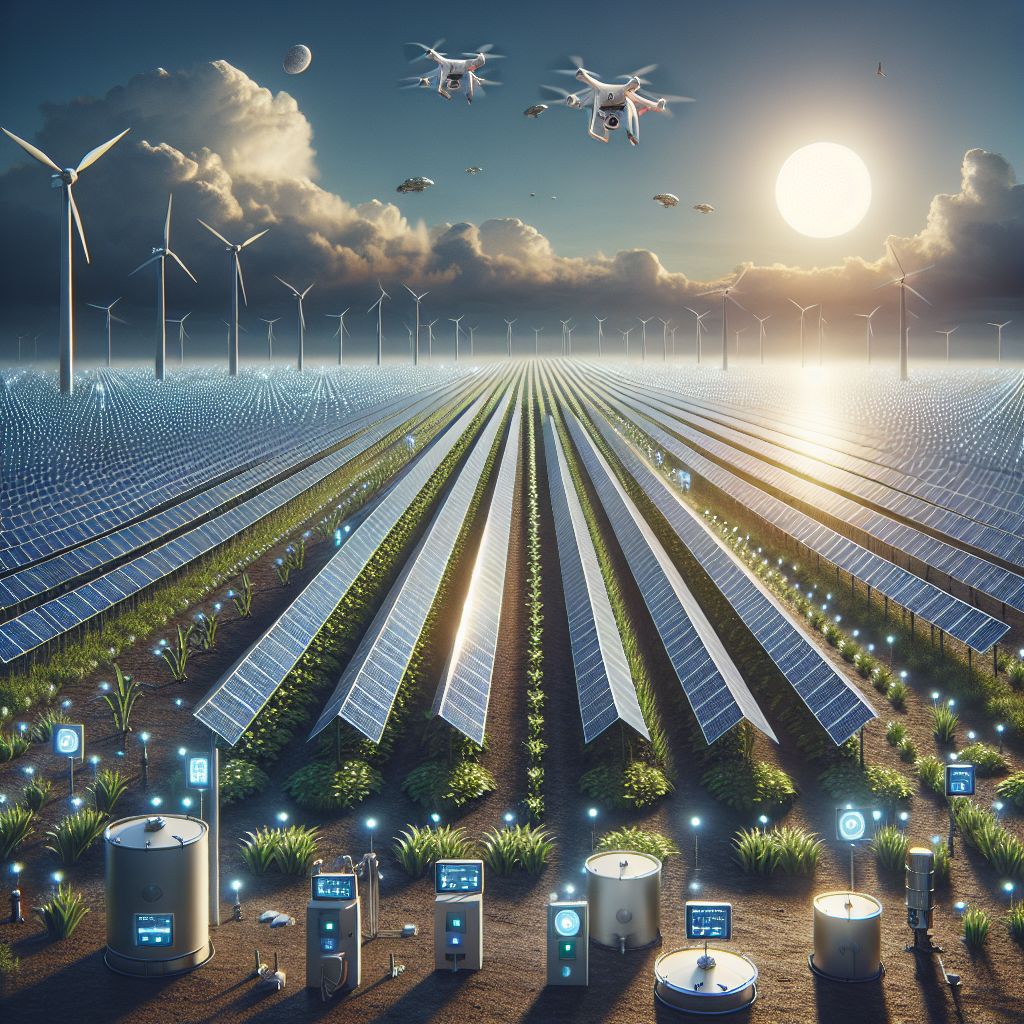
The future of solar-powered agriculture is bright, with continuous advancements in technology and growing adoption among farmers. These trends are set to revolutionize the agricultural sector, making it more sustainable and efficient.
Advancements in Solar Technology
Solar technology is constantly evolving, with improvements in efficiency, cost, and durability. New developments in solar panels and battery storage are making solar power more accessible and affordable for farmers. These advancements are crucial for expanding the adoption of solar power in agriculture.
For instance, bifacial solar panels, which capture sunlight on both sides, offer higher efficiency and energy output. Similarly, advancements in battery technology are improving energy storage, allowing farmers to store excess solar energy for use during cloudy days or at night.
Integration with Precision Agriculture
Precision agriculture involves using technology to optimize farming practices, and solar power plays a significant role in this integration. By combining solar energy with precision farming tools, farmers can enhance their productivity and sustainability. For more information on this, check out farming tools operated by solar power.
For example, solar-powered sensors can monitor soil moisture levels, helping farmers optimize irrigation and conserve water. Similarly, solar-powered drones can provide valuable data on crop health and growth, enabling farmers to make informed decisions about their operations.
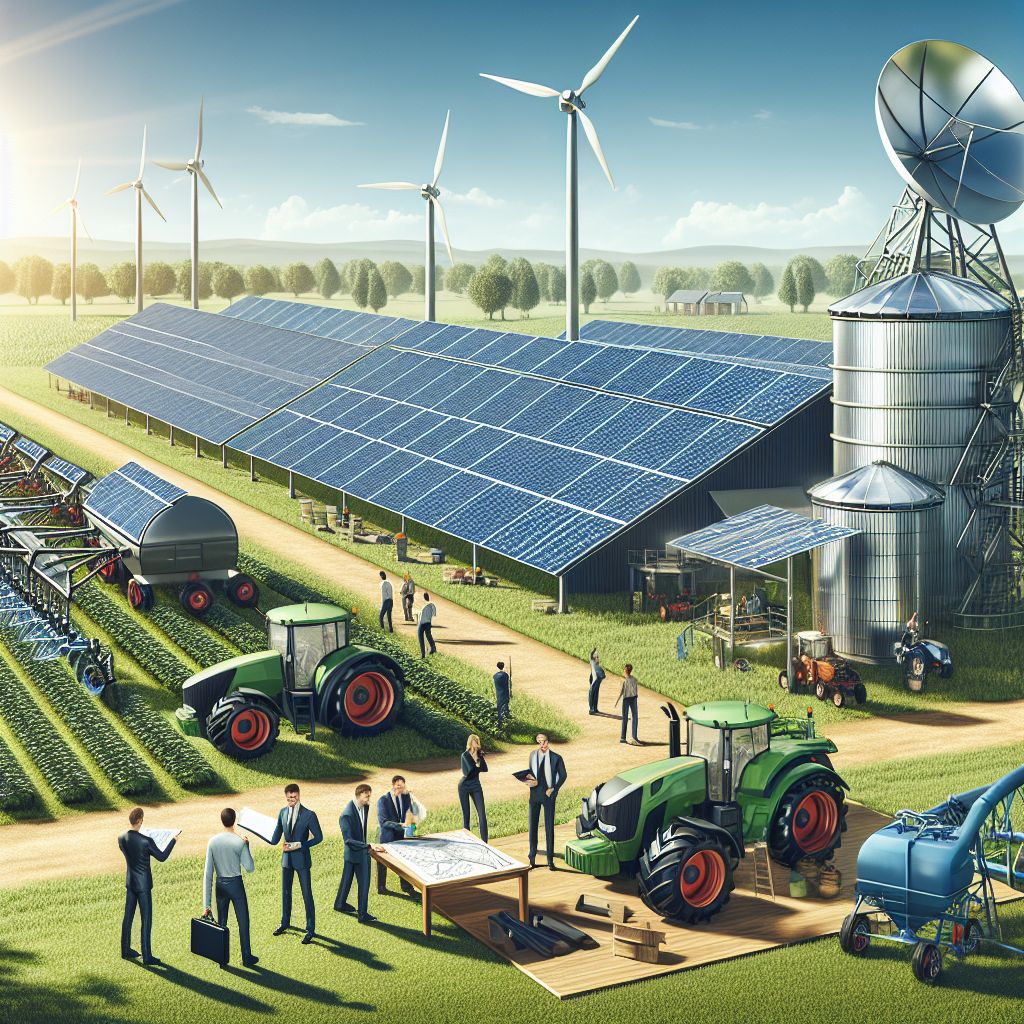
Conclusion and Call to Action
Solar power for farm machinery is not just a trend; it’s a transformative solution for modern agriculture. By embracing solar energy, farmers can reduce their reliance on fossil fuels, lower their operating costs, and contribute to a more sustainable future. For more information on how solar energy can power agricultural operations, explore the possibilities of off-grid farming with solar power.
Embracing Solar for a Sustainable Future
Switching to solar power is a crucial step towards achieving sustainability in agriculture. It offers farmers the opportunity to reduce their environmental impact while improving their bottom line. The benefits of solar power extend beyond financial savings, contributing to a cleaner, healthier planet.
Farmers who embrace solar energy are leading the way in sustainable agriculture, setting an example for others to follow. By making the switch, they are investing in the future of their farms and the environment.
Steps Farmers Can Take Today
To get started with solar-powered farm machinery, farmers should begin by assessing their energy needs and identifying suitable solar solutions. Consulting with solar energy experts can provide valuable insights and guidance on the best systems for their specific requirements.
Farmers should also explore available incentives and financing options to make the transition more affordable. By taking these steps, farmers can begin their journey towards energy independence and sustainability.
Is it a Good Investment for Farmers to Use Solar-Power on their Farm?
Investing in solar power is a smart decision for farmers. While the initial costs may seem high, the long-term savings on fuel and maintenance make it a financially sound investment. Moreover, the environmental benefits and energy independence that solar power provides are invaluable.
Ultimately, solar power offers farmers a sustainable solution that enhances their operations and supports a greener future. By investing in solar energy, farmers are securing the long-term success and sustainability of their farms.
Frequently Asked Questions
Farmers often have questions about transitioning to solar-powered machinery. Here are some common inquiries and their answers:
- How much can farmers save with solar-powered machinery?
- What maintenance do solar-powered farm machines require?
- Are solar-powered machines reliable in all weather conditions?
- What size farm benefits most from solar technology?
- How can farmers get started with solar-powered equipment?
How much can farmers save with solar-powered machinery?
Farmers can save significantly on fuel and maintenance costs by switching to solar-powered machinery. While savings vary depending on the farm’s size and energy needs, many farmers report substantial reductions in their operating expenses.
What maintenance do solar-powered farm machines require?
Solar-powered machines typically require less maintenance than traditional equipment. Regular cleaning of solar panels and periodic inspections are usually sufficient to keep the systems running smoothly. This simplicity reduces maintenance costs and downtime.
Additionally, solar panels are highly durable and designed to withstand various weather conditions, ensuring long-lasting performance.
Are solar-powered machines reliable in all weather conditions?
Solar-powered machines are designed to operate efficiently in various weather conditions. While their energy output may be reduced on cloudy days, advancements in battery storage technology allow farmers to store excess energy for use when sunlight is limited.
What size farm benefits most from solar technology?
Farms of all sizes can benefit from solar technology. Smaller farms may find solar power particularly advantageous due to lower energy needs and costs, while larger farms can achieve significant savings and sustainability improvements.
How can farmers get started with solar-powered equipment?
Farmers interested in solar power should start by assessing their energy needs and consulting with solar energy experts. These professionals can provide guidance on the best solar solutions and help farmers navigate available incentives and financing options.
By taking these steps, farmers can begin their transition to solar power and enjoy the numerous benefits it offers.







Leave a Reply