
Key Takeaways
- Solar panels can significantly reduce energy costs on farms by replacing expensive fossil fuels.
- Solar-powered tractors and harvesters are becoming increasingly popular, offering a sustainable alternative to traditional machinery.
- Solar energy can power various farm tools, including irrigation systems and livestock fence chargers.
- Initial installation costs for solar panels can be high, but government incentives can help mitigate these expenses.
- Regular maintenance of solar panels ensures they remain efficient and effective for years.
Innovative Uses of Solar Power on Farms
Harnessing the power of the sun isn’t just for rooftops anymore. Farms across the globe are embracing solar energy to power equipment and tools, transforming the agricultural landscape. By shifting from fossil fuels to renewable energy, farmers not only reduce their carbon footprint but also significantly cut down on operational costs. Let’s dive into how solar power is being innovatively used on farms today.
Transforming Farms with Renewable Energy
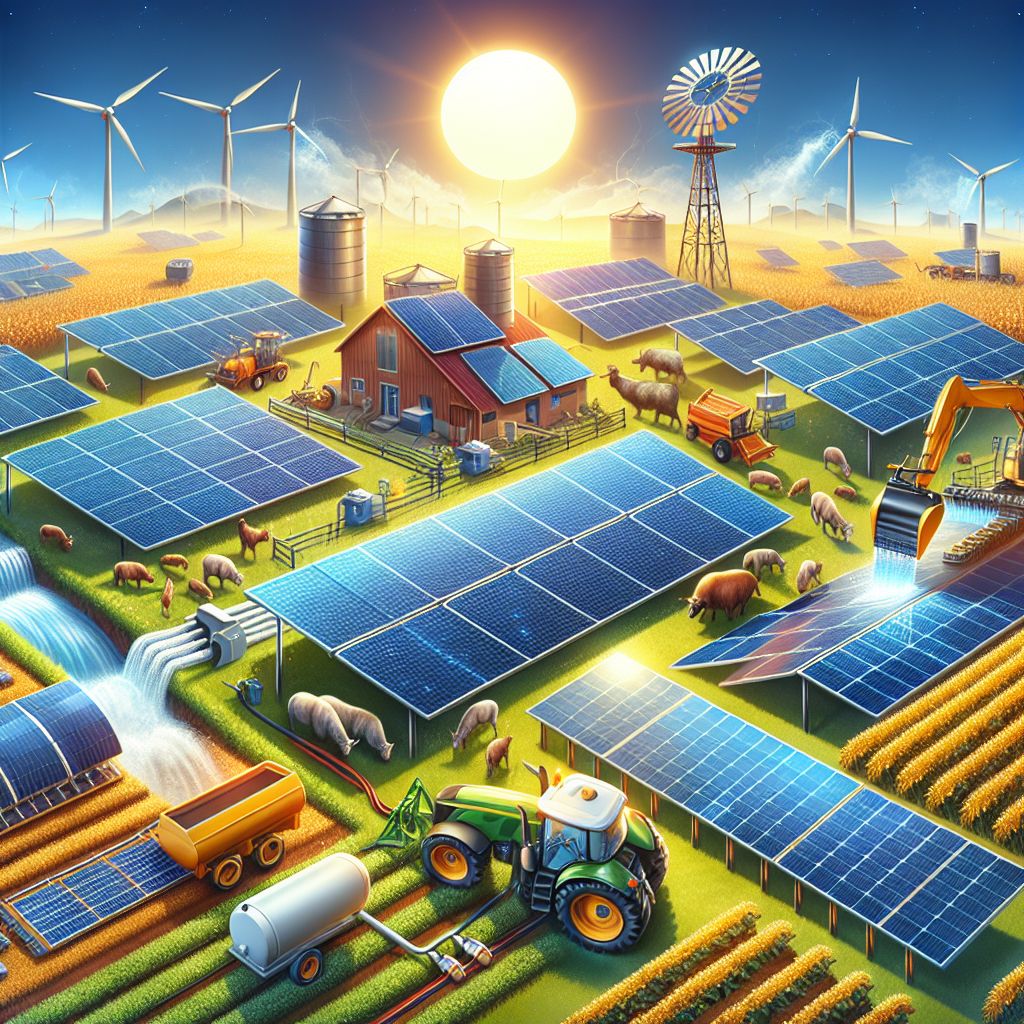
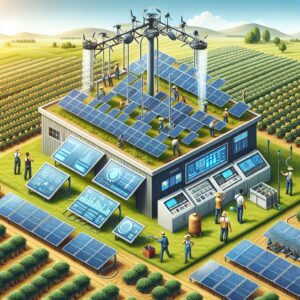
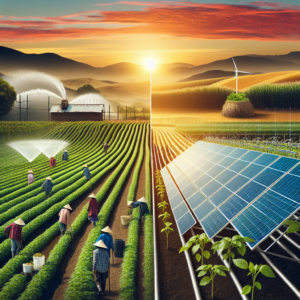
Imagine a farm where the sun does more than just grow crops. It powers tractors, charges electric fences, and even runs irrigation systems. This isn’t a distant dream; it’s a reality for many forward-thinking farmers. Solar panels capture sunlight and convert it into electricity, providing a clean, renewable energy source that can power almost anything on a farm.
Benefits of Switching to Solar Power
Switching to solar power brings a multitude of benefits. First and foremost, it reduces dependency on fossil fuels, which are not
only costly but also contribute significantly to environmental pollution. By using solar panels, farmers can drastically cut down on energy expenses, leading to substantial cost savings over time. Furthermore, solar power is a sustainable energy source, meaning it won’t run out, unlike fossil fuels.
Another key advantage of solar power is its low maintenance. Once installed, solar panels require minimal upkeep, allowing farmers to focus on their primary tasks without worrying about frequent repairs or replacements. Besides that, solar technology is adaptable, meaning it can be integrated into various farm operations seamlessly.
Powering Farm Equipment with Solar Panels
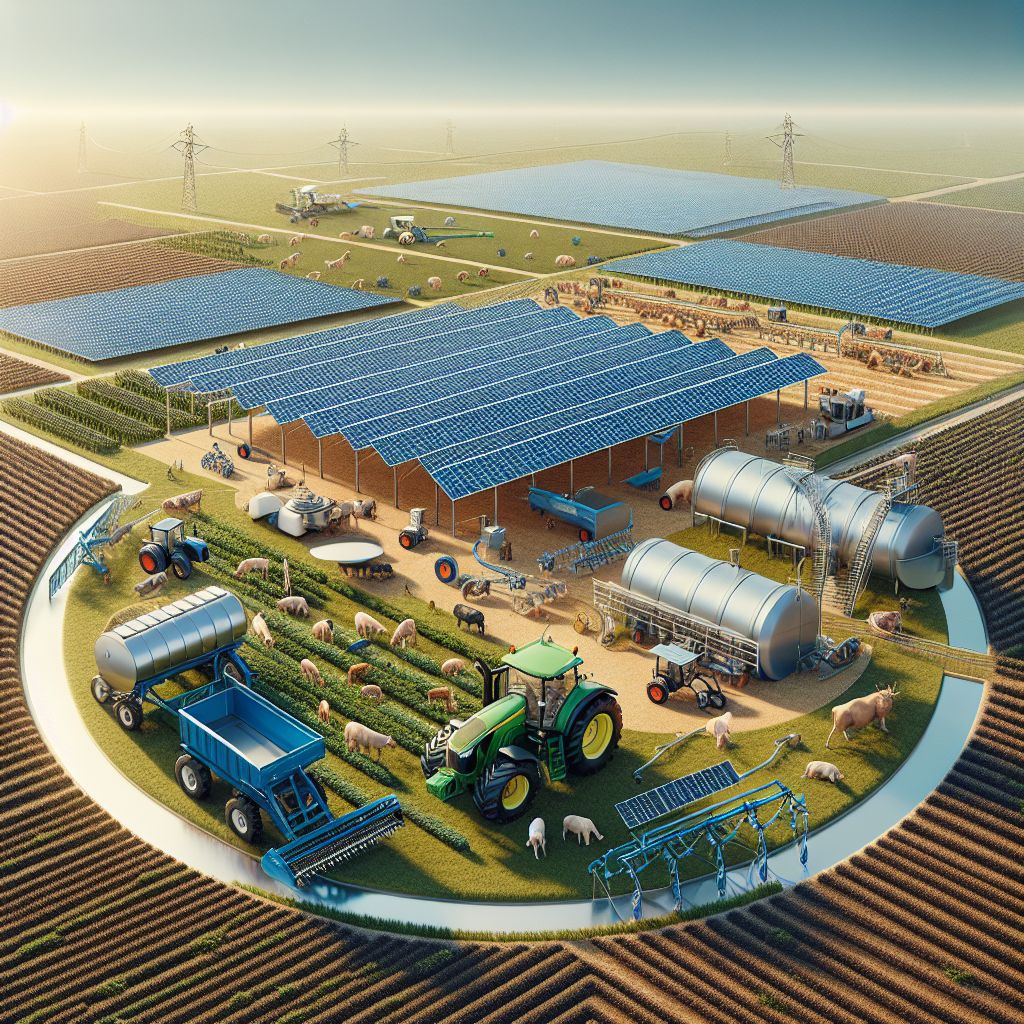
Solar panels are versatile and can power a wide range of farm equipment. From tractors to irrigation systems, solar energy is making it easier for farmers to operate efficiently and sustainably. Let’s explore how solar panels are being used to power essential farm machinery.
Tractors, the backbone of any farm, are now being equipped with solar technology. Solar-powered tractors utilize photovoltaic panels to convert sunlight into electricity, powering electric motors that drive the tractor. This innovation reduces fuel costs and emissions, making it an environmentally friendly option.
In addition to tractors, solar panels can power harvesting machines, irrigation systems, and even livestock fence chargers. This adaptability makes solar energy a valuable asset for any farm looking to improve its energy efficiency.
- Solar panels can power tractors, reducing fuel costs and emissions.
- Harvesting machines can also run on solar energy, increasing sustainability.
- Irrigation systems powered by solar ensure consistent water supply.
- Livestock fence chargers benefit from solar power, enhancing security.
Solar-Powered Tractors: The Future of Farming
Tractors are essential for any farm, and solar power is transforming how they operate. By using photovoltaic panels, solar-powered tractors convert sunlight into electricity, which powers the electric motors driving the tractor. This shift reduces reliance on diesel, cutting fuel costs and emissions.
- Solar-powered tractors reduce fuel costs.
- They emit fewer pollutants, promoting a cleaner environment.
- These tractors require less maintenance than traditional models.
Besides cost savings, solar-powered tractors are more environmentally friendly. They produce fewer pollutants, contributing to cleaner air and a healthier planet. Additionally, they require less maintenance, allowing farmers to focus on other critical tasks.
Farmers considering solar-powered tractors should evaluate their energy needs and consult with solar energy experts to determine the best options for their specific requirements. With the right guidance, farmers can make informed decisions that benefit their operations and the environment.
Solar-Powered Harvesting Machines
Harvesting is a crucial part of farming, and solar power is making it more sustainable. Solar-powered harvesting machines use photovoltaic panels to generate the electricity needed to operate. This approach reduces dependency on fossil fuels and lowers operational costs.
Irrigation Systems Operated by Solar
- Solar irrigation systems are ideal for remote areas without access to electricity.
- They provide a consistent water supply, essential for crop growth.
- By using solar energy, farmers reduce their reliance on fuel-based pumps.
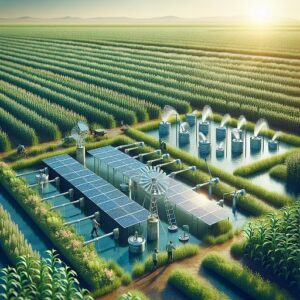
Water is the lifeblood of any farm, and efficient irrigation systems are essential for maintaining healthy crops. Solar-powered irrigation systems offer a sustainable solution by using solar panels to pump water from wells, rivers, or reservoirs to the fields. This method ensures a reliable water supply without the high costs and pollution associated with fuel-based pumps.
Solar irrigation systems are particularly beneficial in remote areas where access to electricity is limited. Farmers in these regions can maintain efficient irrigation practices, ensuring their crops receive the necessary water regardless of their location. This independence from traditional energy sources not only lowers operational costs but also promotes sustainable farming practices.
By investing in solar-powered irrigation systems, farmers can improve their water management, leading to healthier crops and increased yields. This transition to renewable energy supports long-term sustainability and enhances the overall efficiency of farm operations.
Besides reducing costs, solar-powered irrigation systems contribute to environmental conservation. By minimizing the use of fossil fuels, farmers can lower their carbon footprint and support a cleaner, greener planet.
Livestock Fence Chargers and Security Systems
Ensuring the safety of livestock is a top priority for farmers, and solar power is playing a crucial role. Solar-powered fence chargers provide a reliable source of electricity to keep livestock secure. These chargers use solar panels to generate the energy needed to maintain a consistent electric current, ensuring fences remain effective.
These chargers use solar panels to generate the necessary energy, reducing the need for traditional electricity sources. This approach not only lowers energy costs but also ensures that fences remain operational even in remote locations where power access is limited.
Powering all other tools
Beyond tractors and irrigation systems, solar panels can power a variety of other farm tools. From electric hand tools to small machinery, solar energy provides a versatile and sustainable power source that supports various farming activities.
Farmers can customize their solar setups to meet their specific energy needs, ensuring they have the power required to operate efficiently. This adaptability makes solar power an invaluable resource for modern farms looking to enhance their operations sustainably. For those interested in exploring different solar panel options, understanding the best solar panels for farm power can provide valuable insights.
Solar Power for Farm Machinery & Equipment
|
Category |
Examples & Applications |
Benefits |
Challenges/Considerations |
|---|---|---|---|
|
Solar-Powered Vehicles |
– Tractors (e.g., Dutch E-Horse Tractor) |
– Reduces fuel costs and emissions |
– High upfront cost |
|
Irrigation & Water Pumps |
– Solar water pumps |
– Efficient off-grid water supply |
– Sizing for water needs |
|
Ventilation & Cooling |
– Greenhouse ventilators |
– Automates climate control |
– Needs proper system sizing |
|
Drying & Processing |
– Solar dryers for crops |
– Lowers processing costs |
– Weather-dependent |
|
Fencing & Sensors |
– Livestock fence chargers |
– Reliable remote power | |
|
Portable Solar Generators |
– Powering small tools, lighting, and mobile equipment |
– Flexible, can be moved as needed |
– Limited capacity for heavy machinery. 10 |
|
Agrivoltaics |
– Combining solar panels with crop fields, allowing machinery access |
– Dual land use: energy + crops |
– Requires special design for machinery clearance |
Summary:
Solar power is increasingly used to operate a wide range of farm machinery and equipment, from irrigation pumps and greenhouse ventilators to electric tractors and harvesters. The main benefits include reduced fuel costs, lower emissions, and improved sustainability. However, challenges such as high initial investment, technology limitations for heavy machinery, and the need for careful system design remain important considerations for farmers adopting solar solutions. 8, 9, 10, 11.

Improving Farm Infrastructure with Solar Energy
“Solar energy is not just a power source; it’s a way to transform farm infrastructure, making it more sustainable and efficient.”
Improving farm infrastructure is a key goal for many farmers, and solar energy offers a viable solution. By integrating solar power into various aspects of farm operations, farmers can enhance their infrastructure, reduce costs, and promote sustainability.
One of the most significant benefits of solar energy is its ability to power lighting solutions across the farm. Solar-powered lights can illuminate barns, sheds, and outdoor areas, ensuring safety and security without the need for traditional electricity sources. This not only reduces energy costs but also provides a reliable lighting solution in remote areas.
Additionally, solar energy can power ventilation systems for greenhouses and livestock facilities. Proper ventilation is essential for maintaining optimal conditions for plants and animals, and solar power provides a sustainable and efficient solution.
By investing in solar energy, farmers can improve their farm infrastructure, reduce their environmental impact, and support a sustainable future. This transition to renewable energy enhances the overall efficiency and effectiveness of farm operations.
Lighting Solutions Across the Farm
Lighting is a critical component of farm infrastructure, and solar energy offers an efficient and sustainable solution. Solar-powered lights can be installed in various locations, providing reliable illumination without the need for traditional electricity sources.
Ventilation Systems for Greenhouses and Livestock
Proper ventilation is essential for maintaining optimal conditions for plants and animals. Solar-powered ventilation systems provide a sustainable and efficient solution, ensuring greenhouses and livestock facilities remain well-ventilated.
By using solar energy, farmers can reduce their reliance on traditional power sources, lowering energy costs and promoting sustainability. This approach supports healthier plants and animals, leading to improved productivity and yields.
Powering the living quarters
Farmers and their families often live on-site, and solar energy can power their living quarters, providing a sustainable and cost-effective energy solution. Solar panels can generate electricity for lighting, heating, cooling, and other essential needs, reducing reliance on traditional power sources.
This transition to solar power not only lowers energy costs but also supports a more sustainable lifestyle. By investing in solar energy, farmers can improve their quality of life while promoting environmental conservation.
Enhancing Agricultural Practices
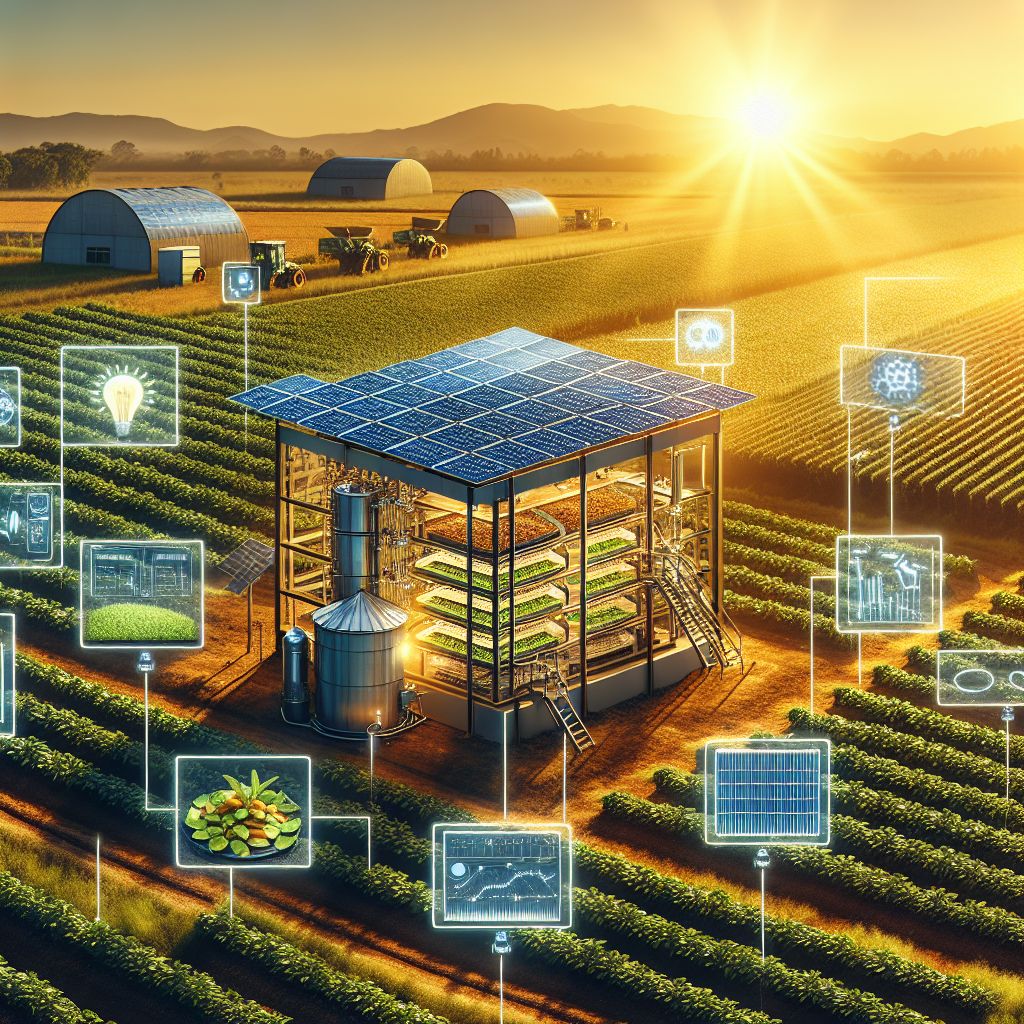
Solar energy is revolutionizing agricultural practices by providing a reliable and sustainable power source. From powering sensors for farm monitoring to operating crop dehydrators, solar energy supports modern farming techniques and enhances productivity.
Sensors for Farm Monitoring
Farm monitoring is essential for maintaining optimal conditions for crops and livestock. Solar-powered sensors provide a reliable and efficient solution, allowing farmers to monitor various parameters such as temperature, humidity, and soil moisture.
By using solar energy, these sensors can operate continuously, providing real-time data that helps farmers make informed decisions. This approach supports precision agriculture, leading to improved productivity and yields.
Solar-Powered Crop Dehydrators
Crop dehydration is a crucial process for preserving produce, and solar energy offers a sustainable solution. Solar-powered crop dehydrators use solar panels to generate the necessary heat, reducing reliance on traditional energy sources.
This approach not only lowers energy costs but also supports environmental conservation. By using solar energy, farmers can enhance their agricultural practices, improve productivity, and promote sustainability. Learn more about the benefits of monocrystalline solar panels in boosting farm efficiency.

Surmounting Challenges in Solar Implementation
While solar energy offers numerous benefits, implementing it on farms can present challenges. From initial costs to adapting to new technologies, farmers must navigate various obstacles to successfully integrate solar power into their operations. For more information on choosing the right solar power system, check out this guide on off-grid vs on-grid solar power for farms.
Initial Cost Considerations
The initial cost of solar panel installation can be a significant barrier for many farmers. However, government incentives and subsidies can help offset these expenses, making solar energy a more accessible option.
By taking advantage of available financial aids, farmers can reduce the upfront costs of solar panel installation and enjoy the long-term benefits of renewable energy. This investment supports sustainability, reduces energy costs, and enhances farm operations.
Adapting to New Technologies
Adapting to solar technology can be daunting for farmers who are used to traditional energy sources. However, the transition is manageable with the right guidance and resources. Farmers can start by consulting with solar energy experts to understand the best systems for their needs. These professionals can provide valuable insights into the installation process, potential savings, and maintenance requirements.
Additionally, farmers should take advantage of training programs and workshops that focus on solar technology. These educational opportunities can help farmers become more comfortable with the technology, ensuring a smoother transition and maximizing the benefits of solar energy.

Building a Sustainable Farming Future
The future of farming lies in sustainability, and solar energy is a critical component of this transition. By investing in solar power, farmers can enhance their operations, reduce their environmental impact, and support a greener future. This shift not only benefits individual farms but also contributes to global efforts to combat climate change and promote sustainable development. For those interested in the best solar solutions, exploring solar panels for farm power can be a great start.
Environmental Impact and Energy Independence
Solar energy significantly reduces the environmental impact of farming operations. By minimizing reliance on fossil fuels, farmers can lower their carbon footprint and contribute to cleaner air and water. This shift supports global efforts to combat climate change and protect natural resources for future generations.
Moreover, solar power provides energy independence. By generating their own electricity, farmers are less affected by energy price fluctuations and supply disruptions. This stability is crucial for maintaining consistent farm operations, especially during peak seasons.
Solar energy also supports biodiversity. By reducing pollution and conserving resources, farmers can create a healthier environment for plants and animals, promoting biodiversity and enhancing ecosystem health. Learn more about solar panels for farm power and their benefits.
“Solar power is not just an energy source; it’s a pathway to a more sustainable and resilient farming future.”
Long-term Savings and Efficiency
While the initial costs of solar panel installation can be high, the long-term savings are substantial. By reducing energy expenses, farmers can allocate resources more efficiently, improving their bottom line. Additionally, solar panels have a long lifespan, often lasting 25 years or more, providing a reliable and consistent energy source.
Furthermore, solar power enhances farm efficiency. By powering essential equipment and tools, solar energy supports continuous operations, reducing downtime and improving productivity. This efficiency is crucial for maintaining competitive and profitable farming operations.
Conclusion
Solar energy is transforming farms by providing a sustainable and cost-effective power source. From powering tractors to enhancing infrastructure, solar panels offer numerous benefits that support modern farming practices. By investing in solar power, farmers can reduce their environmental impact, lower energy costs, and enhance their operations.
As technology advances and adoption increases, solar energy will play an even more significant role in shaping the future of agriculture. By embracing this renewable energy source, farmers can build a more sustainable and resilient farming future.
Is it worth the Investment for a Farmer to Use Solar Power to Run the Farm
Absolutely. The investment in solar power offers long-term savings, environmental benefits, and energy independence. While the initial costs can be high, government incentives and subsidies can help offset these expenses, making solar energy a viable option for farmers.
By transitioning to solar power, farmers can enhance their operations, reduce their carbon footprint, and support a sustainable future. This investment not only benefits individual farms but also contributes to global efforts to combat climate change and promote sustainable development.
Frequently Asked Questions (FAQ)
Farmers often have questions about integrating solar power into their operations. Here are some common inquiries and their answers to help guide the transition to renewable energy. For those curious about off-the-grid farming, solar panels can be a viable solution.
What is the lifespan of solar panels on a farm?
Solar panels typically have a lifespan of 25 to 30 years. During this time, they can provide consistent and reliable energy, reducing the need for traditional power sources. Regular maintenance can help extend the lifespan of solar panels, ensuring they remain efficient and effective. For more information on the types of solar panels that might be suitable for your farm, check out the best solar panels for farm power.
It’s important for farmers to work with reputable solar energy providers to ensure the installation of high-quality panels that meet industry standards. By doing so, they can maximize the benefits of solar energy and enjoy long-term savings. For those considering different types of panels, exploring PERC vs. monocrystalline solar panels can provide valuable insights into the best options for farm operations.
How do solar panels work in cloudy weather?
Solar panels can still generate electricity in cloudy weather, although their efficiency may be reduced. They work by capturing sunlight and converting it into electricity, and even on cloudy days, some sunlight penetrates the clouds, allowing the panels to produce energy.
Farmers can optimize their solar energy systems by installing battery storage solutions, which store excess energy generated on sunny days for use during cloudy periods. This approach ensures a consistent and reliable energy supply, regardless of weather conditions.
Are there government incentives for solar power in agriculture?
Yes, many governments offer incentives and subsidies to promote the adoption of renewable energy in agriculture. These financial aids can significantly reduce the initial costs of solar panel installation, making it more accessible for farmers.
What maintenance do farm solar panels require?
Solar panels require minimal maintenance, making them a convenient and cost-effective energy solution for farms. Regular cleaning to remove dust and debris is essential to maintain efficiency. Additionally, periodic inspections by professionals can help identify any issues and ensure optimal performance.
“With proper maintenance, solar panels can provide reliable energy for decades, supporting sustainable and efficient farm operations.”
Farmers should establish a maintenance schedule to ensure their solar panels remain in good condition and continue to provide the energy needed to power their operations.
Can solar panels power all types of farm machinery?
Yes, solar panels can power a wide range of farm machinery, from tractors to irrigation systems. Their versatility makes them an ideal energy solution for various farming operations, supporting efficiency and sustainability.
Farmers can customize their solar setups to meet their specific energy needs, ensuring they have the power required to operate efficiently. This adaptability makes solar power an invaluable resource for modern farms looking to enhance their operations sustainably.
By embracing solar energy, farmers can reduce their reliance on fossil fuels, lower their operational costs, and support a sustainable future for agriculture. This transition not only benefits individual farms but also contributes to global efforts to combat climate change and promote sustainable development.
Solar panels have become an essential component in modern agriculture, offering sustainable solutions for energy needs on farms. They are particularly effective in powering irrigation systems, reducing dependency on traditional energy sources. For more insights on how solar panels can enhance farm operations, explore the benefits of solar power for farm machinery and equipment.

Leave a Reply