
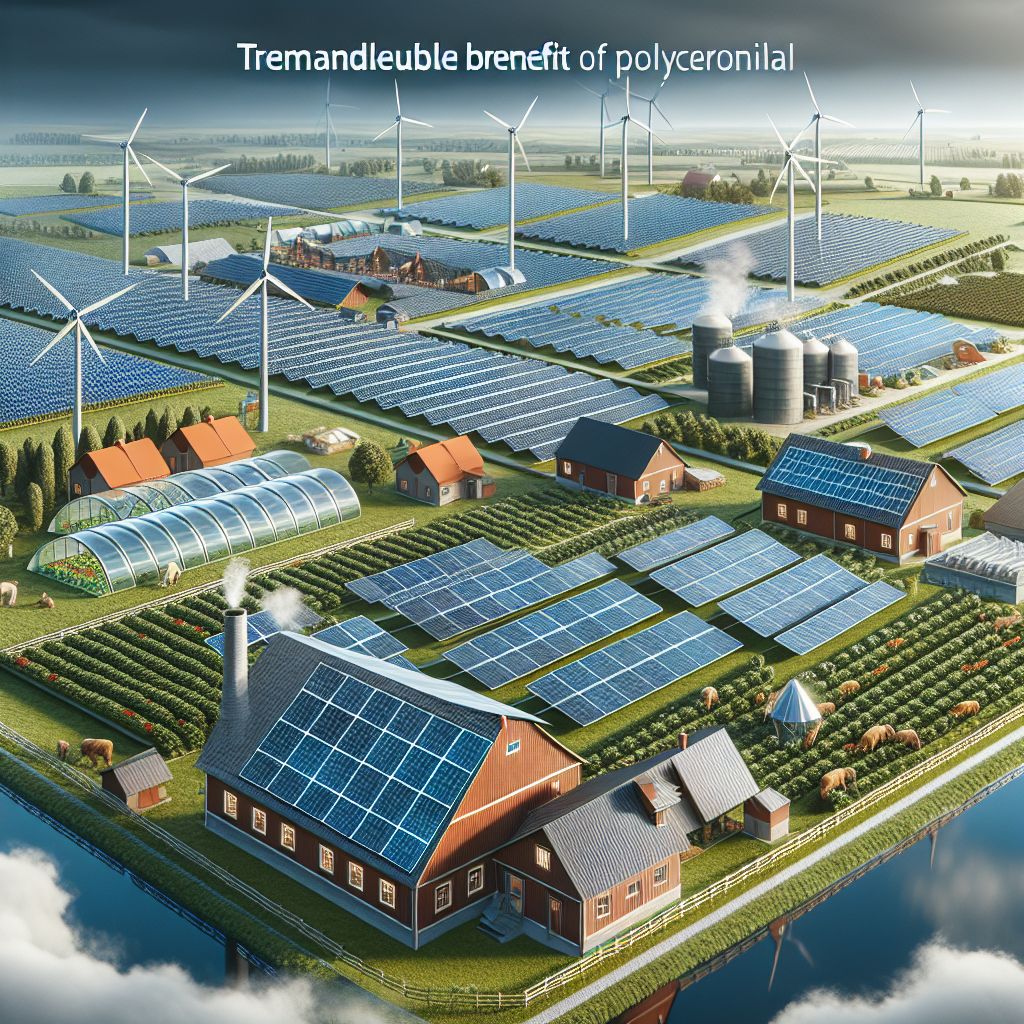
Main Points
- Polycrystalline solar panels are more affordable, costing around 10-20% less than monocrystalline panels, making them a budget-friendly option for farmers.
- These panels are highly durable and can withstand various weather conditions, offering a lifespan of 25 to 30 years or more.
- By utilizing solar energy, farms can significantly reduce operational costs and achieve energy independence.
- Polycrystalline panels are effective even in low-light conditions, making them suitable for regions with less consistent sunlight.
- Implementing solar panels can enhance resource management and support eco-friendly farming practices.
Polycrystalline Solar Panels and Their Impact on Farming
Farming is an industry that relies heavily on energy. From powering irrigation systems to maintaining climate control in greenhouses, energy demands are high. That’s where solar power, particularly polycrystalline solar panels, comes into play. These panels can transform how farms operate, making them more efficient and sustainable.
Agriculture’s Solar Power Revolution
Solar power isn’t just for the suburbs or the city. It’s revolutionizing agriculture as well. By tapping into the sun’s energy, farms can lessen their reliance on traditional power sources that are often expensive and harmful to the environment. Solar panels can offer a dependable energy supply, enabling farms to operate more efficiently and cost-effectively.
Farmers searching for a cost-effective and durable renewable energy source will find a perfect match in polycrystalline solar panels. These panels are particularly beneficial for agricultural use.
Getting to Know Polycrystalline Panels
First, let’s get to know what polycrystalline panels are. These panels are also made from silicon crystals like monocrystalline panels. However, the difference is that polycrystalline panels are made from multiple silicon fragments that are melted together. This process is less expensive, which is why these panels usually cost less.
Polycrystalline panels might not be as efficient as their monocrystalline counterparts, but they still pack a punch, particularly in farming contexts. These panels can work well even in low light, which is essential for farms in areas where the sun doesn’t always shine. What’s more, these panels are robust enough to withstand severe weather, making them a viable long-term energy solution for farms.
Boosting Farm Efficiency through Solar Energy
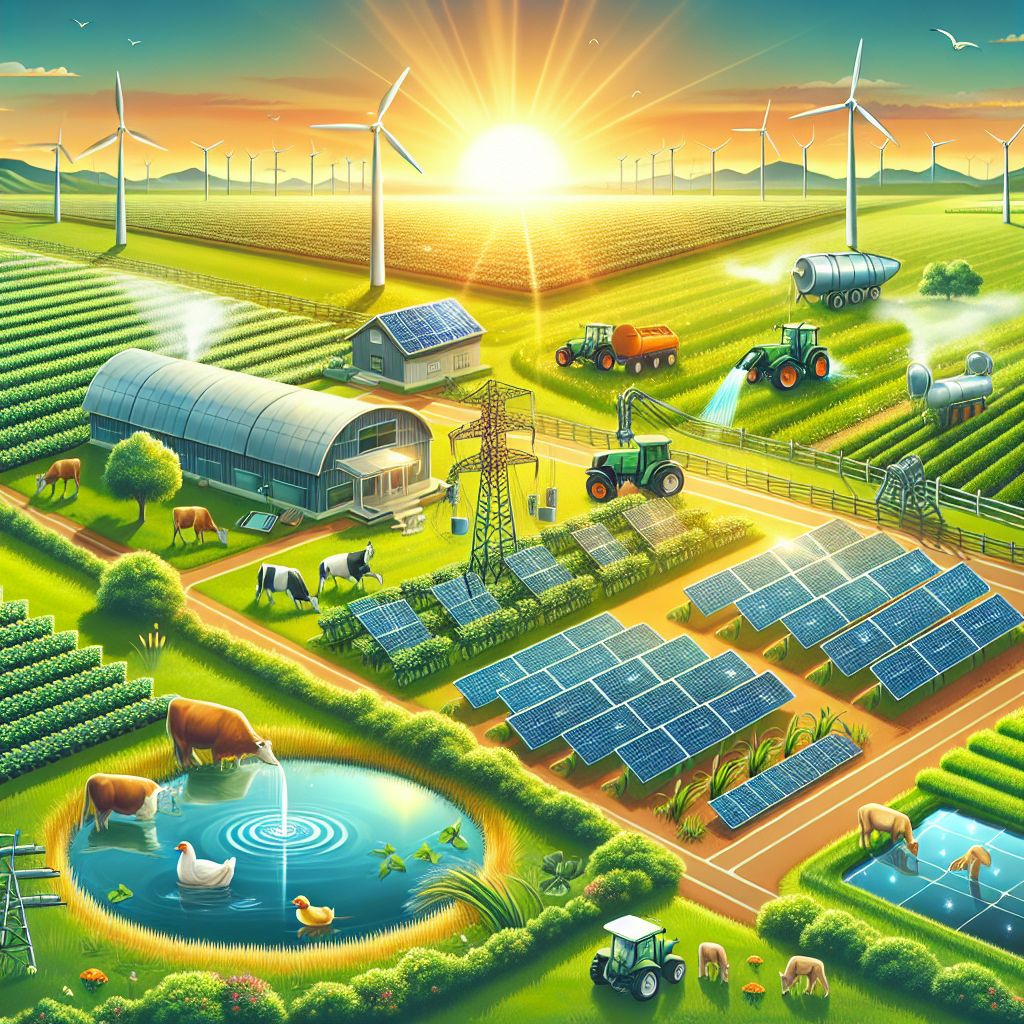
Adopting solar energy can transform farm operations. It’s not just about reducing costs; it’s about enhancing efficiency in all areas. Solar energy can power everything from irrigation systems to electric fences, making sure that every part of the farm operates seamlessly.
First and foremost, switching to solar power can improve the sustainability of a farm. By decreasing the dependence on fossil fuels, farms can drastically cut down their carbon emissions, which leads to a cleaner environment.
Reduced Energy Costs and Increased Efficiency
One of the most attractive aspects of solar energy is the potential for large energy cost savings. After the initial installation costs are paid off, solar panels provide energy at no cost. This can result in substantial savings on energy bills, freeing up resources for farmers to use elsewhere.
Additionally, solar panels can boost a farm’s efficiency. With a dependable energy source, farmers can make sure that all systems are operating at peak performance, reducing downtime and maximizing productivity.
Saving on Running Costs
Every farm has to worry about the cost of operations. The cost of energy can be volatile and often increases unexpectedly. By using solar energy, farmers can secure their energy costs, making budgeting and future planning easier. Discover how solar power for farm machinery can provide efficient solutions and benefits.
In addition, solar panels require very little upkeep, which cuts down on operational costs. With less need for repairs and replacements, farmers can concentrate on their main job: farming.
Using solar power in farming isn’t just a passing fad; it’s a strategic move that can boost efficiency and sustainability. In the following sections, we’ll discuss the unique benefits of polycrystalline panels for farms and how to put this technology to work effectively.
Better Resource Management
Resource management is key to successful farming. With polycrystalline solar panels, farmers can manage their energy resources more effectively. Solar panels provide a stable and dependable energy source, enabling farmers to plan and distribute energy use more efficiently. This reliability assists in scheduling irrigation and operating machinery, ensuring that resources are used to their full potential and waste is kept to a minimum.
Moreover, solar power can operate advanced farming technologies, like automated watering systems and surveillance devices. These technologies provide exact control over water usage and crop surveillance, improving resource management even more. By combining solar power with these technologies, farmers can have a more eco-friendly and efficient farming operation.
Why Polycrystalline Panels are Great for Farms
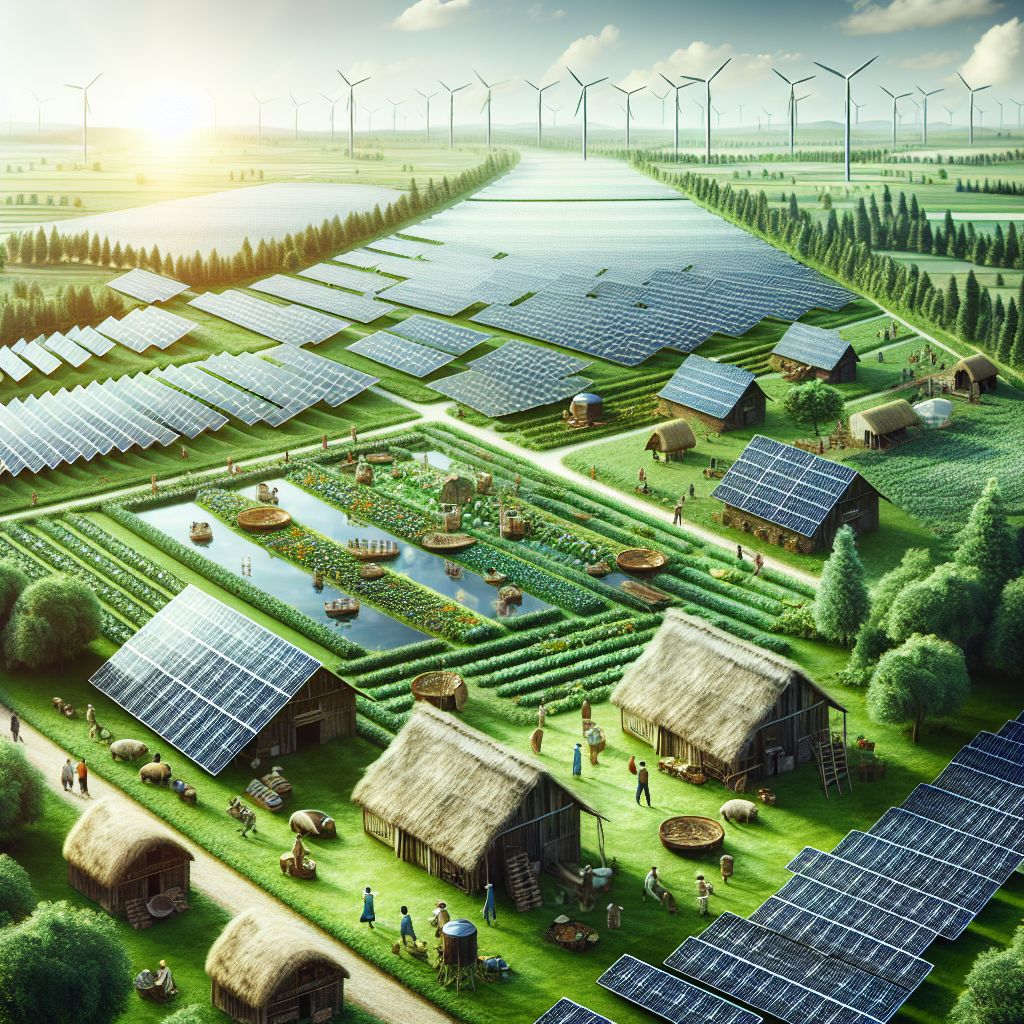
There are many reasons why polycrystalline solar panels are a great fit for farms, but one of the biggest is their price. These panels are cheaper to make and buy than other types of solar panels, making them a great choice for farmers who want to start using renewable energy without breaking the bank.
Furthermore, these panels are recognized for their resilience. They can endure severe weather conditions, such as heavy rain, snow, and strong winds, making them a dependable energy source in a variety of climates. This resilience guarantees a long lifespan, frequently surpassing 25 years, offering a long-lasting energy solution for farms.
Resilience and Resistance to Weather Conditions
Farms can present a harsh environment, with weather that can range from intense heat to freezing cold. Polycrystalline solar panels are designed to hold up under these conditions. Their sturdy construction ensures that they can survive severe weather, lessening the chance of damage and the necessity for frequent replacements. For more insights on how solar panels can increase the efficiency of a farm, explore additional resources.
These panels’ ability to withstand weather conditions is key to maintaining a steady supply of energy. No matter the weather, they keep producing electricity, ensuring that farm operations are not interrupted. This dependability is crucial for improving farm efficiency and productivity.
Value for Money and Lower Costs
For farmers looking into renewable energy alternatives, the cost is often a major factor. Polycrystalline solar panels are a cost-effective choice, usually priced 10-20% lower than monocrystalline panels. This price gap can be a game-changer for farmers, especially those working with limited budgets.
Not only do polycrystalline panels have a lower initial cost, but they also offer savings in the long run. They require little maintenance and have no fuel costs, making them a cost-effective energy solution that can result in significant savings over time. These savings can be reinvested in other parts of the farm, increasing productivity and efficiency even more.
Flexible for Any Farm Size
Polycrystalline solar panels are great because they’re adaptable. They can be used on any size farm, from small family-owned farms to large commercial farms. This flexibility allows farmers to scale their solar installations to their specific energy needs and the space they have available.
Small farms might find that a simple solar arrangement is enough to power the necessary machinery. However, larger farms could take advantage of larger solar panel systems, producing a significant amount of energy to sustain more complicated tasks. This flexibility ensures that farms of all sizes can take advantage of the benefits of solar power.
Green Agricultural Methods
Integrating solar power into agricultural methods promotes a greener and more sustainable way of farming. Farms can considerably decrease their carbon emissions and lessen their dependency on fossil fuels, leading to a more pristine and healthier environment. Discover how solar panels can increase the efficiency of a farm.
In addition, solar energy is a renewable resource, guaranteeing a sustainable energy supply for the future. This is in line with the increasing trend towards sustainable agriculture, where the environmental impact is minimized while productivity and efficiency are maintained.
Below is a comparison table highlighting the advantages of polycrystalline solar panels for farms and why they may be preferable over other solar panel types.
|
Feature |
Polycrystalline Solar Panels |
Why Farmers Should Choose Them |
|---|---|---|
|
Cost-Effectiveness |
Polycrystalline panels are more affordable, costing around $0.90-$1 per watt compared to $1-$1.50 for monocrystalline panels. 3 |
Ideal for farmers with budget constraints or large farms requiring extensive installations. 1, 3 |
|
Efficiency |
Efficiency ranges from 15% to 17%, slightly lower than monocrystalline panels (17%-22%), but sufficient for moderate energy needs. 3, 4 |
Suitable for farms with ample space to install more panels to compensate for lower efficiency. 2, 4 |
|
Durability |
Can withstand extreme heat (-0.4% temperature coefficient per degree above 25°C) and perform well in cold and cloudy conditions. 5 |
Reliable for farms in diverse climates, ensuring consistent energy output throughout the year. 5 |
|
Longevity |
Lifespan of 20-25 years, comparable to monocrystalline panels. 3, 4 |
Provides long-term energy solutions with minimal maintenance costs. 4 |
|
Ease of Installation |
Compatible with various mounting systems, including ground mounts and tracking systems. 5 |
Simplifies installation on farms with large open spaces or uneven terrains. 5 |
|
Environmental Sustainability |
Reduces reliance on conventional power sources, cutting costs and carbon footprint. 1, 4 |
Aligns with sustainable farming practices and boosts eco-friendly operations. 1, 4 |
|
Best Use Scenarios |
Ideal for farms with moderate power needs and larger spaces available for installation. 4, 5 |
Perfect for powering irrigation systems, lighting, and machinery on medium to large farms. 1, 4 |
Key Reasons Farmers Should Choose Polycrystalline Panels
- Affordability: Lower upfront costs make them accessible to more farmers, especially those managing larger farms or tight budgets.
- Adaptability: Performs well in diverse weather conditions, from hot climates to cloudy regions.
- Sustainability: Supports eco-friendly farming by reducing dependence on fossil fuels.
- Scalability: Suitable for farms with abundant space, allowing installation of more panels to meet energy demands.
Polycrystalline solar panels strike an excellent balance between cost and performance, making them a practical choice for agricultural applications.
Introducing Solar Power to Your Farm
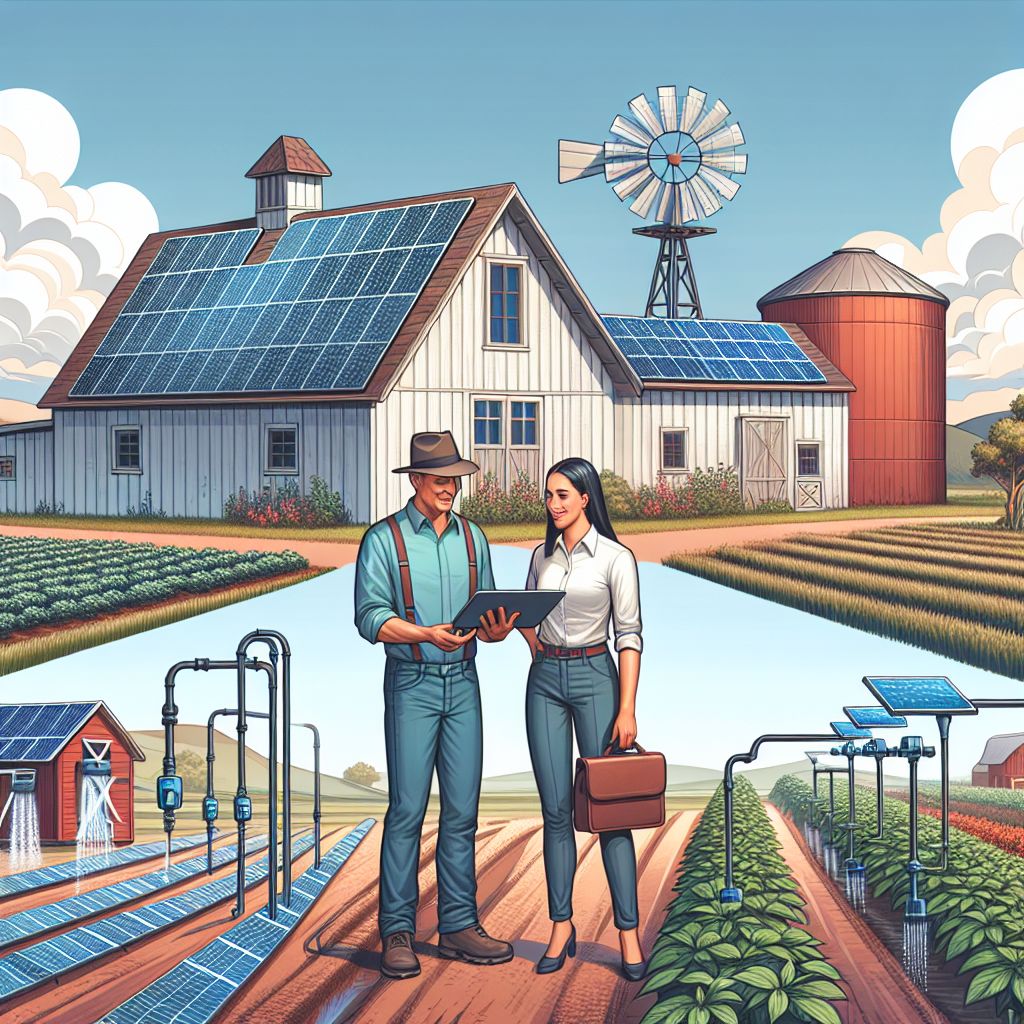
Switching to solar power isn’t just about buying panels and setting them up. It’s about making sure they work with your farm’s current operations. This will help you get the most out of your investment. Here’s how to get started with introducing solar power to your farm.
Getting Started with Solar Installation
Before you start the process of installing solar panels, it’s crucial to evaluate the energy requirements of your farm. Figure out how much energy you’re currently consuming and pinpoint the areas where solar energy can provide the most benefit. This evaluation will guide you in determining the size and type of solar installation that’s required.
Then, talk to a solar energy professional. They can give you useful advice and suggestions that are specific to your farm. They can also help you understand any rules and get the permits you need to install the panels.
Finding the Perfect Spot
For instance, a California farmer placed polycrystalline panels on their barn roof, optimizing sunlight capture and ensuring the panels did not interfere with day-to-day farming activities.
It is essential to choose the right location for your solar panels to maximize energy production. Ideally, the panels should be located in a place that gets plenty of sunlight throughout the day. Common locations include roofs, open fields, or specially built solar mounts.
Take into account things like shade from trees or buildings that could affect the efficiency of the panels. Also, make sure the location you choose is easy to get to for maintenance and monitoring. Correct placement will make sure your solar panels work as efficiently as possible, giving your farm the most benefits.
Working Solar Technology into Your Farm
Adding solar technology to your farm isn’t just about creating electricity. It’s about using that electricity to improve productivity. Think about how solar power can fuel many parts of your farm, from irrigation systems to livestock facilities.
Also, look into the possibility of using solar-powered technology to automate some processes. Automated irrigation systems, for example, can make water use more efficient, while solar-powered sensors can provide immediate information on crop conditions. These technologies can make farms more efficient and better at managing resources, resulting in a more productive and sustainable farm.
Case Studies: How Farmers are Winning with Polycrystalline Solar Panels
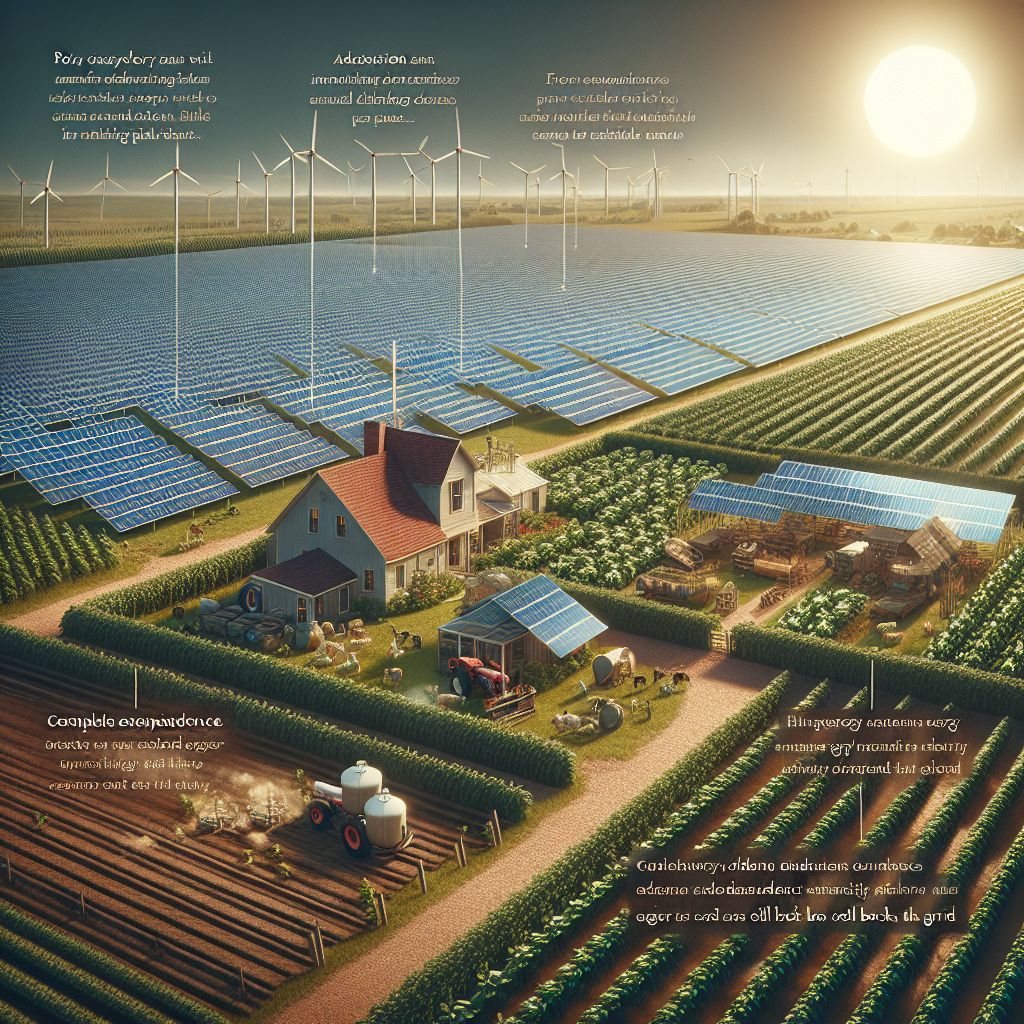
Real-life success stories underscore the advantages of polycrystalline solar panels for farming. These examples illustrate how the adoption of solar power can revolutionize farm management, resulting in improved efficiency and environmental sustainability.
By examining these case studies, other farmers can gather useful knowledge and motivation to incorporate solar technology into their own operations. Let’s delve into some success stories that demonstrate the effect of polycrystalline solar panels in farming.
Farm A: Irrigation Powered by the Sun
In Texas, a family-run farm was grappling with escalating energy bills due to their substantial irrigation demands. They installed polycrystalline solar panels and were able to power their irrigation systems with solar energy. This transition led to considerable cost savings and allowed them to enhance their irrigation capabilities without inflating their energy bills.
By ensuring a more reliable delivery of water, the solar-powered irrigation system was able to boost crop yields and overall farm productivity. This success story underscores the potential of solar power to improve resource management and efficiency on farms.
Farm B: Achieving Energy Independence and Cost Savings
- Polycrystalline solar panels were installed to power the entire farm.
- Complete energy independence was achieved, reducing the need for external power sources.
- Annual savings on energy costs exceeded $15,000.
- Excess energy generated is sold back to the grid, creating an additional income stream.
Farm B, located in Nebraska, was dealing with high electricity bills due to its extensive livestock operations. By investing in polycrystalline solar panels, the farm was able to generate all the electricity it needed on-site. This transition not only led to significant cost savings, but it also allowed the farm to become energy independent.
During the sunniest part of the day, the farm’s solar system produces more power than it uses. This excess electricity is then sold back to the local power grid, which helps the farm make extra money. This approach doesn’t just help to offset energy costs, but it also gives the farm a financial cushion for future investments. For more information on how solar energy can enhance farm operations, explore solar power for farm machinery.
The story of Farm B underscores the economic advantages of solar power for farms. Solar panels can drastically enhance a farm’s profitability by cutting energy expenses and creating a new revenue stream.
Getting the Most Out of Your Polycrystalline Solar Panels on Your Farm
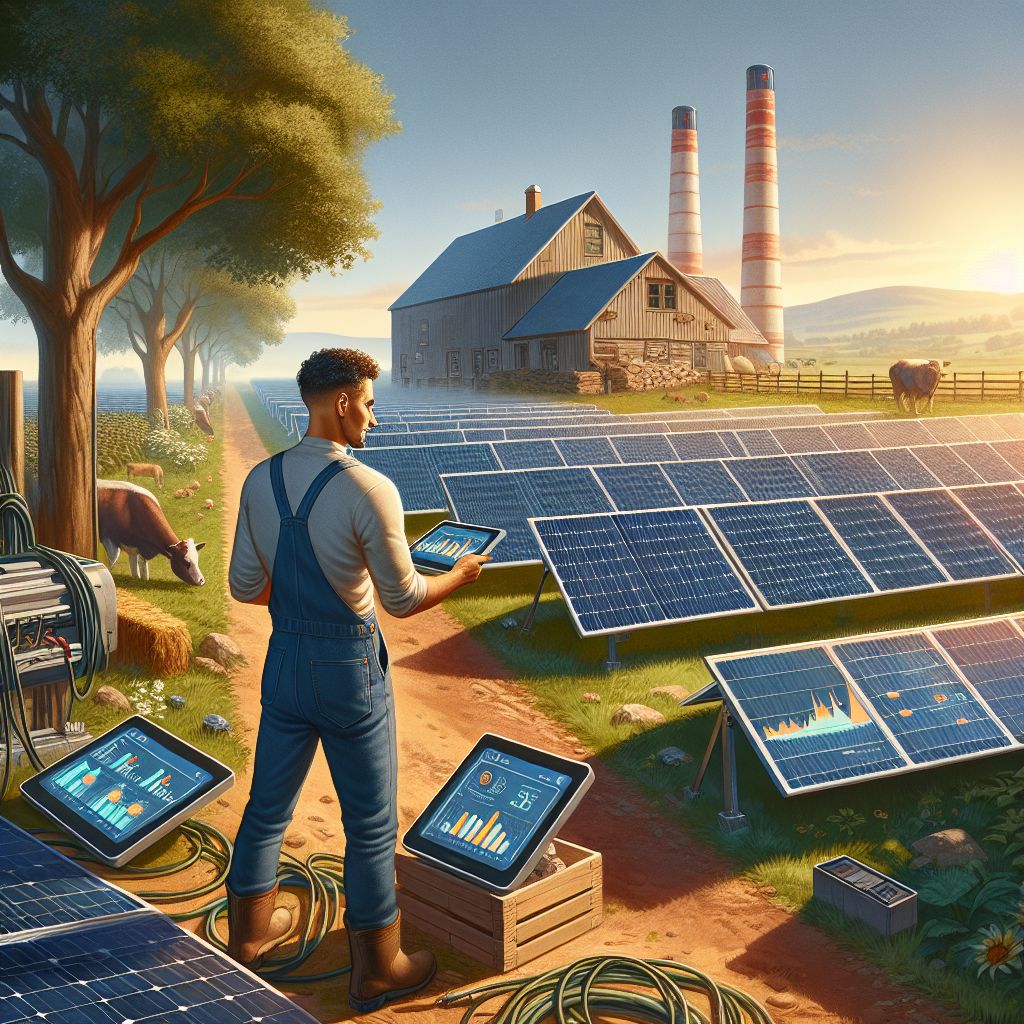
Getting the most out of your polycrystalline solar panels involves making sure they’re performing at their best. This involves regular maintenance and monitoring to ensure they’re working efficiently and continue to provide maximum benefits for your farm. To understand more about how solar panels can boost farm productivity, explore how solar panels increase farm efficiency.
By adhering to the recommended maintenance and monitoring protocols, you can improve the longevity and efficiency of your solar panels. This forward-thinking strategy will result in higher energy savings and increased farm productivity.
How to Keep Your Solar Panels in Top Shape
Keeping your solar panels in good condition is essential for them to work at their best. Here are some tips to help you with that:
- Keep the panels clean by removing dust, dirt, and debris that could lower efficiency.
- Look for any signs of damage on the panels, such as cracks or loose connections.
- Make sure that trees or other obstructions do not shade the panels.
- Check the wiring and connections to make sure they are secure and functioning properly.
By maintaining your solar panels clean and in good condition, you can ensure they continue to generate maximum energy. This will help you achieve greater energy savings and enhance the overall efficiency of your farm operations. For more information on how these panels operate, consider reading about polycrystalline solar panels.
Consistent upkeep also prevents expensive repairs and replacements, lowering operational costs and enhancing the return on your solar investment.
Keeping Tabs and Tracking Efficacy
Beyond the usual upkeep, you should keep an eye on how your solar panels are doing. This means keeping track of how much energy they’re producing and spotting any problems that could lower their efficiency. With monitoring systems, you can get a good look at how your solar setup is doing and make smart choices to get the most out of it.
Final Thoughts on Polycrystalline Solar Panels
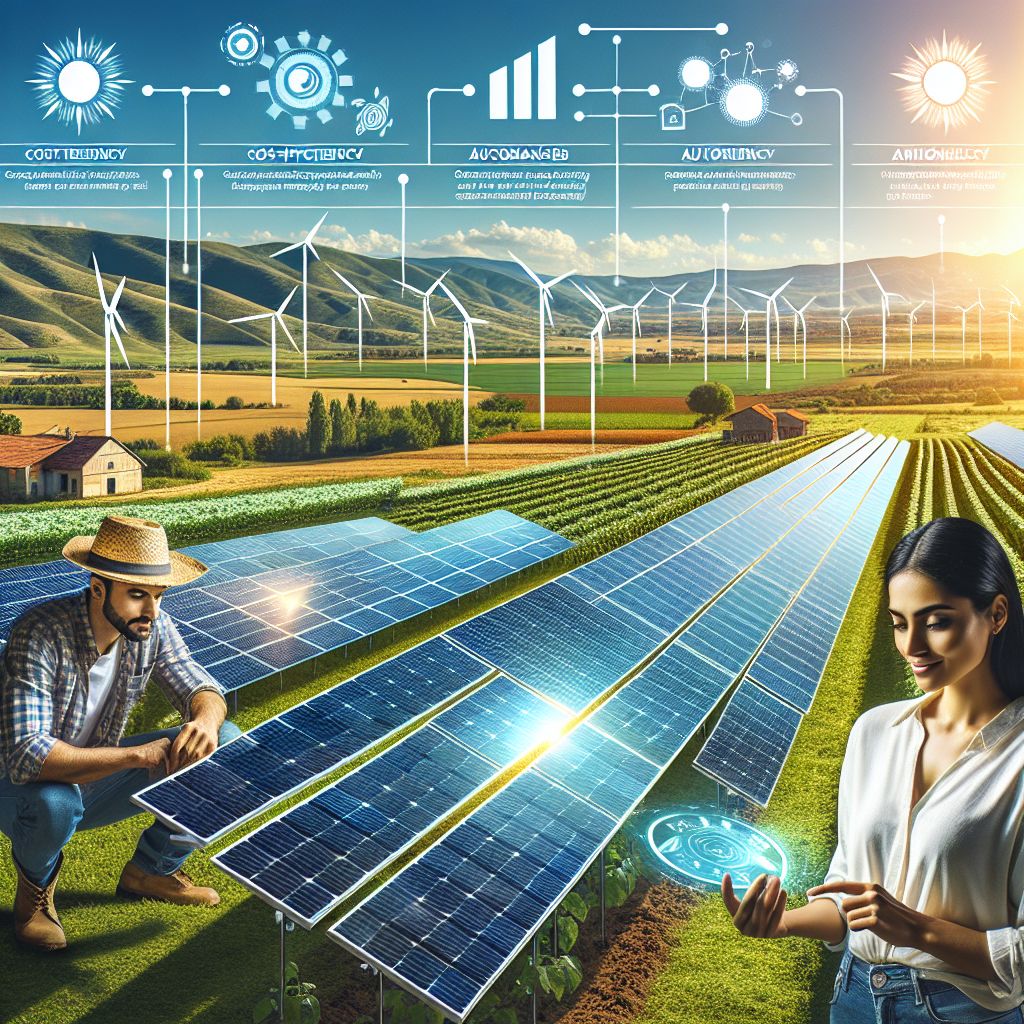
Polycrystalline solar panels provide an affordable and dependable energy source for farms. By using the sun’s energy, farms can lower their operating expenses, gain energy autonomy, and boost their overall efficiency. This shift to solar energy promotes sustainable farming methods and helps create a cleaner environment.
Summary: Here’s a brief summary of what we’ve covered in this article:
- Polycrystalline solar panels are cost-effective and robust, which is perfect for farm use.
- They provide substantial energy savings and can result in energy self-sufficiency.
- Proper upkeep and monitoring are crucial for maximizing panel efficiency.
- Adopting solar technology promotes sustainable and environmentally friendly farming techniques.
Example: A farmer in Iowa cut their energy expenses by 40% after installing polycrystalline solar panels, allowing them to reinvest savings into farm enhancements.
Why Farmers Should Consider Polycrystalline Solar Panels
Making the decision to go solar can be a big move for any farmer. Polycrystalline solar panels provide a practical and cost-effective way for farmers to adopt renewable energy. They are affordable, durable, and efficient, making them a smart option for farms of all sizes.
When farmers choose to purchase polycrystalline solar panels, they can improve their farm’s efficiency, decrease their expenses, and promote sustainability. This choice is not only beneficial for the farm, but it also aids in achieving larger environmental objectives, resulting in a win-win situation for everyone.
Frequently Asked Questions (FAQ)
Here are some frequently asked questions about polycrystalline solar panels and their application in farming:
What’s the difference between polycrystalline and monocrystalline panels?
Polycrystalline panels usually cost less than monocrystalline panels, making them a more economical choice. Although they’re not quite as efficient, they still generate dependable energy and work well for farms.
How long do polycrystalline solar panels last on a farm?
Polycrystalline solar panels generally last between 25 and 30 years, sometimes even longer. With the right care, they can continue to function effectively and offer a long-term energy solution for farms. For more information on how solar panels can enhance farm operations, explore how solar panels increase the efficiency of a farm.
Can I get government incentives for installing solar panels on my farm?
Definitely, many governments provide incentives and rebates for installing solar panels on farms. These incentives can help reduce the initial costs and make the shift to solar energy more cost-effective. You should research the available programs in your region.
How should these solar panels be maintained?
Polycrystalline solar panels need to be cleaned and inspected on a regular basis. This includes removing any dirt or debris, checking for any damage, and making sure all connections are secure. By properly maintaining these panels, you can ensure they perform at their best and last as long as possible.
Are polycrystalline panels suitable for all types of weather?
Indeed, polycrystalline panels are built to endure a range of weather situations, making them adaptable for use in various climates. They continue to function effectively even in conditions with little light, guaranteeing consistent power production no matter the weather.
Polycrystalline solar panels offer a way for farmers to tap into the power of the sun, enhancing the productivity and sustainability of their farms. This commitment to green energy paves the way for a more sustainable future in farming.
Polycrystalline solar panels are increasingly popular due to their cost-effectiveness and efficiency in converting sunlight into electricity. These panels are made from silicon crystals that are melted together, which makes them less expensive to produce compared to monocrystalline panels. For those interested in understanding more about how they operate and their advantages, you can explore how polycrystalline solar panels work and their benefits. This technology is particularly beneficial for farms looking to enhance productivity while reducing energy costs.







Leave a Reply