

Key Takeaways
- Off-grid farming allows for energy independence, reducing reliance on traditional power sources.
- Solar panels can power an off-grid farm by converting sunlight into electricity.
- Key components of a solar power system include solar panels, batteries, inverters, and charge controllers.
- Initial setup costs for solar systems can be high, but they offer long-term savings and sustainability benefits.
- Understanding your farm’s energy needs is crucial to choosing the right solar power system.
Off the Grid Farming Essentials
Off-grid farming is a concept that has gained traction among sustainable living enthusiasts. It means operating a farm independently from the traditional power grid, relying on alternative energy sources like solar power. This approach not only reduces dependency on conventional energy but also aligns with eco-friendly practices.
Defining Off-Grid Farming
Off-grid farming is all about self-sufficiency. It’s about creating a farm that can operate independently without relying on the conventional electricity grid. The goal is to harness natural resources to power farm operations, making it a sustainable and eco-friendly solution.
One of the most popular ways to achieve this independence is through solar energy. By installing solar panels, farms can convert sunlight into electricity, powering everything from irrigation systems to lighting and machinery. This shift not only supports sustainability but also reduces long-term energy costs.
Benefits of Energy Independence
Choosing to go off-grid offers numerous advantages. First and foremost, it grants energy independence. This means you’re no longer at the mercy of power outages or fluctuating energy prices. With your own energy source, you have control over your farm’s power supply.
- Cost Savings: While the initial investment can be high, the long-term savings on energy bills make it worthwhile.
- Environmental Impact: Reducing reliance on fossil fuels decreases your carbon footprint.
- Reliability: Solar energy provides a consistent power supply, even in remote areas.
Most importantly, off-grid solar systems offer peace of mind. They ensure that your farm remains operational regardless of external factors affecting the traditional power grid.
Challenges to Consider
“Setting up an off-grid solar system requires careful planning and consideration of various factors, including initial costs and energy needs.” – Expert Insight
While off-grid farming has its perks, it’s not without challenges. The initial setup costs can be substantial, as purchasing solar panels, batteries, and other equipment requires a significant upfront investment. However, many farmers find that the long-term benefits outweigh these initial expenses.
Another challenge is understanding and managing energy needs. You must accurately assess your farm’s energy requirements to ensure your solar system is adequately sized. This involves evaluating daily energy consumption and peak usage times.
Additionally, ongoing maintenance is crucial. Solar panels and related equipment require regular checks and upkeep to ensure optimal performance. This includes cleaning panels, monitoring battery health, and ensuring inverters function correctly.
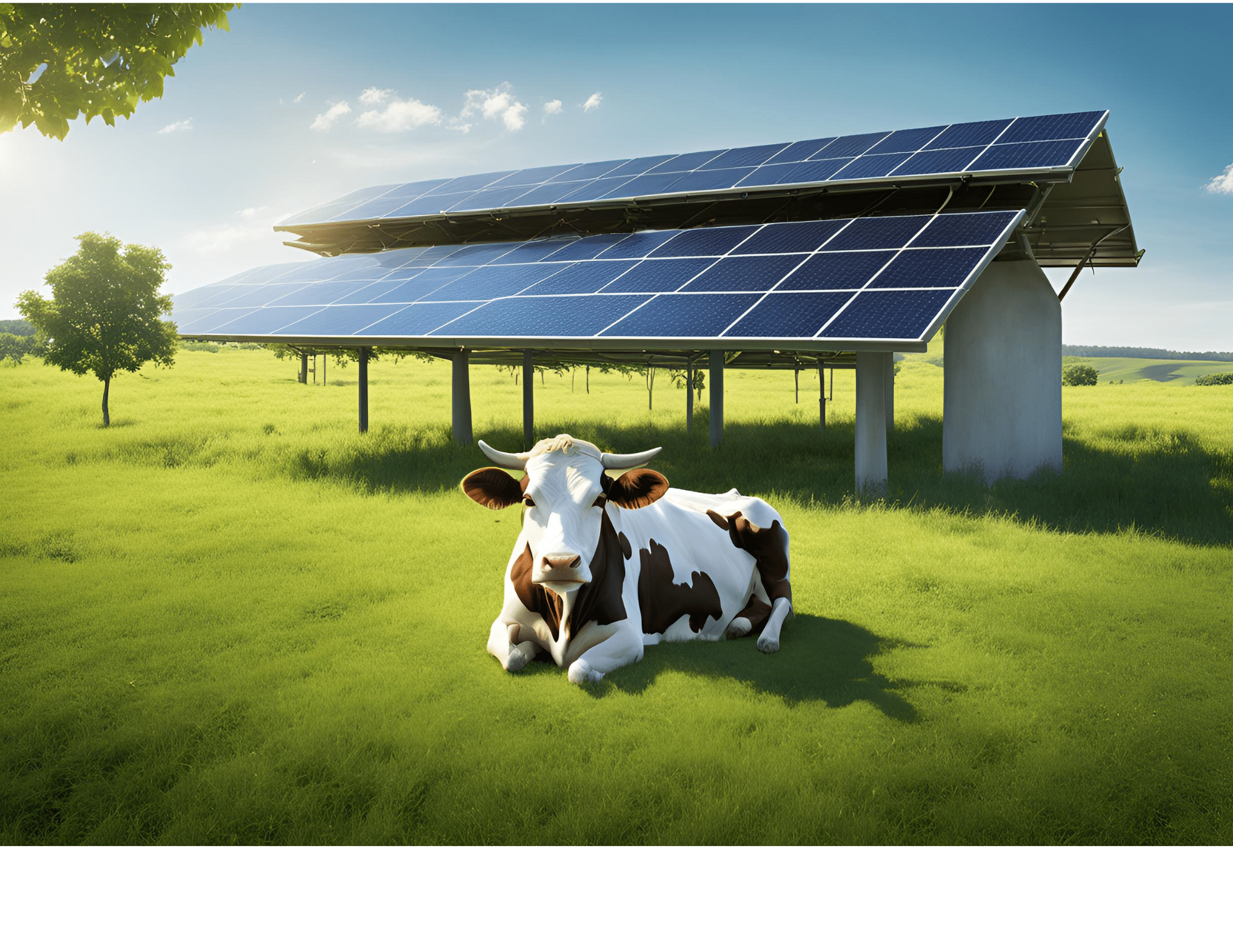
“Solar Energy is Revolutionizing Farming …” from www.earthday.org and used with no modifications.
Solar Panels in Off-Grid Farming
Solar panels are the cornerstone of off-grid farming. They harness the sun’s energy, converting it into electricity that powers various farm operations. But how exactly do these panels work, and what components are involved in setting up a solar power system?
How Solar Panels Generate Power
Solar panels are made up of photovoltaic (PV) cells that capture sunlight and convert it into direct current (DC) electricity. This process is known as the photovoltaic effect. The DC electricity is then converted into alternating current (AC) electricity using an inverter, making it suitable for use in homes and farms.
Key Components of a Solar Power System
A solar power system comprises several key components that work together to capture, store, and distribute energy. Here’s a closer look at each:
First, there are the solar panels themselves. These are the primary energy collectors, and their efficiency is crucial to the system’s overall performance. Next, you’ll need batteries to store the electricity generated. This ensures that you have power available even when the sun isn’t shining.
Inverters are another essential component. They convert the DC electricity produced by the panels into AC electricity, which is used by most farm equipment. Lastly, charge controllers regulate the flow of electricity to the batteries, preventing overcharging and extending battery life.
Solar Panel Options for Farms
When it comes to solar panels for farms, you have several options. The type of panel you choose depends on your energy needs, budget, and available space. Here are a few popular options:
- Monocrystalline Panels: These are made from a single crystal structure, offering high efficiency and durability. They are ideal for farms with limited space.
- Polycrystalline Panels: Made from multiple crystal structures, these panels are generally more affordable but slightly less efficient than monocrystalline panels.
- Thin-Film Panels: These are lightweight and flexible, making them suitable for unconventional surfaces. However, they tend to have lower efficiency compared to crystalline panels.
- Passivated Emitter and Rear Cell (PERC) Panels: Absorbed the Sunlight from Both Sides. They feature an additional layer on the back that reflects sunlight back into the panel, increasing efficiency.
Choosing the right type of panel is crucial for maximizing energy output and ensuring a good return on investment. Consider factors such as efficiency, cost, and space availability when making your decision.
“The choice of solar panel can significantly impact the overall efficiency and cost-effectiveness of an off-grid solar system.” – Industry Expert
This table provides a comparison of solar panel options for farmers, highlighting their suitability based on efficiency, cost, durability, and space requirements. Farmers should consider their specific energy needs, budget, and available installation area when making a decision.
|
Type of Solar Panel |
Advantages |
Disadvantages |
|---|---|---|
|
Monocrystalline Solar Panels | ||
|
– Performance drops slightly in extreme heat. 1 | ||
|
– Performs well in low-light conditions (cloudy days, mornings). 1, 2 | ||
|
Polycrystalline Solar Panels |
– Cost-effective option, suitable for large-scale installations. 1, 3 |
– Lower efficiency (13-17%) compared to monocrystalline panels. 1, 3 |
|
– Durable and handles heat well. 3 |
– Requires more space for the same energy output as monocrystalline panels. 3 | |
|
– Affordable initial investment, often offset by government incentives. 3 | ||
|
Thin-Film Solar Panels |
– Lightweight, flexible, and easy to install on unconventional surfaces (e.g., curved roofs)1, 5, 7 |
– Lowest efficiency (10-13%) among the options, requiring more space for equivalent output.5, 7 |
|
– Performs well in high temperatures and low-light conditions, ideal for diverse climates. 5, 7 |
– Shorter lifespan (10-20 years) compared to crystalline panels. 5, 7 | |
|
– Cost-effective with lower production and installation costs. 5, 7 |
– Bulkier installations needed for larger-scale energy production.5 | |
|
PERC Solar Panels |
– Enhanced efficiency (Up to 22% or higher) due to passivation layer, capturing more sunlight. 4 |
– Higher cost than traditional Monocrystalline panels, but prices are becoming comparable. 4 |
|
– Performs well in low-light and high-temperature conditions, ideal for varied climates. 2, 4 |
– Technology may be less familiar, requiring specialized installation expertise. 4 | |
|
– Maximizes energy output in limited space, suitable for farms with restricted installation areas. 4 |

Implementing Solar Power in Farms
Implementing solar power on a farm requires careful planning and execution. It’s not just about installing panels; it involves a comprehensive approach to ensure the system meets your energy needs efficiently. For more insights, learn about how solar panels can increase the efficiency of a farm.
Assessing Energy Needs
Before you invest in solar panels, you need to assess your farm’s energy requirements. This involves evaluating your current energy usage and determining how much power you need to maintain operations.
Start by listing all the electrical equipment and appliances you use daily. Calculate their energy consumption in kilowatt-hours (kWh) and identify peak usage times. This information will help you determine the size and capacity of the solar system you need.
For example, if your farm uses 50 kWh per day, you’ll need a solar system that can generate at least that much energy. Consider seasonal variations and potential increases in energy needs as your farm grows. Learn more about solar power for farm machinery to ensure your energy requirements are met efficiently.
Choosing the Right Solar System
Once you have a clear understanding of your energy needs, it’s time to choose the right solar system. This involves selecting the appropriate components, such as solar panels, batteries, and inverters, to meet your requirements.
Consider the following factors when choosing a solar system:
- System Size: Ensure the system can generate enough energy to meet your daily needs.
- Battery Capacity: Choose batteries that can store sufficient energy for use during cloudy days or at night.
- Inverter Efficiency: Select an inverter that can efficiently convert DC to AC power.
Consult with solar energy experts or companies to get tailored recommendations based on your farm’s specific needs.
Installation and Maintenance Tips
Proper installation and maintenance are crucial for the optimal performance of your solar power system. Here are some tips to ensure your system runs smoothly:
- Professional Installation: Hire experienced professionals to install your solar panels and other components. This ensures safety and efficiency.
- Regular Maintenance: Schedule regular maintenance checks to clean panels, inspect wiring, and monitor battery health.
- Monitor Performance: Use monitoring systems to track energy production and consumption, identifying any issues early.
“Regular maintenance and monitoring are key to ensuring the longevity and efficiency of your solar power system.” – Solar Technician
By following these tips, you can maximize the lifespan and efficiency of your solar system, ensuring a reliable power supply for your farm.
Cost and ROI Considerations
Investing in solar power for your farm involves significant upfront costs, but the long-term savings and benefits make it a worthwhile investment. Let’s break down the costs and potential return on investment (ROI):
The initial costs include purchasing solar panels, batteries, inverters, and installation fees. On average, setting up a solar power system can range from $10,000 to $30,000, depending on the size and complexity of the system.
However, solar power systems can lead to substantial savings on energy bills over time. Many farms report recovering their initial investment within 5 to 10 years, thanks to reduced energy costs and potential government incentives or rebates.
Besides financial savings, the environmental benefits and energy independence add value to the investment, making it an attractive option for sustainable living enthusiasts.

“Center Pivot Irrigation System …” from growingsolarmist.com and used with no modifications.
Sustainability and Environmental Impact
Solar power is a cornerstone of sustainable farming practices. By harnessing the sun’s energy, farms can operate in an environmentally friendly manner, minimizing their impact on the planet. This approach not only benefits the environment but also aligns with the growing consumer demand for sustainable products.
Solar panels help reduce reliance on fossil fuels, a major contributor to carbon emissions. By generating clean energy, farms can play a significant role in combating climate change and promoting a healthier planet.
Solar Power Reducing Carbon Footprint
One of the most significant advantages of solar power is its ability to reduce a farm’s carbon footprint. By switching to solar energy, farms can decrease their reliance on non-renewable energy sources, leading to fewer carbon emissions.
For example, a study conducted by the National Renewable Energy Laboratory found that a typical solar panel system can offset approximately 178 metric tons of carbon dioxide over its lifetime. This is equivalent to planting over 4,500 trees, highlighting the substantial environmental benefits of solar power.
Benefits for Local Ecosystems
- Preservation of Natural Habitats: Solar farms can coexist with local wildlife, preserving natural habitats and biodiversity.
- Water Conservation: Solar energy requires minimal water use compared to traditional energy sources, benefiting local water resources.
- Improved Air Quality: By reducing reliance on fossil fuels, solar power helps decrease air pollution, leading to healthier ecosystems.
These benefits not only enhance the local environment but also improve the quality of life for communities surrounding the farm. Healthier ecosystems support agriculture by maintaining soil health and promoting biodiversity.
Moreover, farms that adopt sustainable practices can attract environmentally conscious consumers, creating new market opportunities and enhancing their brand reputation.
In conclusion, solar power offers a viable solution for off-grid farming, providing energy independence, cost savings, and environmental benefits. By understanding the components and considerations involved, farmers can successfully implement solar systems and reap the rewards of sustainable agriculture.
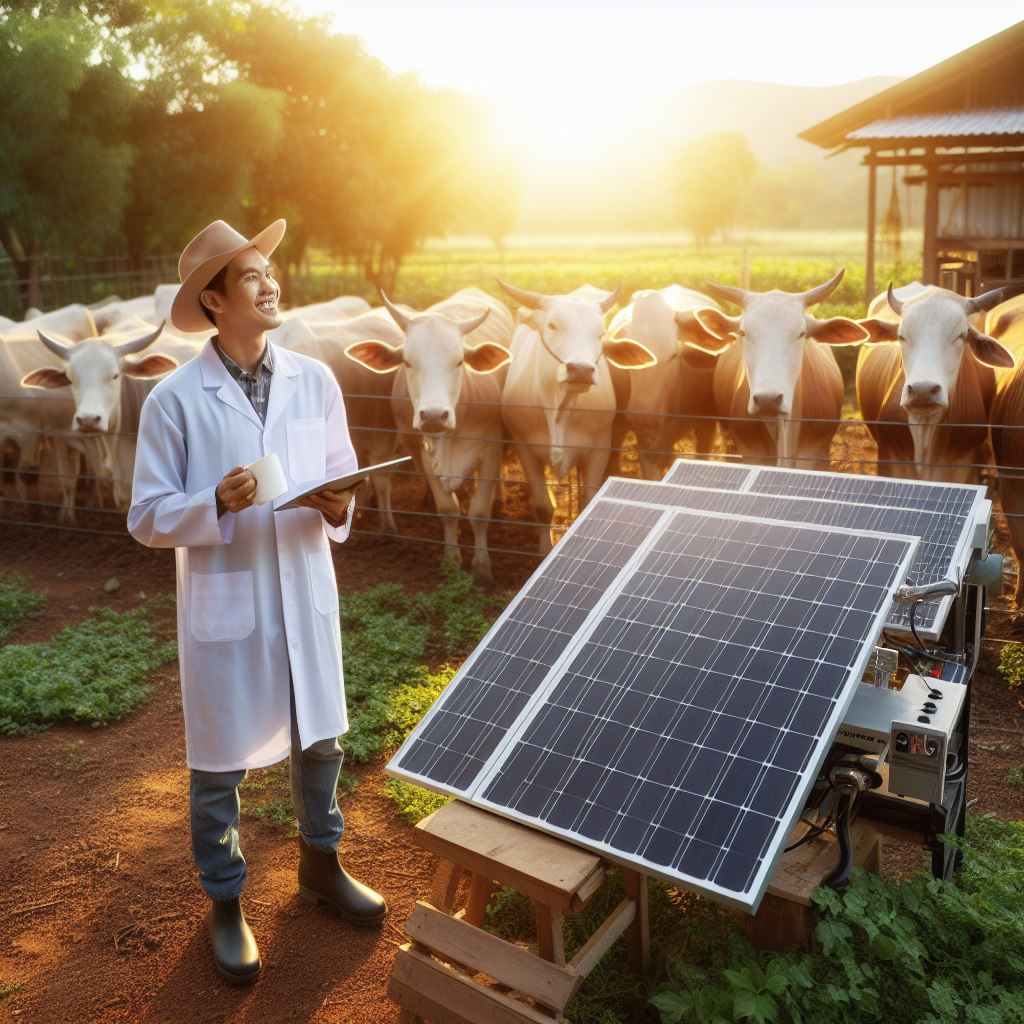
“Solar Power in Livestock Farming: A Guide” from thefarminginsider.com and used with no modifications.
Conclusion
Off-grid farming powered by solar panels is not only feasible but also highly beneficial. It offers a path to energy independence, significant cost savings, and environmental sustainability. By carefully assessing energy needs and choosing the right solar system, farmers can transform their operations into efficient, eco-friendly enterprises.
As technology advances and solar panel costs continue to decrease, more farmers are likely to adopt this approach. The transition to solar power represents a significant step toward sustainable agriculture, benefiting both the environment and farm operations.
Is Using Solar Panel a Good Investment for a Farmer Operating an Off the Grid Farm
Absolutely. Investing in solar panels for an off-grid farm is a strategic decision that pays off in the long run. While the initial costs may be high, the long-term savings on energy bills, combined with the environmental benefits, make it a worthwhile investment. Moreover, solar power provides reliability and independence from the traditional power grid, ensuring that farm operations remain uninterrupted.
FAQ
Here are some common questions about using solar power for off-grid farming:
How does solar power benefit off-grid farms?
Solar power benefits off-grid farms by providing a reliable and renewable energy source. It reduces energy costs, minimizes environmental impact, and ensures consistent power supply even in remote areas.
“Solar power is a game-changer for off-grid farms, offering a sustainable and cost-effective energy solution.” – Renewable Energy Advocate
By harnessing solar energy, farms can operate independently from the traditional power grid, enhancing their sustainability and resilience. To learn more about how this is achieved, explore how solar panels increase farm efficiency.
What are the costs involved in setting up solar panels for farms?
The costs of setting up solar panels for farms vary based on the system size and complexity. On average, it can range from $10,000 to $30,000. This includes the cost of solar panels, batteries, inverters, and installation.
However, many farms find that the long-term savings on energy bills and potential government incentives offset these initial expenses. For more information on how solar panels can enhance farm efficiency, check out this article on solar panels increasing farm efficiency.
“While the upfront costs may be high, the investment in solar power pays off through reduced energy expenses and increased sustainability.” – Financial Analyst
Can solar panels provide power during cloudy days?
Yes, solar panels can still generate power on cloudy days, although their efficiency may be reduced. To ensure a consistent power supply, it’s essential to have a battery storage system that stores excess energy generated during sunny periods for use during cloudy days or at night.
What maintenance is required for solar panels on farms?
Solar panels require minimal maintenance. Regular cleaning to remove dust and debris, along with periodic inspections to check for any issues with wiring or connections, is recommended. It’s also important to monitor battery health and ensure that inverters are functioning correctly.
Overall, maintaining a solar power system is relatively straightforward and cost-effective.
Are there government incentives for solar-powered farms?
Yes, many governments offer incentives and rebates to encourage the adoption of solar power. These can include tax credits, grants, and subsidies that help offset the initial setup costs. It’s advisable to research available programs in your region and consult with solar energy providers to maximize these benefits.
By taking advantage of these incentives, farmers can further reduce the financial burden of transitioning to solar power, making it an even more attractive option.

Leave a Reply