
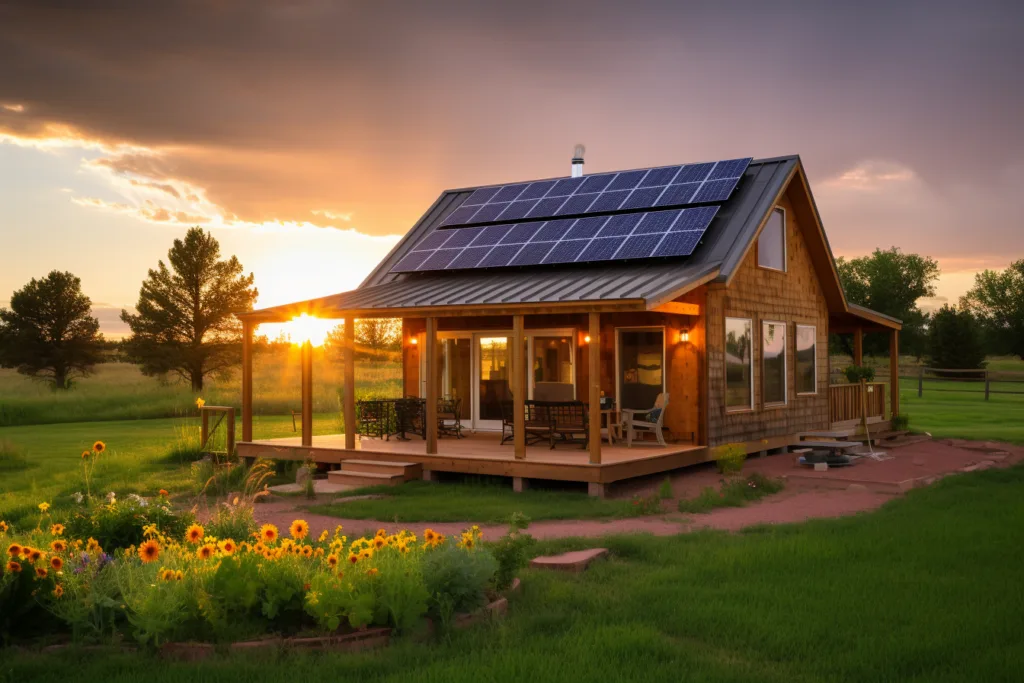
“On Grid vs Off Grid Solar: A Power …” from offgridworld.com and used with no modifications.
Key Takeaways
- On-grid solar systems connect to the public electricity grid, offering cost savings through net metering.
- Off-grid solar systems provide complete independence, ideal for remote farms with unreliable grid access.
- Government incentives and tax credits can significantly reduce the initial investment in solar power.
- Considerations like energy needs, location, and budget are crucial when choosing between on-grid and off-grid systems.
- Investing in solar power enhances sustainability and reduces the farm’s carbon footprint.
Exploring Solar Power Options for Farms
As farmers, we constantly strive for sustainability while ensuring that our operations remain cost-effective. Solar power presents a promising solution, but choosing the right type—on-grid or off-grid—can be challenging. Each has its own set of benefits and considerations, and understanding these can empower us to make informed decisions for our farms.
Solar power not only reduces our dependence on fossil fuels but also offers long-term savings and energy security. With the right system in place, we can harness the sun’s energy to power our farms efficiently. Let’s delve into the details of on-grid and off-grid solar systems to determine which is best suited for our unique needs.
Diversifying Solar Options: On-Grid vs. Off-Grid
Solar power systems come in two main types: on-grid and off-grid. On-grid systems are connected to the public electricity grid, allowing for the sale of excess power back to the utility company through net metering. This option can lead to substantial savings on electricity bills. On the other hand, off-grid systems operate independently of the grid, relying on battery storage to supply power. This independence makes them ideal for remote locations where grid access is unreliable or nonexistent.
This below table is discussing the difference of Off-Grid Solar Power vs On-Grid Solar Power to run a farms operation
|
Aspect |
Off-Grid Solar Power |
On-Grid Solar Power |
|---|---|---|
|
Energy Independence |
Fully self-reliant; no grid connection required. Ideal for remote farms. 1, 2 |
Dependent on the grid; requires a stable utility connection. 3, 5 |
|
Cost |
Higher upfront costs (batteries, installation) but eliminates utility bills. 2, 3 |
Lower initial costs (no battery storage) but ongoing grid fees/net metering credits. 3, 5 |
|
Energy Storage |
Requires battery storage to manage nighttime/cloudy periods. 1, 3 |
No storage needed; excess energy fed back to the grid for credits. 3, 5 |
|
Reliability |
Resilient during grid outages; ideal for areas with unreliable grid access. 1, 3 |
Vulnerable to grid outages (panels shut down during blackouts). 3, 5 |
|
Maintenance | ||
|
Environmental Impact |
Reduces carbon footprint entirely; promotes sustainability. 1, 4 |
Reduces emissions but still partially grid-dependent (unless 100% renewable). 4, 5 |
|
Scalability |
Easier to scale with grid as backup; excess energy sold via net metering. 3, 5 | |
|
Best Use Cases |
Remote farms, water pumping, fencing/lighting in isolated areas. 2 |
Farms near reliable grids seeking cost savings without full energy independence. 3, 5 |
- Off-grid: Higher autonomy and reliability for remote operations but requires significant upfront investment and energy management (1, 2)
- On-grid: Lower initial costs and grid flexibility but less resilient during outages and tied to utility policies (3, 5).
What is On-Grid Solar Power?
On-grid solar power systems are directly connected to the local utility grid. This connection allows farms to utilize solar energy during the day and draw electricity from the grid when solar power is insufficient, such as during cloudy days or at night. One of the key advantages of on-grid systems is net metering, which enables farmers to sell excess electricity back to the utility company. This can significantly offset electricity costs and even generate income during peak solar production periods.
Additionally, on-grid systems tend to have lower upfront costs compared to off-grid systems because they do not require battery storage. However, they depend on the reliability of the grid and may not provide power during outages unless combined with a backup generator.
What is Off-Grid Solar Power?
Off-grid solar power systems operate independently of the public electricity grid. They rely on solar panels and battery storage to provide continuous power, making them ideal for farms in remote areas where grid access is limited or unreliable. These systems offer complete energy independence, ensuring that power is available even during grid outages.
While off-grid systems require a higher initial investment due to the need for batteries and additional equipment, they offer long-term savings by eliminating monthly electricity bills. Moreover, off-grid systems contribute to a smaller carbon footprint, aligning with sustainability goals.
Essential Considerations for Solar Power on Farms
When deciding between on-grid and off-grid solar power, several factors must be considered:
- Energy Needs: Assess the farm’s energy consumption and determine if solar power can meet those needs efficiently.
- Location: Evaluate the farm’s proximity to the electricity grid and the reliability of the grid in the area.
- Budget: Consider the initial investment, ongoing maintenance costs, and potential savings from each system.
- Environmental Impact: Align the choice with the farm’s sustainability goals and commitment to reducing carbon emissions.
- Government Incentives: Research available tax credits and incentives that can offset the cost of solar installation.
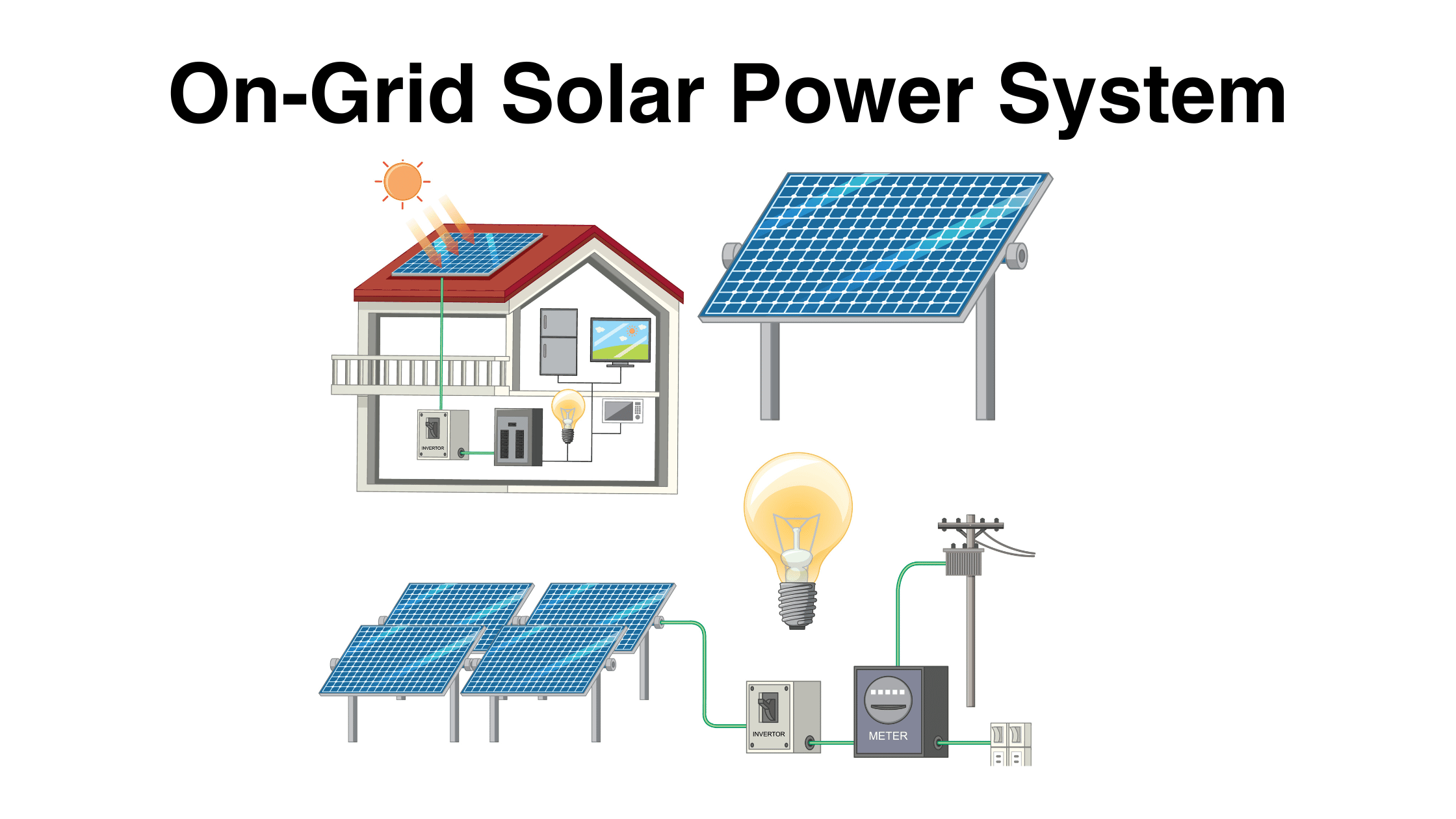
“Advantages and Disadvantages of an On …” from www.sungoldsolar.com and used with no modifications.
On-Grid Solar Power for Farms: Benefits and Disadvantages
On-grid solar power systems offer several benefits that make them an attractive option for many farms. The ability to connect to the utility grid provides flexibility and financial advantages. Let’s explore these benefits in detail.
Cost Savings and Net Metering
One of the most significant advantages of on-grid solar systems is cost savings through net metering. By selling excess solar energy back to the utility company, farmers can reduce their electricity bills and potentially earn additional income. This financial benefit can make solar power a more viable option for farms with limited budgets.
Reliable Power Supply and Maintenance
On-grid systems ensure a reliable power supply by drawing electricity from the grid when solar production is insufficient. This eliminates the need for costly battery storage and reduces maintenance requirements. Additionally, on-grid systems are often easier to install and maintain, making them a practical choice for farmers who want a hassle-free solar solution.
- Lower initial costs compared to off-grid systems.
- Access to continuous power supply through the grid.
- Minimal maintenance due to the absence of battery storage.
However, on-grid systems do have some disadvantages. They rely on the grid’s reliability, which means power outages can still affect the farm’s operations. Moreover, changes in utility policies or net metering agreements can impact the financial benefits of on-grid systems.
Leveraging Government Incentives
Government incentives and tax credits can significantly reduce the cost of installing on-grid solar systems. Many regions offer programs that encourage the adoption of renewable energy by providing financial support to farmers. These incentives can make the initial investment more affordable and enhance the overall return on investment.
In conclusion, on-grid solar power systems provide a cost-effective and reliable solution for farms with access to the electricity grid. By leveraging net metering and government incentives, farmers can achieve significant savings while contributing to a more sustainable future.
Disadvantages for Using On-Grid Solar Panels to Power the Farm
- Dependence on grid reliability: Power outages can disrupt farm operations.
- Potential changes in net metering policies can affect financial benefits.
- Limited energy independence compared to off-grid systems.
Despite the advantages, on-grid solar systems have some limitations that farmers should consider. First and foremost, reliance on the grid means that any power outages can still impact your farm. This dependency might not be ideal for operations that require a consistent power supply.
Another concern is the potential changes in net metering policies. Utility companies may alter the terms of net metering agreements, affecting the financial benefits that come from selling excess energy back to the grid. Therefore, it’s crucial to stay informed about local policies and how they might impact your solar investment.
Lastly, on-grid systems offer limited energy independence. While they provide cost savings and reliable power, they don’t offer the same level of autonomy as off-grid systems. For farms aiming for complete energy independence, an off-grid solution might be more suitable.

“Off-Grid Solar Power Systems …” from umangotsolar.com and used with no modifications.
Off-Grid Solar Power for Farms: Benefits and Disadvantages
Off-grid solar power systems offer a unique set of benefits that make them appealing for certain farms. These systems provide complete energy independence, ensuring that power is available even in the most remote locations. Let’s explore the advantages of off-grid solar power.
Off-grid systems are particularly beneficial for farms in areas with unreliable or nonexistent grid access. By relying solely on solar panels and battery storage, these systems ensure a continuous power supply, regardless of grid outages. This autonomy can be crucial for farms that require uninterrupted electricity for operations such as irrigation, refrigeration, and lighting.
Moreover, off-grid solar systems contribute to environmental sustainability by reducing the farm’s carbon footprint. By generating clean energy on-site, farms can minimize their reliance on fossil fuels and make a positive impact on the environment.
Example: A remote livestock farm in Montana switched to an off-grid solar system, reducing its energy costs by 70% and ensuring a reliable power supply for its operations.
Energy Independence and Autonomy
One of the most significant advantages of off-grid solar systems is the complete energy independence they offer. By generating and storing their own power, farms are not affected by grid outages or fluctuations in electricity prices. This independence ensures a stable power supply, even during adverse weather conditions or emergencies.
Furthermore, off-grid systems eliminate monthly electricity bills, providing long-term savings. Although the initial investment is higher due to the need for batteries and additional equipment, the absence of ongoing utility costs can lead to substantial savings over time.
Ideal for Remote Locations
Off-grid solar systems are particularly well-suited for farms in remote locations where grid access is limited or unreliable. These systems provide a reliable and consistent power supply, ensuring that farm operations can continue without interruption. Learn more about solar power for farm machinery and how it can benefit your agricultural needs.
For farms located far from the grid, the cost of extending power lines can be prohibitive. In such cases, off-grid solar systems offer a cost-effective and sustainable alternative, allowing farms to operate independently of the grid.
Environmental Impact and Sustainability
Off-grid solar systems align with the growing emphasis on environmental sustainability. By generating clean energy on-site, farms can significantly reduce their carbon footprint and contribute to a greener future. This commitment to sustainability can enhance the farm’s reputation and appeal to environmentally conscious consumers.
Moreover, off-grid systems minimize the environmental impact associated with traditional energy sources. By reducing reliance on fossil fuels, farms can decrease greenhouse gas emissions and help combat climate change.
- Reduction in carbon emissions by utilizing renewable energy sources.
- Elimination of dependency on fossil fuels, promoting environmental sustainability.
- Enhanced reputation as an eco-friendly and sustainable farm.
Disadvantages for Using Off-Grid Solar Panels to Power the Farm
While off-grid solar systems offer numerous benefits, they also have some drawbacks that farmers should consider. The most significant disadvantage is the higher initial investment required for battery storage and additional equipment. This can be a barrier for farms with limited budgets.
Another challenge is the maintenance and replacement of batteries. Over time, batteries may degrade and require replacement, adding to the overall cost of the system. Proper maintenance and monitoring are essential to ensure the longevity and efficiency of the system.
Lastly, off-grid systems may not be suitable for farms with high energy demands. In such cases, a hybrid system that combines solar power with other energy sources may be more appropriate.
- Higher initial investment due to battery storage requirements.
- Maintenance and replacement of batteries can be costly.
- May not meet the energy demands of larger farms.

Challenges of On-Grid and Off-Grid Systems
Example: A dairy farm in Wisconsin faced challenges with its on-grid system due to frequent power outages. To address this, the farm installed a backup generator, ensuring a continuous power supply during emergencies.
Both on-grid and off-grid solar systems have their own set of challenges that farmers must navigate. Understanding these challenges can help in making informed decisions about which system is best suited for the farm. For instance, exploring how solar panels increase farm efficiency can be crucial in deciding the right solar system.
One of the primary challenges is the initial cost and investment required for solar installation. While government incentives can offset some of these costs, the upfront investment can still be significant, particularly for off-grid systems that require battery storage.
Weather-related limitations can also impact the efficiency of solar systems. Cloudy days, snow, and other adverse weather conditions can reduce solar production, affecting the availability of power. Therefore, it’s essential to have a reliable backup system in place to ensure continuous power supply.
Initial Costs and Investment
The initial investment for solar systems can be substantial, especially for off-grid systems that require additional equipment such as batteries. Farmers must carefully evaluate their budget and consider the long-term savings and return on investment when deciding to go solar.
Weather-Related Limitations
Solar power production can be affected by weather conditions, leading to fluctuations in energy availability. Cloudy days, heavy snowfall, and other adverse weather can reduce the efficiency of solar panels, impacting the farm’s power supply.
To mitigate these limitations, farmers should consider installing a backup generator or incorporating other renewable energy sources, such as wind or biomass, to supplement solar power during periods of low production. For more insights, explore the differences between off-grid and on-grid solar systems.
Energy Storage and Battery Technology
For off-grid systems, energy storage is a critical component. The efficiency and longevity of batteries can significantly impact the overall performance of the system. It’s important to invest in high-quality batteries and ensure regular maintenance to maximize their lifespan.
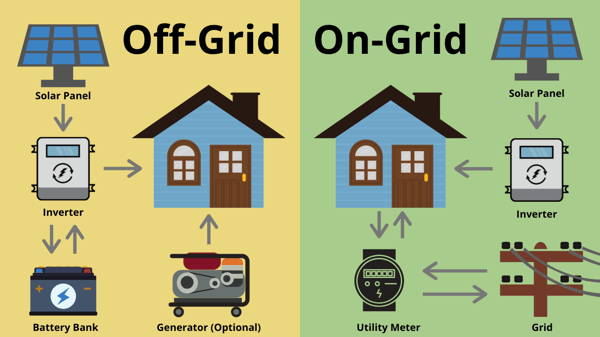
“Grid-Tied vs. Off-Grid Solar Systems …” from www.paradisesolarenergy.com and used with no modifications.
Choosing the Best Solar Power Option for Your Farm
Deciding between on-grid and off-grid solar power requires careful consideration of the farm’s unique needs and circumstances. By evaluating factors such as energy demands, location, budget, and sustainability goals, farmers can make an informed decision that aligns with their objectives.
Assessing Farm’s Energy Needs
Understanding the farm’s energy consumption is crucial when choosing a solar power system. By analyzing current energy usage and future needs, farmers can determine whether an on-grid or off-grid system will best meet their requirements.
Evaluating Space and Infrastructure Availability
The availability of space and infrastructure is another important consideration. On-grid systems may require less space due to the absence of battery storage, while off-grid systems need sufficient space for both solar panels and batteries.
Additionally, the farm’s proximity to the electricity grid and the reliability of the grid in the area should be taken into account when deciding on the type of solar system. For more insights on how solar panels can enhance your farm’s efficiency, check out this article on solar panels increasing farm efficiency.
Long-Term Sustainability Goals
Farmers should consider their long-term sustainability goals when choosing a solar power system. Off-grid systems offer complete energy independence and contribute to environmental sustainability, while on-grid systems provide cost savings and financial benefits through net metering.
By aligning the choice of solar system with the farm’s sustainability objectives, farmers can enhance their operations and make a positive impact on the environment.

“Solar Power Is Revolutionizing Modern …” from www.havells-sylvania.com and used with no modifications.
Case Studies of Successful Solar Implementations
To illustrate the effectiveness of solar power systems on farms, let’s explore some real-world examples. These case studies highlight how different farms have successfully implemented on-grid and off-grid solutions to meet their unique needs.
By examining these examples, we can gain valuable insights into the benefits and challenges of each system, helping us make informed decisions for our own farms.
Poultry Farms and On-Grid Systems
Poultry farms often require a consistent and reliable power supply for lighting, ventilation, and heating. An on-grid solar system can effectively meet these needs while providing cost savings through net metering.
Example: A poultry farm in Georgia installed an on-grid solar system, reducing its electricity costs by 40% and improving its sustainability profile. The farm leveraged net metering to sell excess energy back to the grid, further enhancing its financial benefits.
This example demonstrates the potential for on-grid systems to deliver significant savings and support sustainable farming practices. By connecting to the grid, poultry farms can ensure a steady power supply while reducing their environmental impact.
Remote Livestock Farms Using Off-Grid Solutions
Remote livestock farms often face challenges with grid access and reliability. Off-grid solar systems provide a viable solution by offering complete energy independence and ensuring a continuous power supply.
For instance, a cattle ranch in Wyoming implemented an off-grid solar system to power its operations. The system included solar panels and battery storage, allowing the ranch to operate independently of the grid. This setup ensured reliable power for essential tasks such as water pumping and electric fencing, even during grid outages.
Agricultural Crop Farms Adapting Hybrid Systems
Some farms have adopted hybrid systems that combine on-grid and off-grid solar solutions to maximize benefits. These systems offer flexibility and resilience, ensuring a reliable power supply while taking advantage of net metering opportunities.
An example of this approach is a crop farm in California that installed a hybrid solar system. The farm used on-grid solar panels to power its irrigation systems and off-grid panels with battery storage for backup power. This setup provided the farm with energy security and reduced its reliance on the grid, leading to significant cost savings and enhanced sustainability.

The Financial Perspective on Solar Power Investment
Investing in solar power is a significant decision for any farm, and understanding the financial implications is crucial. By evaluating the costs, potential savings, and available incentives, farmers can make informed choices that align with their financial goals.
Let’s explore the financial aspects of solar power investment, including return on investment, tax credits, and long-term profitability.
Calculating Return on Investment
Calculating the return on investment (ROI) is essential when considering solar power for a farm. ROI measures the profitability of the investment by comparing the initial costs with the long-term savings and benefits.
Farmers should consider factors such as the cost of solar panels, installation, maintenance, and potential savings from reduced electricity bills. By analyzing these elements, farmers can determine the payback period and overall financial benefits of their solar investment.
Understanding Tax Credits and Incentives
Government incentives and tax credits can significantly reduce the cost of solar installation, making it more accessible for farmers. These programs encourage the adoption of renewable energy by providing financial support to offset the initial investment.
Farmers should research available incentives in their region, such as the Federal Investment Tax Credit (ITC) in the United States, which offers a tax credit for a percentage of the solar installation cost. Understanding these incentives can enhance the financial viability of solar power projects.
Long-Term Savings and Profitability
In addition to the immediate financial benefits, solar power offers long-term savings and profitability. By reducing or eliminating electricity bills, farms can achieve significant cost savings over the system’s lifespan.
Moreover, solar power enhances the farm’s sustainability profile, potentially attracting environmentally conscious consumers and partners. This reputation can lead to increased business opportunities and profitability in the long run.
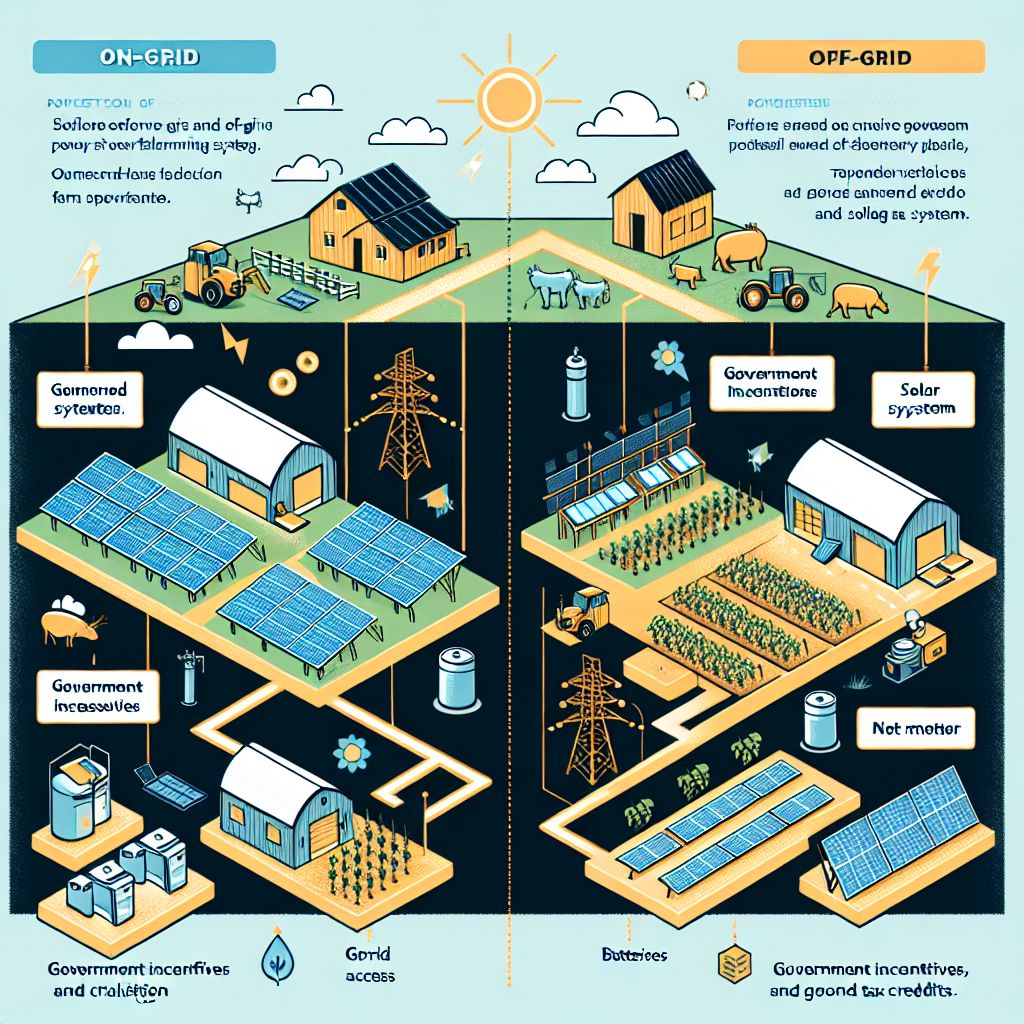
Conclusion
In conclusion, choosing between on-grid and off-grid solar power systems depends on various factors, including the farm’s energy needs, location, budget, and sustainability goals. By understanding the benefits and challenges of each system, farmers can make informed decisions that align with their objectives.
Go Over Key Points
On-grid systems offer cost savings and reliability through net metering, making them suitable for farms with grid access. Off-grid systems provide energy independence and are ideal for remote locations. Government incentives and tax credits can significantly reduce the cost of solar installation, enhancing the financial viability of solar projects.
Off-Grid vs On-Grid Solar Power: Which is Better for the Farmer
Ultimately, the best choice depends on the farm’s unique circumstances. On-grid systems are advantageous for farms with reliable grid access, while off-grid systems offer autonomy for remote locations. By carefully evaluating their needs and resources, farmers can select the most suitable solar power solution for their operations. For more insights, discover how solar panels increase the efficiency of a farm.
Frequently Asked Questions
To further assist farmers in making informed decisions, here are some frequently asked questions about solar power systems for farms.
What factors should I consider before choosing between off-grid vs On-grid solar power?
Consider factors such as energy needs, location, budget, grid access, and sustainability goals. These elements will help determine the most suitable solar power system for your farm.
How do on-grid and off-grid systems work differently for farms?
On-grid systems connect to the public electricity grid, allowing for net metering and cost savings. Off-grid systems operate independently, relying on battery storage for energy supply.
Are there financial incentives available for farmers switching to solar?
Yes, many regions offer government incentives and tax credits to support solar adoption. These programs can significantly reduce the cost of solar installation and enhance the financial viability of solar projects.
Can solar power supply enough energy for large farm operations?
Yes, solar power can meet the energy needs of large farm operations, especially when combined with other renewable energy sources or backup systems.
How do I determine the size of the solar system my farm needs?
Evaluate your farm’s energy consumption and future needs to determine the appropriate size of the solar system. Consulting with solar experts can provide valuable insights and recommendations.

Leave a Reply