
Key Takeaways
- Solar panels can significantly reduce energy costs on farms, with potential savings of up to 70% on electricity bills.
- Initial investment for solar panel installation on farms ranges from $10,000 to $50,000, but financial incentives can reduce these costs.
- Solar panels provide energy independence, allowing farmers to operate off-grid and reduce reliance on fossil fuels.
- Installing solar panels helps decrease the farm’s carbon footprint, promoting environmental sustainability.
- Farmers can earn additional income by selling excess electricity back to the grid through net metering programs.
The Impact of Solar Panels in Farming
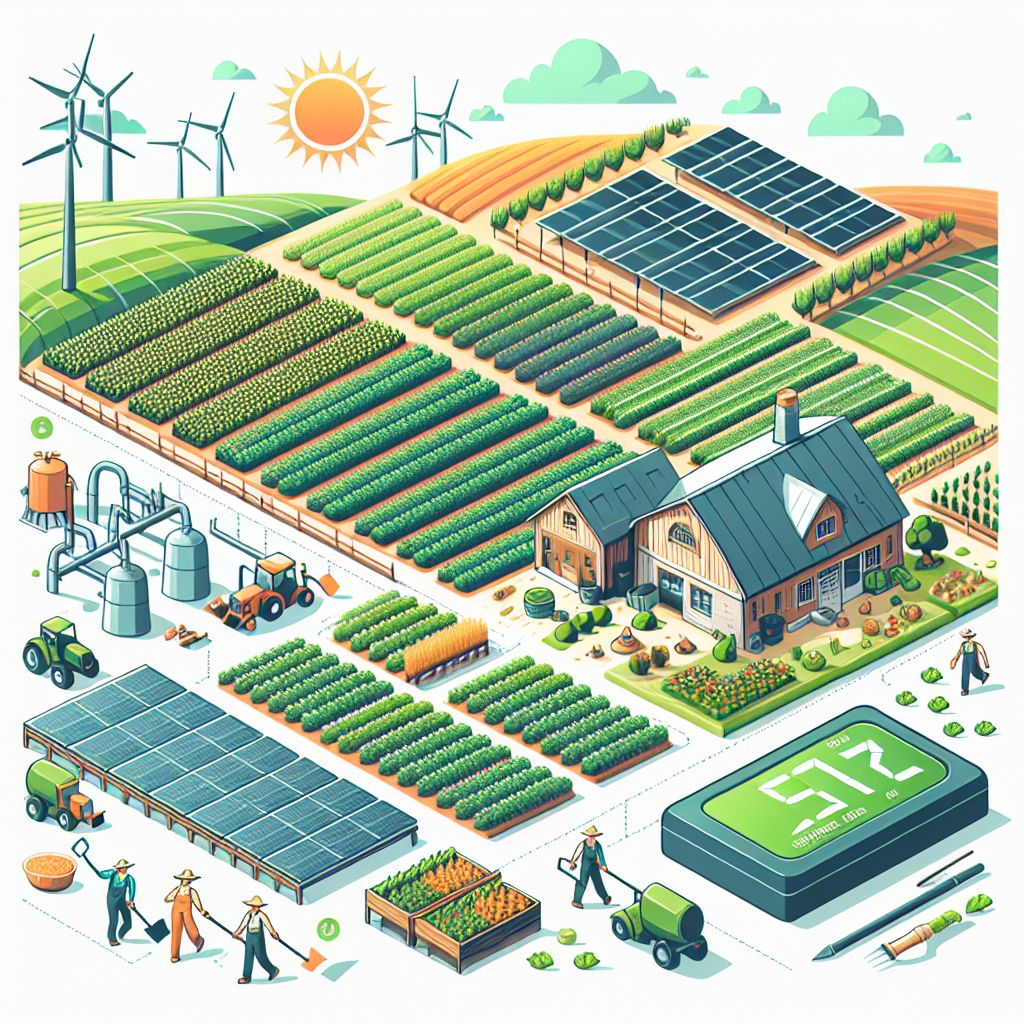
Solar panels are transforming the agricultural landscape by offering a sustainable and cost-effective energy solution. For farmers, harnessing the power of the sun can mean lower electricity bills, increased energy independence, and a reduced carbon footprint. But why exactly are solar panels so important for farms?
Why Solar Panels Matter for Farms
Farms require a substantial amount of energy to operate machinery, power irrigation systems, and maintain lighting and temperature control for livestock. Traditionally, this energy comes from non-renewable sources, which are not only expensive but also harmful to the environment. By switching to solar energy, farms can tap into a renewable resource that reduces energy costs and environmental impact.
Beyond cost savings, solar panels provide a reliable energy source that is less susceptible to market fluctuations and supply chain disruptions. This stability is crucial for farmers who depend on consistent power to maintain operations and protect their livelihoods.
Immediate and Long-Term Benefits
When it comes to benefits, solar panels offer both immediate and long-term advantages for farms. Immediately, farmers can see a reduction in their electricity bills. Over time, the savings accumulate, often covering the initial investment within a few years.
In the long term, solar panels increase a farm’s value by making it more self-sufficient and less dependent on external energy sources. This energy independence is particularly beneficial in remote areas where access to the grid is limited or unreliable.
Environmental and Economic Impact
Switching to solar energy isn’t just about saving money; it’s also about making a positive impact on the environment. Solar panels generate electricity without emitting greenhouse gases, reducing a farm’s carbon footprint significantly. This shift supports global efforts to combat climate change and promotes sustainable farming practices.
Economically, solar panels can open up new revenue streams for farmers. By participating in net metering programs, they can sell excess electricity back to the grid, generating additional income. This financial incentive, combined with reduced energy costs, makes solar panels a smart investment for the future.
Evaluating the Feasibility of Solar Panels
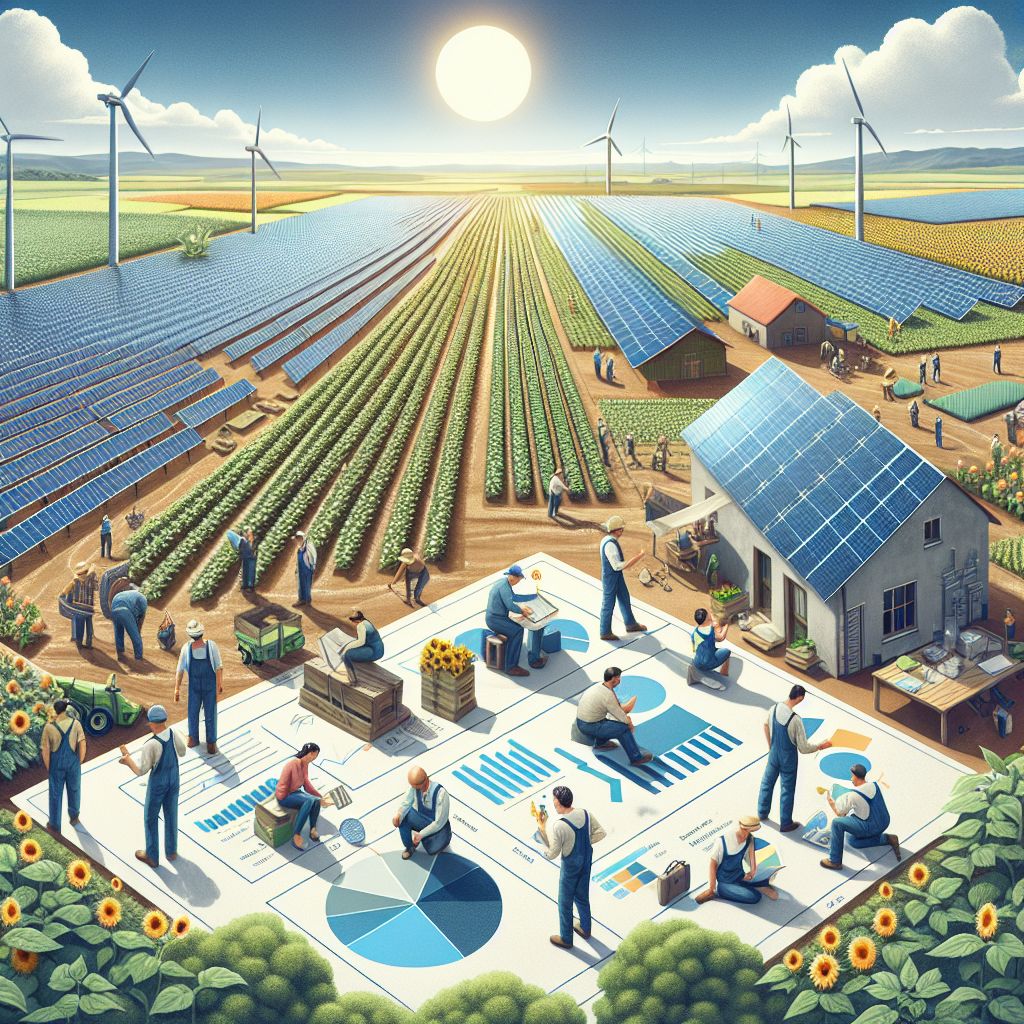
Before diving into solar energy, it’s essential for farmers to evaluate the feasibility of installing solar panels on their land. This involves assessing the initial investment, understanding available financial incentives, and ensuring the farm’s site meets technical requirements for solar installation.
Initial Investment and Cost-Benefit Analysis
The initial cost of installing solar panels on a farm can range from $10,000 to $50,000, depending on the size and scope of the project. While this may seem like a hefty investment, it’s crucial to consider the long-term savings and benefits. Conducting a cost-benefit analysis can help farmers determine the return on investment and make informed decisions.
Available Financial Incentives and Programs
Fortunately, there are numerous financial incentives available to help offset the initial costs of solar panel installation. These include federal tax credits, state rebates, and grants specifically designed for agricultural operations. Farmers should explore these options to reduce the financial burden and make solar energy more accessible.
Additionally, some regions offer low-interest loans and financing programs that allow farmers to pay for solar panels over time. This can make the transition to solar energy more manageable and less daunting.
Technical Requirements and Site Assessment
Before installing solar panels, it’s crucial to assess the farm’s site to ensure it meets technical requirements. This includes evaluating the amount of sunlight the location receives, the orientation and tilt of the panels, and any potential shading from trees or buildings.
Working with a solar energy expert can help farmers conduct a thorough site assessment and design a system that maximizes energy production. By doing so, farmers can ensure their solar panels operate efficiently and deliver the expected benefits.
Benefits of Adopting Solar Panels on Farms
Adopting solar panels on farms comes with a multitude of benefits that extend beyond simple cost savings. These benefits impact the farm’s financial health, operational efficiency, and environmental sustainability. For instance, understanding the benefits of monocrystalline solar panels can help boost farm efficiency and productivity. Let’s delve deeper into these advantages.
First and foremost, solar panels can significantly reduce energy costs. With the sun as a free and inexhaustible resource, farmers can cut down on their electricity bills, which can be a substantial expense, especially for large-scale operations. Over time, the savings can be substantial, often paying back the initial investment within a few years.
Cost Savings and Economic Advantages
- Electricity bills can be reduced by up to 70%, depending on the size of the solar installation and the farm’s energy consumption.
- Participation in net metering programs allows farmers to sell excess electricity back to the grid, creating an additional revenue stream.
- Solar panels increase the overall value of the farm, making it more attractive to potential buyers or investors.
These economic advantages are not just theoretical. For example, a dairy farm in California reported a 60% reduction in energy costs after installing solar panels. The savings allowed the farm to invest in other areas of their operation, such as upgrading equipment and improving animal welfare.
Moreover, with the rising costs of fossil fuels and electricity, having a stable and predictable energy source like solar can protect farmers from volatile market conditions. This financial stability is crucial for long-term planning and investment.
Energy Independence and Reliability
One of the most compelling reasons to adopt solar panels is the energy independence they offer. By generating their own electricity, farmers are less reliant on external power sources, which can be unpredictable and subject to outages. This reliability is especially important for farms in remote areas where grid access is limited.
Furthermore, solar panels can be paired with battery storage systems to provide power even when the sun isn’t shining. This ensures a consistent energy supply, allowing farm operations to continue uninterrupted.
Reducing Carbon Footprint
In addition to economic benefits, solar panels play a crucial role in reducing a farm’s carbon footprint. By generating clean energy, solar panels eliminate the need for fossil fuels, which are a major source of greenhouse gas emissions.
For instance, a typical 10 kW solar panel system can offset approximately 10,000 pounds of carbon dioxide annually. This reduction contributes to global efforts to combat climate change and supports sustainable agricultural practices.
By adopting solar energy, farmers not only contribute to environmental conservation but also enhance their farm’s reputation as an eco-friendly operation. This can attract environmentally conscious consumers and partners, further boosting the farm’s market appeal.

Powering Farm Operations with Solar Energy
Solar panels have the potential to power a wide range of farm operations, from machinery to irrigation systems. This versatility makes them an ideal solution for farmers looking to optimize their energy use and reduce costs.
Let’s explore how solar energy can be applied to various aspects of farm operations.
Sustainable Energy for Farm Machinery
Farm machinery, such as tractors and harvesters, requires significant energy to operate. By using solar energy, farmers can power these machines sustainably, reducing their reliance on diesel or gasoline.
Solar-powered machinery not only lowers fuel costs but also decreases emissions, contributing to a cleaner and more sustainable farming operation. For farmers considering this transition, exploring the benefits of solar panels for farm operations can provide valuable insights.
Optimizing Irrigation Systems
Irrigation is a critical component of farming, and it often accounts for a large portion of a farm’s energy consumption. Solar panels can power irrigation pumps, providing a consistent and reliable water supply without the high energy costs associated with traditional methods.
In addition to cost savings, solar-powered irrigation systems are more environmentally friendly, reducing the farm’s overall water and energy footprint.
Enhancing Animal Welfare Through Sustainable Energy
Animal welfare is a top priority for many farmers, and solar energy can play a role in enhancing the living conditions of livestock. By powering ventilation, heating, and cooling systems, solar panels help maintain optimal conditions for animal health and productivity.
For example, a poultry farm in Texas installed solar panels to power its ventilation system, resulting in improved air quality and reduced energy costs. The farm reported healthier birds and increased egg production, demonstrating the tangible benefits of solar energy.
Powering the Farm’s Living Quarters
Beyond agricultural operations, solar panels can also provide energy for the farm’s living quarters. This includes powering lights, appliances, and heating systems in homes and worker accommodations.
By using solar energy for residential purposes, farmers can further reduce their energy costs and create a more sustainable living environment for themselves and their workers.
Powering Farm Operations with Solar Energy: Applications and Benefits
|
Farm Operation Area |
Solar Energy Application |
Key Benefits |
Example/Outcome |
|---|---|---|---|
|
Machinery & Equipment |
Charging electric tractors, harvesters, and tools |
Cuts fuel costs, reduces emissions, supports energy independence |
Lower operational costs, reduced reliance on diesel/gasoline |
|
Irrigation Systems |
Powering pumps for wells, reservoirs, and fields |
Ensures reliable water supply, reduces energy costs, supports remote/off-grid operations |
Consistent water for crops/animals, improved pasture quality, less labor required. 1, 2 |
|
Animal Welfare |
Powering ventilation, heating/cooling, lighting |
Improves animal comfort, reduces heat stress, stabilizes temperatures, enhances productivity |
Healthier livestock, increased milk/egg production, reduced veterinary costs. 2 |
|
Shade Provision |
Panels installed over pastures or animal areas |
Reduces heat stress, creates microclimates, extends grazing time |
Cooler animals, higher feed intake, better weight gain, improved welfare. 1, 2 |
|
Water Supply |
Solar-powered water pumping/distribution |
Reliable water access, especially in remote or drought-prone areas |
Hydrated livestock, improved animal health, less manual labor. 1, 2 |
|
Security & Fencing |
Powering electric fences, cameras, alarms |
Maintains perimeter security, deters predators, prevents escapes |
Continuous operation even during grid outages, safer livestock. 2 |
|
Living Quarters |
Powering homes, worker accommodations |
Reduces residential energy costs, supports lighting, appliances, heating/cooling |
Sustainable, comfortable living environment for farm families and workers |
|
Land Use Optimization |
Agrivoltaics (dual-use: crops/livestock + solar) |
Increases land efficiency, supports biodiversity, generates extra income |
Grazing under panels, selling excess power, improved soil moisture. 1, 2 |
Highlights
- Solar panels offer a versatile, sustainable power source for nearly all farm operations, from running machinery and irrigation to improving animal welfare and powering living quarters.
- Shade from solar panels directly benefits livestock by reducing heat stress, improving comfort, and boosting productivity, while solar-powered ventilation and water systems further enhance animal health. 1, 2
- Solar-powered irrigation and water pumps ensure consistent water supply, especially valuable in remote or drought-prone locations. 1, 2
- Integrating solar energy reduces operational costs, reliance on fossil fuels, and environmental impact, while government incentives can help offset installation expenses. 2
- Agrivoltaic systems allow for dual land use, combining energy generation with grazing or crop production, maximizing farm resources. 1, 2
Solar energy’s adaptability makes it an ideal solution for modern farms seeking to improve efficiency, animal welfare, and sustainability across all aspects of their operations12.

Overcoming Challenges in Solar Panel Implementation
While the benefits of solar panels are clear, there are challenges that farmers may face during implementation. However, with careful planning and the right support, these challenges can be overcome. For instance, exploring the best solar panels for farm power can provide farmers with the information they need to make informed decisions.
Common Challenges and Solutions
One common challenge is the initial cost of installation. While the long-term savings are significant, the upfront investment can be a barrier for some farmers. To address this, farmers should explore available financial incentives, such as tax credits and grants, to reduce costs.
Another challenge is ensuring the solar panels are installed correctly and efficiently. Working with experienced solar energy providers can help farmers design and implement a system that meets their specific needs and maximizes energy production.
Maintenance is also a consideration, as solar panels require regular cleaning and inspection to ensure optimal performance. However, with proper care, solar panels can last for decades, providing a reliable and sustainable energy source for years to come.
Maintenance and Longevity of Solar Panels
Maintaining solar panels is crucial to ensure their longevity and efficiency. Regular cleaning to remove dust, dirt, and debris is essential. This maintenance helps maximize sunlight absorption and energy production. Additionally, routine inspections by a professional can identify any potential issues before they become significant problems.
Solar panels are designed to withstand various weather conditions, but periodic checks are necessary to ensure they remain in optimal condition. This proactive approach can extend the life of solar panels beyond their typical 25-30 year lifespan, providing consistent energy savings and environmental benefits.
Integration with Existing Farm Systems
Integrating solar panels with existing farm systems requires careful planning and execution. Farmers must assess how solar energy can complement their current operations, whether it’s powering machinery, irrigation, or residential areas. This integration ensures that solar panels contribute to the farm’s overall efficiency and sustainability.
To successfully integrate solar energy, farmers should work with solar energy experts who can design systems tailored to their specific needs. These professionals can help identify the best locations for solar panel installation, ensuring maximum energy production and minimal disruption to existing operations.
By seamlessly integrating solar panels with existing systems, farmers can optimize their energy use, reduce costs, and enhance their farm’s sustainability. This holistic approach ensures that solar energy becomes an integral part of the farm’s operations, contributing to its long-term success.
The Future for Solar Energy is Bright
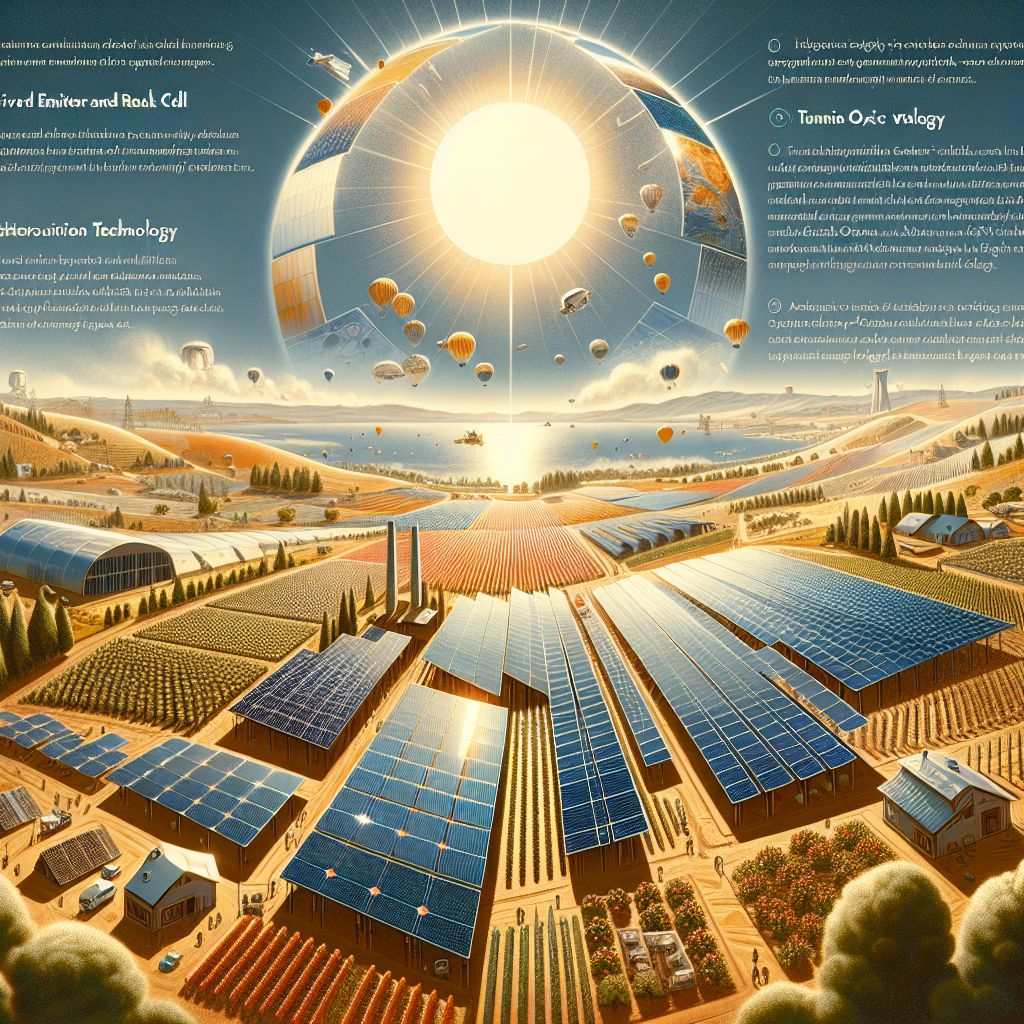
The future of solar energy in agriculture looks promising, with advancements in technology and increased adoption driving its growth. New developments in solar panel technology promise even greater efficiency and cost savings for farmers, making solar energy an increasingly attractive option.
PERC Solar Panels
PERC (Passivated Emitter and Rear Cell) solar panels represent a significant advancement in solar technology. These panels feature an additional layer on the rear side, which enhances light capture and increases energy efficiency. PERC panels are known for their superior performance in low-light conditions, making them ideal for farms in regions with variable weather.
Because of their enhanced efficiency, PERC panels can generate more electricity from the same amount of sunlight compared to traditional panels. This means farmers can achieve greater energy savings and a quicker return on their investment.
Furthermore, PERC panels are relatively easy to integrate with existing systems, offering farmers a seamless transition to more advanced solar technology.
Example: A vineyard in Oregon installed PERC solar panels and reported a 20% increase in energy production, allowing them to power additional equipment and reduce overall energy costs.
TOPCon Solar Panels
TOPCon (Tunnel Oxide Passivated Contact) solar panels are another innovative technology that offers improved efficiency and performance. These panels use a special contact layer to reduce energy loss and increase electricity generation. To learn more about how solar panels can enhance sustainability on farms, visit Enhancing Sustainability on Farms Through Solar.
TOPCon panels are particularly beneficial for farms with limited space for solar installations, as they can produce more energy from a smaller footprint. This makes them an excellent choice for maximizing energy production on farms with space constraints.
Farmers looking to adopt TOPCon technology should consider the following:
- Evaluate the available space for solar panel installation and determine the potential energy output.
- Consult with a solar energy expert to design a system that optimizes energy production and integrates with existing operations.
- Consider the long-term benefits and potential cost savings of upgrading to TOPCon panels.
HJT Solar Panels
HJT (Heterojunction Technology) solar panels combine the best features of crystalline silicon and thin-film technologies. These panels offer high efficiency, durability, and excellent performance in various weather conditions. For more information on how farmers can benefit from solar panels, explore the advantages they bring to farm operations.
HJT panels are known for their low-temperature coefficient, meaning they maintain high efficiency even in hot climates. This makes them ideal for farms in regions with high temperatures, where traditional panels may experience reduced performance. Farmers in these areas might also consider exploring thin-film solar panels as an alternative solution.
The Future for Solar Energy is Bright: Key Technologies for Agriculture
|
Technology |
Efficiency & Performance |
Key Benefits for Farms |
Ideal Use Cases |
Real-World Impact/Examples |
|---|---|---|---|---|
|
PERC |
– Generates more electricity from same sunlight |
Farms with variable weather, limited space, or high energy needs |
20–40% energy savings, increased crop yields, quick ROI; e.g., dairy farm in California saw 40% lower energy bills. 1 | |
|
TOPCon |
Very high efficiency, reduced energy loss. 2 |
– Maximizes output from small footprint |
Farms with limited space, indoor/urban farms, high-tech operations |
Enables vertical farming, stable food supply, up to 90% water savings, job creation in agri-tech. 2 |
|
HJT |
World-leading efficiency (up to 23.9%), durable, performs well in heat. 3 |
– High efficiency in all climates |
Farms in hot regions, large-scale or rooftop installations |
Recognized as top-performing technology, lowering costs and boosting farm resilience. 3 |
Summary of Advancements
- PERC panels: Offer farmers a practical, high-efficiency upgrade over traditional panels. They are especially effective in low-light or cloudy conditions, helping maintain steady farm operations and reducing energy bills. Their adaptability and eligibility for incentives make them a strong investment for most farms. 1, 4
- TOPCon panels: Push the boundaries of efficiency and are ideal for maximizing output where space is limited. They are particularly transformative for indoor and urban farming, enabling consistent, year-round production and significant resource savings. 2
- HJT panels: Stand out for their combination of high efficiency, durability, and strong performance in hot climates. As manufacturing scales, their cost-effectiveness improves, making them increasingly attractive for both large and small farm installations. 3
Looking Ahead
Advancements in solar panel technology—especially PERC, TOPCon, and HJT—are driving a new era of sustainable, efficient, and profitable agriculture. These technologies empower farmers to:
- Lower operational costs and increase energy independence
- Boost productivity and crop yields through reliable, clean energy
- Adapt to climate challenges and market demands for sustainable practices
As adoption grows and costs decline, solar energy will play an ever more central role in powering the farms of the future.
Conclusion
Solar panels offer a viable and sustainable energy solution for farms, providing significant cost savings, energy independence, and environmental benefits. By carefully evaluating the feasibility and integrating solar energy with existing operations, farmers can optimize their energy use and contribute to a more sustainable future.
Is Using Solar Panels to Run a Farm’s Operations Sustainable?
Yes, using solar panels to power farm operations is not only sustainable but also economically advantageous. The transition to solar energy reduces reliance on non-renewable resources, decreases carbon emissions, and provides a stable and predictable energy source. For more insights on why farmers should consider using solar panels, you can explore further details.
As technology advances, solar panels continue to offer greater efficiency and cost savings, making them an increasingly attractive option for farmers. By adopting solar energy, farmers can enhance their operations’ sustainability and resilience in the face of changing environmental and economic conditions.
Frequently Asked Questions (FAQ)
Many farmers have questions about the feasibility and benefits of solar panels. For more information, you can explore why farmers should consider using solar panels for their operations. Here are some common inquiries and their answers:
How do solar panels save money on energy costs?
Solar panels generate electricity from sunlight, reducing the need to purchase power from the grid. This can lead to significant savings on electricity bills, with some farms reducing costs by up to 70%. To explore the best options for solar panels, you can check out the best solar panels for farm power.
Additionally, participating in net metering programs allows farmers to sell excess electricity back to the grid, generating additional income.
Example: A grain farm in Iowa reported annual savings of $15,000 on electricity costs after installing solar panels, allowing them to reinvest in their operations.
What are the environmental benefits of solar panels on farms?
Solar panels reduce a farm’s carbon footprint by generating clean energy without emitting greenhouse gases. This shift supports efforts to combat climate change and promotes sustainable farming practices.
Can solar panels provide enough power for all farm operations?
Yes, solar panels can be designed to meet the specific energy needs of a farm. By assessing the farm’s energy consumption and installing an appropriately sized solar system, farmers can ensure they have enough power for their operations. For more details, you can explore the benefits of using solar panels for farm operations.
What is the typical payback period for solar panel investments on farms?
The payback period for solar panel investments varies based on the size of the installation, available financial incentives, and energy savings. On average, farms can expect a payback period of 5 to 10 years. For more information on how solar energy can enhance sustainability on farms, visit 8MSolar.
With advancements in technology and available incentives, the payback period is becoming shorter, making solar energy an increasingly attractive investment.
Are there financial programs to help farmers install solar panels?
Yes, there are numerous financial programs available to assist farmers in installing solar panels. These include federal tax credits, state rebates, and grants specifically designed for agricultural operations.
Farmers should explore these options to reduce the initial investment costs and make the transition to solar energy more accessible. Additionally, some regions offer low-interest loans and financing programs to help farmers pay for solar installations over time.
Solar panels have become a viable option for farmers looking to reduce energy costs and increase sustainability. By harnessing the power of the sun, farmers can generate electricity to power various farm operations, from irrigation systems to livestock facilities. This renewable energy source not only helps in cutting down utility bills but also reduces the carbon footprint of agricultural activities. For those interested in exploring different types of solar panels suitable for farm use, it’s important to consider factors such as efficiency, durability, and cost-effectiveness.







Leave a Reply