
Key Takeaways
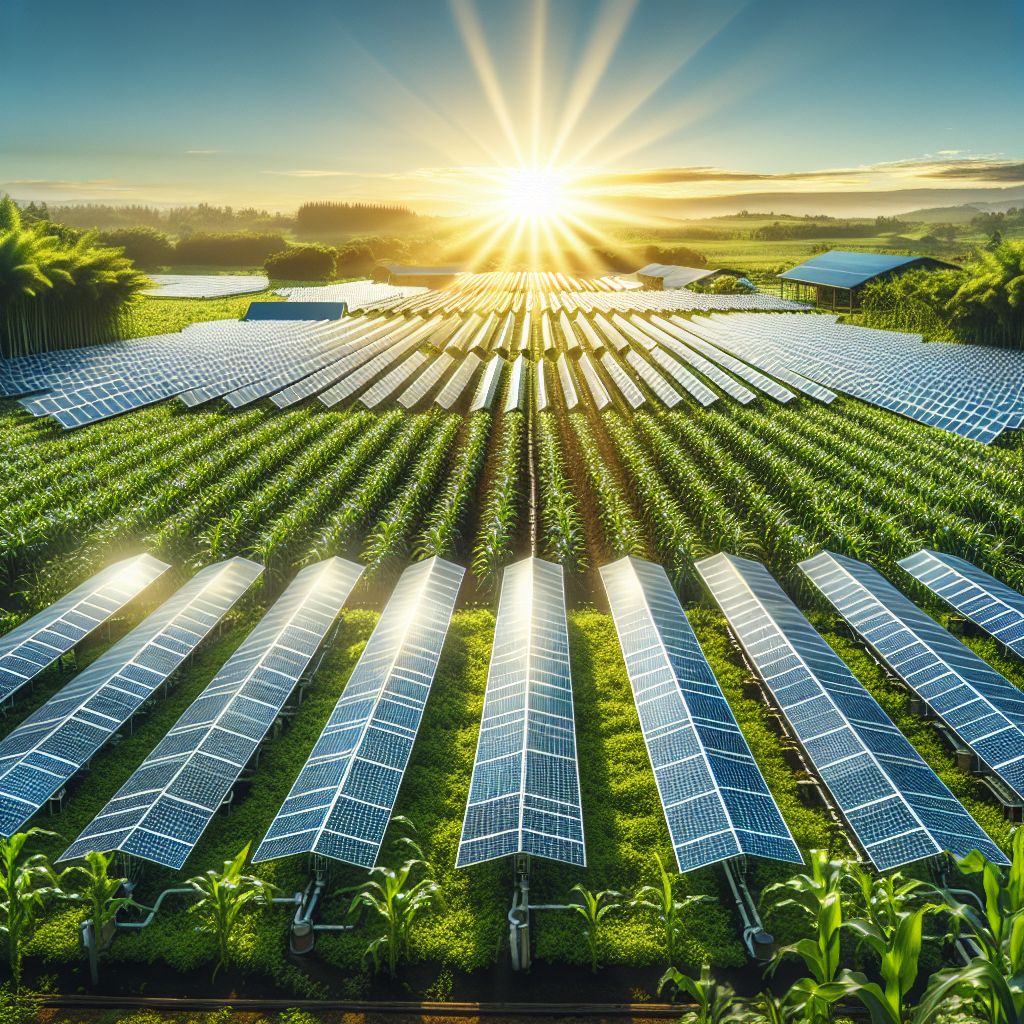
- PERC solar panels are more efficient, capturing more sunlight and converting it into energy, which is crucial for maximizing farm output.
- They include a passivation layer that enhances the performance of traditional silicon solar panels.
- Farmers can significantly reduce energy costs and qualify for government incentives by using PERC solar panels.
- PERC panels are environmentally friendly, helping reduce the carbon footprint and promoting sustainable farming practices.
- These panels perform well in low-light conditions, ensuring consistent energy production regardless of weather.
PERC Solar Panels: A Game Changer for Farmers
Imagine a world where your farm is not only self-sufficient in energy but also contributes positively to the environment. This is possible with PERC solar panels. As farms seek sustainable energy solutions, PERC (Passivated Emitter and Rear Contact) technology emerges as a standout option. These panels are transforming how farmers power their operations, making them more efficient and environmentally friendly.
What Makes PERC Solar Panels Effective for Farms
First and foremost, PERC solar panels are known for their high efficiency. They capture more sunlight than traditional panels, which means they can generate more electricity. This is particularly important for farms, where maximizing energy output is crucial.
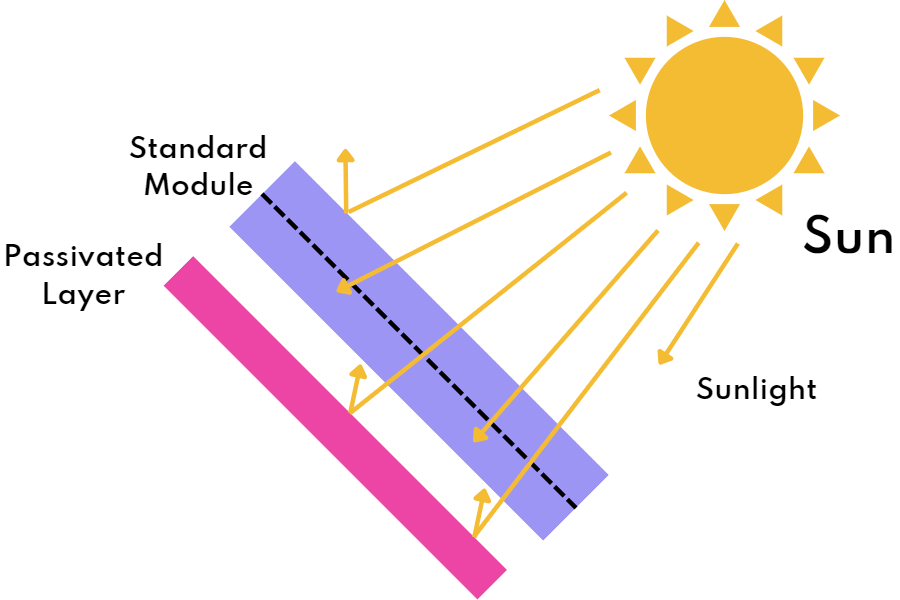
The secret behind this efficiency lies in the technology itself. PERC panels feature a special passivation layer that improves the performance of standard silicon solar cells. This layer reduces electron recombination, which in turn increases the amount of sunlight converted into electricity. As a result, farms can produce more energy from the same amount of sunlight.
Sustainability and Savings for Farmers
“PERC solar panels offer a powerful solution for farmers seeking to embrace renewable energy and enhance their operations. With their high efficiency, durability, and adaptability, these panels can provide significant energy savings and support sustainable farming practices.”
By adopting PERC solar panels, farmers can significantly cut down on their energy costs. This is because these panels reduce reliance on grid electricity, which can be expensive. Moreover, governments often offer incentives such as tax credits, grants, and rebates for installing solar panels. These incentives can help offset the initial costs of installing PERC panels, making the investment more financially viable.
Besides that, using PERC solar panels helps farmers minimize their carbon footprint. By harnessing renewable energy, farms can decrease their reliance on fossil fuels, which is beneficial for the environment and supports the long-term sustainability of farming.
PERC Solar Panels Technology Explained
Understanding the technology behind PERC solar panels is crucial for making informed decisions about their implementation on farms. The key component of these panels is the passivation layer, which plays a vital role in enhancing their efficiency.
The Passivation Layer: How It Works
The passivation layer in PERC solar panels serves as an additional coating on the rear side of the solar cells. This layer reduces electron recombination, a process where electrons lose energy and convert back to their original state. By minimizing this recombination, the passivation layer allows more electrons to contribute to electricity generation, thereby improving the overall efficiency of the solar panel.
Advantages Over Traditional Solar Panels
When compared to traditional solar panels, PERC panels offer several advantages. They are not only more efficient but also more adaptable to various environmental conditions. For instance, PERC panels perform better in low-light conditions, such as cloudy or rainy weather. This ensures consistent energy production, which is essential for farms that rely heavily on solar energy.
Efficiency in Low-Light Environments
One of the standout features of PERC solar panels is their ability to maintain high efficiency even in low-light environments. This is a significant advantage for farms located in regions with less sunlight or frequent cloudy days. By ensuring consistent energy production, PERC panels help farmers maintain a steady power supply for their operations, regardless of weather conditions.

Benefits of Using PERC Solar Panels on Farms Over Other Solar Panels
PERC solar panels offer a range of benefits that make them an attractive option for farmers looking to enhance their operations. From reducing energy costs to boosting crop production, these panels provide a comprehensive solution for modern agricultural needs.
Reducing Energy Costs
One of the most significant advantages of PERC solar panels is their potential to lower energy costs. By generating more electricity from the same amount of sunlight, these panels reduce the need for grid electricity. This translates into substantial savings on energy bills, which can be redirected to other essential areas of farm operations.
For example, a farm that previously relied heavily on grid electricity for irrigation and lighting can cut its energy expenses by up to 30% by switching to PERC solar panels. This reduction in energy costs not only boosts the farm’s profitability but also enhances its sustainability.
Minimizing Carbon Footprint
Another crucial benefit of PERC solar panels is their ability to minimize a farm’s carbon footprint. By harnessing renewable energy, farmers can significantly decrease their reliance on fossil fuels, which are a major contributor to greenhouse gas emissions. This shift to cleaner energy sources aligns with global efforts to combat climate change and promotes sustainable farming practices.
Moreover, many consumers today are more conscious of the environmental impact of the products they purchase. By adopting PERC solar panels, farmers can market their produce as environmentally friendly, potentially attracting more customers and increasing sales.
Boosting Crop Production with Consistent Energy
PERC solar panels ensure a consistent energy supply, which is vital for various farm operations. Whether it’s powering irrigation systems, heating greenhouses, or running farm machinery, a reliable energy source is essential for maintaining optimal production levels.
For instance, a farm using PERC solar panels can maintain its irrigation systems even during cloudy days, ensuring crops receive the necessary water for growth. This consistency in energy supply can lead to improved crop yields and better overall farm productivity. Learn more about how solar panels boost farm’s irrigation system efficiency.
Eligibility for Government Incentives
Installing PERC solar panels can also make farmers eligible for various government incentives. These incentives often include tax credits, grants, and rebates designed to encourage the adoption of renewable energy solutions. By taking advantage of these programs, farmers can offset the initial costs of installing PERC panels, making the investment more financially viable.
It’s essential for farmers to research and understand the specific incentives available in their region, as these can vary widely. Consulting with a renewable energy expert or a local government agency can provide valuable insights into maximizing these opportunities.
Below is a detailed comparison table highlighting the advantages of PERC solar panels over other types of solar panels, specifically for agricultural applications:
|
Feature |
PERC Solar Panels |
Traditional Panels (Monocrystalline/Polycrystalline) |
|---|---|---|
|
Efficiency |
About 1% higher efficiency, leading to up to 5% more energy production for a full PV system. 1, 5 |
Lower efficiency, resulting in less energy output. 5 |
|
Low-Light Performance |
Enhanced performance in low-light conditions, ideal for overcast days or early mornings. 2, 3, 5 |
Less efficient in low-light environments. 3 |
|
High-Heat Performance |
Better tolerance to high temperatures, maintaining efficiency during hot summers. 2, 3, 5 |
Efficiency decreases significantly in high temperatures. 3 |
|
Space Efficiency |
Requires fewer panels for the same output due to higher efficiency, reducing land or roof footprint. 1, 5 | |
|
Durability |
Longer lifespan due to the passivation layer, reducing maintenance and replacement costs. 2, 5 |
Standard durability with no additional protective features. 5 |
|
Cost-effectiveness |
Higher upfront cost but better long-term savings due to reduced balance-of-system (BOS) costs. 5 |
Lower initial cost but higher BOS costs due to more panels and components needed. 5 |
|
Energy Production |
Consistent energy yield in suboptimal conditions like varying weather or climates. 1, 2, 3 |
Lower energy production in challenging conditions. 3 |
|
Agricultural Integration |
Suitable for agrivoltaic systems, enabling dual use of land for crop production and energy generation. 1, 2 |
Less optimal for agrivoltaic applications due to lower efficiency and space requirements. 1 |
|
Environmental Impact |
Reduces carbon footprint and aligns with sustainable farming practices. 1, 2 |
Moderate environmental benefits with less focus on sustainability. 1, 2 |
Key Advantages for Farmers:
- Enhanced Energy Production: PERC panels generate more electricity from the same sunlight, ensuring reliable power for farm operations like irrigation systems and machinery. 1, 2
- Space Optimization: Their higher efficiency allows farmers to install smaller arrays, saving valuable land or roof space for other uses. 1, 5
- Adaptability: Superior performance in varied climates ensures consistent operation regardless of weather conditions, which is crucial for farms in regions with unpredictable sunlight exposure or high heat. 2, 3
- Long-Term Savings: Reduced need for replacements and lower BOS costs make PERC panels a financially sound investment over time despite slightly higher upfront costs. 5
- Sustainability: By reducing reliance on fossil fuels and lowering carbon emissions, PERC panels contribute to environmentally friendly farming practices. 1, 2
These benefits make PERC solar panels an excellent choice for farmers seeking efficient, durable, and sustainable energy solutions tailored to agricultural needs.

Practical Implementation of PERC Solar Panels
Implementing PERC solar panels on a farm requires careful planning and consideration. From selecting the right panels to ensuring proper installation, each step plays a crucial role in maximizing the benefits of this technology. For more insights, consider reading about how solar panels can increase farm efficiency.
To help farmers navigate this process, we’ve outlined some key steps and tips for implementing PERC solar panels effectively.
Steps to Installing PERC Panels
The first step in installing PERC solar panels is to conduct a thorough assessment of the farm’s energy needs. This involves evaluating current energy consumption patterns and identifying areas where solar power can provide the most benefits.
Next, it’s essential to select the right panels and equipment. Working with a reputable solar provider can ensure that farmers receive high-quality products and expert guidance throughout the installation process. Once the equipment is selected, the next step is to install the panels, ensuring they are positioned to capture maximum sunlight.
Maintenance Tips for Longevity
Proper maintenance is crucial for ensuring the longevity and efficiency of PERC solar panels. Regular cleaning of the panels is essential to remove dust and debris that can reduce their efficiency. Additionally, it’s important to inspect the panels and associated equipment periodically for any signs of damage or wear.
Choosing the Right Configuration for Your Farm
Choosing the right configuration for PERC solar panels depends on various factors, including the farm’s location, size, and energy needs. For smaller farms, a rooftop installation might be sufficient, while larger operations may benefit from ground-mounted systems.
Consulting with a solar energy expert can provide valuable insights into the best configuration for a specific farm. By considering factors such as sun exposure, shading, and available space, farmers can design a solar system that maximizes energy production and efficiency.
Real-World Impact: Stories from Farmers Using PERC Solar Panels
To truly understand the impact of PERC solar panels, it’s helpful to look at real-world examples of farmers who have successfully implemented this technology. These stories highlight the transformative power of PERC panels and offer valuable insights for others considering this renewable energy solution.
Case Studies of Successful Implementation
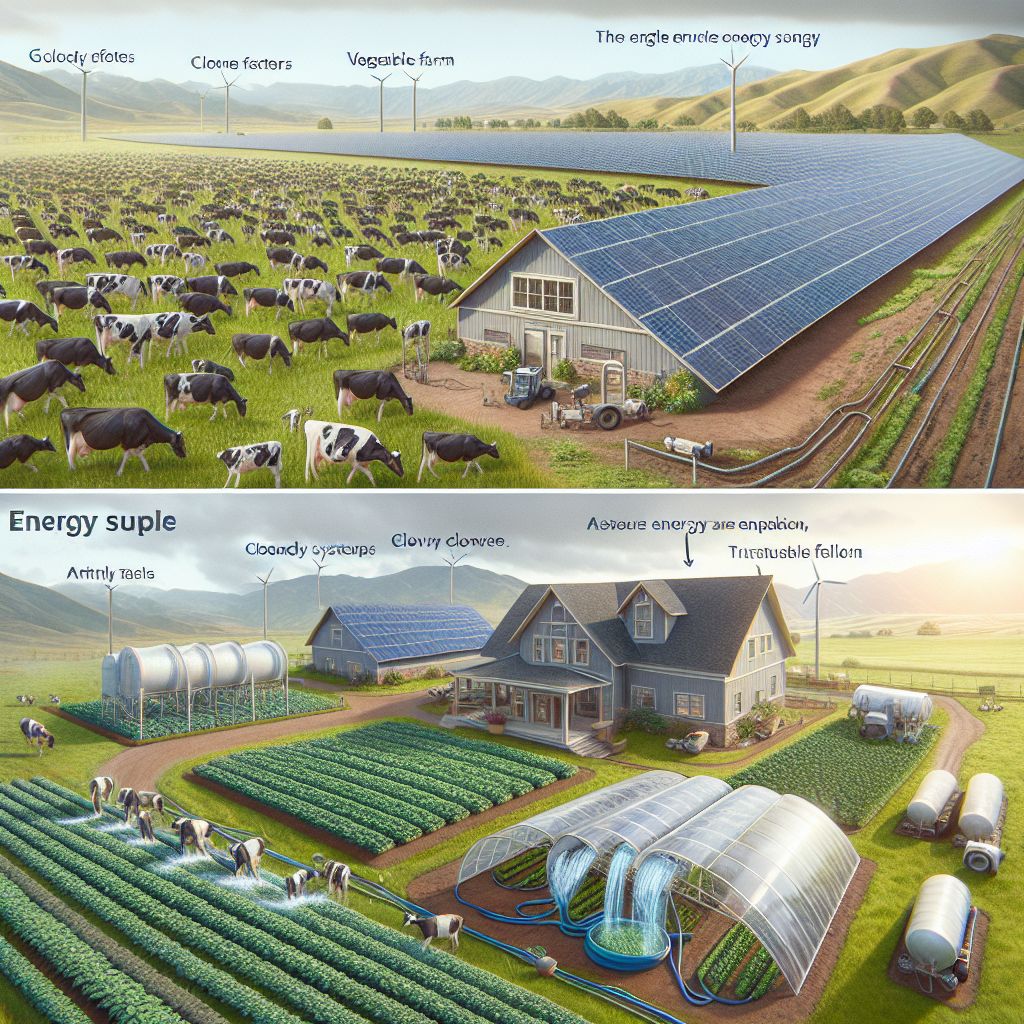
One inspiring example comes from a dairy farm in California. Facing rising energy costs and a desire to reduce their environmental impact, the farm owners decided to install PERC solar panels. Within the first year, they saw a 40% reduction in their energy bills, allowing them to reinvest those savings into expanding their operations.
Another example is a vegetable farm in the Midwest that struggled with inconsistent energy supply due to frequent cloudy days. By adopting PERC solar panels, the farm achieved a steady energy flow, ensuring their irrigation systems and greenhouses remained operational year-round. This led to a 20% increase in crop yields, significantly boosting the farm’s profitability.
Challenges Faced and Overcome
While PERC solar panels offer numerous benefits, farmers may face challenges during implementation. One common issue is the initial cost of installation. Although government incentives can help offset these expenses, the upfront investment can still be significant. To overcome this, farmers can explore financing options or partnerships with solar energy companies to reduce initial costs.
Another challenge is ensuring the panels are installed correctly and maintained properly. Without proper installation, the efficiency of PERC panels can be compromised. To address this, it’s crucial to work with experienced solar installers who understand the nuances of PERC technology. Regular maintenance checks and cleaning are also essential to keep the panels operating at peak efficiency. For more insights on maintaining efficiency, explore how solar panels increase the efficiency of a farm.
Final Thoughts: The Future of Farming with PERC Solar Panels
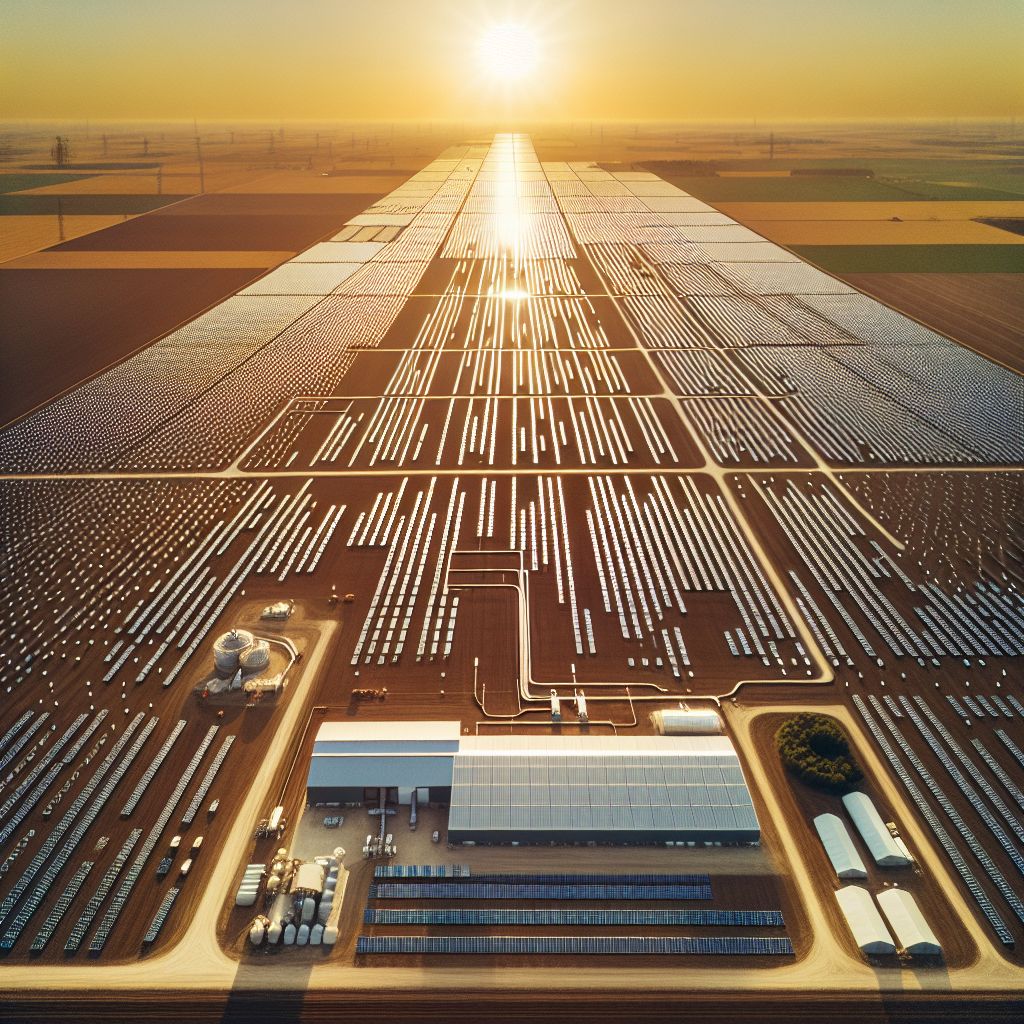
PERC solar panels represent a significant advancement in renewable energy technology, offering farmers an efficient and sustainable way to power their operations. By embracing this technology, farmers can reduce their energy costs, minimize their carbon footprint, and contribute to a more sustainable future. As more farms adopt PERC panels, the agricultural industry can move closer to achieving energy independence and environmental responsibility.
Review Key Points
In summary, PERC solar panels provide farmers with a powerful tool to enhance their operations. These panels are more efficient than traditional solar panels, capturing more sunlight and converting it into electricity. They also perform well in low-light conditions, ensuring consistent energy production. By reducing reliance on grid electricity, PERC panels help farmers save on energy costs and qualify for government incentives. Most importantly, they promote sustainable farming practices by minimizing carbon emissions.
Is using PERC Solar Panels a Good Investment for a Farmer
- High efficiency means more energy output from the same amount of sunlight.
- Reduced energy costs lead to significant savings over time.
- Eligibility for government incentives can offset installation costs.
- Environmental benefits align with sustainable farming goals.
Considering these benefits, PERC solar panels are a sound investment for farmers seeking to improve their energy efficiency and sustainability. The initial costs may be high, but the long-term savings and environmental benefits make it a worthwhile endeavor.
Moreover, the consistent energy supply from PERC panels can boost farm productivity, leading to increased crop yields and profitability. As more farmers adopt this technology, the agricultural industry can move towards a more sustainable and energy-efficient future.
Therefore, farmers should explore the potential of PERC solar panels and consider how they can be integrated into their operations. By taking advantage of the available incentives and working with experienced solar providers, farmers can make a successful transition to renewable energy.
Long-Term Benefits and Opportunities
Looking ahead, the adoption of PERC solar panels can open up new opportunities for farmers. As renewable energy becomes more mainstream, farmers can benefit from increased consumer demand for sustainably produced goods. By marketing their produce as environmentally friendly, farmers can attract more customers and potentially command higher prices.
Additionally, as the technology continues to evolve, PERC panels are likely to become even more efficient and cost-effective. This means that the benefits of switching to solar energy will only increase over time, providing farmers with even greater returns on their investment.
Ultimately, PERC solar panels offer a pathway to a more sustainable and profitable future for farmers. By embracing this technology, the agricultural industry can lead the way in renewable energy adoption and environmental stewardship.
Frequently Asked Questions
Many farmers have questions about PERC solar panels and their implementation. Here, we address some of the most common inquiries to help you make informed decisions about adopting this technology.
- What are the environmental benefits of PERC solar panels?
- How do PERC panels perform in cloudy or rainy weather?
- Are there financing options available for farmers?
- What maintenance do PERC panels require?
- Can PERC solar panels be installed on all types of farms?
Let’s dive deeper into these questions to provide clarity and guidance for farmers considering PERC solar panels.
What are the environmental benefits of PERC solar panels?
PERC solar panels help reduce a farm’s carbon footprint by harnessing renewable energy and decreasing reliance on fossil fuels. This aligns with global efforts to combat climate change and promotes sustainable farming practices.
How do PERC panels perform in cloudy or rainy weather?
PERC panels are designed to perform well in low-light conditions, such as cloudy or rainy weather. This ensures consistent energy production, which is essential for farms that rely heavily on solar energy.
By maintaining high efficiency even in less-than-ideal weather, PERC panels provide a reliable energy source for various farm operations, ensuring continuous productivity.
Are there financing options available for farmers?
Yes, there are several financing options available for farmers interested in installing PERC solar panels. These may include government incentives, loans, or partnerships with solar energy companies.
Exploring these options can help farmers offset the initial costs of installation and make the transition to renewable energy more financially viable.
What maintenance do PERC panels require?
“Regular cleaning and periodic inspections are essential to keep PERC solar panels operating at peak efficiency. Dust and debris can reduce their effectiveness, so it’s important to maintain them regularly.”
By following these maintenance practices, farmers can ensure the longevity and efficiency of their PERC solar panels, maximizing their investment.
Can PERC solar panels be installed on all types of farms?
PERC solar panels are versatile and can be installed on a wide range of farms, from small family operations to large commercial enterprises. The key is to choose the right configuration based on the farm’s location, size, and energy needs.
Consulting with a solar energy expert can provide valuable insights into the best configuration for a specific farm, ensuring maximum energy production and efficiency.


Leave a Reply