
Key Takeaways
- Solar irrigation systems require a higher initial investment, but they can significantly reduce long-term operational costs by using free solar energy.
- Traditional irrigation systems often have lower upfront costs but depend on fossil fuels, leading to higher ongoing expenses and environmental impact.
- Solar irrigation is more environmentally friendly, reducing carbon footprints and promoting sustainability in farming practices.
- Technological advancements in solar irrigation offer farmers flexibility and scalability, adapting to different farm sizes and water needs.
- Evaluating your farm’s specific needs, including location, climate, and financial resources, is crucial in choosing the most effective irrigation system.
What are the Different Irrigation Choices: Solar vs Traditional Irrigation
In the world of farming, the choice between solar and traditional irrigation systems is a pivotal decision. Each system has its unique set of advantages and challenges, and understanding these can empower farmers to make sustainable choices. Let’s dive into these options and explore how they can impact modern farming practices.
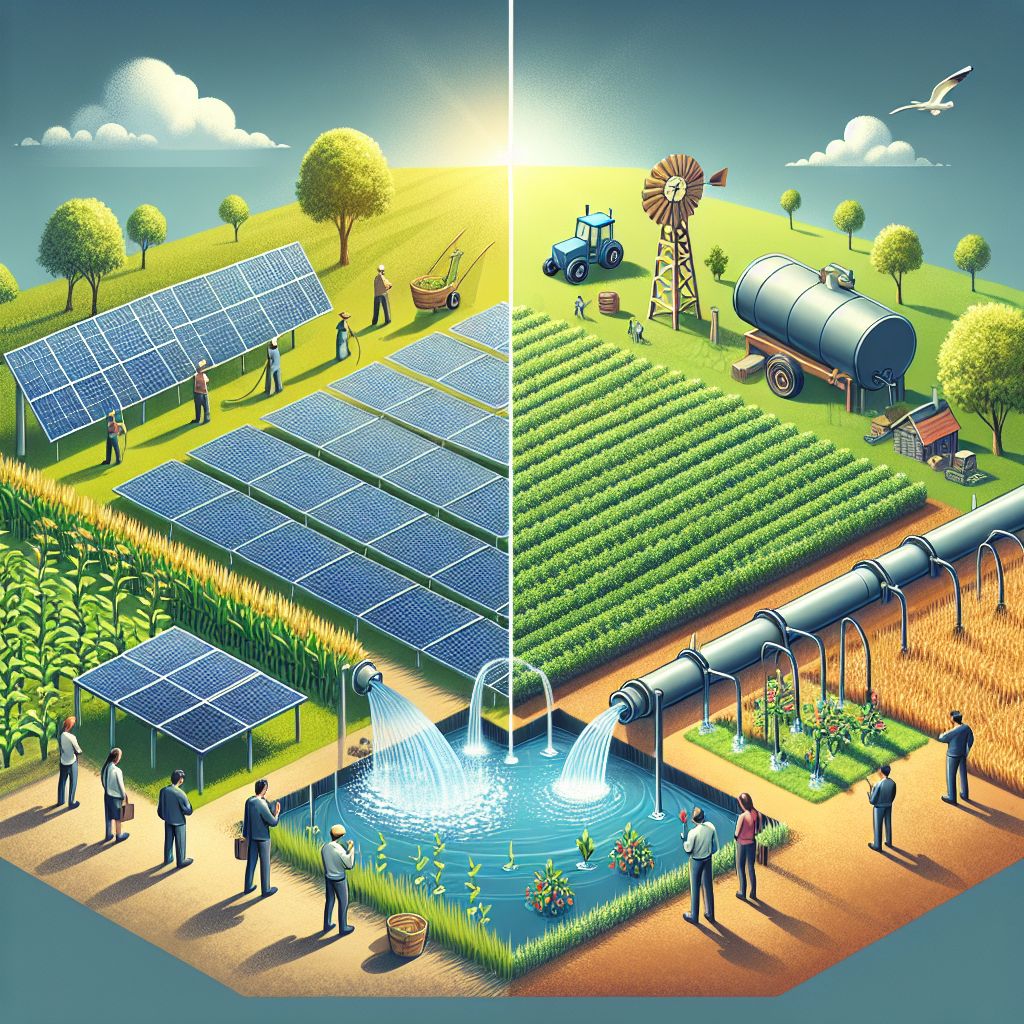
Solar irrigation systems harness the power of the sun to pump water, offering a renewable and eco-friendly solution. On the other hand, traditional irrigation systems typically rely on electricity or diesel, which can be costly and less sustainable. Both systems have their place in agriculture, but the right choice depends on various factors, including cost, efficiency, and environmental impact.
Here’s a closer look at these systems to help you make an informed decision:
- Solar Irrigation Systems: Use solar panels to convert sunlight into energy, which powers water pumps.
- Traditional Irrigation Systems: Depend on grid electricity or diesel generators to operate water pumps.
Overview of the Traditional Irrigation Systems
Traditional irrigation systems have been the backbone of agriculture for decades. They rely on established technologies like electric or diesel pumps to draw water from sources like rivers, wells, or reservoirs. These systems are known for their reliability and have been widely adopted across various farming operations.
Overview of the Solar Irrigation Systems
Solar irrigation systems are a relatively newer addition to the farming toolkit. They utilize solar panels to capture sunlight, which is then converted into electrical energy to power water pumps. This system is not only sustainable but also cost-effective in the long run, as it reduces dependency on fossil fuels and minimizes electricity costs.
The initial setup of a solar irrigation system may require a higher investment, but the long-term savings on energy costs can be substantial. Moreover, solar systems are particularly advantageous in remote areas where access to electricity is limited. For more information on the benefits of solar panels in agriculture, you can explore the uses and benefits of HPBC solar panels.
Importance of Efficient Irrigation
Efficient irrigation is crucial for maximizing crop yields while conserving valuable resources like water and energy. By choosing the right irrigation system, farmers can optimize water usage, reduce waste, and improve overall productivity.
In addition to economic benefits, efficient irrigation practices contribute to environmental sustainability. They help preserve natural resources and reduce the carbon footprint of farming operations, making them a key component of sustainable agriculture.
|
Feature |
Solar Irrigation |
Traditional Irrigation |
|---|---|---|
|
Energy Source | ||
|
Initial Cost | ||
|
Operating Cost |
Very low (sunlight is free; minimal maintenance). 1, 3, 6, 7 | |
|
Water Efficiency |
High-precision application, reduces waste by 30–50%. 1, 5, 6 | |
|
Environmental Impact | ||
|
Maintenance |
Minimal; long lifespan (25–30 years); occasional cleaning and technical repairs. 1, 3, 4, 6 |
Frequent; parts wear out faster, especially diesel/electric pumps. 1, 4 |
|
Technical Expertise |
Requires specialized knowledge for installation/repairs. 1 |
Simpler repairs; more accessible parts. 1 |
|
Performance in Sunlight |
Optimal in sunny regions; may need battery backup in cloudy weather. 1, 3 |
Unaffected by sunlight; reliable in all weather. 1 |
|
Grid/Fuel Independence | ||
|
Scalability |
May require major upgrades for expansion. 1 | |
|
Suitability for Remote Areas | ||
|
Government Incentives | ||
|
Water Supply Consistency |
Can be affected by weather unless batteries/storage are used. 1, 3 |
Consistent, regardless of weather. 1 |
|
Best Use Cases |
Large-scale operations; regions with variable weather or high-water demand. 1, 5 |
Sources:1 FarmstandApp, 3 Growing Solar Mist, 4 Smart Commercial Solar, 5 IOSR Journals ,6 The Farming Insider, 7 KYAgriTech
The Importance of Irrigation Choices for Modern Farming
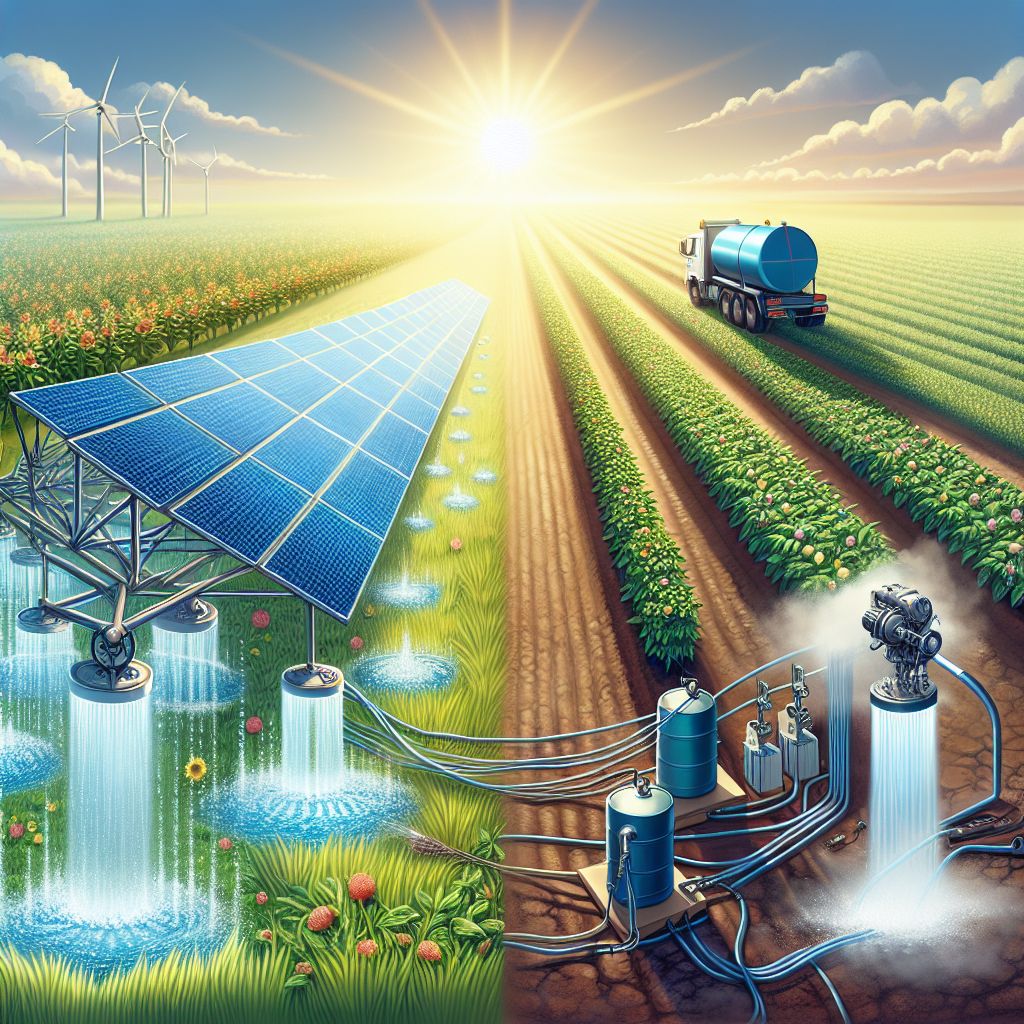
In today’s rapidly changing world, farmers face numerous challenges, from climate change to water scarcity. Making informed decisions about irrigation systems can help address these challenges and ensure the long-term viability of farming operations. For instance, exploring different solar panel options can be a crucial step in optimizing irrigation efficiency.
By considering factors like energy efficiency, cost, and environmental impact, farmers can choose an irrigation system that aligns with their goals and values. This decision not only affects the bottom line but also plays a significant role in promoting sustainable farming practices.
Energy Efficiency and Cost Considerations
Energy efficiency is a critical factor when evaluating irrigation systems. Solar irrigation systems, for instance, offer a renewable energy solution that can significantly reduce operational costs over time. By harnessing the power of the sun, these systems eliminate the need for expensive fossil fuels and grid electricity.
In contrast, traditional irrigation systems often incur higher energy costs due to their reliance on electricity or diesel. While they may have lower initial costs, the ongoing expenses can add up quickly, impacting a farm’s profitability. For those interested in alternative energy solutions, exploring PERC solar panels for farmers can be a cost-effective option.
Environmental Impact and Sustainability
When it comes to irrigation systems, the environmental impact is a major consideration. Solar irrigation systems shine in this area, offering a sustainable solution that leverages renewable energy. By using sunlight to power water pumps, these systems drastically cut down on greenhouse gas emissions. This reduction not only helps combat climate change but also aligns with global sustainability goals.
In contrast, traditional irrigation systems tend to have a larger carbon footprint. They often rely on fossil fuels, which contribute to air pollution and resource depletion. The ongoing use of diesel or electricity from non-renewable sources makes these systems less sustainable over time.
“Solar irrigation systems are redefining the way we approach traditional farming methods, harnessing the power of the sun to enable farmers to irrigate their crops in a more environmentally friendly and cost-effective manner.”
Technological Advancements in Irrigation
Recent technological advancements have made solar irrigation systems more accessible and efficient. Innovations in solar panel technology, battery storage, and water pump design have enhanced the performance and reliability of these systems, making them a viable option for farmers worldwide.
|
Aspect |
Solar Irrigation |
Traditional Irrigation |
|---|---|---|
|
Initial Cost |
Higher |
Lower |
|
Operating Cost |
Low |
High |
|
Environmental Impact |
Low |
High |
With these advancements, solar irrigation systems offer flexibility and scalability, allowing farmers to tailor their setups to specific needs and conditions. This adaptability makes them an attractive option for both small-scale and large-scale farming operations.
Environmental Impact and Sustainability
When it comes to irrigation systems, the environmental impact is a major consideration. Solar irrigation systems shine in this area, offering a sustainable solution that leverages renewable energy. By using sunlight to power water pumps, these systems drastically cut down on greenhouse gas emissions. This reduction not only helps combat climate change but also aligns with global sustainability goals.
In contrast, traditional irrigation systems tend to have a larger carbon footprint. They often rely on fossil fuels, which contribute to air pollution and resource depletion. The ongoing use of diesel or electricity from non-renewable sources makes these systems less sustainable over time.

“Solar Irrigation Systems for Growing …” from growingsolarmist.com and used with no modifications.
Comparing Initial Costs
Understanding the initial costs of irrigation systems is crucial for making a sound investment. Let’s break down the expenses associated with solar and traditional systems.
Solar Irrigation System Expenses
The initial investment for solar irrigation systems can be higher compared to traditional systems. This cost includes purchasing solar panels, batteries, and specialized water pumps. However, it’s important to view this as a long-term investment. Over time, the savings on energy costs can outweigh the upfront expenses.
For example, a small-scale solar irrigation setup might cost between $3,000 and $5,000. While this might seem steep, the reduction in electricity bills and fuel expenses can lead to significant savings over the lifespan of the system.
Traditional System Installation Costs
Traditional irrigation systems generally have lower initial costs. The expenses are primarily related to purchasing electric or diesel pumps and setting up the necessary infrastructure. Depending on the size and complexity of the system, initial costs can range from $1,000 to $3,000.
While these systems are cheaper to set up, the ongoing costs associated with fuel and maintenance can add up over time, impacting the overall cost-effectiveness.
Financial Assistance and Incentives
Fortunately, there are financial assistance programs and incentives available to support the adoption of solar irrigation systems. Many governments and organizations offer grants, subsidies, and low-interest loans to encourage the transition to renewable energy solutions in agriculture.
Farmers should explore these options and consider the long-term benefits of solar systems. By taking advantage of available financial support, the initial investment can become more manageable, making solar irrigation a viable choice for many.
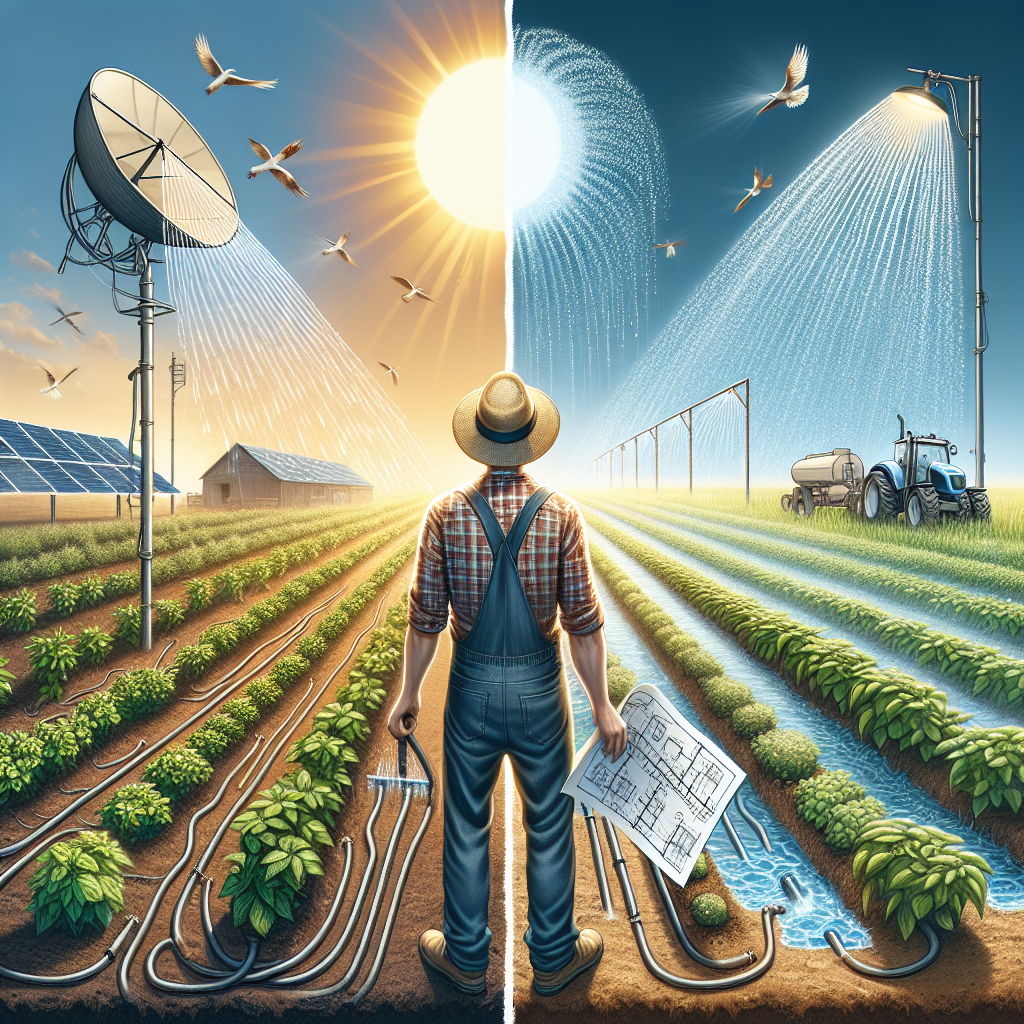
“Solar Irrigation for Farmers: Drip …” from growingsolarmist.com and used with no modifications.
Operational Costs and Long-term Savings
While initial costs are important, operational costs and potential savings over time are equally crucial in choosing an irrigation system. Here’s how solar and traditional systems compare in this regard.
Energy Costs for Solar Systems
One of the most significant advantages of solar irrigation systems is their minimal operational costs. Once installed, the system harnesses free solar energy to operate, eliminating the need for electricity or fuel expenses. This can result in substantial savings, especially for farms with high water demands.
Moreover, solar systems require less maintenance, further reducing long-term costs. With fewer moving parts and no dependency on fuel, the likelihood of breakdowns or equipment failures is minimized.
Fuel and Maintenance for Traditional Systems
In contrast, traditional irrigation systems incur ongoing fuel and maintenance expenses. Diesel or electricity costs can fluctuate, impacting the overall budget for farming operations. Additionally, regular maintenance is required to keep pumps and other components functioning efficiently.
- Frequent fuel refills add to operational costs.
- Regular servicing and repairs are necessary to prevent breakdowns.
- Unexpected repairs can lead to additional expenses.
These factors contribute to higher operational costs, making traditional systems less economical in the long run.
Return on Investment Analysis
Analyzing the return on investment (ROI) is essential for making informed decisions. Solar irrigation systems, despite their higher initial costs, offer a compelling ROI due to their low operational expenses and long lifespan. Over time, the savings on energy and maintenance can surpass the initial investment, leading to a positive financial outcome.
Traditional systems, while cheaper to install, may not offer the same level of ROI due to ongoing expenses. Farmers should carefully evaluate their specific needs and financial resources to determine the most cost-effective option for their operations. For those considering solar energy, understanding the best solar panels for farmers can be crucial in making an informed decision.
Environmental and Resource Impacts
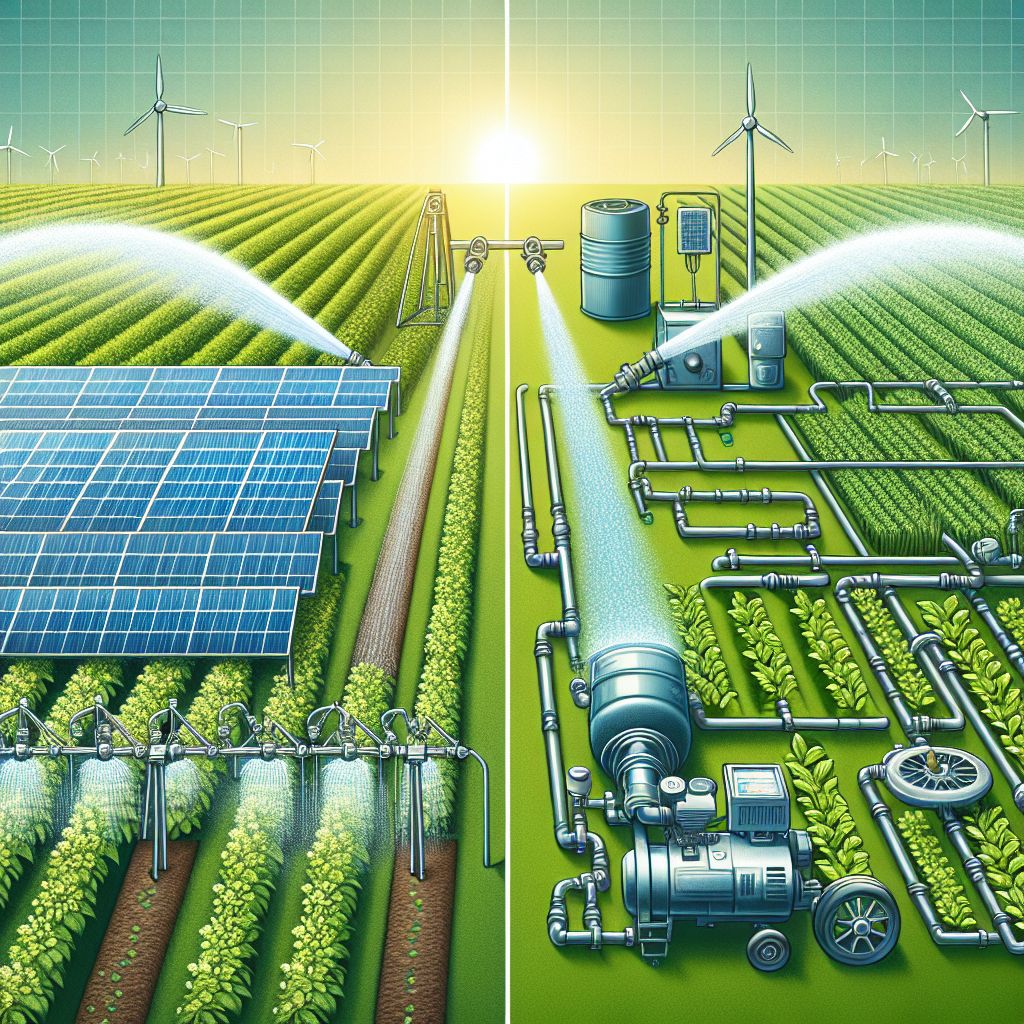
Choosing the right irrigation system also involves considering the environmental and resource impacts. Both solar and traditional systems have different implications for resource use and sustainability.
Solar Irrigation’s Eco-Friendly Benefits
Solar irrigation systems are renowned for their eco-friendly benefits. By utilizing renewable energy, they reduce reliance on fossil fuels and decrease carbon emissions. This makes them an ideal choice for farmers looking to minimize their environmental footprint and promote sustainable agriculture.
Water Efficiency in Traditional Systems
Traditional irrigation systems can be efficient in terms of water use, especially when equipped with modern technologies like drip irrigation or sprinkler systems. These methods allow for precise water delivery, reducing waste and optimizing crop growth.
Carbon Footprint Comparison
When comparing the carbon footprint of solar and traditional irrigation systems, solar systems have a clear advantage. Their use of renewable energy leads to significantly lower emissions. Traditional systems, dependent on fossil fuels, contribute more to greenhouse gas emissions.
Therefore, for farmers committed to reducing their carbon footprint, solar irrigation systems present a more sustainable option.
In conclusion, understanding the nuances of solar and traditional irrigation systems can empower farmers to make sustainable choices that benefit both their operations and the environment. By evaluating factors like cost, efficiency, and environmental impact, farmers can select the irrigation system that best aligns with their goals and values.
Flexibility and Scalability
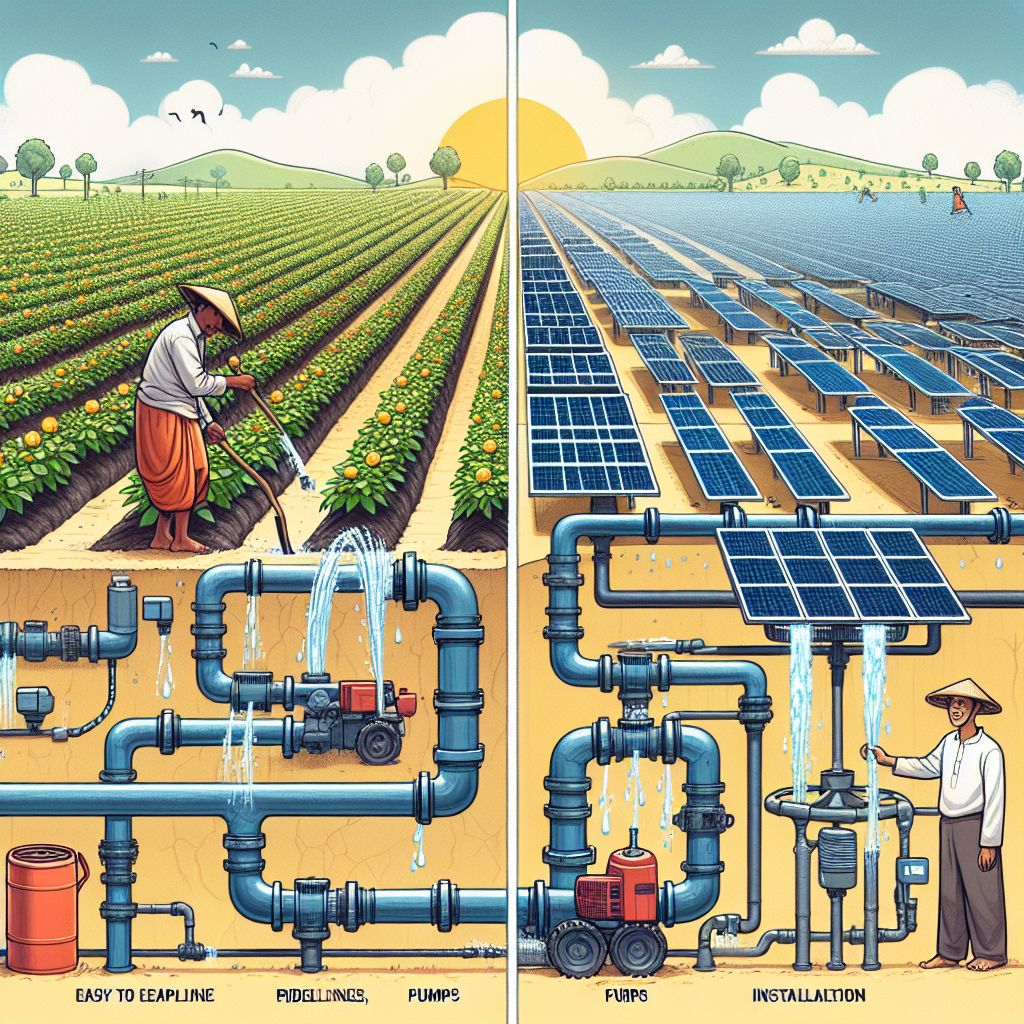
Flexibility and scalability are crucial considerations for farmers when selecting an irrigation system. Solar irrigation systems offer significant advantages in these areas, allowing for easy adaptation to different farm sizes and changing water needs.
With the ability to expand solar setups by adding more panels or pumps, farmers can scale their systems as their operations grow. This flexibility ensures that water demands are met efficiently, regardless of farm size or crop type.
Traditional systems, while reliable, may require more substantial modifications to accommodate changes in farm size or water requirements. This can lead to additional costs and logistical challenges.
Ultimately, the choice between solar and traditional irrigation systems depends on various factors, including initial costs, operational expenses, environmental impact, and flexibility. By considering these elements, farmers can make informed decisions that support sustainable and efficient farming practices.
Expanding with Solar-Powered Solutions
Solar-powered solutions offer incredible flexibility for farmers looking to expand their irrigation systems. By adding more solar panels and pumps, you can easily scale up to meet increased water demands. This adaptability is particularly beneficial for farms experiencing growth or changes in crop types. The modular nature of solar systems means you can start small and expand as needed, without the constraints of traditional infrastructure.
Moreover, solar irrigation systems can be tailored to specific farm conditions. Whether you have a small plot or a large agricultural enterprise, solar solutions can be customized to deliver the right amount of water efficiently. This scalability ensures that your irrigation system can grow alongside your farming operations, providing a sustainable and cost-effective solution.
Adapting Traditional Systems for Growth
While traditional irrigation systems are reliable, they often require significant modifications to accommodate growth. Expanding a traditional system might involve installing additional pipelines, pumps, or power sources, which can be costly and time-consuming. However, by integrating modern technologies like automated controllers or precision irrigation methods, traditional systems can be optimized for better efficiency.
For farmers using traditional systems, exploring hybrid approaches—where solar components are integrated into existing setups—can offer a pathway to increased efficiency and sustainability. This hybrid model can help reduce dependency on fossil fuels and enhance the overall performance of your irrigation system.
Case Studies and Real-World Applications
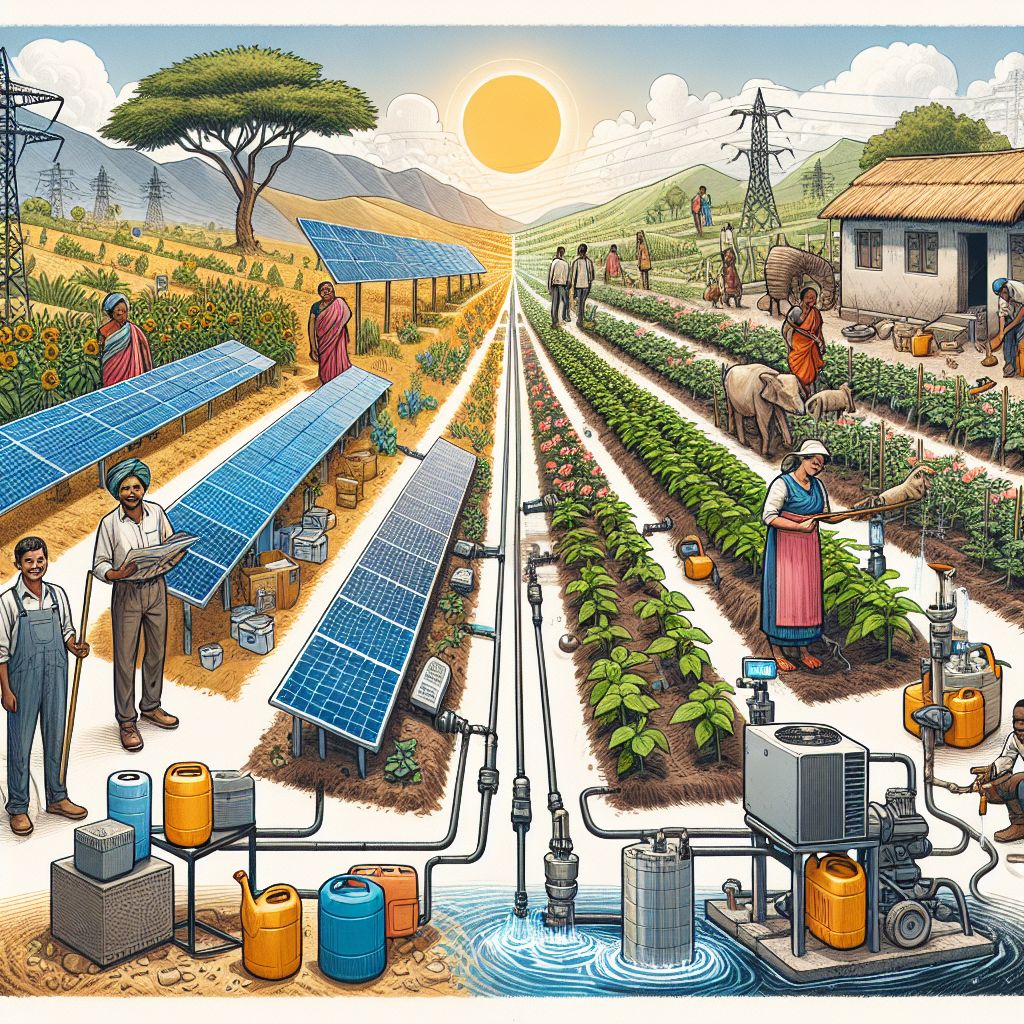
To illustrate the effectiveness of solar and traditional irrigation systems, let’s explore some real-world applications and case studies. These examples highlight how farmers have successfully implemented different systems to meet their unique needs.
Successful Solar Irrigation Implementations
In India, a farmer named Ravi switched to a solar-powered irrigation system to combat rising diesel costs. By installing solar panels and pumps, he was able to reduce his operational expenses significantly. The solar system provided consistent water supply, even during power outages, ensuring that his crops received adequate hydration throughout the growing season.
Similarly, in Kenya, a community-based agricultural project implemented solar irrigation to support local farmers. The initiative not only improved water access but also empowered farmers to increase their yields and income. The success of this project demonstrated the potential of solar irrigation in enhancing food security and economic resilience in rural areas.
Hybrid Systems in Action
In Australia, a large-scale farm adopted a hybrid irrigation system that combined solar panels with traditional electric pumps. This setup allowed the farm to reduce electricity consumption while maintaining the reliability of the existing infrastructure. The hybrid approach proved effective in lowering energy costs and minimizing environmental impact, offering a balanced solution for sustainable farming.
Lessons from Farmers Using Traditional Methods
Despite the advantages of solar systems, many farmers continue to rely on traditional irrigation methods due to their familiarity and established infrastructure. In the United States, a farmer named Sarah has been using a diesel-powered irrigation system for decades. While she acknowledges the higher operational costs, she values the system’s reliability and ease of maintenance.
Sarah’s experience highlights the importance of considering individual circumstances and preferences when choosing an irrigation system. For some farmers, the benefits of traditional systems, such as consistent performance and lower initial costs, may outweigh the potential savings offered by solar solutions.
Concluding Thoughts on Choosing the Right System
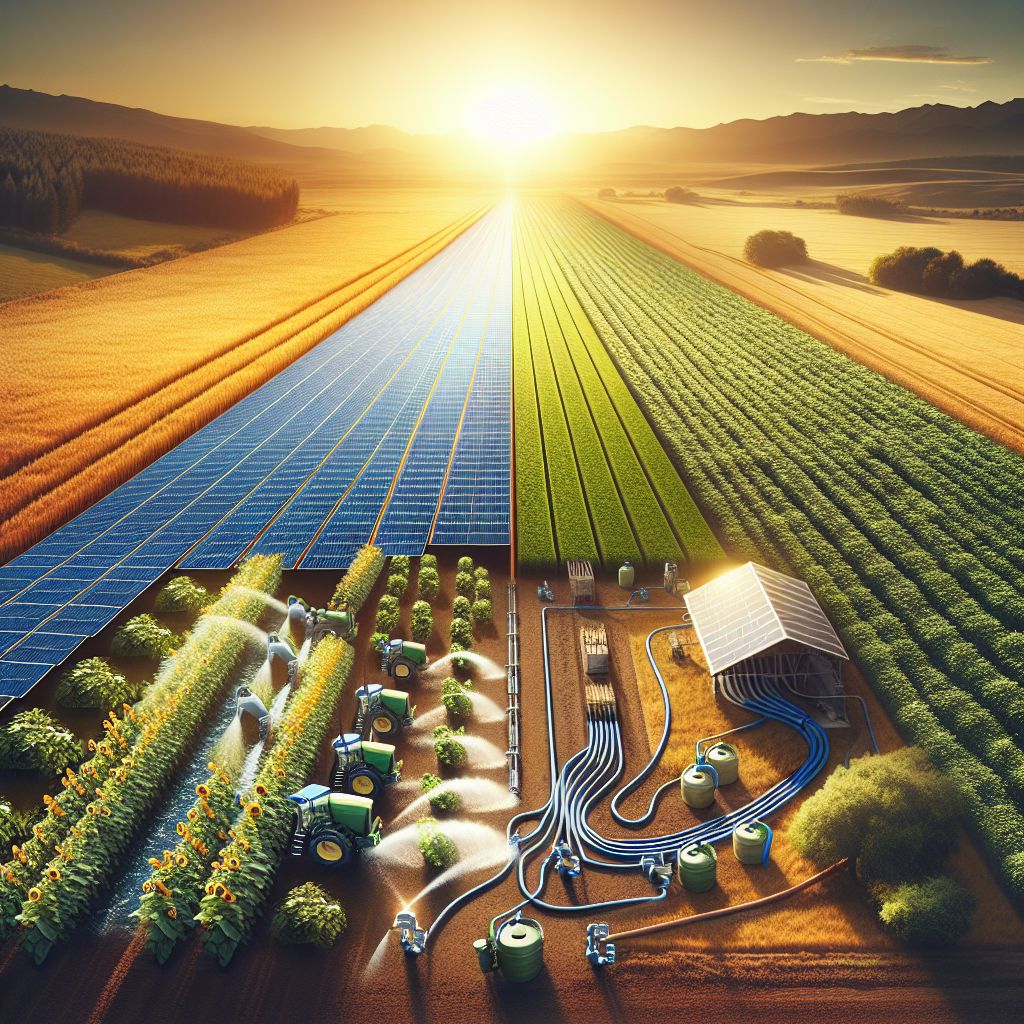
Choosing the right irrigation system is a critical decision that impacts both the productivity and sustainability of your farming operations. By weighing factors such as cost, efficiency, environmental impact, and scalability, you can select a system that aligns with your goals and resources.
Solar irrigation systems offer long-term savings and environmental benefits, making them an attractive option for forward-thinking farmers. However, traditional systems remain a viable choice for those prioritizing reliability and lower initial costs. Ultimately, the best choice depends on your specific needs and circumstances.
As you evaluate your options, consider the potential for hybrid systems that combine the strengths of both solar and traditional methods. This approach can provide a balanced solution that maximizes efficiency and minimizes environmental impact.
Evaluating Farm-Specific Needs
When deciding on an irrigation system, it’s essential to assess your farm’s unique needs. Consider factors such as location, climate, crop types, and water availability. These elements will influence the most suitable system for your operations.
Long-Term Goals and Environmental Responsibility
Beyond immediate needs, think about your long-term goals and environmental responsibilities. Investing in sustainable practices today can yield significant benefits for future generations and contribute to global efforts to combat climate change.
Frequently Asked Questions (FAQ)
As you explore your irrigation options, you may have questions about the specifics of each system. Here are some common inquiries to guide your decision-making process.
How does solar irrigation reduce operational costs?
Solar irrigation reduces operational costs by utilizing free solar energy instead of relying on expensive fossil fuels or electricity. This leads to significant savings over time, especially for farms with high water demands.
Are there government subsidies for solar irrigation systems?
Yes, many governments offer subsidies, grants, and low-interest loans to support the adoption of solar irrigation systems. These incentives aim to promote renewable energy solutions and reduce the environmental impact of agriculture. For farmers looking to enhance their operations, exploring options like PERC solar panels can be a beneficial step.
What is the lifespan of a solar irrigation system?
Solar irrigation systems typically have a lifespan of 20 to 25 years. With proper maintenance, solar panels and pumps can provide reliable service for decades, making them a durable and cost-effective investment. For more information on maximizing farm efficiency, consider exploring the benefits of monocrystalline solar panels.
How can traditional systems be adapted for better efficiency?
- Integrate automated controllers for precise water management.
- Adopt precision irrigation techniques like drip or sprinkler systems.
- Consider hybrid systems that incorporate solar components.
By implementing these strategies, you can enhance the efficiency and sustainability of traditional irrigation systems.
Is a hybrid irrigation system a viable option?
Absolutely! Hybrid irrigation systems combine the benefits of both solar and traditional methods, offering a balanced solution that maximizes efficiency and minimizes environmental impact. This approach allows farmers to leverage the strengths of each system while addressing their specific needs and constraints.
In conclusion, the choice between solar and traditional irrigation systems is a significant decision that requires careful consideration of various factors. By understanding the advantages and challenges of each system, farmers can make informed choices that support sustainable and productive farming practices.







Leave a Reply