
Key Takeaways
- Solar powered furrow irrigation systems combine traditional irrigation techniques with renewable energy, reducing operational costs.
- These systems are environmentally friendly, significantly lowering carbon emissions compared to conventional irrigation systems.
- Installation costs for solar panels can be offset by long-term savings on energy bills, making them a cost-effective solution.
- Adaptable to various farm sizes, solar powered furrow irrigation systems can be customized to meet specific agricultural needs.
- Maintenance is minimal, with solar panels requiring cleaning only a few times a year, ensuring durability and longevity.
Introduction to Solar Powered Furrow Irrigation Systems
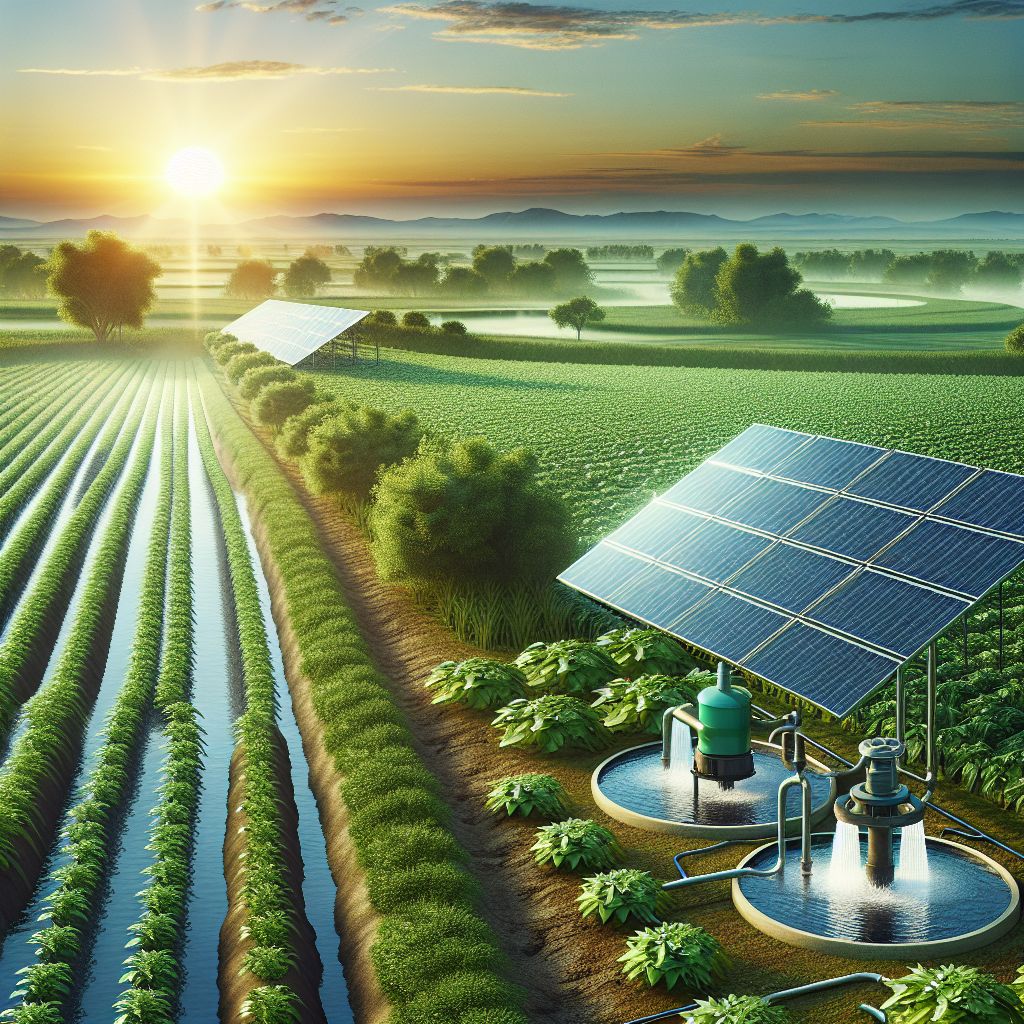
Imagine harnessing the power of the sun to water your crops efficiently and sustainably. Solar powered furrow irrigation systems are revolutionizing the way farmers approach irrigation, blending age-old techniques with modern technology. By using solar panels to generate the energy needed for water pumps, these systems offer an eco-friendly alternative to traditional methods.
The global push towards sustainable agriculture has made solar powered irrigation an attractive option for farmers looking to reduce their carbon footprint and operational costs. As we explore this innovative solution, it becomes clear that its benefits extend beyond environmental impact, offering financial savings and adaptability across various farming landscapes.
What is a Furrow Irrigation System
Furrow irrigation is one of the oldest and most widely used methods of watering crops. It involves creating shallow channels, or furrows, along the field. Water is then released at the top of these furrows and flows down to irrigate the crops. This technique is particularly effective for row crops like corn, soybeans, and cotton.
Brief Overview of the System
Traditional furrow irrigation relies on gravity to distribute water, but it can be inefficient due to water loss from evaporation and runoff. By integrating solar power, we can enhance this system’s efficiency. Solar panels generate electricity to power pumps, which control water flow more precisely, minimizing waste and ensuring that crops receive the right amount of water.
Importance in Modern Agriculture
In today’s agricultural landscape, sustainability and efficiency are key. As water scarcity becomes a pressing issue globally, farmers need innovative solutions to maximize water use without harming the environment. Solar powered furrow irrigation systems offer a practical answer by reducing water wastage and energy consumption. These systems not only help conserve vital resources but also align with global sustainability goals, making them an essential component of modern agriculture.

“Solar-Powered Irrigation Systems …” from growingsolarmist.com and used with no modifications.
Benefits of Solar Powered Furrow Irrigation
The benefits of solar powered furrow irrigation systems extend beyond environmental sustainability. They offer practical advantages that can improve a farm’s overall productivity and profitability. By reducing energy costs and optimizing water usage, these systems can significantly enhance a farm’s operational efficiency.
Energy Efficiency and Cost Savings
Solar powered furrow irrigation systems are incredibly energy-efficient. By relying on solar energy, farmers can drastically reduce their dependence on traditional power sources, which are often expensive and subject to price fluctuations. This shift to renewable energy not only lowers operational costs but also provides a stable and predictable energy supply.
The cost savings associated with solar powered systems can be substantial. Although the initial investment in solar panels and installation may seem daunting, the long-term savings on energy bills can quickly offset these expenses. In many cases, farmers can see a return on their investment within a few years, making solar powered irrigation a financially sound choice.
Environmental Sustainability and Reduced Carbon Footprint
By reducing reliance on non-renewable energy sources, solar powered furrow irrigation systems play a crucial role in promoting environmental sustainability. They help lower carbon emissions, contributing to global efforts to combat climate change. This reduction in carbon footprint is a significant benefit, as it aligns with the agricultural sector’s growing focus on sustainability.
Furthermore, these systems optimize water usage, which is essential in regions facing water scarcity. By ensuring that water is used efficiently and only when needed, solar powered irrigation reduces waste and conserves vital resources. This efficiency is critical for sustainable farming, ensuring that we can continue to produce food without depleting our natural resources.
Scalability and Adaptability for Different Farms
Solar powered furrow irrigation systems are designed to be scalable and adaptable, making them suitable for farms of all sizes. Whether you’re managing a small family farm or a large commercial operation, these systems can be tailored to meet your specific needs. This flexibility is a significant advantage, allowing farmers to adopt sustainable practices without overhauling their entire infrastructure.
For example, a small farm may require fewer solar panels and a simpler setup, while a larger operation might need a more complex system with additional components. Regardless of the scale, solar powered systems can be customized to ensure maximum efficiency and cost-effectiveness. This adaptability makes them an attractive option for farmers looking to modernize their irrigation practices.
Here’s a table outlining the benefits of integrating solar panels into a furrow irrigation system for a farmer:
|
Benefit Category |
Solar-Powered Furrow Irrigation System |
Traditional Furrow Irrigation System |
|---|---|---|
|
Energy Costs |
Reduces energy costs by up to 90% by using free solar energy. 2, 6 | |
|
Water Efficiency |
Delivers precise amounts of water, reducing waste and conserving water resources. 2 |
Standard water usage, often less precise. 2 |
|
Environmental Impact |
Lowers carbon footprint and greenhouse gas emissions by using renewable energy. 2, 1 | |
|
Crop Yields |
Ensures consistent water supply, potentially increasing yields by 100–300% for some crops. 2 |
Standard productivity, more vulnerable to water supply issues. 2 |
|
Operational Reliability |
Solar systems provide steady power, even in remote areas and during cloudy weather. 2, 6 |
Dependent on fuel or grid reliability, which may be inconsistent. 2, 6 |
|
Long-term Investment |
Solar panels last 25–30 years, with low maintenance and long-term savings. 2 |
Lower initial cost but higher long-term expenses. 2 |
|
Government Incentives |
Eligible for subsidies and incentives, helping offset initial investment. 2, 6 | |
|
Soil Health |
Maintains soil structure and prevents erosion through efficient, controlled watering. 2 |
Higher risk of overwatering or runoff. 2 |
|
Energy Independence |
Reduces reliance on external energy sources, increasing farm self-sufficiency. 2, 6 | |
|
Climate Change Resilience |
More adaptable to changing weather patterns, ensuring irrigation during droughts. 2 |
Less adaptable, may face water shortages during extreme weather. 2 |
|
Modular Expansion |
Modular design allows easy system expansion as farm needs grow. 7 |
Expansion often requires major infrastructure changes. 7 |
Summary:
Adding solar panels to a furrow irrigation system offers farmers significant cost savings, improved water management, environmental benefits, higher and more reliable crop yields, and long-term sustainability. The upfront investment is offset by long-term savings, government incentives, and increased farm resilience. 2, 6, 1

“Solar-Powered Irrigation: Farm …” from growingsolarmist.com and used with no modifications.
Practical Implementation of Solar Furrow Irrigation
Implementing a solar powered furrow irrigation system involves several key steps. From selecting the right components to ensuring proper installation and maintenance, each step is crucial to the system’s overall effectiveness and longevity. Let’s explore how farmers can successfully implement these systems on their farms.
First and foremost, it’s essential to assess the farm’s specific needs and conditions. This assessment will help determine the appropriate size and configuration of the solar powered system. Factors such as the farm’s location, climate, and water requirements will play a significant role in this decision-making process.
Once the system’s specifications are determined, the next step is to select the right components. This selection includes solar panels, pumps, and other necessary equipment. It’s crucial to choose high-quality components to ensure the system’s reliability and durability.
- Assess the farm’s specific needs and conditions.
- Determine the appropriate size and configuration of the system.
- Select high-quality components, including solar panels and pumps.
- Ensure proper installation and alignment of the solar panels.
- Regularly maintain the system to ensure optimal performance.
Installation Process and Key Components
The installation process for solar powered furrow irrigation systems involves several critical steps. Proper installation is essential to ensure the system’s efficiency and longevity. Let’s break down the installation process and the key components involved.
Firstly, the solar panels need to be installed and aligned correctly to maximize sunlight exposure. This step is crucial, as the panels’ efficiency directly impacts the system’s performance. It’s important to consider the farm’s location and climate when determining the optimal placement and angle of the panels. For more insights on the challenges farmers face with solar panels, you can explore additional resources.
Case Studies: Successful Use of Solar Furrow Irrigation
Case Study 1: Small-Scale Farm Implementation
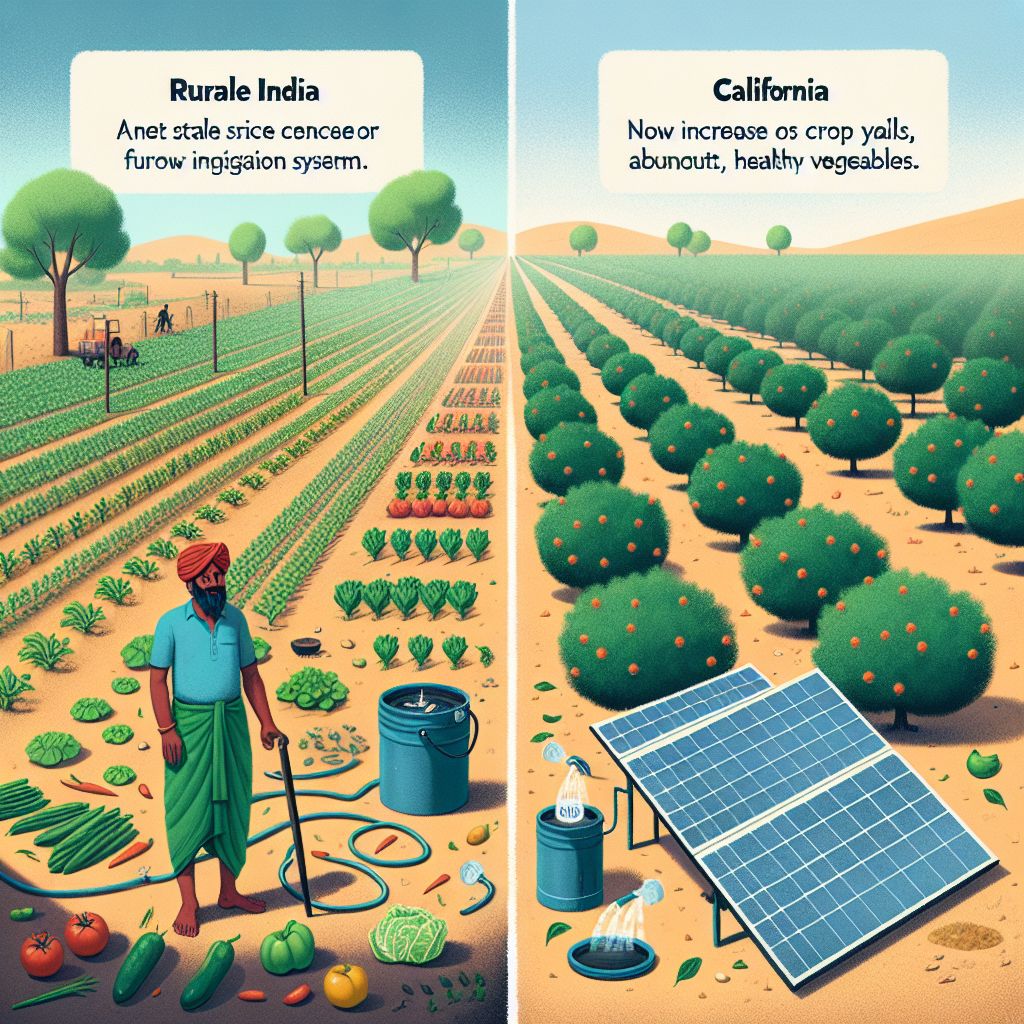
Let’s take a look at how a small-scale farm in rural India successfully implemented a solar powered furrow irrigation system. The farm, which primarily grows vegetables, faced challenges with inconsistent electricity supply and high diesel costs for running water pumps. By switching to solar power, the farmer was able to reduce energy costs significantly. The solar panels were installed on a small plot of land, generating enough power to operate the irrigation pumps efficiently. As a result, the farm experienced a 30% increase in crop yield due to improved irrigation consistency.
Case Study 2: Large-Scale Agricultural Operation
In contrast, a large agricultural operation in California adopted solar powered furrow irrigation to manage its extensive almond orchards. The farm installed a substantial array of solar panels to meet the energy demands of its large-scale irrigation system. By doing so, the farm reduced its annual energy costs by over $100,000 and decreased its carbon emissions by 40%. The system’s scalability allowed the farm to expand its operations without worrying about increased energy costs, making it a sustainable choice for the future.

“Solar-Power Irrigation for Growing …” from growingsolarmist.com and used with no modifications.
Conclusion: Embracing Sustainable Agriculture with Solar Irrigation
Solar powered furrow irrigation systems represent a significant step forward in sustainable agriculture. By harnessing renewable energy, these systems offer an eco-friendly solution that reduces costs and conserves vital resources. Farmers who adopt this technology can enjoy long-term financial benefits while contributing to a healthier planet.
The adaptability of solar powered systems makes them suitable for farms of all sizes and types. Whether you’re managing a small family farm or a large commercial operation, solar irrigation can be tailored to meet your specific needs. As more farmers embrace this technology, we move closer to a future where agriculture is both productive and sustainable.
Is it a Good Idea for a Farmer to Use Solar Panels with a Furrow Irrigation System
Absolutely. For farmers looking to reduce their carbon footprint and operational costs, integrating solar panels with furrow irrigation systems is a wise investment. The initial costs may seem high, but the long-term savings and environmental benefits make it a worthwhile endeavor. Moreover, with advancements in solar technology, these systems are becoming more efficient and affordable, making them accessible to a broader range of farmers.
Ultimately, the decision to adopt solar powered irrigation should be based on a farm’s specific needs and circumstances. However, for those committed to sustainable practices, solar irrigation offers a promising path forward.
Frequently Asked Questions (FAQ)
To help you better understand solar powered furrow irrigation systems, here are some frequently asked questions and their answers.
How does solar powered furrow irrigation work?
Solar powered furrow irrigation systems use solar panels to generate electricity, which powers water pumps. These pumps control the flow of water through furrows, ensuring efficient and precise irrigation. By utilizing solar energy, these systems reduce reliance on traditional power sources and minimize energy costs.
What are the main benefits over traditional systems?
The main benefits of solar powered furrow irrigation systems include reduced energy costs, environmental sustainability, and adaptability. By harnessing renewable energy, these systems lower carbon emissions and promote efficient water use. Additionally, they can be customized to fit farms of various sizes, making them a versatile solution for modern agriculture.
What are the costs associated with installation?
The installation costs for solar powered furrow irrigation systems can vary depending on the size and complexity of the system. On average, solar panels can cost between $3,000 to $10,000, while additional components like pumps and controllers may add to the total cost. However, the long-term savings on energy bills often offset these initial expenses.
How reliable are solar-powered systems?
Solar powered irrigation systems are highly reliable, especially in areas with abundant sunlight. Advances in solar technology have improved the efficiency and durability of these systems, making them a dependable choice for farmers. Regular maintenance, such as cleaning the solar panels, can further enhance their performance and longevity. Learn more about the benefits of solar-powered irrigation systems.
Can these systems be used in all climates?
While solar powered irrigation systems are most effective in sunny regions, they can be adapted for use in various climates. In areas with less sunlight, farmers may need to install additional panels or incorporate battery storage to ensure consistent energy supply. With proper planning and customization, solar irrigation can be a viable option for many different environments.







Leave a Reply