
Article-at-a-Glance
- Flow batteries provide farmers with reliable, long-term energy storage that can power irrigation systems and equipment beyond daylight hours
- Unlike lithium-ion batteries, flow batteries offer longer lifespans (15-20+ years), better temperature tolerance, and superior scalability for growing agricultural operations
- These systems enable 24/7 irrigation without grid dependency, protecting farms against increasingly common rural power outages
- Flow Battery Solutions provides complete system design and installation services specifically tailored to agricultural operations of all sizes
- Despite higher upfront costs, many farmers achieve payback periods of 7-10 years through energy savings, tax incentives, and increased crop yields
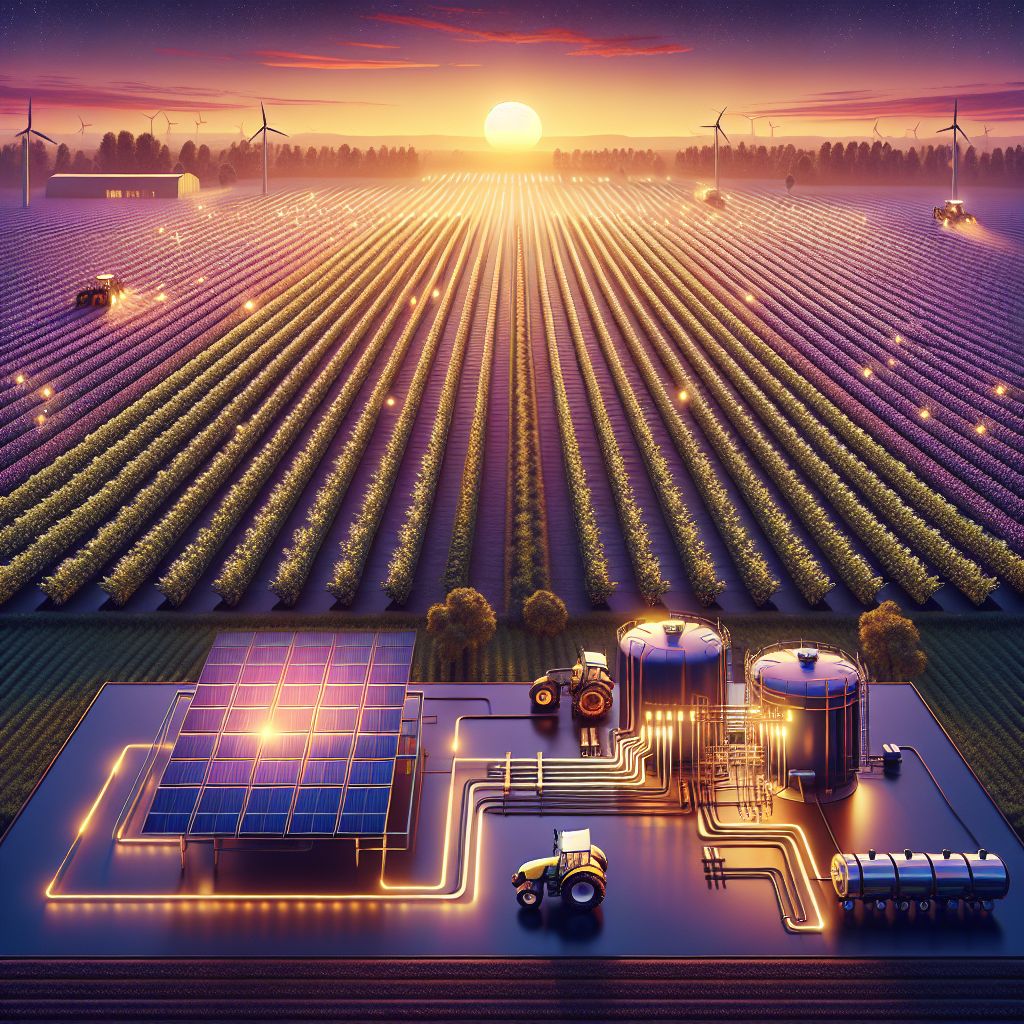
The modern farm runs on power—lots of it. From irrigation systems and climate controls to cold storage and processing equipment, agriculture demands reliable electricity around the clock. But what happens when the sun goes down on your solar panels? That’s where flow battery backup systems are changing the game for forward-thinking farmers.
Traditional solar setups fall short when clouds roll in or night falls, leaving critical farm operations vulnerable to disruption. Flow Battery Solutions has been working with agricultural operations across the country to implement continuous power systems that match the 24/7 demands of modern farming. These innovative storage solutions store excess solar energy during peak production hours and release it precisely when needed, creating true energy independence for farms of all sizes.
Why Farms Need Reliable Power Beyond Daylight Hours
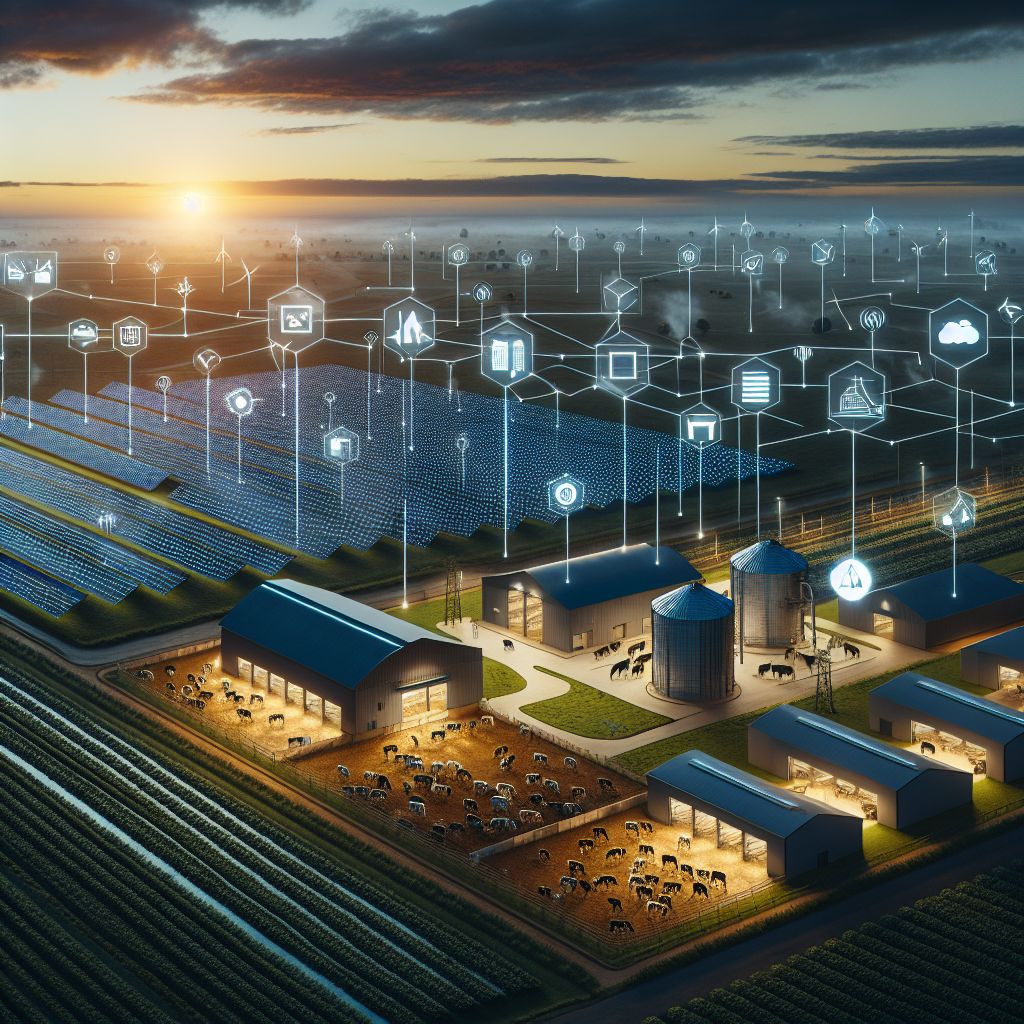
Agriculture has evolved far beyond daylight-dependent operations. Today’s efficient farm requires consistent power for irrigation schedules optimized for water conservation, often running during off-peak hours. Livestock operations depend on ventilation, heating, and cooling systems that cannot afford to fail, even briefly. Cold storage facilities preserving harvested crops need uninterrupted electricity to prevent spoilage and maintain food safety standards.
Rural power infrastructure often falls short of urban reliability standards, with outages lasting longer and occurring more frequently. The U.S. Department of Agriculture reports that power disruptions cost American farmers millions annually in lost productivity and damaged crops. These vulnerabilities become even more pronounced as climate change increases extreme weather events that threaten grid stability.
The solution isn’t just adding solar panels—it’s pairing them with robust energy storage that bridges the gap between energy production and consumption patterns. Flow batteries offer the missing link that transforms intermittent solar generation into the consistent, reliable power source that modern agricultural operations demand.
- Irrigation systems can run on optimized schedules regardless of sunlight availability
- Critical climate control systems maintain perfect conditions for livestock and crops
- Processing equipment operates when needed, not just when the sun shines
- Security systems and monitoring equipment remain operational 24/7
- Cold storage maintains consistent temperatures to prevent crop losses

Flow Batteries vs. Traditional Battery Storage for Solar Systems
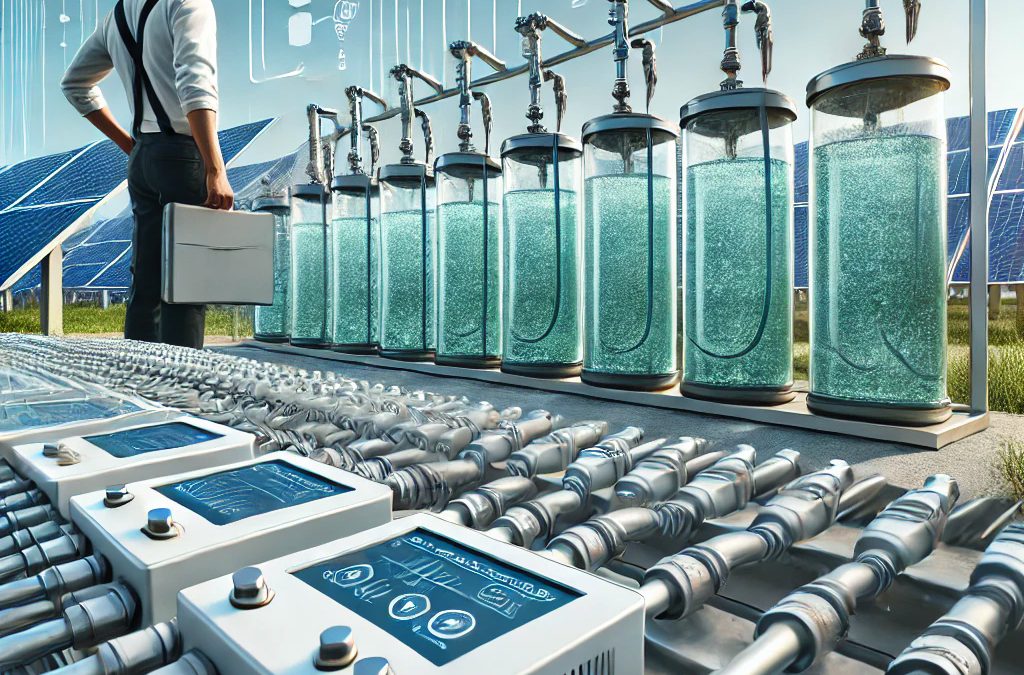
Not all battery technologies are created equal, especially for the demanding conditions of agricultural applications. While lithium-ion batteries dominate residential solar storage, their limitations become apparent in the farm environment. Flow batteries—sometimes called redox flow batteries—utilize liquid electrolytes stored in separate tanks, fundamentally changing how energy is stored and delivered.
How Flow Batteries Actually Work
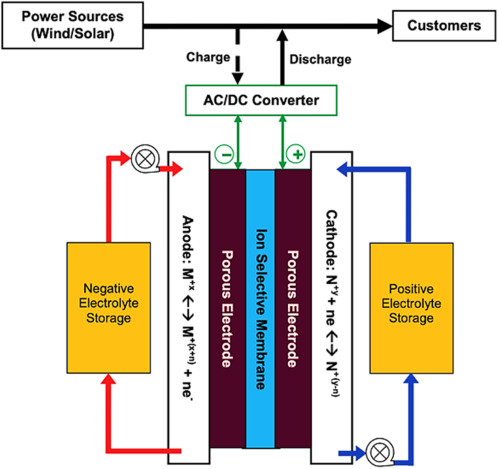
Unlike conventional batteries where energy storage and power conversion happen in the same physical space, flow batteries separate these functions. Two electrolyte solutions containing different redox couples circulate through an electrochemical cell with a membrane separator. When charging, electrical energy converts the electrolytes to higher energy states; during discharge, the process reverses, generating electrical current. This physical separation of energy storage (the electrolyte tanks) from power conversion (the cell stack) is what gives flow batteries their unique advantages for agricultural applications.
This design creates a remarkably flexible system where storage capacity can be increased simply by adding larger electrolyte tanks—without needing to add more cell stacks. For farmers, this means the ability to scale storage capacity independently from power output as operational needs change or expand. Additionally, the liquid electrolytes can be replaced if needed, potentially extending system life indefinitely.
Longer Lifespan Than Lithium-Ion Alternatives
- Flow batteries typically last 15-20+ years with minimal capacity degradation
- Can complete 10,000+ full charge cycles compared to 2,000-3,000 for lithium-ion
- Electrolyte replacement can extend system life indefinitely
- Lower fire risk due to non-flammable chemistry of most flow battery types
- Minimal performance degradation over time, unlike lithium-ion which loses capacity
For farmers making long-term infrastructure investments, this extended lifespan translates to significantly lower lifetime costs. While the upfront investment may be higher, flow batteries typically outlast two or three generations of lithium-ion systems, reducing replacement costs and maintenance downtime. Flow Battery Solutions clients report consistent performance even after a decade of daily cycling—critical reliability for operations where power disruptions can mean lost crops or compromised livestock welfare.
Temperature Tolerance for Farm Environments
Farm environments present unique challenges for battery systems, from scorching summer heat to frigid winter conditions. Flow batteries excel where other technologies struggle, operating efficiently across a temperature range of -20°C to 50°C (-4°F to 122°F) without requiring expensive cooling systems. The liquid electrolyte naturally dissipates heat, preventing the thermal runaway issues that plague lithium-ion systems. For livestock barns in Minnesota or orchards in Arizona, this temperature resilience means one less system vulnerable to climate extremes.
Scalability for Growing Agricultural Operations
The modular nature of flow battery systems makes them ideal for farms with evolving energy needs. Unlike fixed-capacity batteries, flow systems can be expanded by simply adding more electrolyte storage—a bit like adding more fuel tanks rather than buying a new engine. This flexibility allows farmers to start with a system sized for current needs and scale up as operations grow or energy demands increase. A small orchard might begin with enough storage for essential irrigation, then expand capacity when adding cold storage or processing facilities without replacing the entire system.
This scalability extends to power output as well. Need more power during harvest season? Additional cell stacks can be added to increase the system’s power output without necessarily expanding storage capacity. This independent scaling of energy (kilowatt-hours) and power (kilowatts) gives farmers precise control over system capabilities and costs. For those interested in improving farm efficiency, exploring dual-axis solar panel trackers can be beneficial.
Here’s a detailed comparison table of Flow Batteries vs. Traditional Battery Storage
|
Feature |
Flow Batteries |
Traditional Battery Storage (e.g., Lithium-Ion) |
|---|---|---|
|
Energy Storage Method |
Stores energy in liquid electrolytes in external tanks. 5, 6 | |
|
Scalability |
Easily scalable—energy capacity increased by expanding tank size, power by stack size. 1, 4, 6 |
Capacity is fixed and scaling requires adding more battery units. 1, 6 |
|
Discharge Depth |
Can be discharged 100% without damaging battery health. 8, 6 |
Typically limited to 80–90% depth of discharge to preserve lifespan. 8 |
|
Cycle Life & Longevity |
Very long lifespan (often 20–30 years), minimal degradation, nearly limitless cycles. 1, 3, 8 |
Shorter lifespan (8–15 years for Li-ion), limited cycles due to degradation. 7, 8 |
|
Energy Density |
High—compact and space-efficient. 7 | |
|
Discharge Duration | ||
|
Safety |
Non-flammable, low toxicity, safer for farm environments. 1, 7, 8 | |
|
Maintenance |
Low degradation, but may require more regular maintenance of pumps and membranes. 1,4, 7 |
Generally low, but requires monitoring and periodic balancing. 7 |
|
Efficiency |
Higher round-trip efficiency (up to 95% for Li-ion). 2 | |
|
Cost Structure |
More cost-effective at large scale; initial costs high but lower per kWh as system grows. 1, 6 |
Lower upfront cost for small systems, but cost rises quickly with scale. 1, 7 |
|
Environmental Impact |
Uses recyclable and non-toxic materials; supports circular economy. 1, 5 |
Some chemistries use scarce or toxic materials; recycling more challenging. 1, 5 |
|
Space Requirements |
Large—needs room for tanks and pumps, best for large farms. 5, 7 |
Compact, suitable for smaller spaces or retrofits. 7 |
|
Best Use Case for Farms |
Large farms needing long-duration, safe, and scalable storage. 1, 6, 7 |
Small to medium farms with space or budget constraints, or where compactness matters. 7 |
Real Farm Benefits of Flow Battery Systems
Beyond the technical advantages, flow batteries deliver tangible operational benefits that directly impact a farm’s bottom line. From ensuring irrigation continues during grid outages to enabling equipment operation during optimal windows regardless of sunlight availability, these systems transform how modern farms approach energy management and operational planning.
24/7 Irrigation Without Grid Dependency
Consistent irrigation is the lifeblood of crop production, yet traditional solar systems limit watering to daylight hours without battery backup. Flow batteries enable programmed irrigation cycles based on crop needs rather than solar panel output or grid availability. This optimal timing can reduce water usage by up to 30% while improving crop yields through precise moisture management. For specialty crop producers where irrigation timing directly impacts product quality, this control translates to premium pricing opportunities and reduced input costs simultaneously.
Protection Against Rural Power Outages
Rural farms typically experience 3-5 times more power outages than urban areas, with restoration taking significantly longer due to remote locations and lower population density. When power fails during critical periods like milking time for dairy operations or during heat waves for poultry farms, the consequences can be devastating. Flow battery systems paired with solar arrays create microgrids that continue functioning when the main grid fails, protecting vulnerable livestock and crops from the impacts of increasingly common weather-related outages. For many farmers, this disaster resilience alone justifies the investment in flow battery technology.
Smoothing Energy Costs During Peak Pricing
Agricultural operations often require substantial power during utility peak pricing periods, particularly for irrigation during summer months when rates can be 3-5 times higher than off-peak hours. Flow batteries allow farmers to shift their consumption patterns, drawing from stored solar energy during expensive peak periods instead of purchasing high-priced grid power. This load-shifting capability typically reduces monthly utility bills by 30-50% for operations with significant daytime power demands.
Beyond simple arbitrage between off-peak and peak rates, some utilities offer demand response programs where participants receive payments for reducing grid demand during critical periods. Flow battery systems can automatically respond to these events, creating a new revenue stream by selling stored energy back to the grid when prices are highest. Several Flow Battery Solutions customers report earning $3,000-$5,000 annually through these grid services programs, accelerating their return on investment.
Running Critical Farm Equipment After Sundown
From produce washing lines to grain dryers, many farm operations are optimally performed during evening hours when workers are available and temperatures are lower. Flow batteries enable this flexibility, storing solar energy generated during daylight for use whenever it provides the greatest operational advantage. This capability is particularly valuable for processing perishable crops that must be handled promptly after harvest regardless of time of day, ensuring maximum freshness and minimizing spoilage losses. For more information on how batteries enhance solar panel practicality for farmers, check out this guide.
Cost Analysis: Is the Investment Worth It?
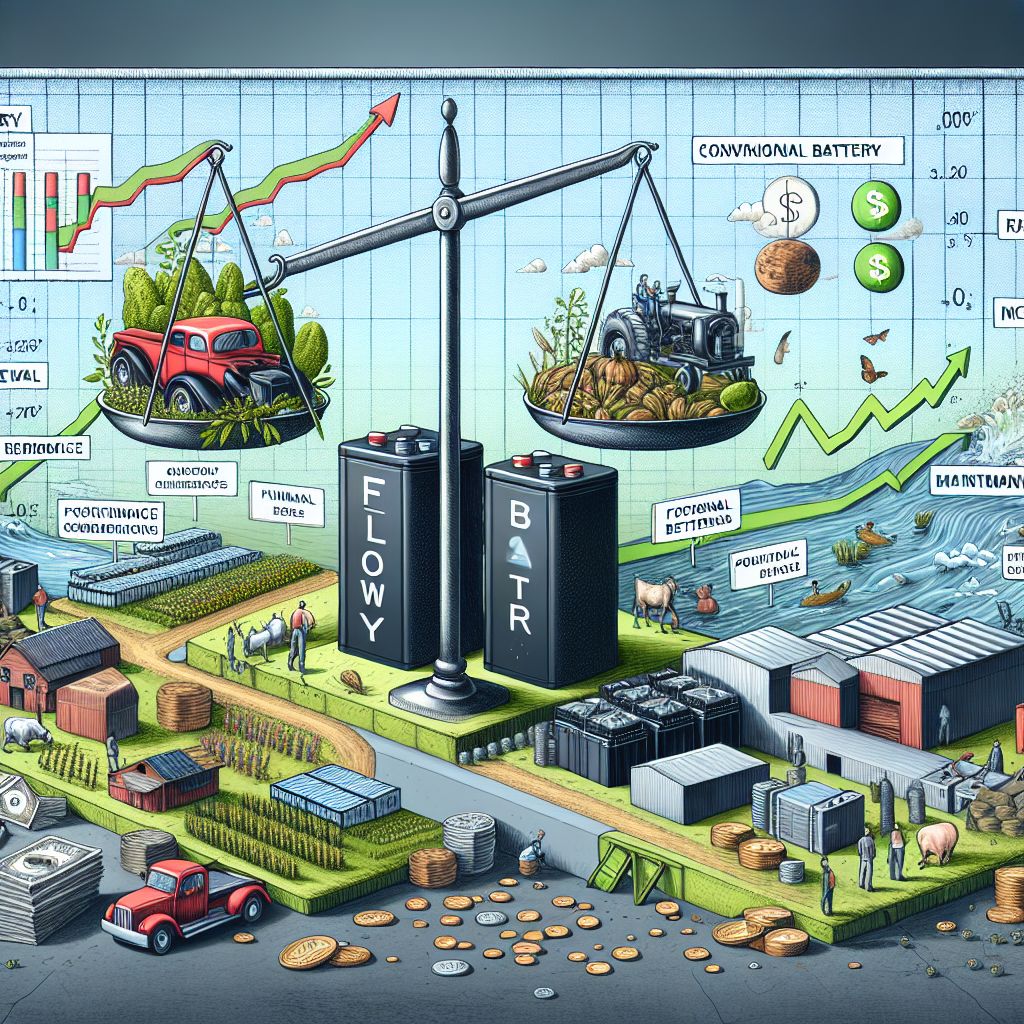
The economics of flow battery systems require thoughtful analysis beyond simple payback calculations. While initial costs exceed conventional battery technologies, the longer lifespan, reduced maintenance, and operational benefits create compelling total cost of ownership advantages for agricultural applications. The decision ultimately depends on specific farm operations, energy requirements, and financial considerations unique to each agricultural business.
Initial Setup Costs Compared to Other Solutions
Flow battery systems typically require a higher upfront investment than lithium-ion alternatives, with installed costs ranging from $800-$1,200 per kilowatt-hour of storage capacity compared to $400-$700 for lithium-ion systems. For a mid-sized farm requiring 100kWh of storage, this translates to approximately $80,000-$120,000 for a complete flow battery system including integration with existing solar arrays and farm electrical infrastructure. However, this price differential narrows significantly when calculated on a per-cycle basis over the system’s lifetime.
The total cost equation shifts dramatically when factoring in replacement costs. While lithium-ion systems typically require complete replacement after 7-10 years, flow batteries maintain performance for 15-20+ years with only periodic maintenance and potential electrolyte refreshing. For a 20-year planning horizon, many farms would need to purchase two complete lithium-ion systems versus one flow battery system, ultimately making the flow battery the more economical choice despite higher initial costs.
Maintenance Requirements and Expenses
Flow battery systems require modest but specific maintenance procedures to ensure optimal performance and longevity. Annual maintenance costs typically run 1-2% of the initial system cost, covering routine pump maintenance, filter replacements, and system inspections. Unlike lithium-ion batteries that gradually degrade regardless of maintenance quality, properly maintained flow batteries maintain full capacity throughout their operational life, making preventative maintenance a worthwhile investment rather than merely an expense.
Payback Period for Different Farm Sizes
Payback periods vary significantly based on farm size, energy consumption patterns, and local utility rates. Small specialty crop operations with high-value products often achieve payback in 7-8 years through energy savings and improved crop quality. Medium-sized diversified farms typically see returns within 8-10 years, particularly when factoring in avoided losses from power outages and optimized irrigation timing.
Larger commercial agricultural operations benefit from economies of scale, with systems over 250kWh achieving payback in 6-8 years when taking advantage of available incentives. These larger installations also create opportunities for additional revenue through grid services and demand response programs, further accelerating return on investment. One dairy operation in Wisconsin reports recovering nearly 15% of their annual system cost through participation in their utility’s capacity market, where they’re paid simply for having dispatchable power available during peak demand events.
Available Agricultural Grants and Tax Incentives
The financial landscape for flow battery investments has improved dramatically with recent legislation supporting renewable energy adoption in agriculture. The Inflation Reduction Act of 2022 extended and expanded the Investment Tax Credit (ITC) for battery storage systems, allowing farmers to claim up to 30% of system costs as a direct tax credit—even when batteries are installed without solar panels. This credit alone can reduce a $100,000 system investment to $70,000, significantly improving project economics.
Beyond federal incentives, many states offer additional support specifically for agricultural energy improvements. California’s SGIP program provides rebates of $200-$400 per kilowatt-hour for battery storage, while New York’s NY-Sun initiative offers up to $350/kWh for farm-based energy storage projects. The USDA’s Rural Energy for America Program (REAP) provides both grants covering up to 25% of project costs and loan guarantees that can make financing more accessible and affordable for qualifying agricultural businesses. For more on integrating solar technology into agriculture, explore the benefits of solar power irrigation.
Sizing Your Flow Battery System Correctly
Proper system sizing represents the critical difference between disappointment and satisfaction with flow battery investments. Undersized systems fail to deliver the operational benefits that justify their cost, while oversized systems waste capital that could be better deployed elsewhere in the farm operation. Careful analysis of energy needs, consumption patterns, and future growth plans ensures the right-sized solution for each unique farming operation.
Calculate Your Farm’s Energy Needs
The foundation of proper system sizing begins with a comprehensive energy audit documenting both total consumption and—crucially—the timing of that consumption throughout the day and across seasons. Start by gathering 12-24 months of utility bills to establish baseline consumption patterns, then identify critical loads that must remain operational during grid outages. Irrigation pumps typically consume 3-5 kWh per horsepower daily, while dairy operations require approximately 2-3 kWh per cow daily for milking and milk cooling.
Beyond these baseline calculations, consider operational flexibility. Could certain energy-intensive activities be shifted to align with solar production, reducing required storage capacity? Are there seasonal variations in energy needs that might affect sizing decisions? Flow Battery Solutions typically recommends capacity sufficient to cover critical loads for 24-48 hours, providing overnight power plus a buffer for cloudy days and emergency situations.
Matching Battery Capacity to Solar Array Size
The relationship between solar array capacity and battery storage size must be carefully balanced. As a general guideline, flow battery storage capacity typically ranges from 2-6 kWh of storage per kW of installed solar capacity, depending on consumption patterns and backup requirements. A farm with a 50kW solar array might therefore require 100-300 kWh of flow battery capacity to effectively capture and utilize excess daytime production.
This relationship becomes particularly important for farms seeking to maximize self-consumption of solar energy rather than selling excess production to the grid at unfavorable rates. In many agricultural regions, utilities have reduced net metering payments while maintaining high retail rates, creating strong financial incentives to store and use solar energy on-site rather than exporting it. Properly sized flow battery systems can increase solar self-consumption from typical levels of 30-40% to 70-90%, dramatically improving project economics.
Planning for Seasonal Energy Fluctuations
Agricultural operations rarely maintain consistent energy consumption throughout the year. Irrigation demands peak during summer growing seasons, grain drying equipment runs intensively during harvest, and climate control systems draw more power during extreme weather. Effective system sizing accounts for these predictable variations by designing for critical seasonal peaks rather than average consumption.
One approach gaining popularity among Flow Battery Solutions’ agricultural clients involves designing modular systems with a core capacity sized for year-round needs, supplemented with portable or seasonal capacity additions during peak demand periods. This hybrid approach optimizes capital investment while ensuring sufficient capacity when it’s most needed. A vegetable operation in California uses this strategy to add 50% more storage capacity during summer irrigation season, then redeploys those modules to support winter greenhouse operations, maximizing utilization of their battery assets.
Installation Considerations for Agricultural Settings
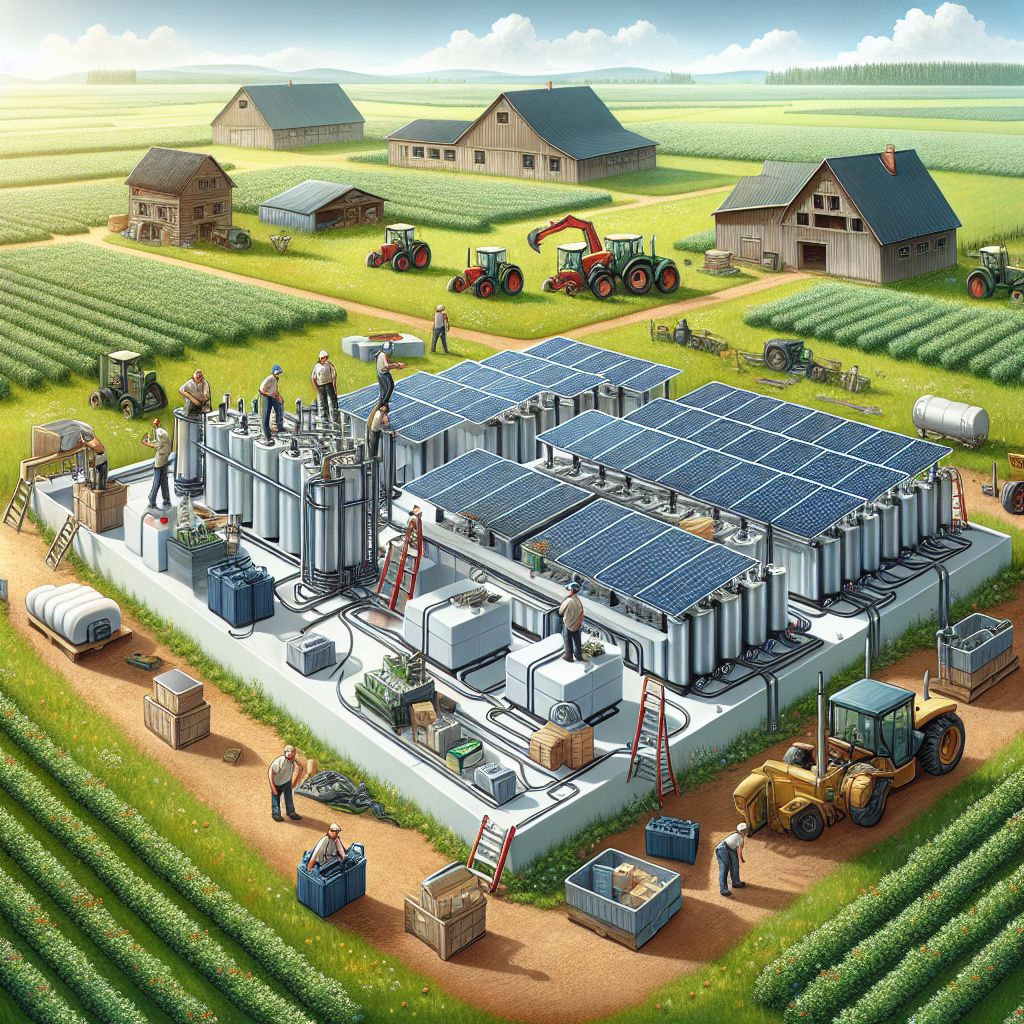
The physical realities of farm environments create unique challenges and opportunities for flow battery installations. From space requirements to weather protection and integration with existing electrical systems, thoughtful planning ensures smooth implementation and reliable operation. Working with integrators experienced in agricultural applications can prevent costly mistakes and ensure systems meet both current needs and future expansion possibilities.
Space Requirements and Location Planning
Flow battery systems require more physical space than lithium-ion alternatives due to their separate electrolyte tanks and pumping systems. A typical 100kWh system occupies approximately 120-150 square feet, with additional clearance needed for maintenance access. This footprint makes careful location planning essential, particularly for farms where space for non-production activities carries opportunity costs. For more information on the benefits of using solar panel battery systems on farms, check out this helpful guide.
Ideal locations balance proximity to both the farm’s electrical distribution panel and solar array (to minimize electrical losses) with protection from equipment traffic and operational hazards. Many installations utilize otherwise underutilized spaces such as equipment shed corners, spaces between buildings, or even purpose-built covered areas that protect the system while maximizing land use efficiency. Consider future expansion when selecting locations—the modular nature of flow batteries allows for growth, but only if space permits. For more on enhancing farm efficiency, check out dual-axis solar panel trackers.
Weather Protection and Temperature Control
While flow batteries operate across wider temperature ranges than other storage technologies, they still benefit from basic environmental protection. Most manufacturers recommend installation in covered areas that shield equipment from direct precipitation and solar heat gain. In extreme climates, basic insulation or ventilation may be necessary to maintain optimal operating conditions, though full climate control is rarely required even in the most demanding agricultural environments.
Integration with Existing Farm Electrical Systems
The complexity of integrating flow batteries with existing farm electrical infrastructure varies significantly depending on the farm’s current systems. Operations with newer electrical service and adequate capacity typically require only modest modifications to accommodate battery systems. However, farms with older infrastructure may need service upgrades or panel replacements to safely interface with battery systems and enable seamless transitions between grid, solar, and battery power.
Particular attention should be paid to critical loads that must remain operational during outages. Many installations incorporate critical load panels that isolate essential circuits, ensuring battery capacity is reserved for truly important systems rather than consumed by non-essential equipment. This selective approach maximizes the effective backup duration during extended outages. One dairy operation in Wisconsin maintains a three-day backup capacity for essential milking and cooling equipment by excluding non-critical loads from their battery backup system.
Success Stories: Farms Thriving with Flow Battery Backup
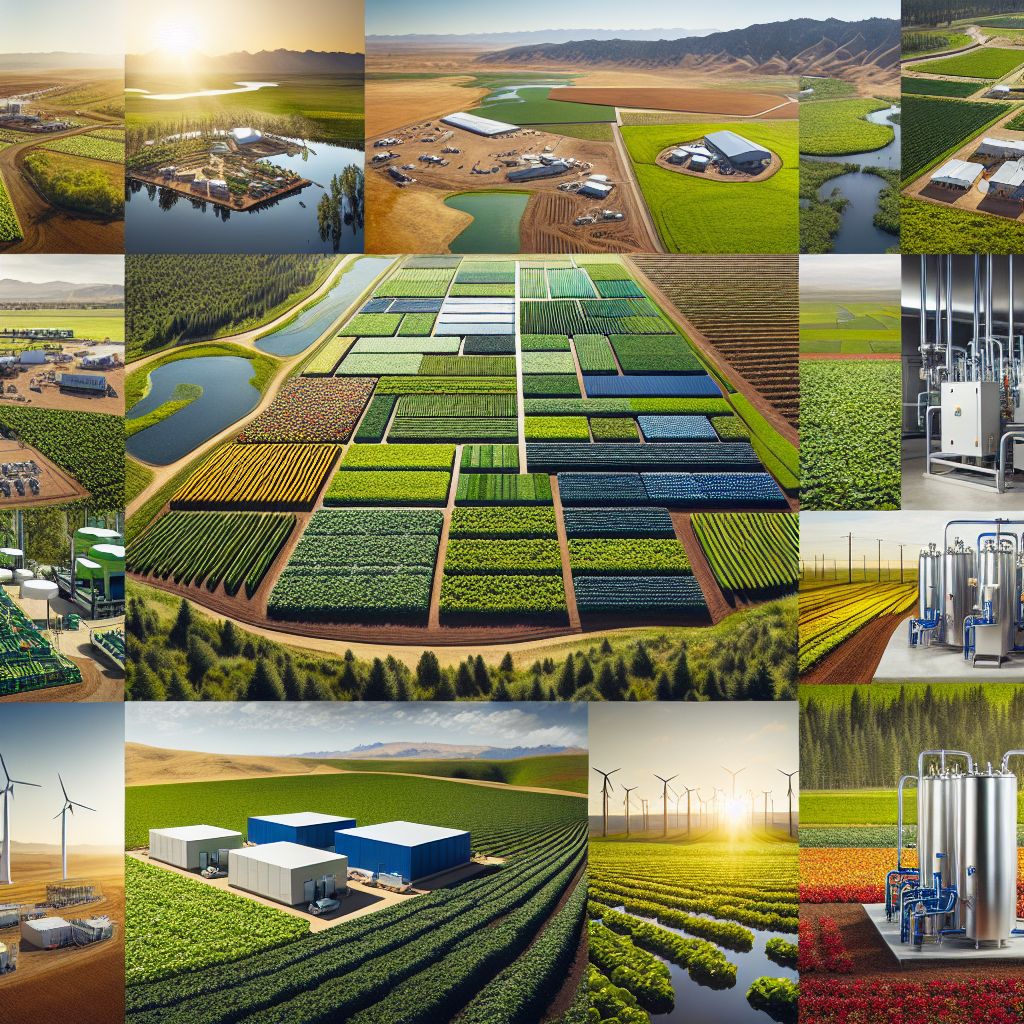
The theoretical advantages of flow batteries translate into real-world success for diverse agricultural operations. From small specialty crop producers to large commercial operations, farms across the country are discovering how these systems transform their energy independence, operational reliability, and financial performance. These case studies illustrate the practical benefits and lessons learned from early adopters who have successfully integrated flow battery technology into their agricultural enterprises.
Small Vegetable Farm Case Study
Riverbed Organic Farms, a 15-acre intensive vegetable operation in California’s Central Valley, installed a 75kWh flow battery system paired with their existing 30kW solar array in 2021. Their primary goal was ensuring reliable irrigation during increasingly frequent summer power outages that threatened their high-value tomato and pepper crops. Before the battery installation, outages during critical growing periods resulted in crop losses averaging $20,000 annually—nearly 10% of their revenue. For those interested in similar solutions, exploring solar-powered irrigation systems can provide additional benefits.
The flow battery system now maintains irrigation schedules regardless of grid conditions, with capacity sized to run pumps for 36 hours without recharging. Beyond outage protection, the system enables optimal night-time irrigation when evaporation losses are minimized, improving water efficiency by 22% compared to their previous daytime-only approach. This operational improvement alone increased marketable yields by approximately 15%, creating value beyond simple outage protection.
- Initial investment: $85,000 after federal tax credits and state incentives
- Annual savings: $5,200 in reduced electricity costs
- Additional benefit: $20,000 in avoided crop losses
- Improved yield value: Approximately $30,000 annually
- Simple payback period: 1.5 years when including all financial benefits
“The peace of mind alone would make this worthwhile,” notes owner Sarah Chen. “But the system has paid for itself faster than we expected through better crop quality and higher yields. We’re no longer at the mercy of the utility company’s maintenance schedule or summer thunderstorms.”
Large Livestock Operation Results
Hillcrest Dairy, a 600-cow operation in Wisconsin, faced different challenges when implementing their 200kWh flow battery system in 2020. Their primary concern was maintaining twice-daily milking operations and milk cooling during increasingly frequent winter storm outages. With each missed milking costing approximately $8,000 in lost production and potential health issues for the herd, resilience was their primary motivation rather than energy arbitrage or solar optimization.
Future-Proofing Your Farm with Flow Batteries
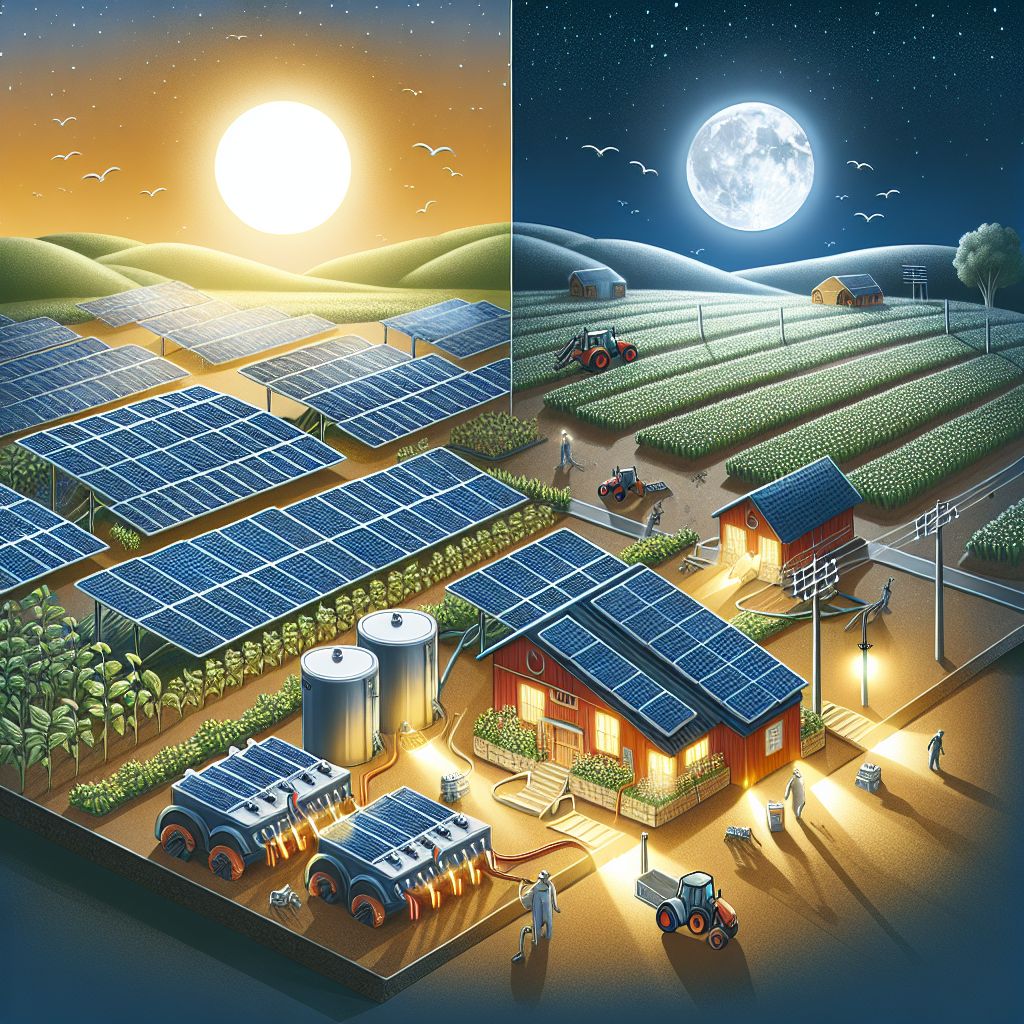
The agricultural landscape continues evolving rapidly, with climate change, market pressures, and technological advances creating both challenges and opportunities. Flow battery systems represent not merely a solution to today’s energy needs but a strategic infrastructure investment that positions farms for future success. From carbon credit opportunities to integration with emerging agricultural technologies, these systems create flexibility and resilience that extends far beyond simple power backup.
As utilities across agricultural regions implement time-of-use rates and reduce net metering benefits, the economic case for energy storage grows stronger yearly. Farms with flow batteries in place gain independence from these shifting policies, controlling when they consume grid power rather than remaining captive to utility rate structures. This autonomy becomes increasingly valuable as regulatory landscapes change, providing operational certainty in otherwise uncertain energy markets.
Frequently Asked Questions
As farmers explore flow battery options, certain questions consistently arise during the decision-making process. These answers address the most common concerns and misconceptions about implementing flow battery technology in agricultural settings.
How long do flow batteries typically last in farm environments?
Flow batteries typically maintain full capacity for 15-20 years in agricultural applications, with some systems projected to last 25+ years with proper maintenance. This longevity stems from their fundamental chemistry—unlike solid-state batteries that degrade with each cycle, flow batteries can complete 10,000+ full cycles without significant capacity loss. The mechanical components (pumps, sensors, control systems) may require replacement or refurbishment during this period, but these represent minor costs compared to full system replacement.
Can flow batteries handle freezing temperatures in winter?
Most commercial flow battery systems incorporate basic thermal management features that prevent electrolyte freezing in cold climates. Vanadium-based systems typically include heating elements that activate automatically when temperatures approach freezing, consuming minimal energy to maintain appropriate operating conditions. For extremely cold environments, insulated enclosures provide additional protection without requiring expensive climate control systems.
Farms in Minnesota, Wisconsin, and other northern states have successfully operated flow batteries through winter temperatures below -30°C (-22°F) with proper installation and basic thermal protection measures. The key is working with integrators experienced with agricultural installations in similar climates who understand the specific requirements for reliable cold-weather operation.
What happens if my flow battery system needs repairs during harvest?
Unlike technologies where failures cause complete system outages, flow batteries offer inherent redundancy through their modular design. Most agricultural installations include multiple cell stacks and redundant pumping systems, allowing partial operation even when components require service. A system operating at reduced capacity can still support critical loads while repairs are completed.
Remote monitoring capabilities alert both farmers and service providers to developing issues before they cause system failures, enabling preventative maintenance during less critical periods. Flow Battery Solutions implements predictive maintenance protocols for agricultural clients, scheduling routine service during seasonal low-demand periods rather than waiting for problems to develop during critical operations.
For emergency situations, the company maintains mobile backup systems that can be deployed to client sites within 24-48 hours in most agricultural regions, providing temporary capacity during repairs to critical components. This service continuity approach has proven particularly valuable for livestock operations where power interruptions cannot be tolerated even briefly.
Typical Response Times for Service Issues
Remote diagnostics and troubleshooting: 1-2 hours
Technician dispatch for minor issues: 24-48 hours
Component replacement: 2-5 days depending on location
Full system restoration: Typically within one week
Emergency backup deployment: 24-48 hours in most regions
Most importantly, flow batteries integrate with existing backup systems such as diesel generators, creating layered redundancy that prevents catastrophic failures even during extended repair periods. This integration allows generators to operate more efficiently by maintaining steady loads rather than responding to demand fluctuations, reducing fuel consumption and extending generator life.
Are flow batteries environmentally safe for agricultural land?
Flow battery chemistry varies between manufacturers, but most agricultural installations use vanadium-based systems specifically because of their environmental safety profile. The electrolyte is non-flammable and non-explosive, eliminating fire risks associated with lithium-ion technologies. While vanadium electrolyte requires proper handling, it poses minimal environmental risk when contained within properly designed systems that include secondary containment features.
From a lifecycle perspective, flow batteries offer significant environmental advantages over alternative technologies. The electrolyte can be recycled at end-of-life, with some manufacturers offering take-back programs that recover over 90% of materials for reuse. The long operational life also reduces embodied carbon impact by eliminating the need for frequent replacements, making flow batteries among the most environmentally sustainable energy storage options available for agricultural applications.
Can I start small and expand my flow battery system later?
The modular architecture of flow battery systems makes them ideal for phased implementation approaches. Many farms begin with capacity sized for critical loads only, then expand as operational benefits become apparent and capital becomes available. This approach reduces initial investment while establishing the infrastructure needed for future growth. For those interested in enhancing their solar setup, exploring dual-axis solar panel trackers can also be beneficial for farm efficiency improvement.
Effective expansion planning requires selecting initial components—particularly inverters and control systems—with sufficient capacity headroom to accommodate future growth. A modest premium for oversized components in the initial installation can avoid costly replacements later. Most manufacturers design their systems with expansion ports and standardized connections that simplify capacity additions without requiring system redesign or extensive downtime.
Flow Battery Solutions recommends agricultural clients consider their three-to-five-year growth plans when designing initial systems, incorporating expansion capacity that aligns with anticipated operational changes. This forward-looking approach has proven particularly valuable for growing operations where energy needs increase predictably as production expands or new processes are added. Visit their website to learn more about scalable energy solutions for farms of all sizes.




Leave a Reply